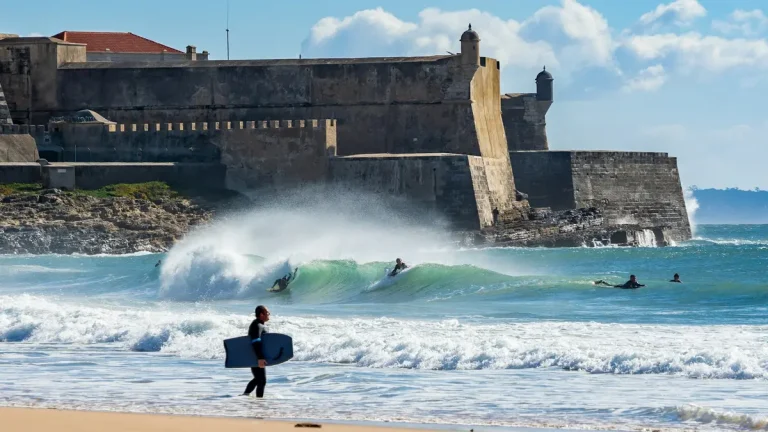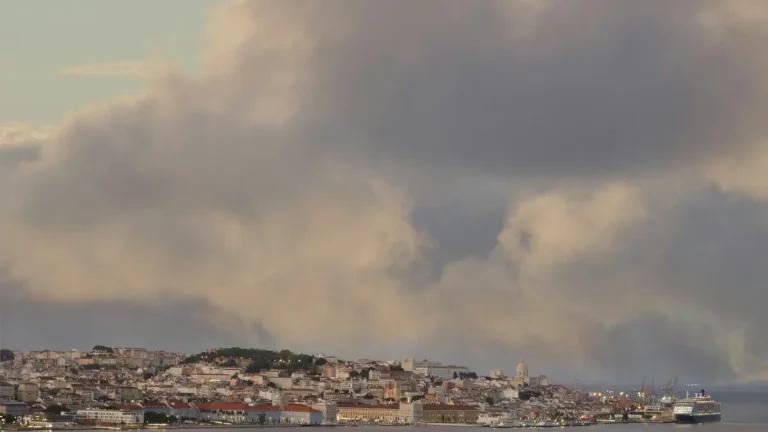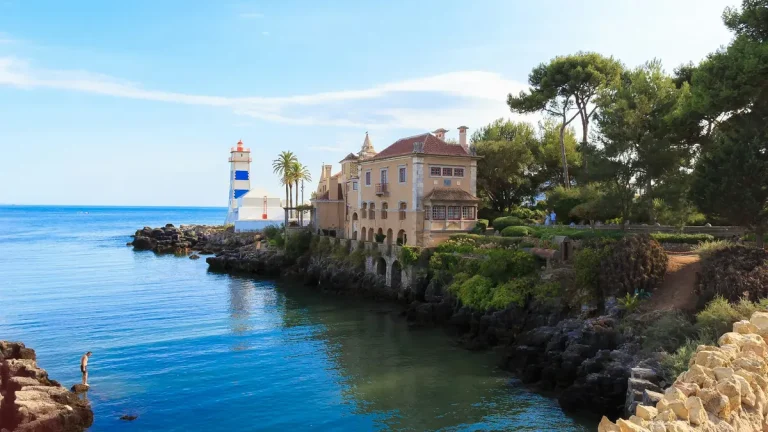
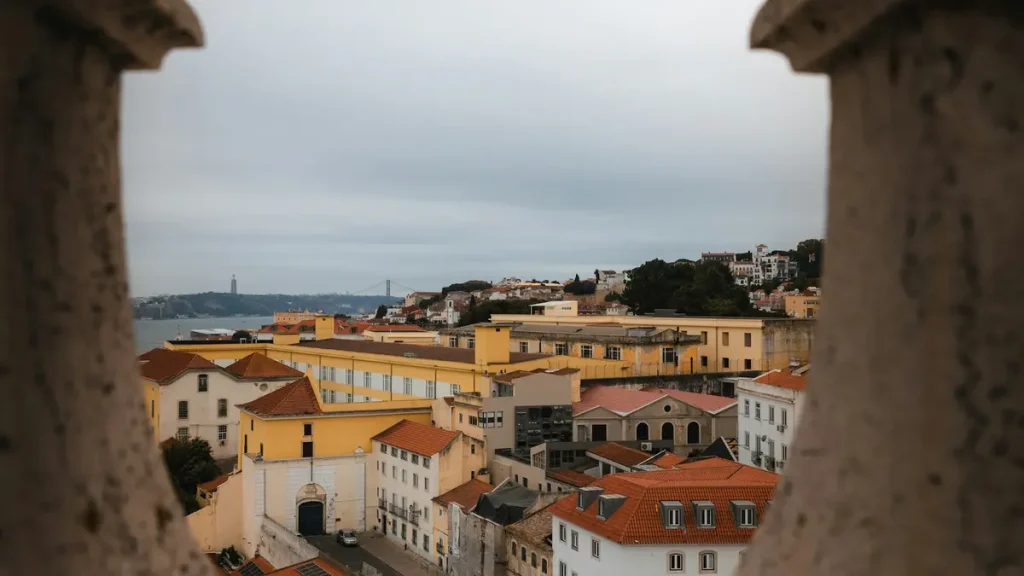
Three full days in Lisbon are enough for a strong first visit if each day stays within one part of the city. Use Day 1 for Baixa and Chiado, Day 2 for Graça and Alfama, and Day 3 for Belém. This gives the castle, historic lanes, major riverfront monuments, and unhurried meals room to coexist.
“Full” matters. A morning arrival after an overnight flight and an early departure do not automatically become sightseeing days because the hotel reservation has three nights. This itinerary assumes three usable mornings, afternoons, and evenings. The guide to how many days Lisbon needs handles other trip lengths; the broader list of things to do in Lisbon supplies optional swaps.
3 Days in Lisbon at a Glance
| Day | Neighborhood cluster | Walking | Book first |
|---|---|---|---|
| 1 | Baixa, Praça do Comércio, Chiado, Carmo | Moderate; one sustained climb | Carmo only if a special event; dinner if important |
| 2 | Castelo, Graça edge, Alfama | High; cobbles, stairs, mostly downhill if ordered well | Official castle ticket; fado or dinner |
| 3 | Jerónimos, Belém riverfront, one museum | Moderate and relatively flat | Jerónimos; museum only when a temporary exhibition matters |
Arrange the Days Before Filling Them
Match the Calendar to the Closures
These are route labels, not fixed weekdays. Put Belém on Tuesday through Sunday because the Jerónimos cloister closes on Monday. The church has separate visiting hours, including a later start on Sundays, so check both sections of the official page. Castelo de São Jorge is open daily apart from a short holiday list, making Alfama the useful Monday anchor. Carmo Archaeological Museum is open Monday through Saturday and closed Sunday.
Then look at the forecast. Give the driest day to Alfama’s stone lanes and castle walls. Belém can absorb rain more gracefully through Jerónimos and a museum; Baixa and Chiado offer cafés, churches, and indoor collections between showers.
Use Transport to Remove Climbs
Lisbon is walkable in the sense that roads connect. That is not the same as flat. Use transit to reach the top of Day 2, then walk down through Alfama. Bus 737 stops close to the castle; the castle’s official access page also lists Metro, lifts, and Tram 28 options. For network details, use the Lisbon Metro map guide, and check current Carris and Metro alerts each morning.
Save each day as a separate list with the Google Maps trip-planning method. Add one lunch zone rather than one compulsory restaurant. That preserves choice when a queue, rain shower, or appealing side street edits the schedule on your behalf.
Protect Meals and Evenings
Keep 75–90 minutes for lunch and avoid placing a timed attraction immediately afterward. Reserve a fado performance or a dinner you genuinely care about, then leave the other evenings flexible. The Lisbon restaurant guide handles neighborhood choices; this itinerary only keeps you from crossing town for every plate.
Day 1: Baixa, Chiado and Carmo
Morning: Read Lisbon From the Ground Up
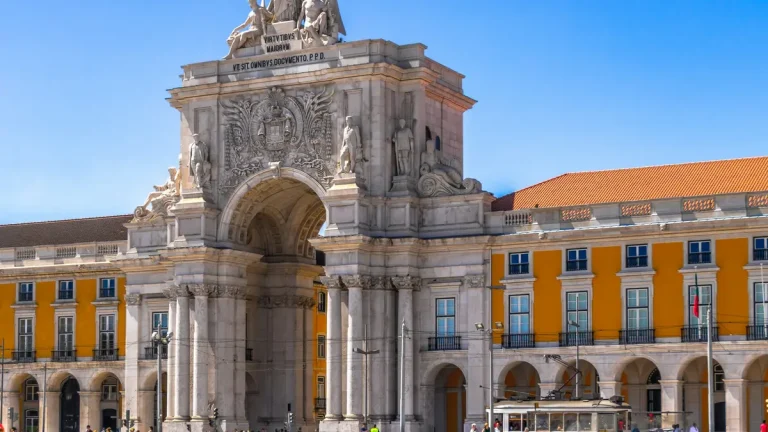
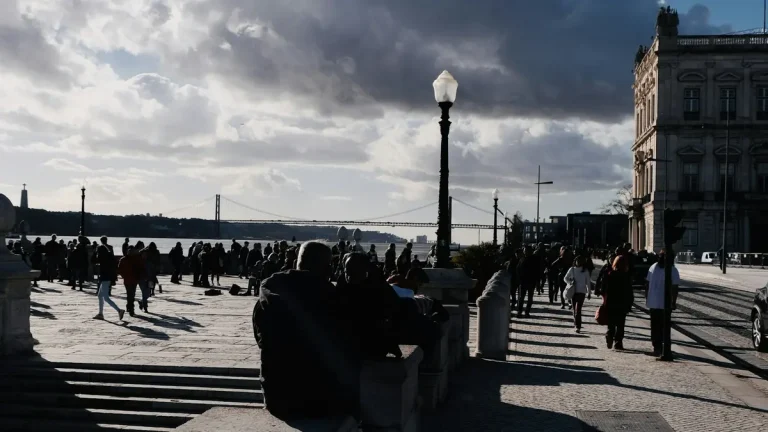
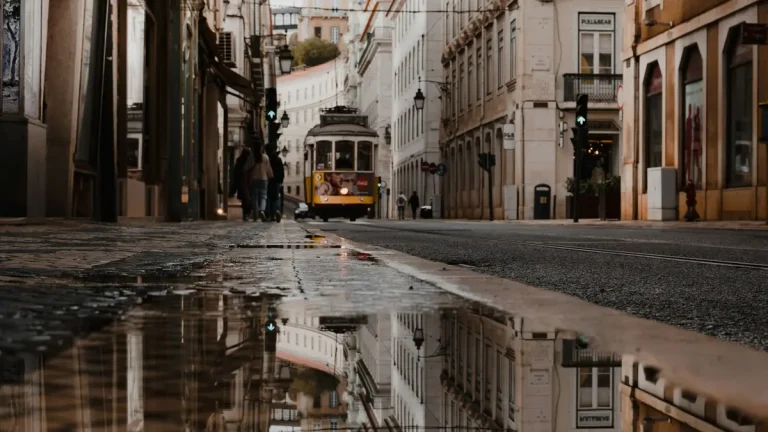
Start at Rossio and Praça da Figueira, then walk through Baixa toward Rua Augusta and Praça do Comércio. The straight streets and broad squares are the rebuilt face of Lisbon after the 1755 earthquake, a useful contrast with the older lanes waiting on Day 2. Continue to the river, look back at the yellow arcades, and stop for coffee before the itinerary develops opinions about productivity.
Do not add Alfama just because its edge appears nearby. The castle is uphill, its lanes reward slower navigation, and Day 2 already solves both problems. If this is secretly an arrival morning, keep only Baixa and the riverfront; begin the formal three days after sleep.
Afternoon: Climb Once for Carmo and Chiado
After lunch, move uphill to Largo do Carmo. The roofless Carmo church preserves the physical interruption left by the earthquake rather than disguising it, while the small archaeological collection adds context. Check the official schedule—Sunday is the regular closure—and skip the interior if rain makes an open nave unappealing.
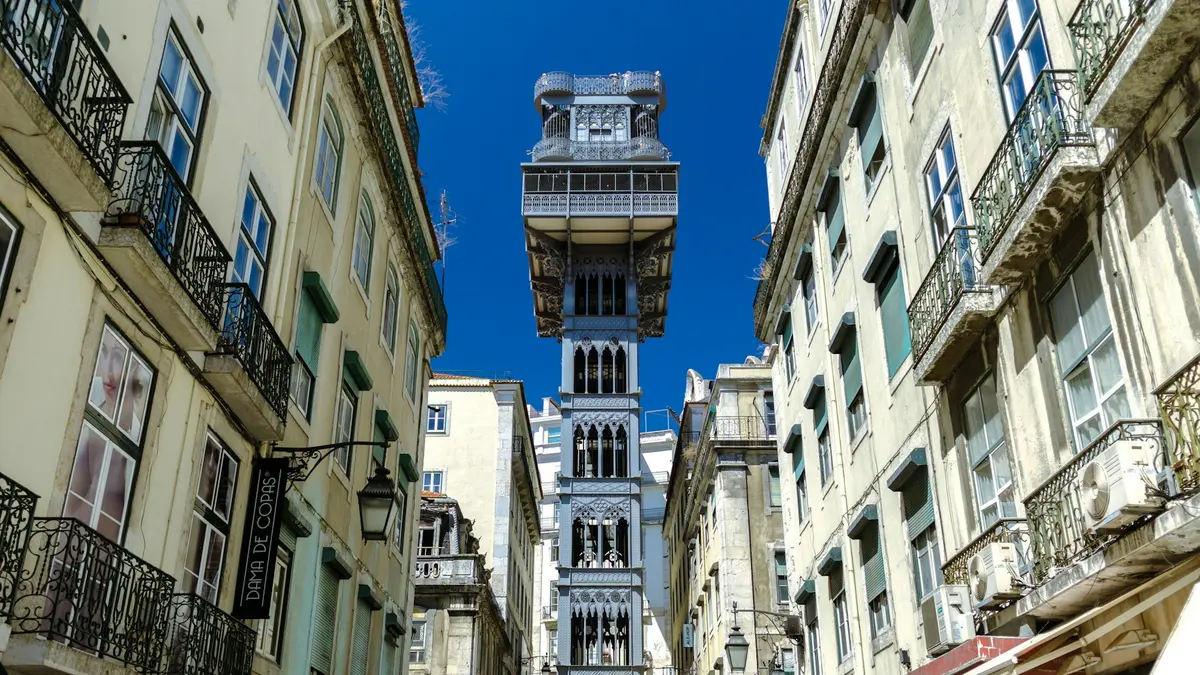
Continue through Chiado’s bookshops, cafés, and compact shopping streets. See the Santa Justa Lift from street level, but do not make a long line the day’s central achievement. On a wet Tuesday through Sunday, the National Museum of Contemporary Art is the stronger indoor swap. Choose one museum, not a cultural decathlon.
Evening: Stay on the Same Hill
Dinner in Chiado, Bairro Alto, or Príncipe Real keeps the evening coherent. Bairro Alto grows louder later; Príncipe Real suits a calmer meal or drink. If the overnight flight is still collecting its debt, this is the easiest evening to end early.
Day 2: Graça and Alfama, Mostly Downhill
Morning: Start at Castelo de São Jorge
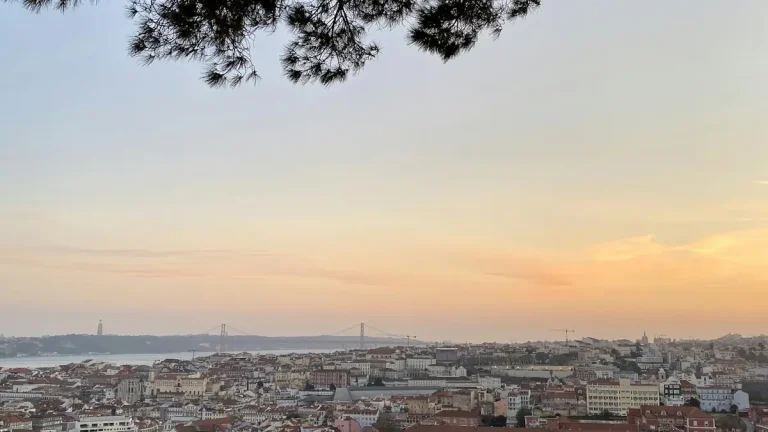
Buy the castle ticket only through its authorized BOL platform, then check seasonal hours. Take Bus 737 from Praça da Figueira or another current official route toward the entrance rather than spending the first hour climbing. The ramparts, archaeological layers, and broad view over tiled roofs explain the city’s geography before the lanes begin to hide it again.
Allow a relaxed castle visit, then walk toward Portas do Sol and Santa Luzia. Two viewpoints are enough; collecting every miradouro mainly produces near-identical photographs and increasingly specific opinions about calves.
Afternoon: Descend Through Alfama
Eat near the upper lanes or descend for lunch, keeping the choice loose. Then follow the slope through Alfama toward Lisbon Cathedral and the lower waterfront. Tile panels, laundry lines, small squares, and abrupt staircases make the district visually dense, but it remains a lived neighborhood. Keep voices low in residential alleys and resist treating every doorway as a portrait set.
If rain makes the stones slick, shorten the lane-wandering and use the Fado Museum when it is open Tuesday through Sunday. Otherwise, make the museum optional and preserve time for pauses. Alfama is better understood through its changes in height and street width than through a race between pins.
Evening: Fado With Clear Expectations
If fado matters, reserve a performance or dinner and confirm the start time, meal format, and cancellation terms. A dedicated venue makes more sense here than hoping a singer materializes beside dessert. If not, dine around Alfama or return to Baixa; the day has already earned a quiet ending.
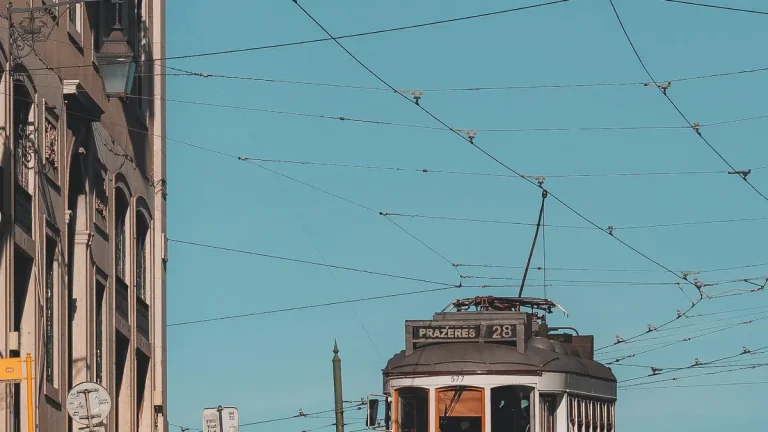
Tram 28 is optional. Its official route passes Graça, viewpoints, the cathedral, and Chiado, but service can change and central boarding queues vary. Ride early only if the tram itself matters, or use the direct bus uphill and spend the time on foot. It is public transport with photogenic equipment, not an admission requirement.
Day 3: Belém and the Riverside
Morning: Give Jerónimos the First Slot
Take Carris 15E toward Belém and verify the live route before leaving; the official line serves Jerónimos and the cultural center. Buy the monastery ticket through the official office, but do not treat an online ticket as a promise of no line. Arrive early, give the cloister most of the morning, and check the church’s separate hours rather than assuming both doors follow one timetable.
Afterward, pause for a pastel de nata and coffee. The famous bakery can have a takeaway line and table service moving at different speeds; choose whichever fits the day rather than turning custard into a queue-management seminar.
Afternoon: Riverfront, Tower and One Museum
Protect lunch before continuing along the Tagus. See the Monument to the Discoveries and Belém Tower from the riverfront, then decide whether another interior improves the day. The tower is currently listed by its official operator as open, but its compact circulation can take time. For a three-day itinerary, the exterior and riverside setting may be enough.
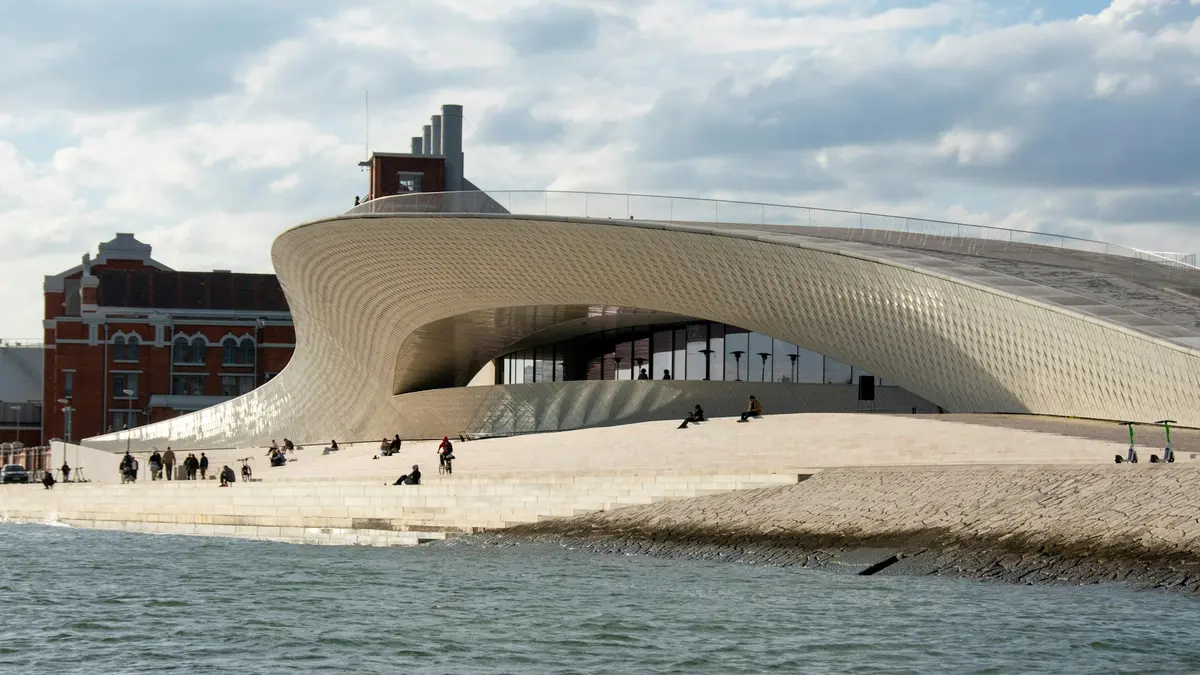
Choose one museum for the second half of the afternoon. MAC/CCB, beside Jerónimos, focuses on modern and contemporary art and closes Monday. MAAT, farther east along the river, combines art, architecture, and technology and closes Tuesday. Check current exhibitions before choosing. Either becomes the rain plan; visiting both turns an edited day back into inventory.
Evening: Return Without Adding Another District
Use the current 15E or another official connection back toward central Lisbon. Construction and temporary closures can affect Metro access, so check live operator notices rather than an old screenshot. Have the final dinner near the hotel or in a neighborhood already visited. Three days do not need a ceremonial sprint through LX Factory, Cascais, and one last viewpoint.
Adjust the Itinerary Without Breaking It
- For rain: move Alfama to the driest day; use MNAC on Day 1, the Fado Museum on Day 2, or MAC/CCB or MAAT on Day 3 when their official schedules fit.
- For lower mobility: keep the bus-to-castle, downhill order; cut extra viewpoints; use a taxi or TVDE between major elevation changes; and review each attraction’s accessibility page.
- For summer heat: put castle walls and the Belém riverfront early, schedule a long indoor lunch, and choose the museum during the hottest part of the afternoon.
- For a Sunday: remember Carmo is closed and Jerónimos church visiting begins later than on weekdays. Rearrange the three days rather than replacing closed doors with more walking.
- For Monday: make the castle and Alfama the anchor. Jerónimos, MAC/CCB, MNAC, and the Fado Museum follow different weekly patterns, so one generic “museum day” is not a plan.
Keep the Fourth Day for Leaving Lisbon
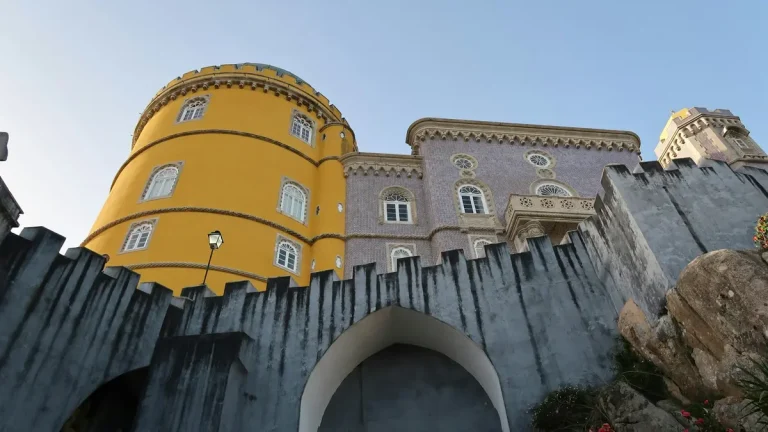
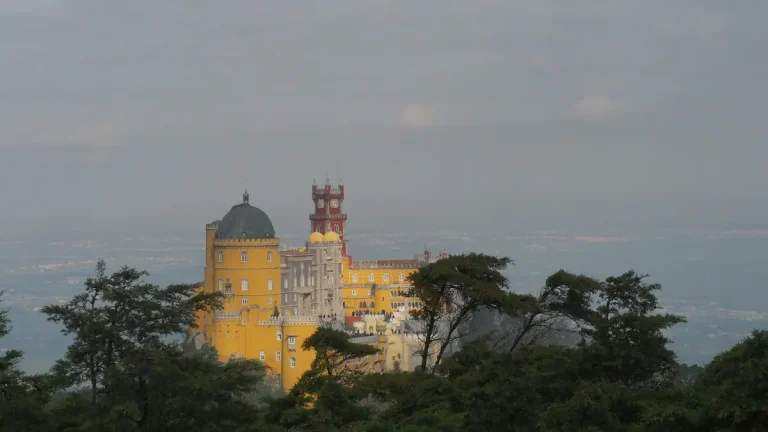
Three full days should reveal Lisbon itself: Baixa’s geometry, Alfama’s changing elevation, and Belém’s long river horizon. If a fourth day becomes available, then use the realistic Sintra day trip. The palaces deserve a day of their own, and Lisbon deserves not to be reduced to the breakfast before them.
Frequently Asked Questions
Is 3 days enough for Lisbon?
Yes, if each day stays within one part of the city: Day 1 for Baixa and Chiado, Day 2 for Graca and Alfama, and Day 3 for Belem. This assumes three full usable days rather than partial arrival or departure days.
What is the best order to see Lisbon’s neighborhoods in 3 days?
Start central in Baixa and Chiado, move to the hillier Castelo and Alfama area on day 2, then finish flatter and further out in Belem on day 3. This keeps walking difficulty and geography logical rather than backtracking across the city.