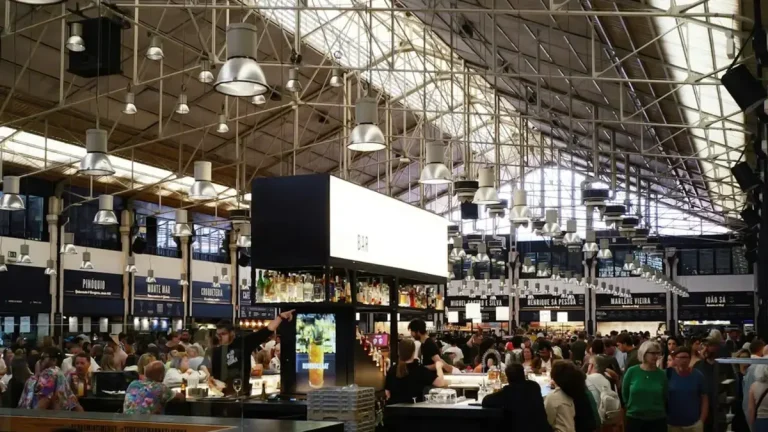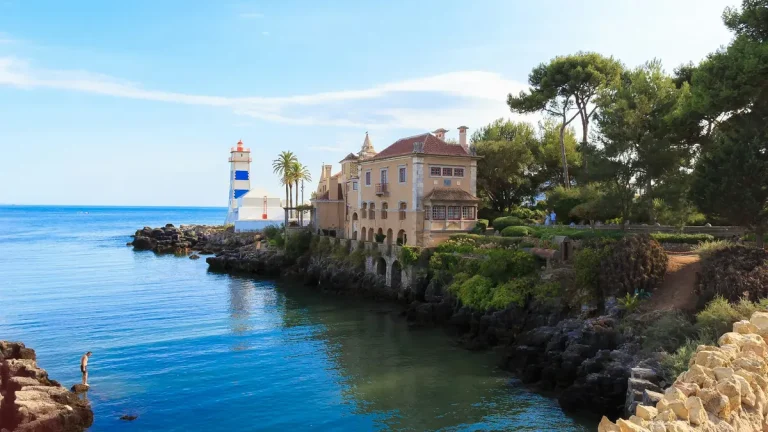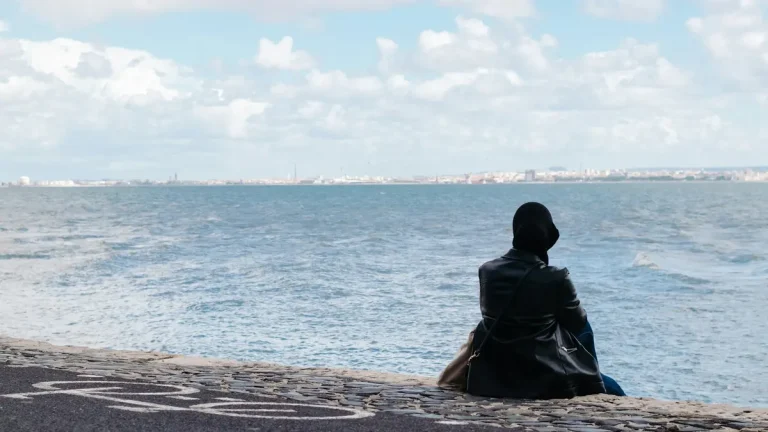

For most first-time visitors deciding where to stay in Lisbon, Chiado is the best all-around base. It balances central walks, useful transit, restaurants, and evening atmosphere. Choose Baixa for flatter streets and the simplest short stay, Avenida da Liberdade for a calmer arrival and larger hotels, or Príncipe Real for design, dining, and a more residential evening.
The neighborhood name is only the first filter. Lisbon’s hills can turn a ten-minute map distance into a daily negotiation, while one block can separate a quiet room from late-night street noise. Pick the daily journey before the balcony photograph.
The Best Areas to Stay in Lisbon at a Glance
Start by mapping the sights and evenings that matter most. The planned guide to the best things to do in Lisbon covers the main first-visit clusters; use those priorities rather than trying to be equally close to the entire city.
| Area | Best for | Hill and transit reality | Noise and budget |
|---|---|---|---|
| Chiado | Best overall first-time balance | Central but sloped; Baixa-Chiado serves two Metro lines | Busy and usually expensive |
| Baixa | Short stays, mobility, and easy sightseeing | Flattest historic-center base; strong Metro and rail access | Tourist-facing and priced for convenience |
| Alfama | Old-city atmosphere and early walks | Steep lanes, steps, limited vehicle access | Noise varies by street; value is inconsistent |
| Bairro Alto | Nightlife at the door | Hilltop location; no Metro station inside the district | Late street noise; varied room prices |
| Príncipe Real | Restaurants, boutiques, and calmer evenings | Hilly; station distance depends heavily on the address | Quieter than Bairro Alto and generally upscale |
| Avenida da Liberdade | Smooth arrivals, larger hotels, and quieter nights | Wide, gentler boulevard with Blue Line stations | Midrange to luxury; less old-town texture |
| Estrela and Santos | Longer stays and a residential pace | More reliance on trams, buses, or taxis | Usually calmer; occasional better value |
Check the Address, Not Just the Neighborhood
Before booking, place the hotel on a route map and inspect the walk from the nearest station. Lush Nomad’s guide to planning a trip on Google Maps is useful here: save the hotel, two likely dinner streets, and three major sights, then compare the routes you will repeat.
- Look at elevation and stairs. A short route in Alfama or Príncipe Real may be steep enough to matter with luggage, a stroller, or tired legs.
- Check the exact station entrance. Baixa-Chiado spans different levels of the hill. A nearby dot does not tell you which exit makes sense.
- Read recent reviews for street noise. Search the property reviews for bars, traffic, construction, soundproofing, and rooms facing the street.
- Test the arrival. Confirm whether a taxi can stop at the door, whether reception stores bags, and whether an upper-floor room has elevator access.
Where to Stay in Lisbon by Neighborhood
Chiado: Best Overall for a First Visit
Chiado sits between lower Baixa and the nightlife of Bairro Alto, which makes it the most balanced answer for a short first trip. Cafés, shops, theaters, and restaurants keep the area useful after sightseeing, while Baixa, the river, and parts of Príncipe Real are within walking range.
The tradeoffs are price, crowds, and slope. Some addresses marketed as Chiado sit high on the hill or close to late-night streets. Choose the Baixa-Chiado edge for easier logistics; move west or uphill when atmosphere matters more than a level return.
Baixa: Best for Flat Ground and Maximum Convenience
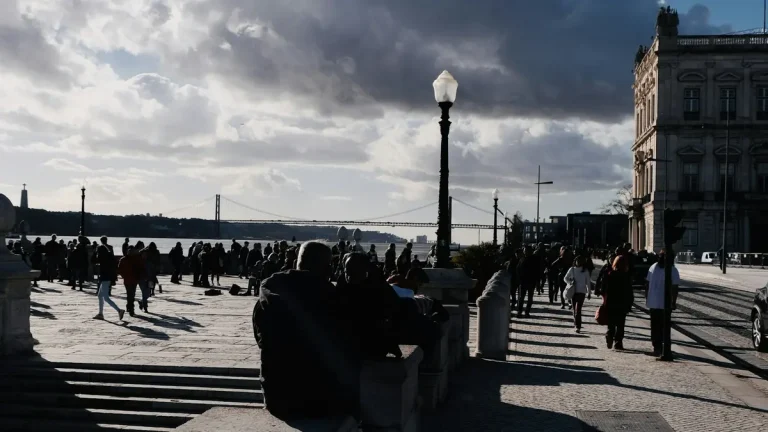
Baixa’s broad grid is Lisbon’s easiest historic-center base for travelers who want fewer hills. Rossio, Praça do Comércio, Chiado, and the lower edge of Alfama are close, while Metro stations and Rossio rail station simplify trips farther out. It works especially well for two or three nights, families, and travelers who want a straightforward arrival.
Centrality brings souvenir shops, daytime crowds, and hotel prices that reflect the postcode. Baixa can feel more like Lisbon’s front desk than a residential neighborhood. That is not a defect when convenience is the point.
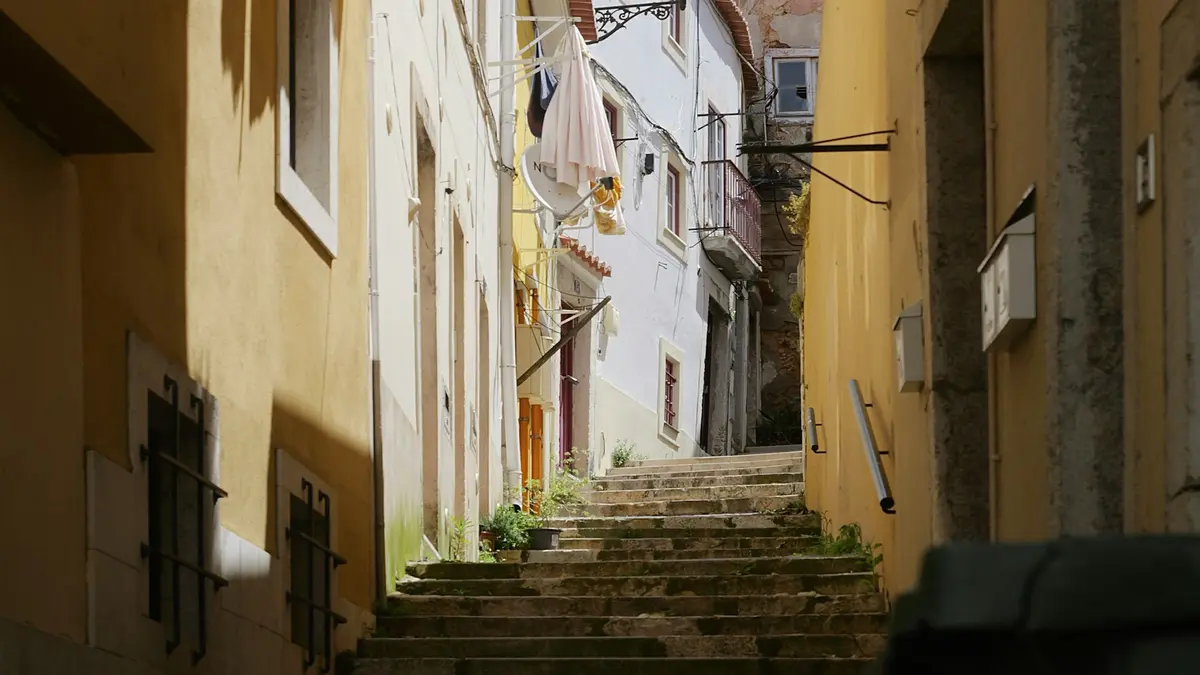
Alfama: Best for Atmosphere, Hardest for Luggage
Alfama offers tiled façades, church bells, viewpoints, and lanes that become quieter after day visitors leave. Staying here gives early access to the old city and suits travelers who value setting over seamless transport.
It is also steep, cobbled, and threaded with stairs. Some doors cannot be reached easily by car, and the nearest Metro may still leave an uphill walk. Confirm the exact luggage route before booking, pack lightly, and do not assume a river view comes with elevator service. The Europe packing list covers shoes and layers; Alfama is where the advice about grip stops being theoretical.
Bairro Alto: Best for Nightlife, Not Light Sleep
Bairro Alto is built for travelers who want bars, small restaurants, and late evenings immediately outside. Lisbon’s official tourism site describes streets filling with people at night before the social current moves downhill toward Bica and Cais do Sodré.
That energy is also the main drawback. Older buildings and outdoor crowds can carry sound well past dinner, especially on busy nights. A hotel on the Chiado border may provide access without placing the bed above the party; inside the busiest grid, recent room-specific noise reviews matter more than a hotel’s general star rating.
Príncipe Real: Best for Dining and a Polished Neighborhood Feel
Príncipe Real has leafy squares, design shops, restaurants, and a relaxed evening rhythm. It fits couples, LGBTQ+ travelers, and repeat visitors, but it also works for a first trip when the neighborhood itself matters as much as checking off sights.
The catch is the return uphill. Walking down to Baixa can feel effortless; walking back after a full day is a different proposal. Rato, Avenida, and Restauradores may all appear nearby depending on the address, so verify the actual route rather than accepting a vague claim of Metro access.
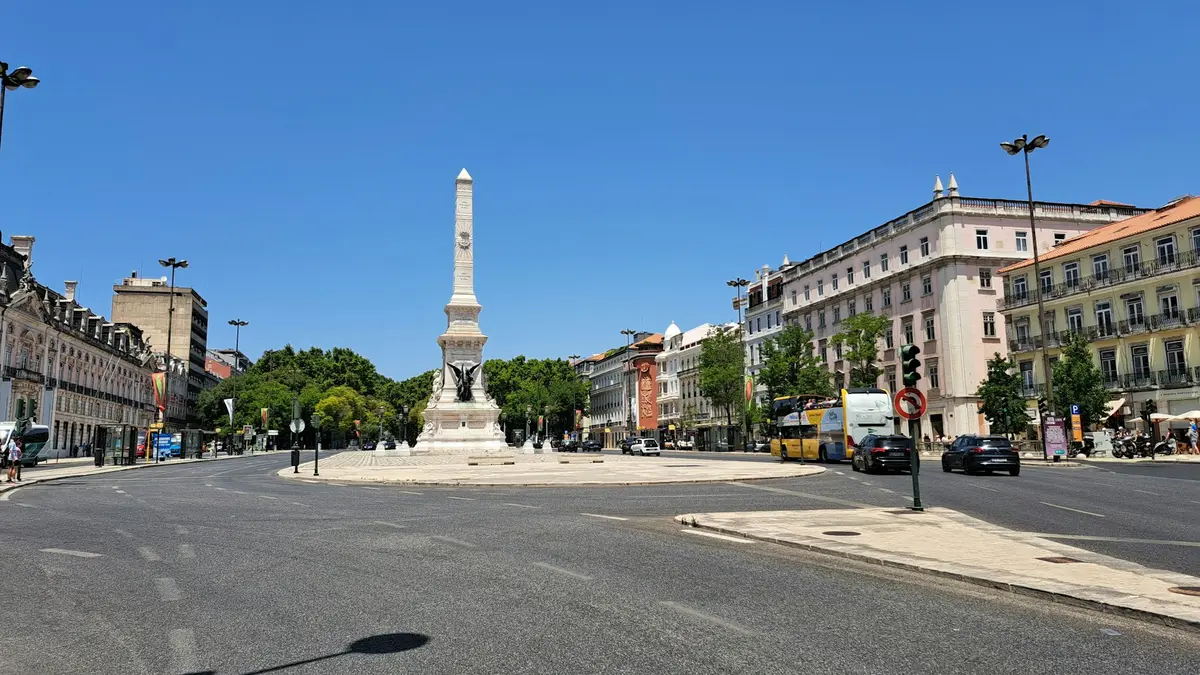
Avenida da Liberdade: Best for Easy Arrivals and Calm Nights
The wide, tree-lined Avenida is less intimate than the old quarters but much easier for taxis, luggage, and travelers who prefer a full-service hotel. Avenida and Marquês de Pombal stations connect the boulevard to the Metro, and the lower end is walkable to Restauradores and Baixa.
Choose it for quieter nights, larger rooms, or limited patience for cobbled climbs. It can also suit an overnight-flight arrival from the United States; keeping long-flight essentials separate from checked luggage makes the first morning gentler. The compromise is that the street outside feels polished and commercial rather than distinctly old Lisbon.
Estrela and Santos: Best for a Quieter, Longer Stay
Estrela and neighboring Santos offer parks, cafés, smaller hotels, and more ordinary residential evenings. They suit travelers staying five nights or longer, families who prefer calm, and anyone willing to trade instant access to major sights for a neighborhood that settles after dinner.
Transport is the calculation. These areas rely more on trams, buses, and occasional taxis than Baixa or Avenida, and not every street is flat. Check the route to the center and the return after dark. A lower room rate loses its charm if every day quietly acquires two extra rides.
Where to Look When Budget Matters Most
Lisbon prices move sharply with season and booking date, so no neighborhood is permanently cheap. Baixa and Chiado charge for centrality; Príncipe Real and Avenida often carry an upscale premium; small Alfama rooms are not automatically bargains.
For more hotel choice at a moderate price, extend the search north toward Avenidas Novas near Picoas or Saldanha. The streets are broader, the Metro is useful, and larger properties may offer more room for the money. The cost is a daily ride into the historic center. Compare the full trip, not only the nightly rate.
Lisbon Accommodation FAQ
What is the best area to stay in Lisbon for first-time visitors?
Chiado is the best overall choice because it balances atmosphere, walking access, food, and transport. Baixa is better for flatter ground or a very short stay, while Avenida da Liberdade suits travelers who prioritize calm rooms, vehicle access, and larger hotels.
Is Baixa or Chiado better?
Choose Baixa for flatter streets, straightforward transit, and maximum convenience. Choose Chiado for more evening character and a stronger mix of shops, cafés, and restaurants. The Baixa-Chiado border is the practical compromise, provided the exact street is quiet enough.
Is Alfama a good area to stay in Lisbon?
Alfama is a good base for atmosphere, old-city walks, and travelers comfortable with hills. It is a poor match for heavy luggage, limited mobility, strollers, or anyone who wants a Metro entrance close to the hotel. Check stairs and vehicle access before paying for the view.
Choose the area that makes an ordinary 9 p.m. return easy. Lisbon’s hills are beautiful from a miradouro; they are less persuasive when standing between dinner and bed.