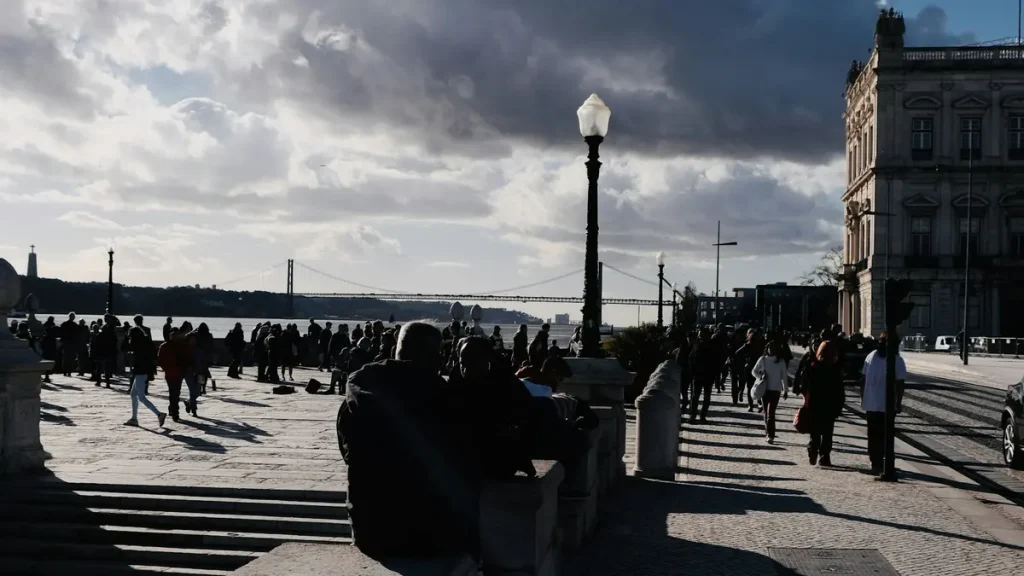
For most first-time visitors, three full days is the right amount of time for Lisbon itself. Add a fourth full day if Sintra or another day trip is a priority. Two days can cover a focused city break, while five allows slower neighborhoods, more museums, and a weather buffer. The important word is full: arrival and departure days rarely carry the same sightseeing capacity.
So, how many days in Lisbon do you need? Count the days you wake up and go to bed in the city without an airport or intercity transfer. That simple rule produces a much more honest plan than counting hotel nights.
Lisbon Trip Length at a Glance
| Full days | Best for | What realistically fits | Main tradeoff |
|---|---|---|---|
| 2 | Weekend visitors | The historic center plus one secondary area | Little room for museums, detours, or a day trip |
| 3 | Most first-time visitors | Lisbon’s core neighborhoods, Belém, and one interest-led block | Using one day for Sintra compresses Lisbon to two days |
| 4 | Lisbon plus Sintra | Three city days and one proper day trip | Requires an extra night in most flight schedules |
| 5 | Slow travel, food, and culture | A deeper city stay with one or two selective excursions | More time than a highlights-only visitor may need |
Three full days is the default, not a quota. The rest of the article shows when to move that answer up or down.
Count Full Days, Not Hotel Nights
Four nights commonly creates three full days: arrival night, three usable days, and departure morning. Three nights may leave only two. Booking pages make nights look generous; airports are less sentimental.
An early arrival is not automatically a full day. After an overnight flight from the United States, immigration, baggage, the airport transfer, and a room that may not be ready can turn an apparent morning start into a light neighborhood afternoon. A sensible long-haul flight plan helps with comfort, but it does not make jet lag a reliable scheduling tool.
Departure days deserve the same skepticism. A late flight may leave time for breakfast and one nearby stop, but checkout, luggage storage, and the airport buffer interrupt the day. Treat both travel days as partial unless your exact schedule proves otherwise. If a trip has three nights and a red-eye arrival, plan around two usable days, not three.
Two Full Days: A Focused Lisbon Weekend
Two full days is enough to understand Lisbon’s broad character, but not to collect every landmark. Keep the trip city-only and organize it by adjacent areas. One broad block can cover the lower center and one hill district; the other can focus on Belém or a different interest such as museums, food, or design. The point is to choose, not to sprint between every saved pin.
Use the curated things to do in Lisbon guide to decide which experiences matter most, then cut the rest. Two days works best for a weekend traveler comfortable with hills and a firm shortlist. It is less suitable for families with young children, travelers with limited mobility, or anyone who wants long lunches and several interiors.
Do not add Sintra merely because it is close on a regional map. A day there would leave only one full day for Lisbon. That may suit a repeat visitor with one specific city priority, but it is a poor default for a first trip.

Three Full Days: The Best First-Visit Balance
Three full days gives Lisbon room to behave like a city rather than a checklist. There is enough time for the historic center and its hills, a separate westward block around Belém, and a third block shaped by your interests—perhaps museums, food, contemporary culture, or neighborhoods beyond the first postcard view.
This is capacity, not a disguised hourly itinerary. A detailed three-day Lisbon itinerary will handle route order and daily combinations; the useful decision here is that three days can absorb one slow meal, one queue, and one changed plan without collapsing. Lisbon’s tiled facades invite pauses, while its gradients quietly bill for them.
Three days also suits first-time visitors who value culture and food more than day trips. If Sintra is nonnegotiable, however, three total days becomes two Lisbon days plus one excursion. That version is possible, but it is noticeably tighter and should be chosen deliberately.

Four Full Days: Lisbon Plus One Proper Day Trip
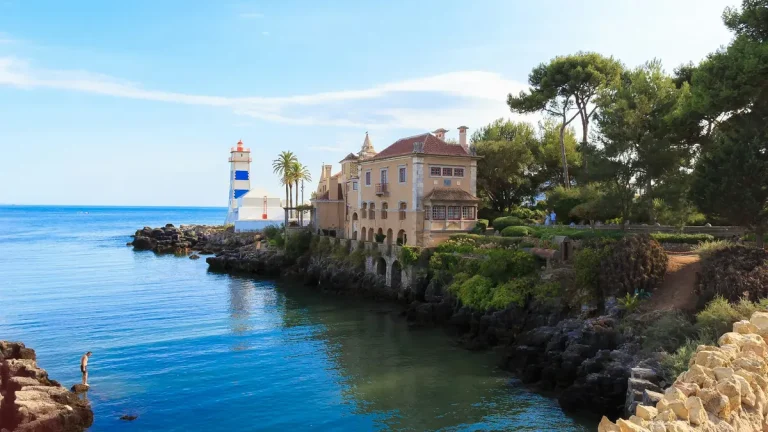
Four full days is the strongest answer for a first visit that includes Sintra: keep three days for Lisbon and reserve one complete day for the excursion. The same structure works for travelers choosing Cascais, Évora, or another option from the Lisbon day-trip comparison. This article does not need to turn each destination into a miniature itinerary; the extra day is what protects the city stay from being cannibalized by the outing.
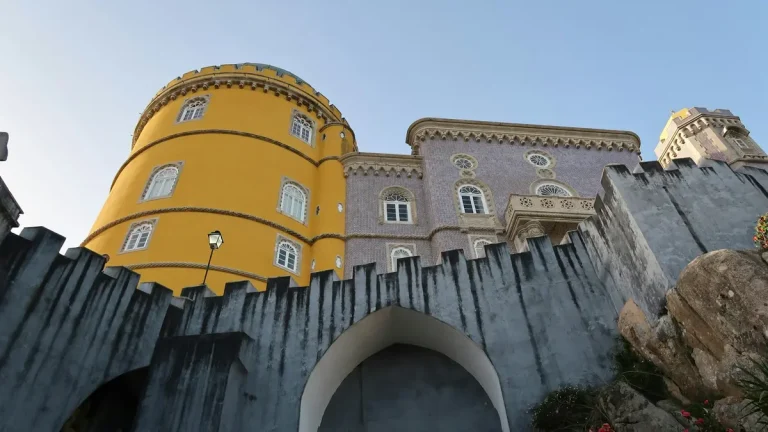
Sintra especially should not be treated as a casual half-day add-on. The official Pena Palace system requires entry to the palace interior at the ticket’s exact date and time, with late admission not accepted, and the route within the park includes a steep approach. Check the current Pena ticket instructions before committing. Rail schedules also change, so use the official CP journey planner for your travel date rather than building the day around an old blog timetable.
If you remain in Lisbon for all four days, the reward is not simply more sights. It is a calmer pace: time for a serious museum, a market or shopping block, a longer meal, and a rainy-afternoon substitution without forcing two distant areas into the same day.
Five Full Days: Better for Depth and a Slower Pace
Five full days makes sense for travelers who want the city to feel inhabited rather than completed. It suits food- and culture-led trips, families, visitors who take hills slowly, and anyone who prefers one major reservation a day. The fifth day can support a second selective excursion, but it can just as usefully stay in Lisbon for smaller museums, residential neighborhoods, or an unhurried return to a favorite area.
It also creates resilience. Rain, heat, fatigue, or a closed monument becomes an adjustment rather than a small scheduling crisis. Highlights-only travelers may not need five days, but slow travelers are unlikely to find the extra day empty.
What Changes How Much Lisbon Fits in a Day?
Hills and mobility
Lisbon is compact on a map and vertical underfoot. Calçada paving, stairs, and repeated climbs reduce the number of comfortable stops, especially in wet weather. Travelers with limited mobility, young children, or a preference for slow meals should add a day or reduce the daily area count. Choosing a practical base with the Lisbon neighborhood guide can save more energy than an ambitious morning schedule.
Reservations and weekly closures
Timed monuments and closed days can dictate the order of a short stay. The official Jerónimos Monastery page currently lists Monday closure, for example; verify current hours before publication and again before visiting. With only two days, one closure can remove a priority. With three or four, it usually becomes a reshuffle.
Where you stay and how you group areas
A central base does not erase the hills, but it can reduce transfers. Group nearby places before the trip instead of crossing the city for each saved restaurant or viewpoint. The Google Maps trip-planning method is useful for spotting a schedule that zigzags from Belém to Alfama and back again—a route that looks energetic mainly because it is.
Your definition of a good day
A traveler satisfied with exterior views, neighborhood walks, and one major interior can fit more than someone who reads every museum label and plans dinner as an event. Neither pace is more correct. Decide whether meals, shopping, nightlife, photography, or museums are central, then leave room for that priority instead of stacking it on top of a standard attractions list.
Choose the Stay That Matches Your Trip
- Weekend: Choose two full days and keep the focus on Lisbon.
- First visit: Choose three full days for the best city-only balance.
- Lisbon plus Sintra: Choose four full days and give Sintra its own day.
- Culture and food: Choose four days so interiors and meals do not become schedule casualties.
- Slow traveler, family, or mobility-conscious trip: Choose four to five full days.
- Repeat visit: Two or three days may be enough when the priorities are already narrow.
The Simple Booking Rule
Book enough nights to create three full Lisbon days. Add one more full day for Sintra or another excursion, and another if your pace, mobility, or interests favor depth over highlights. Before paying, write the actual arrival and departure times beside each date. If the schedule still shows three uninterrupted mornings and evenings in Lisbon, the trip has three days. If not, the calendar has been flattering you.
Frequently Asked Questions
How many days do you need in Lisbon?
Three full days is the right amount for most first-time visitors to see Lisbon's core neighborhoods, Belém, and one interest-led block. Add a fourth full day if Sintra or another day trip is a priority.
What counts as a full day in Lisbon?
A full day means waking up and going to bed in the city without an airport or intercity transfer. Counting full days rather than hotel nights gives a more honest plan, since arrival and departure days rarely carry the same sightseeing capacity.