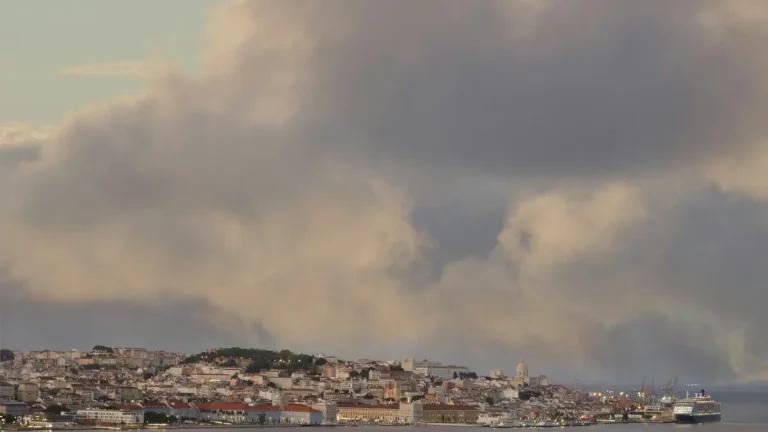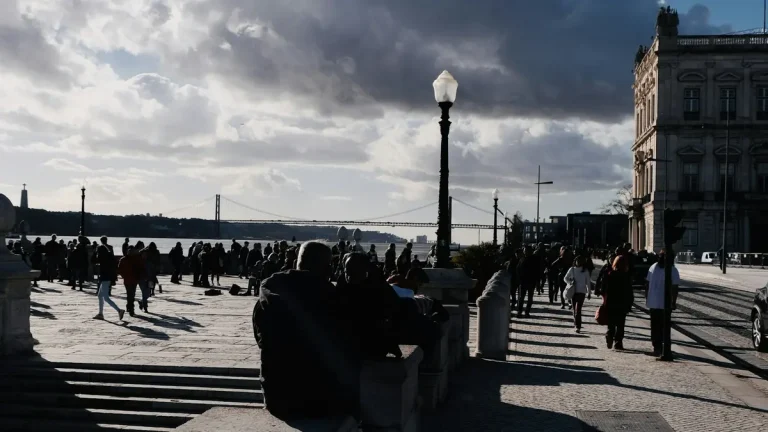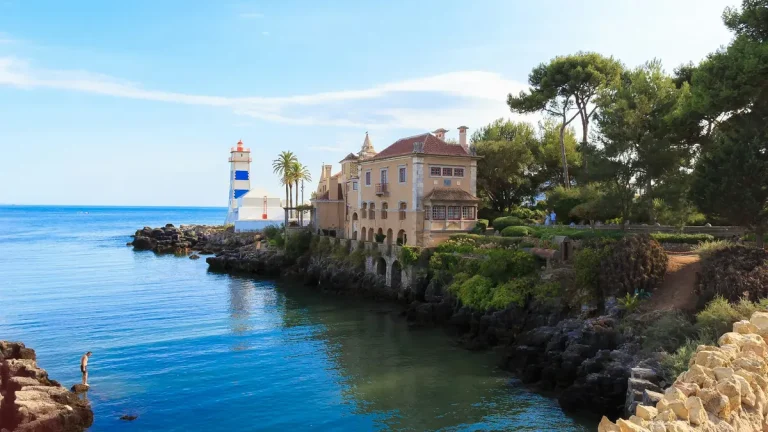
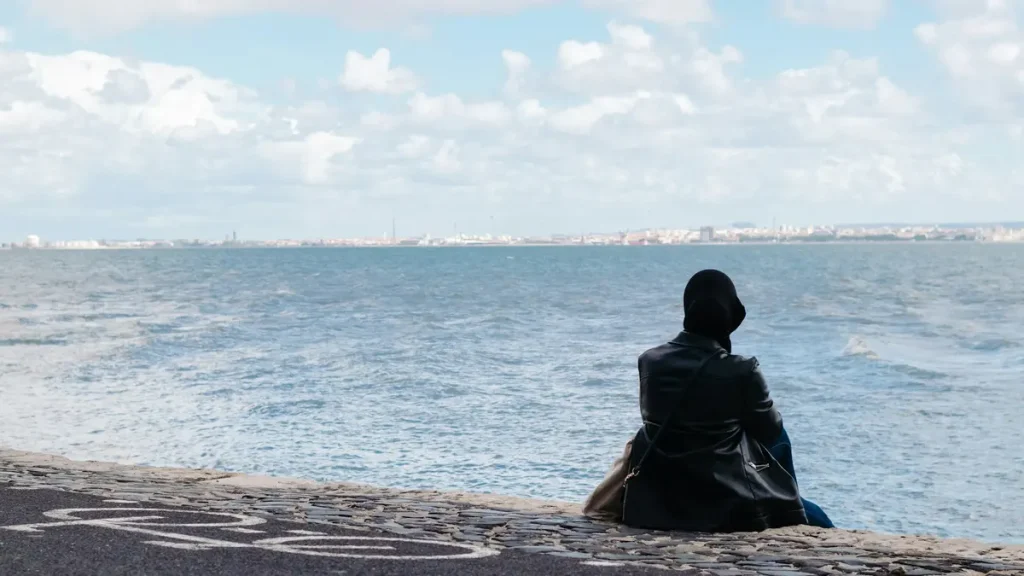
Lisbon can be a sensible choice for a first solo city break, but the useful answer is not that it is magically risk-free. As of August 5, 2026, the U.S. State Department lists Portugal at Level 1: exercise normal precautions. Its practical warning is about opportunity theft in crowded tourist areas and on public transportation.
A low-stress solo trip therefore starts with ordinary decisions made early: choose an address you can reach without wrestling a suitcase up stone steps, decide how you will get back after dark, and keep your phone somewhere more secure than the edge of a café table. Lisbon rewards curiosity. It simply does not require you to improvise every detail at once.
Is Lisbon Safe for Solo Travel?
The current U.S. advisory describes Portugal as generally safe, while specifically warning about pickpocketing, purse snatching and theft from bags or luggage. That is a calibrated starting point, not a guarantee. Being alone does not automatically make you a target, and being in a busy district does not make every street dangerous. Your advantage as a solo traveler is control: you can change plans, leave a crowded vehicle or call a ride without negotiating with a group.
| Common friction | Low-stress default |
|---|---|
| Late or exhausted arrival | Use a licensed taxi or an app-booked ride to your exact entrance |
| Heavy suitcase and steep address | Confirm vehicle access or luggage storage before booking |
| Crowded tram or viewpoint | Close your bag and put away the phone before boarding |
| Night out | Save a ride-home option before the first drink |
| Wanting company, not commitment | Choose one timed group activity with an easy exit |
Make Arrival Day Deliberately Easy
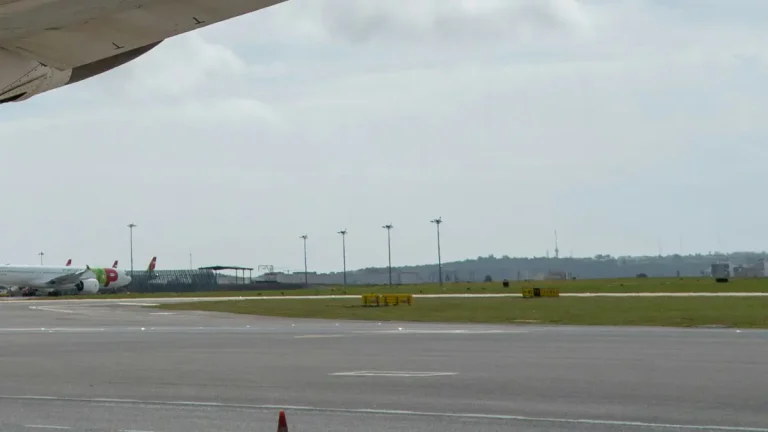
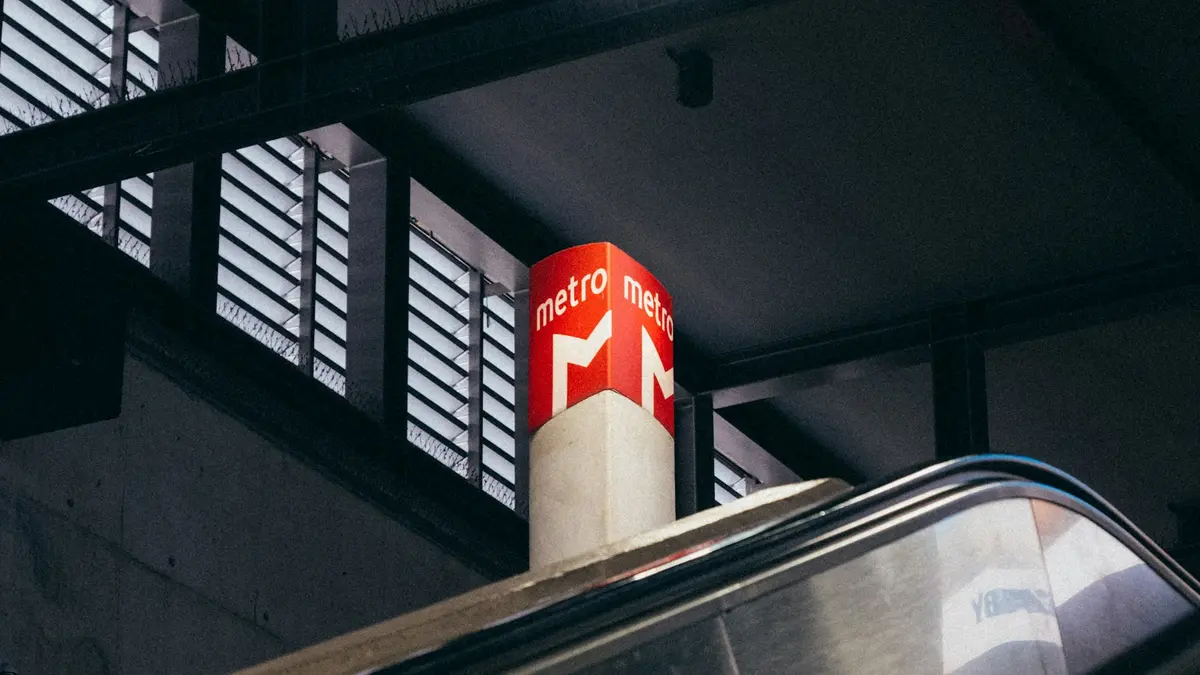
Lisbon Airport is close to the city, but “city center” is not one doorstep. The Metro can be efficient if you arrive during service, travel light and are staying near a useful station. Metro Lisboa currently says trains run daily from 6:30 a.m. until 1 a.m., with 1 a.m. referring to the last departure from each line’s terminal. Check live service before relying on that boundary.
If you arrive late, tired or with a bag that has ambitions of becoming furniture, paying for a door-to-door ride is reasonable. ANA Airport says licensed taxis queue outside the terminals and app-based TVDE pickups use the designated P2, Level 2 area. Never accept an unsolicited ride inside the terminal, and confirm the plate and vehicle shown in the app before getting in. The full decision tree is in our Lisbon airport-to-city guide.
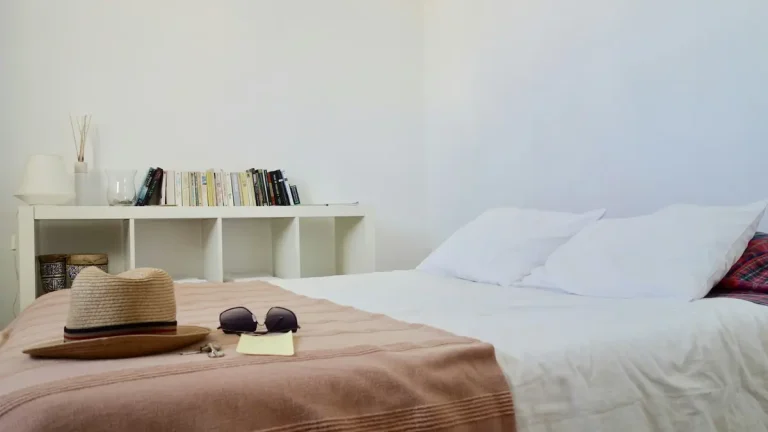
Before flying, send your accommodation your arrival time and ask three unglamorous questions: Will reception be staffed? Can they store a bag before check-in? Can a car stop at the entrance? Save the address and phone number offline. On arrival, drop your luggage, eat something nearby and take one daylight orientation loop. Jet lag is a poor tour director.
Choose a Base You Can Return To Easily
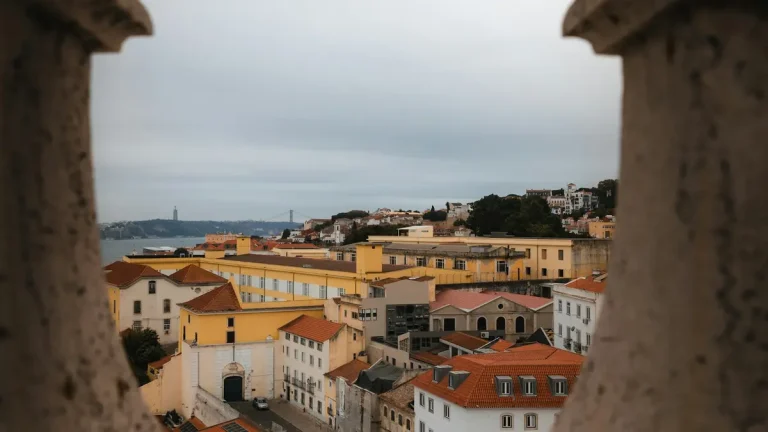
For many first-time solo visitors, Baixa or Chiado offers the simplest balance: central streets, abundant dining and straightforward access to several parts of the city. The tradeoff is tourist density, so normal crowd awareness still matters. Avenida da Liberdade and the streets near Marquês de Pombal can suit travelers who prefer larger hotels, easier vehicle access and a less intricate walk home.
Alfama is visually compelling but contains steep lanes, stairs and addresses that a car may not reach. Príncipe Real is appealing for a quieter evening but can leave a final climb. Bairro Alto and Cais do Sodré put nightlife close, which may be exactly the point; they are less convincing if street noise and late crowds make it harder for you to decompress. None of those labels is a safety verdict. Check the exact block, entrance, recent noise reviews and route from transit in our guide to where to stay in Lisbon.
Use Transport to Remove Hills, Not Add Complexity
Lisbon’s compact map disguises its elevation. Treat uphill wandering as an activity, not the default way to reach every reservation. Walk downhill through historic areas, then use the Metro, a bus or a funicular for the reset. Wet calçada paving can be slick, so shoes with grip are more useful than shoes waiting for their photograph.
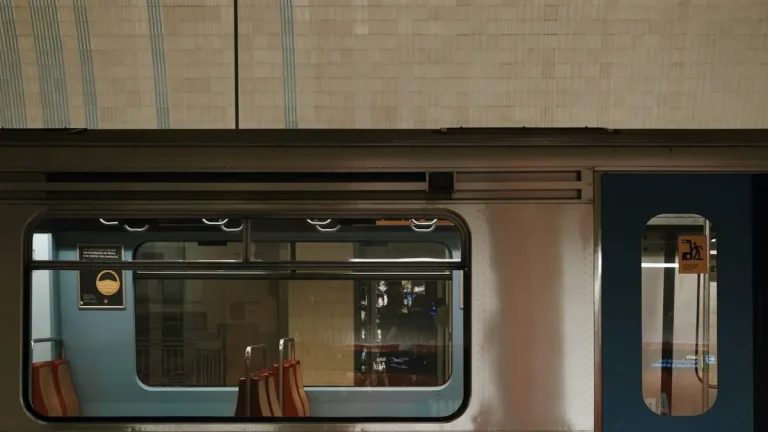
The Metro is generally the easiest system to learn, but not every station has the same accessible route. Metro Lisboa recommends checking its accessibility map and current lift or escalator status in advance if steps are a concern. Help Points at gates and machines connect passengers with staff. For cards, validation and the roles of trams, buses and trains, use our Lisbon public transport guide rather than trying to master the network beside a ticket machine.
Protect Your Phone and Wallet in Crowds
The official warning is most specific where people bunch together: tourist sites, restaurants and public transportation. The State Department notes that thieves may exploit passengers boarding and leaving vehicles, and advises avoiding the space beside doors where a grab can coincide with doors opening. Tram 28 is both public transport and a famous attraction, so it combines tight quarters with distracted visitors.
- Use a bag that closes fully and keep it in front when a vehicle or platform becomes crowded.
- Put your phone away before boarding instead of holding it loosely for directions or video.
- Carry one day’s spending money; keep a second card, extra cash and passport secured separately at your accommodation.
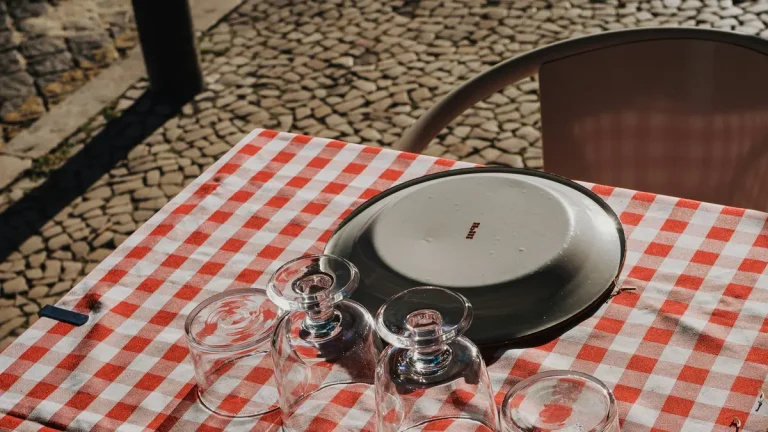
- Do not hang a bag over a chair or leave a phone on an outdoor table.
- If a car becomes uncomfortably packed, step off and take the next service. No yellow tram is worth spending the afternoon in a police report.
Save offline maps so losing data service does not force you to display your phone on every corner. Our guide to planning a trip in Google Maps explains how to keep a small set of places organized without turning the day into a pin-collecting contest.
Plan the Night Return Before the First Drink
Bairro Alto and Cais do Sodré can feel lively, loud and crowded at night. That atmosphere is not evidence that every visitor will have a problem, but it does make a return plan useful. Check the last practical transit option before going out; Metro’s published operating window is not permission to arrive at a random station at 12:59 a.m. If you prefer a ride, order it in the app, wait in a well-lit public place and match the plate, driver and vehicle before entering.
The State Department also advises keeping drinks attended and being cautious about open drinks from strangers. It reports that unsolicited approaches involving illegal drugs occur more often at night near downtown bars and restaurants. A short refusal and continued movement are enough; you do not owe anyone a debate. Pace alcohol so you can still navigate, and share your evening plan or live location with someone you trust if that helps you feel anchored.
Eat Alone and Socialize With an Exit
Make Solo Meals Easy
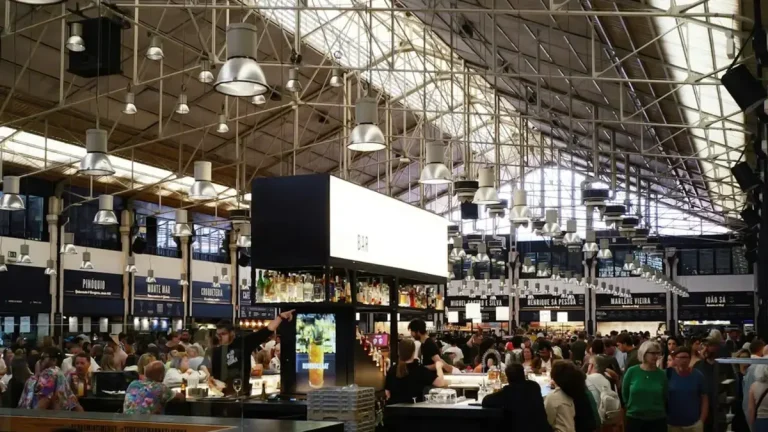
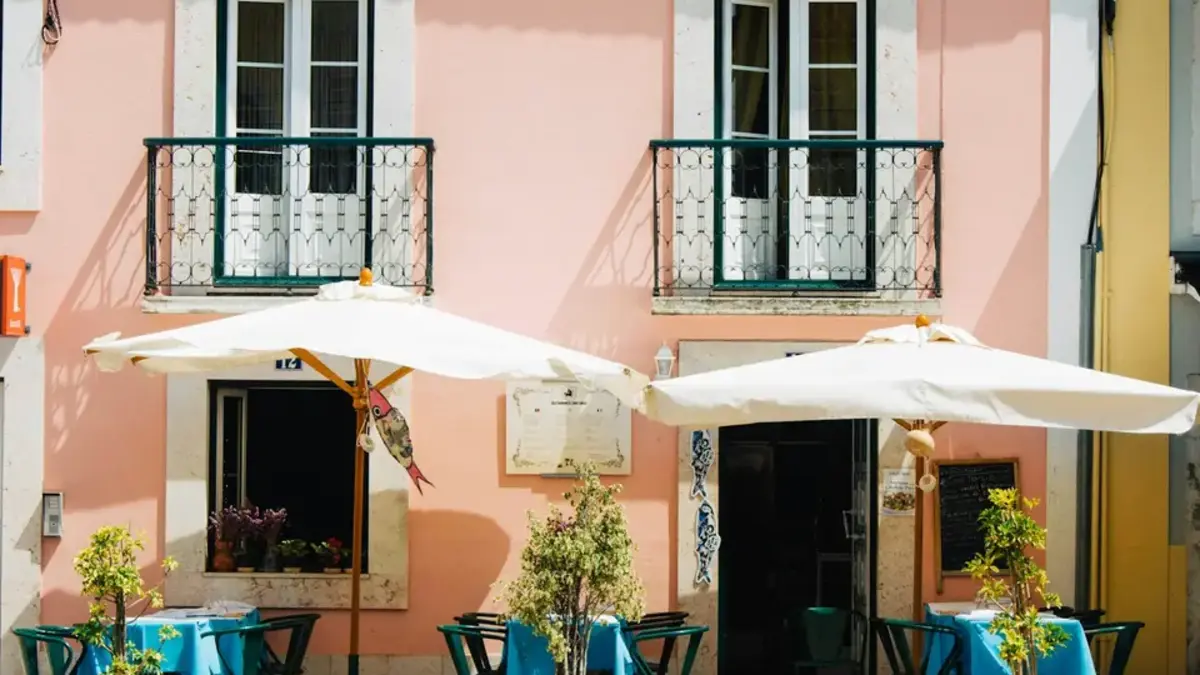
Solo dinner is often an emotional hurdle before it is a logistical one. Start with lunch, a counter seat, a casual café or a food hall, where the room already has movement. For a popular dinner, reserve for one rather than hoping a small table appears at peak time. Bring a book if it makes the first ten minutes easier, but do not hide behind your phone so thoroughly that it migrates toward the table edge.
Choose Social Plans With an Exit
Meeting people does not require sleeping in a party dorm. A private hostel room with shared spaces, a small walking tour, a cooking class or a museum event creates a defined window for conversation. Choose something you would still enjoy if you meet nobody. Keep your own route home, avoid sharing your room number or full schedule with new acquaintances, and leave when the activity stops being fun. The city’s broader options are in our first-time Lisbon things-to-do guide.
Build a Small Emergency and Backup Plan
Call 112 for police, fire or medical emergencies in Portugal; the government says the number is free and available 24 hours a day. For non-emergency health advice and triage, SNS 24 lists 808 24 24 24. Turismo de Lisboa also lists PSP tourist police contacts at Praça dos Restauradores and Santa Apolónia; verify current locations and hours before visiting. U.S. citizens can reach the U.S. Embassy in Lisbon at +351 21 770 2122 and may enroll in the State Department’s Smart Traveler Enrollment Program.
Keep a photo or encrypted copy of your passport separate from the original, record card-cancellation numbers and carry two payment methods in different places. If your phone disappears, you should still know your accommodation’s name, how to reach it and whom to call. If something feels wrong, move into a staffed hotel, shop, station or restaurant and ask for help rather than trying to diagnose the situation from a dark sidewalk.
A Low-Stress First 24 Hours
- Reach your lodging, leave the bag and confirm the entrance for the return.
- Walk one compact loop near your base in daylight.
- Eat one easy meal and buy water or any missing basics.
- Save tomorrow’s first stop and the route there offline.
- Return before exhaustion turns simple choices into expensive ones.
Keep your first full day to two neighboring areas, then expand once the city makes sense. Our three-day Lisbon itinerary provides the route; this guide provides the operating system.
The Bottom Line
Solo travel in Lisbon works best when independence is supported by a few quiet safeguards. Pick a base you can reach, simplify arrival day, secure the items you cannot easily replace and decide how the night ends before it begins. Then leave enough space for Lisbon to be Lisbon: tiled streets, river light, one more hill than the map admitted and the pleasure of changing your mind without calling a group meeting.
Frequently Asked Questions
Is Lisbon safe for solo travel?
As of August 5, 2026, the U.S. State Department lists Portugal at Level 1, exercise normal precautions, with its practical warning about opportunity theft in crowded tourist areas and on public transportation rather than violent crime.
What is the biggest safety risk for solo travelers in Lisbon?
Pickpocketing, purse snatching, and theft from bags or luggage in crowded areas and on transit are the specific risks named in current advisories, so keeping a bag closed and a phone off the café table edge covers most of the real risk.