The Lisbon Metro map is small enough to learn over breakfast: four color-coded lines, six transfer stations, and one Red Line that begins at the airport. For most first-time visitors, the Blue and Green lines cover the central stations, while the Red Line handles the airport and Oriente. The Yellow Line is most useful around Saldanha, Marquês de Pombal, and Rato.
Start with the official Lisbon Metro map, not a screenshot saved before the latest construction notice. Then identify three things: the color of your line, the terminal named in your direction of travel, and any interchange before your stop. Lisbon’s hills do not appear on the schematic, which is one reason the nearest dot is not always the easiest arrival.
Service alert for August 2026: Cais do Sodré Metro station will be closed August 8–26, with the Green Line operating between Telheiras and Baixa-Chiado. Check the live line and lift status before traveling.
Lisbon Metro Map at a Glance
These are the four lines under normal operation. Platform signs may show the Portuguese color name—Azul, Amarela, Verde, or Vermelha—alongside the color and symbol.
| Line | Normal terminals | Most useful visitor stops | Interchanges |
|---|---|---|---|
| Blue (Azul) | Reboleira–Santa Apolónia | Avenida, Restauradores, Baixa-Chiado, Terreiro do Paço, Santa Apolónia | Marquês de Pombal, Baixa-Chiado, São Sebastião |
| Yellow (Amarela) | Odivelas–Rato | Campo Grande, Saldanha, Picoas, Marquês de Pombal, Rato | Campo Grande, Saldanha, Marquês de Pombal |
| Green (Verde) | Telheiras–Cais do Sodré | Martim Moniz, Rossio, Baixa-Chiado, Cais do Sodré | Campo Grande, Alameda, Baixa-Chiado |
| Red (Vermelha) | Aeroporto–São Sebastião | Aeroporto, Oriente, Alameda, Saldanha, São Sebastião | Alameda, Saldanha, São Sebastião |
The six line-to-line transfer stations are Baixa-Chiado, Marquês de Pombal, São Sebastião, Saldanha, Alameda, and Campo Grande. Transfers remain inside the paid area. Follow the colored signs rather than exiting to the street and tapping in again.
How to Read Direction and Change Lines
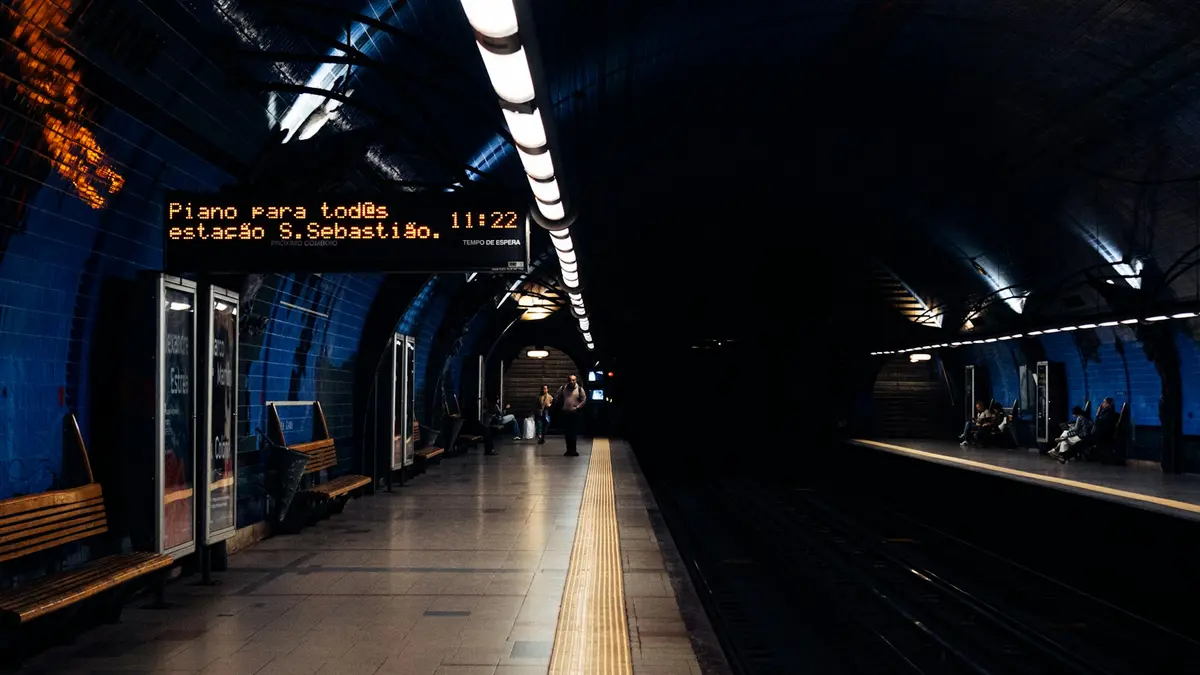
Lisbon Metro platforms are signed by the line’s terminal, not by a compass direction. On the Red Line, for example, trains run toward either Aeroporto or São Sebastião. Find your destination on the map, trace the line beyond it, and use that endpoint to choose the platform. This one habit prevents most wrong-way journeys.
For a transfer, trace the first line to a station where the second color meets it. Under normal service, an airport-to-Rossio trip means taking the Red Line toward São Sebastião, changing at Alameda, then taking the Green Line toward Cais do Sodré to Rossio. Stay behind the gates at Alameda. Public travelers have reported accidental second charges after exiting there; if the transfer feels unclear, follow the next colored-line sign or use the Help Point before choosing an exit.
Station and railway names deserve a second look. Rossio on the Green Line is a Metro stop, while Rossio railway station—used for Sintra trains—is a separate building nearer Restauradores on the Blue Line. Cais do Sodré, Oriente, and Santa Apolónia combine Metro access with other transport, but a train platform is not a Metro platform. Save the route while planning a trip on Google Maps, then check live operator notices.
Useful Lisbon Metro Stations for Visitors
- Aeroporto: Red Line terminal at Lisbon Airport. Most central stays require one line change.
- Oriente: Red Line access for Parque das Nações and connections at Gare do Oriente.
- Alameda, Saldanha, and São Sebastião: the Red Line’s successive transfer points to Green, Yellow, and Blue. Choose by where your hotel sits, not by which name sounds most central.
- Marquês de Pombal: Blue–Yellow interchange by Avenida da Liberdade and Parque Eduardo VII.
- Baixa-Chiado: Blue–Green interchange for Baixa and Chiado. Its exits emerge at different elevations, so read the street signs before committing to a very Lisbon-shaped escalator ride.
- Rossio: Green Line stop for the lower central squares; do not confuse it with the separate railway station.
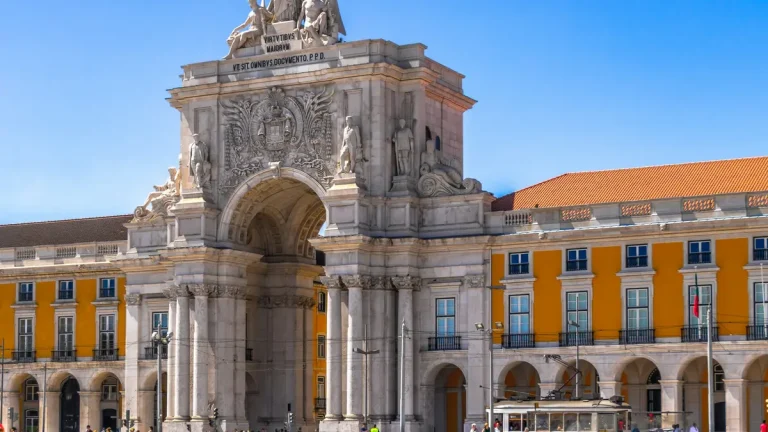
- Terreiro do Paço: Blue Line stop for Praça do Comércio and the lower edge of Alfama.
- Cais do Sodré: normal Green Line terminal connecting with the Cascais railway and ferries; temporarily closed August 8–26, 2026.
- Santa Apolónia: Blue Line terminal with rail connections and access to the eastern, lower edge of Alfama.
When choosing a base, a nearby station is useful—but the correct exit, final uphill block, and night route matter just as much. The Lisbon neighborhood guide compares those tradeoffs without treating every Metro dot as an equally convenient hotel location.
Lisbon Metro Tickets and Contactless Payment
Fares below were checked on August 5, 2026. Recheck the official fare page before travel, particularly across calendar years.
| Option | Current price | Best use |
|---|---|---|
| Contactless bank card or device | €1.92 per Metro journey | The simplest occasional Metro ride |
| Zapping on a navegante occasional card | €1.72 per Metro journey, plus €0.50 for the card | Prepaid credit used across participating operators |
| Carris/Metro ticket | €1.90 | Carris and Metro travel for 60 minutes; not consecutive Metro journeys |
| Carris/Metro 24-hour ticket | €7.25 | Repeated city rides for 24 hours from first validation |
Contactless for a Single Metro Ride
Direct contactless is delightfully uneventful when used correctly. Tap the same physical card, phone, or watch at entry and exit; wait for the green light; and keep it available for inspection. A physical card and its version in Apple Pay or Google Pay are not interchangeable during one ride. Each person needs a separate card or device, and tapping a whole wallet risks charging the wrong card.
Navegante for Zapping or Day Tickets
For zapping or a 24-hour ticket, buy a €0.50 navegante occasional card from a Metro ticket machine or ticket office. It is valid for one year and reloadable, but one card cannot cover several people traveling together. Keep it away from other contactless cards and retain the load receipt in case it malfunctions.
Do not assume a contactless bank-card tap creates a Carris/Metro day pass. It pays for an occasional Metro journey. Visitors mixing Metro with trams, buses, suburban trains, or ferries should compare the correct navegante product rather than extrapolate from the gate. The forthcoming Lisbon public transportation guide will cover those operators and transfers in detail.
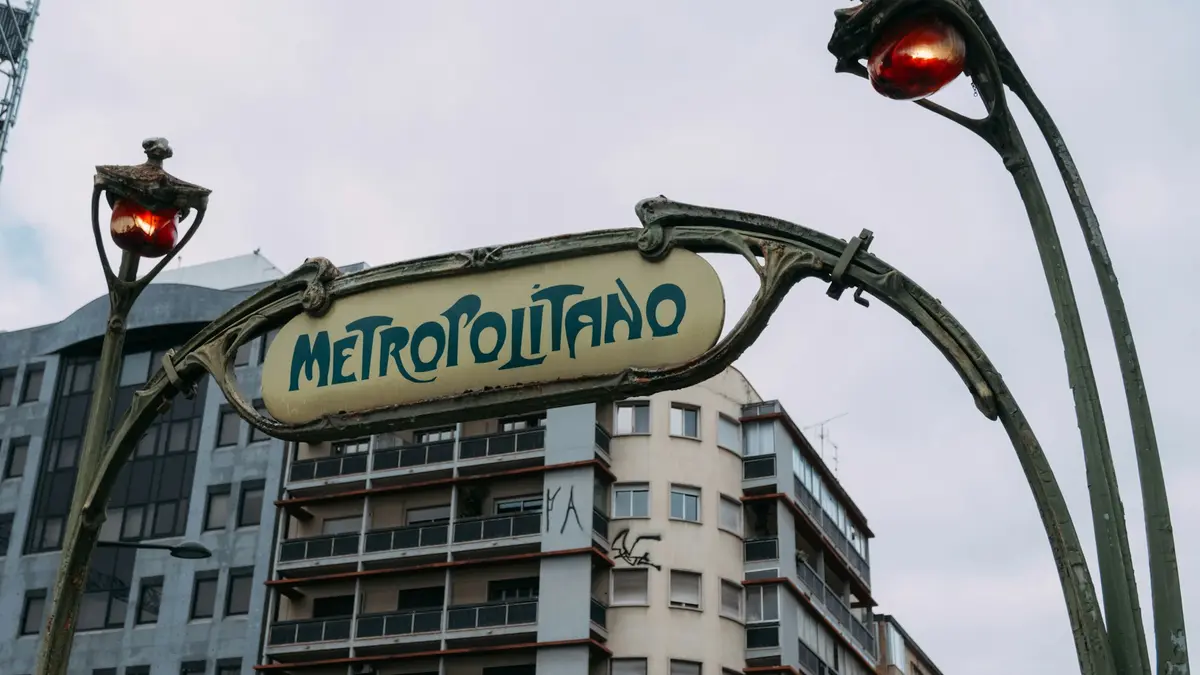
Airport Metro, Luggage, and Accessibility
Lisbon Airport has Aeroporto station on the Red Line. The airport’s official transport page puts Aeroporto–Saldanha at about 20 minutes, but Baixa, Chiado, Rossio, and most old-town addresses require a transfer or an additional walk. Alameda connects to Green, Saldanha to Yellow, and São Sebastião to Blue. For a full comparison with taxis, buses, and late arrivals, use the forthcoming guide to getting from Lisbon Airport to the city center.
Luggage is allowed if it does not compromise safety or comfort. Use a wide gate with staff assistance when necessary, remove backpacks on crowded trains, and keep cases out of aisles. A station may have escalators or lifts without every entrance or transfer being step-free.
Metropolitano de Lisboa advises travelers with reduced mobility to confirm that both stations are fully accessible, then check lift and escalator status. Use its official accessibility diagram and live equipment page; do not rely on a wheelchair icon copied into an old blog map. If a lift is essential, plan an alternative before leaving, because one outage can undo an otherwise sensible route.
Hours, Last Trains, and Current Disruptions
Under normal conditions, Lisbon Metro operates daily from 6:30 a.m. to 1:00 a.m., including weekends and public holidays. The closing time refers to the last departure from each line’s terminal. Official guidance says a passenger who boards by 1:00 a.m. can travel to any station on that same line. It is not a comfortable basis for beginning a two-line journey at 12:59 a.m.; late-evening frequencies are wider, and a transfer needs margin.
Some secondary station halls close at 9:30 p.m. even while the station continues operating. If a familiar entrance is shuttered, check the signs for another hall rather than concluding that the entire line has finished for the night.
August 2026 changes: On Fridays, Saturdays, and Sundays throughout August, the Blue Line ends service at midnight. On Saturdays and Sundays, it starts at 7:30 a.m. Separately, Cais do Sodré Metro station closes August 8–26 and reopens August 27; during that closure, Green Line trains run between Telheiras and Baixa-Chiado. These are temporary official notices, not permanent map changes.
Where the Lisbon Metro Does Not Go
The Metro is strongest through central, northern, and eastern Lisbon. It does not reach several places visitors reasonably assume would have a station:
- Belém: use a CP train on the Cascais Line from Cais do Sodré or a Carris service; there is no Belém Metro stop.
- Upper Alfama and Castelo de São Jorge: Terreiro do Paço and Santa Apolónia reach lower edges, but the final route climbs. Walking, a bus, or a tram may suit the address better.
- Cascais: this is a CP suburban railway journey from Cais do Sodré, not a Metro ride.
- Sintra: use CP from Rossio railway station or another valid rail origin. Sintra is not on the Metro map.
The practical rule is simple: use the Metro when both ends sit comfortably near stations; switch modes when the map leaves a gap. Pairing the lines with the city’s best things to do in Lisbon by neighborhood keeps transfers purposeful—and leaves energy for the city above ground.
Frequently Asked Questions
How many lines does the Lisbon Metro have?
Four color-coded lines: Blue, Green, Red, and Yellow, with six transfer stations. The Blue and Green lines cover the central stations, while the Red Line handles the airport and Oriente.
Which Lisbon Metro line goes to the airport?
The Red Line begins at the airport and also serves Oriente, making it the line most first-time visitors use immediately after landing.