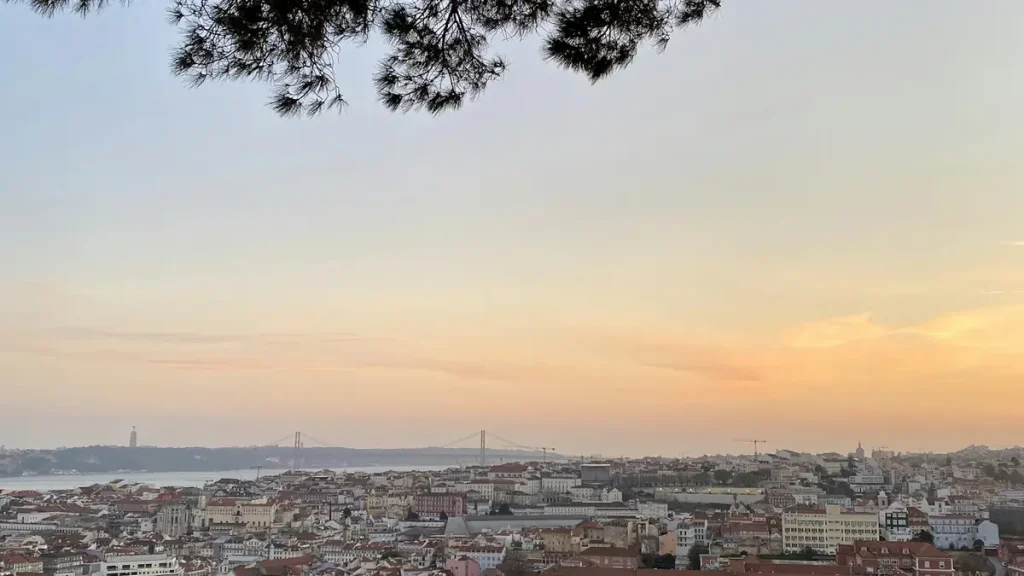
Lisbon does not require a ticket every time it shows off. For a first visit, the best genuinely free experiences are its hilltop viewpoints, old-neighborhood walks, public gardens, riverfronts, Feira da Ladra, and the Money Museum. The useful distinction is genuinely: this guide counts places with no admission charge, not a tram covered by a pass, a tour that expects a tip, or a museum benefit reserved for Portuguese residents.
If time is short, choose one viewpoint, one neighborhood walk, and one green or waterfront break. That delivers more than collecting 18 “free” pins while your knees file a complaint.
Best Free Things to Do in Lisbon at a Glance
| Experience | Best for | Effort | Main catch |
|---|---|---|---|
| Senhora do Monte or São Pedro de Alcântara | Big city views | High or moderate, depending on viewpoint | Popular around sunset |
| Graça and Alfama walk | Old streets and tiled façades | High on cobbles and slopes | Working residential neighborhood |
| Baixa and Ribeira das Naus | Easy first orientation | Low to moderate | Little shade on the river |
| Gulbenkian Garden | Modern landscape design and a reset | Low | Museum exhibitions are separate |
| Jardim da Estrela | Picnic or slower afternoon | Low | Livelier on weekends |
| Belém waterfront | Monument exteriors and river views | Moderate, mostly flat | Interiors cost extra |
| Parque das Nações waterfront | Modern Lisbon and open space | Low | Not central; transport is not free |
| Feira da Ladra | People-watching and vintage browsing | Moderate | Tuesday and Saturday only |
| Money Museum | A free indoor hour | Low | Check current opening days |
Choose a Viewpoint, Not Every Viewpoint
Miradouro da Senhora do Monte for the broad panorama
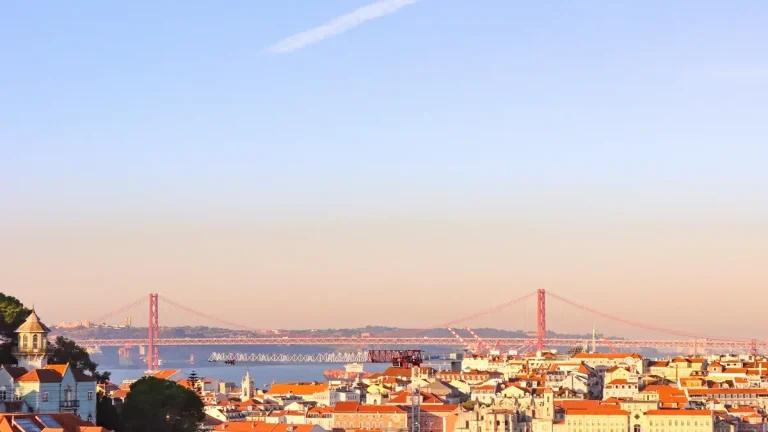
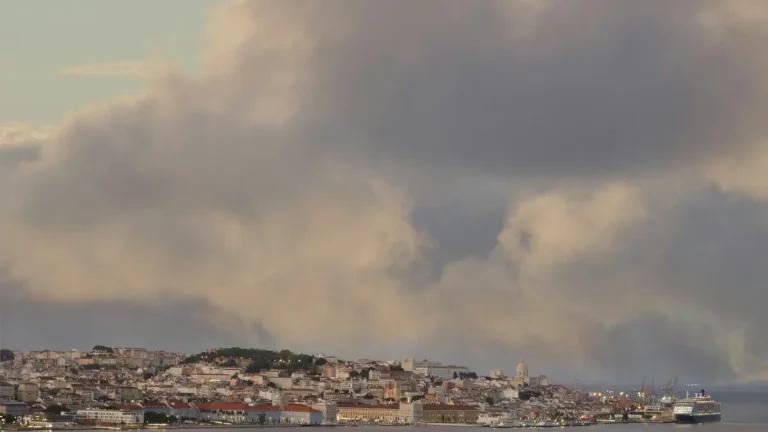
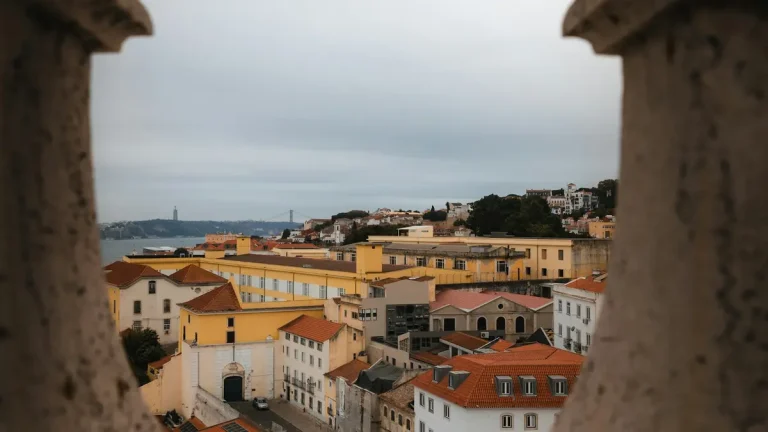
Senhora do Monte sits above Graça and looks across the castle, Baixa rooftops, and the Tagus. Choose it when the view itself is the outing and the climb is acceptable. The terrace is free; transport used to remove the hill is not. Sunset is atmospheric but rarely private, so arrive before the light changes or go in the morning.
São Pedro de Alcântara for a central, easier pairing
This large terrace above Restauradores looks toward Castelo de São Jorge and fits naturally with Chiado, Príncipe Real, or Bairro Alto. The Glória funicular reaches it, but riding is a paid transport choice. Walk up only if the steep pavement suits you; “free” loses some charm when it becomes accidental cardio.
Portas do Sol and Santa Luzia are the convenient Alfama alternatives. Both work best as brief stops during a neighborhood walk rather than separate cross-city missions. The tiled corners can become busy with photo-taking, so enjoy the view without treating a bench or narrow passage as a private set.
Walk Graça and Alfama Downhill
Lisbon’s oldest central neighborhoods reward wandering, but direction matters. Start around Graça or Senhora do Monte, then descend through lanes, small squares, Portas do Sol, and Santa Luzia toward the river. This turns a punishing climb into a controlled descent, although polished calçada and stairs still demand grip.
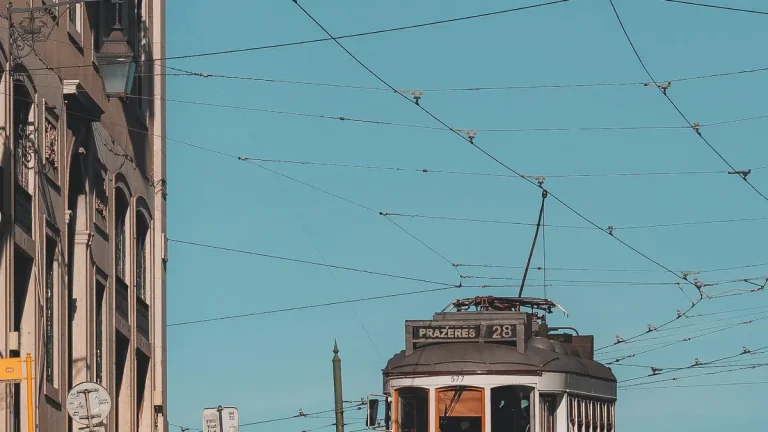
The streets and viewpoints cost nothing; ticketed interiors along the way may not. Keep the walk focused on the public city. Alfama is also a lived-in neighborhood. Keep voices down, do not photograph people through windows, and step aside on narrow sidewalks before composing the perfect yellow-tram shot.
For a broader first-visit shortlist beyond the free options, use this guide to the best things to do in Lisbon.
Follow Baixa to the Tagus
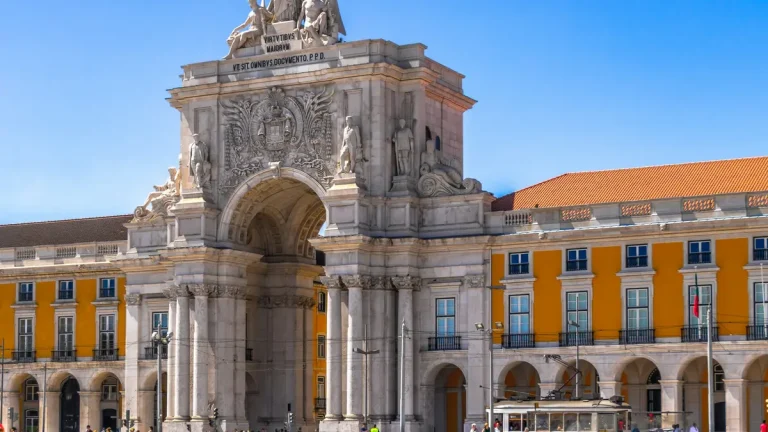
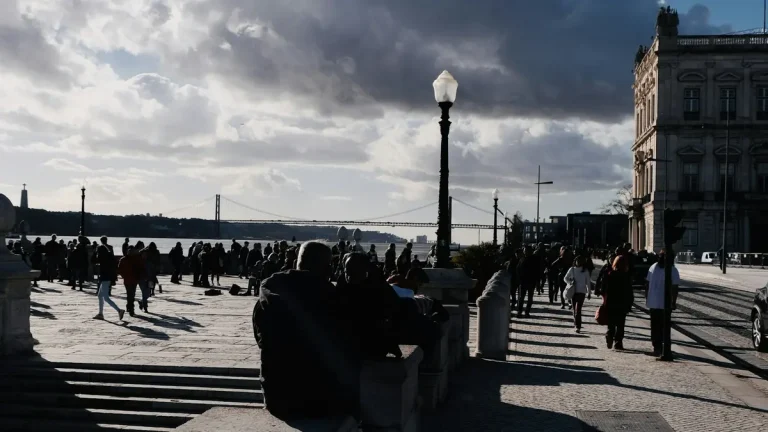
For a gentler route, connect Rossio, Praça da Figueira, Rua Augusta, Praça do Comércio, Cais das Colunas, and Ribeira das Naus. The squares, arcaded streets, and river steps are public space; going up the Rua Augusta Arch is a separate paid attraction. Ribeira das Naus is made for sitting beside the water, but the tourism office explicitly notes that swimming is forbidden.
This route is relatively flat by Lisbon standards, not magically smooth. Cobbles remain, and the riverfront has little shelter from sun or wind. Map the sequence with this Google Maps trip-planning guide, then let the squares supply the detours.
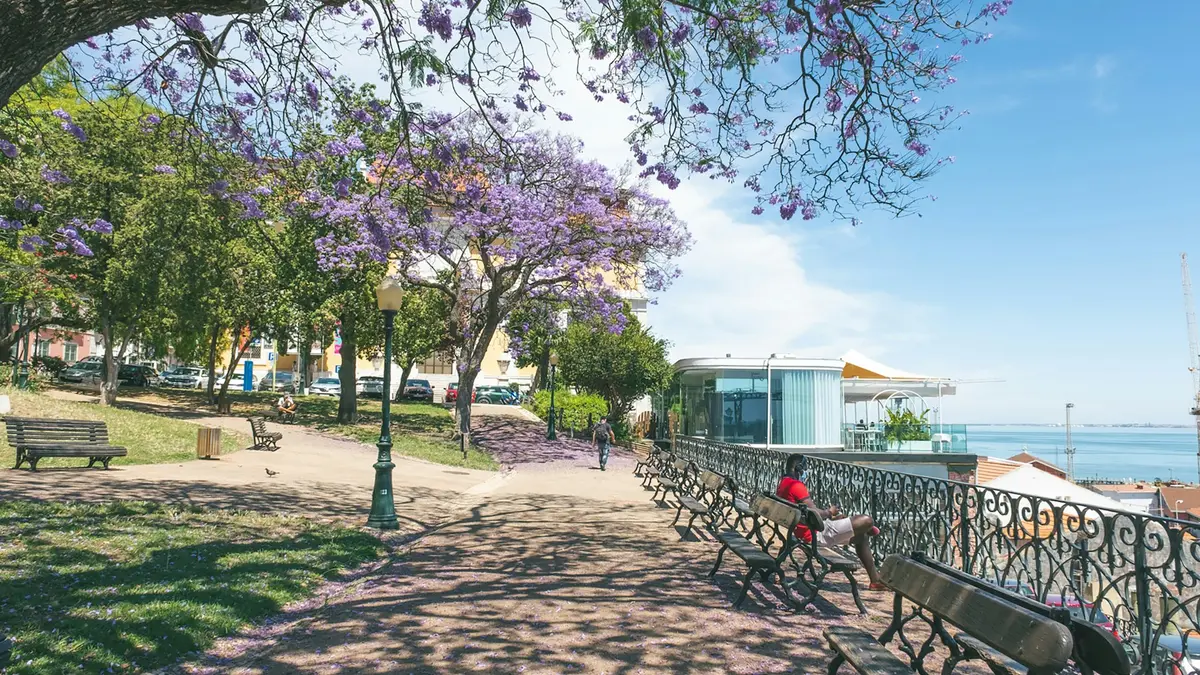
Use the Gardens as Actual Breaks
Gulbenkian Garden
The Calouste Gulbenkian Foundation’s modernist garden is one of central Lisbon’s best decompression stops: layered paths, water, lawns, and dense planting soften the surrounding city. The foundation confirms that the garden is free and normally open daily from sunrise to sunset. Gallery and museum admission follows different rules, so do not assume that a free garden unlocks every exhibition.
Jardim da Estrela
Across from Basílica da Estrela, this 19th-century public garden suits a picnic, a book, or twenty minutes of doing very little with conviction. Ponds, mature trees, a bandstand, and a playground make it more neighborhood park than checklist attraction. Weekends and warm late afternoons can be lively; go earlier if quiet matters. The basilica is an active religious space, so confirm visitor access and observe dress, silence, and service restrictions rather than treating a church as a free museum.
See Belém From the Outside
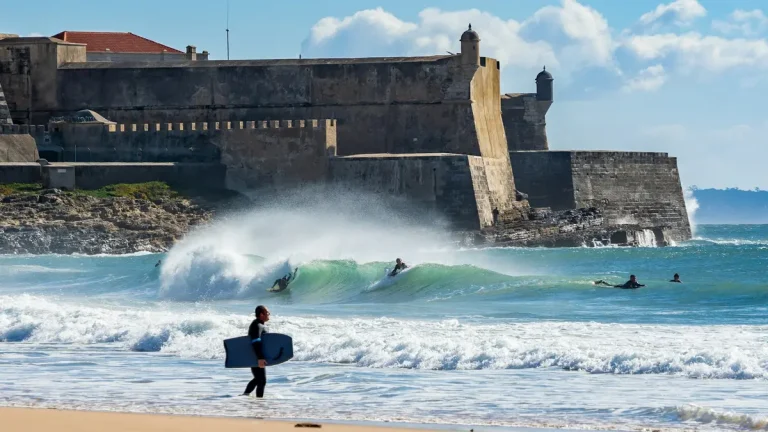
Belém’s riverfront is worth walking even without buying a monument ticket. See the exterior of Jerónimos Monastery, cross the formal Praça do Império gardens, continue past the Monument to the Discoveries, and follow the water to Belém Tower. The sequence is broad, bright, and mostly flat, with enough architectural detail to justify the trip.
The free part is the public realm and the exterior views. The Jerónimos cloister, Belém Tower interior, monument viewing deck, and MAAT exhibitions have their own admission policies. Pack water and sun protection because the distance feels longer in summer glare. For weather-sensitive timing, compare conditions in the best time to visit Lisbon guide.
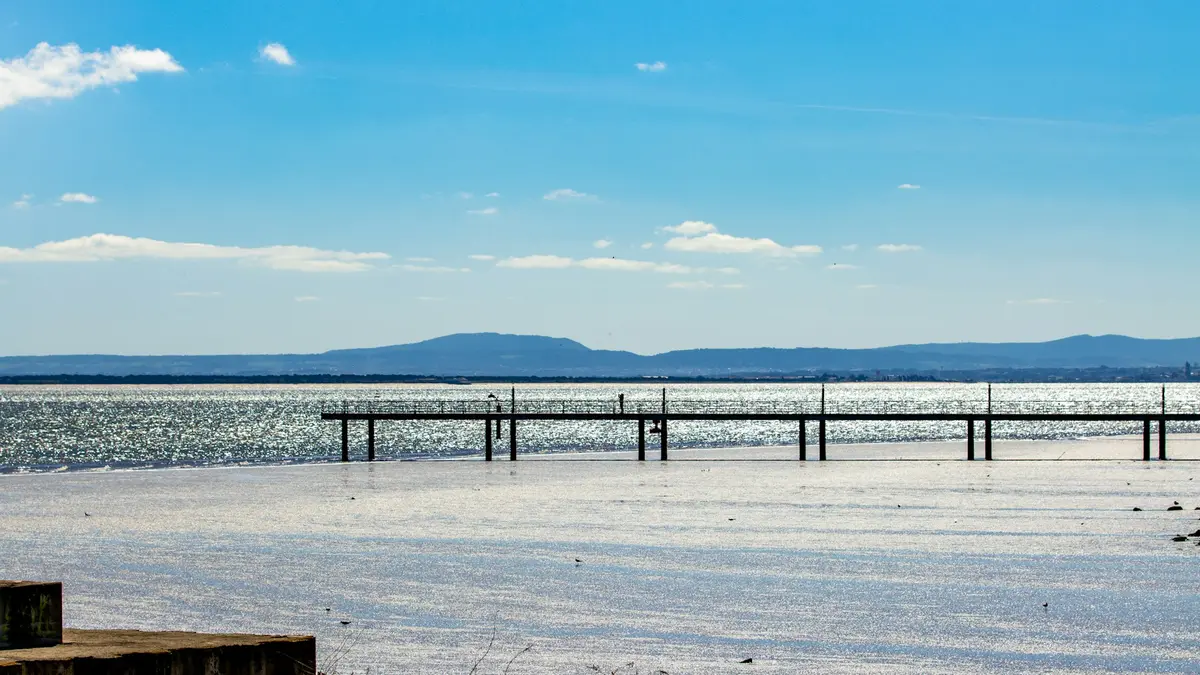
Walk the Parque das Nações Waterfront
East of the historic center, Parque das Nações offers a different Lisbon: long Tagus promenades, contemporary architecture, gardens, and public art around the former Expo 98 grounds. It is a useful free choice for families needing space, repeat visitors, or anyone staying near Oriente. On a two- or three-day first trip, it is optional rather than essential.
Walking the waterfront costs nothing. The Oceanário, cable car, exhibitions, food, and the ride to reach the district do not. Check the Lisbon public transport guide before assuming the word “free” extends to the Red Line.
Browse Feira da Ladra Without Inventing a Treasure Hunt
Feira da Ladra fills Campo de Santa Clara on Tuesdays and Saturdays. Entry is free, and browsing the tables of used objects, clothes, books, and unclassifiable attic survivors can be entertaining even if nothing comes home. It pairs neatly with Graça and Alfama; it does not deserve a separate journey on a day when the market is closed.
Expect mixed quality and tourist attention, not guaranteed bargains. If an old tile or architectural fragment has no credible provenance, leave it behind. Buying is optional, and the more useful district-by-district advice belongs in the Lisbon shopping districts guide.
Save the Money Museum for Heat or Rain
The Banco de Portugal’s Money Museum is the cleanest answer to “What can I do indoors for free?” Its permanent exhibition has free admission in Baixa, and the official site currently lists Wednesday through Sunday opening. Displays use coins, notes, and interactive exhibits to explain money and its social history; the building also incorporates remains of the medieval King Dinis Wall.
Check the museum’s current hours and access information on the day you go, especially around holidays. It is a useful one-hour-scale stop, not a reason to sacrifice Lisbon’s only clear afternoon.
Do Not Count Resident Benefits as Tourist Freebies
Portugal’s 52-days-per-year free-entry program for 37 state museums, monuments, and palaces is for Portuguese and foreign residents who live in Portugal and have a Portuguese tax number, or NIF. The government says this replaced the older Sunday and public-holiday arrangement. A short-term American visitor should therefore not plan on free entry to Jerónimos, Belém Tower, the National Tile Museum, or other participating state sites under that program.
Other exclusions deserve the same honesty:
- “Free” walking tours are tip-based. They may be worthwhile, but the guide is working for expected contributions.
- Trams, funiculars, lifts, ferries, and Metro rides are transport. A pass may cover them; that does not make them zero-cost.
- Free entry can be conditional. A venue may restrict an offer by residency, age, time, membership, or advance registration.
- Free events move. Search the official Agenda Cultural de Lisboa for current dates, then check whether registration or a venue ticket is required.
A Realistic Free Half-Day Route
For one coherent zero-admission morning, begin at Senhora do Monte, continue through Graça, descend through Alfama to Portas do Sol and Santa Luzia, then cross Baixa to Praça do Comércio and finish on Ribeira das Naus. Allow roughly three to four hours with photo and coffee pauses. The route itself is free; transport to the high starting point and anything consumed along the way are not.
Skip Senhora do Monte if hills or heat are a concern and begin at São Pedro de Alcântara, then descend through Chiado to Baixa and the river. Whichever version you choose, carry water, wear grippy shoes, protect yourself from the sun, and keep a closed bag in crowded viewpoints and markets. Lisbon’s best free day is not the day that costs nothing at all. It is the day when the city—not a queue, upsell, or outdated admission rule—gets most of your attention.
Frequently Asked Questions
What are the best free things to do in Lisbon?
For a first visit, the best genuinely free experiences are its hilltop viewpoints, old-neighborhood walks like Graça and Alfama, public gardens such as Gulbenkian Garden, riverfronts, Feira da Ladra market, and the Money Museum.
What counts as a genuinely free activity in Lisbon?
This guide counts only places with no admission charge, not a tram ride covered by a pass, a tour that expects a tip, or a museum benefit reserved for Portuguese residents.