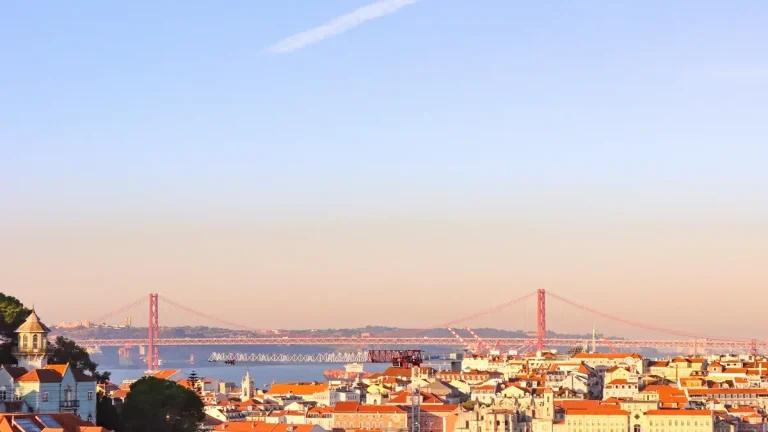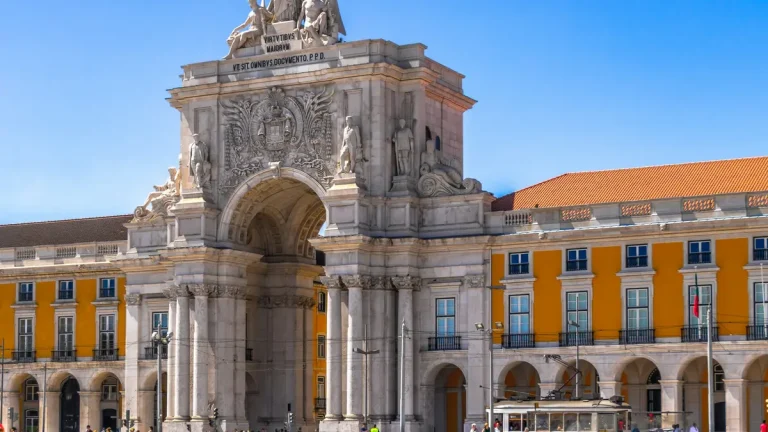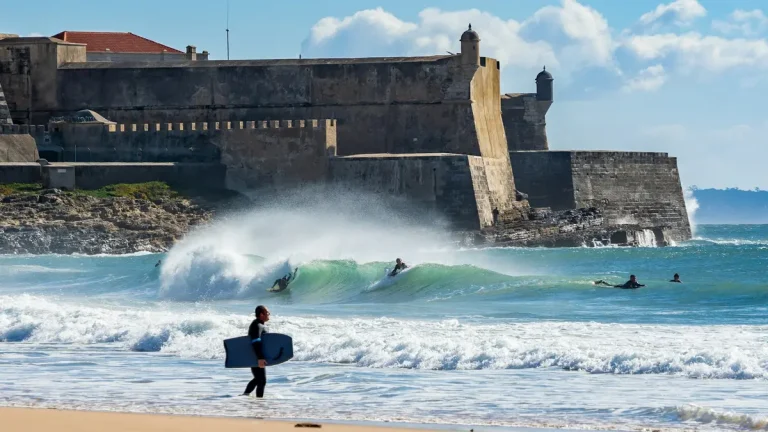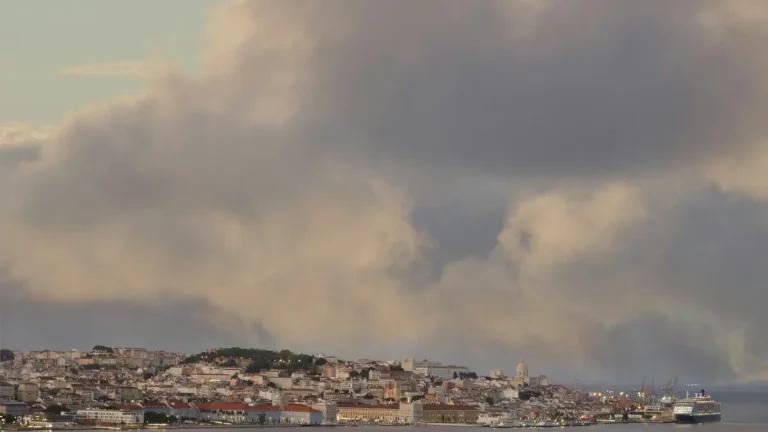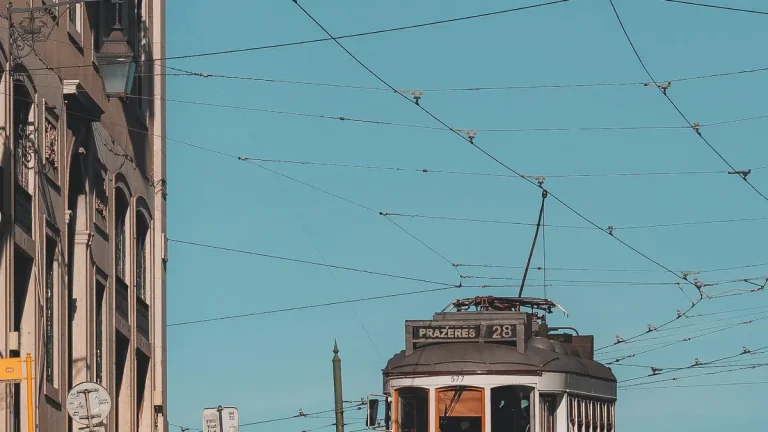
The best day trips from Lisbon are not interchangeable. For most first-time visitors, Sintra is the classic choice for palaces and landscape, Cascais is the easiest low-stress escape, and Évora is the strongest full day for history. Óbidos suits a shorter medieval-town visit, while Mafra with Ericeira and Setúbal with Arrábida reward travelers willing to manage more transport.
Choose by total effort, not the travel time printed beside one train. The planning allowances below run from a central Lisbon base to the first useful stop and include reaching the departure station plus the final walk or local connection. If the city itself is still mostly unexplored, keep another day for the best things to do in Lisbon.
Compare the Best Day Trips from Lisbon
These broad time ranges are conservative planning allowances based on operator journey times checked on August 5, 2026, not timetable promises. Relative cost compares ordinary transport, likely local connections, and a typical anchor attraction; it is not a fare quote. Check the linked operator and attraction sites for the date of travel.
| Day trip | Door-to-door planning allowance | Transport difficulty | Relative cost | Physical effort | Best fit |
|---|---|---|---|---|---|
| Sintra | 1.5–2 hours to a first major sight | Medium-high | Higher | High | Palaces and Romantic architecture |
| Cascais | 1–1.25 hours to the seafront | Low | Low | Low | Coast, lunch, and flexibility |
| Évora | 2–2.5 hours to the historic center | Medium | Moderate | Medium | Roman and medieval history |
| Óbidos | 1.5–2 hours to the old town | Medium | Low-moderate | Medium | A compact walled town |
| Mafra + Ericeira | 1.5–2 hours to the first stop | High as a pair | Moderate | Medium | Monumental palace plus Atlantic town |
| Setúbal + Arrábida | About 1.5 hours to Setúbal; longer to the coast | High with Arrábida | Moderate-higher | Medium-high | Market life, beaches, and nature |
Which Lisbon Day Trip Is Right for You?
Sintra: best for a first palace day
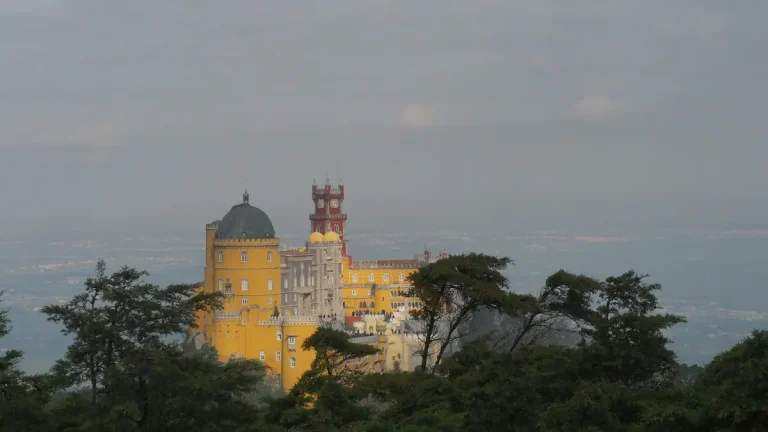
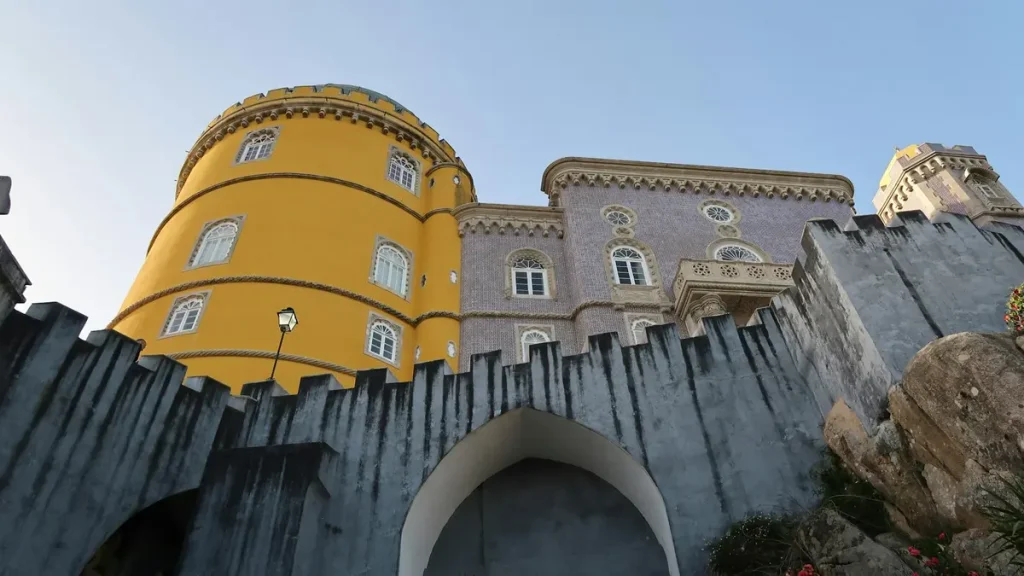
Sintra earns its popularity. The forested hills, extravagant 19th-century Pena Palace, older royal buildings, and garden estates create a day that feels unlike Lisbon. They are also scattered across steep terrain. CP trains reach Sintra from Lisbon, but a palace visit then requires a local bus, walk, or taxi; private-car access is restricted around Pena Palace and the Moorish Castle.
The common planning mistake is treating every major property as one list to finish. Public traveler discussions repeatedly describe slow, crowded local transport and ambitious schedules collapsing after two substantial sights. Choose two anchors. If Pena Palace is one of them, buy a timed interior ticket from Parques de Sintra and allow for the walk through the park; late arrivals may not be admitted. The planned Sintra day-trip guide will cover the route in detail. Here, the decision is simpler: choose Sintra when architecture matters more than an easy day.
Cascais: easiest without a car
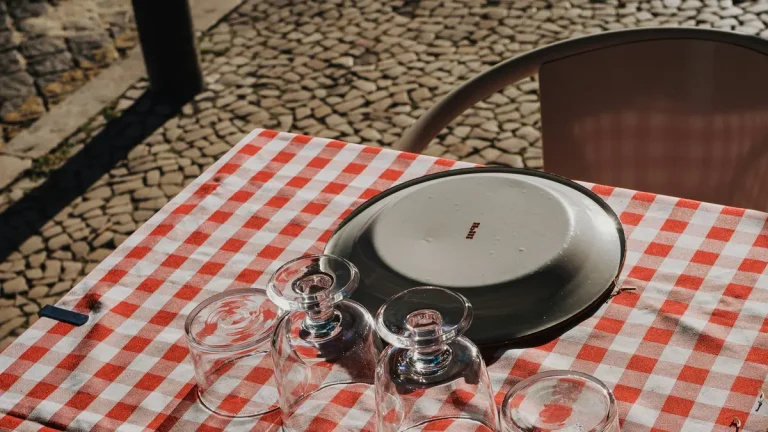
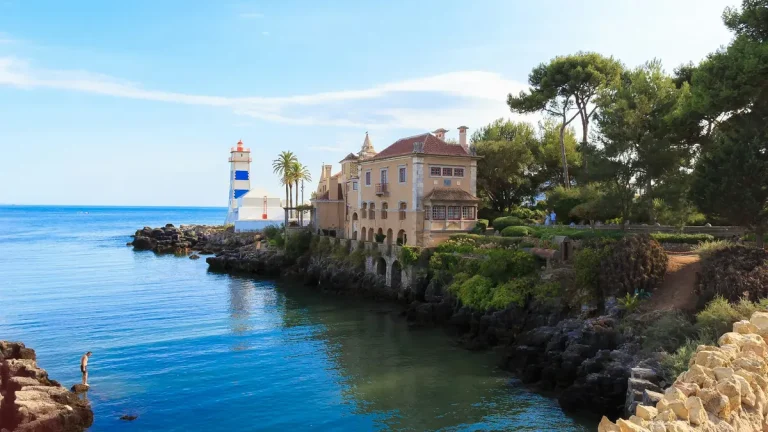
Cascais is the forgiving option. CP urban trains run from Cais do Sodré, and the useful part of town begins near the station: pedestrian streets, a sheltered bay, museums, and the seafront can be combined without another transport puzzle. It also works as a half day when energy, weather, or a late start makes Sintra unwise.
Choose Cascais for ocean air, a long lunch, or a gentle walk rather than a checklist of monuments. Check CP’s current Lisbon urban-train information, and use the planned Lisbon-to-Cascais day-trip guide for a future step-by-step plan.
Évora: best for a full history day
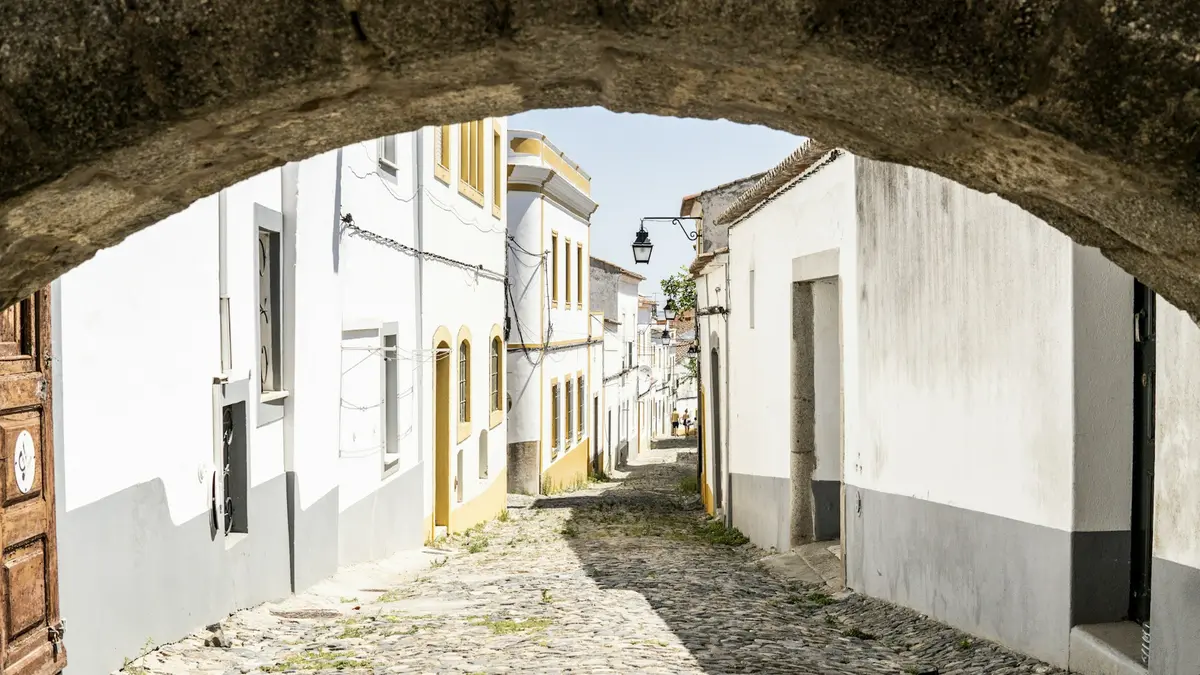
Évora is farther away, but the journey leads to a coherent historic center rather than a set of attractions spread across hills. Its Roman temple, medieval lanes, cathedral, and whitewashed streets explain why UNESCO lists the city as a World Heritage Site. Once in the center, most of the day is walkable.
Current CP schedules put the Intercidades ride from Lisboa Oriente to Évora at roughly one hour and 40 minutes on relevant services; reaching Oriente and walking from Évora station extend the real trip. Services are much less frequent than the Cascais line, so missing the planned return matters. Check the current CP timetable and reserve the appropriate train rather than building the day around an old blog screenshot. Évora suits travelers who prefer layered history to coastal scenery and can handle a long, often hot walking day.
Óbidos: best for a compact medieval town
Óbidos is small enough to enjoy without pretending it fills twelve hours. A direct Rodoviária do Oeste bus runs from Lisbon’s Campo Grande area, and the town’s official tourism site places the stop close to the historic center. Inside the walls are cobbled lanes, bookshops, white houses edged in blue and yellow, and a castle now used as a pousada.
Two or three unhurried hours can be satisfying; the uneven lanes and wall stairs provide more exercise than the map suggests. Óbidos works especially well as a shorter day or as one stop in a car-based west-coast route. Trying to bolt Nazaré onto it by public transport creates more waiting and less town. Check the operator’s current timetable before treating an online itinerary as a contract.
Mafra and Ericeira: best as a car or tour pairing
Mafra and Ericeira offer a useful contrast: the enormous National Palace of Mafra, built around royal, religious, and military power, followed by a lower-key Atlantic town associated with fishing and surf culture. Carris Metropolitana has routes from Lisbon’s Campo Grande area to Mafra and direct routes to Ericeira, so either place is possible without a car.
Combining them is the harder proposition. Bus frequency, a transfer, and the palace visit can consume the margin that makes Ericeira pleasant. Travelers using public transport should consider choosing one; travelers with a car or a well-timed tour can make the pairing work. Confirm the palace’s current visiting information and live routes before departure. This is the most appealing option for travelers who want one grand interior and one coastal meal, not maximum sightseeing efficiency.
Setúbal and Arrábida: best for food and nature
Setúbal itself is straightforward: Fertagus trains connect Lisbon with a walkable center known for its market, fishing economy, and waterfront. The published schedule shows journeys from Roma-Areeiro to Setúbal of about an hour on relevant services. A Setúbal-only day can stay pleasantly urban and food-focused.
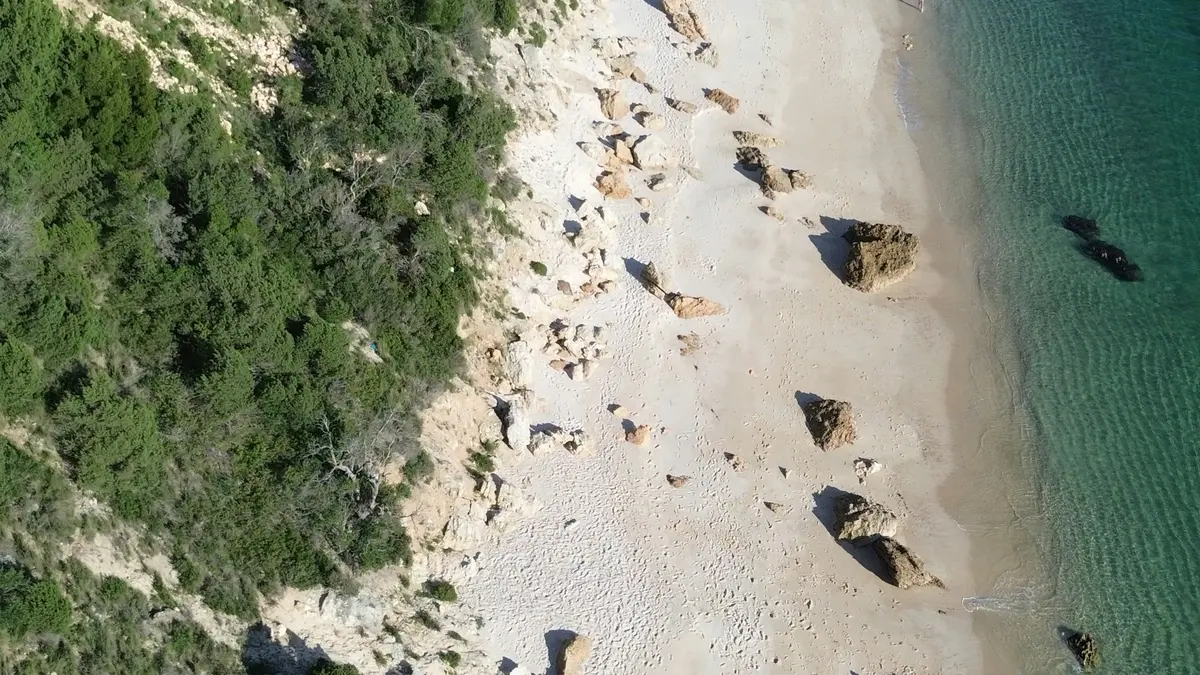
Arrábida changes the calculation. The park’s limestone slopes and pale coves are the visual reward, but reaching a chosen beach or trail adds seasonal buses, a taxi, or a car-access plan. Setúbal municipality’s 2026 program restricts private vehicles on part of the coast during the bathing season from June 4 through September 15, while road works can affect access. Check the current municipal Arrábida access page and Fertagus timetable. Choose this day for landscape and lunch, with a weather backup; it is not the place for improvising every connection after noon.
Train, Car, or Tour?
Use the train when the destination is the easy part
Cascais is the simplest rail day, followed by Setúbal if the plan stays in town. Évora also works well by train, but the timetable offers less flexibility. Sintra’s rail leg is easy; the friction begins with local movement between the station and hilltop sights. For all four, compare the last comfortable return with the last possible return.
Use the bus for direct small-town access
Óbidos, Mafra, and Ericeira have useful bus links, but the departure point may not be near a visitor’s hotel. Include the Metro ride to Campo Grande and a buffer for finding the correct stop. Save stations, stops, and official timetable pages while planning the trip on Google Maps; live routing is useful, but the operator remains the source of truth.
Rent a car only when it buys real flexibility
A car is valuable for pairing Mafra with Ericeira, linking Óbidos with another western stop, or reaching selected Arrábida viewpoints outside seasonal restrictions. It is actively unhelpful around Pena Palace, where access controls and limited roads turn supposed freedom into parking research. A tour can solve coordination for complex combinations, but it cannot make six attractions fit comfortably into one day.
How to Choose Without Overplanning
Start with the nonnegotiable: palace, coast, history, small-town atmosphere, or nature. Then compare energy and the location of the accommodation. A stay near Rossio favors the Sintra departure; Cais do Sodré simplifies Cascais; Oriente is relevant for Évora; Campo Grande matters for the west-coast buses. The Lisbon neighborhood guide helps translate those station names into actual morning effort.
- Only one day trip: choose Sintra unless hills, crowds, or timed tickets sound worse than missing its palaces.
- Low-energy or flexible day: choose Cascais.
- History-first traveler: choose Évora.
- Half day or small-town focus: choose Óbidos.
- Car and mixed interests: choose Mafra with Ericeira.
- Food plus landscape: choose Setúbal with a carefully planned Arrábida extension.
On a three-day Lisbon visit, one day trip is usually enough. With five or more days, two can work if they feel different—Sintra plus Cascais, for example, or Évora plus Setúbal. Porto, the Algarve, and Spain belong on overnight itineraries, regardless of how obliging the search suggestions appear.
The best choice is the one whose inconvenient parts still sound worthwhile. Sintra asks for planning, Cascais asks very little, and Évora asks for time. Pick that tradeoff deliberately, verify the live transport, and leave the seven-destination marathon to the spreadsheet.
Frequently Asked Questions
What is the best day trip from Lisbon?
There is no single best option. Sintra is the classic choice for palaces and landscape, Cascais is the easiest low-stress escape, Evora is the strongest full day for history, and Obidos suits a shorter medieval-town visit.
Should you choose a day trip from Lisbon by travel time or total effort?
Total effort. The comparison should include reaching the departure station and the final walk or local connection at the destination, not just the train time printed on a timetable.