Choosing where to stay in London is less about finding one “best” neighborhood than choosing which inconvenience you will tolerate. Covent Garden or Soho reduces travel for West End sights, but brings crowds, higher rates and possible street noise. Bloomsbury is the strongest all-rounder for many first-time visitors: central, museum-friendly and generally calmer after dinner. Victoria works well for Westminster and Gatwick; Paddington is practical for Heathrow; South Kensington suits museum-heavy trips; South Bank gives you the river; and Shoreditch favors food, nightlife and the City.
Compare the exact address—not just the area name—with three places you expect to visit. Two London hotels marketed under the same neighborhood can use different stations, exits and lines.
London Areas at a Glance
Cost labels here are relative to central London, not live quotes. Travel dates, room size and cancellation terms can matter more than the district name.
| Area | Best for | Daily travel | Evening and noise | Airport link | Cost and tradeoff |
|---|---|---|---|---|---|
| Covent Garden / Soho | Short trips, theater, restaurants | Walk to much of the West End | Lively; exact street matters | Heathrow via nearby Piccadilly or Elizabeth line stations | Premium; convenience comes with crowds |
| Westminster / Victoria | Landmarks, Gatwick | Easy for Westminster; major interchange at Victoria | Quiet government streets or busy station roads | Direct Gatwick rail from Victoria | Upper-midrange to premium; atmosphere varies by block |
| South Bank / Waterloo | River walks, arts | Excellent along the Thames; some north-bank crossing | Busy near attractions | No single airport advantage; compare live routes | Midrange to premium; central can still mean crossing the river |
| Bloomsbury | Museums, balanced sightseeing | Walk to the British Museum and West End edges | Usually gentler than Soho | Piccadilly line or Elizabeth line from the southern edge | Often midrange; less spectacle outside the door |
| Kensington / South Kensington | Museums, parks, quieter nights | Strong for west London; longer to the City | More restrained | Piccadilly line can suit Heathrow | Upper-midrange to premium; east-London days take longer |
| Paddington / Bayswater | Heathrow, rail trips, luggage | Strong east-west transport | More transit and residential | Direct Heathrow rail options from Paddington | Broad range; practicality beats atmosphere |
| Shoreditch / Liverpool Street | Nightlife, food, the City | Excellent east; repeated west-London trips add travel | Can be loud on nightlife streets | Elizabeth line from Liverpool Street serves Heathrow | Midrange to premium; exact block is decisive |
Start With the Three Most Central Bases
Covent Garden and Soho: Best for Maximum Walkability
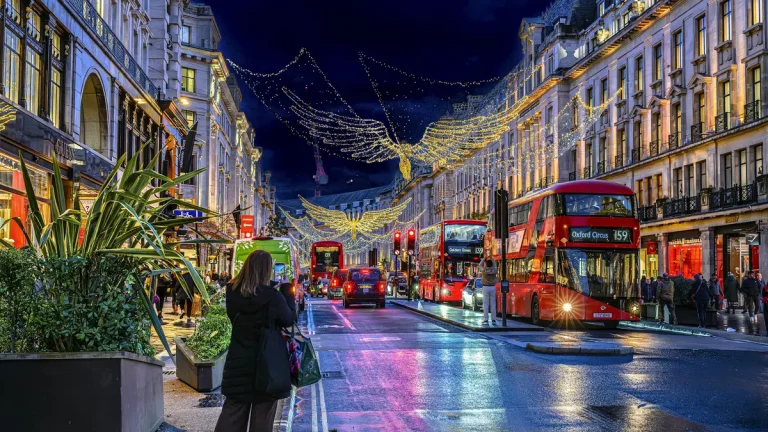
Choose Covent Garden or Soho when the trip is short and your priorities are the West End, restaurants, the National Gallery, British Museum and evening theater. Many places are walkable, while Leicester Square, Covent Garden and Tottenham Court Road provide different line options around the area’s edges.
The tradeoff is intensity. Covent Garden’s market streets fill in the afternoon; Soho stays lively later. Noise may come from bars, deliveries and people rather than traffic. Check recent room-specific reviews, ask whether the room faces the street, and look for late venues on the same block. “Central” is useful. “Directly above the fun” is a more complicated proposition.
Westminster and Victoria: Best for Landmarks or Gatwick
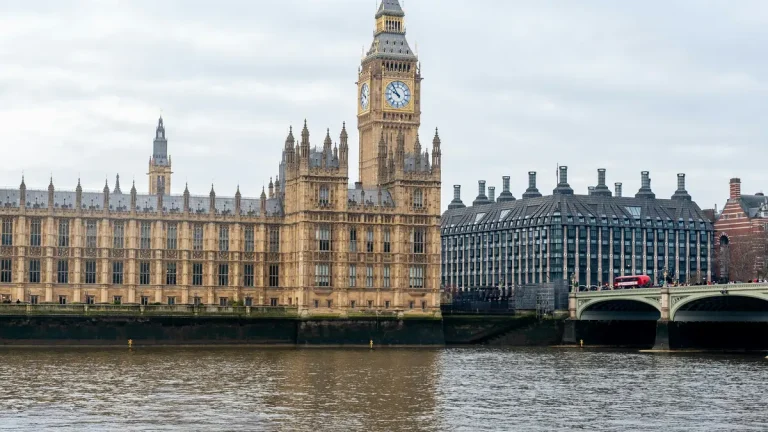
Westminster is a logical base if Parliament, Westminster Abbey, Buckingham Palace and St James’s Park dominate your first days. Victoria adds a large rail and Tube interchange, and official Gatwick Express services connect Gatwick Airport with London Victoria. Check live service information before travel instead of booking around a fixed timetable.
These names do not describe one uniform mood. A hotel near a government square may quiet down after office hours; one beside the rail or coach station may have constant movement. Victoria is more functional than romantic, but functional is underrated after an overnight flight and one wrong station exit.

South Bank and Waterloo: Best for River Days
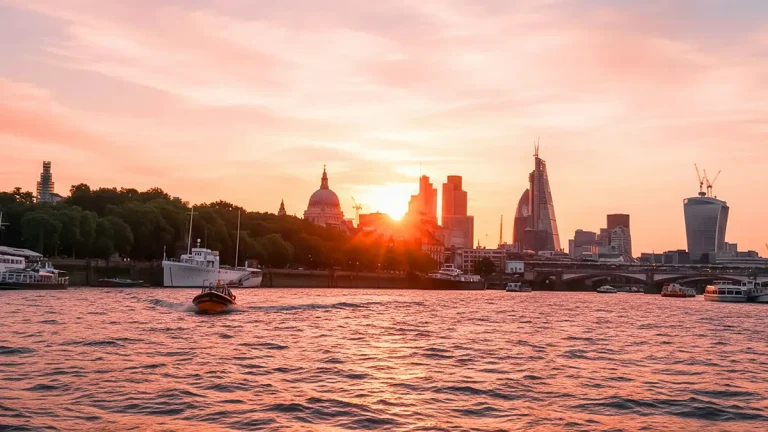
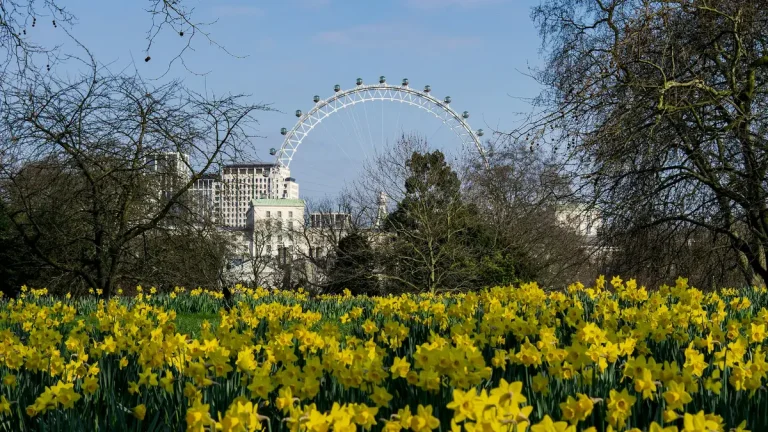
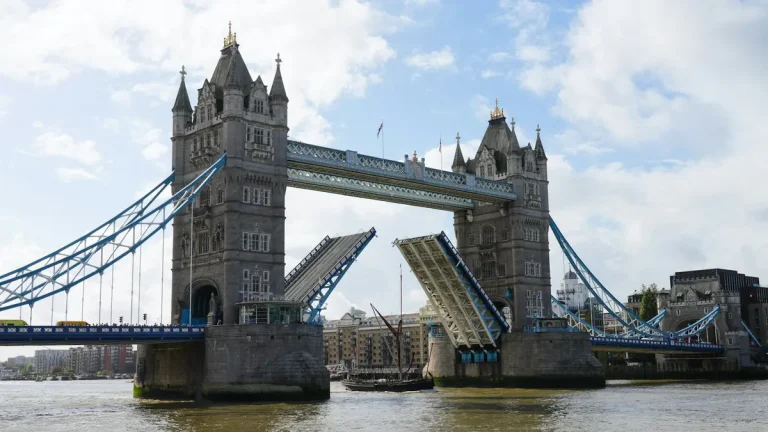
South Bank works for travelers who want the Thames, London Eye, Tate Modern and a long riverside walk to shape the trip. Waterloo also has extensive Tube and National Rail connections. The open river setting can feel like relief after the West End’s tight streets.
The catch is geography. Many classic sights are on the north bank, so check whether the hotel sits near the bridge or station you will actually use. “Near the London Eye” and “near London Bridge” create very different days. If most plans are in Kensington, Notting Hill or farther west, the view may not compensate for repeated cross-city rides.
Choose a Calmer or More Practical Base
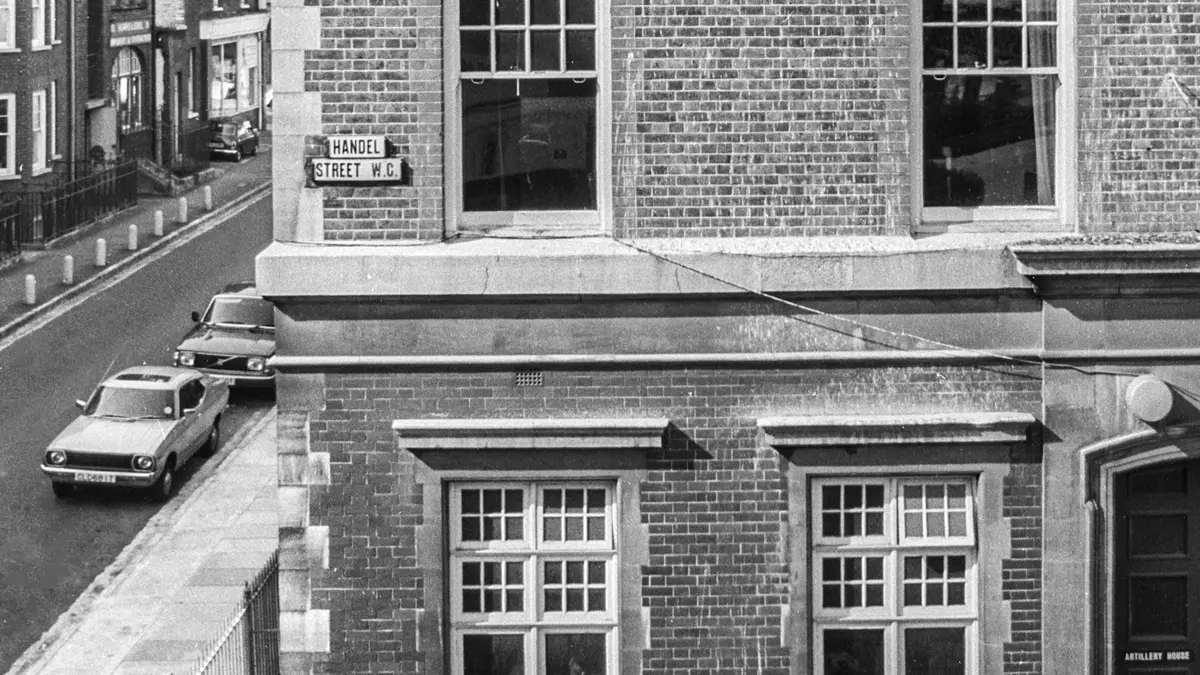
Bloomsbury: Best All-Round Balance
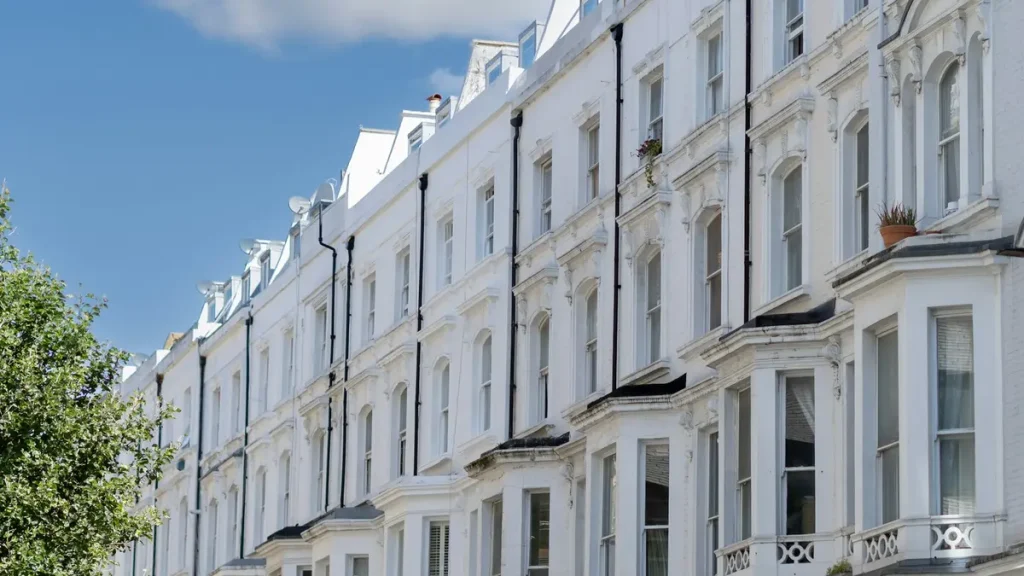
Bloomsbury is a persuasive default for a first visit mixing museums, walks and early nights. The British Museum is here, while Covent Garden, Fitzrovia and the West End sit within reasonable walking range from many addresses. Russell Square serves the Piccadilly line; Tottenham Court Road, King’s Cross or Euston may be useful from the neighborhood’s edges.
Garden squares and university buildings can feel calmer than Soho, but main routes remain busy London streets. If museums are central to the trip, compare collections in our London museum guide, then choose the side of Bloomsbury that reduces your actual walks.
Kensington and South Kensington: Best for Museums and Quieter Evenings
South Kensington puts the Natural History Museum, Science Museum and V&A together, with Hyde Park and Kensington Gardens nearby. The Piccadilly, District and Circle lines provide useful connections, and the Piccadilly line can simplify a Heathrow arrival when current service is normal.
This is a better fit for travelers who value composed streets and museums over being beside the West End after dark. Prices tend higher, and east-London attractions require more travel. Verify that the address is genuinely near South Kensington or Gloucester Road station; “Kensington” stretches farther than a booking map initially suggests.
Paddington and Bayswater: Best for Heathrow Practicality
Paddington is sensible when an easy Heathrow rail link, an early train west or luggage handling outweighs neighborhood theater. TfL confirms Elizabeth line links between Heathrow and Paddington, and all Elizabeth line stations are step-free from street to platform. Bayswater and Queensway add other Tube options, but they are separate stations on different lines.
The area offers a broad accommodation mix and Hyde Park access, yet most first-visit sights are not outside the door. Check the walking route from the correct station exit. A five-minute map pin can become less charming with two suitcases, several crossings and a station concourse roughly the size of a weather system.
Shoreditch and Liverpool Street: Best for East London Energy
Stay here if restaurants, bars, markets and the City matter more than waking beside Buckingham Palace. Liverpool Street has the Elizabeth line, Tube and National Rail; Shoreditch High Street is on the Overground. The Liverpool Street or Spitalfields side is especially practical, while addresses farther into Shoreditch may depend more on buses or walking.
Weekend nightlife is the tradeoff. Inspect the block rather than relying on the neighborhood’s reputation: a room near a club, terrace or service alley has a different night from one several streets away. It can also be inefficient if your itinerary leans heavily west. Our planned London neighborhoods guide will cover where to explore; this decision is about sleeping and commuting.
Book the Address, Not the Neighborhood Name
Test three real routes
Map the hotel door to the first attraction on three different days, ideally at the hours you will travel. Use TfL’s Journey Planner for current routing and accessibility, then save the hotel, station entrance and key places in Google Maps. Count the walk to the platform and any change, not only the time between station names. London’s schematic map explains the network beautifully; it does not promise short corridors.
Plan arrival day separately
An area can be excellent for sightseeing and awkward with luggage. Heathrow favors Elizabeth or Piccadilly line access depending on the address; Gatwick often makes Victoria or another National Rail connection relevant. Check the airport’s official page, the live TfL or rail planner, and the step-free guide shortly before departure. For a late landing, confirm hotel check-in and keep a taxi backup rather than designing the whole stay around the last train.
Check the block after dark
Avoid claims that an entire district is quiet, loud, safe or unsafe. Read recent reviews for noise and construction, inspect nearby late-night venues, and map the walk from the station you would use after dinner. Ask about street-facing rooms, internal courtyards and elevators. These details often matter more than moving one neighborhood west.
Do not move outward for a small saving automatically
Zone 2 can be excellent when a hotel is close to a direct line and you are staying long enough to enjoy the neighborhood. It is less compelling when every day begins with a walk, a change and a crowded central interchange. Compare the full-stay price with the repeated travel time, not with the Zone 1 room alone.
So, Where Should a First-Time Visitor Stay?
For the easiest short trip, choose Covent Garden or Soho and verify the room’s noise exposure. For the best balance, start with Bloomsbury. Pick Victoria for Westminster and Gatwick, Paddington for Heathrow, South Kensington for museums and calm, South Bank for the river, or Shoreditch for east-London evenings.
Then build a realistic plan with our first-visit London guide. The right base will not eliminate travel; it will make the travel you repeat feel intentional.
Frequently Asked Questions
Where is the best area to stay in London for first-time visitors?
Bloomsbury is the strongest all-rounder for many first-time visitors: central, museum-friendly, and generally calmer after dinner. Covent Garden or Soho reduces travel to West End sights but brings more crowds, higher rates, and possible street noise.
Which London neighborhood is best for Heathrow or Gatwick access?
Paddington is practical for Heathrow access, while Victoria works well for both Westminster sightseeing and Gatwick connections.