
London public transportation is easiest for most adult visitors when they use one contactless bank card or one mobile device for every journey. Touch in and out on the Tube and most rail services, touch in only on buses and trams, and keep using the exact same payment method so the system can calculate the correct fare and daily cap.
An Oyster card remains useful if your foreign card is not accepted, your bank charges overseas transaction fees, you need an eligible discount or you prefer a prepaid balance. The important part is consistency. A phone, watch and physical card linked to the same account are still treated as different payment methods.
London Transport at a Glance
| Mode | Best for | Payment rule | Main catch |
|---|---|---|---|
| Tube | Fast travel across central London | Touch in and out | Not every station is step-free |
| Bus | Short trips, street views and fewer stairs | Touch in only | Traffic makes timing variable |
| Elizabeth line | Fast east-west travel and Heathrow | Touch in and out | Airport fares and caps need checking |
| London Overground | Cross-neighborhood trips outside the center | Touch in and out | Line names and interchanges require attention |
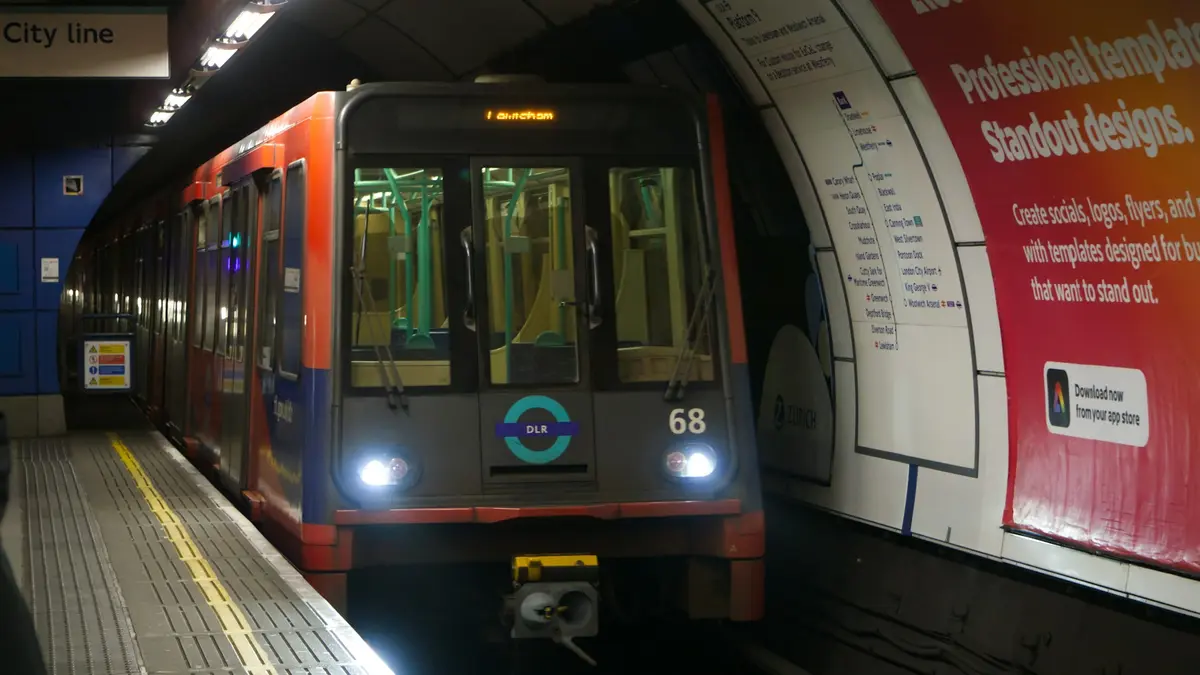
| DLR | Greenwich and Docklands | Touch in and out | Some stations have open platforms, so find the reader |
| River Bus | A useful Thames journey with a view | Check the operator’s fare system | Standard Tube caps do not automatically make it free |
Contactless or Oyster: What Should a Visitor Use?
Use Contactless for the Simplest Adult Setup
If your bank card displays the contactless symbol and works in the UK, you can normally use it directly across the Tube, buses, trams, DLR, London Overground, Elizabeth line and most National Rail services within the pay-as-you-go area. There is no need to buy a separate card or add credit.
Each traveler needs a separate card or device. Two adults cannot pass one bank card back through a gate because the system needs one continuous journey record per person. Check foreign transaction fees with your issuer; a card that adds a fee to each transport charge may make the technically easiest choice less economical.
Choose Oyster When You Need a Discount or Backup
Oyster uses stored pay-as-you-go credit and receives relevant caps. It is useful for eligible railcard discounts, Young Visitor discounts, travelers without a compatible card and anyone who prefers not to expose a bank card during frequent taps. A Visitor Oyster can be ordered ahead, while a standard Oyster is available in London.
Never Mix a Phone, Watch and Physical Card
Touching in with an iPhone and out with the physical card attached to the same account creates two incomplete journeys. The same applies to an Apple Watch or other wallet device. Pick one object for the day. If its battery is unreliable, use the physical card from the start rather than changing halfway through.
How Touching In, Touching Out and Fare Caps Work
Rail Journeys Need Both Ends
On the Tube, DLR, London Overground, Elizabeth line and pay-as-you-go National Rail, touch the yellow reader at the start and end. Open gates do not cancel this rule. At stations without a gate line, look for a freestanding yellow reader near the entrance, exit or platform.
Buses and Trams Need One Touch
On a bus, touch the reader once when boarding. Do not touch again when getting off. The same one-touch principle applies to trams, subject to specific interchange rules shown by TfL. London’s buses do not accept cash for the standard fare, so have a valid card, device, Oyster or travel pass ready.
As of August 9, 2026, the adult bus and tram fare is £1.75 and the daily bus-and-tram cap is £5.25. The weekday Hopper fare allows unlimited bus and tram journeys started within one hour of the first touch for the price of one fare, provided the same card or device is used. TfL has also announced temporary summer 2026 offers, which should not be mistaken for permanent policy.
Daily Caps Reward Consistent Payment
Pay as you go stops charging covered travel after you reach the applicable cap. The 2026 adult daily cap for Zones 1-2 is £8.90, covering Tube, DLR, Elizabeth line, London Overground and most National Rail within the relevant zones. Traveling farther changes the cap; Zones 1-6 are £16.30.
Not every premium service is included. The 2026 TfL fare table excludes Heathrow Express and Southeastern high-speed journeys from standard caps and Travelcards. River services also have their own fare rules. Use TfL’s Single Fare Finder for an unusual journey rather than assuming every train visible in London belongs to the same calculation.
Which London Transport Mode Should You Use?
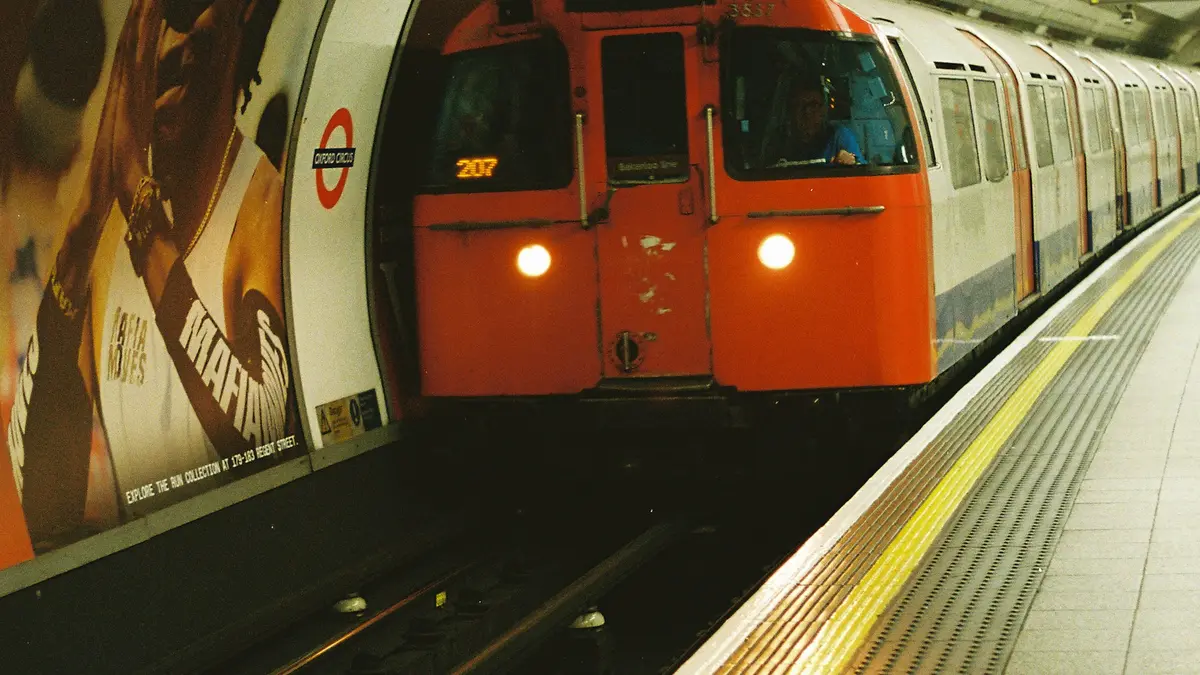
Tube for Speed Across the Center
Avoid one-stop Tube trips when walking takes the same time, especially around Covent Garden, Leicester Square and Soho. Our London neighborhoods guide helps identify sights that belong in one walkable group.
Bus for Street Context and Fewer Underground Stairs
Buses are useful for short cross-center journeys, travelers who dislike deep stations and routes where seeing the streets is part of the experience. They are also vulnerable to congestion. A route that looks elegant on the map can stall near roadworks or a demonstration, so do not use a bus to protect a narrow timed-entry window.
Elizabeth Line, Overground and DLR for Longer Urban Links
The Elizabeth line moves quickly across London and connects Heathrow with central and eastern stations. London Overground links many outer neighborhoods without routing everything through Zone 1. The automated DLR serves Docklands, London City Airport and Greenwich connections, with elevated sections that make the journey unusually legible.
River Transport for One Useful Scenic Leg
Greenwich is the clearest place to make river transport part of the itinerary rather than an added excursion. Our four-day London route uses Greenwich as a complete area, not an afternoon squeezed between distant sights.
Children, Strollers and Step-Free Journeys
Child Fares Depend on Age and the Card Setup
Children under 11 travel free on buses and trams. They also travel free on the Tube, DLR, London Overground, Elizabeth line and some National Rail services when accompanied by a fare-paying adult, with up to four children per adult under TfL’s visitor guidance. Children aged 11-15 need an appropriate ticket or discount arrangement.
A Young Visitor discount can be added to a Visitor Oyster for ages 11-15 by staff at eligible locations, with the child present. A contactless bank card does not automatically recognize a child fare. Families should settle this before the first paid journey; our London with kids guide also addresses realistic daily pacing.
Step-Free Is a Route Property, Not a Line Property
A station can be step-free in one direction or between street and platform without offering level boarding into every train. Use TfL Go’s step-free mode and the detailed step-free guide, then check live lift closures on the day. A theoretically accessible route becomes irrelevant when its only lift is out of service.
Airport Transport Does Not Fit One Simple Cap
Heathrow is served by the Piccadilly line, Elizabeth line and Heathrow Express, with different journey times and fares. In 2026, Zone 1 Elizabeth line journeys to Heathrow cost more than standard central trips, while Heathrow Express is excluded from ordinary TfL caps. Choose based on your exact destination and interchange burden, not the word express alone. Our Heathrow to London comparison covers the full decision.
Common London Transport Mistakes
- Using a phone to enter and the physical card to exit.
- Forgetting to touch out because the gate is open.
- Touching out on a bus.
- Sharing one payment card between two adults.
- Assuming every rail or river service counts toward the same cap.
- Choosing a hotel by straight-line distance without checking its station and exits.
- Planning an accessible journey without checking current lift status.
Most of these errors are preventable before the trip. Save the TfL route for the first airport or station journey, then group later days geographically. The same logic that improves transport also leaves more time for the London sights and free experiences you came to use it for.
Frequently Asked Questions
Is Oyster or contactless cheaper in London?
For standard adult pay-as-you-go travel, contactless and Oyster generally use equivalent fares and caps. The better choice depends on foreign card fees, eligibility for discounts and whether you prefer direct payment or a prepaid balance.
Can two people use the same contactless card?
No. Each traveler needs a separate card or device so TfL can record one complete journey and apply the correct cap.
Do you tap out on London buses?
No. Touch once when boarding a bus. Tube and most rail journeys require touching both in and out.
What is the cheapest way to travel around London?
Walking is free, and buses are the lowest flat-fare public option for many journeys. The cheapest practical plan usually combines walking with pay-as-you-go travel rather than crossing zones repeatedly to save a small admission or meal cost.
Does contactless work from Heathrow?
Contactless pay as you go works on the Piccadilly and Elizabeth lines and can be used on Heathrow Express, but fares and cap inclusion differ. Use the same card or device and compare the exact route before boarding.
Use the Network to Shrink London
London’s transport becomes manageable once payment and geography are separated. Pick one payment method, learn the correct tap rule, and group each day around adjacent areas. The network is not a sightseeing target to conquer; it is the mechanism that makes a very large city feel like a sequence of usable neighborhoods.