The most unusual things to do in London are not secret because nobody has heard of them. They are unusual because they reveal a different system beneath the familiar city: a Victorian cemetery, a domestic time capsule, a canal neighborhood, an engineering cathedral or a market that asks you to browse instead of photograph a landmark and leave.
Choose two or three that fit the same side of London. Several have limited opening days, guided-entry rules or seasonal access, so this is not a list to complete in one heroic afternoon.
Choose by Interest, Not by Novelty
| Experience | Best for | Planning friction |
|---|---|---|
| Dennis Severs’ House | Atmosphere and domestic history | Timed visits; photography restrictions |
| Highgate Cemetery | Victorian landscape and memorial art | Separate east/west access rules |
| Little Venice | Quiet canal walk | Weather matters; not a full day alone |
| Crossness Pumping Station | Industrial engineering | Limited open and steaming days |
| Leighton House | Art, interiors and design | West London location |
| South Bank Book Market | Slow browsing by the Thames | Outdoor conditions and vendor schedule |
1. Enter the Half-Lit World of Dennis Severs’ House
Dennis Severs’ House in Spitalfields is staged as a sequence of rooms inhabited by an imagined Huguenot silk-weaving family across generations. It is not a conventional museum with explanatory labels marching politely beside every object. The experience depends on candlelight, sound, scent and careful looking.
Book the official visit type that suits you; guided tours, silent visits and performances are not interchangeable. The house restricts photography, and the narrow historic interior is not a casual drop-in attraction. Pair it with Spitalfields and Brick Lane, then use our London neighborhoods guide to keep the rest of the day local.
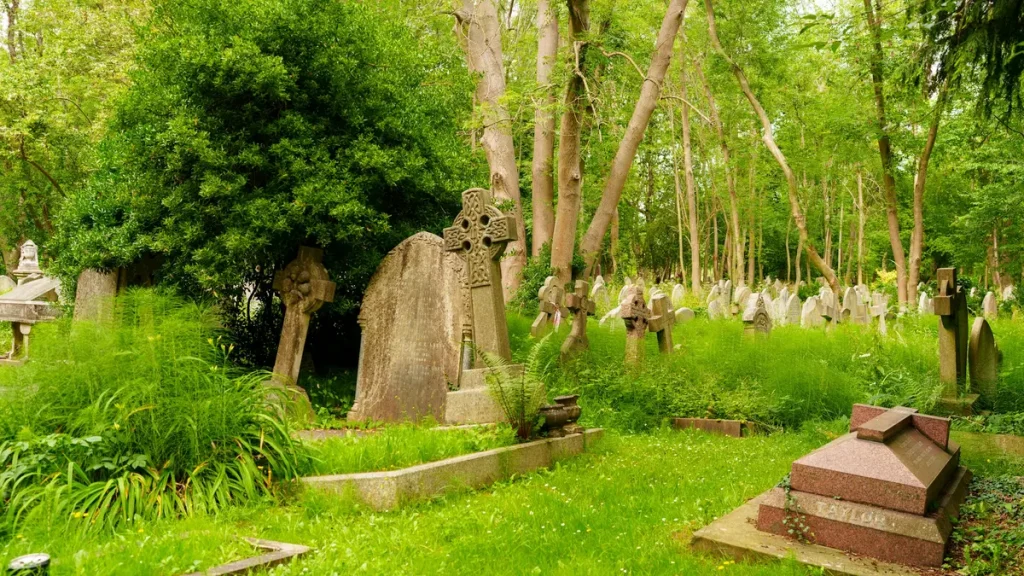
2. Walk Through Highgate Cemetery’s Victorian Landscape
Highgate is a working cemetery and one of London’s most evocative designed landscapes. Ivy, stone angels, Egyptian-influenced architecture and wooded paths make it visually dramatic, but the site is more than a gothic photo set. Read the visitor rules, behave as you would in an active burial ground and do not climb or touch monuments.
The East and West sides have different histories and may have different entry arrangements. Some visits or highlights require booking, while conservation work can change routes. Combine Highgate with Hampstead or a short section of the heath rather than dragging the cemetery into a day otherwise based in Greenwich.
3. Follow the Canal at Little Venice
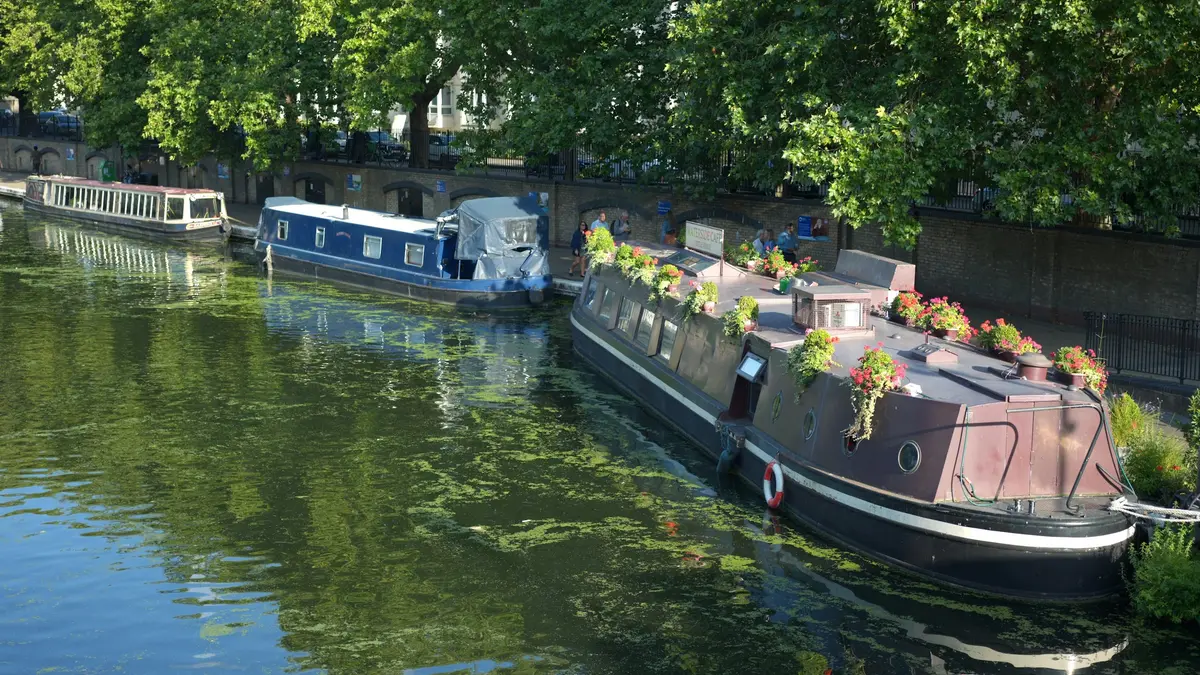
Little Venice is a basin and canal junction near Paddington, lined with narrowboats and leafy towpaths. It is a useful pause from monumental London: no grand reveal, no mandatory audio guide, simply water, bridges and the odd reminder that a boat is somebody’s home rather than decorative street furniture.
Walk east along the Regent’s Canal toward Regent’s Park or Camden if the weather is kind. The towpath can be narrow and slippery; cyclists, runners and residents all use it. For a short trip, combine the canal with your arrival or departure day if you are staying around Paddington, one of the practical tradeoffs covered in where to stay in London.
4. See Victorian Infrastructure at Crossness Pumping Station
Crossness is the most logistically demanding choice here and, for engineering-minded visitors, the most rewarding. The ornate pumping station was part of Joseph Bazalgette’s Victorian sewerage system. On selected steaming days, the restored Prince Consort beam engine operates, turning civic infrastructure into something improbably theatrical.
Do not travel to southeast London assuming the site opens daily. Check the official calendar, ticket type and transport instructions. Open days and steaming days are different experiences, and shuttle arrangements may be tied to specific events. Build the day around Crossness rather than treating it as a detour between central sights.
5. Visit Leighton House for an Artist’s Interior
Leighton House in Kensington was the home and studio of Victorian artist Frederic Leighton. Its Arab Hall, tiles, color and layered collecting make the building the subject; you do not need to recognize every painting to understand why the interior feels unlike a standard London townhouse.
The museum is small enough to pair with Holland Park or another west London stop. Check its current exhibitions and opening information, and remember that special displays may affect access. This is a good alternative when a large museum feels dutiful rather than desirable; our top London museums guide helps compare the bigger institutions.

6. Browse Under the Bridge at the South Bank Book Market
The secondhand book stalls beneath Waterloo Bridge are one of London’s simplest low-pressure diversions. Tables of used books, prints and maps sit beside the river, protected more by the bridge than by any guarantee of agreeable weather. Browse slowly, ask before handling fragile material and carry a small tote if paper and rain appear to be negotiating.
This works well between the National Theatre, Southbank Centre and a Thames walk. It is not a substitute for an antiquarian bookshop pilgrimage; it is a compact, atmospheric stop that makes a familiar river route feel more personal. Pair it with the options in our free things to do in London guide.
7. Descend Into the Old Operating Theatre
The Old Operating Theatre Museum and Herb Garret occupies the roof space of an early church near London Bridge. Its steep spiral access and compact historic rooms create a setting that is memorable before you reach the surgical displays. Exhibits deal frankly with medicine before modern anesthesia and antisepsis, so it may not suit younger children or squeamish lunch companions.
Check accessibility and ticket information before visiting. Historic stairs are part of the physical reality, not an atmospheric design choice that can be switched off on request.
8. Ride the Mail Rail at The Postal Museum
The Postal Museum tells the story of communication, workers and the system that moved post beneath London. Mail Rail uses sections of the former underground railway, but ride capacity and museum admission rules make advance booking sensible. It is more informative than a novelty train ride, particularly when you give the exhibitions time before or after the tunnel.
Families can compare it with broader choices in our London with kids guide. Adults without children should not be deterred; postal logistics are a surprisingly efficient route into social history.
How to Combine These Without Crossing London Repeatedly
East London Pairing
Book Dennis Severs’ House, then explore Spitalfields and walk toward the City. Keep the evening nearby rather than adding Highgate.
North and Northwest Pairing
Choose Highgate Cemetery with Hampstead, or Little Venice with a canal walk toward Regent’s Park. These are separate days if walking energy is limited.
South Bank and London Bridge Pairing
Combine the book market with the Old Operating Theatre and a riverside evening. This is the easiest unusual route to insert into a first visit without sacrificing half the day to transport.
What Makes a London “Hidden Gem” Worth Your Time?
A worthwhile lesser-known place offers more than smaller crowds. It should connect to an interest, fit the geography of your day and have operating information you can verify. A location that opens six Sundays a year is not a spontaneous recommendation; it is a calendar event wearing a charming brick facade.
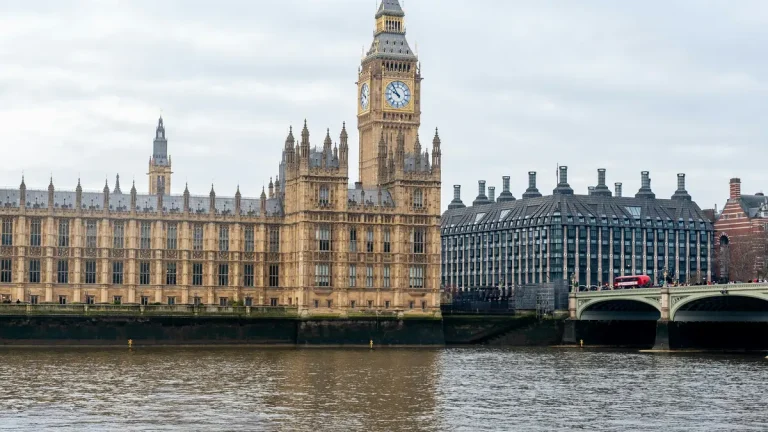
Leave room for major sights if they matter to you. The point is not to perform superior taste by avoiding Westminster. Use our first-visit London guide for the classic structure, then replace one conventional block with something genuinely specific.
Frequently Asked Questions
What are the best unusual things to do in London?
Dennis Severs’ House, Highgate Cemetery, Little Venice, Crossness Pumping Station, Leighton House, the Old Operating Theatre and the Postal Museum are strong choices for different interests.
Do unusual London attractions need advance booking?
Many do. Dennis Severs’ House, Highgate tours, Crossness events and Mail Rail can have limited capacity or dates. Confirm directly before traveling.
Which unusual London activity is free?
A Little Venice canal walk and browsing the South Bank Book Market cost nothing unless you buy something. Cemetery, museum and house entry generally requires a ticket.
What is best for a rainy day?
Leighton House, Dennis Severs’ House, the Postal Museum or the Old Operating Theatre work indoors, but travel and historic access still require planning.
Can I visit several hidden gems in one day?
Yes, when they share a district. Two well-matched places are usually better than four spread across London.
Choose the Detail That Changes the City
London becomes more interesting when one day follows a system other than the landmark hierarchy: water, mail, death, domestic life, engineering or old books. Pick the thread that genuinely interests you, check its operating rules, and let the rest of the city arrange itself around that curiosity.