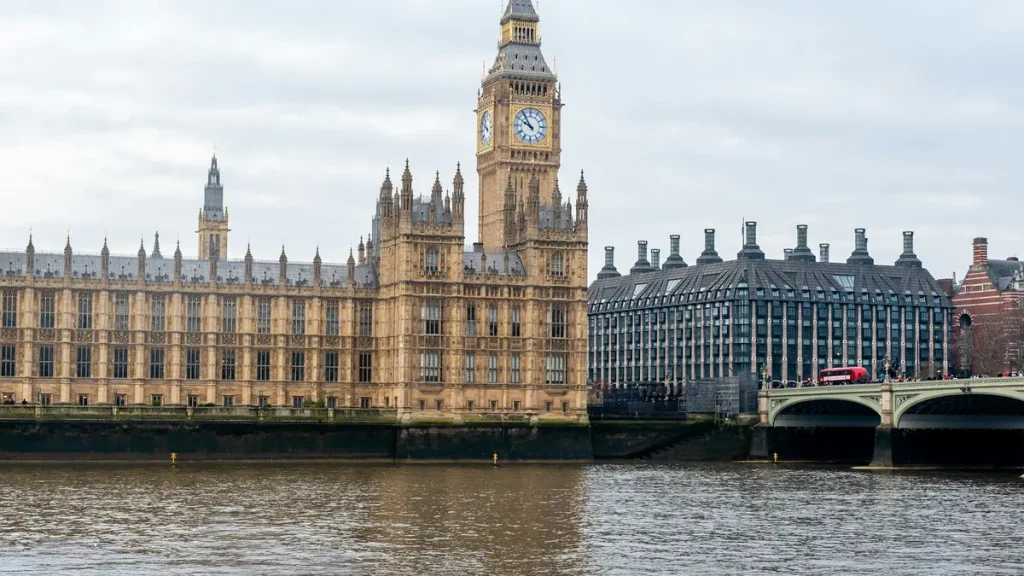
Four full days is the best default for a first visit to London. That fits the defining landmarks, focused museum time, one neighborhood and an unhurried evening. If you want an Oxford, Bath or Windsor day trip, plan on five full days: four for London and one outside it.
The word full matters. An overnight-flight arrival and an early departure do not quietly combine into an extra sightseeing day, however persuasive the spreadsheet looks. Shorter visits require sharper choices; six or seven days suits deeper interests or a slower pace.
What Counts as a Full Day in London?
A full usable day begins after you have slept in London and ends without an airport, long-distance train or hotel change dictating the schedule. In practical terms, four full days usually means five nights.
Treat a morning arrival from the United States as bonus time. Immigration, airport transfer, bag storage or check-in and jet lag make its energy hard to predict. A neighborhood walk and early meal are sensible; a nonrefundable timed attraction is a small wager against biology. A late departure may leave a useful half-day, but luggage collection and the airport buffer still own part of it.
This distinction prevents the most common planning error: calling a four-night stay “four days” when it contains only three clear mornings. Count full days first, then decide whether arrival and departure offer extras.
London Trip Length at a Glance
| Full usable days | What fits realistically | Main sacrifice | Best for |
|---|---|---|---|
| 2 days | Two compact central area clusters, one major paid attraction and a short museum or evening | No day trip; little neighborhood depth; several icons stay exterior-only | A stopover or first taste |
| 3 days | Three area clusters, two major anchors, one focused museum and one evening experience | Outer neighborhoods and a day trip usually go; flexibility is thin | A long weekend with firm priorities |
| 4 days | Core landmarks, two substantial interiors, a museum, a neighborhood and an unhurried evening | You still cannot “do London”; one interest category remains selective | Most first-time visitors |
| 5 days | Four London days plus one day trip, or five city days with more museum and neighborhood time | A day trip still replaces a London day rather than appearing for free | First visits with one major excursion |
| 6–7 days | A broad first visit, slower sessions, farther districts and one day trip with recovery room | Higher lodging cost and the temptation to add too much simply because time exists | Families, museum lovers and slower travelers |
The useful unit is not the number of saved pins. It is a major anchor plus the nearby streets, meals and smaller stops that make the day feel like London rather than an airport departure board.
What Each Trip Length Really Buys You
Two days: a deliberate highlight reel
Two full days works when you accept that it is a sample. Choose two adjacent-area clusters—perhaps Westminster and the South Bank for one, then the Tower, City and riverside for the other—and allow one substantial interior each day. A museum can fit if it is a focused highlights visit, not an attempt to absorb several millennia before lunch.
Skip a day trip. The Tube is efficient, but station entrances, platforms, transfers and the walk at the other end all consume attention. A compact two-day visit can feel energetic; a geographically ambitious one feels like a study of escalators.
Three days: enough for the essentials, not every category
Three full days can cover the famous central sights, one major museum and a theater, pub or evening walk. The tradeoff is choice: deep museum time may replace a neighborhood; a palace or historic interior may replace shopping; weather recovery may replace the optional final stop.
Build each day around one or two priorities and make the last item removable. If the list contains the British Museum, National Gallery, Tower of London, Westminster Abbey and several distant neighborhoods, three days has not become larger; the lunch breaks have simply disappeared. Use the first-visit London guide to choose, not to collect.
Four days: the first-visit sweet spot
Four full days creates the most useful kind of luxury: space between reservations. You can give Westminster and the royal core proper attention, explore the Tower and City side of the river, choose a museum based on actual interest, and still reach a contrasting neighborhood or market.
This is a capacity description, not a hidden itinerary. The exact mix should follow interests, opening calendars and where you stay. For a concrete sequence, use the separate four-day London itinerary; it keeps the decision page from becoming another enormous schedule wearing a smaller hat.
Five days: add depth or one full day trip
Five full days is the stronger choice when Oxford or another important excursion is nonnegotiable. Ring-fence one complete day for it and preserve four for London. Rail time may look short, but reaching the departure station, waiting, onward walking, fixed attraction entry and the return all belong to the excursion.
If you stay in the city, the fifth day is equally valuable. It can support a second museum, Greenwich or Hampstead, a food-focused afternoon, or simply a slower start after theater. Compare the best day trips from London before assuming the extra day must leave town.
Six or seven days: London without the stopwatch
A week is not excessive. It lets a museum lover choose two or three institutions without turning them into consecutive endurance events. Families can shorten days and allow for rests, playgrounds and the occasional firm rejection of another historic room. Travelers with limited mobility can favor fewer changes and longer breaks without shrinking the trip to only one district.
Extra days also make room for Greenwich, Richmond, Hampstead, Brixton or a neighborhood selected from the where to stay in London guide.
What Changes the Number of Days You Need?
Your tolerance for museums and major interiors
Large collections distort itineraries because “visit the museum” can mean a focused 90-minute route or most of a day. Choose by interest, then cap the number of serious indoor anchors. The London museum comparison helps match the collection to the traveler instead of scheduling three free museums because the admission price looked efficient.
The same applies to the Tower of London and Westminster Abbey. Both use current visitor calendars, and the Tower asks ticket holders to arrive within a selected entry window; the Abbey is a working church that can close for services. Check official pages before publication and before travel.
Jet lag, age, mobility and family pace
Four days assumes a generally comfortable walking and transit pace. Add a day if stairs, step-free routing, frequent rests or young children make transitions slower. TfL’s journey planner can filter for access needs, but a step-free route may differ from the fastest one. That is useful information, not a planning failure.
Keep the first evening light and put the highest-priority timed sight on a later full day. A trip with four exhausted mornings does not outperform one with five calmer ones.
Where the priorities sit on the map
London rewards geographic editing. Westminster, St James’s and the West End connect naturally; the Tower, City, Borough and parts of the South Bank form another useful east-central family. Greenwich, Richmond and Hampstead deserve their own blocks rather than being appended because a map was zoomed out.
Before assigning a sight, map saved places before assigning them and use TfL’s current journey planner for the actual date. Grouping reduces changes, but live works, weekend closures and events can still redraw the sensible route.

Whether a day trip is truly a priority
A day trip takes a day. Oxford’s rail leg is typically around an hour from Paddington on direct services, yet the total outing also includes both station journeys, college opening rules, meals and a return buffer. Bath, Windsor, Cambridge, Stonehenge and the Cotswolds each add different friction. Do not subtract only the time shown on the train.
With four total days, leaving London means accepting a three-day city visit. That can be the right trade if the excursion matters more than another London district. If the day trip is merely “nearby,” save it for a five-day stay.
A Simple Way to Make the Final Decision
- Count only mornings and evenings fully based in London.
- Choose three to five true priorities—not every recognizable name.
- Allow no more than one or two major timed anchors per full day.
- Group those priorities by area and inspect the real route.
- Add one full day for any nonnegotiable day trip.
- Add another day for a slower family, accessibility or museum-heavy pace.
If the result is two or three days, go anyway and edit honestly. If the schedule allows four, that is the reliable first-visit answer. Choose five for London plus one major excursion, and six or seven when the pleasure lies in looking up from the checklist. London will still contain more London afterward. This is one of its less cooperative, and better, qualities.
Frequently Asked Questions
How many days do you need in London?
Four full days is the best default for a first visit, enough to fit the defining landmarks, focused museum time, one neighborhood and an unhurried evening. Plan five full days if you also want an Oxford, Bath or Windsor day trip.
What counts as a full day in London?
A full usable day begins after you've slept in London and ends without an airport, long-distance train or hotel change dictating the schedule. An overnight-flight arrival morning doesn't quietly become an extra full sightseeing day.