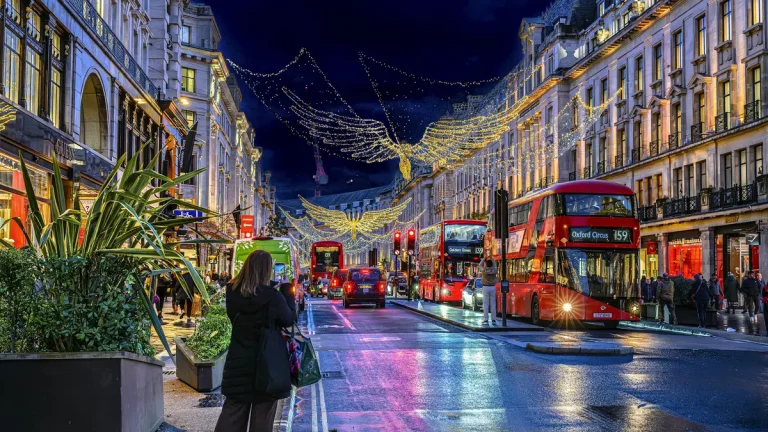
London has several excellent food markets, but they solve different travel problems. Borough Market is the strongest choice when food itself is the event; Camden suits a group that wants maximum variety and later hours; Old Spitalfields works well in wet weather; and Seven Dials is the easiest fit around a West End plan. Maltby Street and Greenwich reward a more deliberate detour.
The useful question is not which market is universally best. It is which one belongs in the day you already have. London is large enough that crossing town for lunch can quietly consume the afternoon, a particularly expensive way to buy a sandwich.
Quick Comparison: Which London Food Market Should You Choose?
| Market | Best for | Opening pattern | Main catch |
|---|---|---|---|
| Borough Market | Produce, specialist food and a serious lunch | Tuesday-Sunday | Very busy at peak lunch and on Saturday |
| Camden Market | Large groups, broad choice and later eating | Daily | Sprawling and intensely visited |
| Old Spitalfields | Rain, East London and food plus shopping | Daily | More mixed market than pure food destination |
| Seven Dials | West End, indoor seating and evening meals | Daily, open late | A modern food hall rather than a traditional market |
| Maltby Street | Smaller weekend market atmosphere | Friday evening and weekends | Limited days and compact space |
| Greenwich Market | A full Greenwich sightseeing day | Daily | Too far for a quick central-London lunch |
Opening times in this guide were checked against official market pages on August 9, 2026. Individual traders keep their own schedules, and bank holidays or December can change the pattern, so confirm the market page on the day you go.
The Six Best Food Markets in London by Travel Style
Borough Market: Best When Food Is the Main Event
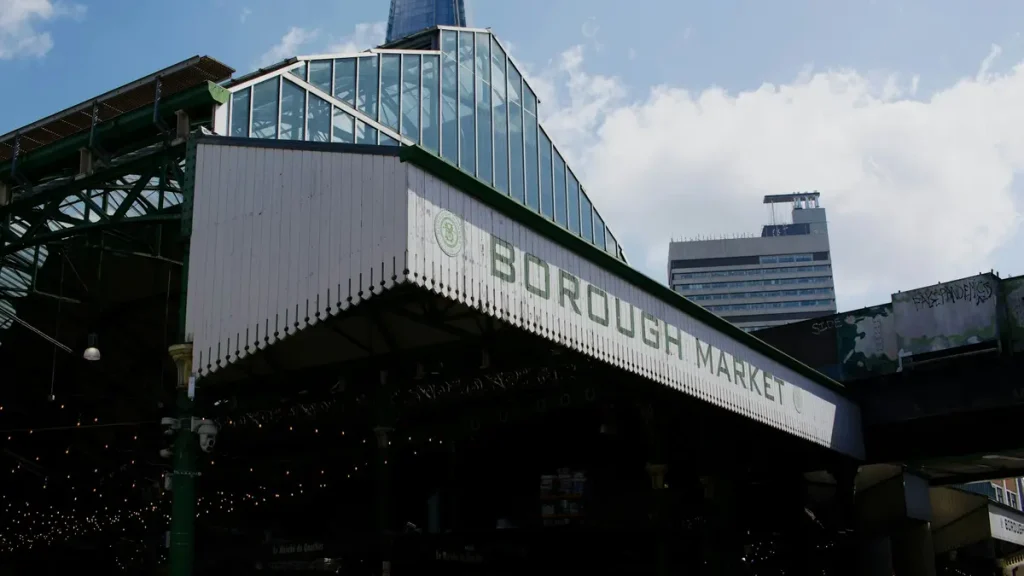
Borough is the most convincing all-around answer to the search for a food market in London. Its appeal is not merely the number of ready-to-eat counters. You can compare cheese, bread, spices, produce and pantry goods, then turn the visit into lunch rather than treating the place as an outdoor food court with better brickwork.
The location beside London Bridge makes it easy to combine with the Thames, Southwark Cathedral, Tate Modern or the City. That geographic fit matters: if your morning ends around the Tower or South Bank, Borough is a natural next step. Our guide to what to eat in London can help you recognize classic dishes without insisting that every meal be traditionally British.
The official schedule currently runs Tuesday through Sunday, with Monday closed outside special seasonal arrangements. Weekday mornings or later afternoons are calmer than the noon rush, and the market itself warns that seating is limited. A Saturday visit offers energy and a broad trader presence, but also requires tolerance for moving at the speed of the person inspecting a cheese sample three feet ahead.
Camden Market: Best for Choice and a Later Meal
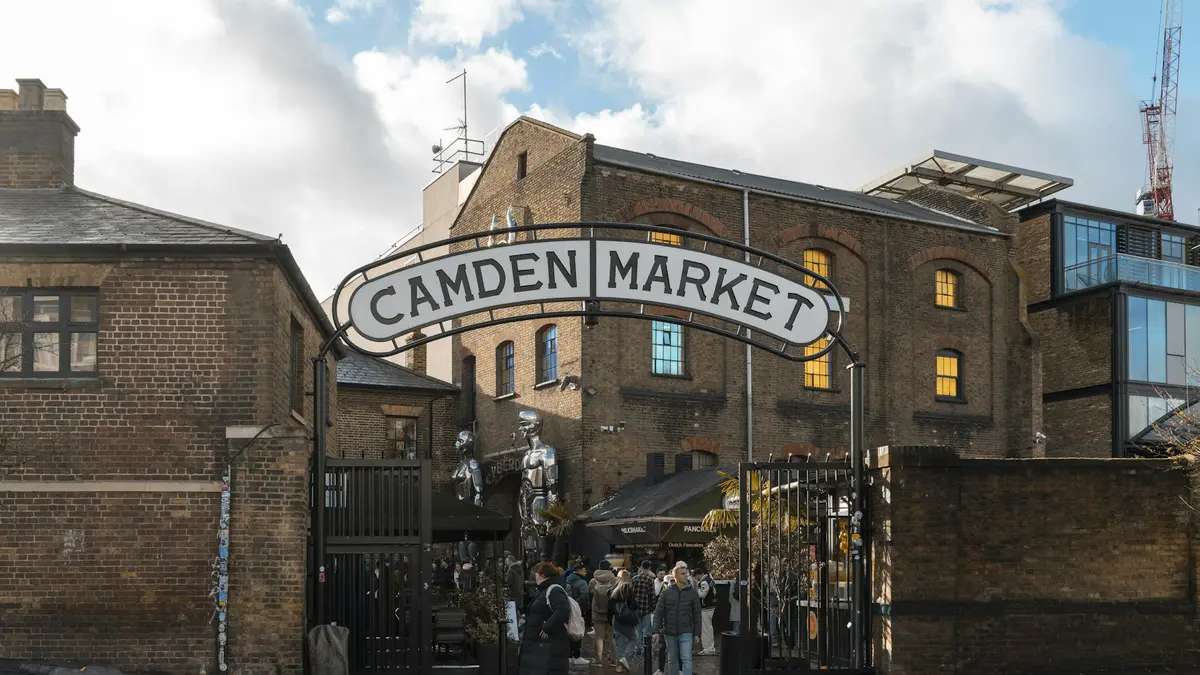
Camden is the practical choice for a group that cannot agree on one cuisine. The market complex mixes street-food counters, shops and entertainment across several connected spaces, so one person can find a substantial meal while someone else continues browsing. It also works later than many traditional markets: Camden Market lists daily hours of 10 a.m.-7 p.m., while the Hawley Wharf food halls currently run 11:30 a.m.-11 p.m. Individual businesses vary.
Come because Camden already fits your route, not because it is a peaceful alternative to Borough. The area is busy, commercial and visually loud, yet that is part of its present-day identity. Pair it with Regent’s Canal or a walk toward Primrose Hill, and use our London neighborhoods guide to decide whether Camden belongs in the same day as your other stops.
Old Spitalfields Market: Best for Rain and East London
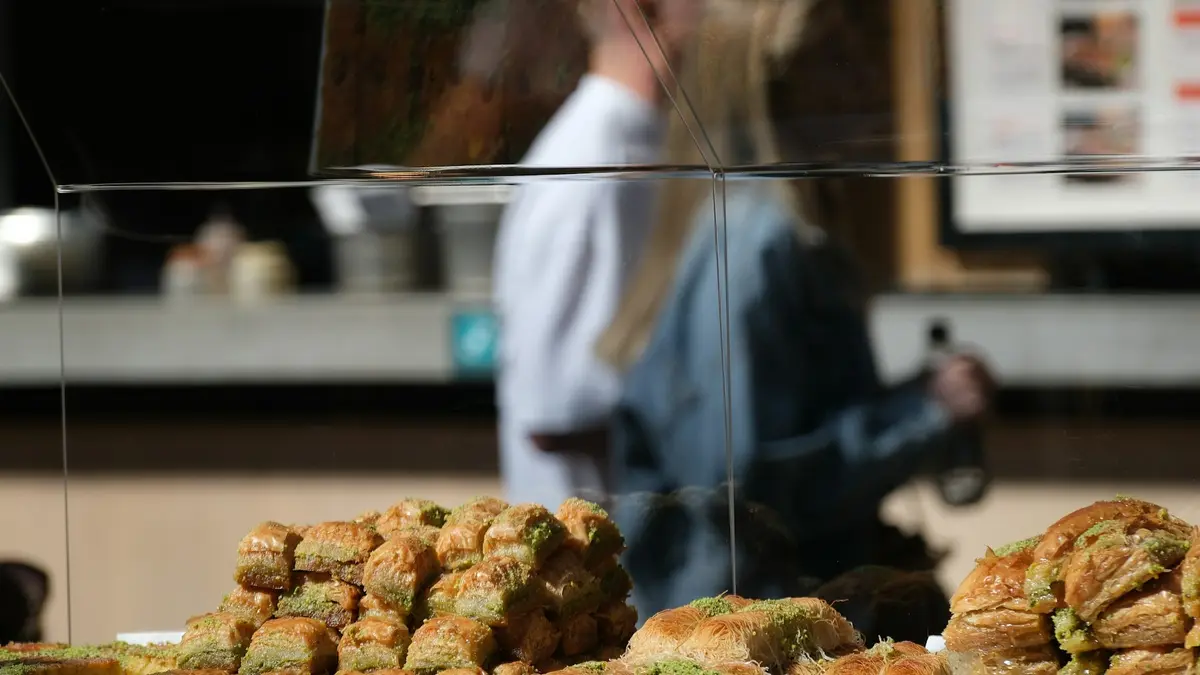
Old Spitalfields is covered, central to an East London day and easier to combine with design, vintage and independent retail. Its Kitchens operate as an everyday street-food area, while the wider market changes character through the week. This makes it a good compromise when some travelers want lunch and others would rather continue shopping.
The current official page lists the Kitchens from 11 a.m.-6 p.m. Monday through Saturday and until 5 p.m. on Sunday; individual restaurants may run different hours. The roof provides useful protection in rain, although the building is not sealed like a shopping mall. Pair the market with Shoreditch, Brick Lane or the City rather than forcing it into a Westminster day. If a sit-down meal matters more than browsing, compare it with the options in our London restaurant guide.
Seven Dials Market: Best Before or After the West End
Seven Dials is a modern indoor food hall in Covent Garden, not a produce market. That distinction is useful rather than disqualifying. It offers protected seating, multiple kitchens and long opening hours within easy reach of Soho, Covent Garden and many theaters. Current hours extend to 10 p.m. on Monday and Tuesday, 11 p.m. Wednesday through Saturday, and 9 p.m. Sunday.
Choose it when logistics matter more than heritage: a mixed group, persistent rain, or a meal before a performance. At peak times, first find out whether the seating system has available space, then order. For a first visit, it can slot neatly into the West End portion of a four-day London itinerary without adding a separate cross-city journey.
Maltby Street Market: Best for a Smaller Weekend Stop
Maltby Street Market occupies the Ropewalk beneath railway arches in Bermondsey. It is narrower than Borough, with food and drink businesses lining a short corridor, and currently opens Friday evenings, Saturdays and Sundays. The scale can feel manageable, but narrow does not always mean uncrowded. Pair it with Bermondsey or the riverside rather than treating it as a dependable weekday fallback.
Greenwich Market: Best as Part of a Full Greenwich Day
Greenwich Market combines crafts, antiques and food in a covered historic setting near the Cutty Sark, the Old Royal Naval College and Greenwich Park. The food is part of a broader market experience, and that is exactly why it works: lunch becomes a pause within a coherent neighborhood day rather than a destination that must carry several hours on its own.
The main market currently opens daily, generally from 10 a.m.-5:30 p.m.; the official site lists weekend extensions and a separate Cutty Sark street-food program, whose schedule should be checked before relying on it. Greenwich is not the sensible answer to a quick lunch from central London, but it is an excellent answer once you have already committed to the river journey or DLR. Our overview of the best things to do in London explains where Greenwich fits for a first visit.
How to Visit a London Food Market Without Wasting the Meal
Match the Market to the Neighborhood
Build the market around nearby sights: Borough with London Bridge and the South Bank, Camden with the canal and Primrose Hill, Spitalfields with Shoreditch and Brick Lane, Seven Dials with the West End, and Greenwich with maritime London. Save locations in advance using a simple route plan; our guide to planning a trip on Google Maps is useful for spotting unnecessary backtracking.
Arrive Before Peak Lunch or Accept the Crowd
Around noon to 2 p.m., the most famous markets are doing exactly what they are famous for. Arriving earlier can improve browsing and photography, while a later lunch may make seating easier. If you visit at peak time, agree on a meeting point before everyone follows a different queue. Mobile service and human attention both become less dependable when the aisle fills.
Do Not Confuse Browsing With a Guaranteed Seat
Borough and Maltby are primarily walk-and-eat environments; Camden and Spitalfields have seating, but demand can exceed supply; Seven Dials is designed around indoor dining yet still fills at popular times. A bench, riverside wall or nearby park may solve the problem in fair weather. In rain, choose the market with the seating arrangement you need rather than assuming every covered roof comes with a table.
Frequently Asked Questions
Which London food market is best for a first visit?
Borough Market is the best default when food is a central interest and your route includes London Bridge or the South Bank. Choose Camden for maximum variety, Seven Dials for a West End evening, or Greenwich when the market is part of a full neighborhood day.
Are London food markets open every day?
No. Camden, Old Spitalfields, Seven Dials and Greenwich currently operate daily, but Borough is normally closed Monday and Maltby Street is limited to Friday evening and weekends. Trader hours can be shorter than the market’s general hours.
Is Borough Market or Camden Market better?
Borough is better for specialist produce, food shopping and a focused culinary visit. Camden is better for a large mixed group, shopping beyond food and a later meal. Location should break the tie.
Which London food market is best when it rains?
Seven Dials offers the most straightforward indoor food-hall setup. Old Spitalfields is also covered and combines food with shopping, although edges and approaches remain exposed to the weather.
Do London food markets take cards?
Contactless card payment is widely used, but each stall is an independent business. Carry a second card, and never assume a market-wide policy covers every trader.
Choose One Market, Then Keep the Rest of the Day Coherent
For most visitors, one food market is enough. Borough is the strongest food-first choice; Camden and Spitalfields are mixed neighborhood experiences; Seven Dials is an efficient indoor meal; Maltby rewards a weekend detour; and Greenwich belongs to a complete southeast London day. The best selection is the one that improves your route instead of dividing it.