
The best things to do in London with kids depend less on a universal family ranking than on age, weather and how much transit your household can absorb. Toddlers usually need space to touch and move; school-age children often respond to a strong story or interactive exhibit; teenagers are more likely to enjoy a place when it does not announce itself as children’s entertainment from the doorway.
For most families, one substantial attraction per half-day is enough. Add a park, river walk or easy meal nearby, and keep one indoor replacement ready. London offers abundant choice. The challenge is resisting the urge to prove that by crossing the city four times before dinner.
Quick Picks by Age and Weather
| Age or need | Strong first choice | Rainy-day backup | Planning note |
|---|---|---|---|
| 0-4 | Young V&A | London Transport Museum | Keep the visit short and protect nap time |
| 5-8 | Natural History Museum | Postal Museum | Choose two galleries, not the whole building |
| 9-12 | Science Museum and Wonderlab | Tower of London | Book the paid anchor in advance |
| Teens | Tower, theater or a neighborhood food market | Museum plus West End meal | Let interest, not age labels, decide |
| Need to run | Kew Children’s Garden | Large museum with a planned gallery route | Allow more travel time for Kew |
Free does not always mean walk straight in. Several national museums offer free general admission but recommend a timed ticket to guarantee entry during weekends and school holidays. Paid galleries, family sessions and historic attractions normally require separate booking.
Best London Activities for Babies, Toddlers and Ages 2-4
Young V&A for Designed Play Without Museum Formality
Young V&A in Bethnal Green is designed around how children imagine, make and play rather than asking a toddler to admire objects quietly from a respectful distance. Its three main galleries provide different forms of visual and hands-on discovery, and the atmosphere is more forgiving of short attention spans than a grand collection planned for adults.
General admission is currently free and does not require booking, although special activities may. This is a strong first-morning choice for children who need to move, and it pairs with a simple East London lunch rather than a second major museum.
London Transport Museum for Vehicles You Can Climb Into
Covent Garden’s London Transport Museum works well for children who recognize buses and trains before they care about chronology. Historic vehicles, route displays and family areas make the transport system tangible. It is indoors, centrally located and easier to combine with an early meal than an attraction on the edge of the city.
Children under 18 currently enter free with a paying adult, while adult admission operates as an annual pass. That can still make a single family visit expensive, so compare the full household cost before booking.
Unstructured Play Is Part of the Itinerary
A playground or park break is not empty space between attractions. It is often the reason the next attraction works. Use Jubilee Gardens on the South Bank, a neighborhood playground near your accommodation or one of London’s large parks for an hour without a queue. For more central ideas, our first-visit London guide shows which major sights sit near usable outdoor space.

Best London Activities for Ages 5-8
Natural History Museum for Dinosaurs and One Clear Mission
The Natural History Museum is an excellent family default because the building delivers scale before a child reads a label. Dinosaurs, mammals, volcanoes and the central hall give younger visitors recognizable targets. General galleries are free, and the museum recommends booking a free entry ticket to guarantee access when weekends or school holidays become busy.
Do not attempt every gallery. Ask the child to choose two priorities, follow the museum’s family route or set a two-hour limit, then leave while the visit is still going well. The Science Museum and V&A sit nearby, but proximity is not an obligation. Our comparison of London’s top museums helps adults choose what deserves a separate day.
The Postal Museum for a Compact Story and Mail Rail
The Postal Museum turns an everyday system into a clear narrative of letters, people and hidden infrastructure. Mail Rail, the ride through the former underground postal railway, gives the visit a memorable anchor. The ride is suitable for all ages, but children under 12 must be accompanied by an adult over 18.
For younger siblings, Sorted! is a separate play space aimed at ages 1-8 and needs its own booking. This is a paid attraction, so reserve the correct combination rather than assuming a general museum ticket includes every family area. Its Clerkenwell location works best with a light local day, not as a quick add-on between South Kensington and Greenwich.
Best London Activities for Ages 9-12 and Teens
Science Museum for Hands-On Experimenting
The Science Museum’s general admission is free, while Wonderlab is a paid interactive gallery recommended for ages 7-14. More than 50 exhibits and live demonstrations make it better for children who want to manipulate an idea than read a wall of explanation. Book ahead because prices and availability can vary by date.
Older children may prefer the free space, engineering and technology galleries, or the separately ticketed Power Up gaming gallery. Choose one paid component and leave time for the permanent collection. Trying to stack Wonderlab, an IMAX film and every floor can turn curiosity into a timetable.
Tower of London for a Story With Real Stakes
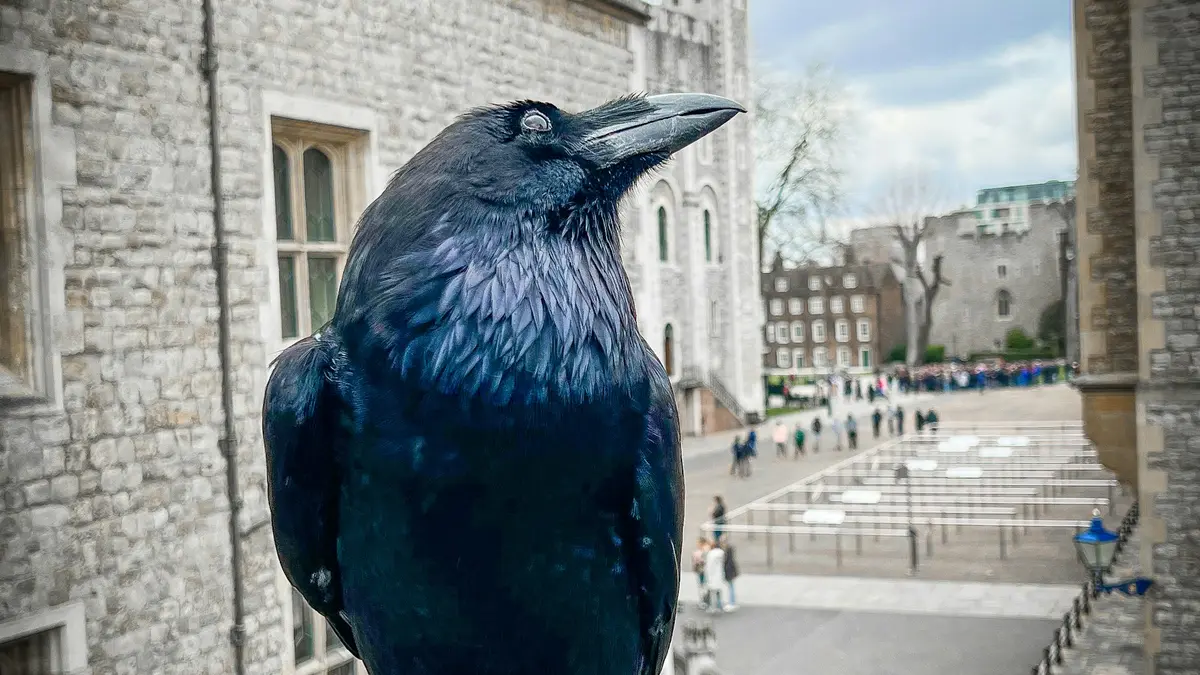
The Tower suits children and teenagers interested in kings, prisoners, armor, ravens and the Crown Jewels. It is a genuine historic site rather than a themed reconstruction, which gives the stories weight. The grounds also involve stone surfaces, stairs and outdoor movement, so it is not a fully indoor rain plan.
Current standard admission is paid, with children under five free and no ticket required; family events and relaxed sessions have their own conditions. Allow at least two to three hours and arrive early if the Crown Jewels are important. A child-friendly audio guide is available, but the Yeoman Warder tours may be more engaging for listeners comfortable with crowding and dark history.
Give Teenagers a Choice That Affects the Day
For teenagers, offer two or three genuinely different anchors: the Tower, a specific museum collection, a West End matinee, Greenwich, or a street-food stop. A market is useful when everyone wants a different meal; our guide to London food markets compares locations and opening patterns. Avoid treating a toy shop as compulsory merely because a young person is traveling with the family.
Best Outdoor Day: Kew Gardens for Ages 2-12
Kew is a full outdoor-and-glasshouse day rather than a central London stop. The Children’s Garden is designed for ages 2-12 and currently does not require a separate reservation, although it becomes busy during school holidays. The wider gardens provide room to move, with the Hive, Treetop Walkway and seasonal family programming adding structure.
Travel time and weather decide whether Kew belongs in your itinerary. Bring layers, water and a plan for lunch; the glasshouses offer shelter but do not convert the entire day into an indoor activity.
How to Plan London With Kids Without Exhausting Everyone
Stay Near a Useful Transport Line, Not Every Attraction
No hotel is close to everything. Prioritize a station with direct routes to two or three planned areas, then inspect the exact walk, steps and elevator access. Our where to stay in London guide compares neighborhoods by transport and evening practicality rather than family labels alone.
Book One Anchor and Keep the Rest Flexible
A timed museum, Tower ticket or theater performance can organize half a day. Avoid booking three consecutive attractions with no margin for lunch, security lines or a child becoming fascinated by one room. The pacing in our four-day London itinerary can be adapted by replacing one adult-oriented anchor each day.
Build a Real Rain Swap
A rain plan should remain in the same general area. Swap a South Kensington garden or long walk for one museum; replace an exposed Tower afternoon with a central indoor attraction; or move Kew to the clearest day. London’s free museums are useful backups, but popular ones may still require advance tickets and patience.
Frequently Asked Questions
What is the best area of London for families?
South Kensington is convenient for major free museums and parks, while Covent Garden offers central transport, theater and the Transport Museum. The better base depends on your airport route, budget and planned areas rather than a single family district.
Are London museums free for children?
Many national museums have free general admission for everyone, but special exhibitions and interactive galleries can cost extra. Other attractions use child discounts or free child entry with a paying adult. Check the exact ticket combination.
What can families do in London when it rains?
Choose one indoor anchor such as Young V&A, the Natural History Museum, Science Museum, London Transport Museum or Postal Museum. Reserve entry where available and avoid crossing the city simply because several indoor options appear on a list.
Is London manageable with a stroller?
Yes, but not every Tube station is step-free and historic attractions can include stairs or uneven ground. Check the exact station, entrance and attraction accessibility page, and consider a bus for routes where stairs make the Underground awkward.
How many activities should a family plan each day?
Two anchors, one per half-day, are usually enough. Add meals, transit and unstructured outdoor time around them. Younger children or long cross-city journeys may make one major attraction the better day.
Choose for the Child You Are Traveling With
London works best for families when adults stop treating the city as a checklist. Match the attraction to the child’s present interests, reserve the one place that matters, and leave enough space for a bus ride, a park or an unexpectedly absorbing museum room. Those unscheduled intervals are not lost sightseeing; they are what keep the day usable.