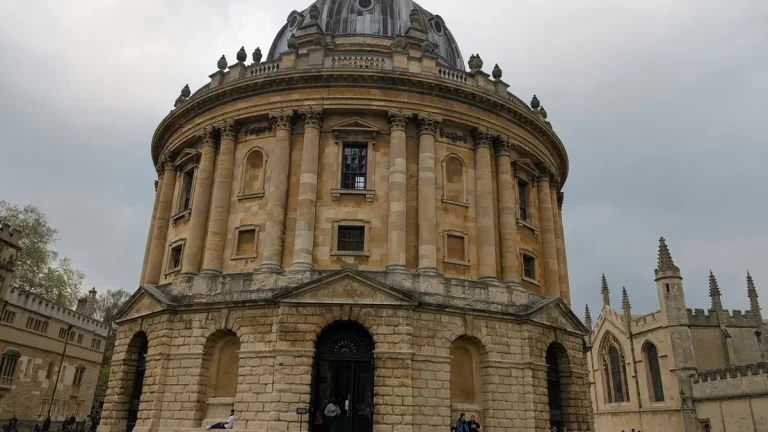
The best things to do in London on a first visit are not fifty separate stops. They are a handful of strong experiences grouped into areas: Westminster and St James’s, the South Bank, the Tower and the old City, one museum, the West End, and one half day beyond the center.
A good rule is to reserve one major anchor per day, then add nearby walks, a meal and something optional. London is enormous, station corridors are longer than they look, and a short line on a map is not the same thing as a short journey.
Start With Eight London Experiences, Not Fifty Attractions
| Experience | Best for | Planning level |
|---|---|---|
| Westminster and St James’s | Royal and political London | Book only if entering the Abbey, Parliament or palace |
| South Bank walk | River views and flexible culture | Mostly spontaneous |
| Tower of London and City | Deep history | Reserve the Tower as the day’s anchor |
| One major museum | History, art or design | Check current free-entry and exhibition rules |
| Covent Garden and Soho | Streets, food and atmosphere | Keep flexible |
| Greenwich | A slower half day beyond the center | Choose at most one paid attraction |
| One West End evening | Live London after dark | Book a must-see production |
| One skyline view | Orientation and photographs | Choose by route, weather and cost |
For three days, choose six. With four or five, add Greenwich and a second museum or neighborhood—not three more timed attractions before lunch.
1. Pair Westminster With St James’s Park
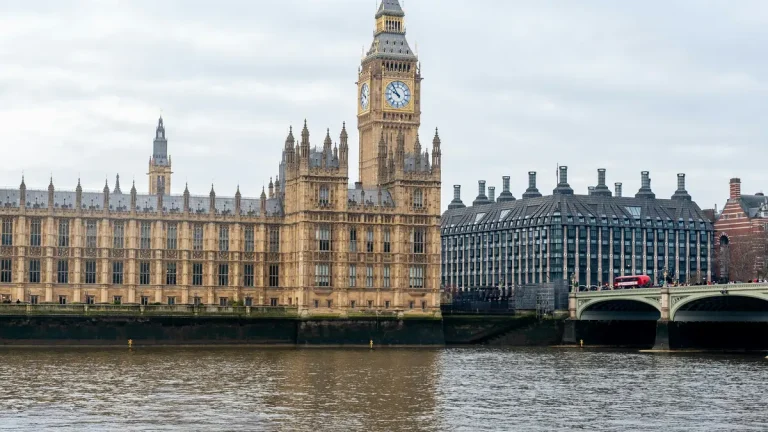
Begin around Parliament Square, where the Palace of Westminster and Elizabeth Tower—the tower containing Big Ben—make sense as exterior landmarks. Going inside Parliament or taking the official Big Ben tour is a separate, limited ticketed experience, not something included because you photographed the clock.
Westminster Abbey is also a real interior visit, not a quick façade stop. It is a working church and can close for services, so check its official calendar before building the morning around it. From here, walk through St James’s Park to Buckingham Palace. The palace exterior is a year-round sight; access to the State Rooms is seasonal or offered on selected dates.
Changing the Guard can be enjoyable if ceremony is one of your priorities. It can also consume a morning for a partial view behind several rows of phones. Check the Household Division’s current schedule and weather notice, then decide deliberately rather than treating it as compulsory.
2. Walk the South Bank Instead of Collecting River Sights
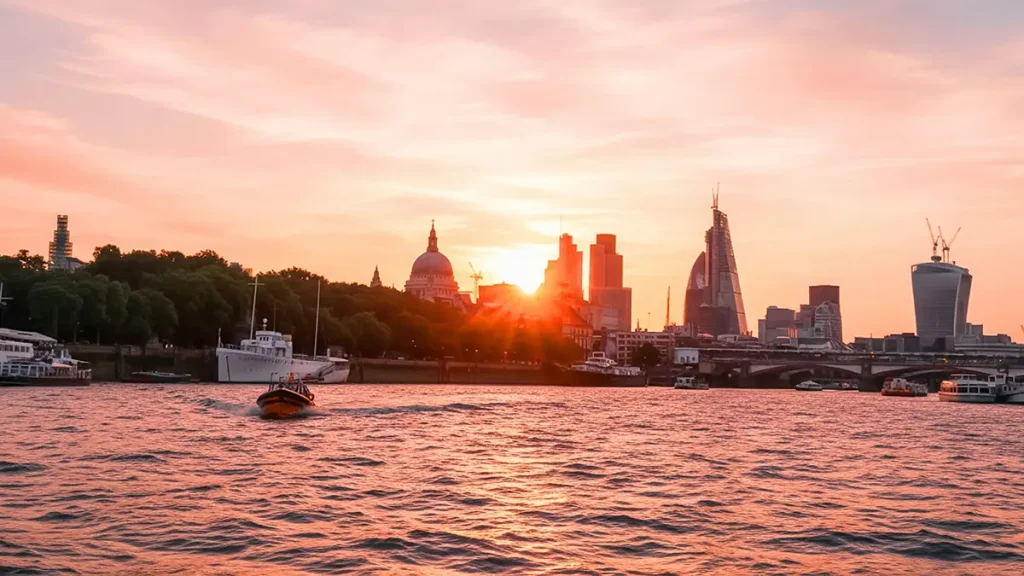
The South Bank works because the route is the experience. Cross or begin near Westminster Bridge, follow the Thames past the arts complex, and continue as far east as your energy allows. You will get shifting views of Parliament, bridges and the City without booking a separate photograph every few hundred yards.
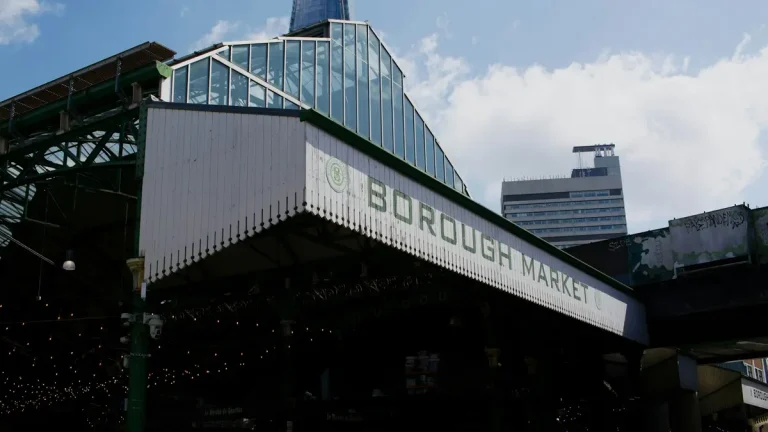
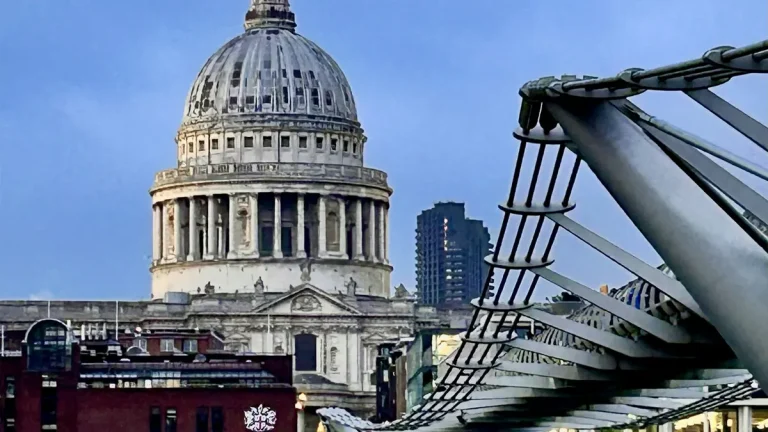
Tate Modern is a useful rain stop if modern art appeals; its permanent collection is free, while some exhibitions are ticketed. The Millennium Bridge gives a clean sightline toward St Paul’s Cathedral. Borough Market fits naturally if you are already continuing toward London Bridge and want food, but it is a working market, not a sacred tourist obligation. Go outside peak meal pressure or choose a quieter lunch nearby.
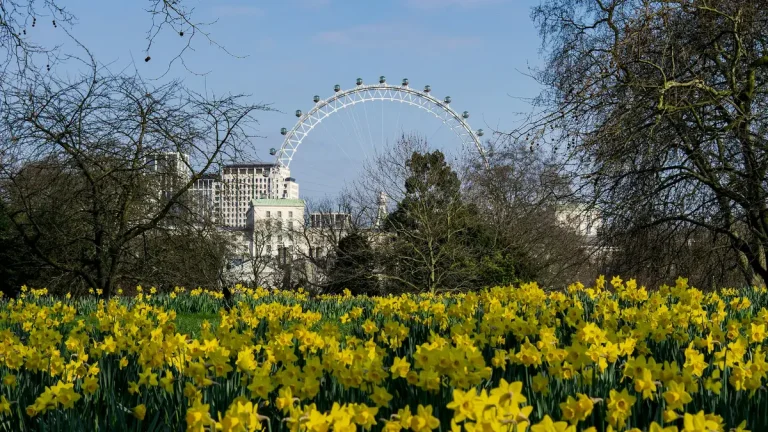
Do not automatically bolt the London Eye, an aquarium, a boat ride and the entire river walk onto the same afternoon. Choose the paid river experience you care about.
3. Make the Tower of London Your East-City Anchor
If you book one history attraction, the Tower of London is the strongest all-in anchor. Its current admission covers the open public areas, including the Crown Jewels, and a Yeoman Warder tour is included subject to availability. Give it several hours rather than scheduling the next timed entry across town.
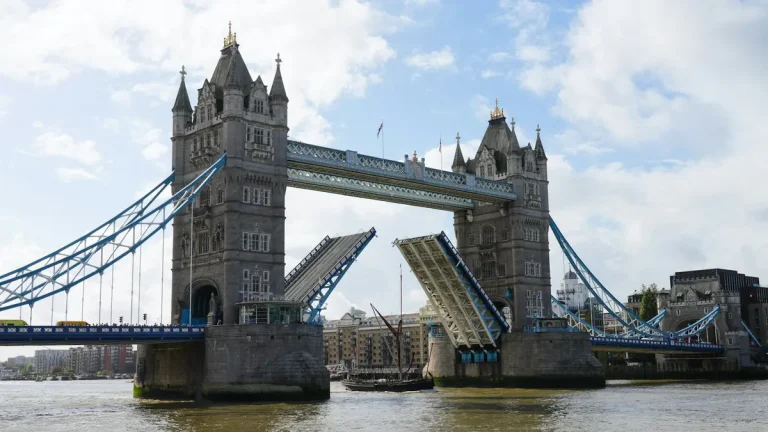
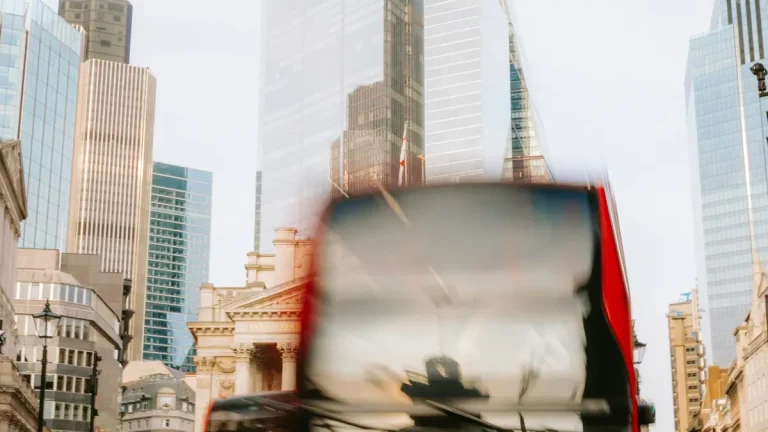
Tower Bridge is a different attraction. Walking across the road deck is a public crossing; the ticketed Tower Bridge visit covers the towers, high-level walkways and Engine Rooms. You do not need both interiors unless engineering is a genuine interest. After the Tower, walk through the City, see St Dunstan in the East or the Monument area, and cross the bridge when it suits your route. Old stone, glass offices and commuters in determined shoes are part of the appeal.
4. Choose One Museum by Interest
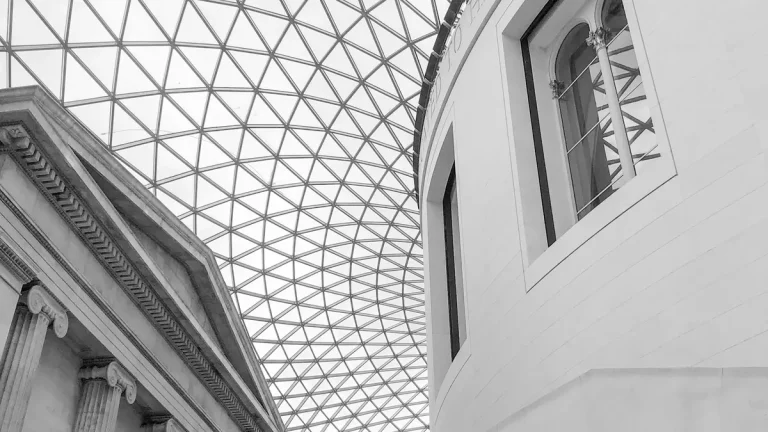
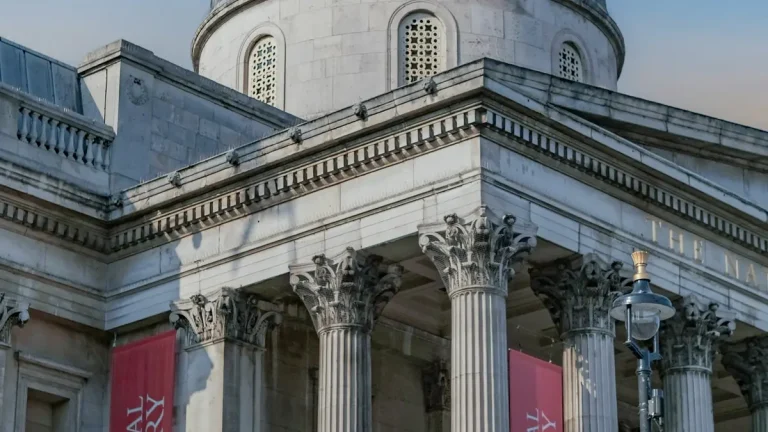
London’s large museums can swallow entire days. The British Museum is the default for global history and ancient material; the National Gallery is the better first choice for European painting; Tate Modern fits contemporary art and the South Bank; the V&A suits design, fashion and decorative arts. Choose the collection you would still want to see if admission were not a bargain.
The British Museum’s permanent collection has free general admission and it advises booking a timed slot. The National Gallery also offers free general admission and a free advance ticket, while selected exhibitions charge. Free does not mean empty, and it does not mean every exhibition is included. Pick two or three galleries or objects before arrival, then leave while you can still remember what you saw. Our planned guide to London’s top museums will help match collections to interests; the separate free things to do in London guide will cover no-cost choices in more depth.
5. Let Covent Garden and Soho Fill the Gaps
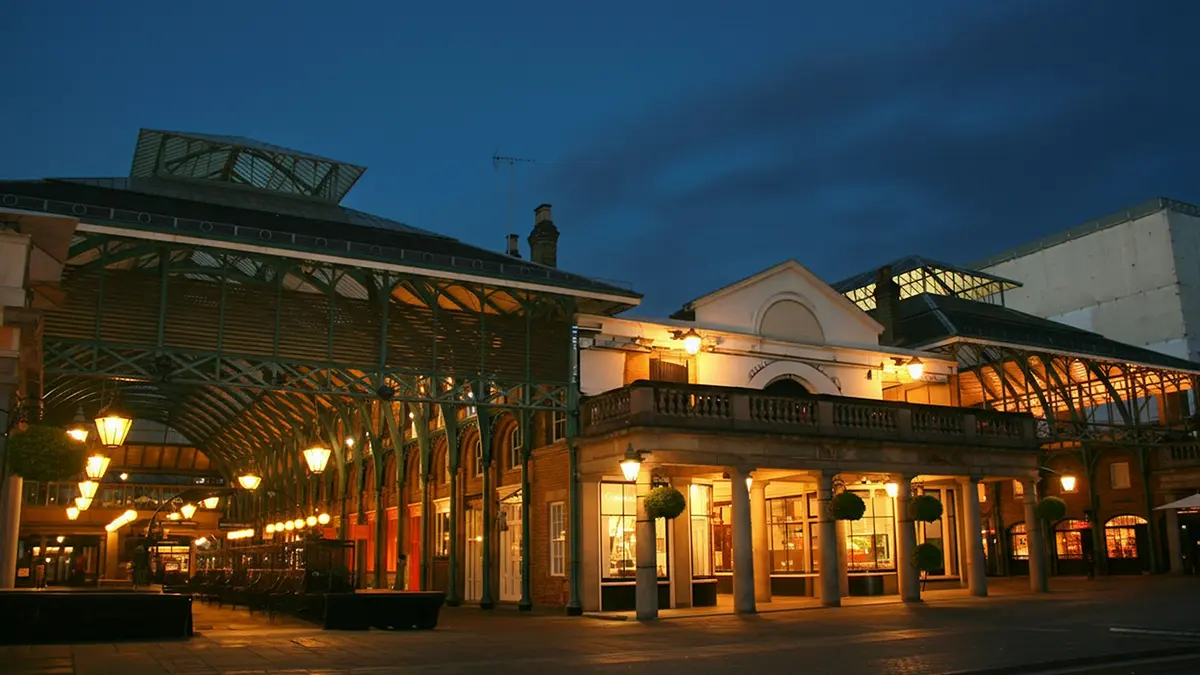
Covent Garden, Seven Dials and Soho are most satisfying as connective tissue rather than a series of attractions. Browse the market building, walk Neal’s Yard if it is nearby, continue through Soho, and eat where the menu—not the view of a landmark—earns your attention.
This area pairs naturally with the British Museum or National Gallery and transitions neatly into a West End evening. It is also easy to shorten in rain or stretch when you find a bookshop, café or small gallery worth entering. A famous name on the Tube map is not a command.
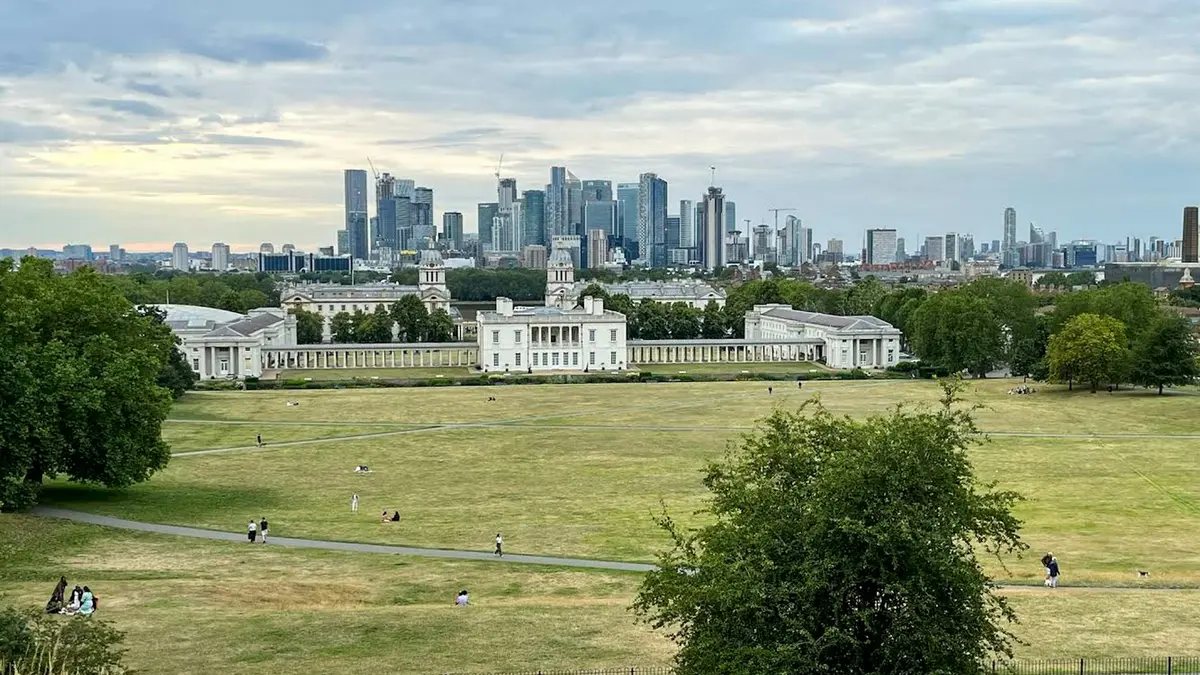
6. Use Greenwich as Your One Beyond-the-Center Half Day
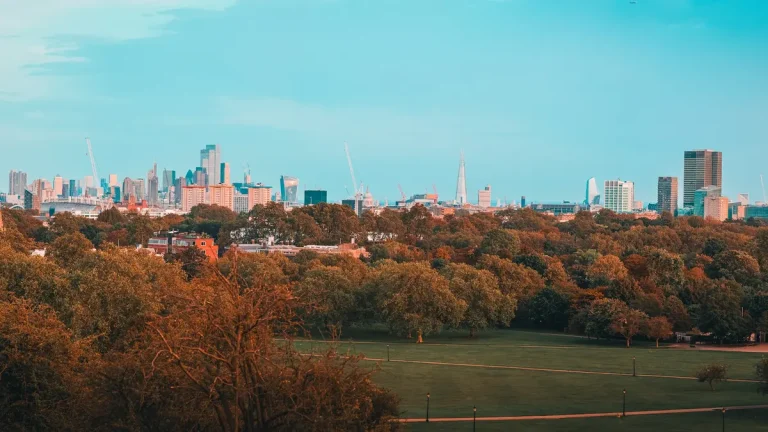
Greenwich offers a useful change of scale: maritime buildings, a broad park, a riverside setting and a skyline view without assembling another checklist in Zone 1. Use current TfL routing to choose rail, DLR or river travel from your starting point rather than assuming one route is always fastest.
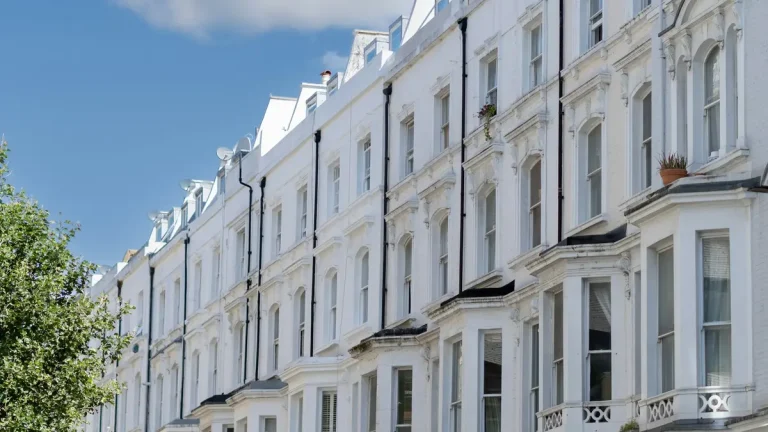
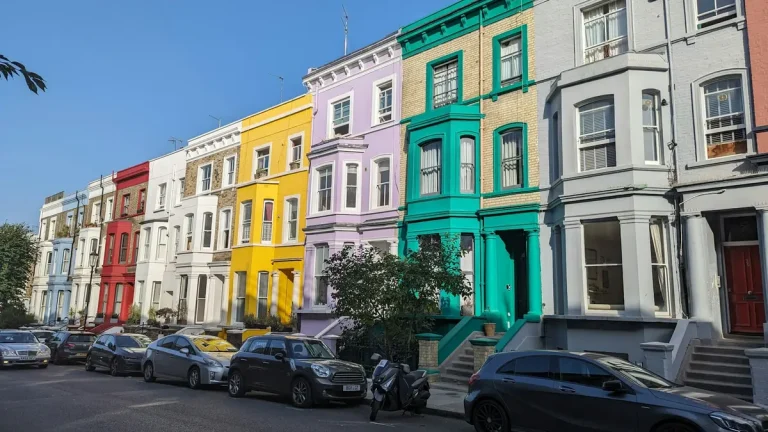
The National Maritime Museum and Queen’s House currently offer free general admission. The Royal Observatory and Cutty Sark are separate ticketed attractions. Pick one paid interior at most, then keep time for the park and riverside. If colorful streets, antiques and residential architecture matter more than maritime history, use this half day for Notting Hill instead. Do not attempt both just because they look close on a folded tourist map.
7. Give One Evening to the West End
A West End performance adds something daylight sightseeing cannot: a fixed reason to stop wandering, sit down and join a London audience. Reserve in advance if a particular production or seat matters. For flexibility, check the not-for-profit Official London Theatre service and its official same-day ticket booth rather than assuming every booth or reseller is the same.
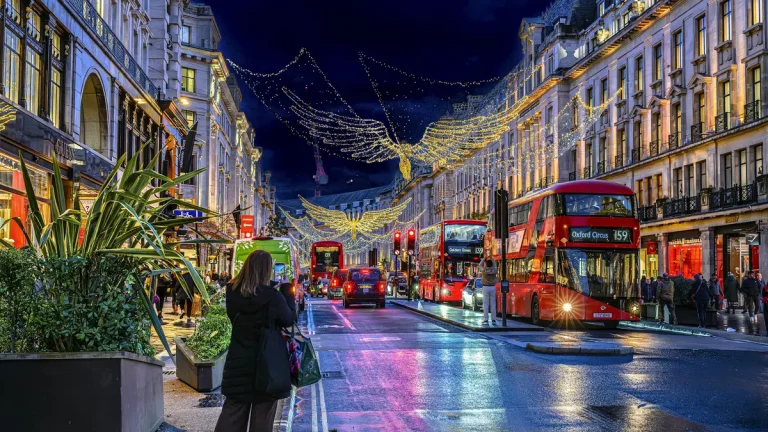
Build dinner near the theater and leave a buffer for service, security and finding the correct entrance. If theater is not your thing, make the evening a pub meal and a short river or Soho walk rather than inventing three more landmarks. Our planned guide to things to do in London at night will compare those options without turning every night into an event.
8. Choose One London View
London has enough viewpoints to create a separate vacation devoted to elevators. Choose one. The London Eye suits a Westminster and South Bank day and delivers a moving, enclosed panorama. High City viewpoints can fit the Tower or St Paul’s area but may require advance slots. Greenwich Park provides a broad outdoor view with no tower ticket, though the weather remains in charge.
Base the choice on where you already are, whether you want open air or shelter, and how much a skyline matters to you. Do not book two expensive views to solve the problem of clouds. If visibility is poor, spend the time inside a museum and keep London’s roofs mysterious for another day.
Group the Experiences Into Realistic Days
Book one anchor, then protect the space around it
A practical first trip might pair Westminster with St James’s and a South Bank walk; the Tower with the City and Borough Market; one museum with Covent Garden and Soho; and Greenwich with a relaxed evening. These are building blocks, not a minute-by-minute itinerary. If the Tower, an Abbey visit or a show matters most, reserve that first and keep nearby additions optional.
Keep one rain swap and one empty meal slot
London weather is less troublesome when your museum day can trade places with your park day. Save official tickets and opening pages, and check any closure terms before moving plans. Leave actual time for lunch. Eating a sandwich while speed-walking toward security is technically efficient and spiritually bleak.
Use live routing on the day
Check TfL’s Journey Planner or TfL Go for current line status, station closures and walking routes. Search from the exact attraction entrance, not just the neighborhood name. Our guide to planning a trip in Google Maps can hold your saved options, while our planned where to stay in London guide will help you choose a base that reduces daily travel.
The Best First Visit Leaves Something Undone
Prioritize one royal-and-political walk, one river stretch, one deep-history anchor, one museum, one neighborhood evening and one view. Add Greenwich if you have the time. You will miss things; this is London, not a personal failure. The reward is remembering places as experiences rather than as photographs taken while hurrying to the next reservation.
Frequently Asked Questions
What are the best things to do in London on a first visit?
A handful of strong experiences grouped by area work better than fifty separate stops: Westminster and St James's, a South Bank walk, the Tower of London and the old City, one major museum, Covent Garden and Soho, and one half day beyond the center like Greenwich.
How many attractions should you plan per day in London?
Reserve one major anchor per day, then add nearby walks, a meal, and something optional. London is enormous and station corridors are longer than they look, so a short line on a map is not the same as a short journey.