
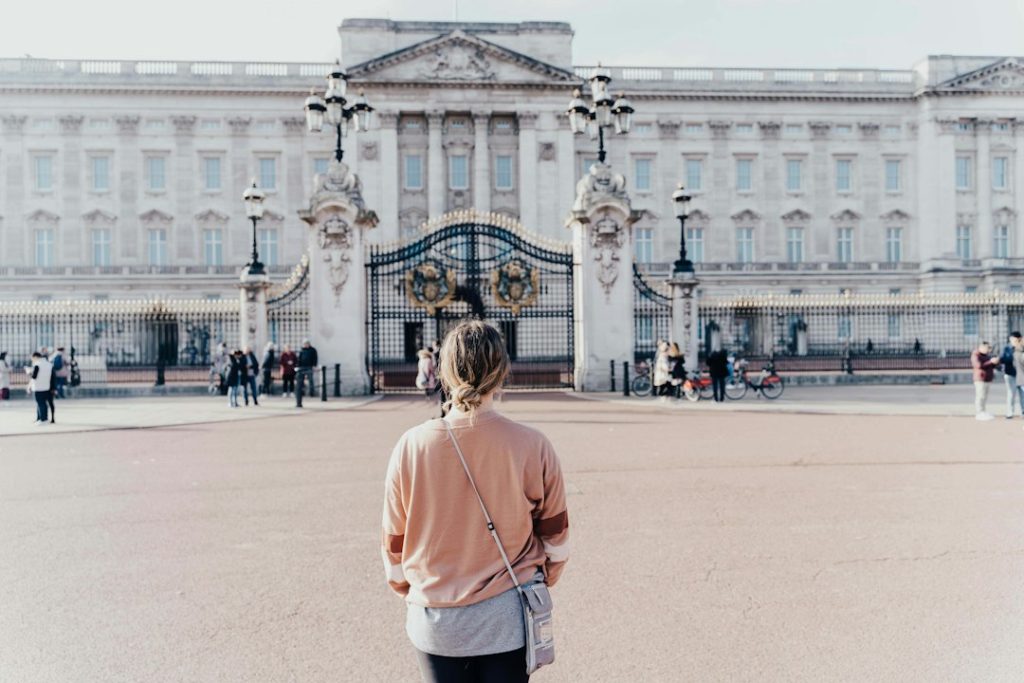
London is generally safe and practical for solo female travellers who use normal big-city precautions. Its extensive transport network, busy central areas and strong emergency infrastructure make independent travel straightforward. The most relevant visitor risks are phone theft, pickpocketing, harassment, drink safety and poorly planned late-night journeys.
London is not one uniform environment. A crowded West End street, an almost empty suburban station and a festival queue each create different risks. Immediate surroundings and time of day are more useful than simplistic lists of “safe” and “unsafe” boroughs.
London safety at a glance
| Category | Editorial score | Main concern |
|---|---|---|
| Personal safety | 8/10 | Normal capital-city awareness |
| Public transport | 9/10 | Excellent reach; quiet late services need care |
| Theft | 6.5/10 | Phone snatching and pickpocketing |
| Night-time safety | 7.5/10 | The final route from station to accommodation |
| Solo-travel ease | 9/10 | Attractions and dining work well alone |
| Overall | 8/10 | Strong choice for independent city travel |
What do official sources advise?
The UK government's solo-travel guidance recommends researching destinations, sharing plans, protecting drinks and using licensed transport. Metropolitan Police advice on phone theft encourages people to remain aware near roads and secure devices because thieves may operate on bicycles or mopeds.
Visitors should also follow official information during major demonstrations, transport incidents or security alerts rather than relying on social-media rumours.
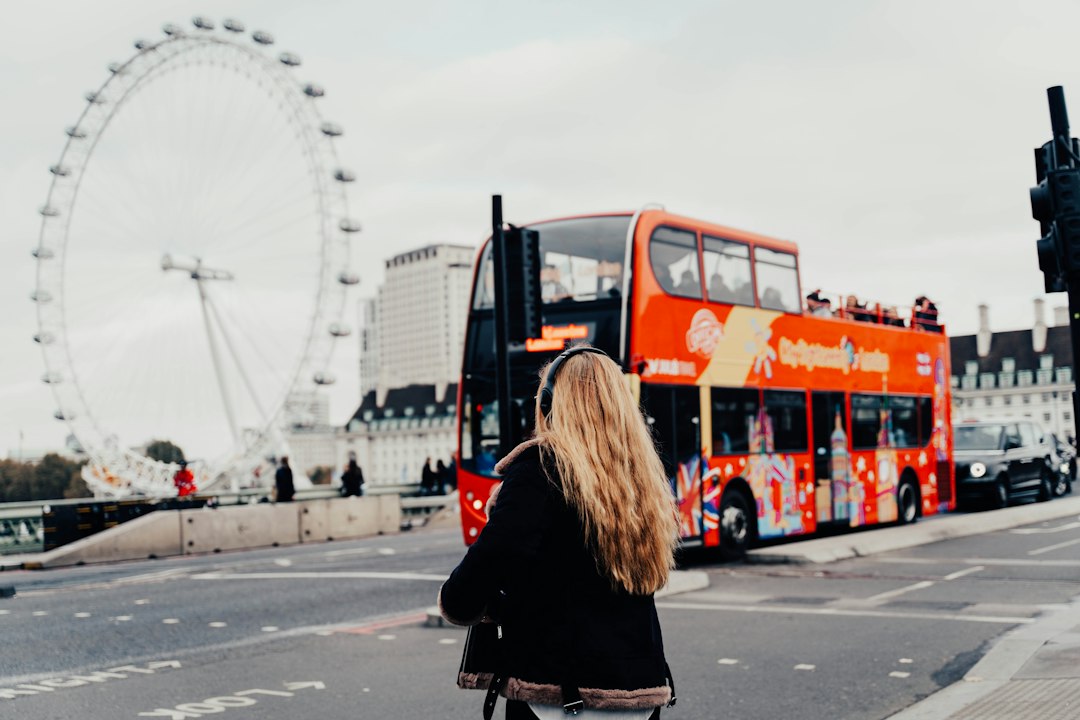
How serious is phone theft in London?
Phone theft is one of the most actionable visitor risks. A traveller standing beside the kerb with a device held loosely can be vulnerable to a thief moving past on a bicycle or moped. Step away from the road, hold the phone with both hands and use a shop doorway or building wall when checking directions.
Enable device tracking and use a strong passcode. Keep booking details and emergency contacts somewhere other than the phone. If a device is stolen, do not chase the thief into traffic; report the incident and protect your accounts.
In cafés and pubs, do not leave a phone on the table edge or hang a handbag over the back of a chair.
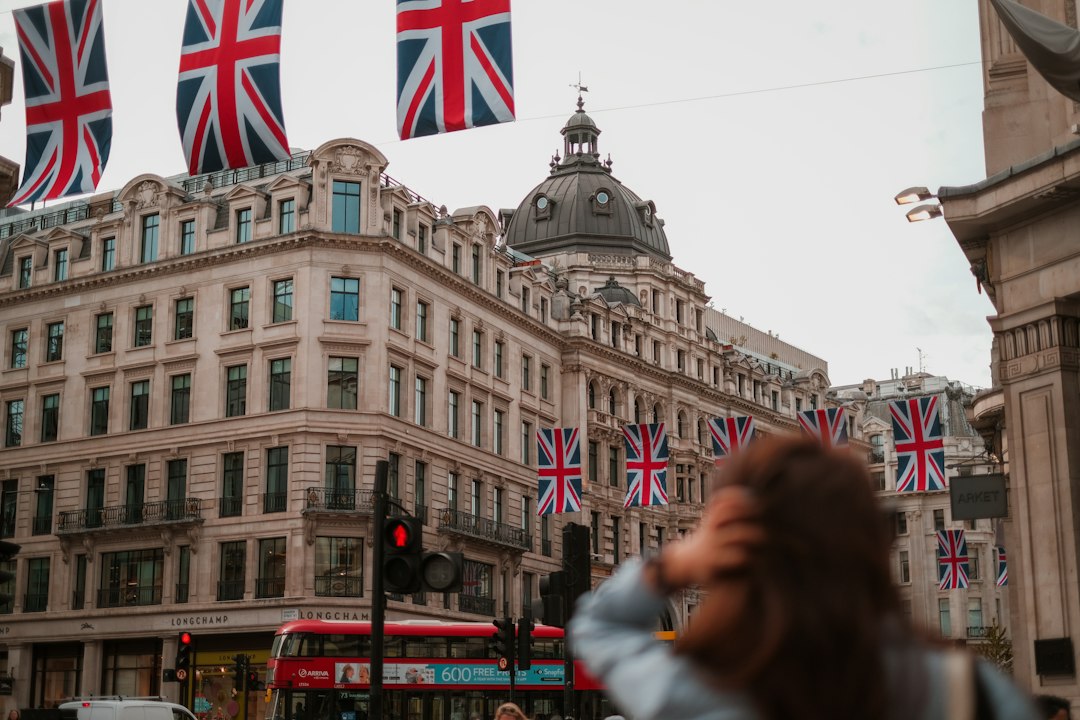
Is London public transport safe for solo women?
The Underground, Overground, rail network and buses make most visitor journeys possible without a car. Services are generally safe, but crowded platforms create theft opportunities and quiet late journeys can feel uncomfortable.
Stand behind the platform line and keep belongings closed. On an almost empty carriage, sit near other passengers or where staff and cameras are more visible. If someone behaves threateningly, move carriage at the next stop and seek staff rather than debating the person.
Check the final train before going out. Night buses and selected Night Tube services are useful, but the crucial question is how you will travel from the final stop to the door of your accommodation.
Is it safe to walk alone in London at night?
Many central streets remain active late, but activity can change within a few blocks. Choose routes with lighting, open businesses and other pedestrians. Avoid using headphones at a volume that blocks traffic or footsteps.
If the route feels wrong, take a licensed black cab or reputable app-based ride. Verify the registration before entering and never accept an unsolicited ride from a driver claiming to be a taxi.
Alcohol changes risk quickly. Know the route home before drinking, keep your drink with you and tell a friend when you arrive.
Which London areas are best for solo female travellers?
Rather than searching for a single “safest” neighbourhood, prioritise transport simplicity. Covent Garden, Bloomsbury, South Kensington, Paddington and many other areas can work, depending on budget and itinerary. A well-reviewed hotel beside a useful station may be more practical than a fashionable address requiring multiple late changes.
Check the exact street, reception hours and route from the stop. Look at recent guest comments about noise, entry systems and walking after dark. London postcodes cover varied streets, so district reputation alone is insufficient.
Pickpocketing, distraction theft and scams
Crowded trains, shopping streets, markets and attractions demand stronger bag awareness. Wear a zipped bag in front and separate your passport, cards and cash. Be cautious when someone creates a sudden commotion, spills something or urgently asks you to inspect an object.
Purchase tickets through official attraction or transport channels. Street offers that create pressure or seem dramatically cheaper may be fraudulent.
Nightlife and drink safety
London offers theatres, pubs, clubs and late restaurants that are easy to enjoy alone. Choose established venues, keep your drink visible and do not accept an open drink from a stranger. Tell staff immediately if you feel suddenly or unusually unwell.
Meeting people through an organised activity can feel safer than accepting a spontaneous invitation to a private location. Do not reveal your room number, and keep independent control of the journey home.
Demonstrations, football matches and large events
The character of an area can change during a protest, football match, concert or festival. Crowds increase theft risk and may cause station closures. Follow police or transport instructions and move away if a gathering becomes tense.
Build extra travel time around major events. Do not depend on one station or one route when thousands of people are leaving simultaneously.
Emergency and practical preparation
Save the accommodation address and keep a backup payment method. The UK emergency number is 999; 112 also connects to emergency services. For non-emergency police matters, official guidance should be checked before travel.
Travel insurance remains useful even in a city with strong public services because it may cover cancellation, theft and circumstances not available to every visitor through the health system.
Is London good for a first solo female trip?
Yes. English-language services, dense attractions and transport make London approachable. It particularly suits travellers who like cultural activities and want days that do not depend on meeting other people.
The scale can be tiring. Avoid scheduling attractions at opposite ends of the city without considering travel time, and do not choose accommodation solely because it appears cheap on a regional map.
Final verdict
Final safety checklist
Enable device tracking, keep a backup bank card separate and save the accommodation address offline. Before an evening event, check planned engineering work and the final connection home. Stand away from the kerb while using a phone and keep bags closed in stations. Share ride details after dark and enter a staffed venue if someone follows you. These measures target realistic visitor problems while leaving the city's museums, theatres and neighbourhoods easy to enjoy independently.
So, is London safe for solo female travellers? Generally, yes. Protect your phone near roads, plan the station-to-door part of late journeys and stay in control around nightlife. London rewards awareness rather than fear: most safety improvements come from small choices repeated consistently.
FAQ
Is it safe to walk alone in London at night?
Many busy areas are manageable, but use lit routes and arrange transport for unfamiliar or isolated final stretches.
Is the London Underground safe for solo women?
Generally yes. Watch valuables in crowds and sit near other passengers or staff on quiet late services.
Where should a solo woman stay in London?
Choose secure accommodation with a simple transport connection and a comfortable route from the nearest stop.
What is the main tourist risk in London?
Phone theft and pickpocketing are among the most practical risks to prevent.