London charges handsomely for plenty of excellent things, but the city itself is not behind a turnstile. The best free things to do in London are its river walks, skyline viewpoints, parks, public ceremonies and architectural spaces—not a desperate hunt for 40 vaguely free stops.
The quick answer: choose the South Bank for landmark views, Regent’s Park and Primrose Hill for green space, a City rooftop for a weatherproof-ish panorama, and one market or neighborhood walk that already fits your day. Changing the Guard is worthwhile only if ceremony matters enough to justify the wait. Every recommendation below costs £0 to enter or join; transport, food, shopping and optional donations are separate.
Choose the Right Free London Experience
| Experience | Best for | Main tradeoff |
|---|---|---|
| South Bank walk | First-day landmarks | Crowded afternoons |
| Regent’s Park and Primrose Hill | Green space and skyline | Uphill finish, exposed weather |
| Greenwich Park | A half-day beyond central London | Transport still costs money |
| Changing the Guard | Royal ceremony | Long wait for an uncertain view |
| City viewing platform | High-level panorama | Free tickets can disappear |
| Market browse | Street life and people-watching | Easy to turn into a shopping trip |
| Barbican | Brutalist architecture, rain backup | Conservatory opens on selected dates |
These are supplements to a sensible first-visit London guide, not a challenge to spend nothing all day. London is wide; crossing it for one free view can cost more time and transit fare than it saves.
The Best Free Things to Do in London
1. Walk the South Bank from Westminster to Millennium Bridge
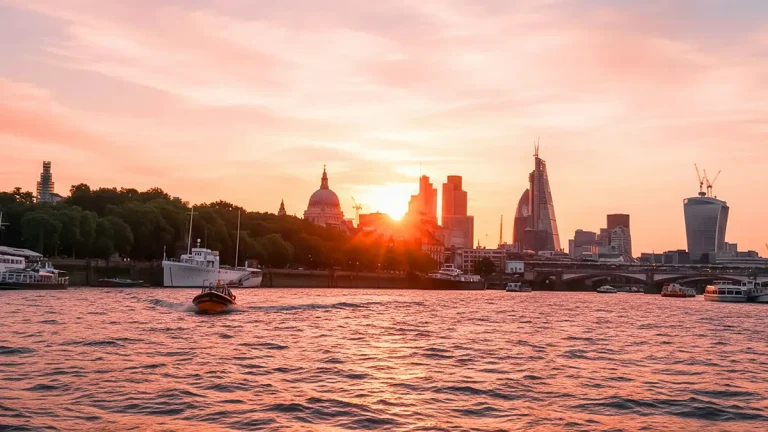
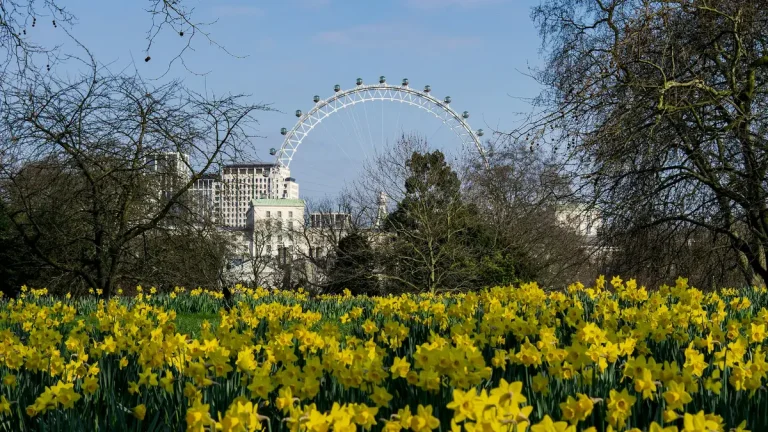
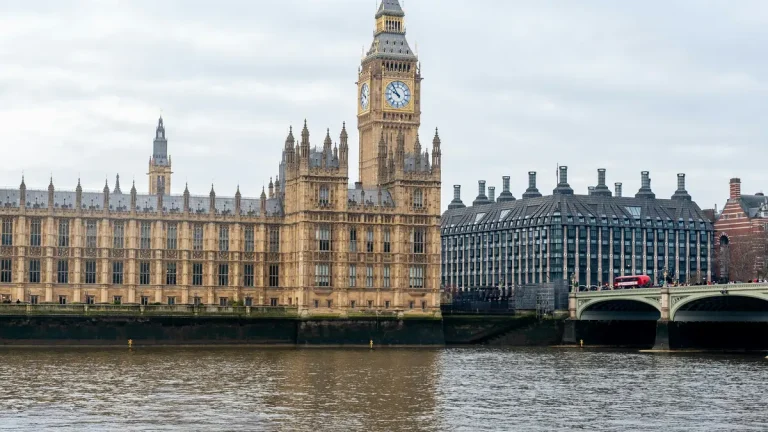
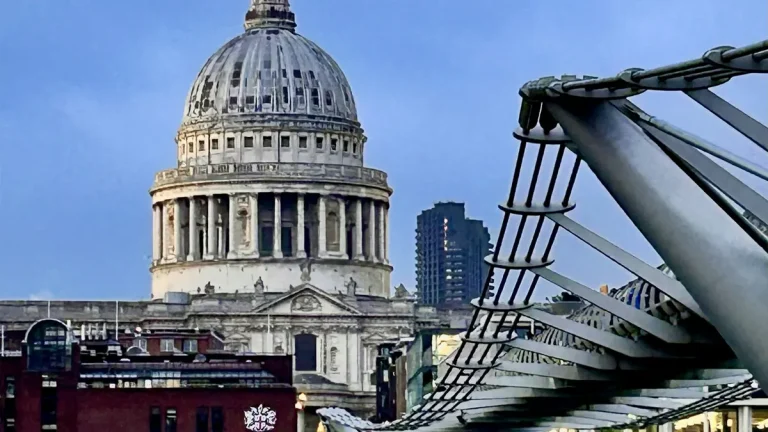
Start near Westminster Bridge and follow the Thames past the London Eye, Royal Festival Hall, the National Theatre and Tate Modern’s exterior before reaching Millennium Bridge. The route puts Parliament, St Paul’s and the river into the same moving frame. That is a better introduction than photographing each landmark through a bus window.
The path itself is free. The London Eye, river cruises, Shakespeare’s Globe tours and food stalls are not. Go in the morning if you want room to walk; late afternoon is livelier but slower. Rain can make the paving slick, and riverside wind has little respect for a carefully planned outfit.
2. Cross Regent’s Park, then climb Primrose Hill
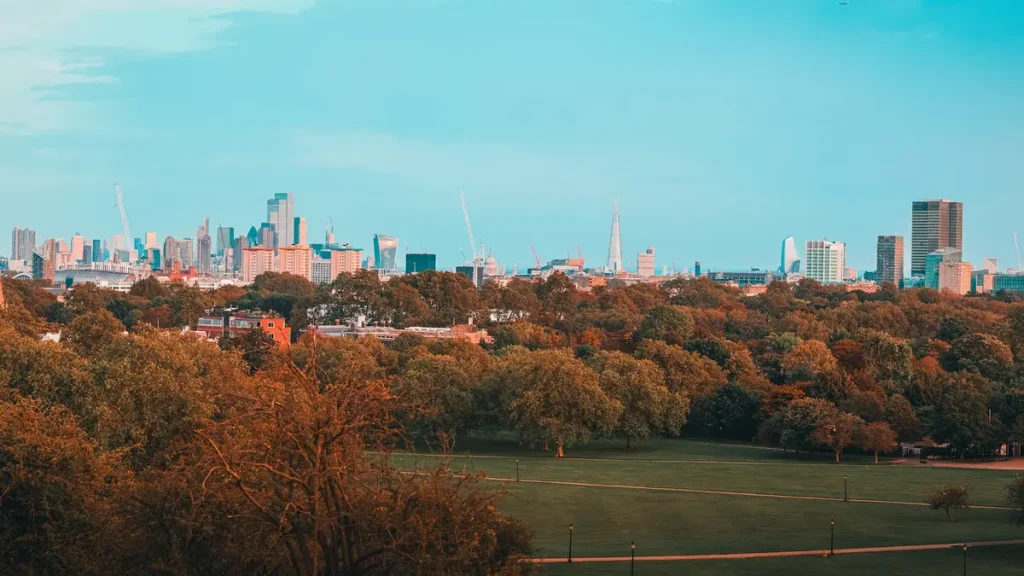
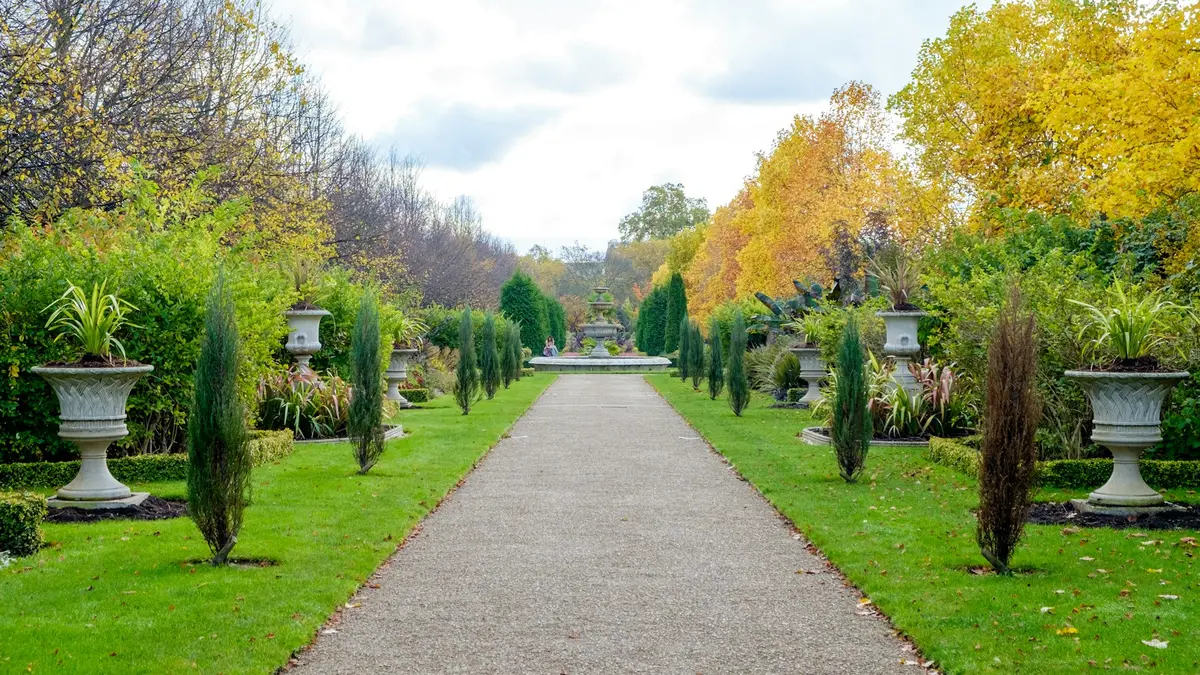
Regent’s Park supplies formal gardens, broad paths and water; Primrose Hill supplies the skyline reveal. The Royal Parks’ self-guided route is mostly level until the short climb, so this is an easy way to trade traffic for greenery without leaving central London entirely. The summit is exposed, making a clear, calm morning more rewarding than a grey, gusty afternoon.
Park entry and the view are free. Zoo admission, cafés and transport are not. Check the Royal Parks page for seasonal gate times and temporary notices.
3. Make Greenwich Park the centerpiece of a half-day
The General Wolfe viewpoint looks over the Queen’s House, the river and the towers of Canary Wharf. It feels more spacious than a central rooftop, and the park gives the journey a purpose even when clouds flatten the skyline. The climb from Greenwich town is real; take it slowly or approach from the Blackheath side for a gentler-feeling arrival.
The park and viewpoint are free. Rail, DLR or boat travel is not, and the Royal Observatory’s paid areas should not be smuggled into a “free” claim. Greenwich works best when paired with nearby streets using the London neighborhood guide, not as a quick detour between central sights.
4. Watch Changing the Guard—if the ceremony is the point
The pageantry is genuinely free, but a front-row Buckingham Palace view costs time. The Household Division publishes an event-by-event calendar; the ceremony is not simply “every day,” and operational or weather changes can intervene. Check again that morning.
If seeing uniformed units and hearing the band matters, arrive early and accept that rail-side space is limited. If the goal is merely a palace photo, come at another hour and keep the morning. Watching troop movements along The Mall or near St James’s Palace may be more satisfying than staring through several rows of phones, but no position guarantees a complete view.
5. Choose one free City viewpoint
Sky Garden combines indoor planting with a broad City panorama. Free visits currently open for booking up to three weeks ahead, have a timed entry and are limited to one hour; walk-ins depend on spare capacity. Horizon 22 is higher and more view-led. Its official site currently says it has reopened and is welcoming pre-booked ticket holders, so do not rely on turning up. The Garden at 120 is lower and outdoors, but individuals can enter free without advance booking, making it the useful backup.
Book only one unless elevated glass is your central London theme. Food, drinks, premium experiences and restaurant reservations are optional paid products, not part of the free visit. Recheck all three official sites before going because closures and booking windows change.
6. Browse one market without pretending lunch is free
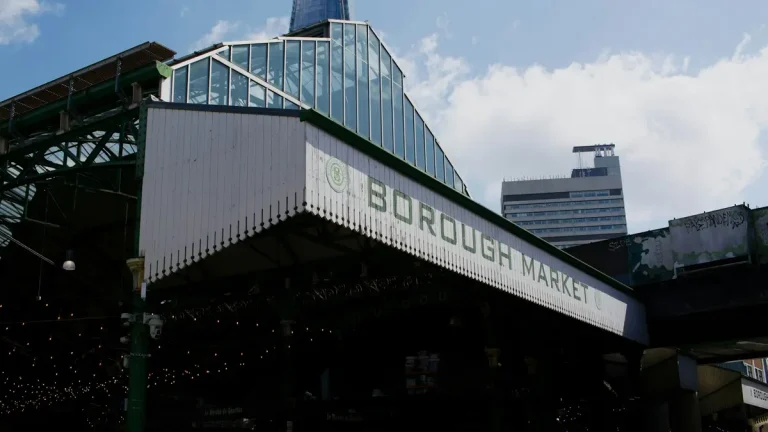
Borough Market is easy to add to the South Bank and free to enter, but lunchtime and weekends are its busiest periods. Go to see the railway arches, displays and trading rhythm; budget separately if the smells defeat your resolve. The official market currently closes on Mondays, with holiday exceptions.
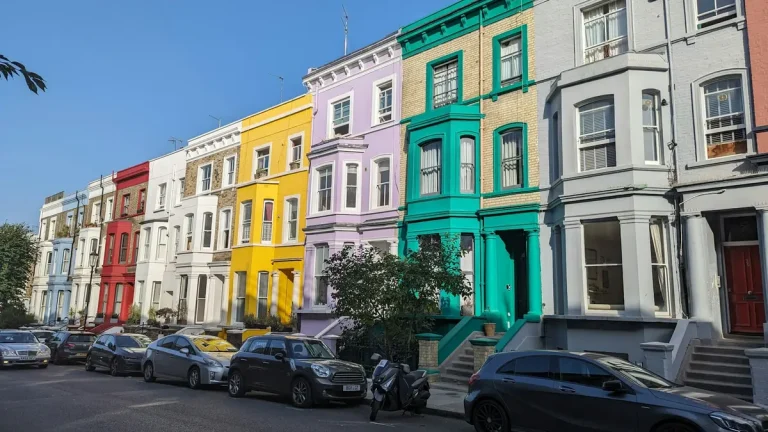
Portobello Road is the better choice for antiques and vintage atmosphere. Activity varies by day, with the fullest street-market experience typically on Friday and Saturday and antique arcades concentrated on Saturday. Browsing costs nothing; food, records and the “small” ceramic that somehow requires cabin baggage do.
7. Explore the Barbican’s public spaces
The Barbican’s foyers and public circulation spaces are free to explore, offering concrete geometry, elevated walkways and sheltered corners when London is damp. The Conservatory is also free, but it is not continuously open: the Barbican lists specific public dates, releases timed tickets in advance and may offer limited day tickets. If your date is not listed, the Conservatory is closed to public visits.
Treat the greenhouse as a bonus, not the reason an entire afternoon collapses. Paid exhibitions, cinema, architecture tours and performances remain paid.
8. Follow Canary Wharf’s outdoor public-art trail
Canary Wharf’s official art map covers more than 100 sculptures and installations, many outdoors among the docks, plazas and steel-and-glass towers. It is a useful choice for travelers who prefer contemporary design to royal ceremony—and for repeat visitors who have already walked Westminster thin.
The collection is free to view, but getting to Canary Wharf costs money unless it is already in your route. Temporary works move, so use the current official art map rather than an old screenshot.
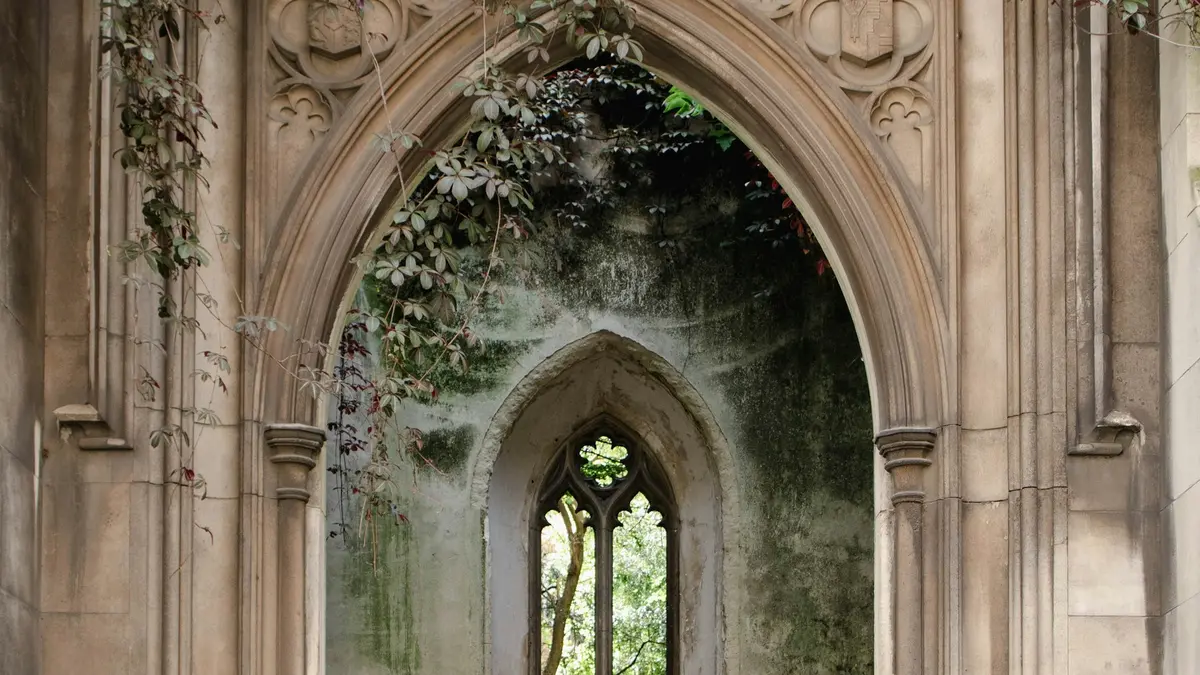
9. Walk through the City’s old-and-new architecture
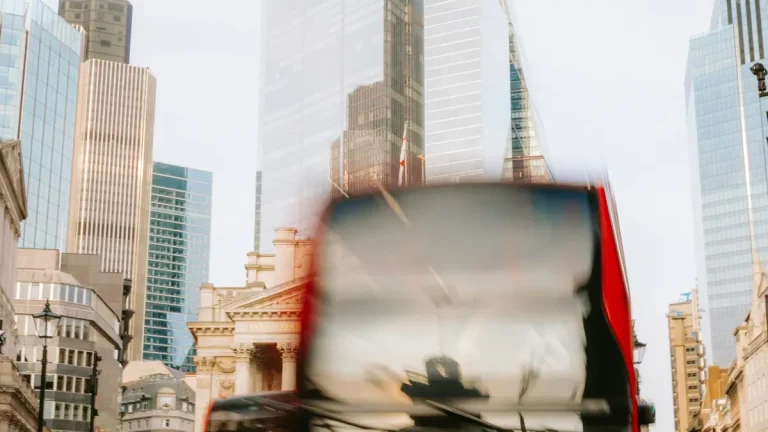
Pair the bombed-out church garden at St Dunstan in the East with Leadenhall Market’s painted Victorian arcades and the surrounding glass towers. St Dunstan has free entry and no booking; Leadenhall’s public passages can be enjoyed without buying anything. Weekdays bring City bustle, while weekends are quieter and some businesses close—the architecture, fortunately, keeps its own hours.
This compact area is also the best place to use Garden at 120 as an unbooked viewpoint. Check same-day opening notices before building the walk around any rooftop.
A 3–4 Hour Zero-Cost London Walk
For one coherent free block, begin at Westminster Bridge and walk east along the South Bank. Pause at Royal Festival Hall’s riverside frontage, continue past the National Theatre and Tate Modern, then cross Millennium Bridge. St Paul’s interior is paid, so admire the exterior and continue through the City to St Dunstan in the East, Leadenhall Market and—if it is open—Garden at 120.
The route is roughly a half-day once photography, river pauses and rooftop security are included. Admission is £0 throughout, but the fare to the start and from the finish is not. Carry water and use public toilets when you see them; buying three drinks to borrow three restrooms is an eccentric form of budgeting. Before leaving, plan the walk in Google Maps and check for closures rather than trusting a saved pin collection from last year.
What “Free” Does Not Include
- Tip-based walking tours: there may be no ticket price, but payment to the guide is expected. A self-guided route is the true zero-cost version.
- Markets: entry and browsing are free; lunch, antiques and souvenirs are not.
- Transport: a park or art trail can be free while reaching it requires a fare.
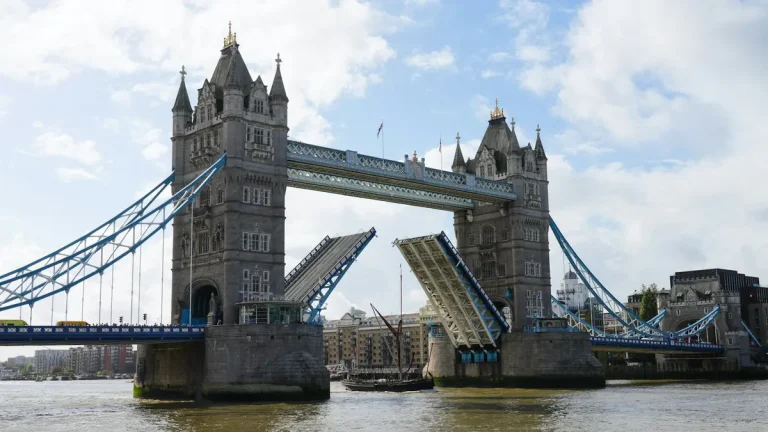
- Paid interiors: views of Westminster Abbey, St Paul’s, Tower Bridge and the Royal Observatory from public space do not make their visitor areas free.
- Optional upgrades: drinks, audio guides, premium viewpoint sessions, exhibitions, cable-car rides and Thames cruises are separate purchases.
For a proper indoor list, use the planned guide to free museums in London; this article deliberately keeps museums out of the ranking.
Make the Free Day Worth the Time
Group free activities by geography, reserve one weather-dependent view and keep one no-booking alternative. The best time to travel to London changes the equation: long summer evenings help walks, while winter darkness and rain increase the value of the Barbican or a booked indoor viewpoint.
The strongest free London day is not the one with the lowest receipt. It is the one that lets the city’s river, parks, ceremony and architecture do the work—without spending half of it commuting to the next bargain.