London neighborhoods make more sense as half-day experiences than as a collection of labels. Pick two or three that match your interests, stay within each area long enough to notice its streets beyond the headline attraction, and resist the urge to cross the city for one photogenic block.
For a first visit, Notting Hill, Shoreditch and Greenwich are the easiest introductions. Marylebone suits a calmer central walk; Hampstead and Richmond trade landmarks for green space; Brixton is strongest for markets and music culture; Camden works best when its canal or music history interests you more than souvenir stalls. For landmark planning, start with our first-visit London guide. For a hotel decision, use the separate guide to where to stay in London.
London Neighborhoods at a Glance
| Neighborhood | Best for | Realistic visit | Verdict | Main tradeoff |
|---|---|---|---|---|
| Notting Hill | Market streets and west London architecture | Half day | Both | Portobello is busiest when most complete |
| Marylebone | Books, small-scale art and a polished high street | Half day | Both | Quiet can feel subdued after dinner |
| Shoreditch and Spitalfields | Street art, markets and nightlife | Half day into evening | Both | Commercial energy can overwhelm the history |
| Hampstead | Village lanes and the Heath | Half day | Visit | Hills, mud and distance add effort |
| Greenwich | Maritime history, park views and a covered market | Long half day | Visit | It is not a quick add-on |
| Brixton | Market heritage, food and live music | Half day into evening | Visit | Daytime and late-night versions feel different |
| Richmond | Thames walks and a large deer park | Half or full day | Visit | Far from most first-visit sights |
| Camden | Music history, the lock and canal | Half day | Visit | The central market is highly commercial |
Three Half-Day Walks That Do Not Cross London
These pairings keep the interesting transitions and discard the heroic transfers. Save the start and finish in Google Maps, then check TfL on the day.
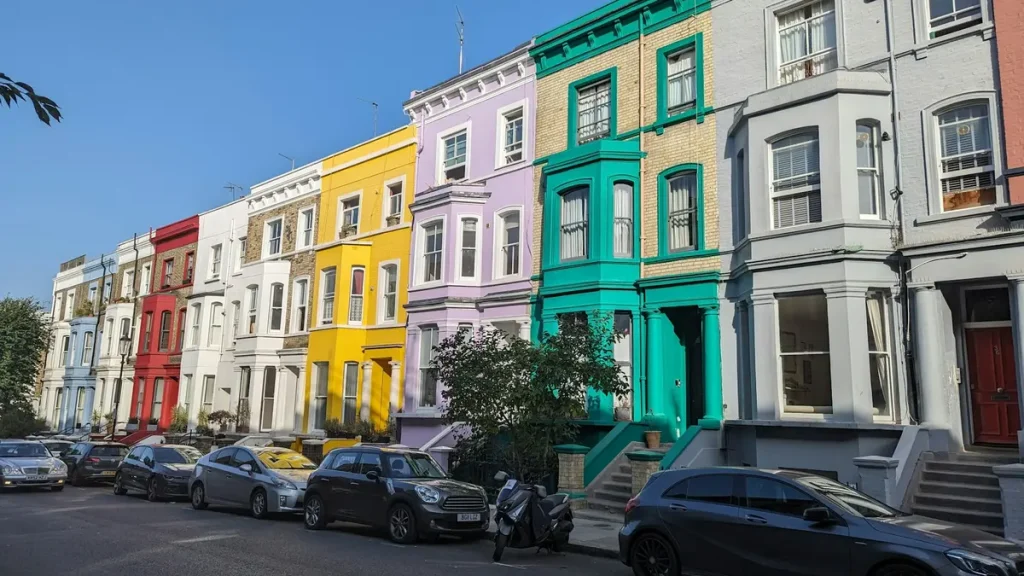
- Notting Hill: begin near Notting Hill Gate, follow Portobello Road north through the market, and continue toward Golborne Road. The shopfronts and working-market sections are more revealing than a hunt for one famous pastel facade.
- Marylebone: start at the Wallace Collection on Manchester Square, walk Marylebone High Street and Chiltern Street, then enter the southern side of Regent’s Park. It moves from gilt frames to dog walkers without requiring a Tube ride.
- Shoreditch and Spitalfields: link Old Spitalfields Market, Brick Lane and Redchurch Street. Street art changes constantly, so treat any online mural map as a suggestion rather than an archive with opening hours.
Eight London Neighborhoods Worth Exploring
Notting Hill: Visit for the Market, Not Just the Houses
Portobello Road is the spine of a useful Notting Hill walk: antiques and vintage at one end, food and everyday trading farther north, then Golborne Road beyond. Official market guidance identifies Saturday as the fullest and busiest day. Go then for maximum stalls; choose another day for more breathing room and accept a smaller market. Sunday is not simply “quiet Saturday,” a distinction that saves disappointment.
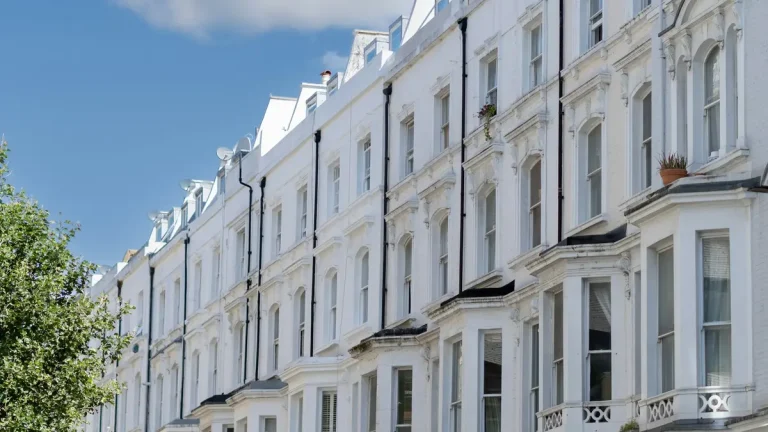
The colored terraces are residential streets, not outdoor sets. Keep doorways clear and photographs brief. Verdict: both. Notting Hill can be a pleasant base for travelers favoring west London and calmer evenings, but the market is reason enough to visit without sleeping here.
Marylebone: A Central Walk at a Smaller Scale
Marylebone compresses a museum, bookshops, cafes and handsome side streets into a manageable loop. The Wallace Collection gives the walk a cultural anchor; continue along the high street and Chiltern Street before reaching Regent’s Park. It is a better fit for browsing than for collecting major landmarks, which is precisely the relief.
The neighborhood is central but can grow quiet later, depending on the exact street. Verdict: both for readers who value a polished, lower-volume base; visit for half a day if nightlife matters more. The Wallace Collection also appears in our comparison of London’s top museums.
Shoreditch and Spitalfields: Look Beyond the Creative Label
Start under Old Spitalfields Market’s Victorian roof, then move through Brick Lane toward Shoreditch. The area’s street art, Bangladeshi restaurants, Jewish food history, vintage retail and new development occupy the same few streets; calling the whole thing “edgy” does rather little work. Do not cross town for a particular mural, since walls change and online lists age quickly.
Weekends bring fuller markets and heavier foot traffic; a weekday reveals more of the street pattern. Verdict: both if east London dining and evenings shape the trip, but visit if a quiet return matters. Pair the walk with the East London options in our London restaurant guide.
Hampstead: Village Streets Plus Real Terrain
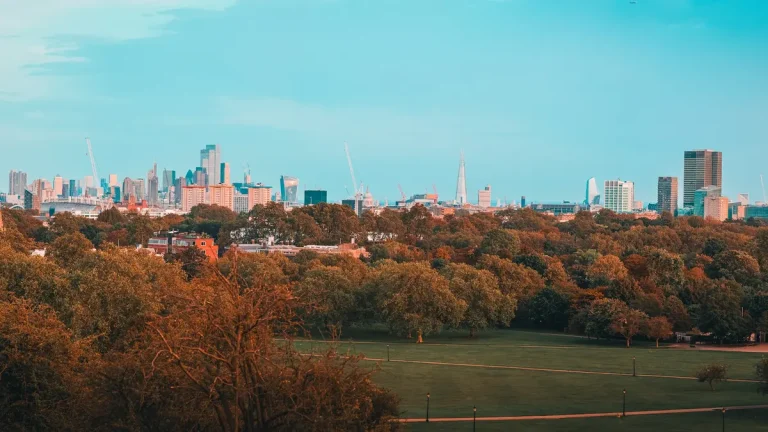
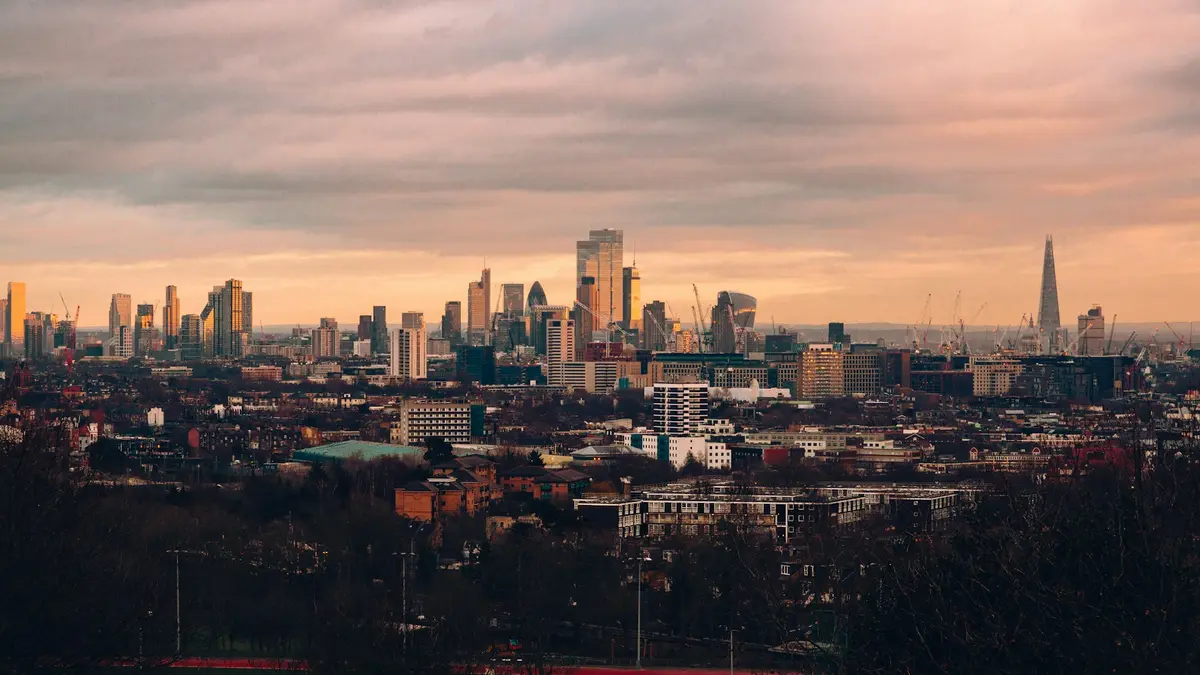
Hampstead works when the Heath is the point, not a patch of green squeezed between reservations. Walk the village lanes first, then choose one Heath destination such as Parliament Hill rather than trying to trace every pond and garden. Paths can be hilly, uneven or muddy after rain. The official Heath site posts weather alerts and swimming rules; the bathing ponds are managed facilities, not an invitation to improvise a dip.
Verdict: visit on a first trip and allow a half day. Staying can suit a longer, slower visit, but it changes the daily relationship with central London. Hampstead rewards time; it is less charming when experienced at a jog.
Greenwich: Give Maritime London a Long Half Day
Greenwich is the clearest self-contained excursion within the city. Browse the covered market, choose either the National Maritime Museum or Queen’s House, then climb through Greenwich Park for the river-and-skyline view. Both museum sites currently offer free general entry, with advance booking encouraged and some exhibitions charged. Check their live pages rather than assuming every gallery is available.
The market, museums and hill explain why public discussions regularly turn “a quick stop” into most of an afternoon. Verdict: visit. Stay only if an east-London base and quieter evenings suit the broader itinerary; otherwise, keep Greenwich together as one deliberate block.
Brixton: Market Heritage Before a Night Out
Brixton’s covered arcades, Electric Avenue, independent businesses and music venues make a more coherent visit than a food-only dash. Lambeth Council identifies Brixton Village and Market Row as culturally important, including their role in the area’s Black Caribbean history. That history is not décor for lunch; notice the older traders and streets alongside newer restaurants.
Arrive in daylight to understand the market area, then stay for an event only if a current venue listing interests you. Verdict: visit for most first-timers; “both” can work for travelers whose plans center on south London and live music. Avoid blanket safety judgments—check the exact late-night route back, as anywhere in a large city.
Richmond: Choose the River or the Park
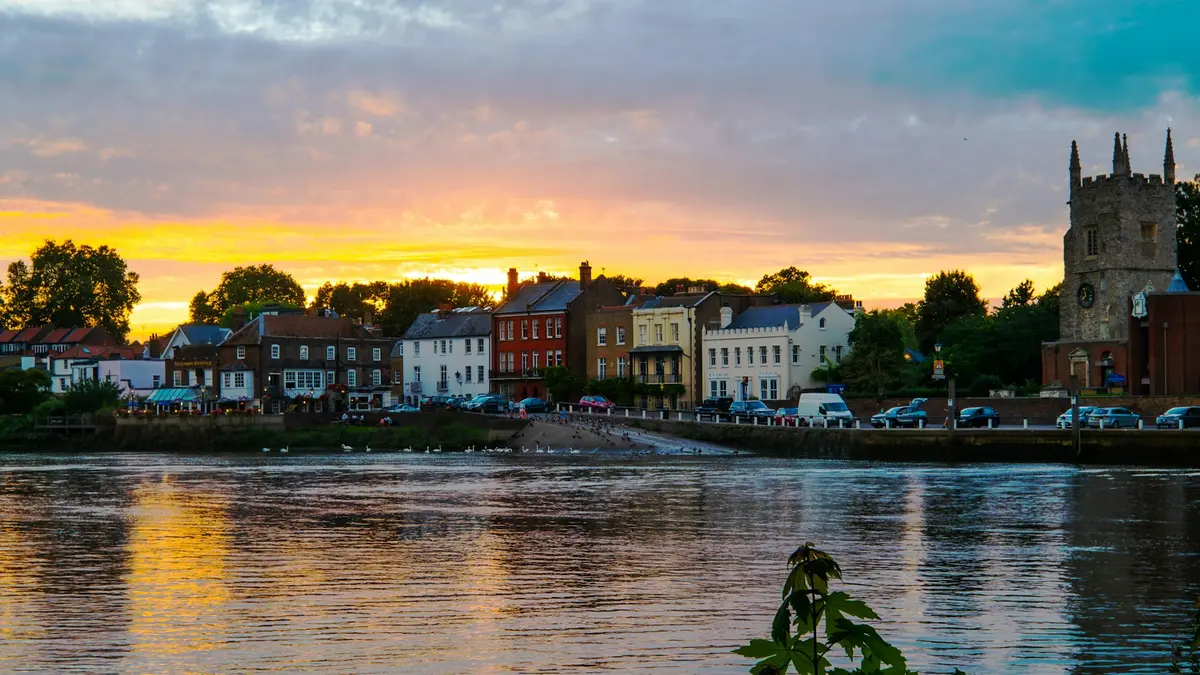
Richmond offers two strong visits: a Thames-side walk through town, or a longer outing into Richmond Park. Combining the river, a deep park walk and Kew Gardens in half a day is fantasy with comfortable shoes. The park covers a vast area and its red and fallow deer roam freely; follow Royal Parks guidance and keep your distance rather than approaching for a photograph.
Check park notices because pedestrian access changes during seasonal deer-management periods. Verdict: visit on a first trip. Stay for a slower London week built around the river and green space, not as a bargain central substitute with an invisible commute.
Camden: Keep the Music and Canal in the Plan
Camden Market is open daily, but individual traders keep their own hours and the central lanes can become intensely crowded. The better half-day combines the lock and market with a canal walk toward Regent’s Park or Primrose Hill. Music fans have another reason to linger: the neighborhood’s venues and punk-era associations give context that racks of mass-produced souvenirs cannot.
Go earlier if you want to see the layout before lunch crowds, then leave once the market stops being enjoyable. Verdict: visit selectively. Staying can make sense for booked shows or nightlife, but the market’s energy is not a reliable preview of every nearby street.
How to Choose the Right Neighborhood
Match the neighborhood to one priority: markets, green space, maritime history, music or street life. Then group it with something genuinely adjacent. Weather should decide between Hampstead or Richmond and an indoor-heavy Marylebone or Greenwich plan; market days should decide Notting Hill or Spitalfields. Use TfL’s live planner for disruptions and accessible routes, because a neighborhood label says little about the station exit you will actually use.
Most importantly, separate exploring from sleeping. A place can be excellent for three hours and inconvenient for six nights, or wonderfully calm after dinner and uneventful at noon. London becomes easier when those are treated as different questions.
Let One Area Have the Afternoon
The best London neighborhood walk is not the one with the most saved pins. It is the one that leaves time for the market to change into residential streets, or the high street to give way to a park. Choose one area, keep the route compact, and let the city’s scale become texture rather than punishment.
Frequently Asked Questions
What are the best London neighborhoods for a first visit?
Notting Hill, Shoreditch, and Greenwich are the easiest introductions for a first visit. Marylebone suits a calmer central walk, while Hampstead and Richmond trade landmarks for green space.
How many London neighborhoods should you visit in one trip?
Pick two or three that match your interests and stay within each area long enough to notice its streets beyond the headline attraction, rather than crossing the city for one photogenic block.