London does not have one dining district—or one useful definition of “best.” For a first visit, the smarter move is to choose a restaurant near the museums, theater, or neighborhood already on your day’s route. That saves a cross-city rush and leaves room for the meal itself.
The nine restaurants below are current, distinct, and spread across three practical dining zones. They range from walk-in counter seats to a live-fire splurge. Use this alongside our guides to things to do in London and where to stay in London, then book around geography rather than reputation alone.
Quick Answer: Choose by Neighborhood and Booking Style
For a flexible West End evening, try Kiln if you can tolerate a wait or reserve Bocca di Lupo or Berenjak. Dishoom Covent Garden is useful for groups and pre-theater timing, but its walk-in system can mean a queue. Around Borough Market, Camille and Akara offer focused sit-down meals; St JOHN is the British destination choice a short ride or walk north. In East London, Brat is the splurge, while Holy Carrot is the vegetable-led option.
| Restaurant | Area and style | Cost | Booking reality |
|---|---|---|---|
| Kiln | Soho; Thai grill | Casual–midrange | Walk-in only; waits vary |
| Bocca di Lupo | Soho; regional Italian | Midrange | Reserve; some walk-ins |
| Berenjak | Soho; Persian | Midrange | Reserve early |
| Dishoom | Covent Garden; Bombay comfort food | Casual–midrange | Mixed booking and walk-in policy |
| Camille | Borough Market; French bistro | Midrange–splurge | Reserve; limited bar walk-ins |
| Akara | Borough Yards; West African | Midrange | Online booking |
| St JOHN | Smithfield; British nose-to-tail | Midrange–splurge | Reserve |
| Brat | Shoreditch; Basque-inspired live fire | Splurge | Reserve well ahead |
| Holy Carrot | Spitalfields; vegetable-led vegetarian | Midrange | Online booking |

West End Restaurants for Theatre and Late Evenings
Soho and Covent Garden make sense after a central sightseeing day because dinner does not require another expedition. The tradeoff is demand: a good plan needs either a reservation or honest tolerance for a queue.
Kiln: Best for a Solo Counter and Spontaneous Dinner
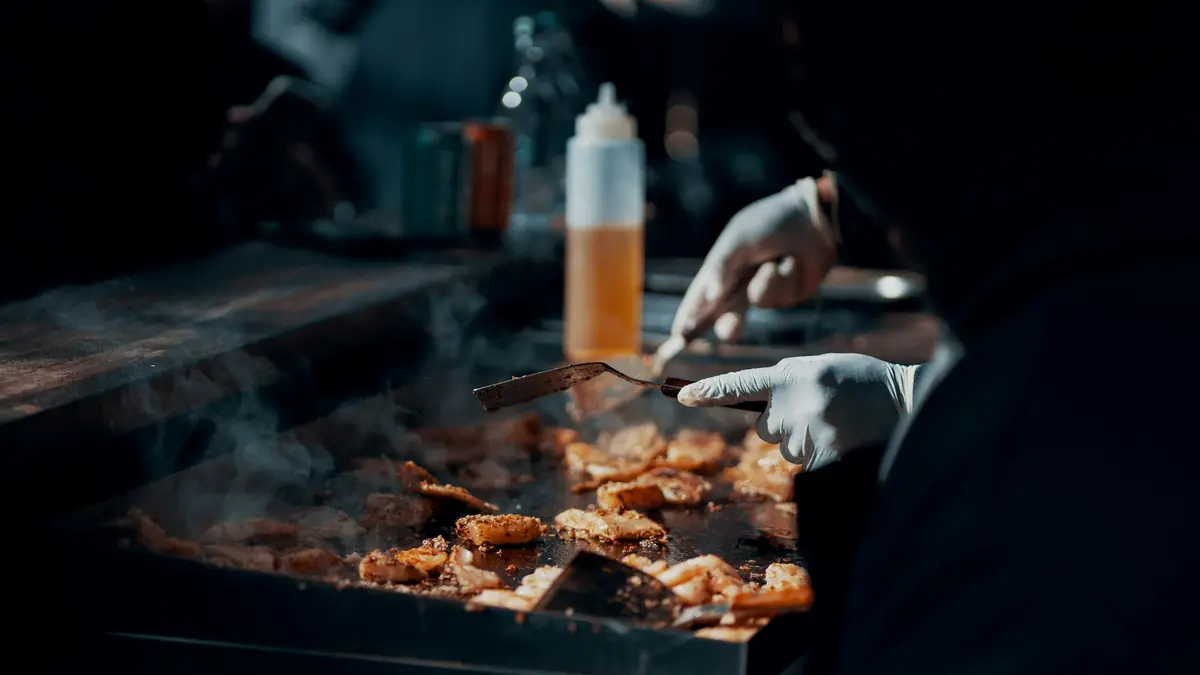
Kiln cooks Thai-inspired seafood, grilled dishes, and claypots in a compact Brewer Street room. The counter makes it one of the less awkward choices for a solo diner, and the casual format works when you do not want a formal evening. Its official policy is walk-in only: arrive with the complete party, leave a number if there is a wait, and keep a nearby backup. The food is the reason to go; the uncertain start time is the price of admission.
Bocca di Lupo: Best for Regional Italian Before or After a Show
Bocca di Lupo draws from Italy’s regional cooking rather than a single familiar trattoria script. It sits close to major West End theaters and publishes both pre-theater and later dining options, making it unusually useful for a performance day. Reserve a table, or look for one of the seats kept for walk-ins; the chef’s counter is especially practical for one or two diners. The catch is that sharing several dishes can turn a midrange dinner into a more expensive one.
Berenjak Soho: Best for a Lively Persian Meal
Berenjak Soho brings Persian cooking to a small Romilly Street space, with breads, grilled meats, rice, and vegetables suited to sharing. It is a good choice for two to four people who want a lively dinner rather than a hushed tasting menu. The restaurant offers online reservations, and popular slots can be difficult close to the date. Book first, then place the rest of the evening around it; this is not the restaurant to approach with a tight curtain time and no table.
Dishoom Covent Garden: Best for an Easygoing Group Meal
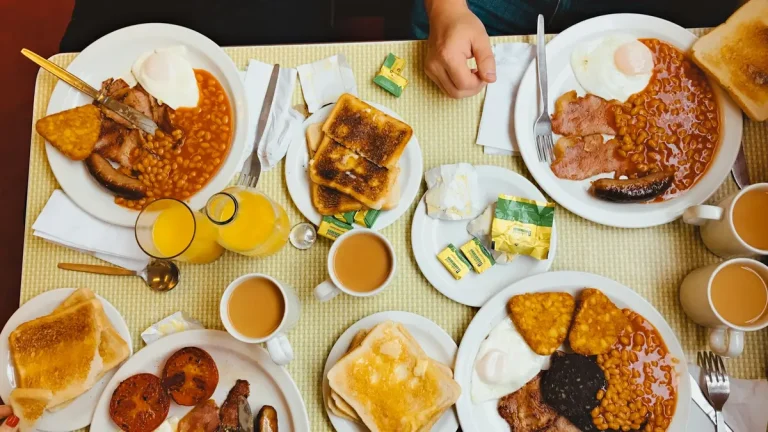
Dishoom Covent Garden serves Bombay-style comfort food from breakfast onward, so it can absorb several itinerary gaps rather than only dinner. Its booking rules matter: the restaurant currently accepts reservations for any party before 6 p.m.; later bookings are generally for groups of six or more, with many tables held for walk-ins. That makes an early pre-theater meal workable, but peak-time queues are a real tradeoff. Go for the broad, shareable menu—not because every London visit requires joining its line.
Borough and Smithfield for a Destination Meal Without a Detour
Borough Market can create decision paralysis. These three restaurants offer different answers: a French bistro beside the market, a West African dining room in Borough Yards, and a modern British institution near Smithfield.
Camille: Best for a French Bistro Lunch Near Borough Market
Camille is a compact regional French bistro on Stoney Street. It is well placed after a South Bank or Borough Market morning, but feels like a restaurant rather than another lap around the food stalls. Bookings are accepted for parties up to six, and the restaurant keeps some bar space for walk-ins; the counter can suit a solo lunch. Expect a more deliberate and potentially pricier meal than market grazing. Reserve if Camille is the anchor, especially at dinner.
Akara: Best for a Distinctive Meal in Borough Yards
Akara builds its menu around the relationship between Nigerian akara and Brazilian acarajé, with a broader West African perspective. Its Borough Yards location is close to the market but offers a clearer sit-down plan when the surrounding choice feels exhausting. Online booking removes much of the uncertainty, and the menu has enough range for a shared lunch or dinner. The main tradeoff is simply expectation: this is not a quick market snack stop, so give it the time of a proper meal.
St JOHN Smithfield: Best for Modern British Nose-to-Tail Cooking
St JOHN Smithfield is the most specifically British choice here, known for direct, seasonal cooking and a nose-to-tail approach. Menus change, so arrive open to what is available rather than attached to one internet-famous dish. Reserve through the restaurant’s official page and allow a full meal window. The tradeoff is not subtle: offal and whole-animal cooking are central to its identity, making it a poor compromise for diners who dislike that style. Choose it intentionally, not merely for its reputation.
East London for Live Fire and Vegetable-Led Cooking
Pair these with a Shoreditch, Spitalfields, or City day. Crossing London solely for dinner can be worthwhile, but only if the meal is a priority rather than another item squeezed between attractions.
Brat Redchurch Street: Best for a Live-Fire Splurge
Brat serves Basque-influenced cooking built around fire, seafood, and large-format dishes, including whole fish suited to sharing. The first-floor Redchurch Street dining room is a strong celebration choice and the clearest splurge in this list. Book online well before the trip, then review the current menu with your party so everyone understands the sharing format. Its principal downside is commitment: cost, demand, and larger dishes make it less flexible for a casual solo meal or a last-minute change of plans.
Holy Carrot Spitalfields: Best for Vegetable-Led Dining
Holy Carrot’s Spitalfields restaurant treats vegetables as the center of the meal rather than an afterthought. It is a useful midrange choice for mixed groups, with online booking and a location beside Old Spitalfields Market. One important distinction: this branch is vegetarian and vegetable-led, not entirely vegan. Vegan diners should inspect the current menu, and anyone with an allergy should ask about ingredients and cross-contact rather than inferring safety from plant-based labels. The benefit is a cohesive meat-free meal; the tradeoff is less flexibility than a broad all-purpose menu.
Book London Restaurants Without Letting Dinner Run the Trip
Reserve the Anchor, Keep the Rest Flexible
Book one high-priority dinner, not every meal. Brat, Berenjak, and small bistros reward advance planning; Kiln deliberately does not take reservations. For a walk-in plan, arrive outside the busiest dinner window and save two nearby alternatives. Put the restaurant, theater, and nearest useful station into Google Maps before the day. A table that looks close on a London-wide map can still create an inconvenient transfer.
Protect Theatre Time and Solo-Dining Comfort
Tell a restaurant when you have a fixed curtain time, but still leave a buffer for ordering, the bill, and the walk. Check the restaurant’s current last seating rather than trusting an old roundup. Solo travelers can reduce friction by choosing a counter or bar seat at Kiln, Bocca di Lupo, or Camille. Counter seating is not a consolation prize in London; often it is the most interesting view of the room.
Read the Bill and Discuss Allergies Early
London bills often show a service charge. Read whether it is described as discretionary or mandatory before adding another tip; do not double-tip by reflex. For allergies, UK restaurants must provide information about 14 regulated allergens, but that does not make every kitchen suitable for every reaction. Note the allergy when booking, contact the restaurant about cross-contact if necessary, and reconfirm with staff when seated. Booking terms, deposits, cancellation windows, service charges, and menus can change, so check the official page shortly before dining.
The Best London Restaurant Is the One That Fits the Day
Choose Kiln for spontaneity, Bocca di Lupo for theater logistics, Camille or Akara for a Borough day, St JOHN for a deliberately British meal, Brat for a celebration, and Holy Carrot for vegetable-led dining. Then stop optimizing. London has more excellent restaurants than one trip can absorb, and a relaxed meal near the day’s route will usually beat a famous table reached tired and late. For dish-level context rather than restaurant rankings, see our planned guide to what to eat in London.
Frequently Asked Questions
How do you choose a restaurant in London?
Choose a restaurant near the museums, theater, or neighborhood already on your day’s route rather than chasing reputation across the city. This saves a cross-city rush and leaves more room for the meal itself.
Do London restaurants require reservations?
It depends on the restaurant. Some spots like Kiln can mean tolerating a wait, while others such as Bocca di Lupo or Berenjak are better reserved ahead; Dishoom Covent Garden accepts walk-ins but can mean a queue.