
The best day trips from London are not the places with the longest attraction lists. They are the ones whose travel effort matches what you actually want from the day. Oxford and Cambridge work for university history, Bath for Roman and Georgian architecture, Windsor for royal history, the Cotswolds for countryside, and Stonehenge for one singular prehistoric site.
For most visitors, Oxford, Bath, Cambridge, or Windsor is the sensible choice: each is manageable without a car and has enough substance for a full day. Choose the Cotswolds only if you accept rural transport limits, and choose Stonehenge only if the monument matters enough to justify a multi-stage journey. Do one well. A three-stop coach itinerary is mostly an ambitious relationship with a motorway.
Compare the Best Day Trips From London
The ranges below are planning estimates from a central London base to the first major sight, not merely the time printed beside a train. They include reaching the London terminal, the rail journey, and the usual final walk or transfer. Your hotel, date, engineering work, and ticket restrictions can change the result, so check the National Rail Journey Planner for the actual day.
| Day trip | Typical one-way door to door | Car-free friction | Booking anchor | Effort and weather | Best fit and main tradeoff |
|---|---|---|---|---|---|
| Oxford | About 1.5–2 hours | Low; direct rail from Paddington or Marylebone, then walk | One college or library tour | Moderate walking; good indoor backups | Best for libraries, museums, and university history; college access varies |
| Bath | About 1.75–2.25 hours | Low; direct rail from Paddington | Roman Baths | Moderate walking; strongest rainy-day option | Best for Roman and Georgian layers; longer and often costlier rail day |
| Cambridge | About 1.5–2 hours | Low-medium; direct rail from King’s Cross, then a longer walk or bus | Chosen college or chapel | Moderate walking; punting is weather-sensitive | Best for compact college scenery and the River Cam; station is outside the historic core |
| Windsor | About 1–1.5 hours | Low; direct from Waterloo or change at Slough from Paddington | Windsor Castle | Moderate, with an uphill approach; mixed indoor and outdoor | Best for royal history and the shortest trip; palace closures can reshape the day |
| Cotswolds | About 2.5–3.5 hours to one village | High DIY; train gateway plus rural bus, taxi, or tour | Transport plan, not one attraction | High weather exposure; walking varies | Best for countryside and villages; poor choice for spontaneous village-hopping |
| Stonehenge | About 2.5–3.5 hours | High; Waterloo to Salisbury, tour bus or taxi, then site shuttle | Timed admission | Low-moderate walking but very exposed | Best for a strong prehistory priority; substantial travel for one main site |
Four Easy Rail Days With Different Personalities
Oxford: Best for Libraries, Museums, and a Denser City Day
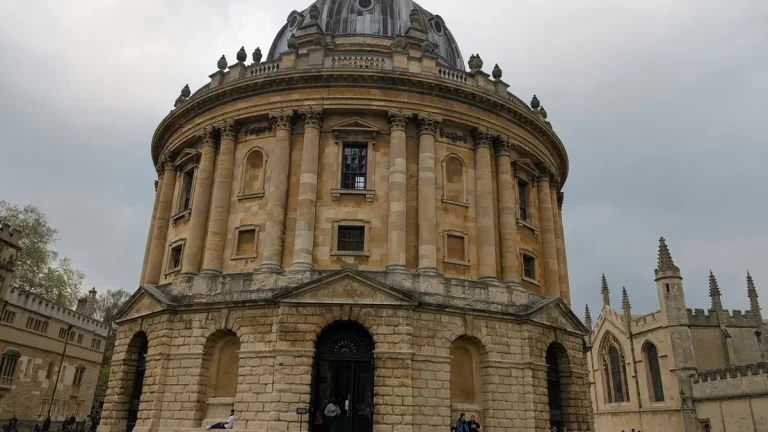
Oxford is the safest all-round choice when everyone in the group wants something slightly different. GWR says direct journeys from Paddington take around an hour, while Chiltern also serves Oxford from Marylebone. From the main station, the historic center is close enough to build a day around one booked anchor, a museum, lunch, and a long walk rather than another bus timetable.
The catch is that the university is not a single attraction with one front door. The University of Oxford visitor page shows that colleges set their own hours, charges, and closures, sometimes at short notice. Pick one college or Bodleian-style tour that matters, then let the streets, covered market, or Ashmolean absorb the remaining time. A full Oxford day-trip route belongs in the dedicated guide.
Bath: Best for a Complete Historic City in One Day
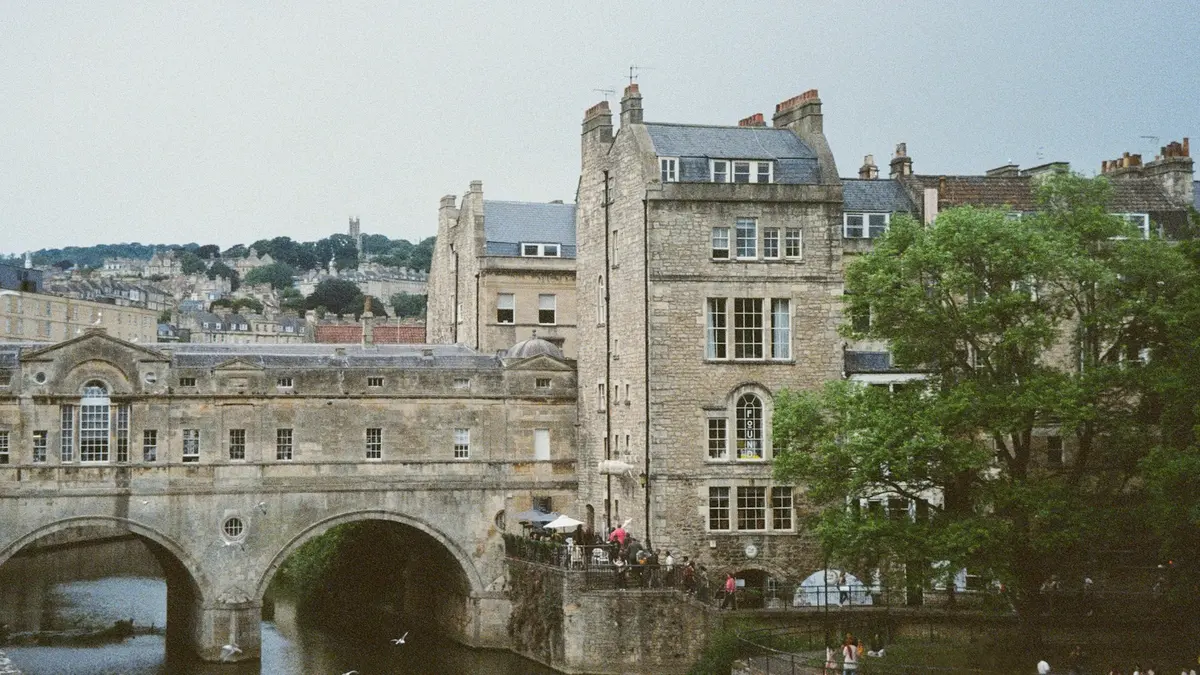
Bath asks for more rail time, but repays it with unusually little last-mile fuss. GWR currently describes Paddington to Bath Spa as roughly an hour and twenty minutes, and the Roman Baths sit in the compact center beside Bath Abbey. The warm stone façades, Roman remains, and Georgian crescents read as parts of the same city rather than a checklist held together by taxis.
Book the Roman Baths in advance; its official site recommends prebooking, and that visit should control the day. Bath also has the best bad-weather resilience of these six choices. What it does not need is Stonehenge squeezed onto the side. Both official routing and repeated public discussions show that the combination trades actual time in Bath for a long chain of vehicles.
Cambridge: Best for College Views and the River
Cambridge suits travelers who care more about clustered college architecture, chapel interiors, and the River Cam than about a broad city museum day. Great Northern’s current route page places direct King’s Cross services at roughly an hour on average, but Cambridge station is not in the historic core. Allow the walk, bus, or taxi instead of mentally arriving the moment the train doors open.
Choose one college before traveling. King’s, St John’s, Trinity, and others publish separate visitor calendars, and academic or operational needs can close access. A chauffeured punt provides the classic view of the Backs without turning steering into an aquatic exam; in cold rain, use the Fitzwilliam Museum or another indoor anchor instead. Oxford and Cambridge are both worthwhile, but doing both in one day reduces two living university cities to stone façades viewed at speed.
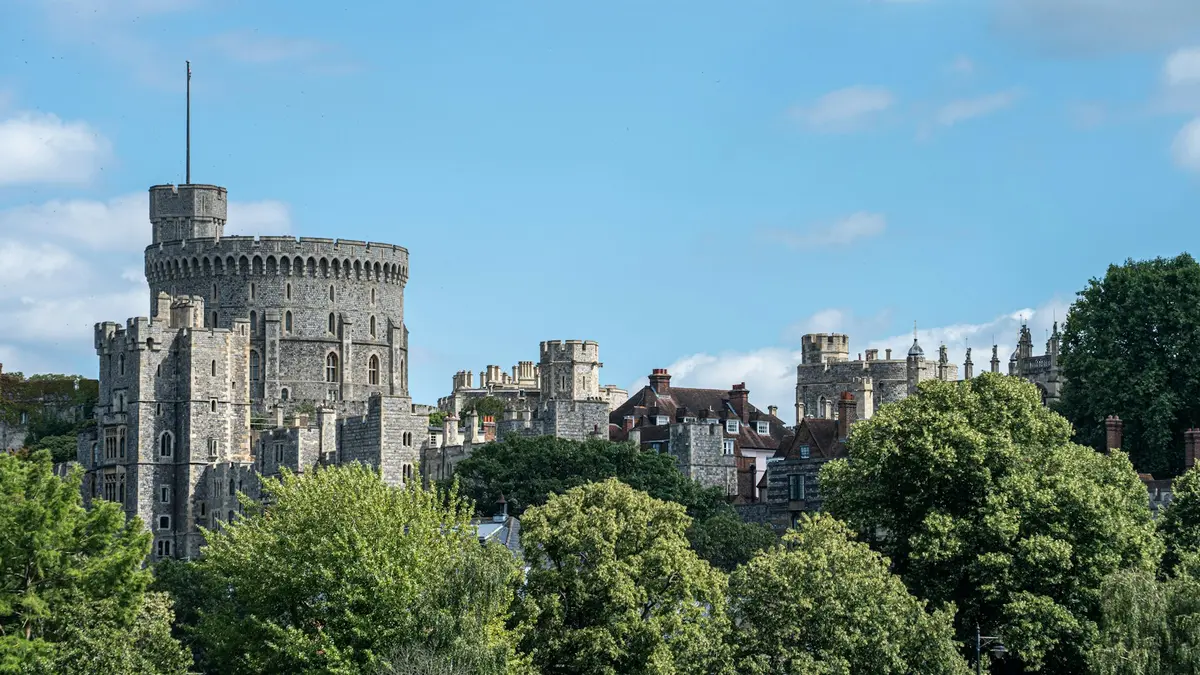
Windsor: Best for Royal History With the Least Travel
Windsor is the easiest answer when the group wants one major paid attraction and a gentler travel day. South Western Railway runs directly from Waterloo to Windsor & Eton Riverside in under an hour on typical services; the Paddington route changes at Slough for Windsor & Eton Central. The castle, town, and Eton can fill the day without further intercity transport.
Check the Windsor Castle closure notice before buying inflexible rail tickets. It is a working royal palace, so the whole castle or the State Apartments may close at short notice. If the principal interiors are unavailable, Windsor becomes a pleasant town trip rather than the royal-history day most overseas visitors imagined. That distinction is worth making before breakfast.
When the Day Trip Is Really About Logistics
The Cotswolds: Best With One Village or an Organized Route
The Cotswolds is a region, not a station. That simple fact explains most disappointing plans. Moreton-in-Marsh is a useful rail gateway, but the postcard villages require buses, taxis, walking, or an organized tour. The official Cotswolds transport guide currently directs Bourton-on-the-Water visitors to the 801 bus from Moreton-in-Marsh and notes a thinner Sunday pattern. Service details can change, so the return connection needs checking on the operator’s live timetable.
Without a car, choose one village plus a walk, or take a small-group tour that solves the connections. Trying to collect Bourton, Stow, Bibury, and Castle Combe independently in one day is not freedom; it is rural timetable administration with attractive limestone in the margins. This trip is best for travelers who value scenery over major interiors and are comfortable sacrificing flexibility.
Stonehenge: Best When the Monument Is the Point
Stonehenge is feasible without a car, but not effortless. English Heritage routes visitors from Waterloo to Salisbury, then to the site by the Stonehenge Tour Bus or taxi. The train is typically around ninety minutes, the bus adds roughly thirty-five minutes, and an on-site shuttle connects the visitor center with the stones. Waiting and transfer margins matter as much as any single segment.
Book admission and verify the full route before committing to a restricted train ticket. The landscape is exposed to sun, wind, and rain, and the stones are the day’s primary payoff—not a convenient stop between London and Bath. Stonehenge is the right choice for genuine interest in prehistory. If the appeal is mainly that it appears on a famous-places list, Windsor or Bath offers more varied hours for less transport choreography.
Book in the Order That Protects the Day
- Confirm the anchor first. Check Windsor Castle closures, Roman Baths admission, the selected Oxford or Cambridge college, or Stonehenge availability before purchasing a restrictive fare.
- Compare the whole route. Add the trip from your lodging to Paddington, King’s Cross, Marylebone, or Waterloo, plus the walk or bus after arrival. Use Google Maps to save the rail station and anchor attraction, but let the rail operator control train times.
- Understand the ticket. National Rail states that Advance tickets are tied to the specified train, while Off-Peak tickets allow more flexibility within route and time restrictions. The cheapest option may be poor value if a college closes or lunch runs long.
- Check again before travel. Engineering work is common around weekends and bank holidays. Recheck the outward and return journeys, attraction notices, and the last rural connection the evening before.
- Leave a return buffer. Do not attach a fixed West End curtain time to a rural bus connection or the last slot at a working palace. One important reservation per day is enough.
Should You Leave London at All?
A day trip makes more sense once the capital has at least four full days, especially on a first visit. If the schedule is shorter, compare how many days to spend in London with the first-visit London guide before giving one away to rail travel.
When there is room, choose the contrast you want: Oxford for layered intellectual history, Cambridge for river-framed colleges, Bath for a complete historic city, Windsor for royal interiors, the Cotswolds for landscape, or Stonehenge for prehistory. The best choice is the one that still feels like a day out after the transfers are counted.
Frequently Asked Questions
What is the best day trip from London?
For most visitors, Oxford, Bath, Cambridge, or Windsor is the sensible choice since each is manageable without a car and has enough substance for a full day; the Cotswolds and Stonehenge suit visitors willing to accept more rural transport limits or a multi-stage journey.
How long does a day trip from London take?
Oxford and Bath both run about 1.5 to 2.25 hours one-way door to door from central London by direct rail, figures that include reaching the London terminal, the rail journey, and the final walk or transfer, not just the time printed beside a train.