Two facts settle most of this before you start. Nearly every major London museum lets you into its permanent collection for nothing. And almost nobody lasts longer than about three hours inside one.
Put those together and the planning problem changes shape. Cost is not the constraint here, which makes London unusual. Your attention is. The question worth answering is not which museums are good — they are nearly all good — but which two or three you will still be enjoying at hour three, and which you should walk past without guilt.
If you only have time for two or three
This is the question travelers actually ask, so here are four combinations that work, each built around a different kind of visitor.
For range, if this is your first London trip: British Museum, National Gallery, V&A. Between them you get world antiquities, European painting to 1900, and design objects across a thousand years — three genuinely different rooms in your memory rather than three versions of the same one. Spread them across at least two days.
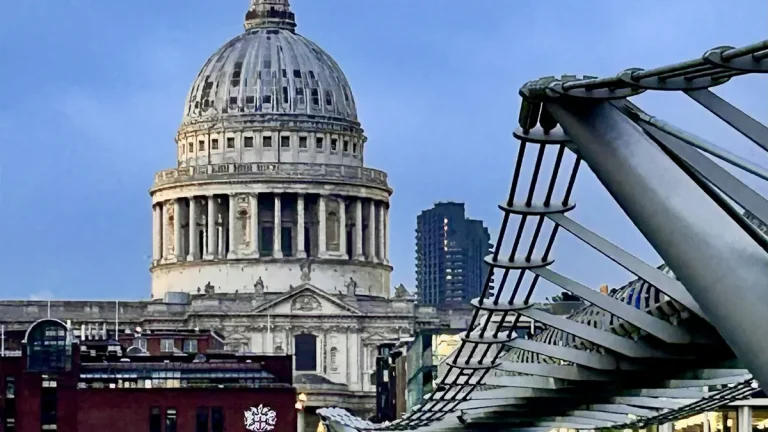
For art, chronologically: National Gallery, then Tate Modern. Walk one to the other across the Millennium Bridge if the weather allows; it takes about twenty minutes and the two collections pick up roughly where the other leaves off. Add the Wallace Collection if you want a third that is small enough to finish.
With children: Natural History Museum or Science Museum — one, not both — plus the British Museum’s Egyptian rooms as a short, targeted second stop. The two South Kensington museums are next door to each other, which tempts people into doing both in a day. Almost nobody enjoys the second one.
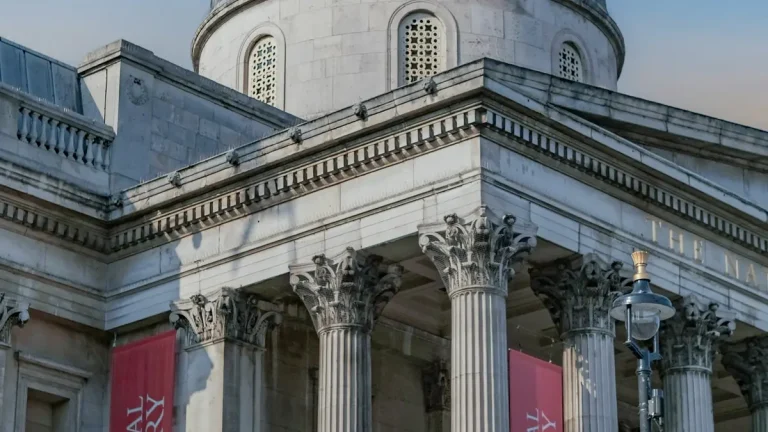
If you have half a day: pick one and go early. The National Gallery is the best single choice for most people: it is centrally placed, the collection is world-class without being overwhelming, and ninety minutes in it feels complete in a way that ninety minutes in the British Museum does not.
The pattern across all four: one large museum per day, maximum. Travelers on the forums land on this independently and repeatedly — one experienced visitor described his own rule as one museum per day, sixty to ninety minutes inside, unless the place is on the scale of the Louvre.
London museums at a glance
Entry policies and booking rules change, especially around major exhibitions. Check the museum’s own site before you travel.
| Museum | Best for | Realistic visit | Entry | Booking |
|---|---|---|---|---|
| British Museum | World antiquities, the broadest sweep | 2–3 hrs | Free | Free timed ticket advised |
| National Gallery | European painting before 1900 | 1.5–2 hrs | Free | Free ticket for fast-track |
| V&A South Kensington | Design, fashion, objects people used | 2–3 hrs | Free | None needed |
| Natural History Museum | Specimens and spectacle, strong with kids | 2–3 hrs | Free | Free ticket advised |
| Science Museum | Technology and hands-on learning | 2 hrs | Free | Pre-book free admission |
| Tate Modern | Modern and contemporary art | 1.5–2 hrs | Free | None needed |
| Tate Britain | British art, quieter than Tate Modern | 1.5 hrs | Free | None needed |
| National Portrait Gallery | Faces and British history together | 1.5 hrs | Free | Advance free booking advised |
| Wallace Collection | Old Masters and armour in a townhouse | 1–1.5 hrs | Free | None needed |
| Sir John Soane’s Museum | An architect’s house, kept as he left it | 1 hr | Free | Walk in; expect a queue |
| IWM London | Conflict in social context | 2 hrs | Free | None needed |
| National Maritime Museum | Greenwich, seafaring, pairs with the Observatory | 1.5–2 hrs | Free | None needed |
| London Museum Docklands | The city shaped by its river | 1.5 hrs | Free | None needed |
| Design Museum | Contemporary design | 1–1.5 hrs | Free displays | None for free displays |
Are London museums free?
Yes, for the part most visitors come to see — and this is a genuine policy, not a promotion. The permanent collections at the British Museum, the National Gallery, the V&A, the Natural History Museum, the Science Museum, both Tates, the National Portrait Gallery, IWM London and the rest of the national museums cost nothing to enter.
Three things are not free, and they are where the confusion comes from.
Temporary exhibitions. The blockbuster shows — the ones on the posters in the Underground — are ticketed, usually somewhere between £15 and £25. This catches people who assumed “free museum” meant free everything, and it is worth deciding in advance whether the exhibition is the reason you are going or an add-on you can skip.
Booked slots, at some places. Free does not always mean walk-in. The Science Museum asks you to pre-book a free admission ticket, with unticketed entry only if capacity allows. The British Museum, Natural History Museum and National Portrait Gallery all recommend a free timed ticket, and on a wet Saturday in August that recommendation is effectively an instruction. The V&A, the Tates, IWM and the Wallace Collection need nothing at all.
The donation box. Free national museums run partly on suggested donations, typically £5. Nobody will stop you if you walk past. Many visitors put something in, and if the museum saved you £20 of admission it is not an unreasonable trade.
If free entry is the organizing principle of your trip rather than a happy accident, our guide to free things to do in London covers what else the city gives away.
The big two: British Museum and V&A
These are the two people agonize over, and the forums do not split the way the guidebooks do.
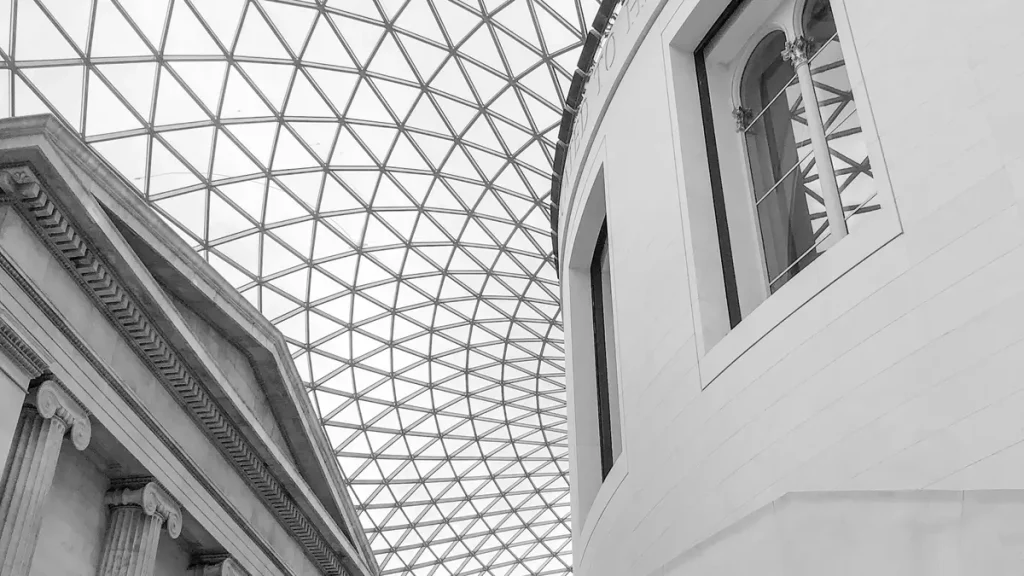
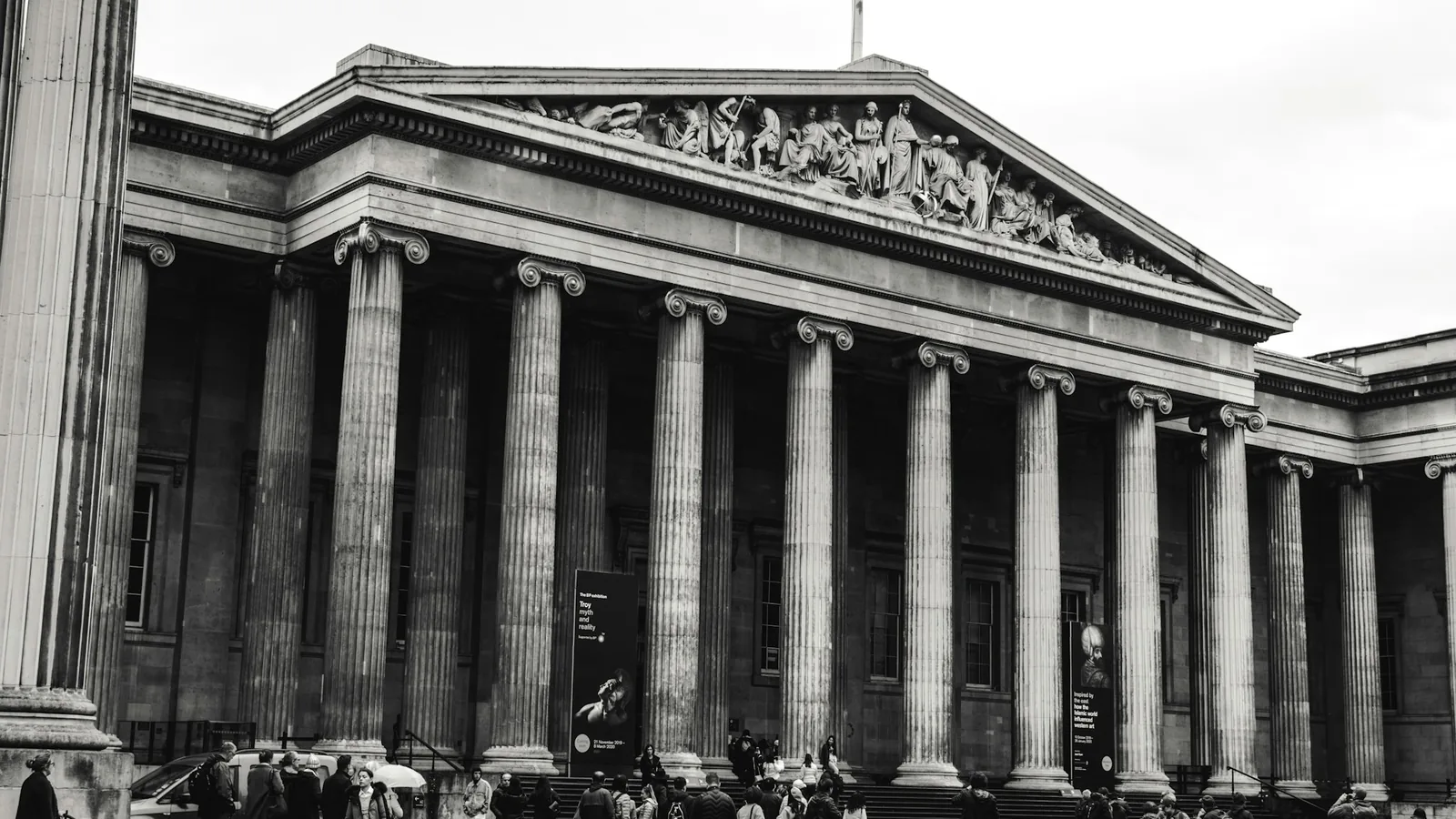
The British Museum has the sweep — Egypt, Mesopotamia, Greece, the Rosetta Stone, the Parthenon sculptures and the arguments that come with them. It is also enormous and frequently crowded around the greatest hits. The way to enjoy it is to abandon completeness entirely: choose two or three galleries before you arrive, see them properly, and leave while you still like the place. The Great Court is worth standing in for a minute on the way through.
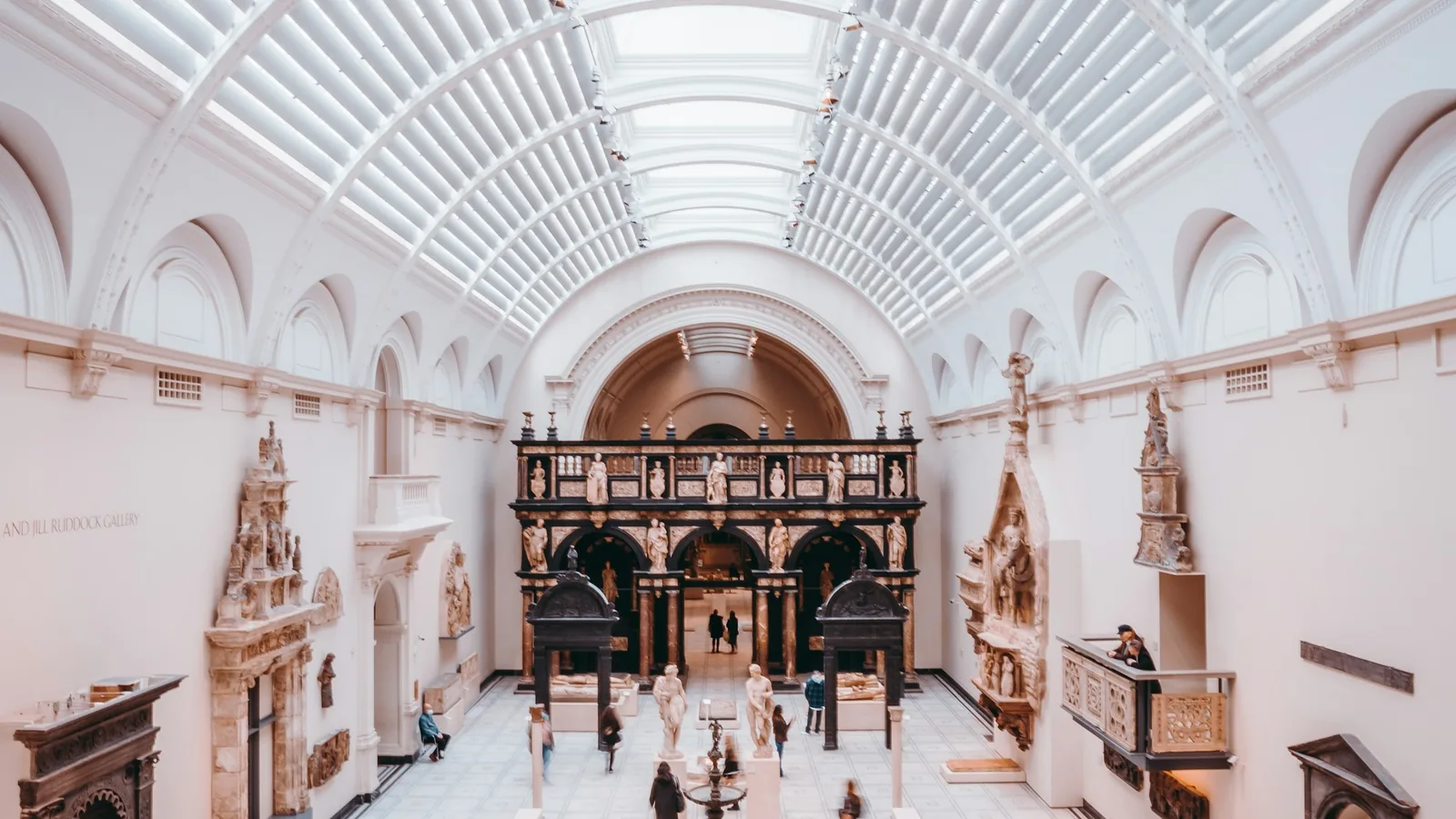
The V&A is the one experienced travelers recommend more often, which surprises people. Its subject is objects that were made to be used — furniture, ceramics, dress, jewellery, ironwork, entire architectural fragments — and the effect is closer to wandering a civilization’s attic than reading its textbook. The Cast Courts, where Victorian plaster copies of European monuments stand around at full scale, are one of the strangest and best rooms in London.
If you can only do one: the British Museum if you want the ancient world, the V&A if you want to look at beautiful things without a syllabus. If you can do both, put a day between them.
If you want art: National Gallery or Tate Modern
The National Gallery is the easier recommendation. It is compact by the standards of national collections, centrally placed on Trafalgar Square, and its holdings run from early Renaissance panels to the Impressionists without a dull stretch. Ninety minutes gets you a real visit. It also has the advantage of being somewhere you can drop into for forty minutes without feeling you have wasted the ticket, which is exactly the flexibility a busy itinerary needs.
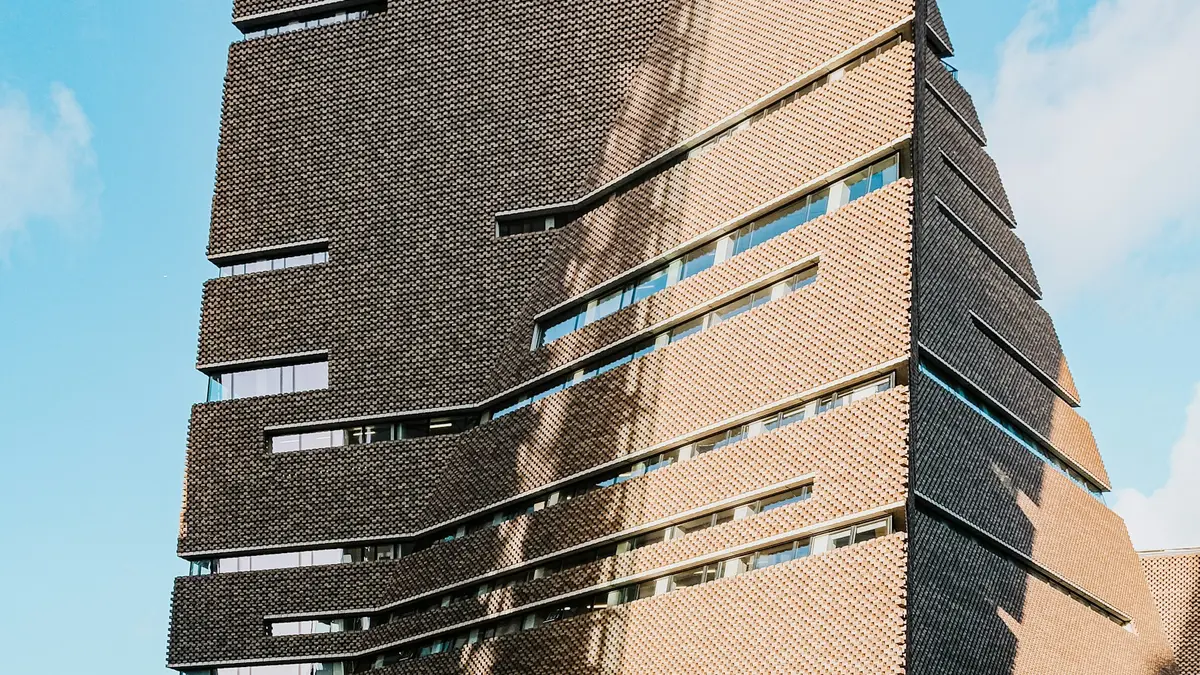
Tate Modern divides people, and it is worth saying so. The building — a converted power station on Bankside — is genuinely thrilling, and the Turbine Hall commissions can be extraordinary. The collection displays are more uneven, and travelers who came expecting a greatest-hits parade of modern art sometimes leave puzzled. Go if contemporary art interests you or if you want the building and the river view. Do not go out of obligation.
Tate Britain, a few stops away in Pimlico, is the quieter sibling and holds the Turners. If crowds are what you are trying to escape, it is frequently the better afternoon.
If you’re bringing kids: Natural History or Science
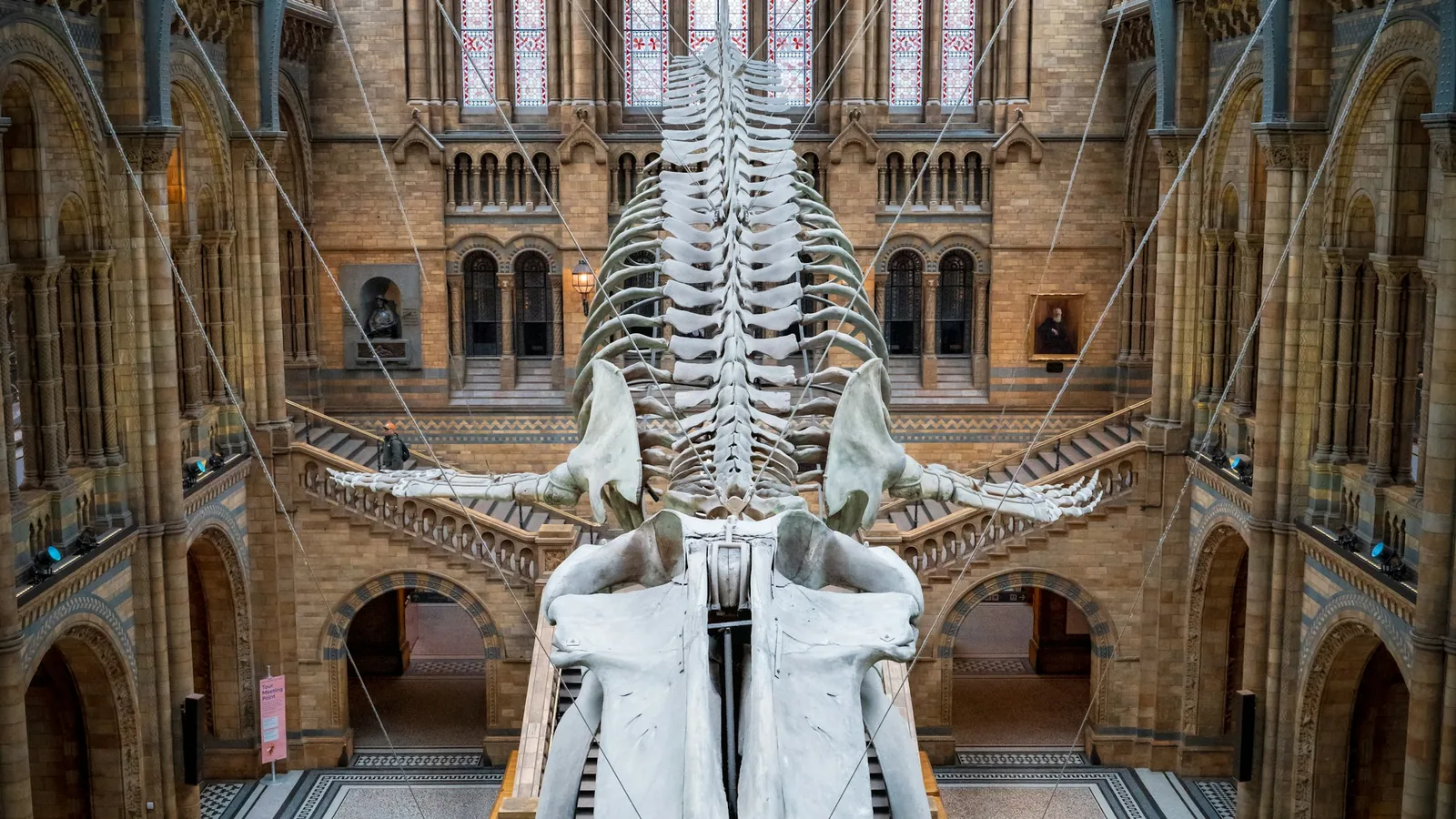
Both are in South Kensington, both are free, both are heaving during school holidays, and you should do one.
The Natural History Museum wins on spectacle: the building itself is a Romanesque cathedral to the natural world, and the main hall delivers the gasp that children come for. Worth knowing that experienced travelers often flag it as primarily a children’s museum — the collections are excellent but comparable material exists in natural history museums closer to home, so if you are travelling without children it may not earn a slot.
The Science Museum is the better choice for hands-on interest and for older children, with the caveat that its best interactive gallery, Wonderlab, is ticketed separately while general admission is free.
Either way, book the free admission slot in advance during holidays, and plan something outdoors afterwards. Our guide to things to do in London with kids has the pairings that work.
Small museums worth more than their size
The most consistent advice on travel forums is the advice that guidebooks give least: the small museums are frequently the better afternoon.
The Wallace Collection occupies a townhouse in Marylebone and holds Old Master paintings, French furniture and one of the great armour collections, all of it free, none of it requiring a ticket. It runs free guided tours, which regulars single out as far better value than the audio guide at a larger museum. An hour here beats three exhausted hours somewhere famous.
Sir John Soane’s Museum is the house of a nineteenth-century architect, preserved as he left it and crammed floor to ceiling with antiquities, casts and paintings in an arrangement no modern curator would permit. Entry is free and there is no need to pre-book — you can walk in on the day — but the house is small and very popular, so expect to wait. It is closed Mondays and Tuesdays.
Both are central, both take about an hour, and both give you something the large museums cannot: a collection small enough to actually finish.
A note on the London Museum
If you are working from an older guidebook, the Museum of London at London Wall is not there anymore. It closed and rebranded, and its new home in the Smithfield General Market building opens on 28 November 2026.
Until then, London Museum Docklands in Canary Wharf is the one that is open — nine permanent galleries on the city and its river, free and unticketed, and considerably less visited than anything in South Kensington. If your trip falls after late November, the Smithfield site is likely to be the most interesting new museum opening in London in years.
How long you’ll actually last
Plan for stamina, not for opening hours.
Most people report hitting their limit somewhere between two and four hours. One traveler put it plainly: he loves art and cannot absorb it for more than two hours, three at the outside. The symptoms are physical as much as mental — standing on hard floors produces what forum regulars call museum feet, and it arrives before your interest does.
Three things that actually help:
Budget by the gallery, not the museum. Choose two or three rooms before you arrive. A museum you saw properly beats a museum you walked through.
Account for the audio guide. Using one, or reading the wall text conscientiously, adds thirty percent or more to your time inside. That is not a reason to skip it — it is a reason to halve the number of rooms.
Break the day. Museum, then lunch somewhere that is not the museum café, then something outdoors. Two large museums back to back is the single most common planning mistake in London, and the second one is always the one you remember least.
If you are fitting museums around everything else, our guides to how many days you need in London and this four-day London itinerary put them in context, and planning the route in Google Maps before you leave the hotel saves more time than any shortcut inside the building.
Before you go
Check opening days — Sir John Soane’s closes Mondays and Tuesdays, and several museums have late openings one evening a week that are the quietest hours of the entire week.
Book the free slot where one is recommended, particularly in July and August and over half-term.
Check what temporary exhibition is running, and decide whether you are paying for it before you are standing in front of the desk.
Leave your coat. Coat check queues are shorter than you fear and carrying a coat through three galleries is its own kind of fatigue.
And put the museums in the same plan as everything else — where you are staying, which neighborhoods you are covering, and how you are getting around. South Kensington and Trafalgar Square are not near each other, and the Underground journey between them is fifteen minutes you did not budget for.
Frequently asked questions
Which museum should I see in London if I only see one?
The National Gallery, for most visitors. It is central, free, world-class, and small enough to finish. Choose the British Museum instead if the ancient world is specifically what you came for.
What is the best museum in London?
By collection, the British Museum. By how much people enjoy the visit, the V&A comes up more often among experienced travelers. They are answering different questions.
Which London museums are must-visit?
If you have three slots: British Museum, National Gallery, V&A. If you have one more, make it small — the Wallace Collection or Sir John Soane’s, not a fourth large one.
Are museums free in London?
Permanent collections at the national museums are free. Temporary exhibitions are ticketed, usually £15–25, and a suggested donation of around £5 is invited but not required.
Do I need to book ahead?
For the Science Museum, yes — pre-book the free admission ticket. For the British Museum, Natural History Museum and National Portrait Gallery, a free timed ticket is recommended and effectively necessary in peak season. The V&A, Tates, IWM and Wallace Collection need nothing.
How many museums can I do in one day?
One large one, plus possibly one small one. Two large museums in a day is the plan everyone makes once and never repeats.
London gives away its collections and charges you in attention instead. Spend it on two museums you chose deliberately rather than four you felt you ought to see, and you will remember what was in them.