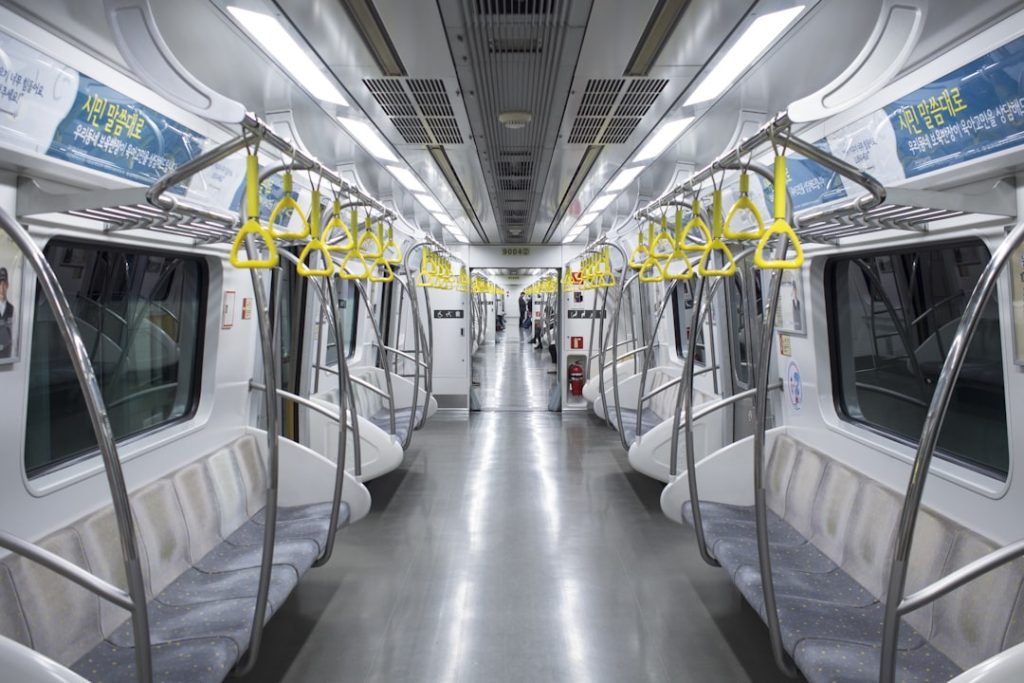
Transportation in Seoul looks complex on a map, but most visitors need only three habits: use a Korean navigation app, carry a transit card, and tap correctly when entering and leaving. The subway handles most long journeys, buses solve the final hill or neighborhood gap, and taxis are useful when luggage, weather, or late hours make public transit awkward.
This guide focuses on the decisions that cause the most first-trip friction: Tmoney versus the Climate Card, subway transfers, bus etiquette, airport transport, taxis, accessibility, and what to do when the route goes wrong.
Tips: Buy a reloadable Tmoney card if you want the simplest pay-as-you-go option across South Korea. Consider a short-term Climate Card only after checking its Seoul service area and your likely ride count. Navigate with Naver Map or KakaoMap, use station numbers and exit numbers, and always tap out on buses.
Seoul Transportation at a Glance
- Subway — Usually the fastest and most predictable choice for cross-city trips
- Bus — Best for hills, short neighborhood links, and routes without a convenient station
- Tmoney — Flexible stored-value card for transit in Seoul and elsewhere in South Korea
- Climate Card — Unlimited eligible Seoul transit for a fixed period, with coverage exclusions
- Taxi — Useful with luggage, in bad weather, or after the last convenient train
- Walking — Essential within neighborhoods, but distances and slopes are easy to underestimate
- Seoul Bike and river transport — Optional experiences, not necessary for a first trip
What to Set Up Before Your First Ride
Install Naver Map or KakaoMap
Google Maps is useful for saving places and reading reviews, but a Korean map app is generally better for live transit, walking routes, bus stops, and the correct station exit. Set the interface to English where available and save your hotel in both English and Korean.
Search by destination name first, then verify the pin against the Korean address. Businesses can have similar translated names, and a café or restaurant may appear under a building name rather than the English wording you expect.
Save three versions of your hotel location
- A map pin in your preferred Korean navigation app
- The Korean-script street address
- The nearest station, line color, station number, and exit
This small backup system helps when your phone signal drops, a taxi driver needs the address, or a large station exit leaves you on the wrong side of a major road.
Carry some Korean won
Payment options are expanding, but cash remains a reliable backup for buying or reloading certain physical transit products and for handling a card problem quickly. Do not assume every vending machine or convenience-store top-up will accept the same foreign card.
Tmoney vs. the Climate Card
Tmoney: the simplest flexible option
Tmoney is a reloadable stored-value transportation card. You add a balance, tap for each ride, and the system deducts the applicable fare. It is useful on subways and buses in Seoul and has broader use around South Korea than a Seoul-only pass.
Choose Tmoney if your trip includes Busan or other cities, if you will take only a few rides per day, if you plan to travel beyond the Climate Card’s service area, or if you do not want to calculate pass coverage.
Climate Card: unlimited rides within an eligible area
Seoul’s Climate Card offers fixed-period unlimited use on eligible Seoul subway and bus services. Short-term passes are available for 1, 2, 3, 5, and 7 days; the official schedule lists KRW 5,000, 8,000, 10,000, 15,000, and 20,000 respectively, while the physical card is purchased separately. Physical Climate Cards can also be recharged and checked through the Mobile Tmoney app on supported phones. Coverage exclusions still matter, so verify the official page before buying.
Coverage is the main catch. The Sinbundang Line, non-Seoul-licensed buses, intercity and airport buses, and some subway travel outside Seoul are excluded. The official page also explains special airport-direction rules and exactly where the pass works.
A practical decision rule
- Use Tmoney when simplicity and nationwide flexibility matter most.
- Consider the Climate Card when you will make several eligible rides most days and stay within Seoul.
- Keep a separate payment plan for airport transport, day trips, and excluded lines.
- Do not buy either card because a social post says it is “always cheaper.” Compare your actual route.
For a first visitor with a central hotel and neighborhood-grouped days, Tmoney is often the least complicated. A high-mobility traveler staying five to seven days may value the Climate Card even when the savings are modest because missed stops and extra rides do not change the cost.
How to Use the Seoul Subway
1. Search the entire route before entering
Check the origin, destination, number of transfers, direction of travel, and final exit. Screenshot the route if your data connection is unreliable. A line color alone is not enough because several operators and branches share the metropolitan network.
2. Follow the destination or terminal direction
Platform signs usually list the next station and the direction toward a major station or terminus. Match the next station in your app to the sign before boarding. Station numbers can be easier to recognize than transliterated names.
3. Tap in and tap out
Place one card against the gate reader for each passenger. Do not pass a single card back and forth through the subway gate. If the gate rejects the card, step aside and use the nearby help intercom or station office rather than repeatedly tapping.
4. Treat transfer stations as journeys of their own
Some transfers involve long corridors, multiple levels, or stairs. A route with one easy transfer may be calmer than a nominally faster route with two large stations. Add time when traveling with children, luggage, or limited mobility.
5. Use the correct exit number
Exits can place you on opposite sides of a wide road or several blocks apart. Check the number before leaving the paid area. If you exit incorrectly, do not cross traffic impulsively; reopen the walking route and find the safest crossing.
Current fares and transfer rules
Seoul’s official transportation page lists distance-based fares and periodically updates prices. As of its June 2025 fare table, the adult base subway fare paid by transit card is KRW 1,550, with additional distance charges. Check the current official modes-of-transport page rather than relying on an old screenshot.
The integrated fare system depends on tapping correctly. Transfers between eligible services are calculated within a time window, and the late-night window differs. Because rules and fares can change, use the official page for exact current thresholds.
How to Ride Seoul Buses
Buses are extremely useful once you are comfortable with the app. They reduce long underground transfers, reach hillside neighborhoods, and can show you the city between stops.
Step by step
- Find the exact stop in Naver Map or KakaoMap and confirm the direction by checking the next stops.
- Watch the route number and live arrival information; several buses may share one stop.
- Enter through the front door and tap your transit card once.
- Follow the app or onboard display, then press the stop bell before your stop.
- Tap the card again at the rear-door reader and exit through the back.
Seoul’s official public-transportation guide confirms the front-door boarding, stop-bell, and rear-door tap-out process. Tapping out is necessary for the integrated transfer calculation and helps the system determine the correct fare.
Bus colors are clues, not a planning method
Blue buses generally run longer trunk routes, green buses connect neighborhoods and subway stations, red buses often reach the wider metropolitan area, and smaller local buses serve residential streets. Use the route number and destination in your app rather than choosing by color alone.
When a bus is not the calmest choice
Avoid learning a complex bus route for the first time while carrying large luggage, during severe weather, or when the stop is on a multi-lane road you cannot confidently identify. Take the subway or a taxi, then try buses on an easier daytime journey.
Airport Transportation: Incheon and Gimpo
AREX trains
The Airport Railroad connects Incheon International Airport, Gimpo Airport, Hongik University, and Seoul Station. The Express and all-stop services have different stopping patterns, tickets, seating, and payment arrangements. Choose based on your hotel transfer—not simply the fastest airport-to-Seoul-Station time.
AREX is especially practical for Hongdae or Seoul Station. If you still need two subway transfers and a long walk with luggage, an airport bus or taxi may be easier even when the train itself is faster.
Airport limousine buses
Airport buses serve many hotel districts and handle luggage below the coach. They can reduce transfers but are exposed to road traffic. Confirm the current route, stop, timetable, fare, and final walking distance on the official airport or operator site before arrival.
Taxi or prearranged transfer
A taxi can be sensible for two or more travelers, late arrivals, heavy luggage, mobility needs, or a hotel far from rail and bus stops. Use the official taxi queue or a reputable booking method, confirm the destination, and avoid unsolicited ride offers inside the terminal.
How to choose
- Choose AREX when your hotel connects easily to Hongik University or Seoul Station and you can manage the transfer.
- Choose the airport bus when it stops close to your hotel and traffic risk is acceptable.
- Choose a taxi when door-to-door simplicity matters more than cost.
- Choose the route that still works after immigration, baggage claim, and possible flight delay.
Your accommodation choice and airport route should be considered together. The neighborhood guide to where to stay in Seoul explains why the final walk can matter more than the headline travel time.
Taxis and Ride-Hailing in Seoul
Use a Korean taxi app when possible
Kakao T is widely used for hailing taxis; available sign-up and payment options can differ for international visitors and change over time. Uber also operates through local taxi supply in Korea. Set up at least one app before the evening you expect to need it.
Save the destination in Korean
Show the Korean address or app pin, not only an English business name. For a hotel, save the front entrance rather than the broad property pin if the building has several access roads.
Understand when taxis become slower
Road traffic can make a taxi less predictable than the subway during rush hour. Around events, nightlife districts, and heavy rain, demand can rise and pickup points may be restricted. Walk to a legal, safe pickup location that does not block traffic.
Late-night planning
Subway closing times vary by line, station, day, and direction. Do not build an evening around a single generic “last train” time. Check the exact route shortly before leaving, or budget for a taxi or night bus.
Walking, Hills, and Station Exits
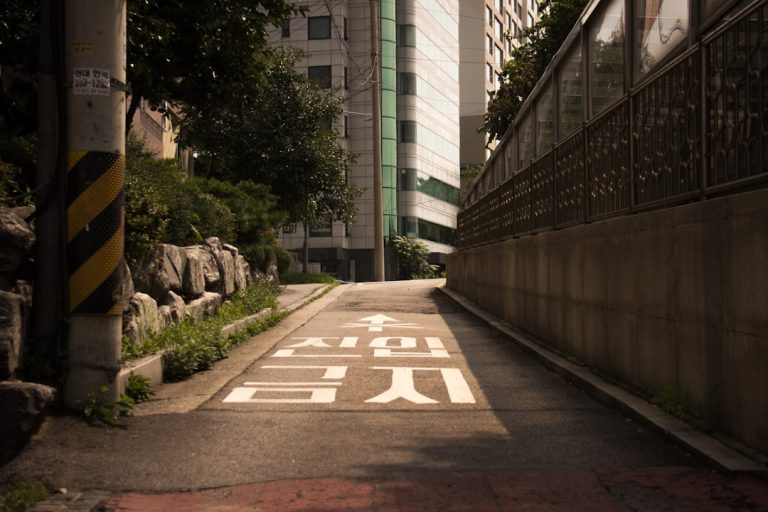
Seoul is walkable within neighborhoods, but it is not flat. Namsan, Itaewon, Bukchon, university areas, and many residential streets include slopes or stairs. Underground stations add distance that maps may not make emotionally obvious.
Comfortable shoes matter more than a packed list. Grouping sights geographically—as in the 3-day Seoul itinerary—reduces both fares and the hidden fatigue of repeated entrances, exits, and transfers.
Accessibility and Traveling With Luggage
Look for elevators before you start
Many stations have elevators, but the accessible route may use a specific entrance or require a longer path. Search the station layout and allow time. If an elevator is unavailable or hard to find, ask station staff rather than carrying a suitcase on a crowded staircase.
Avoid peak commuter periods when you can
Morning and evening rush hours make large luggage, strollers, and group travel harder. If your flight or train timing is flexible, travel outside the busiest window. On escalators, follow local signs and keep luggage stable.
Use luggage storage strategically
Hotel storage or station lockers can prevent a departure day from becoming a suitcase tour. Locker size and availability vary, so keep a backup location and do not place passports, medication, or irreplaceable valuables in checked storage.
Transit Etiquette That Helps Immediately
- Queue beside the train doors and let passengers exit first.
- Keep bags close and remove a backpack in a crowded carriage.
- Use a quiet voice and avoid speakerphone audio.
- Leave priority seating available for people who need it.
- Do not eat messy or strongly scented food on local transit.
- Stand clear of doors and move inward when the carriage is busy.
- Tap only your intended card or phone to avoid a payment conflict.
You do not need to imitate every commuter perfectly. Pay attention, keep the flow moving, and correct a mistake calmly.
What to Do When Something Goes Wrong
The gate rejects your card
Move aside, check the balance, and use the help intercom or station office. A previous journey may not have closed correctly, or the card may need more value.
You miss your stop
Get off safely at the next stop and reroute. Do not rush through closing doors. With a Climate Card, the financial cost may be zero; with Tmoney, the extra fare is usually less important than staying calm.
You take the wrong direction
Leave the train at the next station, follow signs to the opposite platform, and recheck whether you must pass through a gate. Some stations allow easy cross-platform correction; others require a longer route or staff assistance.
Your phone battery is low
Screenshot the hotel address and route while you still have power. Carry a small charged battery pack and a cable. Station staff, tourist information desks, and convenience stores can help you orient, but an offline address is faster.
How Much Transit Time to Add
Navigation apps estimate the transport itself, not your full decision time. Add a buffer for finding the entrance, buying or reloading a card, walking through the station, making transfers, and locating the final exit.
- Simple subway journey: add about 10 minutes beyond the app’s optimistic estimate.
- Large transfer station: add 10–20 minutes, especially with luggage.
- Airport trip: add a substantial buffer for finding the platform, waiting, and terminal movement.
- Timed tour or reservation: plan to arrive early enough that one missed train does not matter.
A neighborhood-based 5-day Seoul itinerary keeps these small buffers from multiplying across the trip.
Frequently Asked Questions
What is the easiest way to get around Seoul?
Use the subway for most cross-city journeys, buses for neighborhood gaps and hills, and taxis when luggage, weather, or late hours justify the cost. Navigate with Naver Map or KakaoMap.
Should tourists buy Tmoney or the Climate Card?
Tmoney is simpler and more flexible across South Korea. The Climate Card can be good value for frequent eligible rides within Seoul, but you must check coverage, validity, and airport or day-trip exclusions.
Can I use one transit card for two people?
For subway gates, each passenger should have a separate card. Multiple-person bus payment can require speaking to the driver and can complicate transfers, so separate cards are the low-stress choice.
Do I need cash for Seoul transportation?
Keep some Korean won as a backup for physical card purchases or reloading, even if your foreign card works at some machines. Payment acceptance is not identical everywhere.
Is the Seoul subway safe for solo travelers?
It is widely used and generally straightforward, but normal city awareness still applies. Watch your belongings, avoid empty isolated areas late at night, and keep a backup route to your accommodation.
Do trains run all night?
No. Last-train times vary by line, station, direction, and day. Check the exact route on the evening itself and have a taxi or night-bus alternative.
Final Thoughts
Transportation in Seoul becomes manageable after one or two rides. Start with Tmoney unless the Climate Card clearly fits, use a Korean map app, read the next station before boarding, and make the correct exit part of the route.
The system rewards calm preparation more than local expertise. Give yourself transfer time, keep a little cash and battery power, and use the best things to do in Seoul as neighborhood clusters rather than isolated pins across the map.