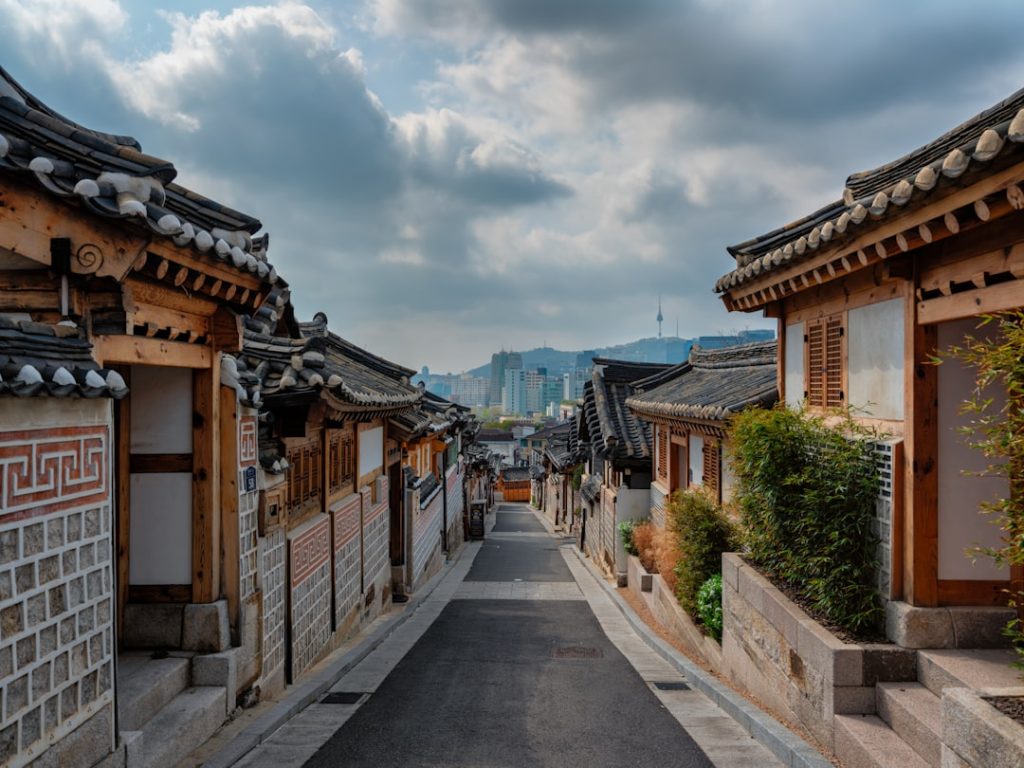
Where you stay in Seoul shapes the trip more than the hotel’s star rating. A room beside the right subway station can give you an easy start every morning. A prettier or cheaper option with a long uphill walk can quietly cost you time and energy twice a day.
For most first-time visitors, the best areas are Myeongdong or Euljiro for central convenience, Jongno or Insadong for historic Seoul, and Hongdae or Yeonnam for airport access and younger evening energy.
Best Seoul Areas at a Glance
- Myeongdong and Euljiro — Best all-round base for a short first visit
- Jongno and Insadong — Best for palaces, traditional culture, and quieter evenings
- Hongdae and Yeonnam — Best for solo travelers, cafés, nightlife, and airport access
- Gangnam — Best for business, clinics, upscale shopping, and southern Seoul
- Jamsil — Best for families, Lotte World, concerts, and southeast Seoul
- Itaewon and Hannam — Best for international dining and a central-but-hilly base
- Seongsu — Best for design, pop-ups, Seoul Forest, and repeat visitors
There is no single “most central” point for every itinerary because Seoul has several centers. Your best base is the one that reduces repeated journeys, especially the trip home when you are tired.
How to Choose Where to Stay in Seoul
1. Map your fixed plans before comparing hotels
Write down the five places or activities you are least willing to miss. If most are palaces, markets, and museums north of the Han River, a hotel in Gangnam may create unnecessary crossings. If your trip centers on a conference, clinic, COEX, or friends in the south, staying in Myeongdong for its reputation may be equally inefficient.
Use a Korean navigation app such as Naver Map or KakaoMap to test realistic door-to-door journeys. Search at the time of day you expect to travel, and notice transfers, station exits, walking gradients, and the final bus or footpath—not just the colored subway line.
2. Judge the station, not only the neighborhood name
Large booking areas can hide major differences. A “Hongdae” property may be closer to Hapjeong, Sinchon, or a residential slope. A “Myeongdong” hotel may sit nearer Euljiro or Chungmuro. Those can still be excellent locations, but the exact station determines your daily routine.
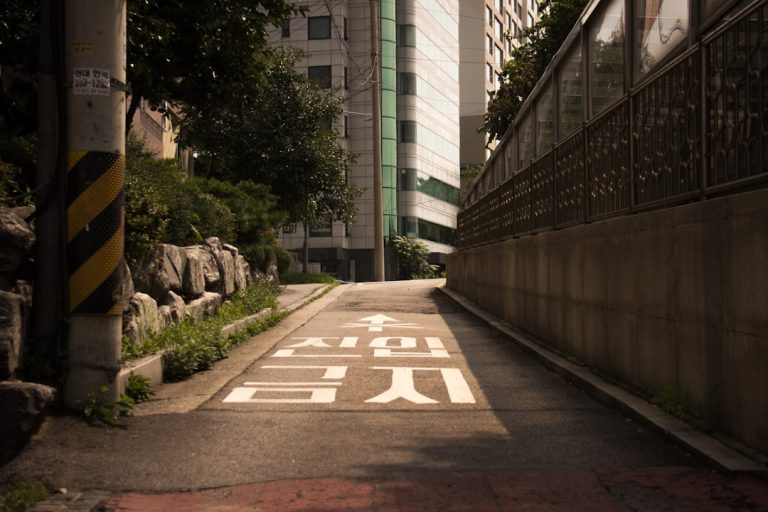
A useful first-trip hotel is usually within a comfortable walk of a station with at least one relevant line. Two lines are helpful but not mandatory. A five-minute flat walk may be easier than a shorter route involving stairs, an underground maze, or a steep hill.
3. Think about the final hour of the day
Travel guides describe what an area feels like at 2 p.m.; your hotel decision often matters most at 10 p.m. Check whether you will have food, a convenience store, a well-lit route, and transport that still feels manageable after a full day of walking.
If you sleep lightly, look beyond review scores for recent mentions of street noise, club bass, hallway sound, construction, and ventilation. In busy districts, a room facing an inner courtyard or on a quieter side street can matter more than a skyline view.
4. Price the full stay, not the headline rate
Compare taxes, breakfast, laundry, luggage storage, cancellation terms, and room size. Very compact rooms are common in well-located city hotels. If you carry large suitcases or travel with a friend, check the floor plan and whether both bags can open without blocking the door.
Myeongdong and Euljiro: Best for First-Time Convenience
Myeongdong is the easiest default for many first visits. You are close to central shopping, Namsan, Namdaemun Market, and several routes toward the palace district. Tourist infrastructure is visible, late meals are easy to find, and returning to the hotel rarely feels complicated.
Euljiro sits just north and east of Myeongdong. Depending on the exact block, it can offer access to more subway lines and a mix of office streets, older workshops, restaurants, and new bars. It feels less polished in places, which some travelers enjoy and others find confusing after dark.
Choose this area if
- You have three to five days and want a practical central base.
- Your plans mix palaces, markets, shopping, Namsan, and museums.
- You value easy meals and tourist services near the hotel.
- You are nervous about your first night in Seoul and want a straightforward arrival.
Know the tradeoffs
The busiest shopping streets can feel crowded and commercial, and some restaurants are designed mainly for visitors. Myeongdong is not a quiet neighborhood retreat. Check whether the hotel entrance sits inside the pedestrian core or on a calmer edge toward Euljiro, Chungmuro, or Hoehyeon.
Stay here for efficiency, not because every evening must be spent in Myeongdong. The 5-day Seoul itinerary shows how a central base can support neighborhood days without constant backtracking.
Jongno and Insadong: Best for Historic Seoul
Jongno is a broad central district, while Insadong is a smaller cultural area within the old-city zone. Staying here puts palaces, Jogyesa Temple, traditional craft shops, tea rooms, Ikseon-dong, and parts of Cheonggyecheon within easy reach.
This base suits travelers who want early palace mornings, slower streets, and evenings that do not revolve around clubs. Jongno 3-ga offers excellent transit and food access, while areas closer to Anguk or Insadong feel more curated and cultural.
Choose this area if
- Gyeongbokgung, Changdeokgung, Bukchon, and museums are priorities.
- You prefer tea, crafts, architecture, and walking to nightlife.
- You want central access without sleeping in a major shopping district.
- You are comfortable with an area that becomes quieter after dinner.
Know the tradeoffs
The word “Jongno” covers streets with very different moods. Some blocks are calm and elegant; others are dense with office workers, late-night restaurants, or older commercial buildings. Read recent reviews about the immediate street.
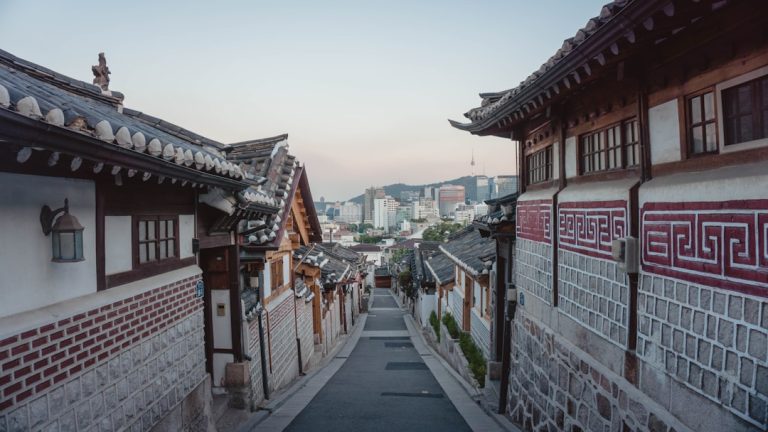
Bukchon itself is beautiful but residential, hilly, and subject to visitor-management rules. In the designated restricted area, visitor access is permitted from 10 a.m. to 5 p.m. and prohibited from 5 p.m. to 10 a.m. It is better explored respectfully during the day than used as a luggage-heavy base.
Hongdae and Yeonnam: Best for Solo Travel and Evening Energy
Hongdae is built around Hongik University and known for shops, cafés, performances, bars, photo booths, and late-night activity. Hongik University Station also connects to the Airport Railroad, which can make arrival and departure simpler depending on the service and your luggage.
Yeonnam-dong sits beside the same broad hub but feels softer and more residential. It works well if you want access to Hongdae without sleeping in the loudest nightlife streets. Hapjeong is another useful nearby alternative with good dining and a less frantic evening rhythm.
Choose this area if
- You travel solo and want people, food, and activity outside the hotel.
- Your plans focus on Hongdae, Mangwon, Yeonnam, and west Seoul.
- Cafés, small shops, music, and late dinners matter more than palace proximity.
- Airport-rail access is a meaningful part of your decision.
Know the tradeoffs
Historic sights in Jongno require cross-city travel, and the core streets can be noisy well into the night. A map pin that appears close to Hongik University Station may still involve a large station, a long exit, or a slope.
For a quieter room, look north toward Yeonnam, south toward Hapjeong, or several blocks away from the busiest club streets. Do not assume a hostel is social or a hotel is quiet—recent room-specific reviews are more useful than category labels.
Gangnam: Best for Southern Seoul Plans
Gangnam is a large district, not a single compact attraction zone. Gangnam Station, Samseong and COEX, Sinsa, Apgujeong, Cheongdam, and the quieter residential areas each produce a different stay.
This is the right base for business, medical appointments, beauty clinics, high-end shopping, or repeated plans south of the Han River. It can also work for travelers who prefer polished hotels and large commercial complexes.
Choose this area if
- Your fixed appointments are in Gangnam, Seocho, Samseong, or nearby.
- COEX, Apgujeong, Sinsa, or southern Seoul dining is central to the trip.
- You prioritize a modern business-district feel and larger upscale hotels.
Know the tradeoffs
Many first-trip historic sights sit north of the river, so you may spend more time transferring than expected. Gangnam Station is convenient but very busy; a property on the wrong side of a wide road or far from the most useful exit can add friction.
If your itinerary is evenly split north and south, Yongsan or a central Line 2/Line 4 connection may be more balanced. If you mainly want one Gangnam day, visit from a central hotel instead of moving your entire stay.
Jamsil: Best for Families, Lotte World, and Concerts
Jamsil is an easy choice when Lotte World, Seoul Sky, the lake, a stadium event, or southeast Seoul is the purpose of the trip. Large malls, indoor options, and broad family-oriented infrastructure make bad-weather days simpler.
Choose this area if
- You are planning more than one day around Lotte World or Jamsil.
- A concert or sporting event has a fixed late finish.
- You want mall convenience and predictable family logistics.
Know the tradeoffs
Jamsil is far from the palace district and west-side neighborhoods. A family visiting Lotte World once but spending the other days in Jongno, Myeongdong, and Hongdae may be better off staying centrally and making one focused trip east.
Check whether an event-night hotel is worth a split stay. One strategic final night can be sensible; changing hotels for a single attraction usually is not.
Itaewon and Hannam: Best for International Dining
Itaewon offers international restaurants, bars, independent shops, and access to central Yongsan. Hannam is more polished and residential, with galleries and destination dining. Both sit near hills, so walking can be more demanding than the map suggests.
Choose this area if
- International food, bars, and a mixed local-expat atmosphere appeal to you.
- You have plans in Yongsan, Hannam, or around the central river crossings.
- You are comfortable using buses or taxis alongside the subway.
Know the tradeoffs
Nightlife noise varies block by block, and some routes involve steep streets. Itaewon Station is not the only practical access point; a hotel near Noksapyeong, Hangangjin, or a useful bus corridor may suit your plans better.
For late evenings, check current crowd conditions and use normal city awareness. A famous nightlife address is not automatically the most comfortable place to sleep.
Seongsu: Best for Design-Focused Repeat Visitors
Seongsu has become one of Seoul’s best-known areas for cafés, fashion, pop-ups, converted industrial spaces, and Seoul Forest. Staying here can make mornings feel local and gives trend-focused travelers immediate access before the day crowds arrive.
Choose this area if
- Seoul Forest, cafés, design, fashion, and pop-ups are major priorities.
- You have visited Seoul before and do not need every historic sight nearby.
- You prefer a neighborhood morning over a tourist-district evening.
Know the tradeoffs
The accommodation supply is smaller than in major hotel districts, and current pop-ups change quickly. Seongsu is easy to visit for a day, so a first-timer should stay here only if the neighborhood itself is a central reason for the trip.
For more modern-neighborhood ideas, see the guide to cool things to do in Seoul for young adults.
Frequently Asked Questions
What is the best area to stay in Seoul for a first-time visitor?
Myeongdong/Euljiro is the easiest all-round choice for a short first visit. Jongno/Insadong is equally strong if historic culture matters more than shopping, while Hongdae/Yeonnam suits travelers who prioritize evening energy and airport access.
Is Hongdae or Myeongdong better?
Myeongdong is better for central sightseeing and a short classic itinerary. Hongdae is better for cafés, nightlife, solo-travel energy, and west Seoul. If you dislike noise, choose Yeonnam or a quieter Hongdae edge.
Is Gangnam a good place for tourists to stay?
Yes, when your plans are in southern Seoul. It is less efficient for a first trip dominated by palaces, Bukchon, Insadong, and central markets.
How close should my hotel be to the subway?
Choose a walk you would willingly repeat with tired feet and luggage. Ten flat, clear minutes may be easier than five minutes involving stairs, a steep hill, or a very large station.
How many nights should I stay in Seoul?
Five to six full sightseeing days suit many first-time visitors, while three days can cover a focused introduction. The guide to how many days to spend in Seoul compares short and longer stays.
Final Thoughts
The best place to stay in Seoul is the base that makes your real days easier. For most first visits, start with Myeongdong/Euljiro, Jongno/Insadong, or Hongdae/Yeonnam, then test the exact hotel against your fixed plans.
Choose the station before the room view, the final walk before the neighborhood reputation, and reliable sleep before a famous address. Once the daily friction is low, the best things to do in Seoul are much easier to enjoy.