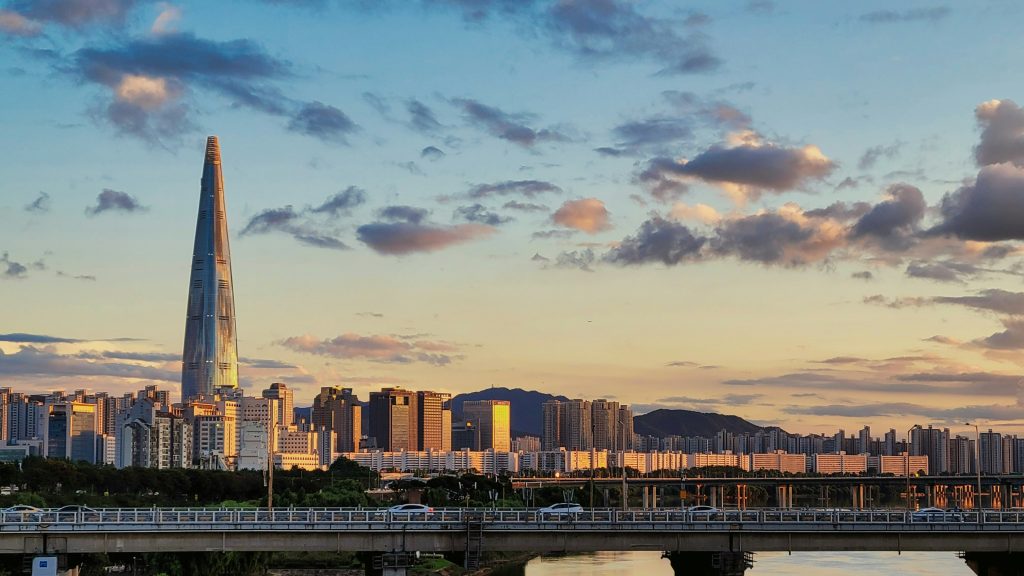
Seoul can make a three-day trip feel like a choice between five different cities. Royal palaces sit only a few subway stops from experimental fashion stores. A museum afternoon can turn into a riverside picnic, while an ordinary-looking building may hide a listening bar, ceramics studio or late-night restaurant upstairs.
That variety is exactly why generic lists of “top attractions” are rarely helpful. You need to know what you will actually do, which experiences are worth the journey and what can be combined without spending half the day underground. The following activities balance essential first-time sights with the parts of Seoul that feel most relevant right now.
1. Visit Gyeongbokgung Palace
Gyeongbokgung is the most practical palace for a first visit. It is visually impressive, centrally located and easy to combine with museums and creative neighborhoods. Arrive close to opening time, walk through the main courtyards and watch the changing-of-the-guard ceremony if it is scheduled that day.
Renting a hanbok can be fun, but it is entirely optional. Do it because the experience appeals to you—not because every palace photo seems to require one. After your visit, continue to MMCA Seoul, Seochon or Samcheong-dong rather than crossing the city for another landmark.
2. Choose Changdeokgung When Landscape Matters More Than Scale
Changdeokgung feels more closely connected to its natural surroundings than Gyeongbokgung. Choose it if gardens, architecture and a quieter pace interest you more than seeing Seoul’s largest palace complex.
Access to the Secret Garden may require timed entry and a separate reservation, so check the official visitor information before building your day around it. Most travelers on a short trip need one major palace—not a rushed checklist of all five.
3. See Contemporary Korean Art at MMCA Seoul
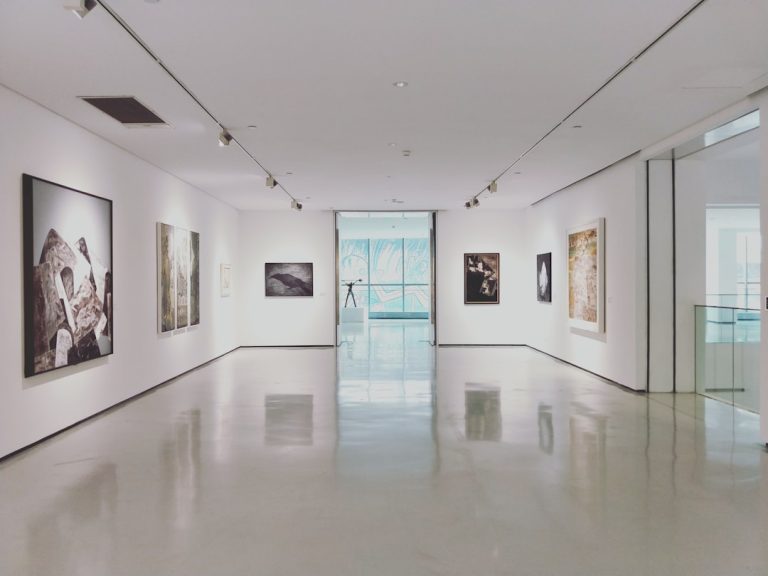
MMCA Seoul is one of the easiest places to experience contemporary Korean art alongside the city’s royal history. Exhibitions rotate between painting, installation, media art and interdisciplinary work, so check the current program instead of visiting simply because the museum appears on a sightseeing list.
Its location also makes a compact art route possible. Gyeongbokgung, MMCA Seoul, Kukje Gallery and Gallery Hyundai can all fit naturally into the same day.
4. Walk Through Seochon Without Chasing One Famous Café
Seochon works best as a neighborhood, not a collection of saved pins. After visiting Gyeongbokgung, wander through its residential lanes, small shops, galleries and bakeries. The appeal lies in seeing how older streets accommodate both everyday businesses and newer creative spaces.
Do not travel here for one viral café and leave immediately afterward. Give the neighborhood a couple of hours and stop somewhere because it genuinely catches your attention—not because it has the longest queue.
5. Explore Ikseon-dong Early—or Accept the Crowds
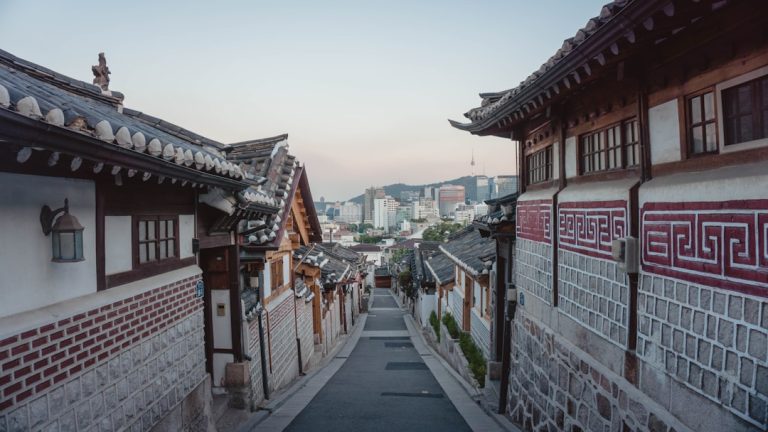
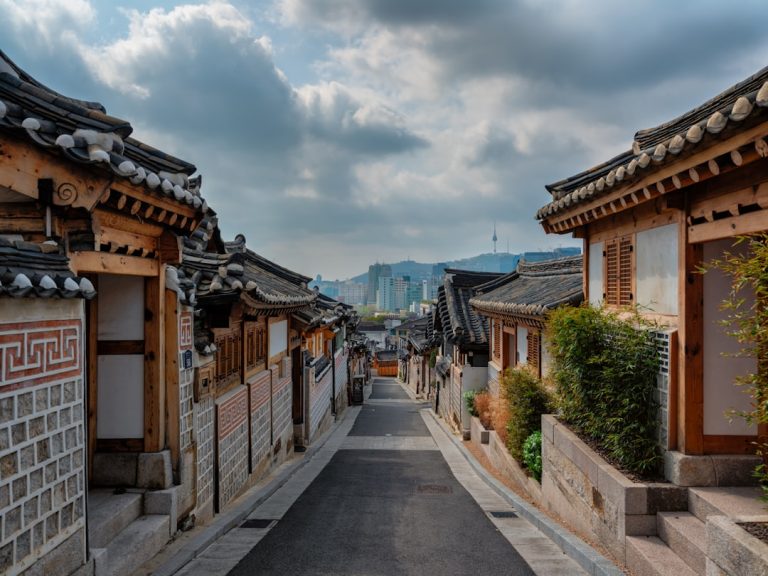
Ikseon-dong combines narrow hanok lanes with restaurants, cafés, boutiques and carefully designed storefronts. It is atmospheric, but it is also commercial, crowded and extremely popular.
Visit earlier in the day if you want more space to walk and take photos. Come later for dinner, busier streets and illuminated lanes. Think of Ikseon-dong as an example of how Seoul reuses older architecture rather than as an untouched traditional village.
6. Check What Is Actually Popping Up in Seongsu
Seongsu changes too quickly for any permanent list of must-visit pop-ups. Fashion, beauty, food and entertainment brands regularly transform former industrial buildings into temporary spaces. The results range from elaborate installations to simple product shops with hour-long queues.
A few days before visiting, check event dates, reservation requirements and recent visitor posts. Choose one or two pop-ups that genuinely match your interests, then explore the neighborhood without trying to complete every viral recommendation.
7. Take a Real Break in Seoul Forest
Seoul Forest is the natural follow-up to a busy morning in Seongsu. Walk along the tree-lined paths, sit down with a drink or continue toward Ttukseom when the weather is comfortable.
You do not need to turn the park into another major attraction. Its value comes from allowing the day to slow down before you return to shops, traffic and queues.
8. Build a Han River Picnic Around Your Route
A Han River picnic is affordable, flexible and easy to fit into a longer day. Yeouido is the most familiar choice, but it is far from the only option. Ttukseom works naturally after Seongsu, while Mangwon is convenient after Hongdae or Mangwon Market.
Pick up gimbap, fried chicken, fruit or convenience-store snacks and arrive before sunset. Bring an extra layer outside the summer months—the riverside can feel noticeably colder and windier than the streets inland.
9. Cycle a Short Section of the Han River
You do not need to plan an ambitious cross-city ride. Rent a bicycle for an hour and follow a manageable section of the riverside path. It gives you open views and a better sense of Seoul’s scale without consuming an entire day.
Avoid the hottest part of the afternoon in summer, and check the rain and wind forecast before setting out. Make sure you understand the rental and return rules, particularly if the bicycle must be returned to a designated docking station.
10. Join a Workshop and Make Something
Fragrance blending, ceramics, mother-of-pearl crafts, jewelry making and traditional knot workshops turn a sightseeing day into something more participatory. They also work well for solo travelers because the session provides structure without requiring a private group.
Before booking, confirm the teaching language, material fees and what happens to the finished object. Ceramics may need to be fired and shipped later, so do not assume you can take everything with you immediately.
11. Try Personal Color Analysis With Realistic Expectations
Personal color analysis has become one of Seoul’s most recognizable beauty experiences. During a session, a consultant compares different tones near your face and recommends colors for clothing, makeup and jewelry.
Book an English-language appointment and check whether the consultation is private or shared. Treat the results as inspiration—not as an instruction to replace your wardrobe or purchase every product recommended afterward.
12. Shop in Hongdae, Then Leave the Main Street
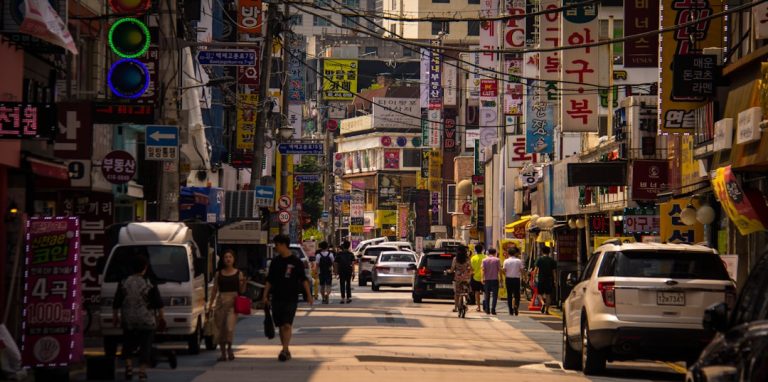
Hongdae is convenient for affordable fashion, accessories, beauty products, photo booths, arcades and evening entertainment. However, its busiest streets can quickly begin to feel repetitive.
When you want independent stores and a slower pace, walk toward Yeonnam-dong or explore the smaller lanes around the district. Hongdae usually becomes more interesting later in the day, once shops, performances and nightlife are fully active.
13. Take Self-Service Photos Instead of Buying Another Souvenir
Photo booths are inexpensive, quick and firmly embedded in the social landscape of neighborhoods such as Hongdae, Seongsu and Gangnam. Choose a frame, add props if you want and leave with a printed photo strip that feels more personal than another generic magnet.
For a more polished result, book a self-service portrait studio with professional lighting and a remote shutter. You still control the photographs, but the final images feel closer to a studio shoot.
14. Eat Your Way Through One Market, Not Three
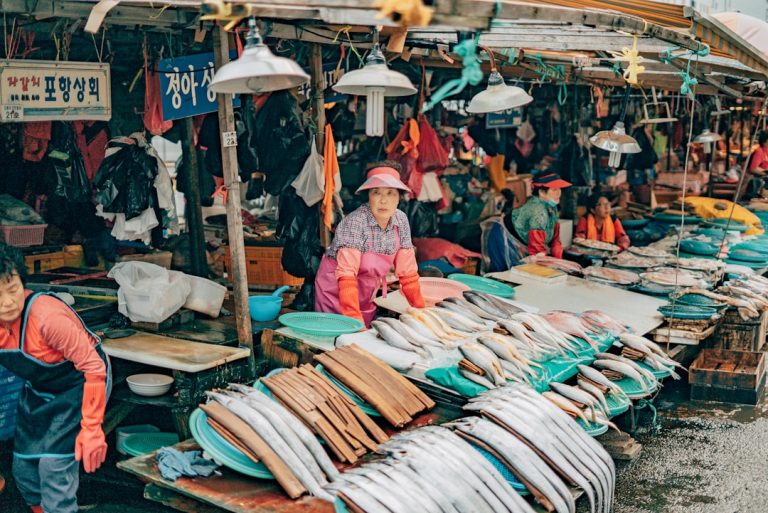
Gwangjang Market is central, busy and easy for first-time visitors to navigate. Mangwon Market is smaller and makes more sense if you are already spending time in western Seoul. Neither is automatically better simply because someone describes one as “local” and the other as “touristy.”
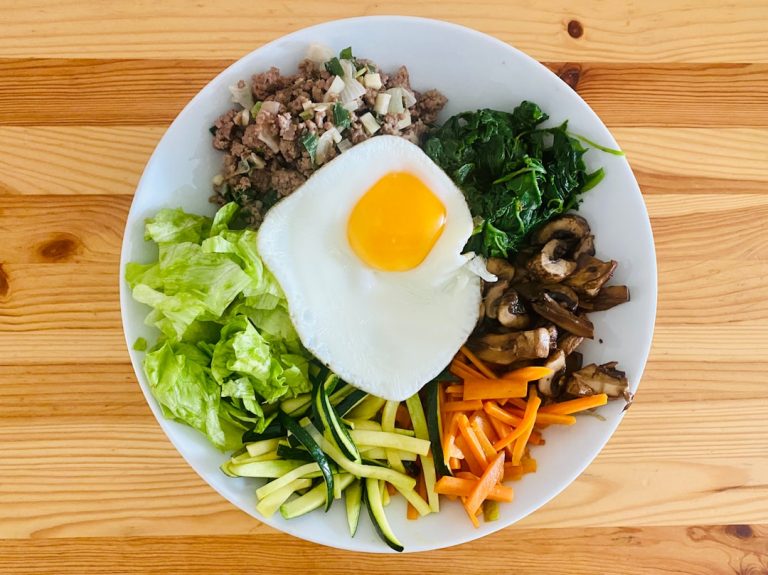
Choose the market that fits your route, look for visible prices and prioritize stalls with steady food turnover. Sample a few dishes instead of trying to eat every item that has recently gone viral.
15. Walk a Section of the Seoul City Wall
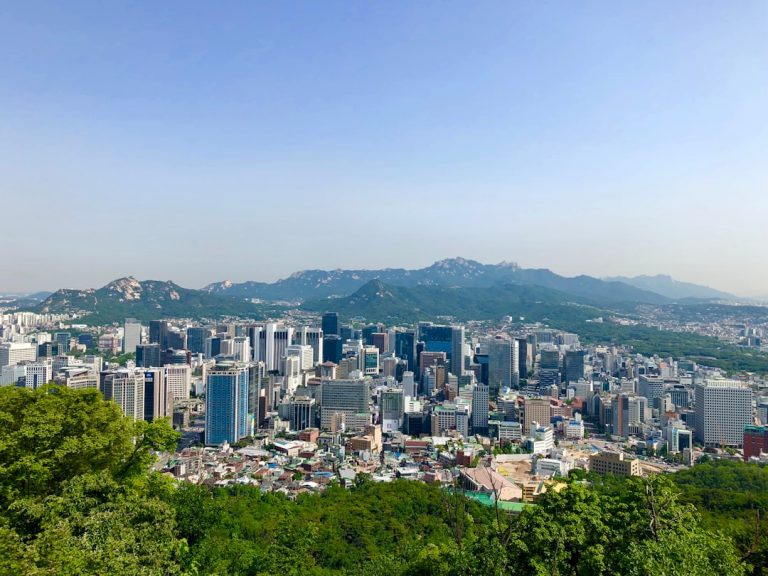
The Seoul City Wall offers skyline views while keeping you connected to the neighborhoods below. Naksan is one of the more approachable sections, while Inwangsan provides broader views but involves a steeper climb.
Choose a route that suits your fitness level and the available daylight. Wear shoes with reliable grip, avoid icy or stormy conditions and remember that a short distance on the map does not necessarily mean a flat or effortless walk.
16. Browse Dongmyo With a Small Challenge
Dongmyo becomes more enjoyable when you give yourself a purpose. Look for one vintage accessory, try to build an outfit within a fixed budget or search for an old Korean magazine, record or unusual household object.
The market is less polished than a curated vintage store, and that is part of the experience. Inspect clothing carefully, test electronics when possible and carry some cash. The search itself is the activity; you do not need to buy anything.
17. Watch a Korean Baseball Game
Korean baseball is easy to enjoy even if you do not follow the league. The crowd sings, performs chants for individual players and treats food as an essential part of the event.
Check the current season schedule, stadium and authorized ticketing options before going. Sit close to the cheering section for maximum energy, or choose seats slightly farther away if you would prefer to observe before joining in.
18. Spend the Evening at a Listening Bar or Live House
Seoul nightlife does not have to involve a large club. Listening bars, jazz venues and independent live houses offer more music-focused evenings, while coin noraebang provides an inexpensive activity for friends and solo travelers.
Venues and performance schedules change quickly, so rely on current listings rather than an old roundup. Check the program before traveling across the city for a particular space.
19. Visit a Jjimjilbang on a Slow or Cold Day
A jjimjilbang may include gender-separated bathing areas, shared relaxation rooms, saunas, food and resting spaces. It is especially appealing during winter or after several walking-heavy days.
Read the etiquette before arriving. Bathing areas generally require nudity, while the shared zones are entered wearing the clothing provided by the facility. Amenities, operating hours and overnight policies vary, so check recent information for the specific location you plan to visit.
20. Leave One Half-Day Unplanned
Leaving part of your itinerary open is not a failure to plan—it is a practical decision. Seoul’s exhibitions, pop-ups and cultural programs change quickly, while weather and energy levels can change even faster.
Keep one half-day free of reservations. Use it for a new opening, a neighborhood you want to revisit, a rainy-day museum or simply a slower lunch. Flexibility prevents an ambitious Seoul trip from feeling like a schedule you have been hired to complete.
How to Fit These Activities Into Your Trip
Group experiences by area. Combine Gyeongbokgung, MMCA Seoul and Seochon; connect Seongsu, Seoul Forest and Ttukseom; or place Hongdae, Yeonnam-dong and Mangwon within the same day. This reduces unnecessary transfers and gives each day a clearer character.
If you have only three days, choose one historic morning, one contemporary neighborhood, one participatory activity and one evening experience. You do not need to fit all twenty ideas into a single trip.
Final Thoughts
The best things to do in Seoul are not necessarily the places with the longest queues. A strong first visit combines one essential historic site with the city’s contemporary art, design, food, outdoor spaces and nightlife.
Choose experiences that match how you already enjoy spending your time. Organize them geographically, then leave enough room to notice what was not on your original list. Seoul is too large—and changes too quickly—to be completed in one visit.