Seoul is easy to cross on a subway map and surprisingly tiring to cross in real life. Large stations, uphill exits and one “quick” stop on the opposite side of the Han River can quietly take over an afternoon. The most useful five-day plan is therefore not the one with the longest list. It is the one that gives every day a geographical center and tells you what to remove when weather, jet lag or your feet disagree.
This itinerary assumes five complete sightseeing days. If your flight arrives on Day 1 or leaves on Day 5, use the compressed arrival-and-departure version near the end.
5-Day Seoul Itinerary at a Glance
| Day | Area | Main route | Walking | Rainy-day swap |
|---|---|---|---|---|
| Day 1 | Jongno | Gyeongbokgung → Bukchon → Insadong → Ikseon-dong | High; hills and palace grounds | National Folk Museum and MMCA Seoul |
| Day 2 | Central Seoul | Gwangjang → Cheonggyecheon → Namsan → Myeongdong | Medium–high; optional climb | History museum and indoor shopping |
| Day 3 | East Seoul | Seoul Forest → Seongsu → Ttukseom | Medium; mostly flat | Seongsu cafés, shops and galleries |
| Day 4 | Mapo | Mangwon → Yeonnam → Hongdae | Medium; flexible | Market, cafés, shopping and noraebang |
| Day 5 | Gangnam | Bongeunsa → COEX → Sinsa or Apgujeong | Medium | Almost entirely indoors |
The days do not need to match the order of your calendar. Gyeongbokgung is normally closed on Tuesdays, and a clear afternoon is more valuable for Namsan than loyalty to “Day 2.” Check current opening information shortly before you go, then move the day blocks rather than dismantling the route inside them.
Before You Start: Three Things That Make This Route Easier
For a deeper comparison of bases, use the low-stress guide to where to stay in Seoul. For subway cards, airport transfers and station etiquette, the separate Seoul transportation guide covers the practical details without turning this itinerary into a transit manual.
Day 1: Royal Seoul, Without the Backtracking
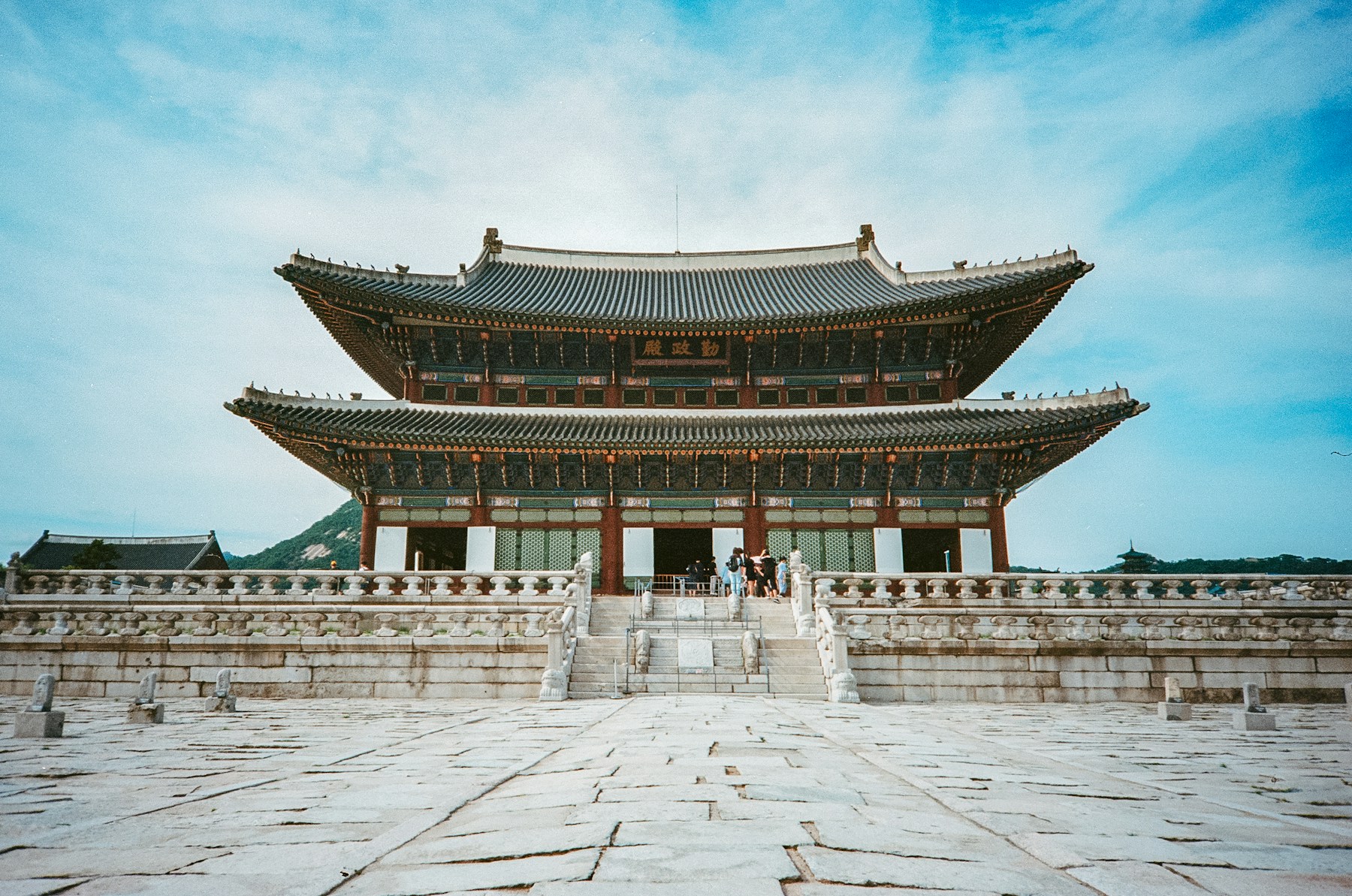
Morning: Give Gyeongbokgung about two hours
Arrive near opening time, before tour groups spread through the first courtyards. The palace becomes more legible when you move beyond the main throne hall toward the quieter residential buildings and garden edges. A hanbok rental can be enjoyable, but the fitting, changing and photography time can easily add an hour; choose it because you want that experience, not because a palace visit requires it.
If Gyeongbokgung is closed, substitute Changdeokgung and keep the rest of the day in Jongno. Trying to cover several major palaces in one morning usually produces more gates than understanding.
Lunch: Eat before climbing into Bukchon
Have lunch around Anguk, the eastern palace edge or the lower Bukchon streets. Seochon is worthwhile, but placing it between Gyeongbokgung and Bukchon creates a west-then-east detour. Treat Seochon as an optional branch for travelers who prefer food and cafés to hanok viewpoints, rather than forcing both neighborhoods into the same afternoon.
Afternoon: Walk Bukchon as a neighborhood, not a set
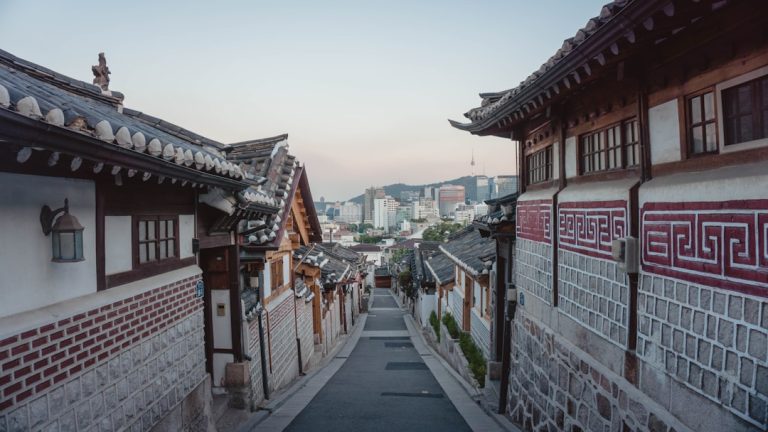
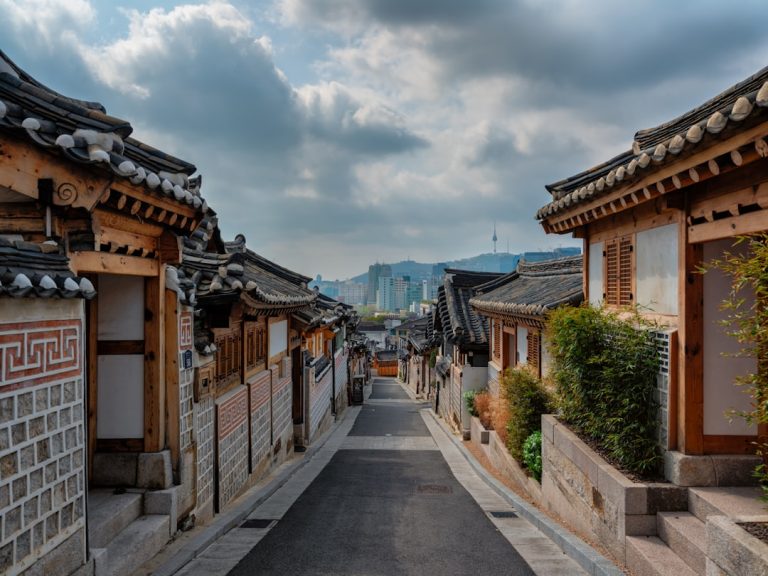
Bukchon remains a residential area. In the designated restricted zone, visitor access is limited to 10 a.m.–5 p.m.; follow local signs, keep voices low and do not block doors. The steepest lanes are not mandatory. Choose one or two viewpoints, then descend toward Insadong before the walking becomes a test of character.
Evening: Insadong, then Ikseon-dong if energy remains
Insadong works best as a slow transition: crafts, handmade paper, tea and small galleries before dinner. Continue to Ikseon-dong for a compact evening in the hanok lanes, but expect narrow passages and queues. If the crowd feels dense, eat on the outer streets instead of waiting for the restaurant with the most phones pointed at it.
Day 2: Gwangjang Market, Cheonggyecheon, Namsan and Myeongdong
Late morning: Taste Gwangjang before peak lunch
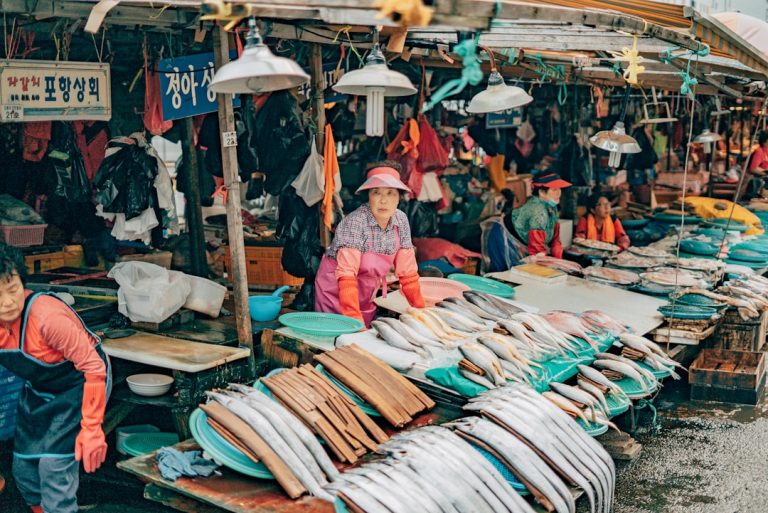
Arrive hungry, but share portions if you want to sample several foods. Bindaetteok, gimbap, dumplings and noodles are easy starting points. Check prices before ordering, pick a stall with steady turnover and resist treating the market as a checklist. A meal you finish is generally a better idea than six bites chosen for their fame.
If crowds or noise feel intense, turn this into a short tasting stop. Cheonggyecheon provides a calmer reset a few minutes away, while the Seoul restaurant guide offers less compressed meal options for another evening.
Early afternoon: Follow the stream west
Walk a manageable section of Cheonggyecheon rather than trying to cover it end to end. The path is useful connective tissue between busy streets, but summer heat, winter cold or heavy rain changes the appeal quickly. On a difficult-weather day, move indoors at the National Museum of Korean Contemporary History or Seoul Museum of Art.
Late afternoon: Let visibility choose your Namsan plan
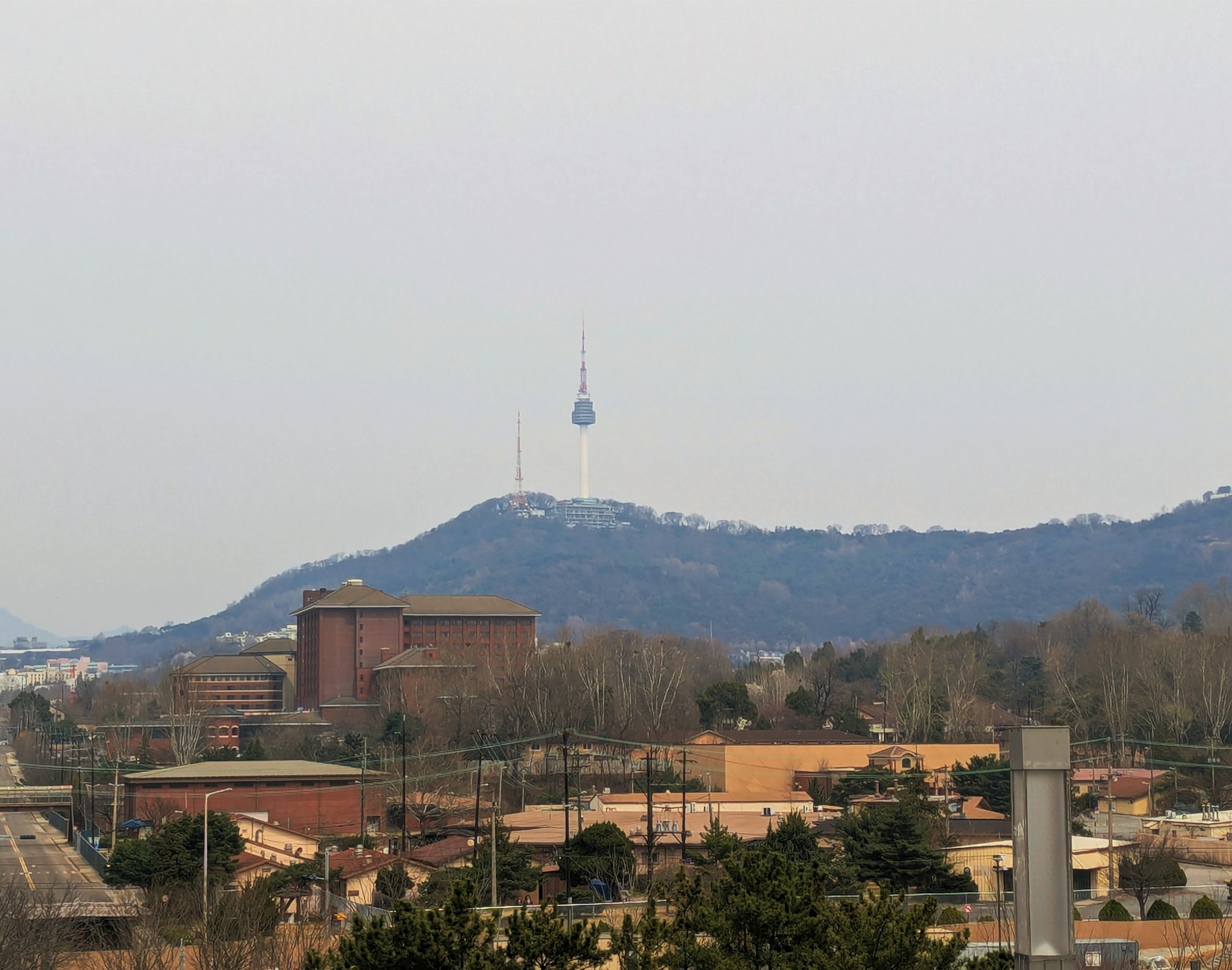
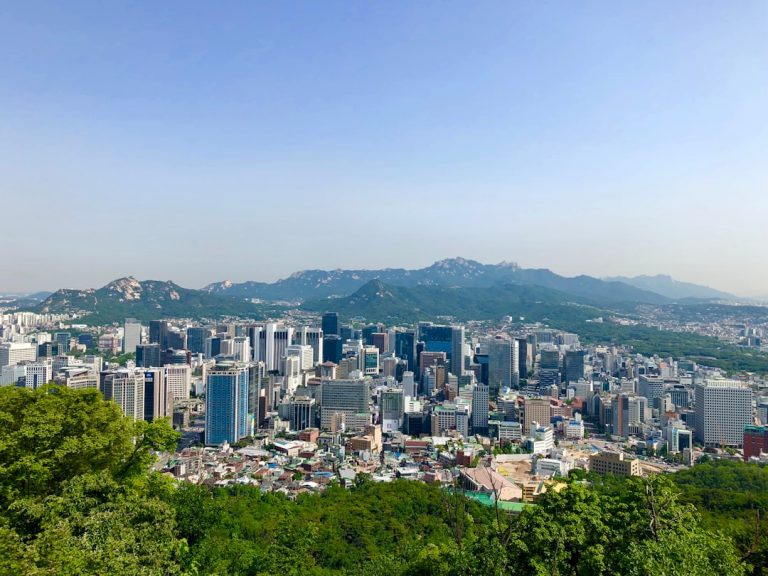
N Seoul Tower is a recognizable viewpoint, but the observatory is not the only reason to go up. You can walk in the park, use a bus toward the upper area or take the cable car when operating. Slopes and stairs add up; use the forecast and your knees, not itinerary pride, to decide.
Evening: Shop Myeongdong with a short list
Myeongdong is convenient because food, pharmacies, cosmetics and transit sit close together. Browse once before buying from the first stall, compare prices and keep receipts if you plan to use a tax-refund process. Return to your hotel early if Day 1 is still present in your calves.
Day 3: Seoul Forest, Seongsu and a Han River Evening
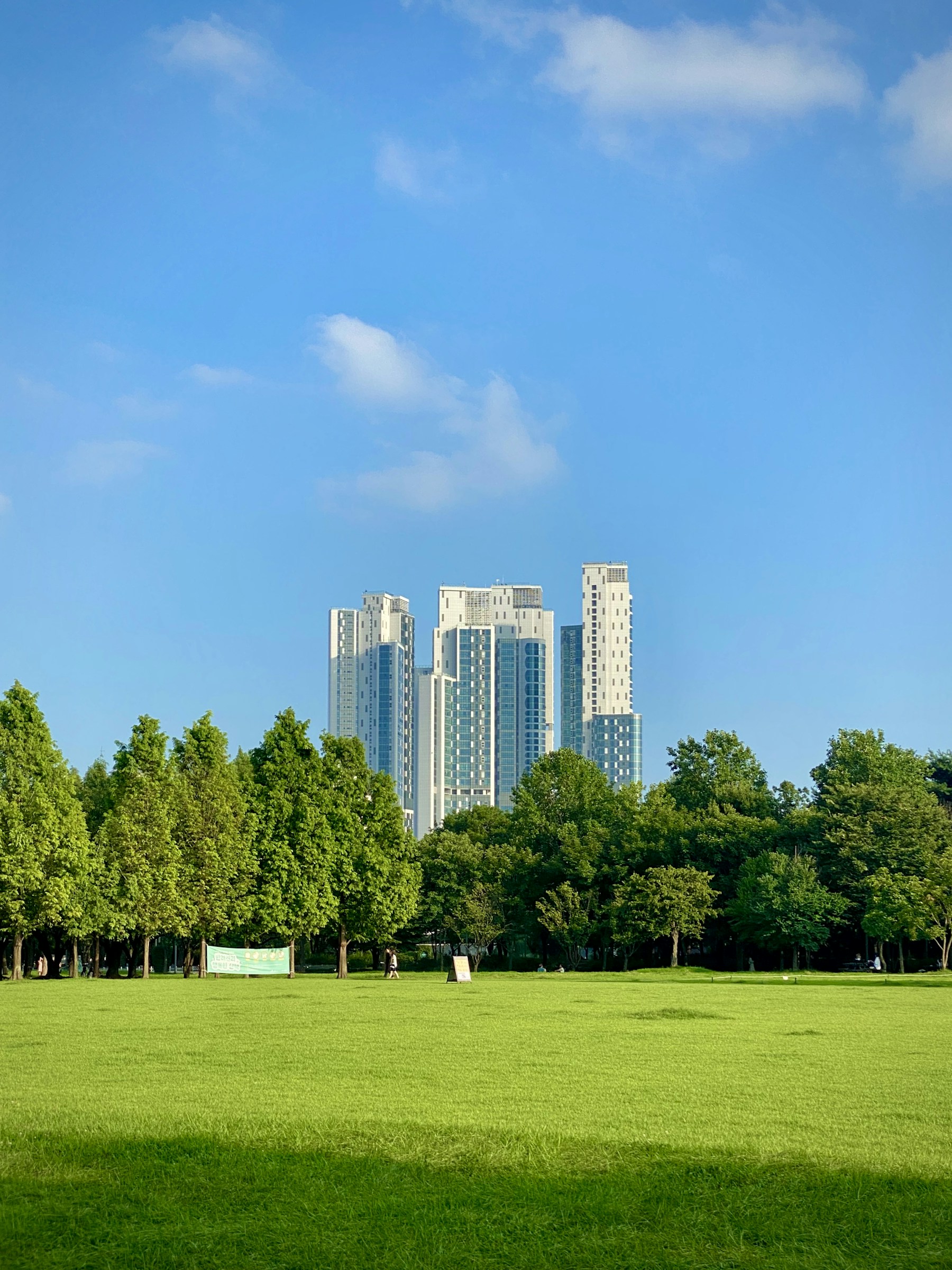
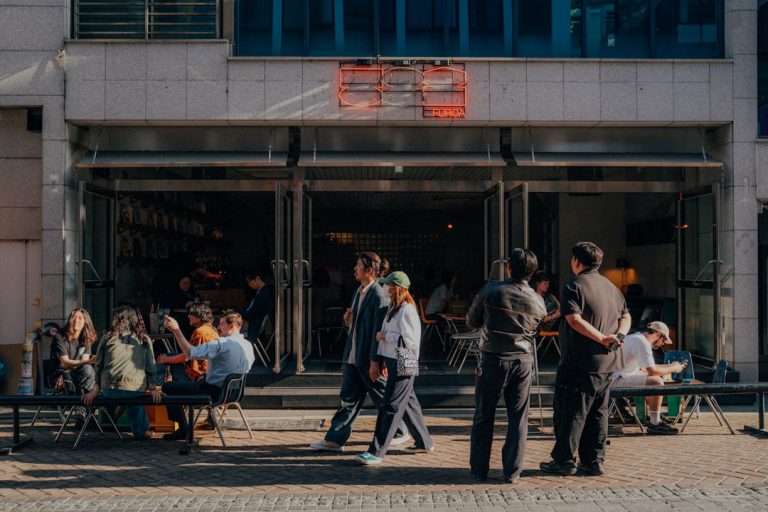
After two landmark-heavy days, east Seoul supplies a different rhythm. Start with a calm loop through Seoul Forest, then move into Seongsu as its cafés, shops and pop-ups begin to wake up. The area rewards selective wandering more than a rigid saved-pin campaign.
Late morning and afternoon: Use a three-stop rule in Seongsu
Build the afternoon around one café, one shop cluster and one proper lunch. Storefronts and pop-ups change quickly, so save two or three current options in Naver Map and accept substitutions when queues are long. The point is to experience the converted workshops, fashion and design culture—not recreate someone else’s reel frame by frame.
If contemporary Seoul is a priority, add ideas from cool things to do in Seoul for young adults. Keep the extra choices in your map rather than squeezing all of them into today.
Evening: Choose Ttukseom, not “the Han River”
The river is long. Ttukseom Hangang Park fits this route because it keeps the return journey on the east side; Yeouido is better saved for a west-side day. Check the sunset and weather, bring a layer, and make the picnic optional. During monsoon rain or winter cold, an indoor evening around Seongsu, Konkuk University or Jamsil is the sensible version of the plan.
Day 4: Mangwon Market, Yeonnam-dong and Hongdae
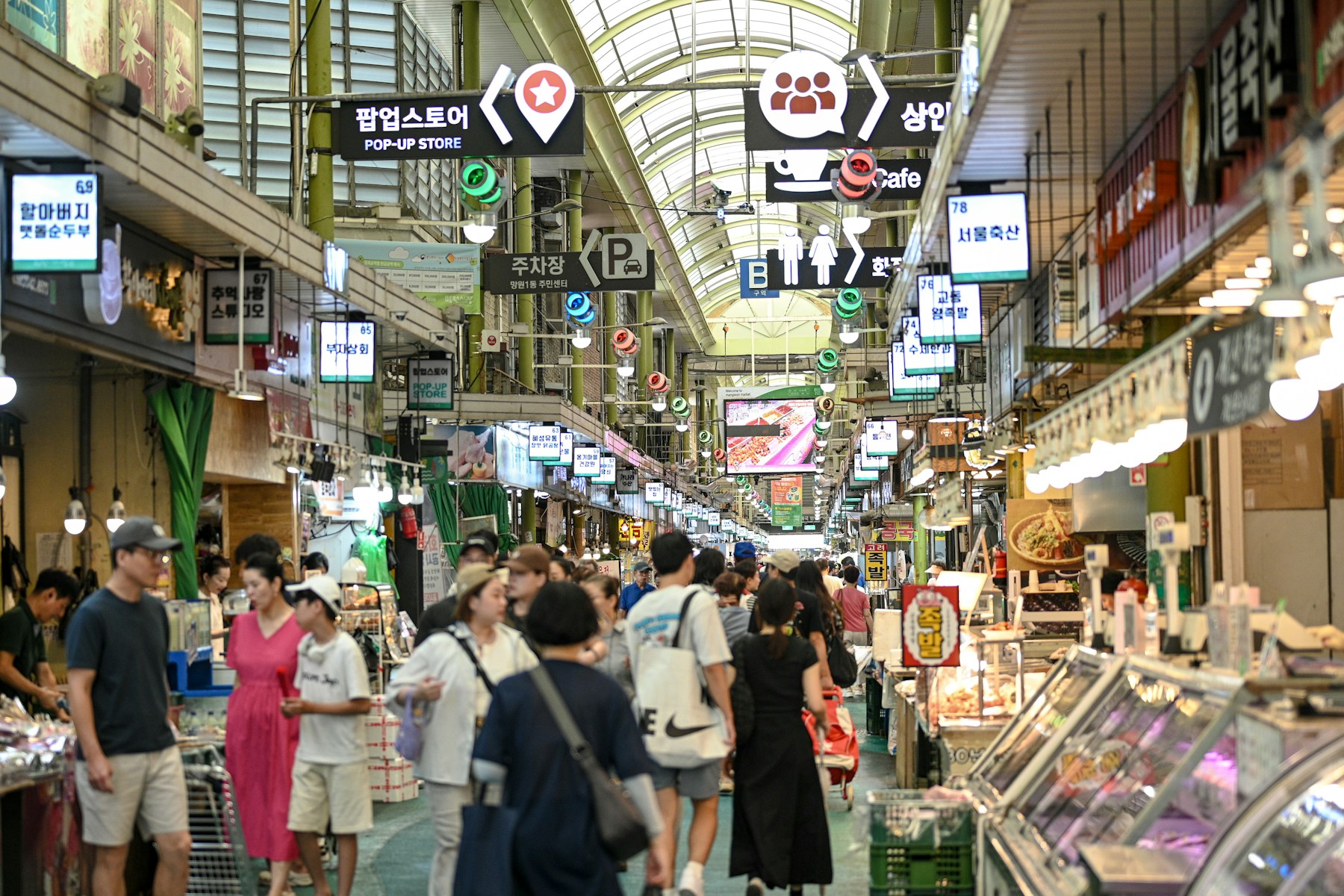
Late morning: Let Mangwon be lunch
Mangwon feels more manageable than Seoul’s larger headline markets. Walk the aisle once, notice what people are ordering and then choose a few things you can comfortably finish. Use designated disposal points and avoid stopping directly in front of working storefronts. If food is the center of your trip, the guide to must-eat foods in Seoul can help you decide what is worth saving room for.
Afternoon: Give Yeonnam room to be unplanned
Continue by short transit or a longer walk toward Gyeongui Line Forest Park. The park creates an easy spine through Yeonnam, with cafés and small shops branching off it. Choose one side-street cluster instead of zigzagging between distant recommendations. This is also the itinerary’s best laundry, journaling or simple-rest window.
Evening: Hongdae, with an exit plan
Hongdae becomes louder after dark. Browse shops, watch a permitted performance, try a photo booth, have dinner or book a noraebang room. Solo travelers may feel more comfortable starting on the well-lit main streets and saving their route home before the last train. You do not need to remain until midnight to understand the district; Yeonnam offers a softer dinner if the crowds are not your preferred form of entertainment.
Day 5: Bongeunsa, COEX and One Side of Gangnam
Earlier versions of this itinerary offered four equal Day 5 options. That sounds flexible but leaves a first-time visitor making a large decision at the exact moment the guide should be most useful. The default route is now southern Seoul: begin at Bongeunsa Temple, cross into the COEX area, then choose one nearby shopping or dining district.
Morning: Start with Bongeunsa
The temple gives the day a quiet cultural anchor before the scale of COEX. Dress and behave respectfully, check for any current access guidance and allow about an hour unless you are attending a program. The contrast with the convention center across the road is striking enough without resorting to the usual “old meets new” line.
Afternoon: Use COEX as a weather-proof middle
Lunch, shops, exhibitions and Starfield Library make this the itinerary’s easiest rain-safe block. Choose what genuinely interests you; the complex is large enough to consume an afternoon through navigation alone. If the weather is clear and indoor shopping is not your priority, leave earlier for Sinsa, Apgujeong or the river.
Evening: Pick one Gangnam neighborhood
Gangnam is a district, not a single attraction. Sinsa and the streets around Garosu-gil suit an easy café-and-dinner finish; Apgujeong and Cheongdam lean toward fashion, beauty and polished dining. Choose one. Adding Gangnam Station simply because its name is famous usually creates another journey without improving the day.
Use the National Museum of Korea and one nearby Yongsan stop in severe heat, cold or rain.
Choose Bukhansan only with suitable weather, footwear, daylight and a route matched to your ability.
Choose the DMZ or Suwon only when it is a genuine priority; either consumes most of the day.
If Your Five Days Include Arrival and Departure
A five-day trip with two flight days is not the same as five full sightseeing days. Immigration, airport transfer, check-in and jet lag can reduce Day 1 to a single neighborhood; the final day may allow little beyond breakfast and luggage collection.
A realistic compressed version
- Arrival day: check in, eat near the hotel and choose Myeongdong, Insadong or a short Cheonggyecheon walk—one compact area only.
- Full Day 2: Gyeongbokgung → Bukchon → Insadong.
- Full Day 3: Gwangjang Market → Cheonggyecheon → Namsan or Myeongdong.
- Full Day 4: choose Seongsu for design and cafés, or Mangwon–Yeonnam–Hongdae for food and evening energy.
- Departure day: breakfast, one nearby market or museum if time is generous, then leave a deliberate airport buffer.
If your departure is late at night, add only one block from the omitted day—not an entire cross-city itinerary.
How to Make the Itinerary Yours
Keep Gwangjang and Mangwon, reserve one serious dinner, and use the Seoul coffee shop guide to choose cafés near the route rather than across town.
Replace the river evening or COEX with MMCA Seoul, Leeum Museum of Art or the National Museum of Korea, checking current exhibitions first.
Give more time to Hongdae and southern Seoul, and remove a palace-adjacent neighborhood rather than extending every night.
Use buses or taxis for hills, treat Bukchon and Namsan as optional, and build each day around one accessible anchor.
Keep the neighborhood structure, save the hotel in Korean, and decide late-evening plans according to comfort rather than obligation.
Use Day 5 for a researched trail and keep the preceding night quiet. Weather and daylight are part of the route, not footnotes.
Frequently Asked Questions
Are five days enough for Seoul?
Yes. Five full days allow a first-time visitor to see the major historic area, central markets, two contemporary neighborhoods, the Han River and southern Seoul at a manageable pace. Add two or three days if you want several day trips or a much slower museum-heavy visit. The guide to how many days to spend in Seoul compares the tradeoffs.
Should one of the five days be a DMZ tour?
Only when the DMZ is a genuine priority. A tour can occupy most of a day and may be affected by operational changes. Travelers more interested in neighborhoods, food or museums often get more from keeping all five days in Seoul.
Where should a first-time visitor stay?
Myeongdong or Euljiro is the easiest default for a short first trip. Jongno or Insadong suits palace access and calmer evenings; Hongdae or Yeonnam works well for airport rail, cafés and nightlife. Choose the exact station and final walk, not only the neighborhood name.
How much walking does this itinerary involve?
Expect roughly 12,000–18,000 steps on the palace and central days, with less on the Seongsu, Mapo and Gangnam days if you use short transit links. Seoul’s slopes, stairs and large stations can make the effort feel higher than the distance suggests.
Do five days include arrival and departure?
They can, but the route must be compressed. Treat the arrival day as one easy neighborhood, protect the three central full-day routes and keep departure day close to the hotel. Do not count on a full sightseeing day after a long-haul flight.
Final Thoughts
A good Seoul itinerary does not remove spontaneity; it gives spontaneity somewhere sensible to happen. Keep each day geographically coherent, move whole days when closures or weather demand it, and delete the final stop before rushing the first four. Five days will not make Seoul feel finished. They are enough to make the city feel understood—and to leave with a clear idea of what should come next.