Three full days in Seoul are enough for a strong first introduction if you organize each day around one part of the city. This Seoul itinerary for 3 days pairs the historic center with markets and central shopping, then gives you a choice between two modern-neighborhood routes. It covers the essentials without turning the trip into a race between subway stations.
Your 3-Day Seoul Itinerary at a Glance
- Day 1 — Historic Seoul: Gyeongbokgung Palace, Bukchon or Seochon, Insadong, Ikseon-dong, and a relaxed evening around Jongno.
- Day 2 — Central Seoul: Gwangjang Market, Cheonggyecheon, Myeongdong, and Namsan or N Seoul Tower near sunset.
- Day 3 — Modern Seoul: choose Seongsu, Seoul Forest, and Ttukseom Hangang Park, or choose Hongdae, Yeonnam-dong, Mangwon Market, and Mangwon Hangang Park.
Each day has one geographic center of gravity. Optional stops are included, but they are meant to be removed when the weather, crowds, jet lag, or your interests point elsewhere. A calm itinerary is not an incomplete itinerary; it is a plan that still works after real life begins.
Day 1: Historic Seoul Without the Checklist Rush
Morning: Start at Gyeongbokgung Palace
Begin close to opening time at Gyeongbokgung, the most practical palace for a first visit. Give the main courtyards, gates, and pavilions at least 90 minutes; allow longer if you enjoy architecture or plan to join a guided tour. The palace is closed on Tuesdays, and seasonal closing times change, so confirm the official hours before finalizing your day.
Renting a hanbok can make the visit more memorable if the clothing and photography experience genuinely appeal to you. It also adds fitting, return, and photo time. With only three days, choose either a relaxed palace visit or an extended hanbok session rather than pretending both will fit inside a rushed hour.
Late morning: Choose Bukchon or Seochon
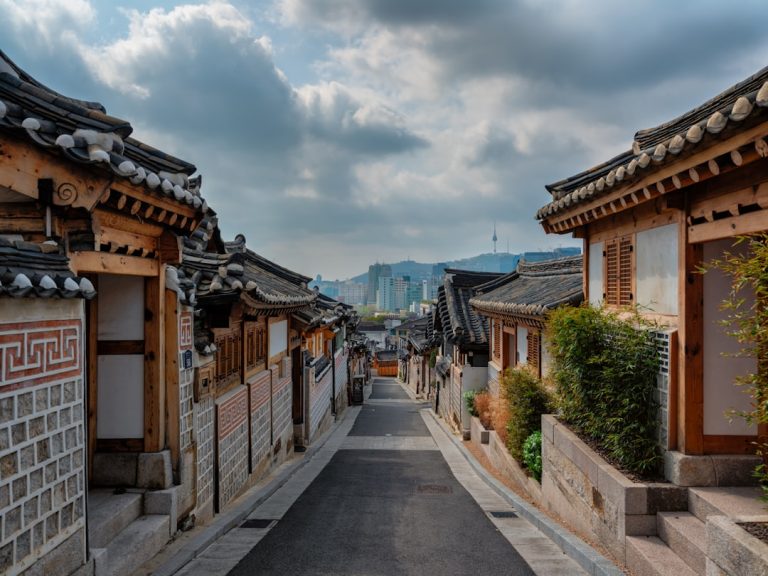
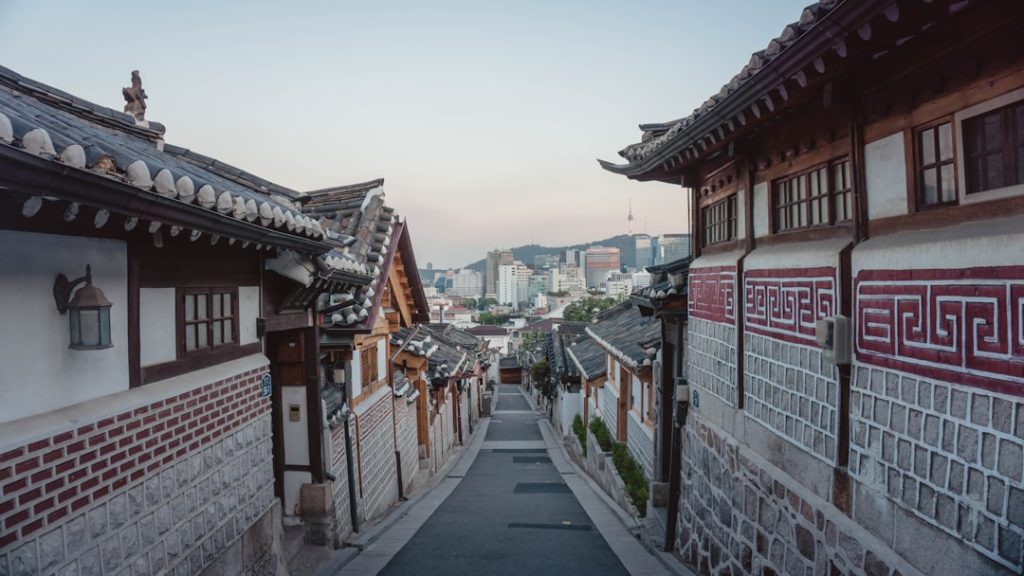
After the palace, choose one nearby neighborhood. Bukchon offers well-known hanok lanes and elevated roof views, but it remains a residential area. In the designated red zone around Bukchon-ro 11-gil, tourist visits are restricted from 5 p.m. to 10 a.m., with enforcement in effect. Visit during permitted hours, keep voices low, and follow posted signs rather than treating every lane as a photo set.
Choose Seochon instead if you prefer smaller shops, bakeries, galleries, and an everyday neighborhood atmosphere. It is a good counterweight to the scale of the palace and requires less performance from the day. You do not need both Bukchon and Seochon on a first morning.
Afternoon: Walk through Insadong and Ikseon-dong
Continue toward Insadong for lunch, traditional crafts, tea, and browsing. Ssamziegil is easy to understand on a first visit, while the side streets are better for slowing down. Nearby Jogyesa Temple can provide a quiet pause, but treat it as an active religious space, not simply another visual stop.
Ikseon-dong works later in the afternoon when you are ready for cafés, small stores, and busier hanok lanes. It is atmospheric but highly commercial and often crowded. If a famous café has a long line, choose another one nearby. The neighborhood experience matters more than completing a saved list.
Evening: Eat around Jongno, Euljiro, or your hotel
Finish in the historic center rather than crossing the city for a second nightlife district. Jongno and Euljiro offer casual restaurants, older commercial streets, and evening energy without a long return journey. A short Cheonggyecheon walk can close the day if your feet still feel good. If they do not, return to the hotel. The first day succeeds when you still have energy for the next morning.
Day 2: Markets, Myeongdong, and a Seoul Night View
Late morning: Eat at Gwangjang Market
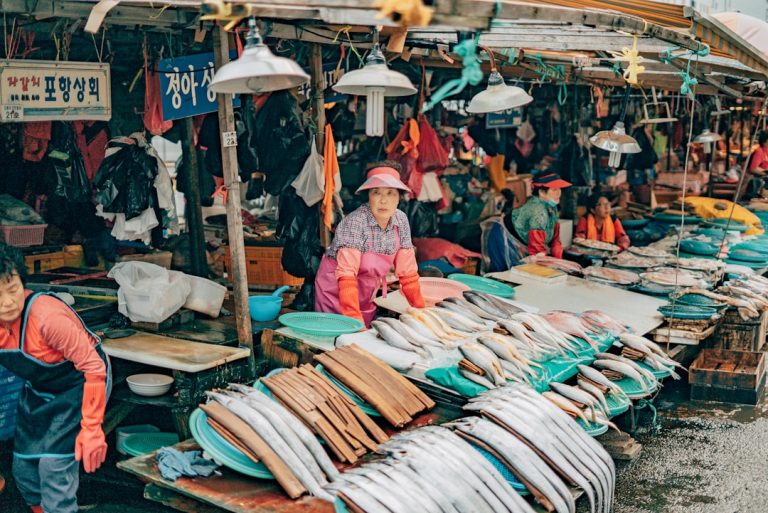
Begin later than Day 1 and use Gwangjang Market as an early lunch stop. Walk through once before ordering, look for visible prices and steady turnover, then choose two or three items rather than attempting a viral-food marathon. Bindaetteok, gimbap, noodles, dumplings, and tteokbokki are common starting points, but menus and opening patterns vary by stall.
If crowded markets feel stressful, eat at a nearby restaurant and visit only for the atmosphere. You do not need to prove your travel credentials at a communal counter. A useful first trip leaves room for your actual comfort level.
Early afternoon: Follow Cheonggyecheon toward central Seoul
From the market area, spend part of the afternoon along Cheonggyecheon or use the subway when the weather is hot, cold, or wet. The stream gives the day an easy transition instead of another isolated attraction. Pause for coffee, a museum, or a longer lunch before entering Myeongdong’s denser shopping streets.
Mid-afternoon: Browse Myeongdong with a limit
Myeongdong is convenient for skincare, cosmetics, fashion, department stores, snacks, and travel basics. Decide what you are actually shopping for before you arrive. A short list and a spending ceiling prevent the afternoon from becoming a sequence of nearly identical stores.
Non-shoppers can substitute Deoksugung, the Seoul Museum of Art, or a longer café break. The point of Day 2 is central Seoul, not compulsory retail. If you do shop, leave enough time to take purchases back to the hotel before the evening climb or cable-car journey.
Sunset and evening: Choose your Namsan experience
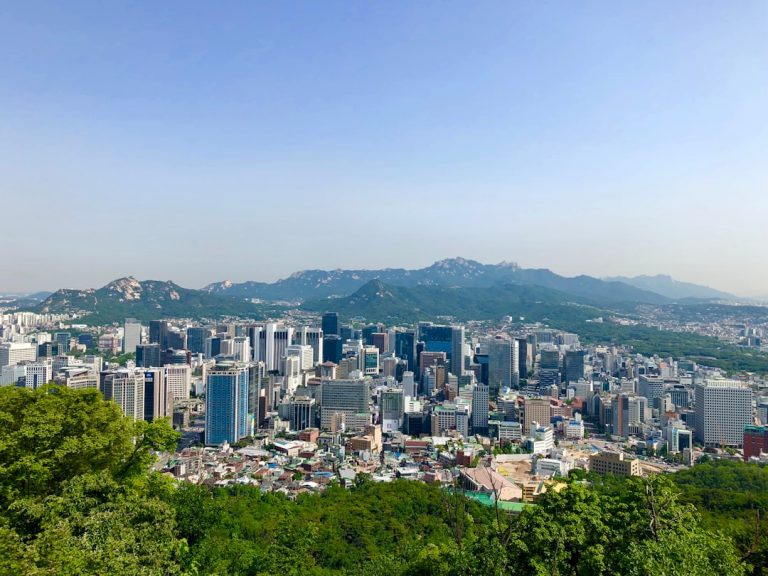
Namsan gives a clear sense of Seoul’s scale. You can walk part of the park, use public transportation, take the cable car, or visit the N Seoul Tower observation deck. These are different experiences with different costs and energy demands; choose one rather than combining every option.
Aim for the transition from daylight to evening, but let visibility guide the decision. On a hazy or rainy day, the view may not justify a paid observation deck. A neighborhood dinner and a slower evening can be the better use of your final hours.
Day 3: Choose the Modern Seoul You Actually Want
Your final day should reflect your interests, not someone else’s definition of modern Seoul. Lush Nomad’s guide to the best things to do in Seoul can help you identify swaps, while the list of cool things to do in Seoul for young adults is useful if you want participatory experiences such as self-photo studios, personal-color analysis, baseball, or coin noraebang.
Route A: Seongsu, Seoul Forest, and Ttukseom
Choose Route A for design, cafés, fashion, rotating pop-ups, and a calmer riverside finish. Start in Seongsu in the late morning; many shops and cafés make more sense after the early commuter hours. Check current pop-up dates and reservation rules shortly before visiting, then pick one or two rather than building the whole day around temporary events.
Move to Seoul Forest when you need space from queues and storefronts. The park is not a task to complete. Sit, walk, or have a drink, then continue toward Ttukseom Hangang Park if the weather is comfortable. A simple riverside meal or picnic near sunset gives the trip a softer final chapter.
Do not add COEX, Jamsil, Hongdae, and Namsan to the same day. They may look connected on a list of modern attractions, but transfers and station exits create a much heavier route than the map suggests.
Route B: Hongdae, Yeonnam-dong, Mangwon, and the river
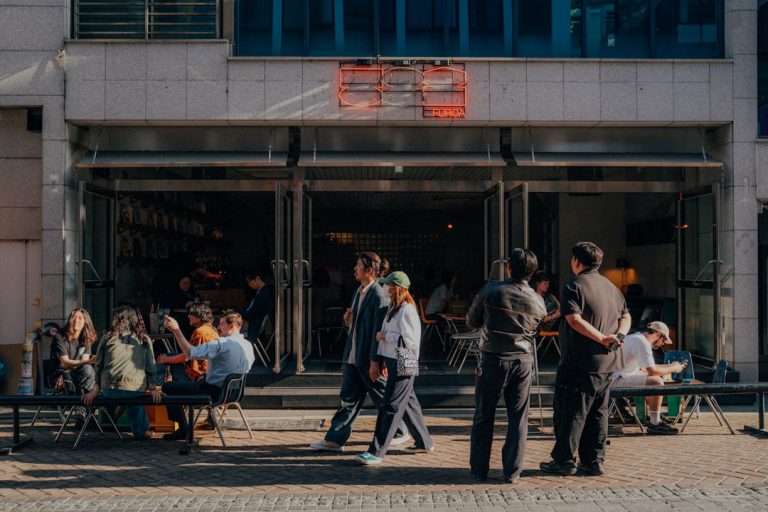
Choose Route B for accessible shopping, cafés, street energy, photo booths, casual entertainment, and nightlife. Start in Yeonnam-dong or around the Gyeongui Line Forest Park, then move toward Hongdae as the area becomes livelier in the afternoon.
Continue to Mangwon Market if food browsing interests you, or skip directly to Mangwon Hangang Park for a riverside break. This route works well for travelers who want the final evening to stay active. Coin noraebang, a self-photo booth, a casual bar, or a small live venue can extend the night without requiring a rigid reservation.
If you are staying in Hongdae, Route B also reduces the risk of finishing the trip with a long late-night transfer. If you are based in Myeongdong or Insadong and prefer an earlier finish, Route A may feel calmer despite the ride east.
Where to Eat Without Overplanning Every Meal
Plan one food anchor per day and leave the other meals flexible. On Day 1, that anchor might be a traditional lunch around Insadong. On Day 2, it is Gwangjang Market or a nearby alternative. On Day 3, choose a café, market, or riverside meal that fits your selected neighborhood.
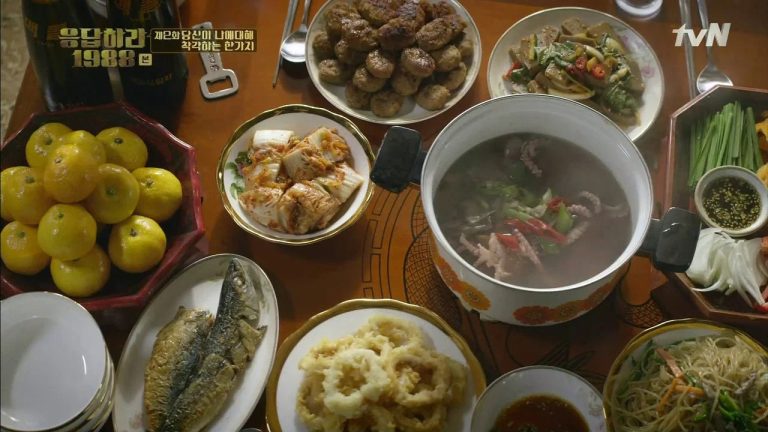
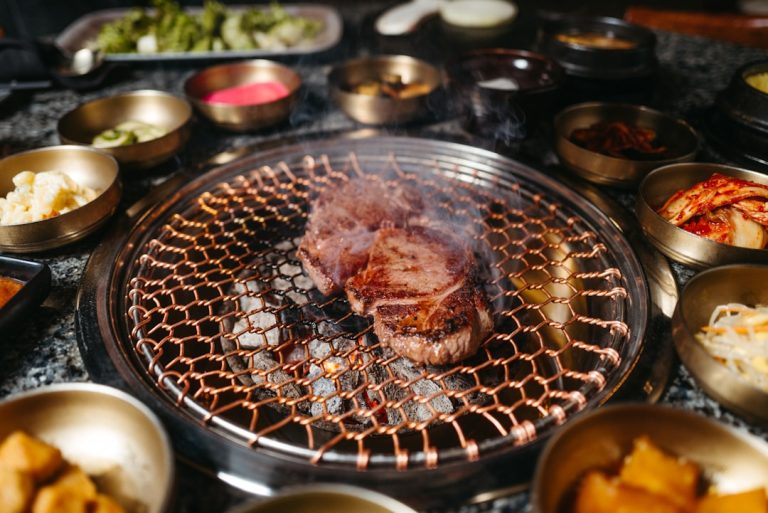
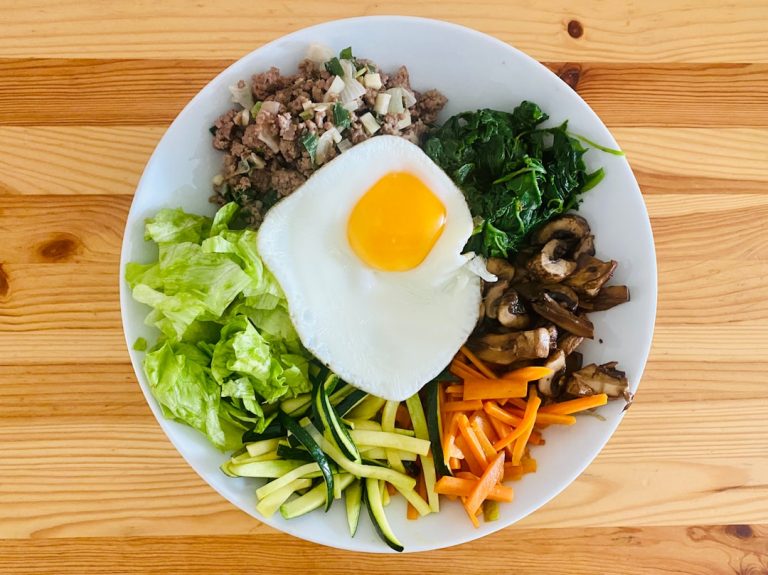
Save a few dish names rather than one famous restaurant. Bibimbap, kalguksu, gimbap, mandu, Korean barbecue, fried chicken, and soups or stews give you multiple ways to eat without crossing Seoul for a single address. If you travel alone, counters, markets, food halls, noodle shops, convenience stores, and cafés can reduce the pressure of ordering a large shared meal.
Check recent hours and reviews on a local map app on the day you visit. Seoul’s restaurant and café scene changes quickly, and a social post from last year is not a reservation. Keep a second option within the same neighborhood.
Frequently Asked Questions
Is 3 days enough in Seoul?
Yes, three full days are enough for a focused first introduction to Seoul. You can experience the historic center, a market, central shopping or museums, a city view, and one modern-neighborhood route. Three days are not enough to cover every major district, multiple day trips, K-beauty appointments, nightlife, hiking, and extensive shopping without rushing.
Should I stay in Myeongdong or Hongdae for this itinerary?
Choose Myeongdong for the easiest access to Days 1 and 2 and a simpler first-time sightseeing base. Choose Hongdae if cafés, shopping, nightlife, and airport rail access matter more, and you do not mind longer trips to the historic center.
Is the 3-day Climate Card automatically the best choice?
No. It can be good value for frequent travel within the covered Seoul network, but it is not valid for every route or service. Compare the current price, physical-card cost, activation rules, service boundaries, and your likely number of rides with a rechargeable Tmoney card.
Should I use one of my three days for the DMZ?
Only if the DMZ is one of your main reasons for visiting Korea. A tour uses a substantial part of a day and should replace a Seoul day rather than being added to an already full schedule. Verify current tour access, identification requirements, and cancellation policies before booking.
Can I visit Bukchon early in the morning?
Not in the designated red-zone streets during restricted hours. Current Seoul guidance bars tourist visits in that zone from 5 p.m. to 10 a.m. Visit after 10 a.m., follow local signs, and remember that the wider neighborhood includes residents going about ordinary life.