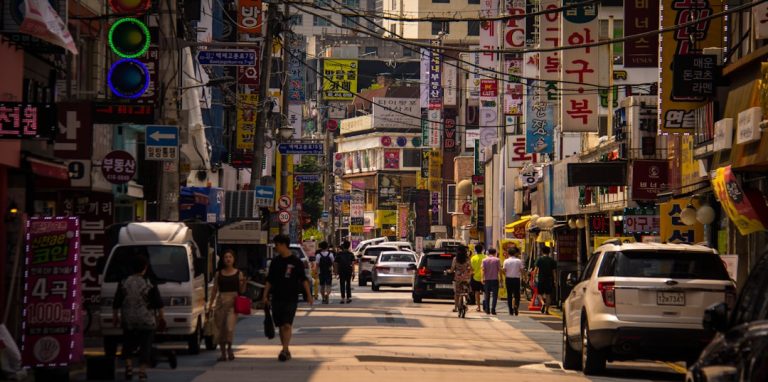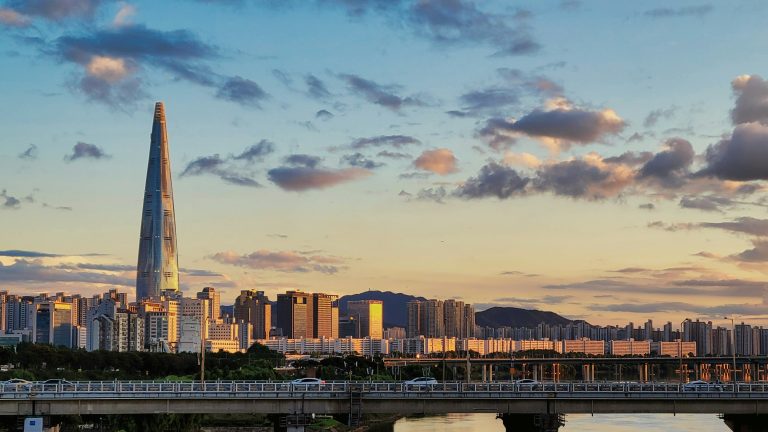
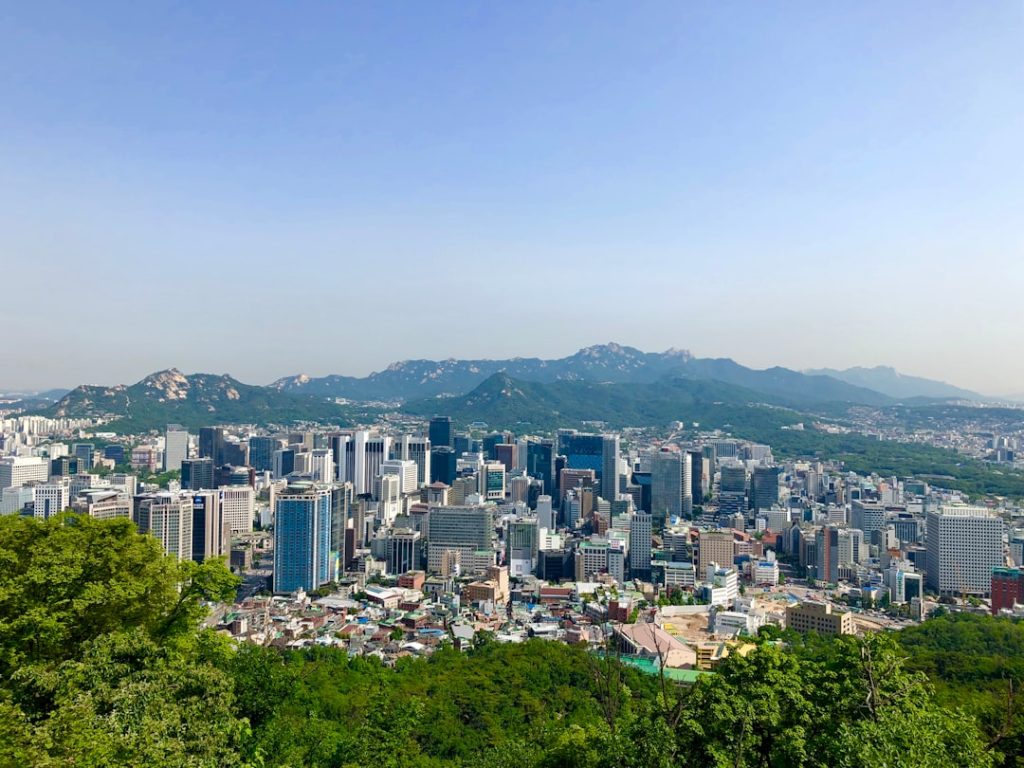
Seoul is the kind of city that looks manageable on a map but feels much bigger once you start exploring. Its palaces, markets, museums, shopping districts, café neighborhoods, and nightlife areas are spread across the city, and getting from one area to another often takes longer than first-time visitors expect.
So, how many days should you spend in Seoul?
For most first-time visitors, 5–6 full days is ideal. That gives you enough time to visit the essential landmarks, explore several very different neighborhoods, enjoy Seoul’s food and shopping scenes, and still leave a little room for spontaneous plans.
If you are traveling from the United States primarily to visit Seoul, reserve 6–7 calendar days for the trip. Your arrival day may be shortened by the long flight, the journey from Incheon International Airport, hotel check-in, and jet lag, so it should not be treated as a normal sightseeing day.
The Short Answer
Here is a practical way to choose the right length of stay:
| Time in Seoul | What the trip will feel like |
| 2–3 days | Best for a concert, business trip, stopover, or another specific purpose, with time for one to three major attractions |
| 4 days | Enough for the classic highlights, but relatively fast-paced |
| 5–6 days | The best balance for most first-time visitors |
| 6–8 days | Enough to combine Seoul with two or three nights in Busan or Gyeongju |
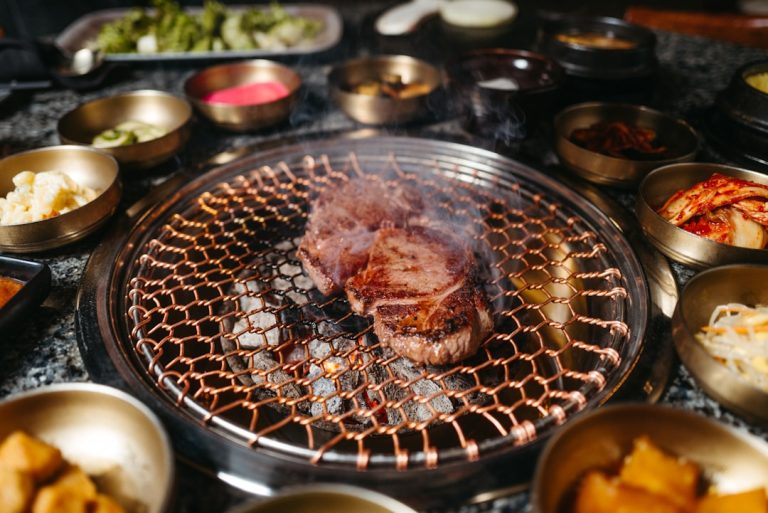
There is no perfect number for every traveler. Someone who mainly wants to visit the palaces and shop in Myeongdong will need less time than someone interested in K-beauty appointments, café hopping, nightlife, museums, hiking, pop-up stores, and local neighborhoods.
Still, for a first visit from the United States, five or six full sightseeing days gives Seoul enough room to feel like a destination rather than a rushed stopover.
Why Seoul Deserves 5–6 Full Days
The biggest challenge is not simply the number of attractions. It is how spread out they are.
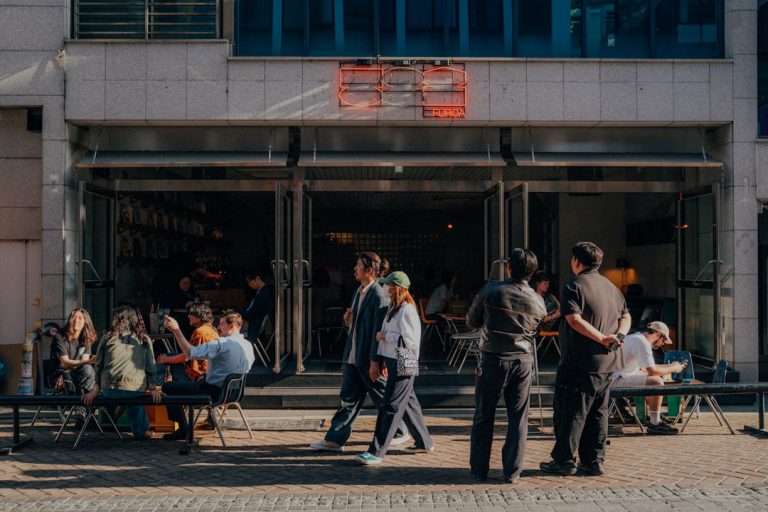
Historic Seoul is concentrated around Jongno, where you will find major palaces, traditional neighborhoods, temples, and Insadong. Hongdae and nearby Yeonnam-dong have a completely different atmosphere, with independent stores, cafés, nightlife, and a younger crowd. Seongsu is known for fashion, pop-up stores, and contemporary café culture, while Gangnam and Jamsil offer modern attractions, major shopping centers, and skyline views.
All of these areas may appear on a list of must-see places in Seoul, but they do not fit comfortably into one or two days.
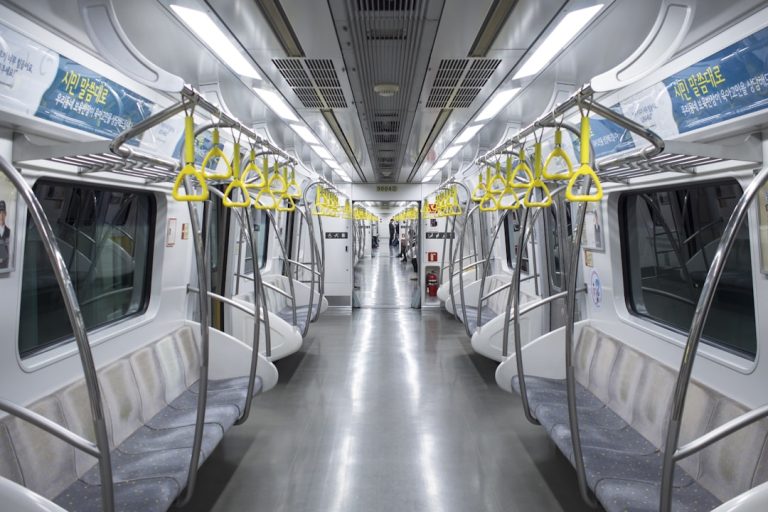
Seoul’s subway system is efficient, but traveling between neighborhoods can still take 30–60 minutes once transfers, walking, and finding the correct station exit are included. Popular cafés and restaurants may also have long lines, while shopping and beauty appointments rarely fit neatly into a strict sightseeing schedule.
Five or six days allows you to group nearby places together, stay longer in the neighborhoods you enjoy, and experience the city without constantly rushing toward the next attraction.
A Recommended 5-Day Seoul Itinerary
A good Seoul itinerary should be organized around neighborhoods rather than a long list of unrelated attractions. The following plan is intentionally flexible, allowing you to adjust each day around your interests, energy level, and the weather.
Day 1: Historic Seoul
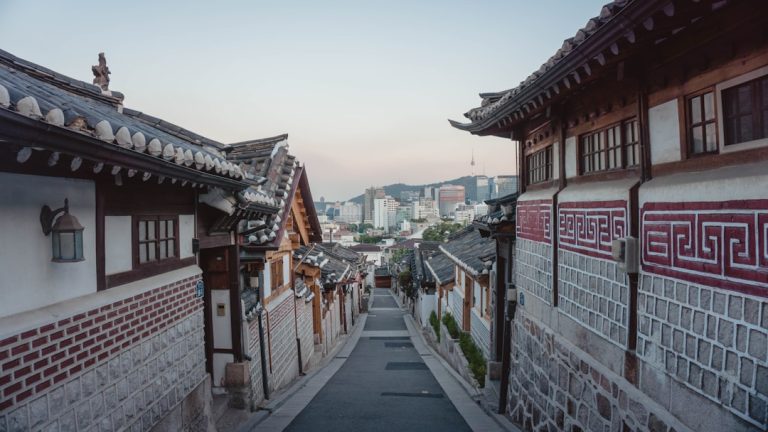
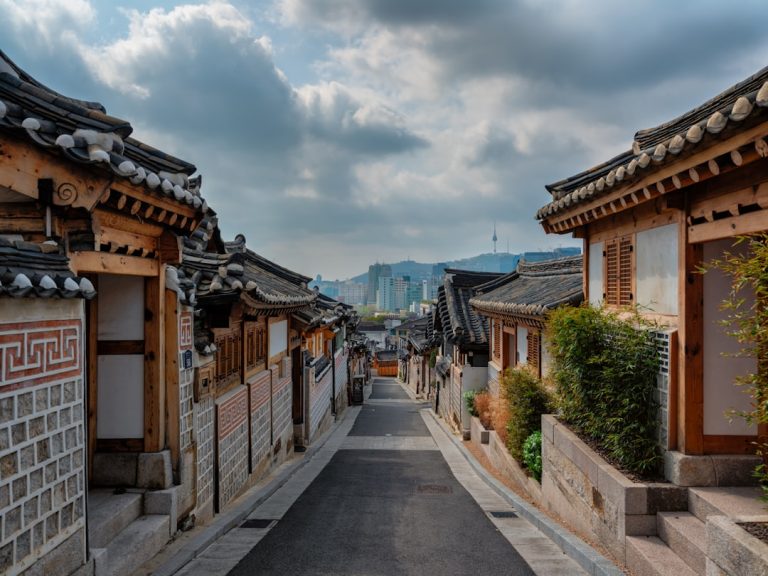
Begin in Seoul’s historical center with a visit to Gyeongbokgung Palace. From there, continue toward Bukchon Hanok Village, Insadong, or Jogyesa Temple.
You do not need to visit every palace in Seoul on the same day. Choosing one major palace and leaving enough time to explore the surrounding streets usually creates a more enjoyable introduction to the city.
Finish with dinner around Jongno, Ikseon-dong, or Euljiro. Keeping the first day geographically compact is especially helpful if you are still recovering from the flight or adjusting to the time zone.
Day 2: Markets, Myeongdong, and Namsan
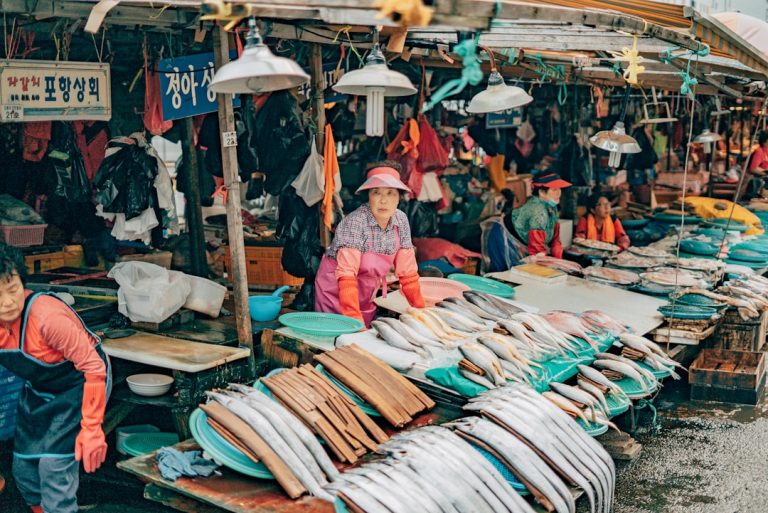
Spend your second day exploring central Seoul. Depending on your interests, begin at Namdaemun Market before continuing to Myeongdong for cosmetics, fashion, department stores, and street snacks.
Later, head toward Namsan for a walk or a view from N Seoul Tower. You could also spend the evening exploring Euljiro, where older workshops and commercial buildings now sit alongside casual restaurants, cafés, and hidden bars.
Myeongdong is convenient, particularly for first-time visitors interested in skincare and shopping, but it does not need to occupy an entire day unless shopping is one of your main priorities.
Day 3: Hongdae and Western Seoul
Allow a full day for Hongdae and its surrounding neighborhoods. Hongdae is known for shopping, entertainment, busking, and nightlife, while nearby Yeonnam-dong offers quieter streets, independent shops, cafés, and restaurants.
You could also visit Mangwon Market or spend part of the afternoon beside the Han River. Travelers interested in nightlife may prefer to start this day later and continue into the evening around Hongdae or Hapjeong.
This side of Seoul illustrates why the city benefits from a longer stay. Much of the experience comes from wandering, eating, and discovering places that were never part of the original plan.
Day 4: Explore Modern Seoul
Use your fourth day to explore one side of modern Seoul rather than attempting to cover every major district.
Choose Seongsu if you are interested in cafés, fashion, rotating pop-up stores, and Seoul Forest. Choose Jamsil for Lotte World, Seokchon Lake, or views from Seoul Sky. Gangnam and COEX may appeal more to travelers interested in shopping, contemporary architecture, entertainment companies, and K-pop-related locations.
These districts are relatively far apart. Selecting one or two connected areas based on your interests will create a much better experience than racing between all three.
Day 5: Make the Day Personal
By the fifth day, you will probably have a clearer sense of what you enjoy most about Seoul. Instead of following another generic sightseeing route, leave this day open for something more personal.
You might:
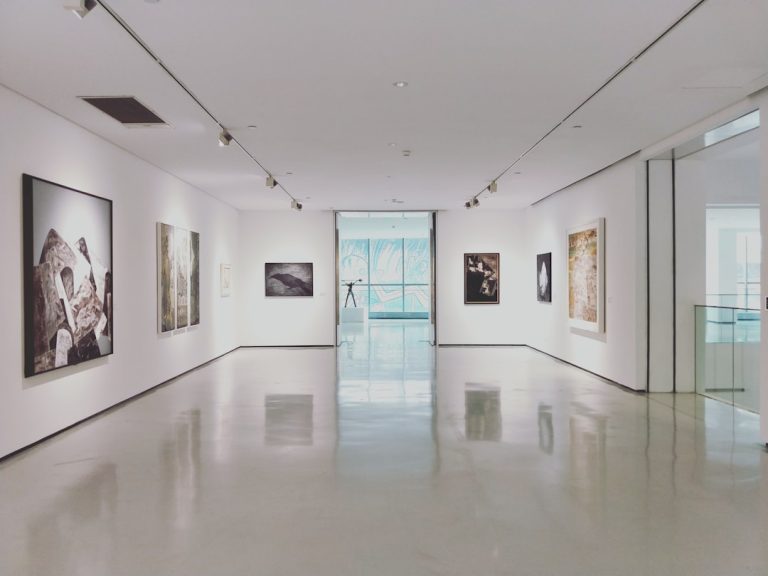
- Visit the National Museum of Korea or the War Memorial of Korea
- Book a skincare, hair, makeup, or personal-color appointment
- Take a Korean cooking class
- Explore Itaewon and Hannam-dong
- Hike part of Bukhansan or another urban trail
- Cycle or picnic beside the Han River
- Shop for fashion, skincare, stationery, or K-pop merchandise
- Return to a neighborhood you particularly enjoyed
This flexible day also gives you somewhere to move activities if rain, fatigue, long lines, or an unexpected closure disrupts the original itinerary.
How to Make the Most of Your Flight to Seoul
Traveling from the United States to Seoul can consume a significant part of the trip, particularly if your itinerary includes a connection. When possible, choose a nonstop flight or a simple connection that gets you to Seoul without adding unnecessary exhaustion.
If your ticket includes a long layover, you may be tempted to leave the airport and take a quick tour of the connecting city. This can work, but only when the schedule genuinely allows it.
Before planning a layover excursion, check:
- Whether you are permitted to enter the connecting country
- Whether your checked luggage continues automatically to Seoul
- How long immigration and security normally take
- How far the airport is from the city center
- Whether your ticket protects you if the first flight is delayed
- How early you need to return for the next international flight
A short connection is not enough for a city visit. In most cases, you would need a long daytime layover or a deliberate overnight stopover to leave the airport without constantly worrying about missing the next flight.
If you do plan a stopover, keep it simple. Choose one neighborhood near a direct airport train, have one local meal, visit a café or small attraction, and return to the airport with plenty of time. The goal is to add a pleasant preview of another city, not to begin your Seoul trip already exhausted.
Tokyo, Taipei, and Vancouver may appear as international connection points on some itineraries, while travelers from smaller US cities may first connect through gateways such as Los Angeles, San Francisco, Seattle, Dallas, Atlanta, Detroit, Minneapolis, or New York. Available routes vary by airline, departure city, and season, so check the entire itinerary rather than choosing a ticket based only on price.
Frequently Asked Questions
How long is the flight from Los Angeles to Seoul?
A nonstop flight from Los Angeles International Airport to Incheon International Airport generally takes around 13–14 hours, although the scheduled duration can vary with the airline, route, season, and wind conditions.
Connecting flights take considerably longer and may require 16–24 hours or more of total travel time. Because Seoul is 16 or 17 hours ahead of Los Angeles, depending on daylight saving time, you will normally arrive on the following calendar day.
How long is the flight from New York to Seoul?
A nonstop flight from New York to Seoul generally takes approximately 14–16 hours. One-stop itineraries can be much longer, depending on where the connection occurs and how much time is spent between flights.
Travelers arriving from the East Coast may want to protect their first evening from major plans, as the combination of a longer journey and time-zone change can make the arrival day unpredictable.
Are five days in Seoul enough?
Yes. Five full days is enough for most first-time visitors to see the main historical attractions, explore several modern neighborhoods, enjoy Korean food, and leave some time for shopping or a personal interest.
The important distinction is between five full sightseeing days and a five-day trip that includes arrival and departure. If your flight schedule removes much of the first and last day, reserve a longer calendar window.
Is seven days in Seoul too long?
No. Seven days is appropriate for travelers interested in food, shopping, nightlife, museums, cafés, K-beauty, hiking, concerts, or slower neighborhood exploration.
If you mainly want to see the classic landmarks, five days may be enough. You can then use the additional time for a day trip or another Korean city.
How many nights should you stay in Seoul?
For most first-time visitors, six nights is a useful starting point. Depending on the flight schedule, this will usually produce five or six usable sightseeing days.
Always check the actual arrival and departure times before booking. Six nights with a late arrival and early departure provides less sightseeing time than the same number of nights with better-timed flights.
Final Thoughts
For a first visit, 5–6 full days is the best amount of time to spend in Seoul. It gives you enough time to experience the city’s historical landmarks, modern neighborhoods, food, shopping, and everyday atmosphere without reducing the trip to a race between attractions.
Travelers flying from the United States should reserve 6–7 calendar days, treating the arrival day as time for airport transportation, hotel check-in, and adjusting to the new time zone. Add another day if the DMZ or a longer excursion is an important part of the trip.
Seoul can certainly be visited in less time, but with five or six full days, you are more likely to remember the places you enjoyed—not just the subway rides between them.