Sources checked: October 9, 2026.
South Korea is generally a reasonable choice for a solo female trip, with precautions around nightlife, unfamiliar people, and private accommodation. At the time of review, the U.S. Department of State lists the country at Level 1: Exercise Normal Precautions.
That makes a reassuring starting point for an American traveler considering Seoul, Busan, or a first trip abroad. It does not mean every interaction is harmless or every late-night journey deserves the same confidence. The useful answer to “is South Korea safe for females?” is less about a single safety score and more about knowing where to keep your boundaries.
What the Official Advice Actually Says
The U.S. State Department describes South Korea as very safe for most visitors, while separately warning about sexual assault involving Americans. Its guidance mentions encounters through social media and dating or messaging apps, often involving alcohol, and cautions that low overall crime can encourage misplaced confidence.
Those statements belong together. A destination can work well for independent travel while still presenting situations that deserve care. There is no need to turn an ordinary sightseeing day into an exercise in constant suspicion; there is also no reason to treat a stranger as trustworthy because the country has a reassuring reputation.
This guide combines government advice with clearly identified traveler accounts. The accounts show what visitors worry about and how an encounter may unfold. They cannot establish how often an incident happens.
Walking Alone at Night: Plan the Journey Home
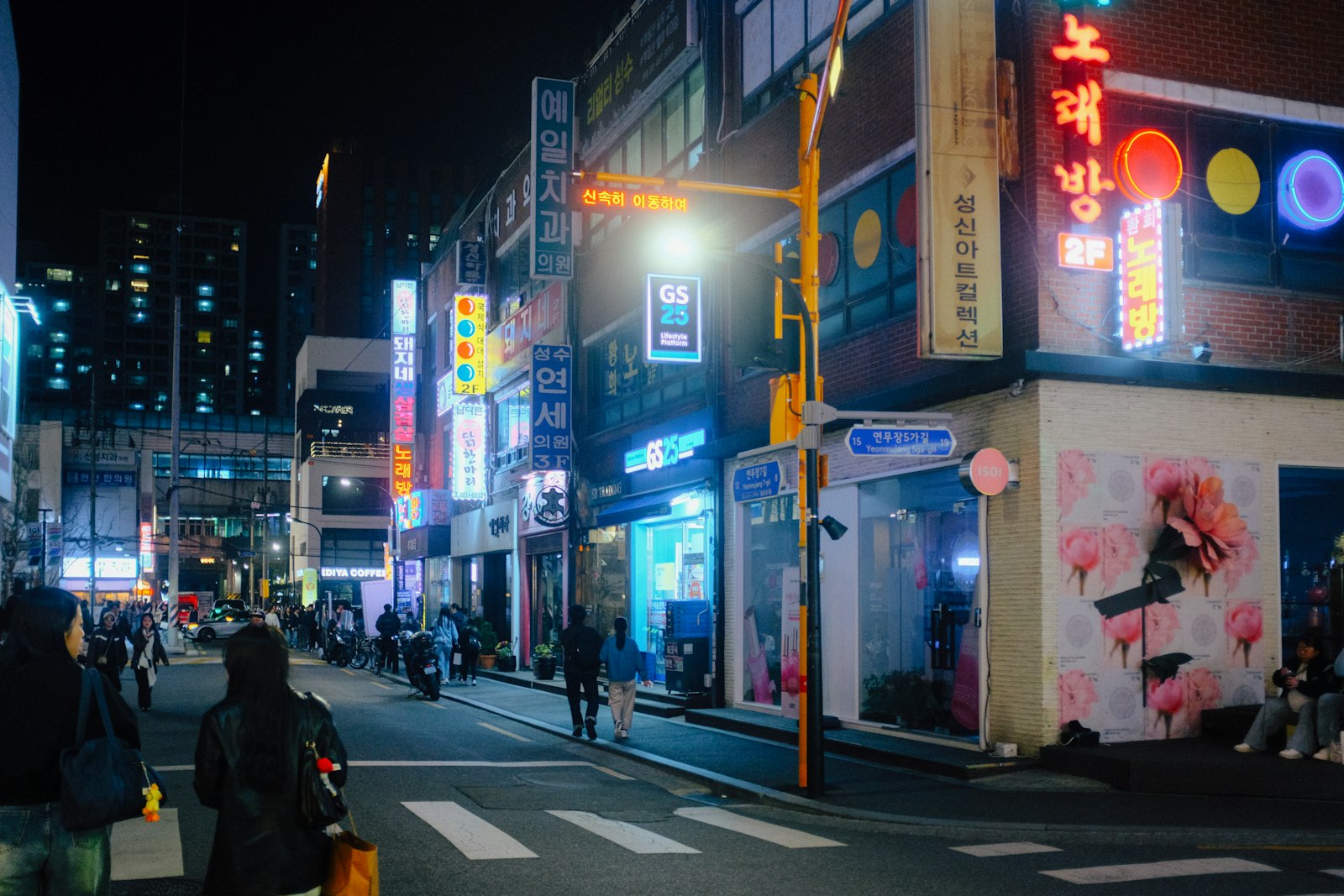
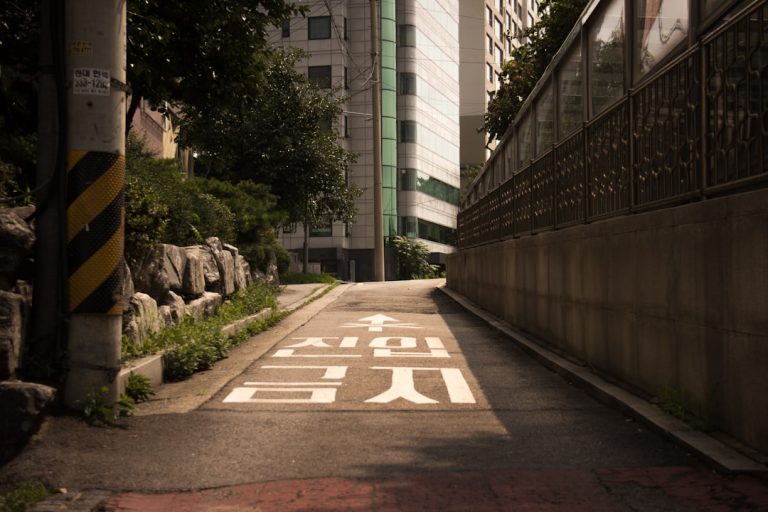
Nighttime safety depends on the route and circumstances. An evening meal followed by a familiar walk to your hotel is a different decision from leaving a club alone, tired, with an unfamiliar route and a nearly empty phone.
The UK Foreign, Commonwealth & Development Office advises care when traveling alone at night and recommends legitimate taxis or public transport. Its South Korea guidance also notes assault cases around bars and nightlife areas.
Before going out, check the trip back as carefully as the trip there. Confirm the last usable service for your actual route, including transfers; do not assume the subway will still be running when an event finishes. Save the accommodation address in Korean, identify the correct entrance, and keep enough battery and money for an alternative ride.
If someone seems to be following you, move toward a staffed, public place and ask for help rather than continuing directly to your accommodation. You do not need certainty about their intentions before changing your plans.
For sightseeing, a five-day Seoul itinerary organized around separate neighborhoods can reduce repeated cross-city journeys. The final journey of the day deserves a place in the plan too.
Bars, Clubs, and Meeting New People
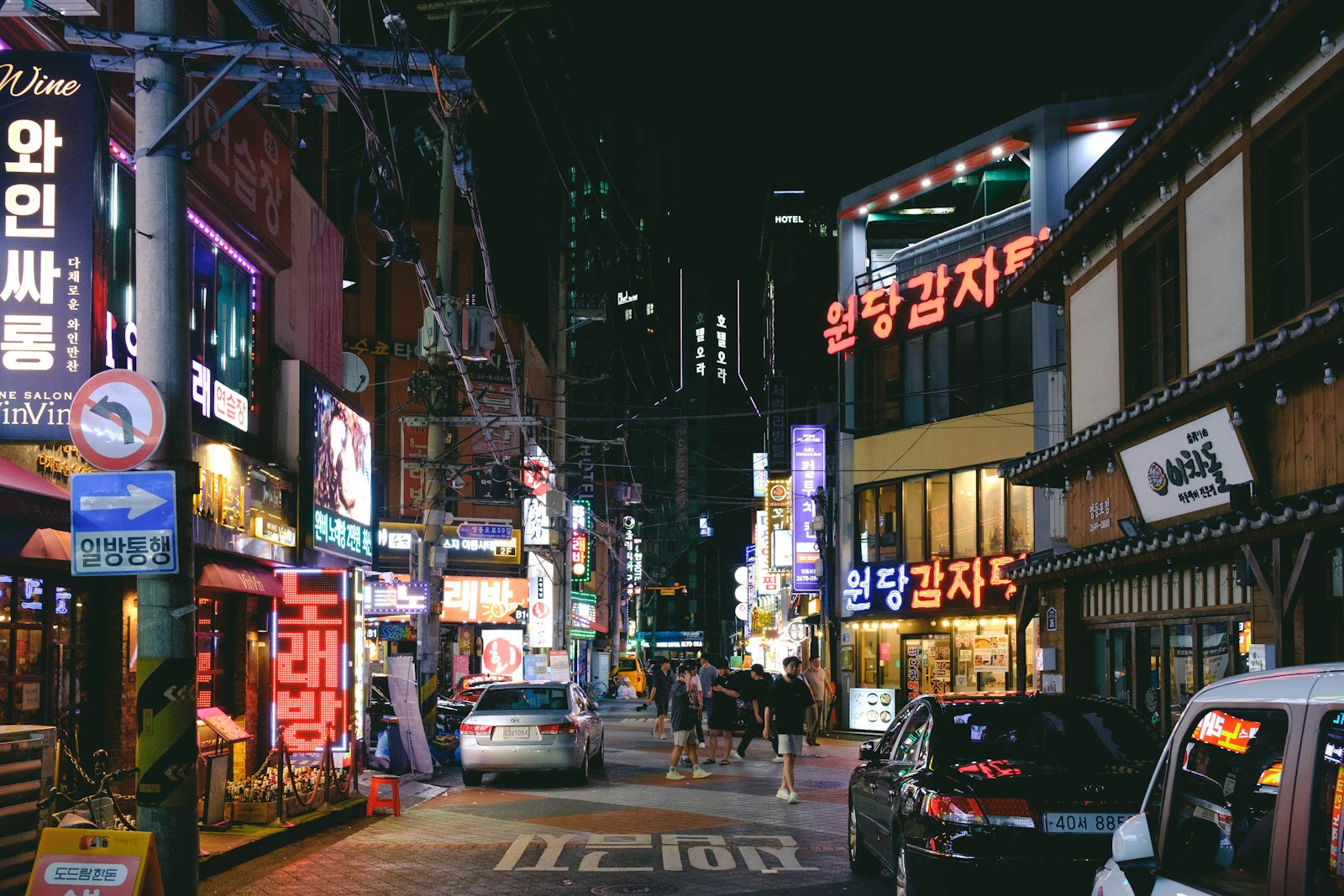
Going out alone is a personal choice, not an automatic reason to cancel a trip. The important part is keeping control over drinks, transportation, and the decision to leave.
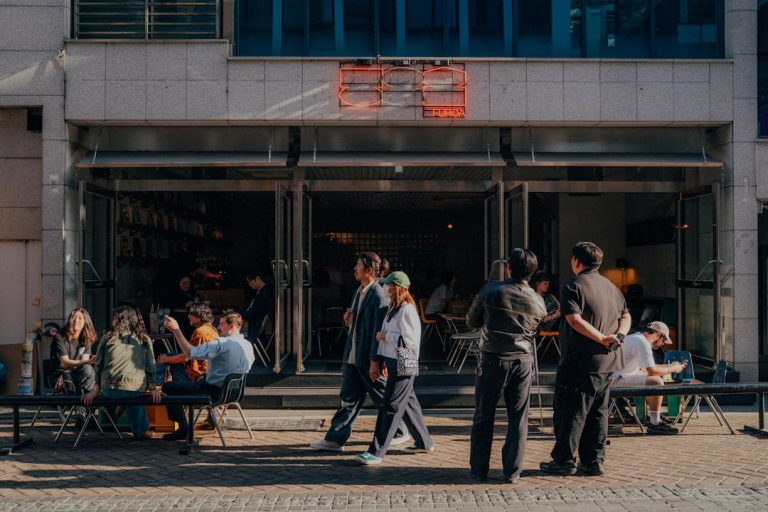
Australia’s official Smartraveller guidance warns that sexual assault and drink spiking can occur around nightlife venues, including in Seoul’s Itaewon and Hongdae. These are reasons for specific precautions, not grounds for treating everyone in either neighborhood as dangerous.
Watch drinks being prepared and keep them with you. If a drink has been left unattended, replace it. Choose a venue where you can comfortably speak to staff, and arrange your own return rather than relying on someone you have just met. A public first meeting is a sensible boundary for an app date or new acquaintance.
If you suddenly feel unusually unwell, confused, or much more impaired than expected, tell staff and seek medical help. Avoid leaving with an unfamiliar person who offers to take care of you.
You can also build an evening around the cafés, shops, and other activities in our guide to things to do in Seoul for young adults. Enjoying a city’s evenings does not require enjoying its clubs.
Be Cautious With Unsolicited “Cultural Experience” Invitations
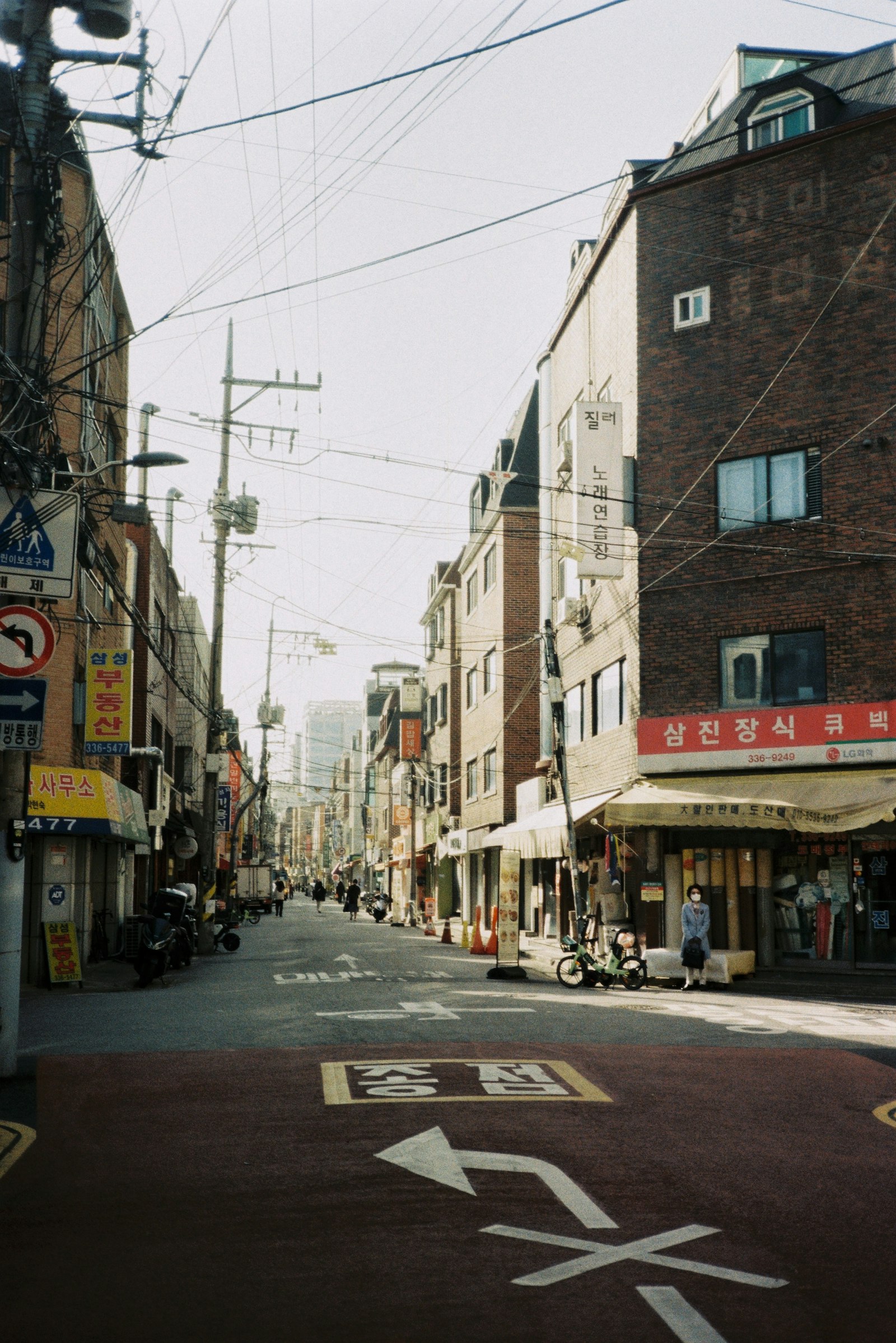
Religious recruitment and unexpected ceremony invitations deserve a place in a Korea safety guide. The concern is the behavior surrounding an invitation: unclear organizers, persistent pressure, requests for personal information, or being taken somewhere you did not independently choose.
In a January 2026 Reddit account, a tourist described being approached in Hongdae with a question about directions. The conversation became an invitation to a cultural exchange. The visitor said they were taken to another city, asked for relatives’ names and birthdays, and told to leave their phone and wallet outside a ceremony room. They reported that no money was requested.
This is a traveler’s account, not an independently verified finding about a named organization. It illustrates why an invitation can become uncomfortable without beginning with an obvious demand for payment.
The practical warning signs are:
- A brief conversation becomes an urgent invitation to a different location.
- The organizer cannot clearly explain who runs the activity or where it takes place.
- Questions extend to your hotel, detailed itinerary, family information, or private contact details.
- Participation requires surrendering your phone, documents, or wallet.
- A clear refusal leads to repeated pressure, frightening claims, or attempts to keep you there.
An invitation to tea, a religious event, or a cultural workshop is not by itself proof of a scam. Neither is someone speaking fluent English or approaching you as another woman. Check the host and venue independently, and book activities through an identifiable organizer when possible.
“No, thank you” is enough. There is no need to debate beliefs or prove that an invitation is fraudulent before declining. If someone threatens you, blocks your exit, or prevents you from leaving safely, seek police assistance.
Hidden Cameras: Take the Concern Seriously Without Assuming the Worst
Hidden-camera filming, sometimes discussed as “molka,” is a legitimate subject to ask about. Seoul’s government has documented measures against illegal filming: a 2021 municipal announcement described inspections of restrooms around entertainment districts.
That historical program demonstrates official recognition of the issue. It does not establish the current inspection schedule or the likelihood that a tourist will encounter a camera. A precise tourist-risk percentage would require evidence that this guide does not have.
For accommodation, prioritize a clearly identified operator, consistent recent reviews, and a private space with functioning locks. If an object in a bedroom, bathroom, or changing area appears suspicious, stop using the space and contact the operator or police as appropriate. Avoid dismantling equipment or confronting someone alone.
Do not treat a quick visual check, phone app, or inexpensive detector as proof that a room is clear. If you believe filming has occurred, move somewhere you feel safe and seek help. The aim is a sensible response, not spending the entire trip inspecting every wall fitting.
Choose Accommodation by the Exact Address
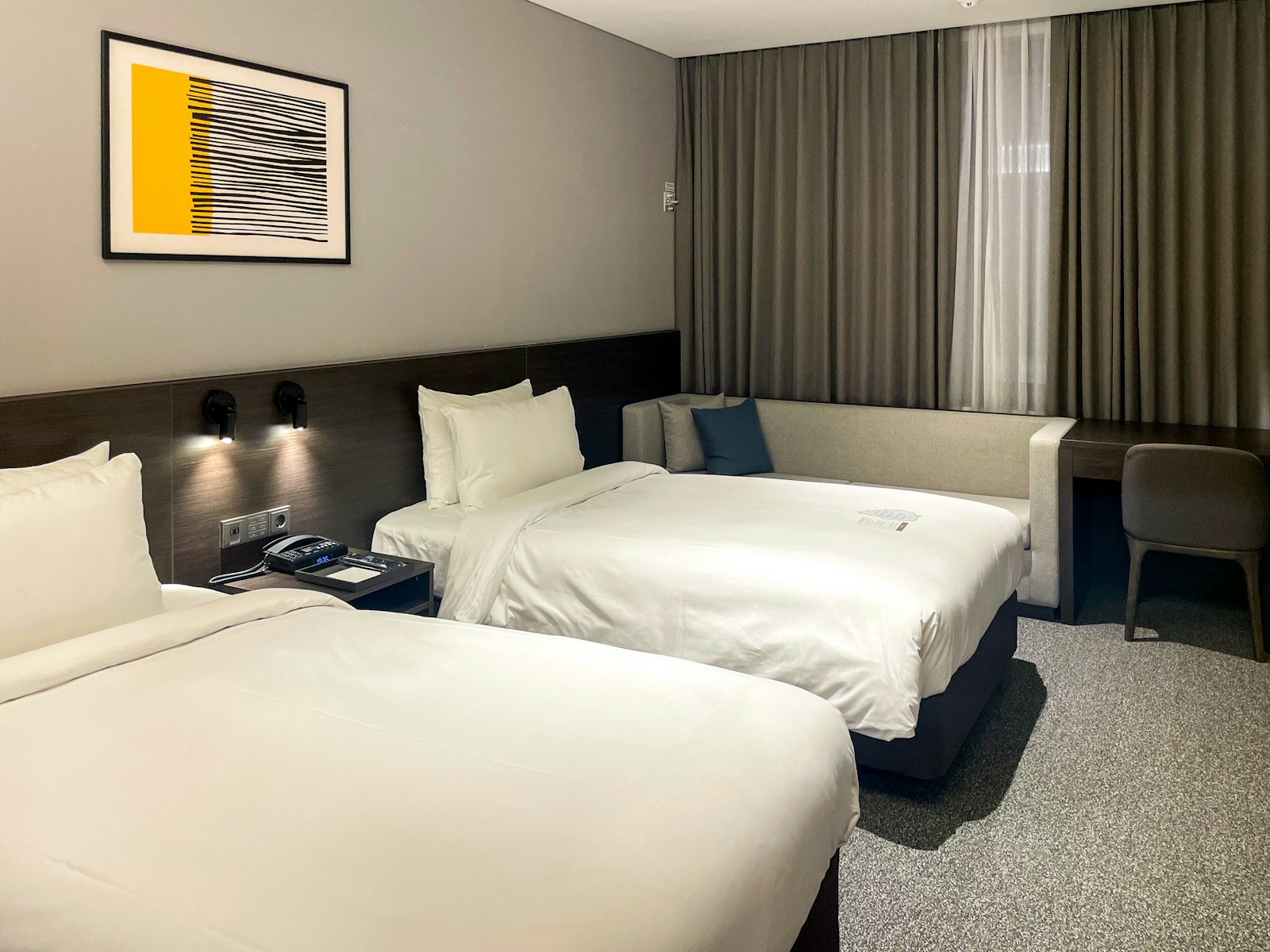
There is no defensible reason to label an entire Seoul neighborhood “safe for women” on the strength of a few travel reviews. A well-managed property with a straightforward entrance can be a better choice than a highly rated room at the end of an awkward late-night route.
Use our where to stay in Seoul guide to compare locations, then investigate the individual property. For a first solo stay, look for recent comments about check-in, staff responsiveness, door locks, building access, and the walk from transport.
A female-only dorm may feel more comfortable, but the room category is only one part of the decision. Check how access is controlled, whether belongings can be secured, and who can help outside normal reception hours. For a private apartment, confirm the entrance and check-in instructions before arriving.
If landing late, ask what happens if the flight is delayed. A simple arrival and a reliable way into the building matter more than a room that photographs beautifully.
Public Transport, Taxis, and the Language Gap
Prepare the apps before you need them. The Korea Tourism Organization’s app guide includes NAVER Maps for route finding, while its taxi guidance lists k.ride and Uber Taxi as options for visitors.
KTO states that k.ride supports English and registration of overseas credit cards. Test account setup and payment before the first late-night ride; listed features do not guarantee that every booking or card transaction will work.
Keep your destination in Korean as well as English. When a car arrives, check it against the booking details before entering. Follow the route, and keep the trip details if a problem occurs.
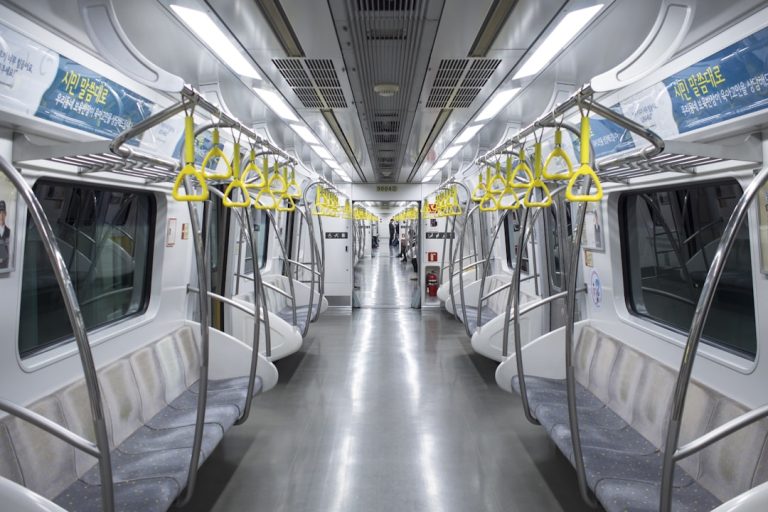
For Seoul subway emergencies, a 2024 city announcement documented police-linked emergency bells in women’s restrooms, nursing rooms, and customer safety rooms at stations on Lines 1–8. Look for marked assistance points and staff rather than assuming every platform has the same equipment.
Who to Contact if You Need Help
Save the numbers before departure. The U.S. State Department lists the following emergency contacts for South Korea, and KTO provides a separate travel assistance service.
| Situation | Contact |
|---|---|
| Police emergency | 112 within Korea |
| Ambulance or medical emergency | 119 within Korea |
| U.S. Embassy Seoul | +82-2-397-4114 |
| Travel information, interpretation, or tourist complaints | 1330 within Korea; +82-2-1330 from overseas |
Sources: U.S. State Department emergency contacts and KTO’s 1330 Travel Helpline.
1330 is useful for travel assistance; police and ambulance numbers are the direct choices for an emergency. Share your location as precisely as possible, using the Korean address or map position if available.
After sexual assault, seek medical care and police assistance when safe, and contact the embassy for support. Official U.S. guidance notes that English-language services and responsiveness can vary. Responsibility for an assault lies with the perpetrator; precautions are tools for travelers, not a test a victim must have passed.
Check Current Alerts, Then Make the Trip Your Own

Personal safety is only part of the picture. Before departure, review the current U.S. advisory and enroll in STEP for embassy updates. Monitor local alerts, avoid demonstrations, and follow instructions during emergencies.
South Korea can be a sound choice for an independent trip without requiring blind confidence. Choose accommodation that makes coming home easy, keep control of new social encounters, and leave activities that stop feeling comfortable. None of those decisions requires an apology. With the practical groundwork in place, the trip can return to what brought you there: the places, food, and experiences you actually want to spend time with.
Cover photo: Haley Hong / Unsplash.