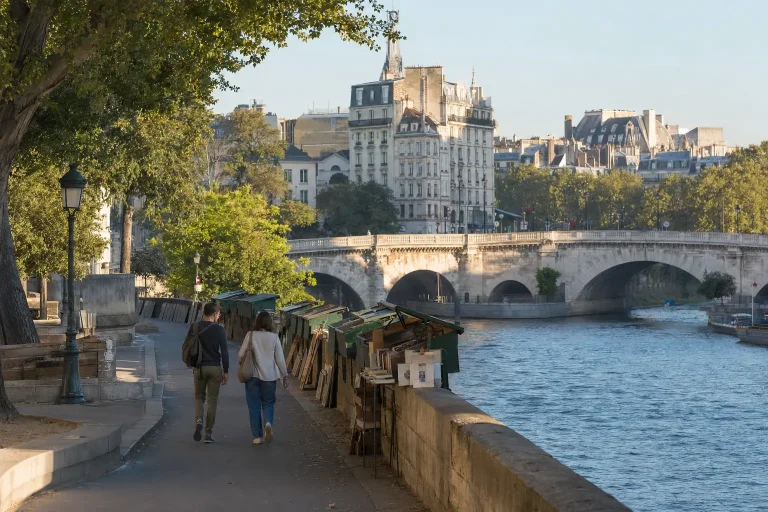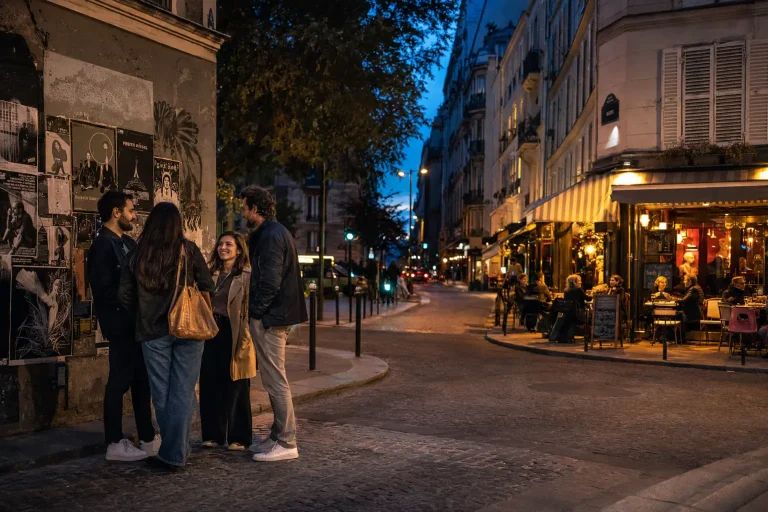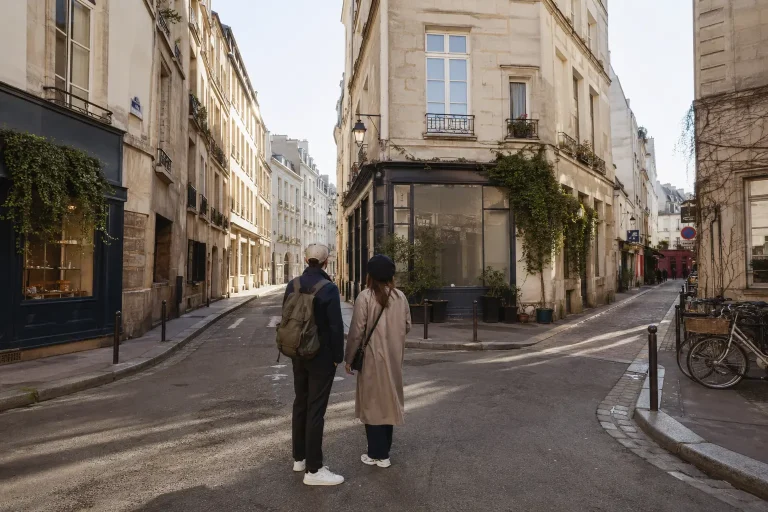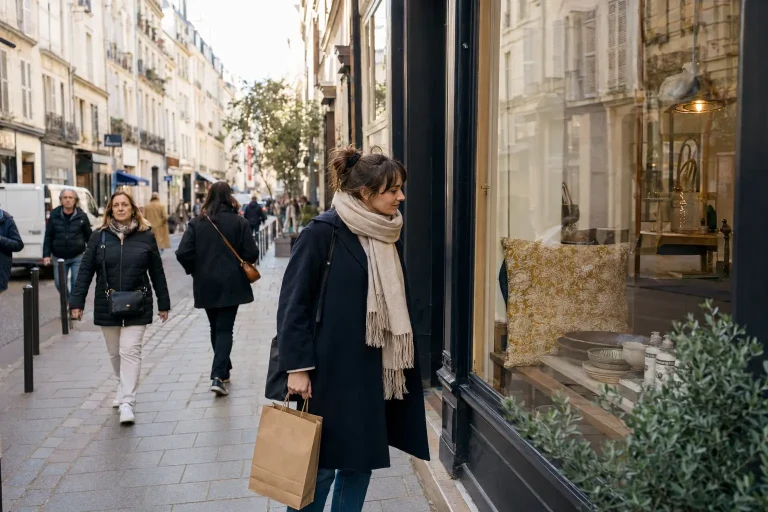
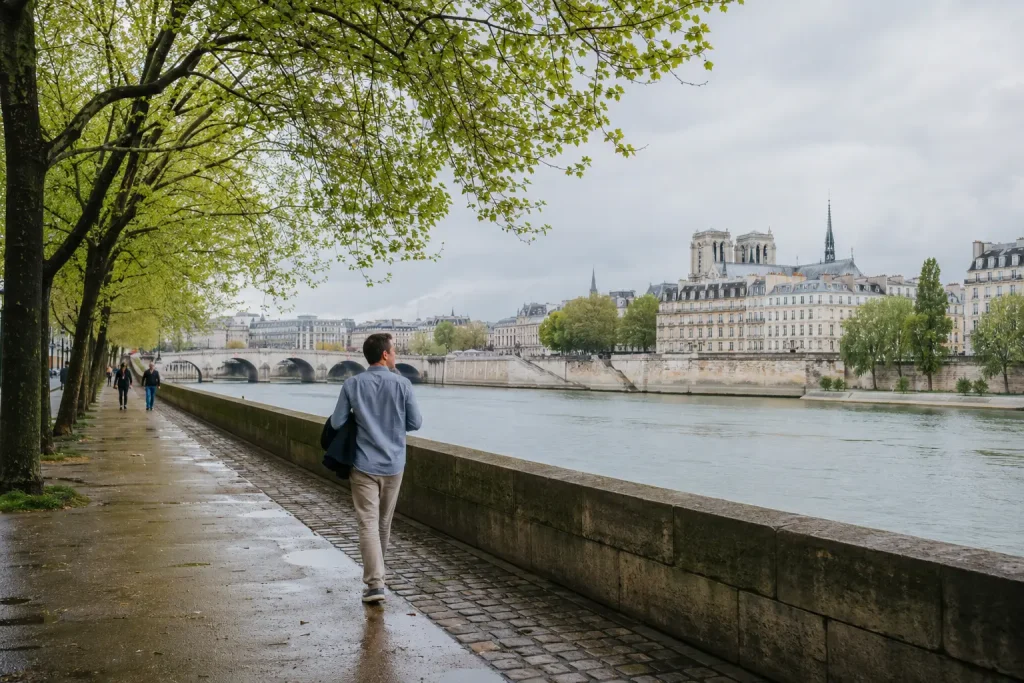
The best time to visit Paris for comfortable walking, long-enough days and a full cultural calendar is late May through June or September through early October. These periods are not secret, and hotel prices know it. They are simply the most reliable compromise between weather and the amount of the city you can enjoy outdoors.
Choose January or February for lower demand and museum-heavy days, April for blossoms with changeable weather, July for festivals and very long evenings, and December for holiday atmosphere rather than efficient sightseeing. August is neither empty nor uniformly closed, despite two Paris myths that have proved remarkably difficult to retire.
The quick answer by travel priority
| Your priority | Strongest period | The catch |
|---|---|---|
| Comfortable first visit | Late May, June, September | Popular dates and higher hotel rates |
| Lower prices | January, February, late November | Short days, gray skies and some seasonal hours |
| Gardens and outdoor walking | Late April to June | Rain can arrive in short, inconvenient bursts |
| Long evenings and events | June and July | Crowds, higher prices and possible heatwaves |
| Museums and food | November to March | Less daylight for neighborhoods and viewpoints |
| Holiday atmosphere | Early to mid-December | Busy shopping weekends and Christmas closures |
| Traveling with school-age children | Spring break or early summer | Family demand raises prices around holidays |
Paris has a temperate climate, but averages are planning clues, not appointments. A May week can feel chilly, while recent summers have brought repeated periods of serious heat. The city’s official tourism office describes spring and early autumn as the most comfortable periods for exploring and maintains practical month-by-month weather guidance. Use that for the general pattern, then check the forecast only when packing becomes an actual decision.
Late May and June: the best overall balance
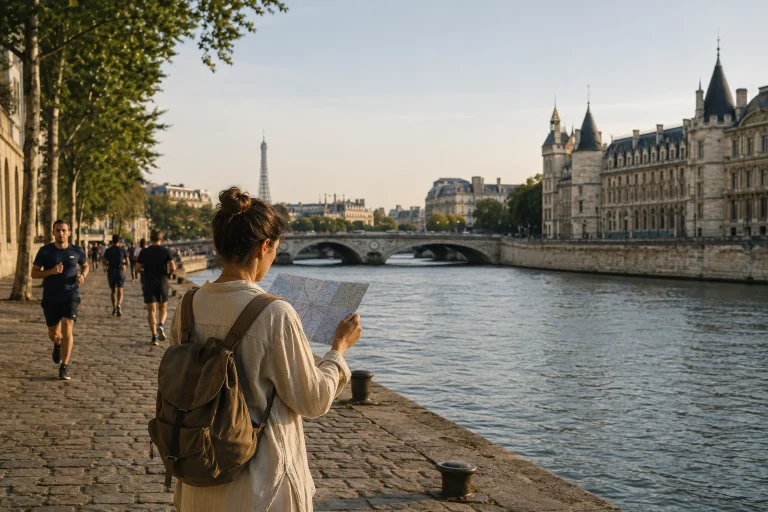
Late spring and early summer give Paris the combination most first-time visitors imagine: leafy streets, gardens in active growth, café tables that do not require an act of meteorological optimism and daylight that continues well into the evening. A long dinner does not automatically sacrifice a Seine walk afterward.
This is especially useful on a first visit because Paris rewards time outside between ticketed attractions. The walk from the Louvre through the Tuileries, a neighborhood lunch in the Marais or a slow route along Canal Saint-Martin all work better when the weather is mild enough to avoid constantly seeking shelter.
The compromise is demand. June brings major events and group travel, and popular hotels can be expensive. Museum reservations, Eiffel Tower tickets and weekend trains should be handled early. Do not interpret “shoulder season” as “quiet”; the term is often used by people who have not recently stood in a June queue.
Late May is slightly more changeable and can overlap with public holidays. June offers longer days and a fuller outdoor calendar but also carries more heat risk. Travelers sensitive to high temperatures should prefer late May or the first half of June and choose a hotel with confirmed air-conditioning rather than a decorative fan in the room description.
September and early October: best for walking and culture
September is the other strong answer to when the best time to visit Paris is. Summer crowds begin to ease, residents return from vacations, exhibitions reopen on a new cultural cycle and the city feels more like a working capital than a seasonal stage set.
Daylight is shorter than in June but still useful for neighborhood exploration. Temperatures are often comfortable enough for long walks, and outdoor tables remain active. The official tourism office’s current September guidance describes generally mild conditions, while correctly leaving room for variation.
Early October suits museums, food and city walking particularly well. Trees begin to turn, evenings cool quickly and rain becomes a more frequent planning factor. Carry a compact waterproof layer and build one indoor alternative into each day. A rainy hour need not cancel Paris; it mostly reveals whether the itinerary had too many gardens.
September is not a bargain month. Fashion, design and business events can push hotel demand sharply on particular dates. Compare the exact week rather than assuming all autumn travel costs less than July.
April and early May: beautiful, changeable and holiday-sensitive
Spring begins unevenly. A bright April afternoon may fill the Luxembourg Gardens, while the following morning returns everyone to coats and umbrellas. The season works best for travelers who care about flowering trees and parks but do not require guaranteed picnic weather.
Garden interest gives these months a clear advantage. Chestnuts and ornamental trees leaf out, café terraces recover their social function and neighborhood walking becomes pleasant without summer heat. Longer days allow travelers to move a major indoor visit to the wettest part of the forecast.
The calendar needs attention. Easter travel, French school vacations, public holidays and the clusters of May holidays can change domestic demand, transport patterns and opening hours. Paris is in France’s Zone C for school holidays; use the government’s official school-holiday calendar for the travel year rather than copying dates from an undated blog.
May 1 deserves special care. It is a major public holiday, many institutions and shops close, and public transport or service patterns may differ. Other May holidays do not shut the entire city but can produce long weekends. Check each essential venue directly.
July: choose the city’s energy, accept the heat risk
July offers long days, festivals, outdoor cinema, river activity and streets that remain active late into the evening. For travelers motivated by events rather than an efficient checklist, it can be excellent. Bastille Day on July 14 changes the city’s rhythm with ceremonies, closures, crowds and fireworks-related logistics.
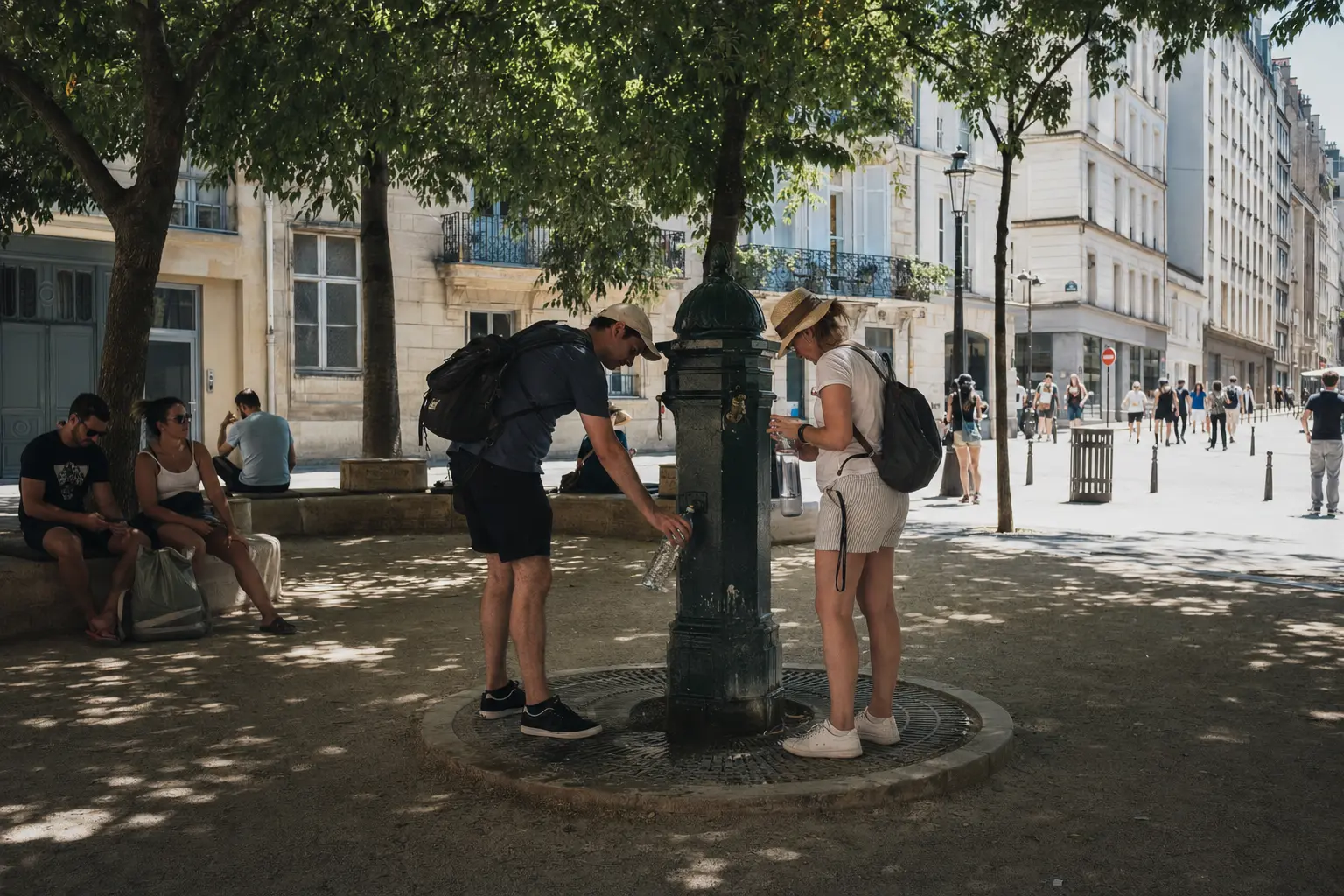
The practical problem is heat. Paris apartments, older hotels, cafés and parts of the transport network were not all designed for repeated extreme temperatures. Air-conditioning is less universal than many US travelers expect, and a room described as “climatized” deserves confirmation before booking.
During hot weather, start outdoor sightseeing early, reserve the middle of the day for a museum or long lunch and return outside in the evening. Carry water and use the city’s fountains. Paris tourism maintains current heat guidance and a map of cool places, including shaded areas and drinking-water points.
July also demands reservation discipline. The best response is not to schedule every hour; it is to secure the two or three experiences that genuinely sell out, then keep meals and neighborhoods flexible around them.
August: more visitors, fewer routines
The familiar claim that Paris empties in August contains a small truth wrapped in obsolete confidence. Some independent businesses close for annual vacations, especially away from major tourist districts, and commuter traffic may ease. The monuments do not become private viewing rooms. International visitors, families and tour groups remain, while summer events bring their own crowds.
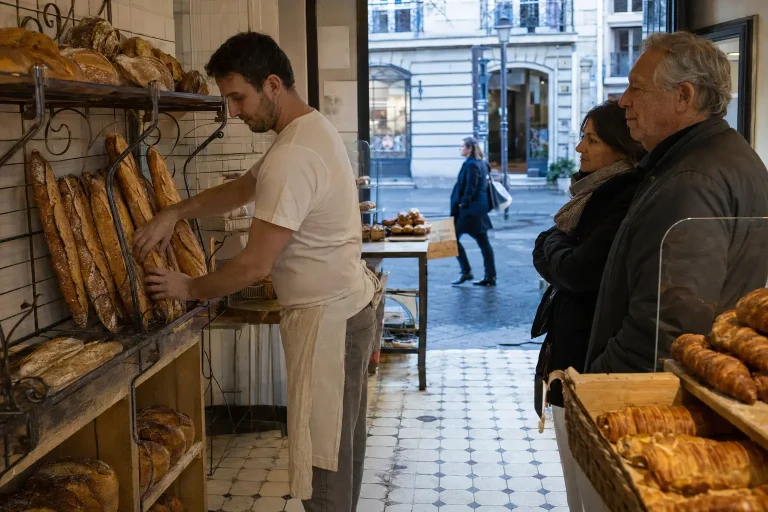
August suits travelers comfortable checking restaurant hours and accepting that a favorite-looking neighborhood bakery may display a handwritten closure notice. Major museums and attractions generally continue operating, but individual closure days and timed tickets still apply.
Heat remains the larger risk. Later August can moderate, but there is no dependable line on the calendar where summer becomes pleasant. Choose a hotel with effective cooling, keep the first morning slot for outdoor priorities and treat a room on an upper floor without air-conditioning as a character-building exercise best left to fiction.
The month works well for a slower visit built around parks, evening walks and a few booked institutions. It is less attractive for travelers whose main goal is a precise list of small restaurants and specialist shops.
November through February: best for museums and lower demand
Winter changes the shape of a Paris trip. Days are short, trees are bare and rain is more likely than lasting snow. The city’s official winter information notes that snowfall is uncommon and usually brief, with average daytime conditions generally mild rather than Alpine.
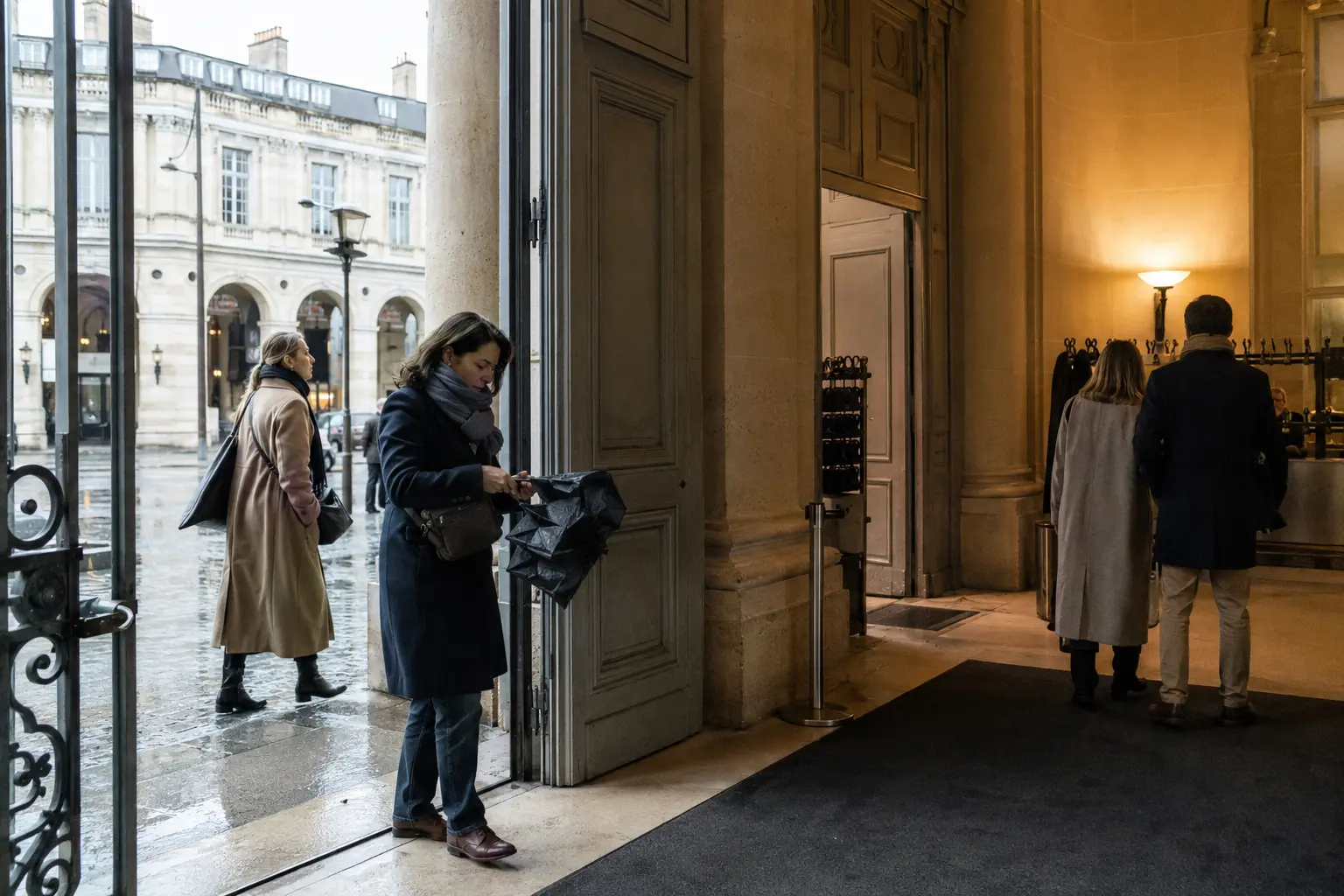
The reward is a trip that can focus on art, food, architecture and performance without using fine weather as the measure of success. Museum days feel less like a retreat from the itinerary and more like the itinerary itself. Churches, covered passages, department-store interiors and long lunches provide natural transitions between outdoor walks.
January and February often bring lower leisure demand after the holidays. Airfares and hotels may be more favorable, though major exhibitions, fashion events and Valentine’s Day can create exceptions. Some attractions reduce hours, close spaces for maintenance or pause seasonal programming, so verify current schedules.
Winter is not automatically crowd-free. The Mona Lisa will not be left alone to contemplate her choices, and a headline exhibition can fill timed slots in any month. The advantage is lower pressure across the city, not universal emptiness.
Pack waterproof shoes, a warm layer that fits under a rain shell and gloves thin enough to use a phone. A heavy coat without rain protection is less useful than a flexible system for Metro platforms, heated galleries and cold river walks.
December: festive, atmospheric and operationally awkward
Early December combines illuminated streets, decorated department stores, seasonal concerts and a lively food calendar with winter’s short daylight. It is strongest for travelers who want the city at Christmas rather than travelers attempting to maximize open attractions.
Weekends can be busy around major shopping districts. Christmas markets vary in quality and location, so verify the current year’s program rather than assuming every temporary village is a centuries-old Paris tradition. The quieter pleasure may be a neighborhood bakery’s seasonal display or an evening concert.
Christmas Day and New Year’s Day require planning. Many institutions and restaurants close or use special hours, and transport continues on adjusted patterns. Reserve a holiday meal well ahead and build the day around confirmed openings, outdoor walks and the hotel’s location.
The first half of December is the better compromise. It delivers seasonal atmosphere before the most disruptive closure period, although prices rise around popular weekends.
What is the cheapest time to visit Paris?
January, February and late November often provide the strongest chance of lower hotel demand, excluding fashion weeks, major trade events and holiday weekends. The cheapest time to visit Paris is therefore date-specific, not simply “winter.”
Search hotel prices on exact dates before buying a flight. Paris has a large business and events market, and a convention can make an ordinary Tuesday more expensive than a summer Sunday. Compare neighborhoods with good Metro connections instead of moving so far out that daily transport erases the saving.
Budget travelers can also use August selectively. Business demand may fall and some neighborhoods have favorable rates, but summer leisure demand and air-conditioned rooms complicate the picture. A cheap top-floor room during a heatwave is not a successful optimization.
Low-season travel reduces some costs but not major attraction prices. Savings usually come from accommodation and airfare, while the trade is shorter daylight and more time spent indoors.
How crowds actually change through the year
Crowds in Paris are shaped by several overlapping calendars: international vacations, French and European school breaks, weekends, large events and the opening pattern of each attraction. There is no month when every major sight is quiet.
Visit popular museums on a weekday with a timed ticket, arrive at gardens early on good-weather weekends and avoid building a day around an attraction’s weekly closure. The Louvre closes on Tuesdays; Versailles Palace closes on Mondays. These patterns concentrate demand on surrounding days.
Holiday weekends can matter more than a seasonal label. Before booking, check:
- French public holidays and Zone C school vacations
- the current exhibition calendar
- fashion weeks, trade shows and major sporting events
- your priority attraction’s closure day
- whether the hotel confirms air-conditioning or only heating
This five-minute calendar check is more useful than searching for a mythical month when Paris has pleasant weather, low prices and no other visitors.
Choose the month by the way you travel
For a first visit
Choose late May, June or September. These months support outdoor routes and evening walks while keeping most cultural options active. Book the essential timed entries, but leave weather-dependent neighborhoods flexible.
For museums and food
Choose November through March, excluding the holiday week unless Christmas is the point. Short daylight matters less when galleries, restaurants and performances carry the trip.
For gardens and photography
Choose late April through June for new growth and flowers, or October for autumn color. Carry rain protection and revisit the forecast before assigning parks to specific days.
For festivals and nightlife
Choose June or July. Long evenings and public events create energy, but heat and large gatherings change transport and safety decisions. Confirm event dates for the specific year.
For travelers who dislike crowds
Choose January, February or late November and accept the weather trade. Book major exhibitions anyway. “Fewer visitors” and “no queue” are different promises.
How far ahead should you book?
For late May through September, reserve the hotel several months ahead when location and air-conditioning matter. Book high-demand monuments and museums as soon as official ticket calendars open, particularly for weekend dates.
Winter allows more flexibility, but Christmas, New Year’s Eve and headline exhibitions remain exceptions. Restaurant reservations matter most for a specific destination meal or holiday date; ordinary neighborhood dining should not require a spreadsheet.
Do not make every reservation nonrefundable in pursuit of a small discount. Weather disruption, strikes and changing plans are part of city travel. A slightly higher flexible rate can be useful insurance, especially during heat-prone summer weeks.
The best time to visit Paris, in one decision
For the best overall experience, choose late May to mid-June or September to early October. Choose winter deliberately for museums, food and lower demand; choose July for events and long evenings, with a heat plan; choose December for seasonal atmosphere rather than logistical simplicity.
Paris does not have one perfect month. It has several good versions of itself, each asking for a different itinerary. Pick the version that supports the way you actually spend a day, then leave enough flexibility for the weather to disagree.
Frequently Asked Questions
What is the best time to visit Paris?
Late May through June or September through early October offer the most reliable compromise between comfortable weather and a full cultural calendar, though hotel prices reflect that popularity.
Is Paris closed in August?
No. August is neither empty nor uniformly closed, despite that being a common assumption. Some smaller family businesses do close, but major sights and most restaurants stay open.