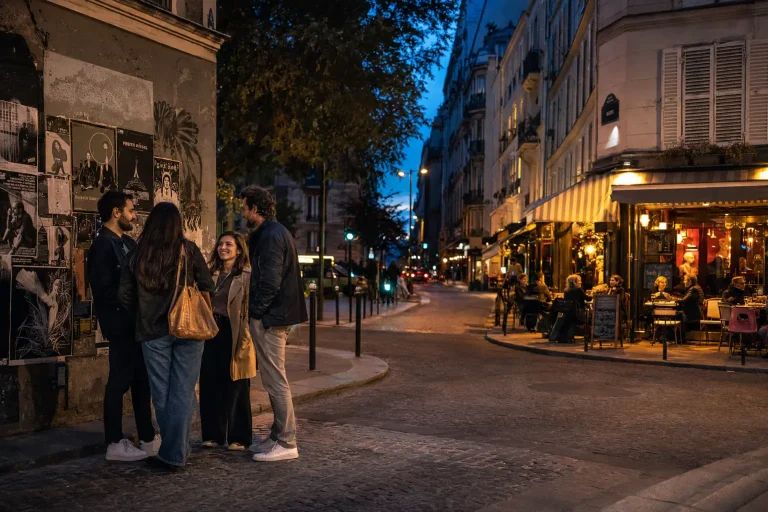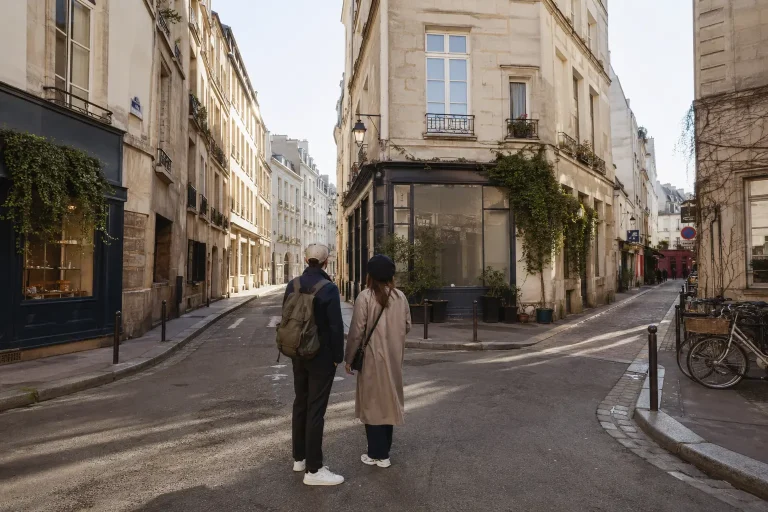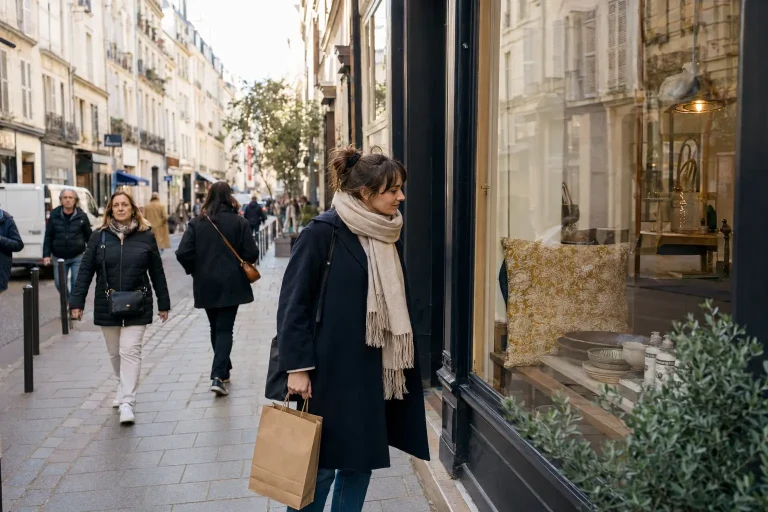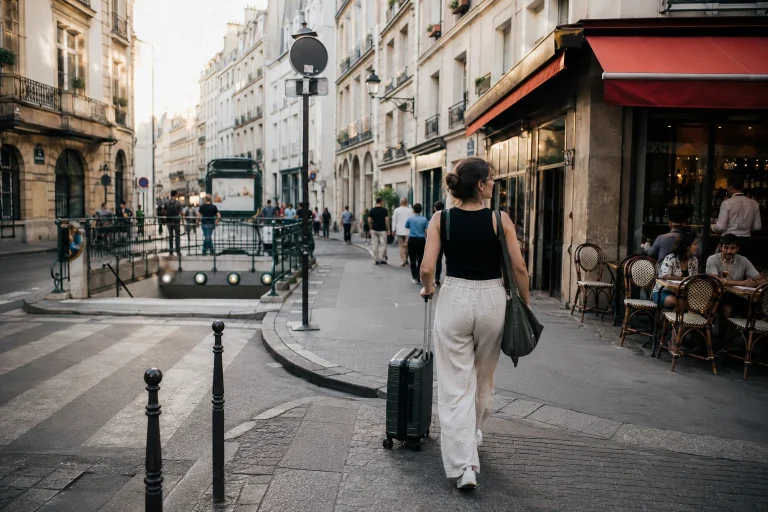
The best things to do in Paris are to walk one neighborhood without rushing, see one museum that matches your interests, enter Notre-Dame and Sainte-Chapelle with time for their history, experience the Eiffel Tower from both street level and a chosen viewpoint, eat through ordinary bakeries and markets, and give the Seine a real part in the day rather than treating it as scenery between bookings.
You do not need all twelve experiences below. For a first trip, choose four or five across different categories: one landmark, one museum, one long walk, one food experience and one evening. Paris becomes tiring when every hour tries to prove that you are in Paris.
1. Walk the Seine from the islands to the Louvre
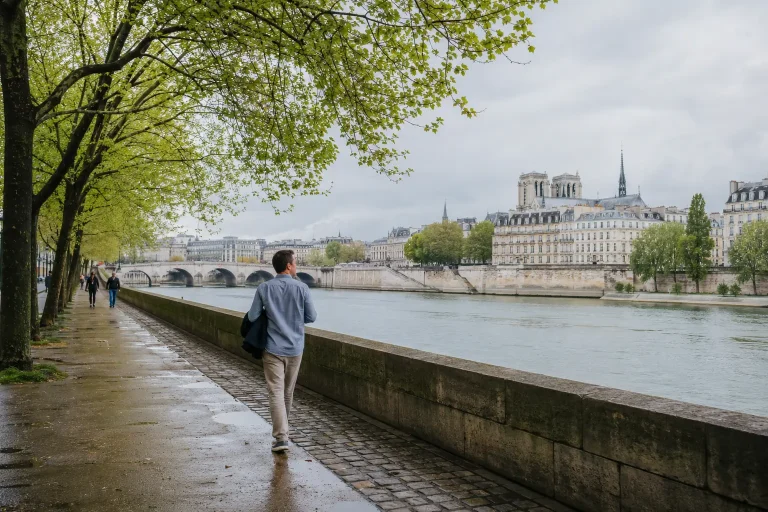
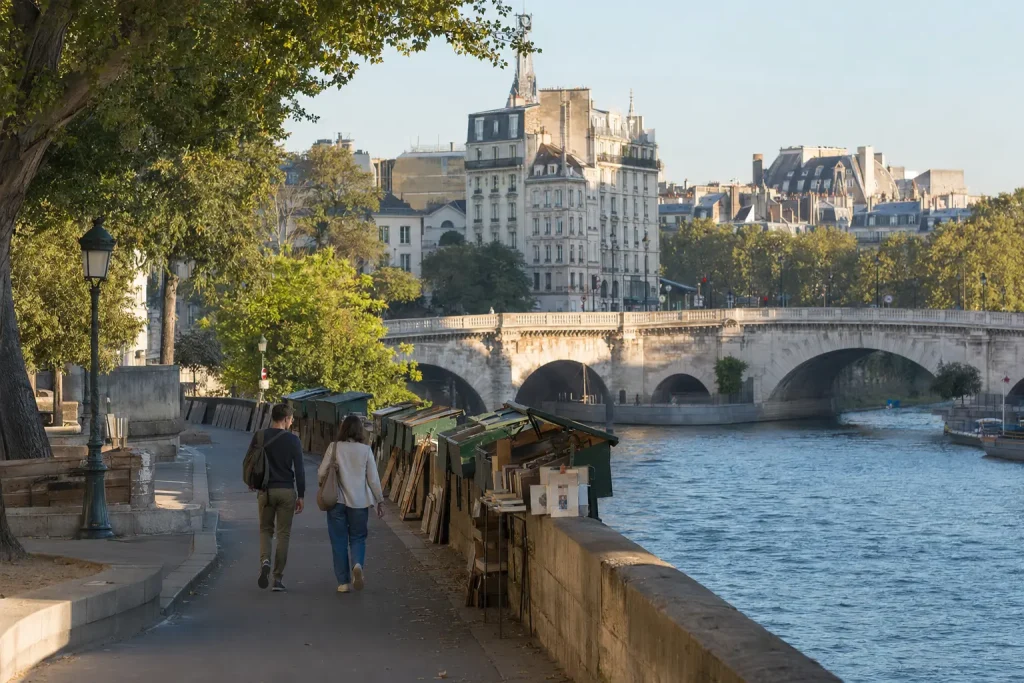
Begin around Île de la Cité, cross between riverbanks and follow the quays toward the Louvre or Musée d’Orsay. This route joins medieval, royal and civic Paris without requiring a lecture at every bridge. Bookstalls, embankments, courthouse walls and changing views make the river a moving section through the city.
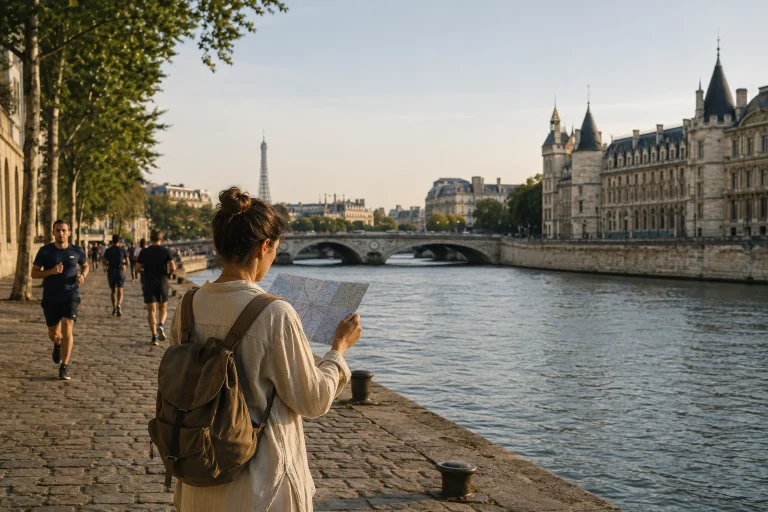
Walk above the water for architecture and street life, then use pedestrian riverbanks where access and weather allow. Flood levels, events and summer installations can change sections. Cyclists and runners also use the space; a romantic riverside walk works better when no one is forced into evasive maneuvers.
Go early for quiet or near sunset for social life and illuminated façades. Midday is useful in winter, when daylight is brief. A one-way walk followed by Metro is usually more enjoyable than retracing the entire route.
2. Choose the Louvre or Musée d’Orsay deliberately
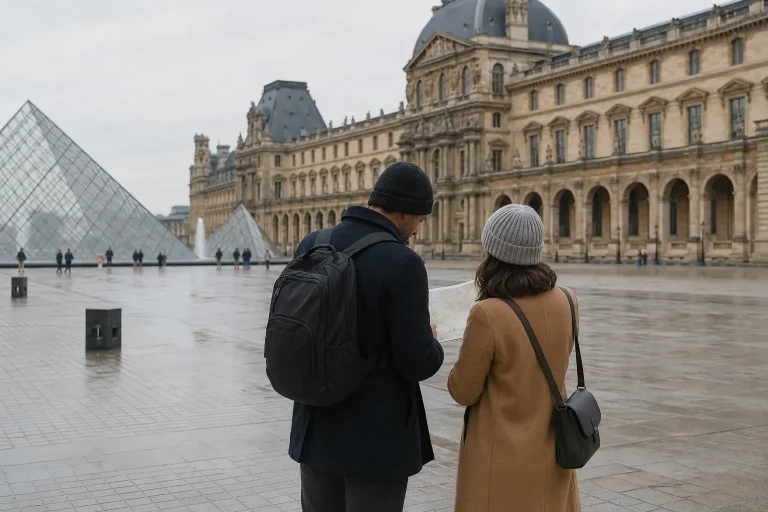
The Louvre is best for ancient collections, European painting, sculpture and the history of the palace. Orsay is best for a more coherent visit centered on 1848–1914, including Impressionism, Post-Impressionism, sculpture and decorative arts.
Do not visit the Louvre because a list called it compulsory. Visit because at least one of its collections matters. Build a route around several works or rooms and allow three to five hours. At Orsay, two or three selective hours can deliver a complete experience without turning the former railway station into an endurance venue.
Book through official museum sites and check current access. In 2026, Orsay’s reception areas are under renovation, while the Louvre continues operating amid longer-term modernization. Entry conditions can change even when the collection remains.
Travelers who dislike large museums should choose Orangerie, Rodin, Carnavalet or Cluny instead. Smaller is not a lesser cultural ambition.
3. See Notre-Dame as a living cathedral
Notre-Dame reopened after the 2019 fire and extensive restoration. Its value is not only the recovered interior or the drama of reconstruction; it is a cathedral with religious use, institutional history, archaeological layers and a place in the geography of the island.
Use the official Notre-Dame website for current access, services, tower information and any reservation system. Entry to the cathedral and access to associated experiences may follow different rules.
Visit quietly, dress for a place of worship and give priority to services in progress. The best details are not all large: look at the spatial rhythm, stone, restored color, liturgical arrangement and the relationship between the interior and the square outside.
If churches do not interest you, the building still matters historically. A short exterior and archaeological walk may be more honest than joining a queue for an interior you do not want to see.
4. Book Sainte-Chapelle for light, not just stained glass
Sainte-Chapelle was built in the 13th century for royal relics, and its upper chapel reduces masonry to a frame for vast stained-glass narratives. The experience changes with daylight: bright sun increases color intensity, while overcast light can make individual scenes easier to read.
Timed entry and courthouse security create friction. Book through the official monument site and avoid placing another hard reservation immediately afterward. The visit itself may take less than an hour; security and the desire to look slowly can take longer.
Use binoculars or the interpretation tools provided to see panels above eye level. Without context, the windows become beautiful color. With a little reading, they become a medieval political and religious program.
Pair Sainte-Chapelle with Notre-Dame or the Conciergerie, but do not schedule all three as a race through the island.
5. Decide how you want to experience the Eiffel Tower
The Eiffel Tower can be an engineering object, a city viewpoint or a shape seen repeatedly from other neighborhoods. Those are different experiences.
Go up if the structure itself and the changing view through its ironwork matter. Book the official ticket and choose stairs, elevator and level deliberately. Skip the ascent if heights, lines or a tightly timed day make it more obligation than pleasure; see it from the Champ de Mars, Trocadéro side, Bir-Hakeim or an unexpected street opening instead.
The view from the tower notably lacks the tower. For a skyline containing it, use Montparnasse, a hill or another legitimate viewpoint. Beware restaurants selling an ordinary meal as though a partial glimpse were a seasoning.
Night illumination is worth seeing, but verify current display timing and security perimeters. Keep valuables controlled in crowded viewing areas.
6. Spend a morning in a market street and bakery
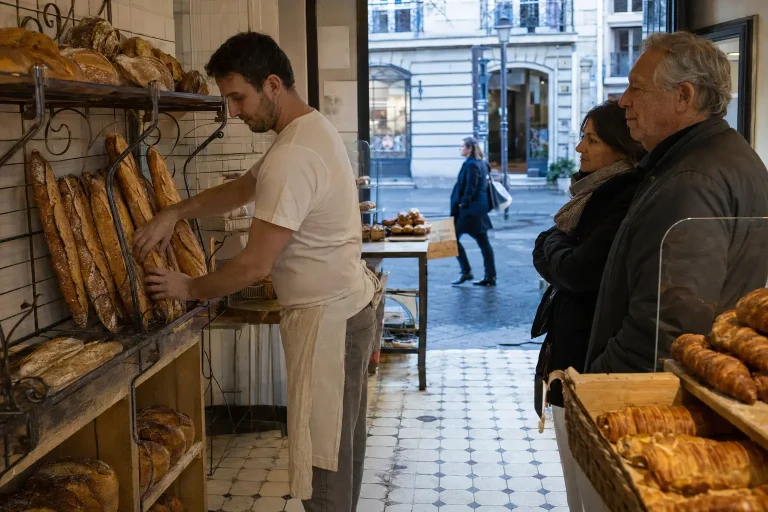
Paris food is easiest to understand through ordinary specialists. Buy bread from a boulangerie, ask a cheesemonger what will be ready to eat that day, compare produce at a market and notice which prepared foods serve nearby workers.
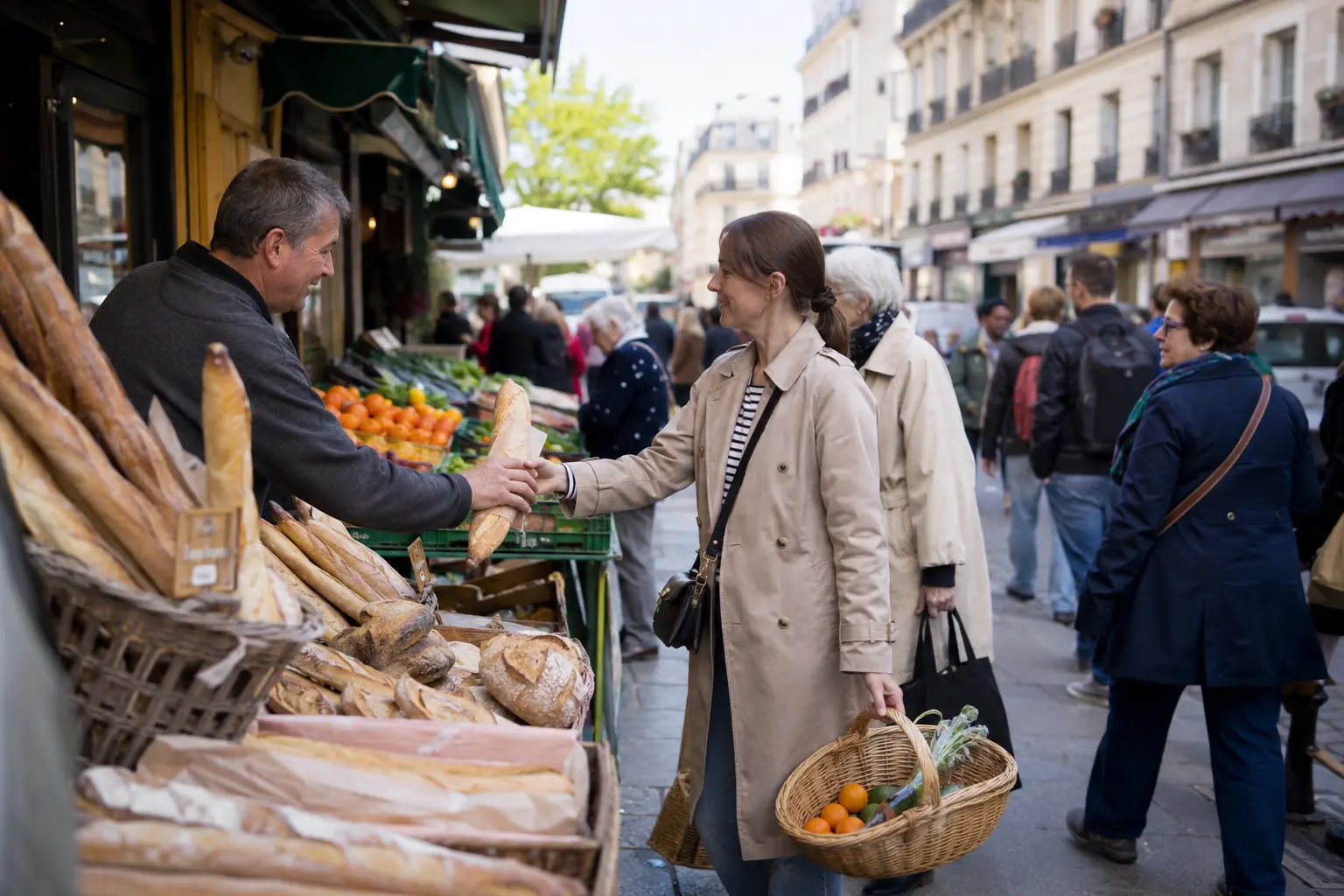
Marché d’Aligre combines outdoor produce, a covered hall, surrounding food shops and a flea section. Marché Bastille is larger on operating mornings. Marché des Enfants Rouges is convenient for prepared food in the Marais but becomes crowded at lunch. The city has many smaller markets that make more sense when they fit the day’s neighborhood.
Check the precise operating day. Arriving as stalls pack down is educational mainly about vans.
Say bonjour, wait for the seller’s attention and ask before touching produce when the routine is unclear. Buy what can actually be eaten. A market is not improved by converting every stall into a photo backdrop.
7. Walk the Marais with its histories intact
The Marais combines aristocratic mansions, Jewish religious and commercial history, LGBTQ+ life, fashion, museums and residential streets. Its appeal comes from coexistence, not from one “charming” identity.
Start at Musée Carnavalet or Place des Vosges, continue through side streets and read what institutions, plaques and shopfronts reveal. Rue des Rosiers matters, but it is not the entire Jewish history of Paris. LGBTQ+ bars and businesses are part of contemporary community life, not decorative nightlife props.
Weekday morning is calmer; Sunday is lively and commercially active. Visit one museum or garden rather than collecting entrances. The area is compact enough that a loose route works, provided you stop following the busiest street whenever it stops being interesting.
8. Climb Montmartre before the crowd
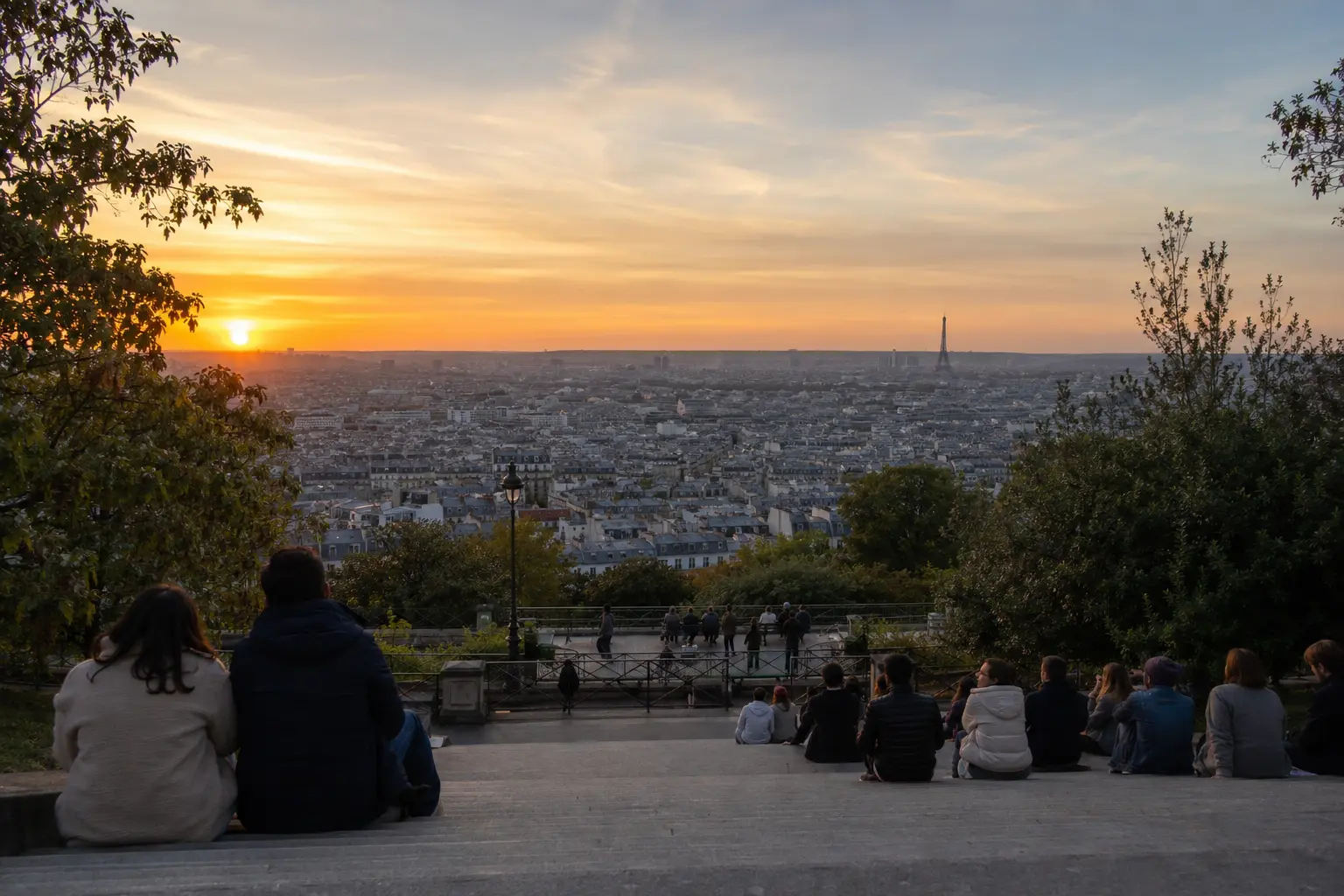
Montmartre’s hill, stairways and changing street scale make it physically unlike central Paris. Sacré-Cœur provides a powerful urban viewpoint, while the surrounding area carries histories of religious pilgrimage, working-class life, entertainment and art.
Arrive early, then move beyond Place du Tertre. Walk toward the Montmartre Museum, surviving vineyard, quieter northern slope or the streets descending toward South Pigalle. The familiar cabaret and artist mythology becomes more useful when tied to actual addresses and social change.
This is one of the top things to do in Paris for travelers who enjoy topography and views. It is easy to skip for limited mobility or anyone who dislikes crowded slopes; a bus or funicular can reduce climbing, but cobbles and gradients remain.
9. Pair Canal Saint-Martin with the northeast
Canal Saint-Martin turns locks, swing bridges and embankments into public space. Watch a boat move through the system, browse nearby streets and continue north toward Bassin de la Villette if water and contemporary neighborhood life interest you more than monuments.
Warm evenings bring picnics and crowds. Weekday mornings reveal infrastructure and deliveries. Respect alcohol restrictions, noise rules and the residents whose windows sit above the social scene.
For a longer day, continue toward Parc de la Villette for architecture, science, music or an event. Verify the program rather than assuming every hall has something public that day. The canal route works because it can expand or stop without failure.
10. See Paris from Belleville, then stay for the neighborhood
Parc de Belleville offers a broad city view from a district shaped by working-class history and multiple migrant communities. The skyline is the opening, not the whole reason to come.
Walk Rue de Belleville and smaller side streets, notice food businesses, religious spaces, street art and changes in building scale, then continue toward Ménilmontant for dinner or live music. The area carries Chinese and Southeast Asian, North African, Jewish, Greek, Armenian and other histories that should not be compressed into “multicultural vibes.”
Belleville is useful for repeat visitors and for first-timers with enough days to see beyond the center. It is not automatically better because fewer package tours arrive. Go because its food, music, topography or social history interests you.
Sunset from the park can be excellent. Leave enough light to understand the descent, and choose the evening venue before wandering becomes hunger with a gradient.
11. Use a garden as part of the day
Luxembourg Garden, Tuileries, Palais-Royal, Parc des Buttes-Chaumont and smaller neighborhood squares perform different roles. These are not empty intervals between attractions. They are places where seating, play, exercise, formal design and public ritual make Paris legible.
Luxembourg suits a Left Bank route and shows the choreography of chairs, lawns and institutional surroundings. Tuileries connects the Louvre and Orangerie but can feel exposed and busy. Buttes-Chaumont provides slopes, long views and a less central park day; closures and maintenance can affect paths.
Sit for twenty minutes. The instruction sounds unimpressive until compared with a schedule that assumes no one needs a bathroom, shade or an opinion of their own.
Check seasonal opening hours and heat or storm restrictions on the City of Paris parks pages.
12. Choose an evening with a purpose
Paris at night is more than illumination. See a concert, jazz set, opera, theater performance, film, late museum session or cabaret according to taste. Event calendars change faster than landmark lists, so search the actual date.
The 11th and Bastille make an easy bar-and-music evening. Pigalle concentrates performance and club history. The Marais anchors much of the city’s visible LGBTQ+ nightlife, while Belleville, Ménilmontant, La Villette and venues farther northeast reward program-led choices.
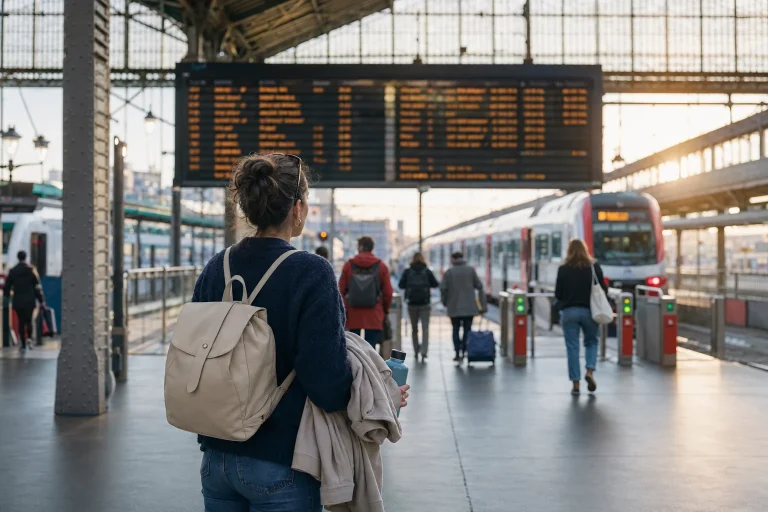
Plan the return before going out. Metro service generally ends around 1:15 a.m. on ordinary weekdays and later on Friday and Saturday, while Noctilien buses cover the overnight gap. A good night is improved by not discovering this on an empty platform.
Free things to do in Paris
Walking the Seine, exploring neighborhoods, viewing the Eiffel Tower from public space, visiting churches during public access, using gardens and browsing markets can fill substantial time without admission fees. Many City of Paris museums offer free permanent collections, including Carnavalet.
Free does not mean frictionless. Churches have services, parks close, markets operate on particular days and free museum periods may need reservations. Check the official source.
The best low-cost day combines one neighborhood walk, bread or a market lunch, a free collection and a park or viewpoint. Do not cross the city repeatedly to save a modest ticket while spending the day in transit.
What is worth skipping?
Skip any famous experience that does not match a real interest. The Louvre is a poor use of half a day for someone indifferent to its collections; the Eiffel Tower ascent is unpleasant for someone afraid of heights; Versailles is too expensive in time when a three-day Paris trip already feels compressed.
Also skip false scarcity. A shop, restaurant or photo corner described as secret but surrounded by a queue is simply popular with better copywriting.
Do not reject famous places merely to appear original. Notre-Dame, the Louvre and Montmartre remain meaningful when visited with context and a realistic plan. The useful question is not whether an attraction is touristy. It is whether the experience repays your time.
How to choose from this list
For a first trip
Choose the Seine walk, one major church or monument, one museum, one neighborhood beyond the immediate landmark zone and one evening performance or social experience.
For a return trip
Choose a smaller museum, a market tied to an actual meal, Canal Saint-Martin or Belleville, a current exhibition and a concert or neighborhood event. Repeat one famous place at a different hour instead of treating return travel as a ban on recognition.
For a rainy day
Use one museum, a covered passage, a long lunch, cinema or performance. Avoid stacking three museums simply because they have roofs; attention also gets wet.
Paris rewards selection more than completion. Leave one morning lightly planned and one evening attached to a real event. The city’s best moments often occur between the things you chose carefully, not among the activities added because an empty hour looked irresponsible.
Frequently Asked Questions
What are the best things to do in Paris?
Walk one neighborhood without rushing, see one museum that matches your interests, visit Notre-Dame and Sainte-Chapelle, experience the Eiffel Tower from both street level and a chosen viewpoint, eat through ordinary bakeries and markets, and give the Seine real time in the day.
How many Paris attractions should you plan for a first trip?
Choose four or five experiences across different categories, such as one landmark, one museum, one long walk, one food experience and one evening, rather than all twelve popular options, since Paris becomes tiring when every hour tries to prove you're in Paris.