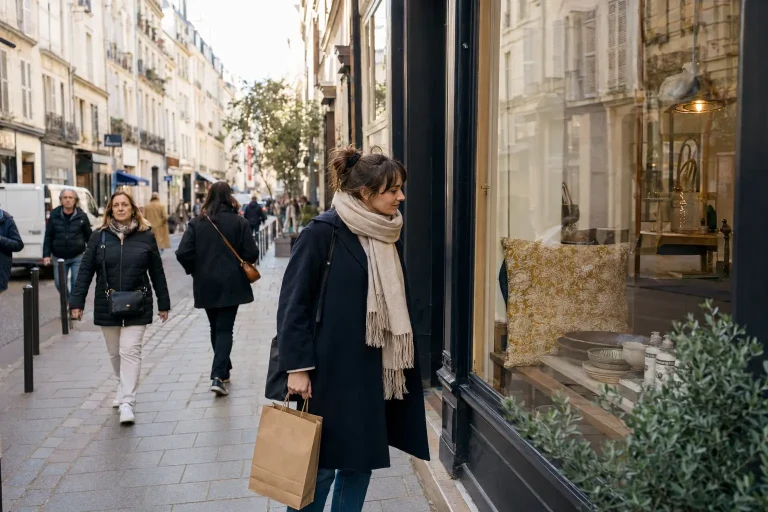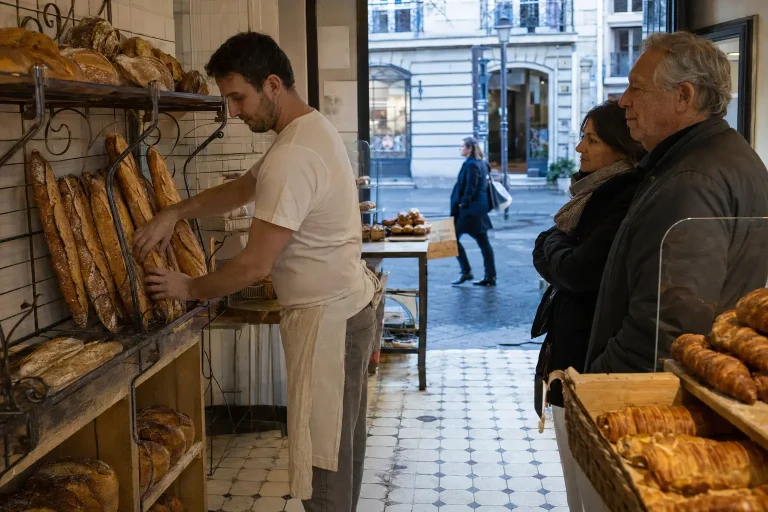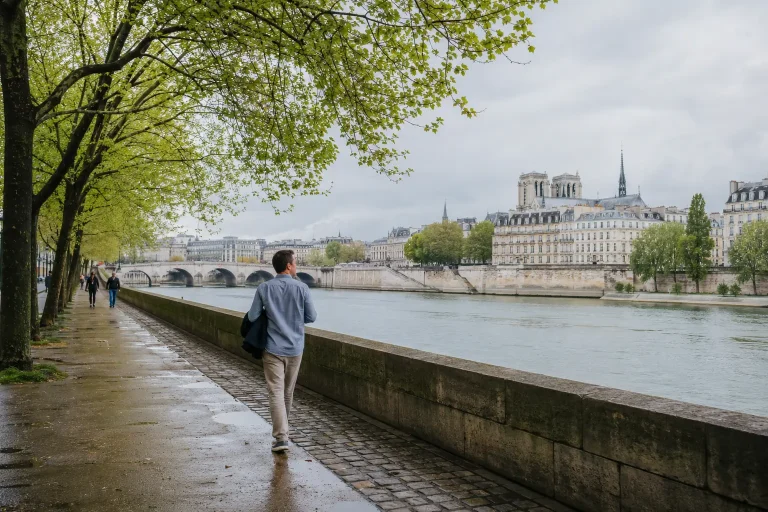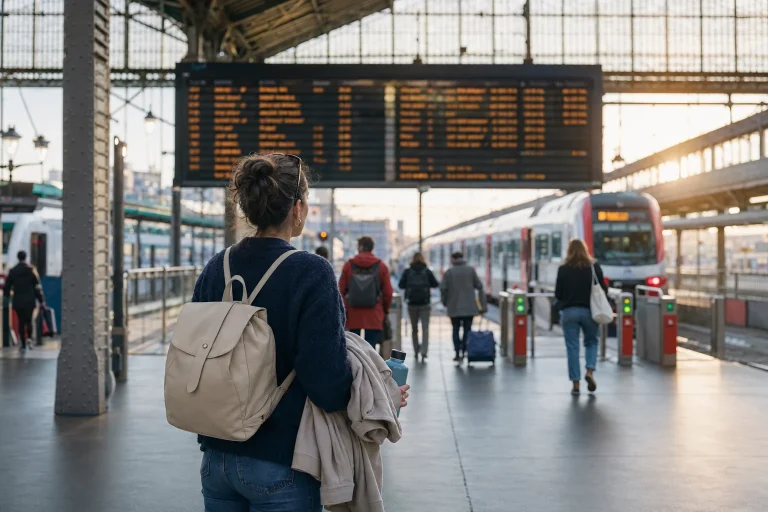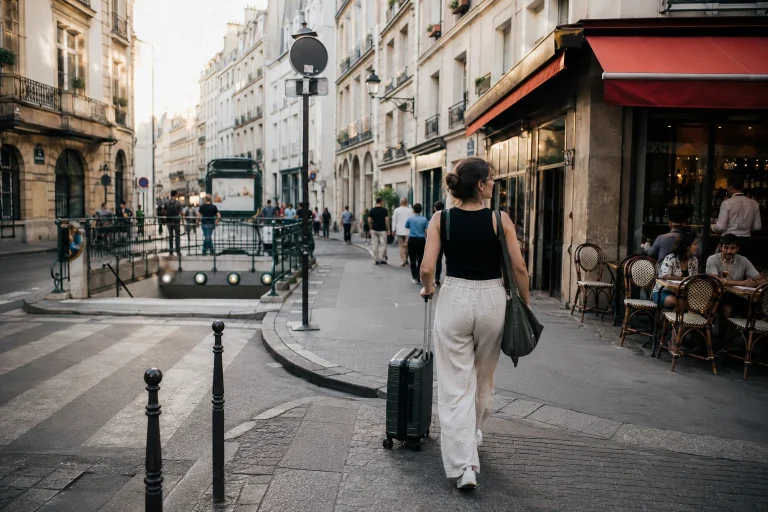
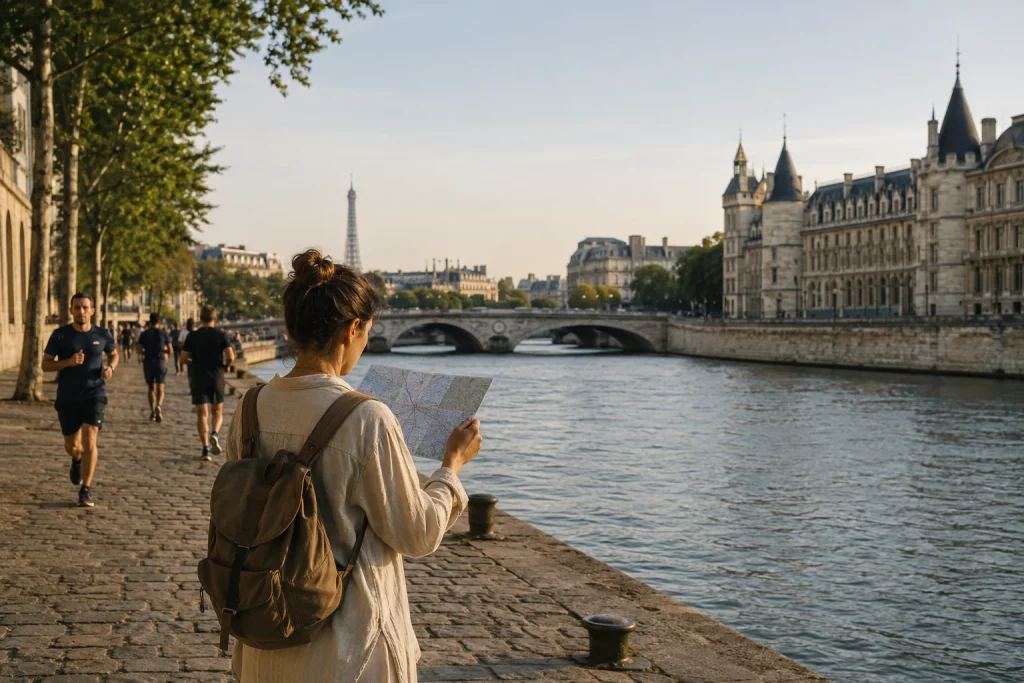
Three days in Paris is enough to see the Eiffel Tower, one major museum, the historic islands, Le Marais and Montmartre without turning the trip into a race. The key is to treat those as three full sightseeing days, group nearby places and make only one timed reservation per day. Arrival afternoon and departure morning are useful margins, not secret fourth and fifth days.
This Paris 3 day itinerary uses the western landmarks on day one, the Louvre and historic center on day two, and Montmartre plus an interest-led afternoon on day three. Each day includes something that can be removed when a meal runs long, rain changes the mood or the city proves more interesting than the checklist.
The three-day route at a glance
| Day | Main area | One hard booking | Flexible parts |
|---|---|---|---|
| 1 | Eiffel Tower, western Seine and the 7th | Eiffel Tower ticket or evening cruise | Champ de Mars, Invalides, river walk |
| 2 | Louvre, Île de la Cité and Le Marais | Louvre or another major museum | Tuileries, Palais Royal, Marais wandering |
| 3 | Montmartre, the 9th and a chosen final neighborhood | Optional performance or small museum | Covered passages, Saint-Germain, Canal Saint-Martin |
The plan assumes moderate walking and normal public transport. It does not assume every traveler enjoys six museums, wakes cheerfully at 6 a.m. or eats lunch in 28 minutes. Paris tends to expose such optimism by the middle of the second staircase.
Before day one: book only what can derail the trip
Reserve the Eiffel Tower and Louvre first if entering both matters. Their availability should determine the order of days; the route can be rearranged around closing patterns and weather. The Louvre is closed on Tuesdays and currently opens late on Wednesdays and Fridays. During summer 2026, the museum requires reservations for most visitors from July 1 through August 31, so check the official Louvre hours and admission page for the travel date rather than relying on an old itinerary.
Eiffel Tower hours and access can change with weather, maintenance and special dates. The official tower guidance shows that late afternoon and evening are often calmer than the middle of the day outside peak periods. Buy from the official Eiffel Tower ticket office when possible and decide whether the summit matters. The second level already provides a substantial city view and usually demands less time.
Notre-Dame is free to enter. An optional free reservation through the cathedral’s official website can reduce waiting, and no third party is authorized to sell ordinary cathedral admission. Other restaurants, cruises and performances deserve reservations only when missing them would materially disappoint the trip.
Day 1: Meet the Eiffel Tower, then follow the western Seine
The first day answers the landmark question early without allowing the tower to consume the entire city. Start around Trocadéro or the Champ de Mars, make the tower the day’s one timed anchor, then stay on the western side of the center. This keeps the route legible after a long flight and provides several places to stop without wrecking the schedule.
Morning: choose the tower experience you actually want
If the Eiffel Tower ticket is in the morning, arrive with time for security and use Trocadéro only as a short viewpoint rather than a separate event. The security queue and nearby Metro platforms are also where pickpocketing gets reported most often in Paris, so keep a bag zipped and worn in front rather than slung over one shoulder while waiting. Cross the river, enter at the booked time and allow roughly two to three hours when going up. A summit visit, queues and lingering over the view can take longer.
Travelers who prefer an evening tower slot can reverse the day. Begin with a walk near the Seine or Invalides, leave the afternoon flexible and return as daylight softens. The tower sparkles for five minutes on the hour after nightfall, but sunset arrives late in summer. Do not reserve dinner across the city ten minutes after the expected descent.
The Champ de Mars works as a decompression space, not a compulsory picnic set. Weather, temporary barriers and events can change access. If the lawn is busy or damp, move toward the neighborhood streets of the 7th for coffee and breakfast rather than waiting for the scene to resemble a photograph.
Lunch and early afternoon: stay near the 7th
Choose a simple lunch within walking distance. Rue Cler has food shops and restaurants but also substantial visitor traffic; the quieter surrounding streets offer alternatives. A long lunch is not wasted time in Paris, but it must replace something rather than coexist magically with every museum on the list.
After lunch, choose one of two routes:
- Walk toward Les Invalides and, if sculpture is a priority, visit the Musée Rodin.
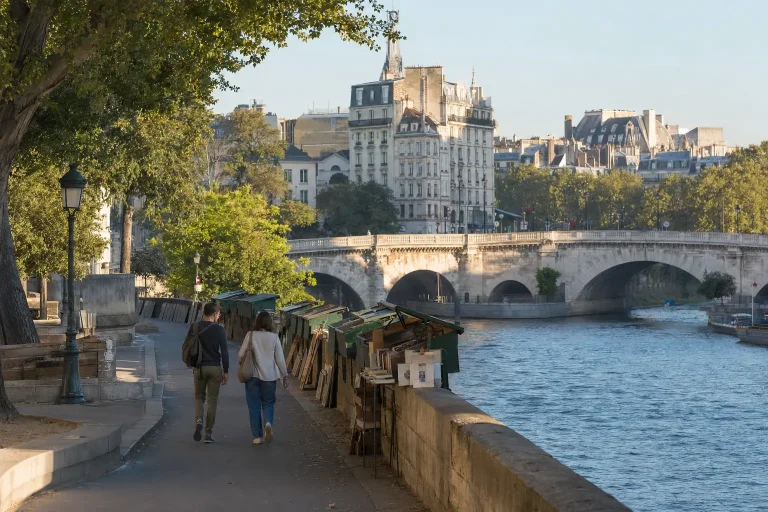
- Follow the Seine east at an unhurried pace, crossing when the river path, gardens or architecture invite it.
Do not attempt Invalides, Rodin, Musée d’Orsay, the Arc de Triomphe and a full tower visit in one afternoon. They appear close on a simplified map and feel less cooperative once entrances, security and museum attention are included.
Evening: use the Seine to connect the city
An evening cruise is a useful first-day overview because it links major landmarks while tired feet sit down. Choose it as the hard booking if the tower is being viewed only from outside. Otherwise, keep the cruise flexible or walk a section of the river instead.
For dinner, stay on the Left Bank, return toward the 7th or cross into a central neighborhood. The first night is not the moment for a 50-minute transfer to a restaurant chosen primarily because it appeared in a video. A good meal near the route will feel more Parisian than arriving late and annoyed at a fashionable one.
Remove first if the day slips: Invalides or the museum. Keep the tower and the river.
Day 2: Louvre morning, the historic islands and Le Marais
Day two contains the most famous indoor visit and the most rewarding central walks. It is also the day most likely to become overloaded. The Louvre is not a warm-up activity before six other monuments; it is the morning’s main event.
Morning: visit one museum with a plan
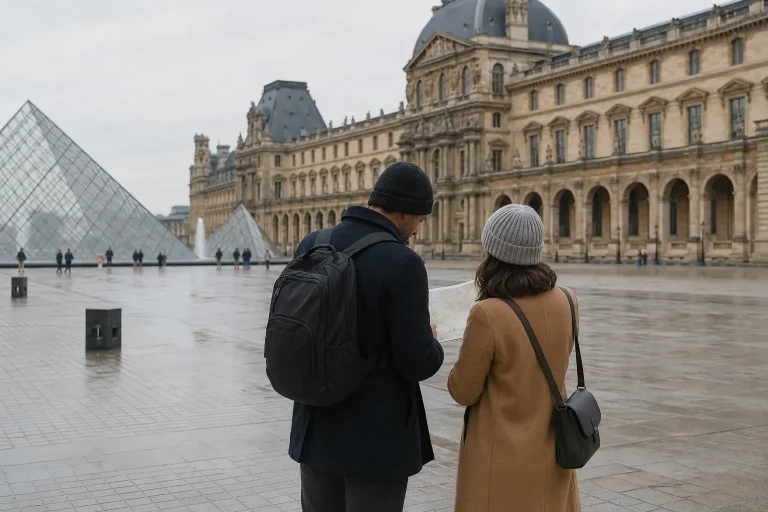
Book the earliest Louvre slot that suits the traveler, then select a small set of priorities before entering. The palace contains far more than can be absorbed in one visit. Two wings, several named works or a thematic route is a better target than “the Louvre.”
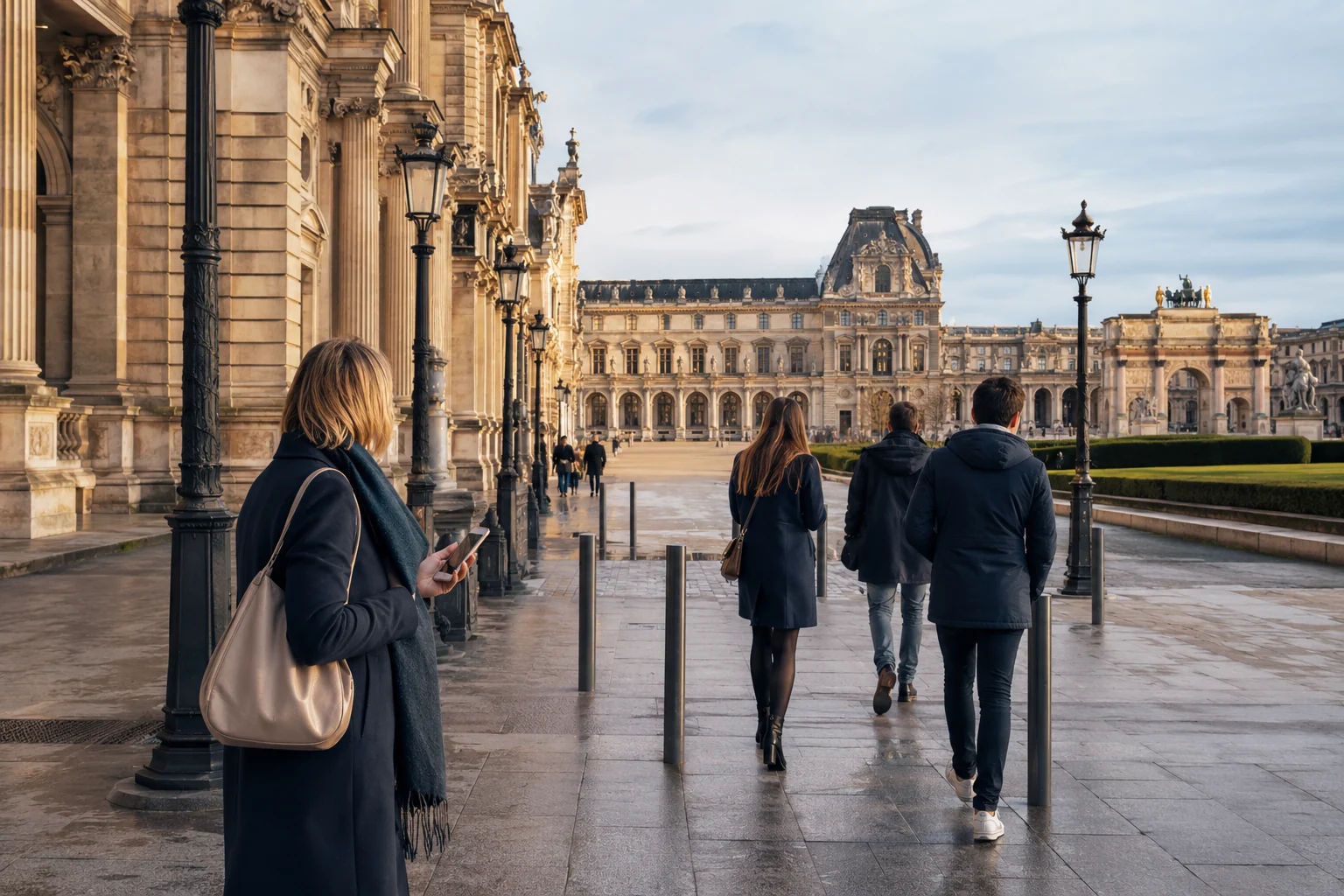
Allow about three hours for a focused first visit, more for dedicated art travelers. Eat beforehand and know the correct entrance. If the Louvre is closed, tickets are unavailable or Impressionism matters more, use the Musée d’Orsay as the major museum and adjust the walking route from the Left Bank.
After the museum, step into the Tuileries or Palais Royal rather than immediately joining another queue. Both offer a physical and visual reset. Lunch around Palais Royal, the 2nd arrondissement or the western edge of Le Marais, depending on energy.
Afternoon: cross toward Île de la Cité
Walk east along the Seine or use a short Métro ride to the historic islands. Notre-Dame is again open to visitors, but it remains an active cathedral. Entry is free, worship takes priority and a reservation is optional. Allow time for the queue even with a slot.
Choose Sainte-Chapelle only if its stained glass is a genuine priority and the ticket fits the day. Adding the Conciergerie, Sainte-Chapelle, Notre-Dame and an archaeological visit creates another museum circuit immediately after the Louvre. One interior plus the streets and river usually produces a better afternoon.
From Île de la Cité, cross toward Hôtel de Ville and Le Marais. The transition from monumental riverfront to narrower commercial and residential streets is part of the day’s logic; there is no need to teleport by Métro for a journey that is itself worth seeing.
Evening: let Le Marais replace another attraction
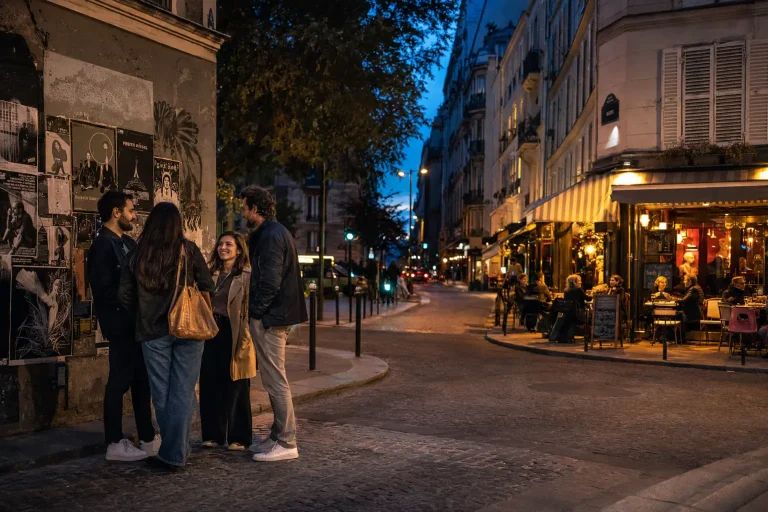
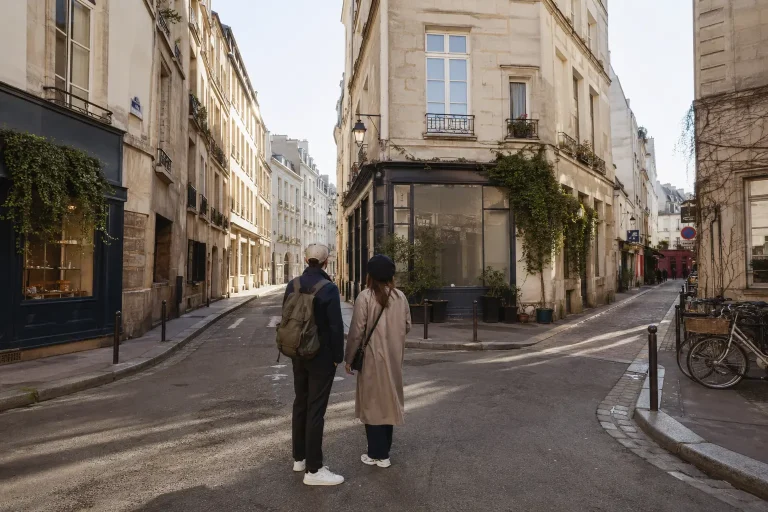
Use Le Marais for walking, dinner and one small cultural stop if hours permit. Place des Vosges, the streets around Saint-Paul, the Jewish quarter and the northern Marais each have a different rhythm. Pick a direction rather than trying to “complete” the neighborhood.
This is also the right evening to revise day three. If the Louvre was exhausting, reduce the remaining museum plan. If walking felt easy, keep Montmartre and an afternoon neighborhood. If rain is moving in, shift the covered passages or a smaller museum into the wettest hours.
Remove first if the day slips: Sainte-Chapelle or extended shopping. Keep the chosen museum, Notre-Dame area and dinner in Le Marais.
Day 3: Montmartre early, then choose what Paris you want more of
Montmartre works best before its central lanes fill. Begin here, accept the hill and avoid treating every viral photo location as a required stop. Then use the afternoon for one interest-led choice instead of a generic final sprint.
Morning: walk Montmartre before the busiest hours
Arrive early enough to experience residential streets opening for the day. Visit Sacré-Cœur, look across the city and walk through the upper neighborhood before tour groups concentrate around Place du Tertre. The basilica is the anchor; the useful experience is the changing street scale around it.
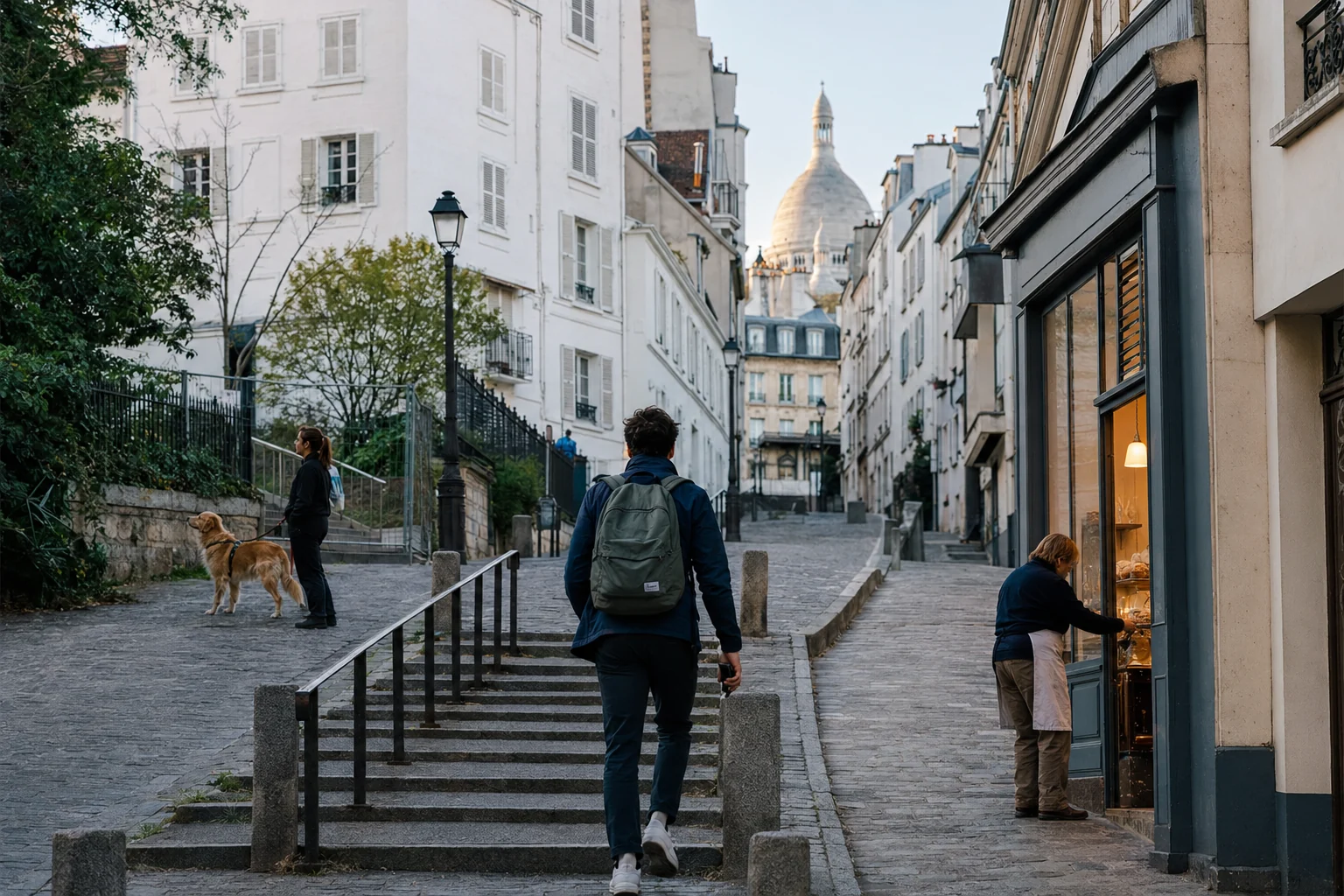
Montmartre contains real homes and working streets, not only a preserved artists’ village. Keep voices low in residential lanes and do not block doorways for photographs. The most famous corners may already have queues just outside the frame.
Descend on foot toward the 9th arrondissement if mobility allows. The slope reveals how abruptly Montmartre meets the denser commercial city below. Otherwise, use the funicular and Métro.
Early afternoon: Opéra and the covered passages
The 9th and 2nd arrondissements make a practical continuation. Choose the Palais Garnier area, department-store rooftops or one or two covered passages. The passages are particularly useful in poor weather, but they are small; they should form a walk, not an eight-item collection.
Lunch around the 9th, rue des Martyrs or the 2nd. This area offers enough choice to eat according to appetite rather than a reservation made months earlier. If shopping matters, this is the day for department stores and specialty shops.
Late afternoon: choose one final Paris
Use the final hours to deepen one interest:
- For gardens and the Left Bank: travel to Luxembourg Garden, then walk through Saint-Germain toward the Seine.
- For contemporary eastern Paris: follow Canal Saint-Martin and continue toward the 10th or 11th for dinner.
- For another museum: choose a smaller institution with a collection that genuinely interests you, and verify its current exhibition and closing day.
- For rest: return to the most appealing neighborhood from the first two days, sit down and allow Paris to stop being an assignment.
This choice is deliberately open. By day three, the traveler has better information than any pre-trip article: actual energy, weather, museum appetite and the street that produced the strongest desire to linger.
Remove first if the day slips: the covered passages or second neighborhood. Keep Montmartre and one meaningful final choice.
Why Versailles is not in the default three-day itinerary
Versailles is not a quick extension of central Paris. Travel, security, the palace, gardens and the return consume most of a day. It can be worthwhile for travelers whose main interest is royal history, landscape design or the estate itself, but including it means removing a full Paris day.
For a first visit of only three complete days, that trade usually costs too much. Choose Versailles instead of day three—not in addition to it. Montmartre, the 9th and the final neighborhood would then move to a future trip. This is a preference decision, not a scheduling challenge to be defeated by waking earlier.
Adjust the plan for arrival, rain and closing days
If day one is an arrival day
Do not use this full itinerary unchanged. Keep only the Eiffel Tower exterior, a nearby dinner and perhaps a river walk. Move the timed tower visit to another day. Long-haul arrivals involve immigration, airport transport, hotel logistics and a body that may believe it is 4 a.m.
Lush Nomad’s long-flight essentials guide can make the flight more manageable, while the carry-on packing list reduces friction if checked baggage is delayed. For the wider trip, use the Europe packing list rather than building a Paris wardrobe around one forecast.
If rain settles in
Move the major museum, Palais Garnier or covered passages into the wettest block. Keep a neighborhood walk for lighter rain; Paris streets often remain workable with a compact umbrella and suitable shoes. Avoid scheduling two large museums simply because they have roofs. Museum fatigue is weatherproof.
If the Louvre falls on Tuesday
Swap day two with day one or three, or choose another museum after checking its own closure schedule. Do not assume every Paris museum closes on the same day. Current exhibition schedules, late openings and renovation closures should be checked directly with each institution.
How much should be booked in advance?
Book the Louvre, Eiffel Tower and any performance that defines the trip. Consider a Seine cruise reservation during peak periods, but retain flexibility when weather matters. Notre-Dame ordinary admission is free, and the optional official reservation should never involve payment to a third-party ticket seller.
Restaurant reservations are useful for one or two important dinners. They become restrictive when every evening has a fixed address on the opposite side of the city. Leave at least one dinner unbooked so the day can end in the neighborhood where you already are.
Is three days in Paris enough?
Three days is enough for a strong first introduction, not comprehensive coverage. This itinerary includes one major museum, the Eiffel Tower, the historic core, Le Marais and Montmartre while preserving normal meals and some unscheduled walking. It excludes Versailles and treats additional museums as substitutions.
The trip succeeds when the route leaves a few reasons to return. Paris has spent centuries becoming complicated; finishing it by Sunday evening was never a reasonable project.
Frequently Asked Questions
Is 3 days enough to see Paris?
Yes, three full sightseeing days are enough to see the Eiffel Tower, one major museum, the historic islands, Le Marais, and Montmartre without racing, as long as you group nearby places and make only one timed reservation per day.
What is the best order for a 3-day Paris itinerary?
Use the western landmarks like the Eiffel Tower on day one, the Louvre and historic center on day two, and Montmartre plus an interest-led afternoon on day three.