The best museums in Paris are not one fixed top-ten list. For most first-time visitors, the Louvre is best for breadth and historical scale, the Musée d’Orsay for a more coherent two- or three-hour art visit, the Orangerie for Monet in a compact setting, the Rodin Museum for sculpture with breathing room, and Carnavalet for the story of Paris itself.
Choose by subject, available time and tolerance for crowds. One major museum plus one smaller collection is usually more rewarding than spending three consecutive days moving from queue to cloakroom to gallery. Paris has enough art to outlast any itinerary; your attention is the scarce resource.
The quick choice: which Paris museum fits you?
| If you want… | Choose | Realistic visit | The catch |
|---|---|---|---|
| A world-spanning collection and palace history | Louvre | 3–5 hours | Crowds, navigation and sheer scale |
| Impressionism and late-19th-century art | Musée d’Orsay | 2–3 hours | Busy central galleries and current entrance works |
| Monet’s Water Lilies without a full museum day | Musée de l’Orangerie | 1–1.5 hours | Small rooms can still feel crowded |
| Sculpture, architecture and a garden | Musée Rodin | 1.5–2 hours | Outdoor experience depends on weather |
| The history of Paris | Musée Carnavalet | 2–3 hours | Chronological galleries require selective pacing |
| Medieval art and Roman remains | Musée de Cluny | 1.5–2 hours | More specialized than the big art museums |
| Decorative arts, fashion and design | Musée des Arts Décoratifs | 2–3 hours | Temporary shows can drive queues |
| Modern and contemporary art | Check current exhibitions first | Varies | Centre Pompidou’s main building is closed for renovation |
These times are planning ranges, not promises. Someone who has studied Impressionism for years may happily spend six hours at Orsay; someone accompanying them may reach spiritual completion after ninety minutes.
Louvre: best for range, not for completing a checklist
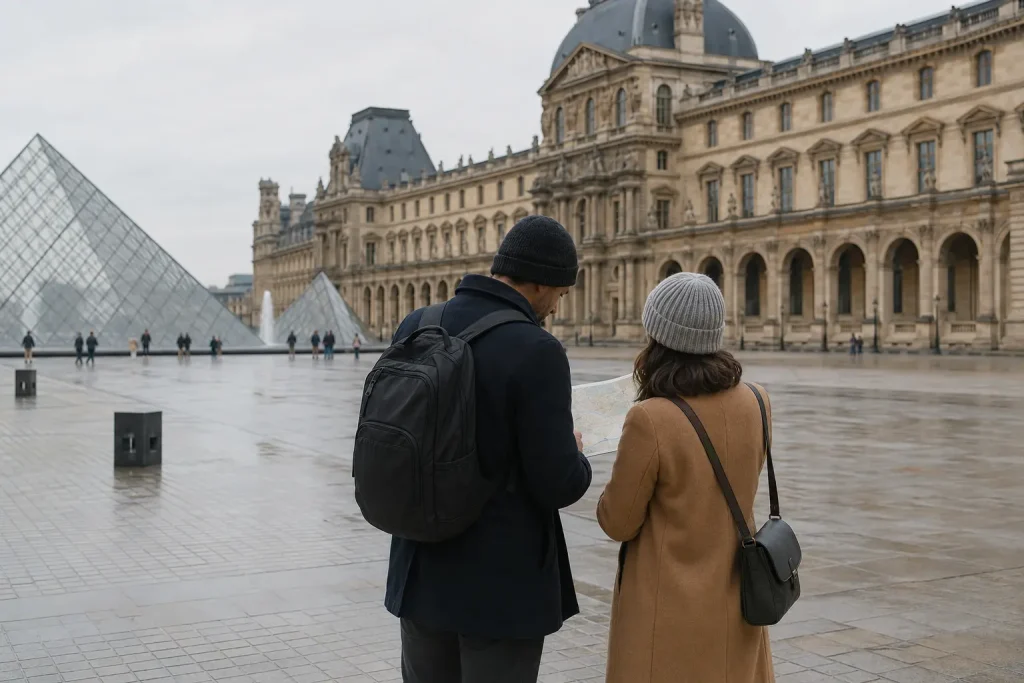
The Louvre is the strongest choice when you want ancient civilizations, European painting, sculpture, royal interiors and the building’s history as a palace in one visit. It is also the easiest museum to experience badly. Entering without a route often leads to following the crowd toward the Mona Lisa, seeing a succession of works without context and leaving with very clear memories of escalators.
Before booking, choose one collection or a short sequence of priorities. The museum’s official site provides visitor trails and a collection map. A sensible first visit might connect the Winged Victory, selected Italian paintings, French crown rooms and one ancient collection rather than attempting all three wings.
Reserve a timed entry through the official Louvre website. A time slot manages entry; it does not create an empty museum or remove security screening. Arrive with the current entrance instructions checked because renovation, events and operational changes can affect access.
The Louvre is worth the effort when its collection matters to you. It is not a compulsory rite for travelers who prefer Impressionism, design or city history. Famous and personally meaningful are different categories.
Musée d’Orsay: the best single museum for many first visits
For a visitor who wants recognizable art in a collection that can be understood within half a day, the Musée d’Orsay is often the best museum in Paris. Its strengths include Impressionist and Post-Impressionist painting, sculpture, decorative arts and the experience of moving through a former railway station.
The collection covers a tighter historical period than the Louvre, so relationships among artists and movements are easier to follow. Rather than hunting isolated masterpieces across a palace, you can watch academic painting, realism, Impressionism, Symbolism and Art Nouveau argue with one another under the same great roof.
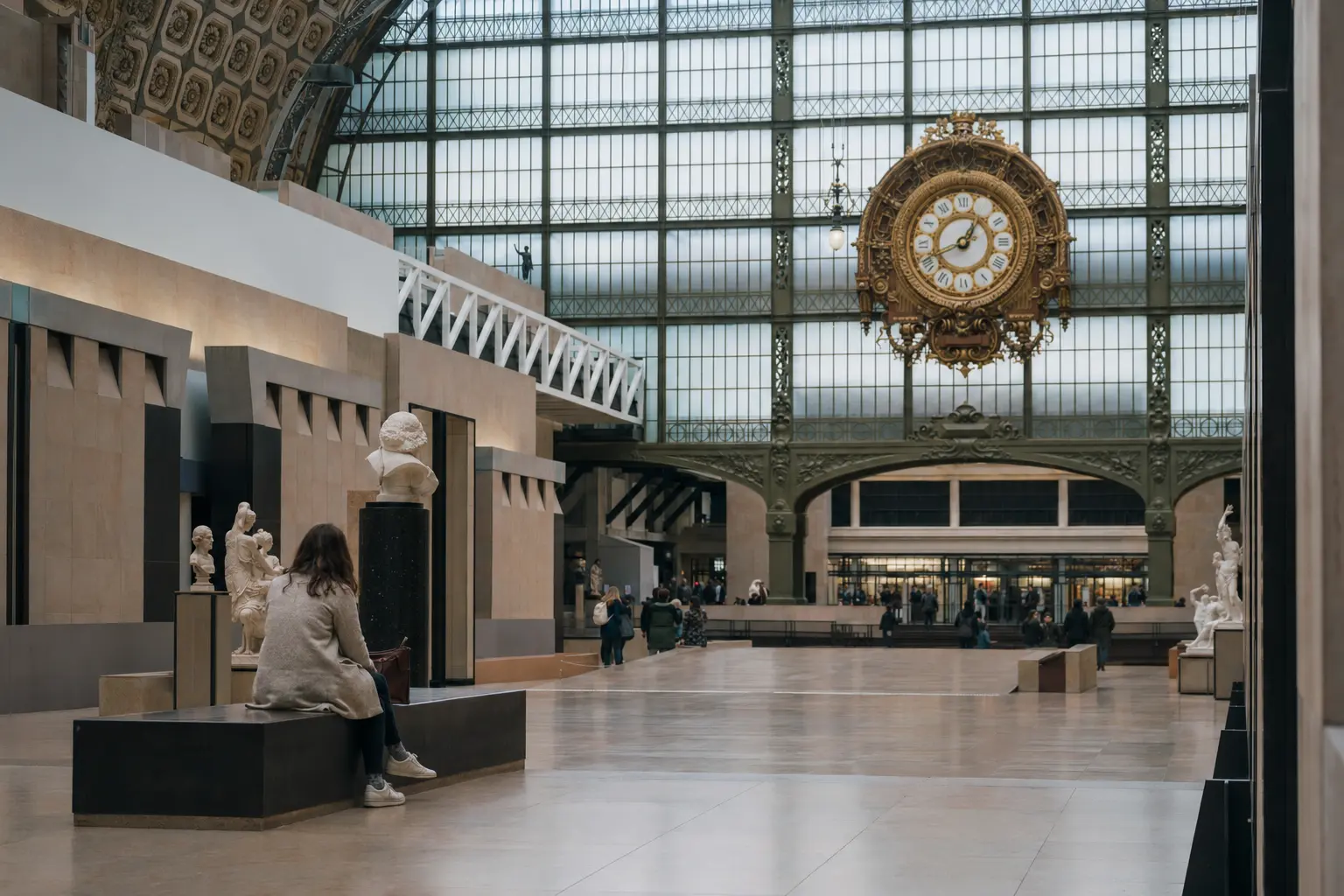
Do not mistake “smaller than the Louvre” for small. Choose several galleries, pause at the clock and leave before the final rooms become an obligation. Thursday late opening can be useful for travelers who would rather spend daylight outdoors, but special exhibitions and school groups still affect crowd levels.
The museum’s official visit page currently lists Monday closure and late opening on Thursday. It also warns that reception areas are being renovated from March 2026 into summer 2028, so check access conditions close to the visit.
Musée de l’Orangerie: best compact visit for Monet
The Orangerie is built around Claude Monet’s large Water Lilies panels, installed in two oval rooms shaped by the artist’s ideas about light, space and continuous viewing. The experience is less about checking individual paintings than allowing the curved sequence to work as an environment.
It is the best choice when you want one concentrated artistic encounter and do not have the attention for another vast institution. The lower galleries hold the Walter-Guillaume collection, including works by Renoir, Cézanne, Matisse, Modigliani and others, so the museum is more than its two famous rooms.
Plan about an hour to ninety minutes. Go near opening or during a late session when available. Even a small museum can feel tiring when every visitor is trying to stand in the same quiet oval while taking a wide photograph.
Online booking is sensible. The official Orangerie visit page publishes current hours, prices and late openings; free first Sundays require a time slot.
Musée Rodin: best when you need art and air
The Musée Rodin occupies the Hôtel Biron, where rooms of sculpture, drawings and archival material open onto a formal garden. It is a strong second museum because the experience changes rhythm: bronze figures appear among trees and gravel paths rather than under another sequence of gallery lights.
Rodin’s familiar works become more complicated in context. The Thinker was conceived in relation to The Gates of Hell, not as a generic mascot for intelligence, while the museum’s presentation also creates space for Camille Claudel and the artistic networks around Rodin.
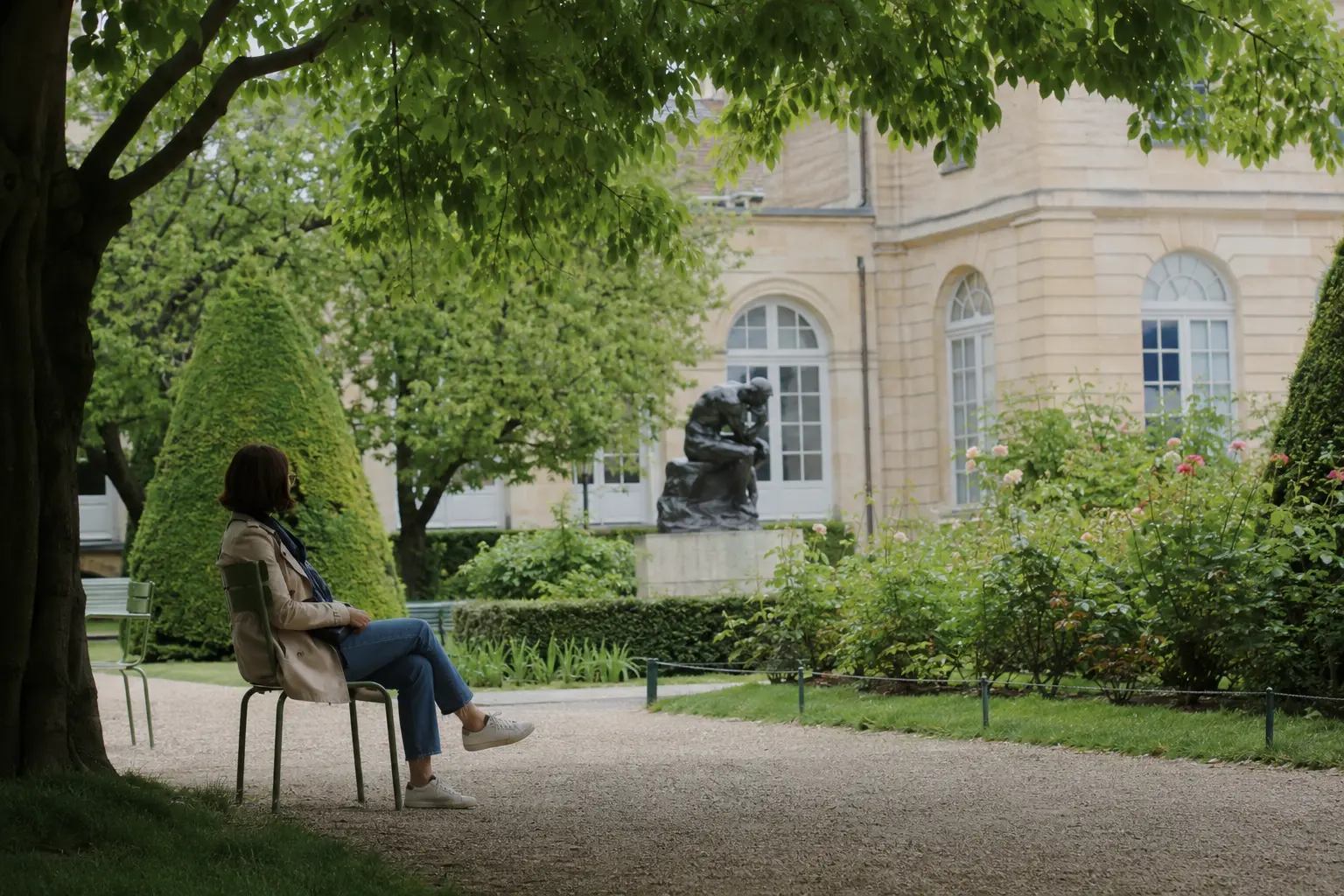
Allow time to sit in the garden. This is not wasted museum time; it is how the visit avoids becoming a march between labels. In poor weather, the balance shifts toward the house, so check whether the garden experience still justifies the trip.
The official Musée Rodin visitor information currently lists Tuesday through Sunday opening and includes the sculpture garden in the main Paris visit.
Musée Carnavalet: best for understanding Paris
Carnavalet follows the history of Paris through archaeology, paintings, signs, furniture, reconstructed rooms, documents and objects from everyday and political life. It is the right choice when the city itself interests you more than a survey of famous artists.
The museum explains how medieval streets, royal power, revolution, urban rebuilding and popular culture accumulated into the Paris outside. Decorative shop signs and domestic interiors give the chronology texture; this is history through rooms and things, not just dates.
Permanent collections are free and can be entered without booking, according to the museum’s current practical information. Temporary exhibitions may have separate tickets. Free entry makes Carnavalet easy to split: visit selected periods, walk the Marais, and return another day rather than forcing every gallery into one afternoon.
Use the museum’s highlights or chronological routes if French history is unfamiliar. Beginning at the beginning and reading every panel is admirable, but it may leave the Revolution waiting until closing time.
Musée de Cluny: best for medieval Paris
The Musée de Cluny combines medieval collections with the remains of Roman baths and a building rooted in the city’s layered history. Its best-known works include The Lady and the Unicorn tapestries, but sculpture, stained glass, manuscripts, metalwork and architectural fragments make the visit broader.
Choose Cluny if Notre-Dame, Sainte-Chapelle or the surviving traces of medieval Paris have raised questions that a street walk cannot answer. The collection makes craftsmanship and religious imagery legible without requiring a full day.
Its scale is manageable, and the Latin Quarter location pairs naturally with nearby Roman and medieval sites. Check the official museum website for current exhibitions, hours and ticket conditions before visiting.
Decorative arts, fashion and design
The Musée des Arts Décoratifs occupies a wing of the Louvre complex but is a separate institution. Furniture, interiors, jewelry, graphic design, fashion and objects of daily life make it more useful for design-minded visitors than another general painting collection.
Temporary fashion exhibitions can be extremely popular. Check what is actually on view rather than assuming the permanent collection includes the designer or period you want. The same rule applies to Palais Galliera, the City of Paris fashion museum: exhibitions rotate, and the museum is not necessarily a permanent walk through all of French fashion.
La Galerie Dior is a branded exhibition space rather than a comprehensive public fashion museum. It can suit travelers specifically interested in the house’s history and presentation, but it should not automatically replace the broader material culture at the Musée des Arts Décoratifs or a strong Galliera exhibition.
Modern and contemporary art: check the 2026 reality
The Centre Pompidou’s main Beaubourg building closed for a major renovation program, so an old list calling it the default modern-art stop is no longer operational advice. Programming continues through partner venues and other locations, but visitors should verify the exact exhibition and address rather than navigating to the familiar colored pipes out of habit.
For contemporary work, look at the current programs at Palais de Tokyo, Bourse de Commerce, Fondation Louis Vuitton, Musée d’Art Moderne de Paris and smaller institutions. These venues do not perform the same job. Some are collection-based, some are exhibition-led, and several are as interesting for architecture as for the show inside.
Current exhibitions matter more here than institutional fame. A contemporary museum between major shows can be a weaker choice than a small venue presenting exactly the artist or question that interests you.
Small museums are not consolation prizes
Paris’s smaller museums often preserve the scale of a home, studio or specialized collection. Musée de la Vie Romantique, Musée Gustave Moreau, Musée Zadkine, Musée Bourdelle, Musée Marmottan Monet and Musée Jacquemart-André can each offer a more coherent hour than a rushed pass through a major institution.
Choose them for subject and atmosphere, not merely because they are described as “hidden.” Marmottan is especially relevant to Monet enthusiasts; Gustave Moreau preserves a painter’s house and extraordinary studio; Zadkine and Bourdelle connect sculpture to working spaces.
Smaller does not always mean empty. Fashionable exhibitions, narrow rooms and social-media attention can produce queues in very compact buildings. Check current ticketing and exhibition calendars.
How to combine museums without exhausting yourself
Group by geography and contrast, not only by fame.
Louvre and Orangerie
This pairing is geographically efficient, but doing both collections in full is ambitious. Use a selective Louvre route, take a real outdoor break in the Tuileries, then visit the Orangerie if Monet remains a pleasure rather than another appointment.
Orsay and Rodin
Orsay supplies density; Rodin supplies space and a garden. The combination works better than two enormous indoor museums, especially in mild weather. A proper lunch between them helps more than squeezing in another riverside monument.
Carnavalet and a Marais walk
Carnavalet gives historical context to streets, hôtels particuliers and urban changes visible nearby. This is one of the most coherent half-day combinations because the second half continues the museum’s subject outdoors.
Cluny and the medieval center
Pair Cluny with Sainte-Chapelle, the exterior and reopened spaces of Notre-Dame, or a Latin Quarter walk. Keep at most one timed reservation; several security lines can turn a thematic route into queue management.
Is the Paris Museum Pass worth it?
The Paris Museum Pass can be useful when you plan several included museums and monuments within its consecutive-day validity. It is less useful when your schedule favors free city museums, long single-museum visits or neighborhoods without ticketed attractions.
Calculate with places you genuinely intend to enter, not the maximum number physically possible. Then check each venue’s reservation rules. A pass may cover admission while a timed booking remains required, including at the Louvre. “Skip the line” generally does not mean bypassing security.
The official Paris Museum Pass information lists current durations, included sites and reservation notes. Buy for savings or convenience only after the itinerary exists; do not build a frantic itinerary to justify a card already purchased.
Booking, free admission and weekly closures
Major museums close on different days. The Louvre and Orangerie commonly close Tuesday; Orsay, Carnavalet and Rodin commonly close Monday. These patterns are useful, but temporary closures, holidays and exhibition changes override them.
Book the priority museum first, then plan the surrounding day. Free first Sundays can save money but may require reservations and attract heavier demand. Many City of Paris museums offer free permanent collections, while temporary exhibitions charge admission.
Always use the museum’s official ticketing link. Search ads and third-party tours can appear above the institution itself, sometimes adding fees or selling a guided product when you only wanted admission.
A humane museum strategy
Decide what would make the visit successful before entering: one room, one period, three works, an architectural detail or an exhibition. Museum fatigue is not a moral failure. It is what happens when the eyes keep receiving masterpieces after the mind has stopped making distinctions.
Eat before the visit, carry only what current security rules allow and use cloakrooms when available. Take a seated break before attention collapses. If you are traveling with someone whose interests differ, separate for an hour and meet at a precise place; companionship does not require synchronized enthusiasm for Flemish altarpieces.
The best Paris museum plan leaves something unseen. Choose one institution that matches your strongest interest, add a smaller counterpoint if time allows, and keep enough of the day outside to notice the city that made these collections possible.
Frequently Asked Questions
What is the best museum in Paris?
It depends on your interest. The Louvre is best for breadth and historical scale, the Musee d’Orsay for a coherent two- to three-hour art visit, the Orangerie for Monet in a compact setting, and Carnavalet for the story of Paris itself.
How many museums should you visit in one day in Paris?
One major museum plus one smaller collection is usually more rewarding than spending consecutive days moving from queue to gallery, since Paris has enough art to outlast any itinerary.