
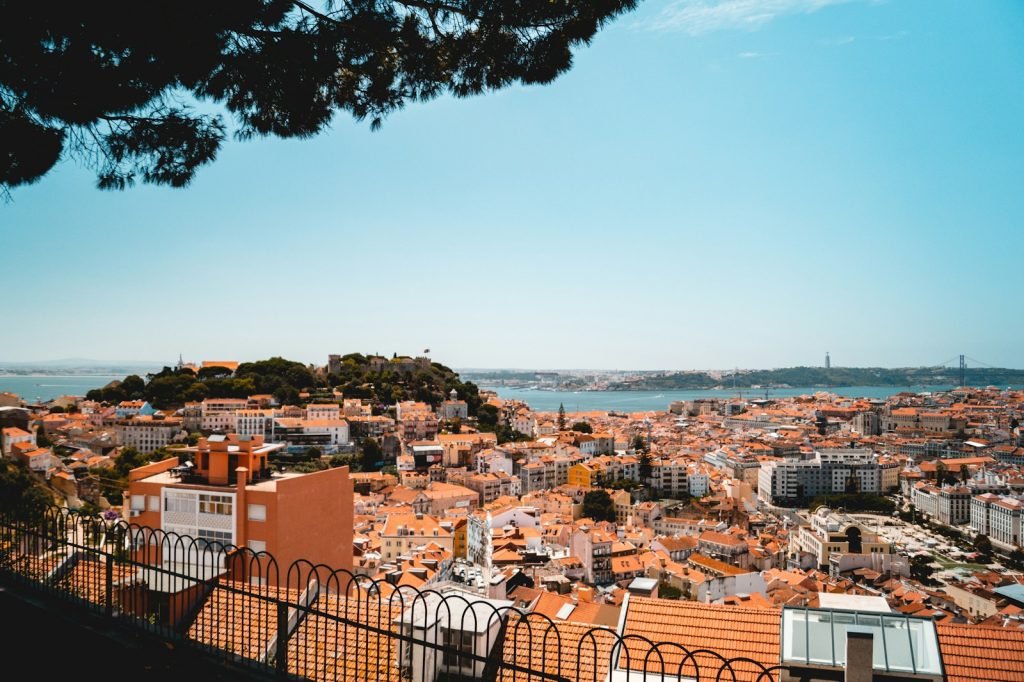
Cover: Terracotta rooftops in Lisbon overlooking the Tagus River. Photo: Louis Droege / Unsplash.
The best solo trips have room for a second coffee, an unplanned museum visit, and an afternoon nobody else gets to vote on. Choosing the destination is partly about finding a place where those small freedoms are easy to enjoy.
For women traveling alone, the practical details matter too: a base you can navigate independently, meals that do not require a group, and ways to find company when you want it. These are our picks for the best places to travel for solo female travelers, organized around the kind of trip each city does particularly well.
Tokyo suits absorbed, independent wandering; Lisbon offers a mix of solo exploring and organized outings; Edinburgh makes a compact cultural break. For outdoor trips with a town to return to, look at Reykjavík or Queenstown. Valencia is the choice for city days with a beach attached.
The suggested stays below are editorial recommendations for time on the ground, excluding flights. This is a selection for traveler fit, rather than a safety ranking; check the U.S. State Department’s current destination advice before booking. Prefer a domestic trip? Start with our places for solo female travel in the US.
Compare the Destinations at a Glance
| Destination | Best for | Suggested stay | Estimated daily budget (USD) |
|---|---|---|---|
| Tokyo, Japan | Food, neighborhood wandering, and independent exploring | 5–7 days | $110–240 |
| Lisbon, Portugal | Café mornings, historic streets, and shared food experiences | 4–5 days | $140–220 |
| Edinburgh, Scotland | Books, history, and museums in a compact city break | 3–4 days | $200–330 |
| Copenhagen, Denmark | Design, waterfront walks, and an unhurried city break | 3–4 days | $240–320 |
| Seoul, South Korea | Markets, cafés, contemporary culture, and neighborhood exploring | 5–6 days | $180–260 |
| Singapore | A food-focused trip with a manageable city itinerary | 3–4 days | $250–320 |
| Montréal, Canada | Markets, galleries, and everyday pleasures | 3–5 days | $180–260 |
| Reykjavík, Iceland | A city base for guided nature excursions | 4–5 days | $200–350 |
| Queenstown, New Zealand | Outdoor adventures and guided activities | 5–7 days | $170–280 |
| Valencia, Spain | A city break with time at the beach | 4–5 days | $170–250 |
Budget notes: These are approximate editorial planning estimates for one traveler paying for a private room, casual meals, local transportation, and modest sightseeing. They are not official spending averages or live hotel quotes. International flights, shopping, rental cars, and major excursions are excluded; budget separately for guided nature tours in Reykjavík and adventure activities in Queenstown. Prices vary with travel dates and room availability, and peak-season stays may cost more. Suggested stays count time at the destination, excluding travel days. Price references are listed under Sources and fact checks.
1. Tokyo, Japan: For being happily absorbed in your own day
Tokyo gives an independent traveler plenty to pay attention to. Spend a morning in Yanaka and Nezu: browse the small food shops of Yanaka Ginza, stop at Nezu Shrine, then find a café when your feet call the meeting. This quieter pocket of Tokyo rewards an afternoon without a long checklist.
Choose Tokyo if you enjoy observing, browsing, and following an interest without explaining it to anyone. Build another day around a museum, stationery shops, or a neighborhood food walk. For meals, look for counter seating and single-serving dishes rather than assuming every restaurant will suit a walk-in solo diner.
The city rewards independence, but independence and company are different things. If conversation matters to you, give it a place in the itinerary: book a guided food walk or a class instead of hoping the subway will provide introductions.
Allow five to seven days, and organize each around neighboring districts. The tradeoff is scale: trying to combine opposite sides of Tokyo can turn a leisurely plan into a transit project. Leave room to get interested in the place you are already standing.

2. Lisbon, Portugal: For solo mornings and shared experiences
Lisbon lends itself to a day that changes pace. Begin among Alfama’s tiled façades and narrow lanes, climb toward a river viewpoint, then leave the afternoon open for a guided walk or a longer lunch. Use trams, buses, and the Metro for the longer stretches between districts; the best part of the day may still be the walk after you get off.
The appeal is the combination: you can spend hours exploring independently, then make a deliberate plan to join other people. A small-group food tour or a fado performance gives the evening a purpose beyond finding somewhere to sit. Choose accommodation with organized activities if that balance matters more than complete privacy.
Four to five days leaves room for slow mornings and a trip beyond the city. Keep the first day geographically modest, then decide whether you want to explore another neighborhood or spend more time in one you already like. A second afternoon in Alfama does not need defending.
The catch is underfoot. Hills and cobbles make a full day of wandering more demanding than the map suggests. Choose your base for its actual route to transit, and leave enough time to enjoy the viewpoints after reaching them.
3. Edinburgh, Scotland: For a compact cultural escape
Edinburgh is a strong choice when your ideal solo day involves a gallery, a bookshop, and a long look at the city from a hill. The Old Town’s narrow closes and the New Town’s broader streets give a short break enough variety without requiring a new hotel every night.
The Royal Mile supplies the history; the Scottish National Gallery, Calton Hill, and Stockbridge give the trip different textures. Leave time between them for a bookshop or a café instead of making each day an uninterrupted march. English also removes one layer of practical friction for Americans navigating a first international solo trip.
Plan three to four days. Spend one on the Old Town, another on art and the New Town, and keep the remaining time for whichever part interests you most. You can join a history walk for context and conversation, then take the rest of the afternoon at your own pace.
Edinburgh suits someone who wants cultural substance in a relatively contained city break. The limitation is its terrain: compact does not mean flat. Steps, slopes, and cobbled streets deserve consideration when choosing accommodation or deciding how much to cover on foot.
4. Copenhagen, Denmark: For design and an unhurried waterfront day
In Copenhagen, leave space between the sights. Browse design shops, choose a bakery breakfast, and spend part of the afternoon by the harbor. On a summer trip, the waterfront can be an activity in itself rather than merely the route to somewhere else.
At Islands Brygge, the harbor bath sits beside a lawn used for picnics and lounging. Spend a warm afternoon here if you enjoy being among other people without committing to a tour or an evening out. A swim, a picnic, or a book on the grass can be enough of a plan. Swim only in designated bathing areas and observe local flags and instructions.
Give Copenhagen three to four days if architecture, food, and city wandering are the main attraction. It is particularly appealing when you want company in the background: a busy café or waterfront lawn, with no pressure to keep talking.
The tradeoff is seasonal. A trip built around lingering outdoors and swimming needs a different plan from a winter visit. Pick Copenhagen for the version of the city you actually want to experience, and let the itinerary match it.
5. Seoul, South Korea: For culture explored one neighborhood at a time
Seoul works well for a traveler who arrives with a particular curiosity: Korean cinema, contemporary art, palace history, food, or architecture. That interest provides a route through a city where trying to see everything is a fairly efficient way to exhaust yourself.
In Ikseon-dong, cafés and shops occupy a network of small hanok buildings near Jongno 3-ga Station, served by subway lines 1, 3, and 5. Pair the neighborhood with nearby sights rather than adding a cross-city detour. On another day, a stretch of Cheonggyecheon gives the schedule room to breathe.
Allow five to six days, and choose where to stay in Seoul around the places you expect to revisit. A neighborhood you can return to comfortably is more useful than a room selected only for its photographs.
The practical catch is dining: check menus for minimum orders before planning a solo meal around a shared dish. Seoul’s food scene is a reason to come, but every restaurant does not need to make your list. Pick a few meals you are excited about and give the rest of the day some flexibility.
6. Singapore: For a food-focused introduction to Southeast Asia
Singapore suits a short solo trip with a clear daily structure: one neighborhood, a meal you have been looking forward to, and an indoor stop between walks. In Kampong Gelam, the Sultan Mosque, shophouses, and Haji Lane provide several reasons to slow down and look beyond the skyline.
Hawker centers make a solo food itinerary easy to enjoy. Order an individual dish, eat, and move on without making each meal a restaurant occasion. Choose a few dishes you want to try and leave room for another meal; lunch need not become a competitive event.
Three to four days is a useful starting point. Stay near an MRT station so you can move between districts without building the entire day around transport.
The tradeoff is the kind of trip on offer. Singapore is a city base, not a substitute for a journey through Southeast Asia’s rural landscapes. Choose it for food, neighborhoods, museums, and manageable urban logistics, or give it a distinct place within a longer itinerary.
7. Montréal, Canada: For an international trip built around ordinary pleasures
Montréal makes a persuasive case for traveling without a dramatic agenda. Pick a neighborhood café, spend a morning at a market, then choose between a museum and another long walk. French-language streetscapes and Québec’s food culture give familiar city activities a different setting.
Start with Jean-Talon Market, where produce stalls, flowers, and specialty shops make browsing part of the outing. Jean-Talon and De Castelnau métro stations are within walking distance, so this can be a leisurely morning without a rental car or a parking plan.
Allow three to five days, depending on how much time you want for neighborhoods beyond Old Montréal. Choose a base with a useful métro or bus connection, then walk within each district. The pleasure is noticing what lies between stops, with enough energy left to enjoy the next one.
This is a good match for travelers who want an international change of scene while keeping the trip centered on eating, art, and daily life. The limitation is geographic: Montréal is a city break, and reaching Québec’s more remote landscapes needs a separate transport plan. Keep the city itinerary spacious enough to enjoy what is already nearby.
8. Reykjavík, Iceland: For dramatic day trips with one comfortable base
Reykjavík offers an appealing compromise for a woman who wants Icelandic landscapes without organizing a solo road trip. Stay in the city, join a guided excursion, and return to the same room at the end of the day.
A Golden Circle outing takes in Þingvellir, the Geysir geothermal area, and Gullfoss, giving you a day of landscapes with somebody else handling the route. Check the actual pickup point before choosing accommodation: departures from Reykjavík do not necessarily include collection at your door. You can share the day’s experience, then have the evening to yourself.
Back in town, try a municipal swimming pool. A few laps or time in a hot tub gives the trip a gentler rhythm between excursions. Check changing-room and accessibility arrangements at your chosen pool, then leave enough time to enjoy being there instead of fitting it between two departures.
Plan four to five days with at least one flexible day. Weather and road conditions can change quickly, and tours depend on workable conditions and departure schedules. Reykjavík suits a traveler willing to keep some plans loose in exchange for the landscapes. A free afternoon also leaves room for the city itself.
9. Queenstown, New Zealand: For outdoor adventures with support nearby
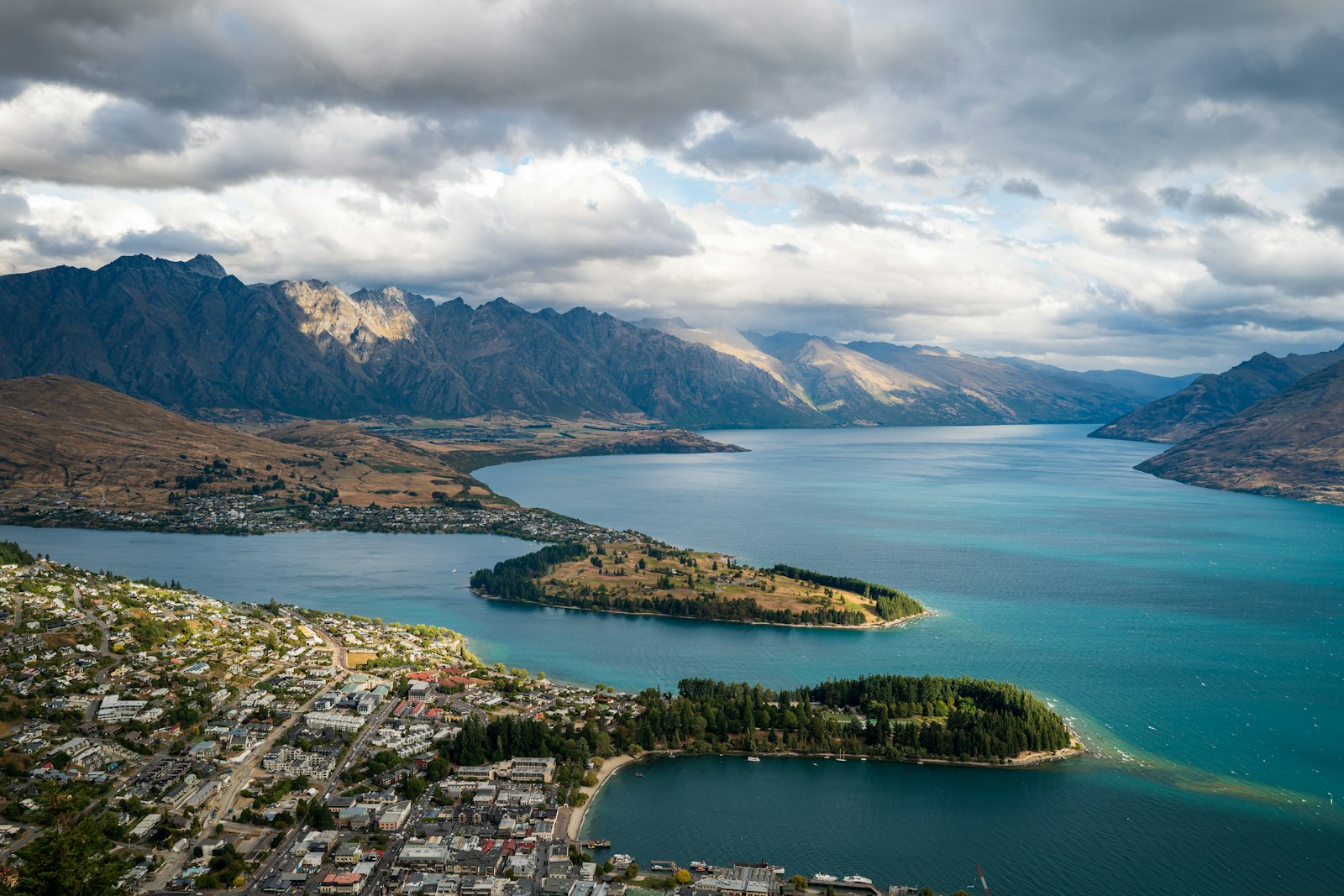
Queenstown gives an outdoor solo trip a recognizable center: Lake Whakatipu, mountains beyond it, and a town to return to between activities. You can make the visit physically ambitious or keep it focused on shorter walks and guided outings.
Begin with Queenstown Gardens, on a peninsula beside the lake. Keep one day for shorter walks and another for a guided outing that matches your experience and energy. Traveling alone gives you the useful freedom to decide how much effort you want to make before anyone else’s enthusiasm enters the calculation.
Allow five to seven days within a longer New Zealand trip. Central Queenstown is a practical base without a rental car, close to bus stops, tour pickups, and lakefront tracks. Check transport for each activity before committing to it; being near the water does not put every trailhead within walking distance.
The tradeoff is that staying near town does not make every nearby mountain route straightforward. Alpine conditions can deteriorate quickly, and rugged routes demand appropriate preparation. Choose guided support when it suits the outing, or spend the day on an easier lakeside walk. There is still a very large view.
10. Valencia, Spain: For a city break with room for the beach
Valencia is a good choice when you want to alternate between doing things and doing very little. Explore the old center, devote another day to the striking forms of the City of Arts and Sciences, then put the beach on the following day’s schedule.
The shore adds another rhythm to the trip. Public transport and cycling routes connect the city with its beaches, so you can make room for a seaside lunch and a walk along the promenade. Swimming can be the main event or something you never get around to.
Give Valencia four to five days. Choose a central base if markets, architecture, and museums are likely to fill most mornings; choose the waterfront if waking near the sea matters more. Plan the journey between the two before booking, so your preferred start to the day does not become a daily commute.
That is also the main compromise: the historic center and beach are separate parts of the city. Decide which you want on your doorstep rather than expecting one hotel to deliver both. Valencia suits a traveler who wants culture and coastal downtime in the same trip, with permission to linger over either.
Choose the place whose ordinary day appeals to you
Picture the middle of the trip, after arrival day and before the flight home. Would you rather follow a market street in Tokyo, move slowly through an Edinburgh gallery, or return to Reykjavík after a shared day out? Start with that answer. Then choose a base and a pace that make it possible. A worthwhile solo trip can include new company, long stretches alone, or both. The destination should give you enough choices to find the balance you want.
Sources and fact checks
Budget references: The daily ranges are editorial planning estimates, not official citywide spending statistics. The references below include tourism-board guidance, historical hotel data, and selected published hotel prices; they use different dates and methods and do not establish the range endpoints as measured averages. USD comparisons use the European Central Bank reference rates for October 9, 2026. Actual booking prices, taxes, and exchange rates may differ.
- Tokyo: JNTO accommodation and food price guidance for Japan; national guidance rather than Tokyo-specific averages.
- Lisbon: Turismo de Lisboa hotel data, including the March 2026 InfoGest report.
- Edinburgh: VisitScotland published room-price guidance for Nira Caledonia; guide prices rather than live availability.
- Copenhagen: VisitCopenhagen daily budget guidance.
- Seoul: Travelodge Dongdaemun official booking page; an indexed September 11, 2026 single-room price sample, including taxes, rather than a current booking quote.
- Singapore: Singapore Tourism Board 2025 hotel average room-rate data; an industry-wide hotel benchmark rather than a solo-traveler budget.
- Montréal: Ville de Montréal: tourist accommodation in 2025, using Tourisme Québec data.
- Reykjavík: Hótel Óðinsvé published single-room starting price; a selected property rather than a city average.
- Queenstown: Destination Queenstown accommodation price ranges and Tourism New Zealand food and general cost guidance.
- Valencia: Valencia City Council July 2025 hotel price data; a historical accommodation benchmark rather than a live quote.
Destination facts were checked against the official tourism, transport, municipal, and safety sources below. Suggested stays and traveler-fit judgments are editorial recommendations.
- Tokyo: GO TOKYO: Yanaka and Nezu.
- Lisbon: Visit Portugal: historic districts and trams.
- Edinburgh: VisitScotland: city sights and neighborhoods.
- Copenhagen: VisitCopenhagen: Islands Brygge and bathing rules.
- Seoul: Visit Seoul: Ikseon-dong and station access; Cheonggyecheon; a restaurant’s minimum-order requirement.
- Singapore: Singapore Tourism Board: Kampong Gelam; hawker dining; Land Transport Authority: journeys and payments.
- Montréal: Tourisme Montréal: Jean-Talon Market; market access; city transport.
- Reykjavík: Visit Reykjavík: day tours; municipal pools; ICE-SAR: changing weather and roads.
- Queenstown: Destination Queenstown: walks and alpine conditions; bases for travel without a car.
- Valencia: Visit Valencia: City of Arts and Sciences; city beaches; transport.