The best things to do in Hong Kong reveal how the city fits together: cross Victoria Harbour on the Star Ferry, look back from Victoria Peak, ride a tram through the street-level city, eat in a room where turnover matters more than decor, spend an afternoon in West Kowloon, then choose either a ridge walk or a long Lantau day. The point is not to collect 30 attractions. It is to experience the harbor, vertical geography, neighborhood life, food culture and unexpectedly large natural landscape without spending the visit in transit.
For a first trip, choose two or three major experiences per day and keep them in the same part of the city. Hong Kong is efficient, but efficiency is not teleportation.
Start with Victoria Harbour, preferably from the water
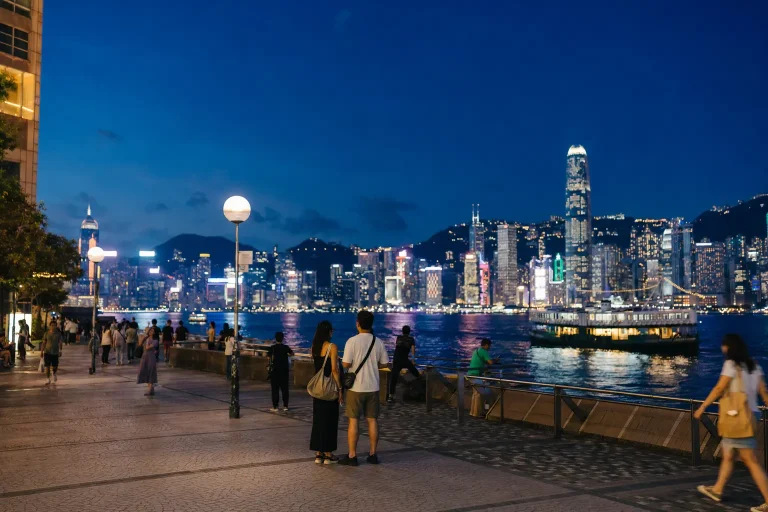
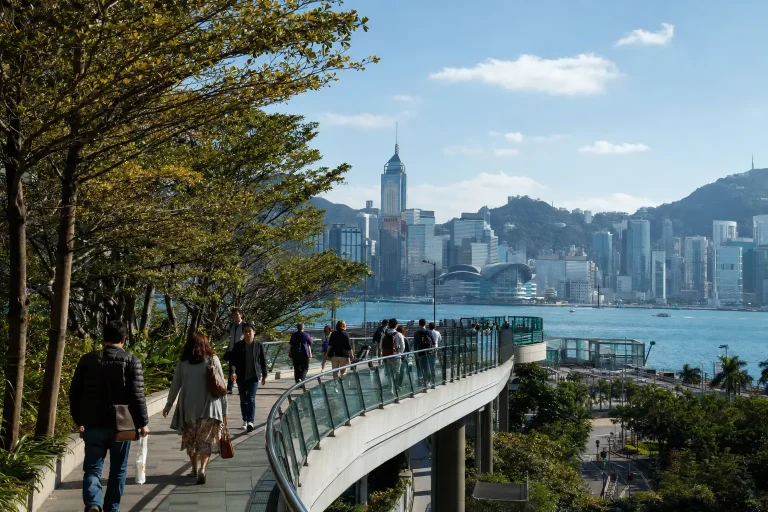
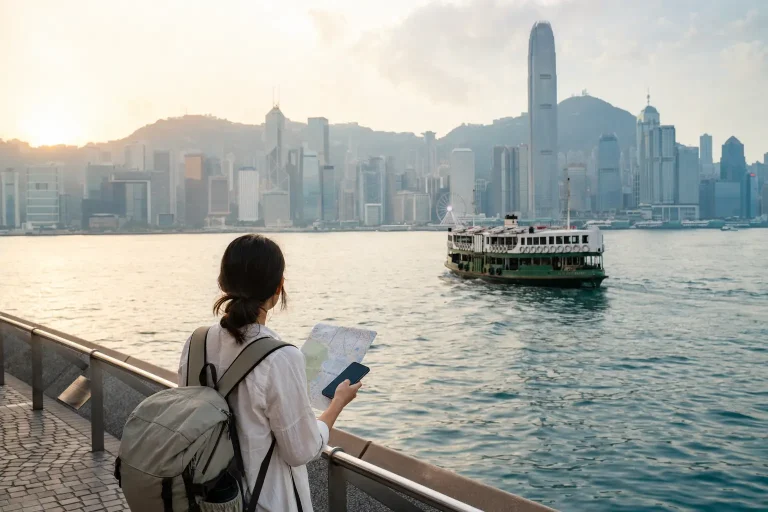
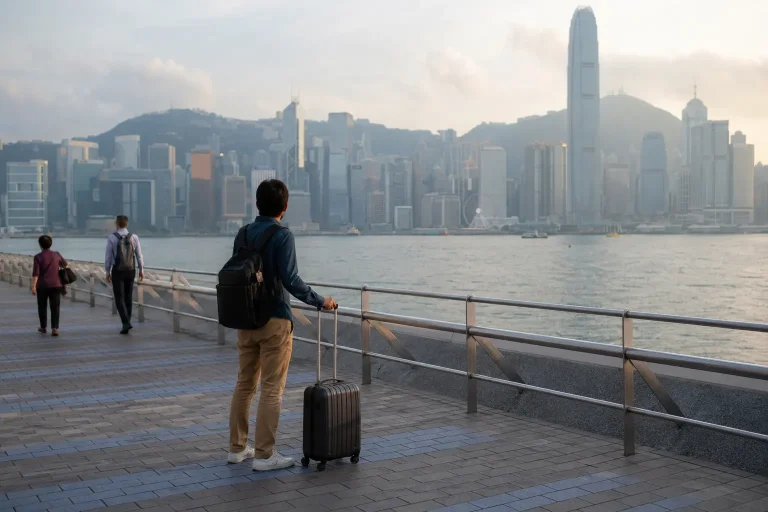
Victoria Harbour is Hong Kong’s clearest geographic introduction. Walk the Tsim Sha Tsui waterfront in the morning, when the skyline is easier to read and the promenade has not yet become an international group-photo negotiation.
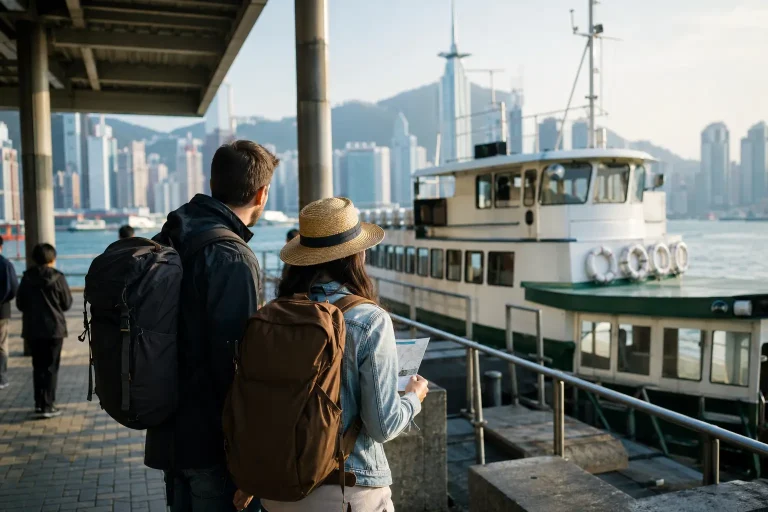
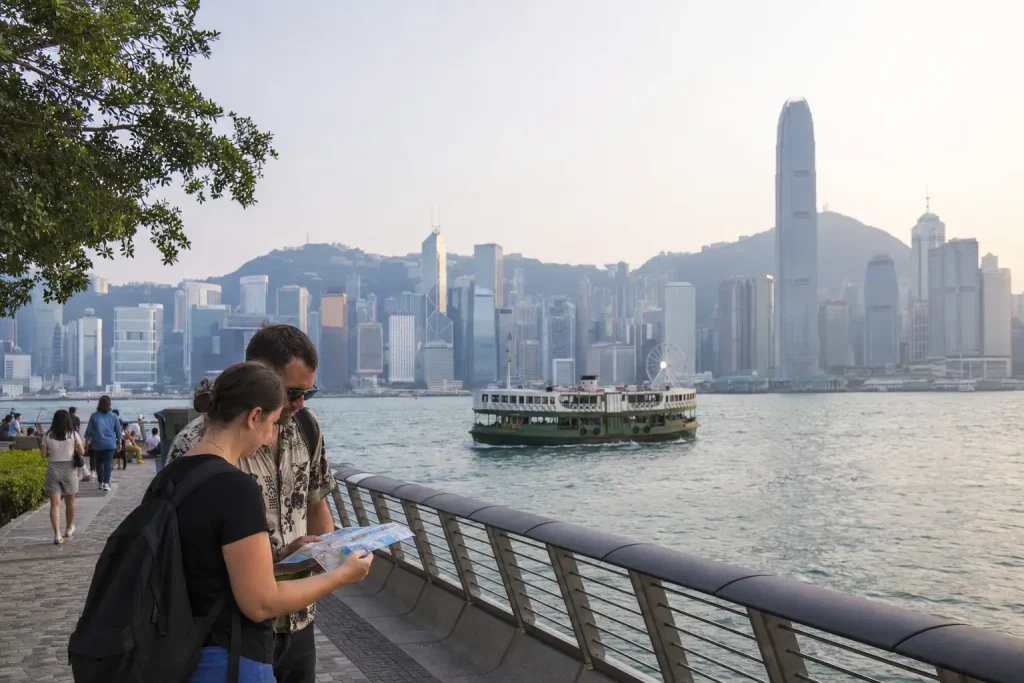
Then take the Star Ferry between Tsim Sha Tsui and Central. The crossing is brief, inexpensive and more useful than a dedicated sightseeing cruise for most first-time visitors. It shows the distance between Kowloon and Hong Kong Island, the density built against steep slopes and the working traffic of the harbor.
The nightly Symphony of Lights is free and easy to see from the waterfront, but it should be treated as a pleasant add-on rather than the organizing purpose of an evening. The harbor itself is the attraction; synchronized building lights are garnish.
Go up Victoria Peak, but choose the right way
The Peak earns its reputation because the view explains Hong Kong’s topography in one sweep. Central’s towers occupy a narrow strip below green slopes, while Kowloon and the New Territories extend beyond the harbor.
Peak Tram or a quieter walk?
The Peak Tram is part of the experience and has operated since 1888, but queues can consume the time saved by the steep ride. Buy through the official operator, check current hours and arrive early or later in the day. Clear weather matters more than a perfectly timed sunset reservation.
Travelers who prefer movement can combine public transport with a walk around Lugard Road or descend part of the way on foot. The Peak Circle Walk is relatively gentle, but Hong Kong heat and humidity can turn “easy” into a persuasive argument for carrying water.
Ride the tram through the everyday city
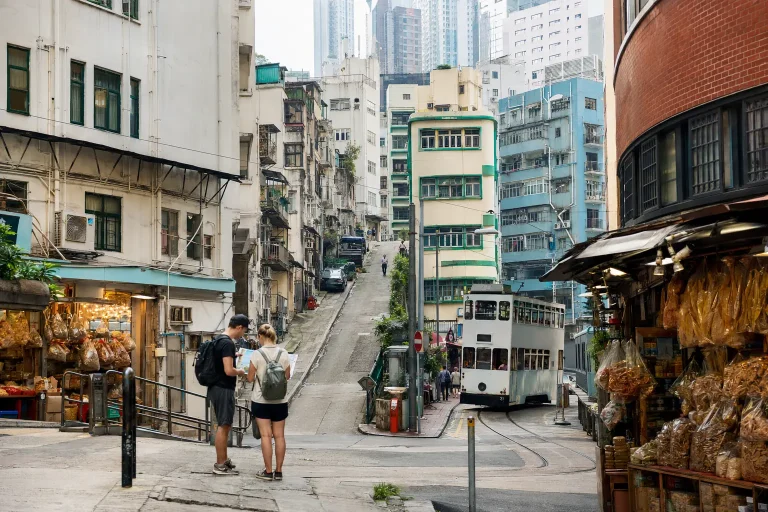
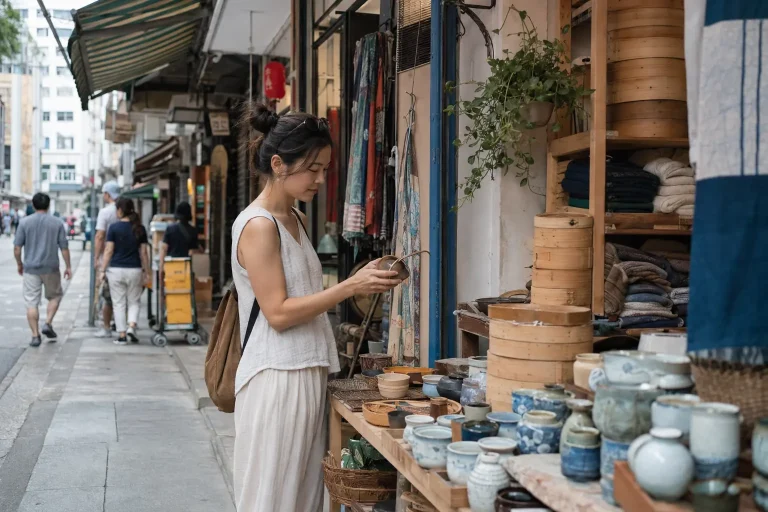
Hong Kong Tramways runs only on Hong Kong Island, following a corridor through neighborhoods including Kennedy Town, Sheung Wan, Central, Wan Chai and Causeway Bay. Sit upstairs for a slow view of wet markets, office towers, old shopfronts and street crossings.
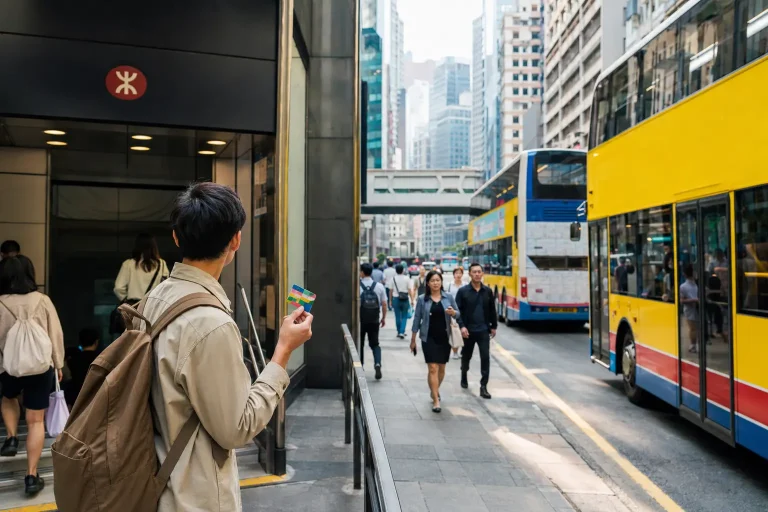
Use the tram when time is flexible. It is not the fastest way to cross the island, and traffic does not become ceremonial merely because visitors find the vehicle charming. For longer transfers, the MTR is usually better. The Hong Kong transportation guide explains Octopus cards, ferries, buses and the details that prevent a simple ride from becoming an accidental tour of the wrong terminus.
Walk Central and Sheung Wan beyond the tower lobbies
Central is more legible on foot when the route includes its elevation. Start around the waterfront or Statue Square, move through older lanes and markets toward Sheung Wan, and notice how elevated walkways, escalators and steep streets distribute people through a district built on a slope.
Man Mo Temple provides a compact introduction to local religious practice, while Tai Kwun reuses former police, court and prison buildings as a heritage and arts complex. Both deserve respectful behavior rather than a quick atmospheric photograph. At temples, avoid blocking worshippers and follow posted rules on incense and photography.
For a slower route through Sham Shui Po, Sai Ying Pun, Kowloon City and other areas, use the Hong Kong neighborhoods guide. This overview deliberately avoids turning every district into another checklist.
Eat through several kinds of Hong Kong dining
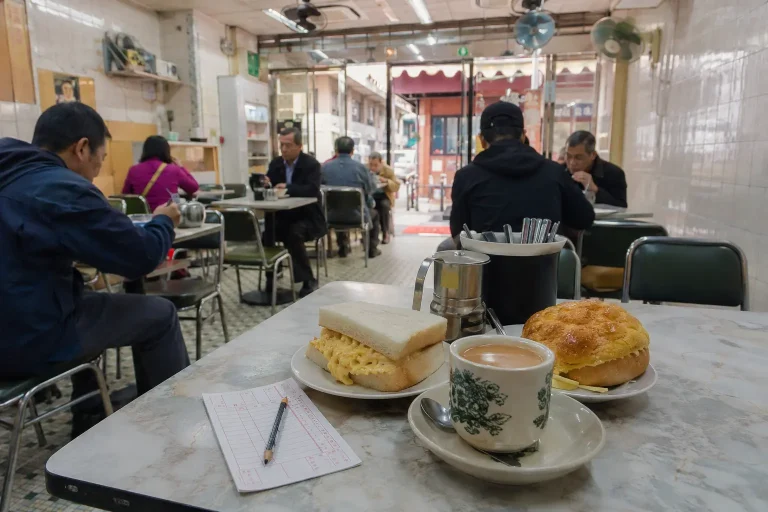
Food is not one stop between attractions. A useful day might begin with a cha chaan teng breakfast, include dim sum at lunch, pause for a bakery or tofu dessert, then finish with Cantonese seafood, roast meats, clay-pot rice or a more contemporary restaurant.
Read the room. Busy local restaurants may expect quick ordering, shared tables or efficient turnover; higher-end dining often requires reservations. Tea service, ordering systems and payment methods vary. The Hong Kong food guide explains what to order and where each style makes sense without pretending one restaurant represents an entire cuisine.
Markets are useful for ingredients and street rhythm, but not every wet market is staged for visitors. Keep out of working aisles, ask before photographing people and do not confuse inconvenience with cultural depth.
Give West Kowloon more than a photo stop
West Kowloon Cultural District has changed what a museum day in Hong Kong can look like. M+ focuses on visual culture, design, architecture and moving image, while the Hong Kong Palace Museum presents Chinese art and cultural material through rotating exhibitions. Check current shows, ticket requirements and weekly closing days before crossing the harbor.
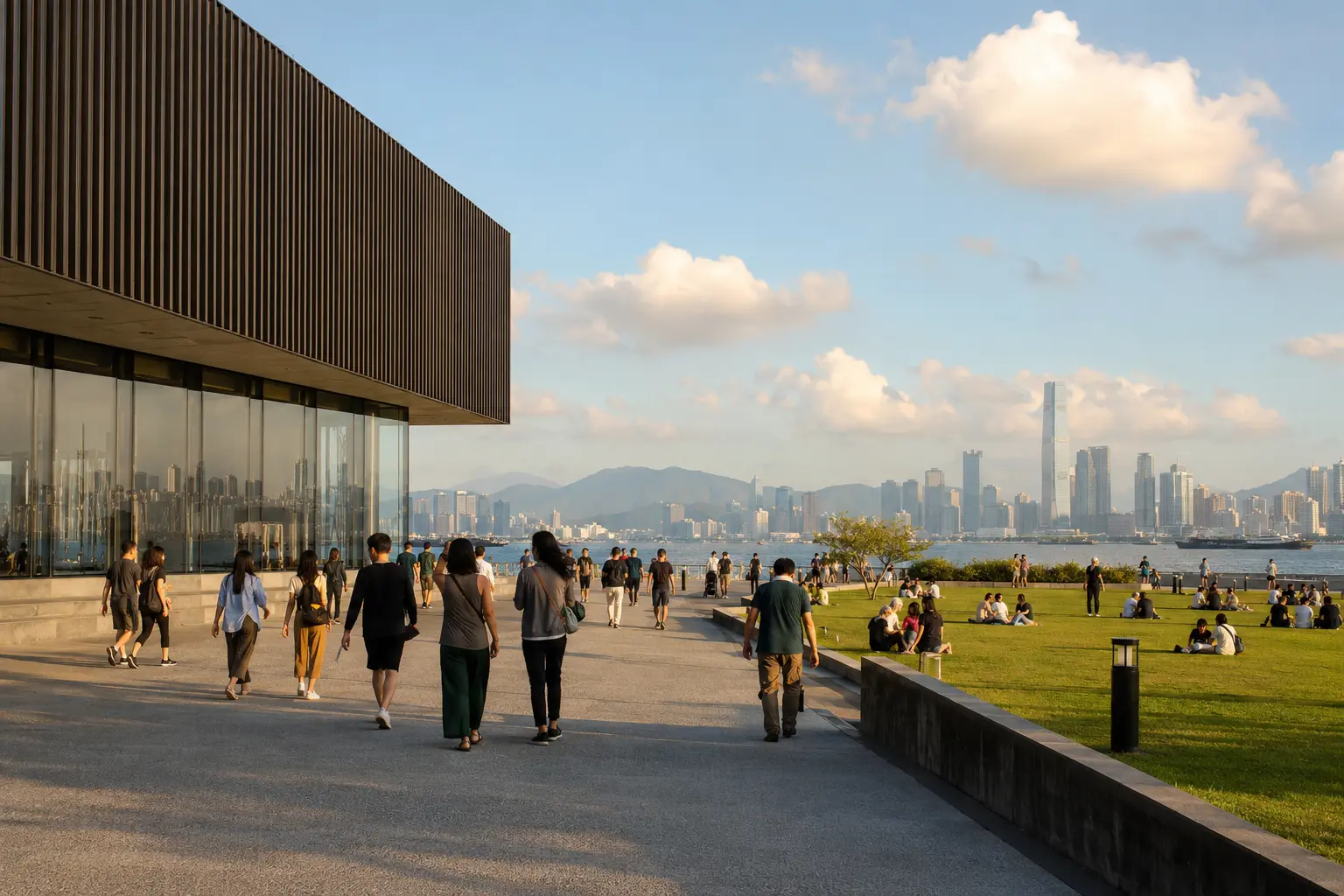
Allow time for the harborfront lawns and promenade. The district works best as a cultural afternoon rather than a frantic double-museum challenge. Galleries create fatigue even when the architecture is photogenic.
Choose the museum that matches your curiosity
Choose M+ for modern and contemporary visual culture, design and the built environment. Choose the Palace Museum for historical collections and exhibition-led encounters with Chinese art. Families may also prefer the Hong Kong Museum of History or Science Museum in Tsim Sha Tsui, depending on current gallery access.
See a temple in its living context
Wong Tai Sin Temple is one of the city’s most visited religious sites and is associated with Taoist, Buddhist and Confucian traditions. Visitors come to worship, make offerings and practice kau chim fortune seeking. Observe before moving through the space, dress respectfully and never treat a divination practice as visitor theater.
Chi Lin Nunnery and Nan Lian Garden offer a calmer nearby pairing, with Buddhist architecture and a landscaped garden set against high-rise Kowloon. They are not “secret,” and quiet is not proof that a place is more authentic. They simply provide a different pace.
Hike where the city opens into sea and ridges
Country parks and outlying islands cover much more of Hong Kong than its skyline suggests. Dragon’s Back is popular because it offers a manageable ridge walk with coastal views and reasonable transport, though exposed sections become difficult in heat, storms or strong sun.
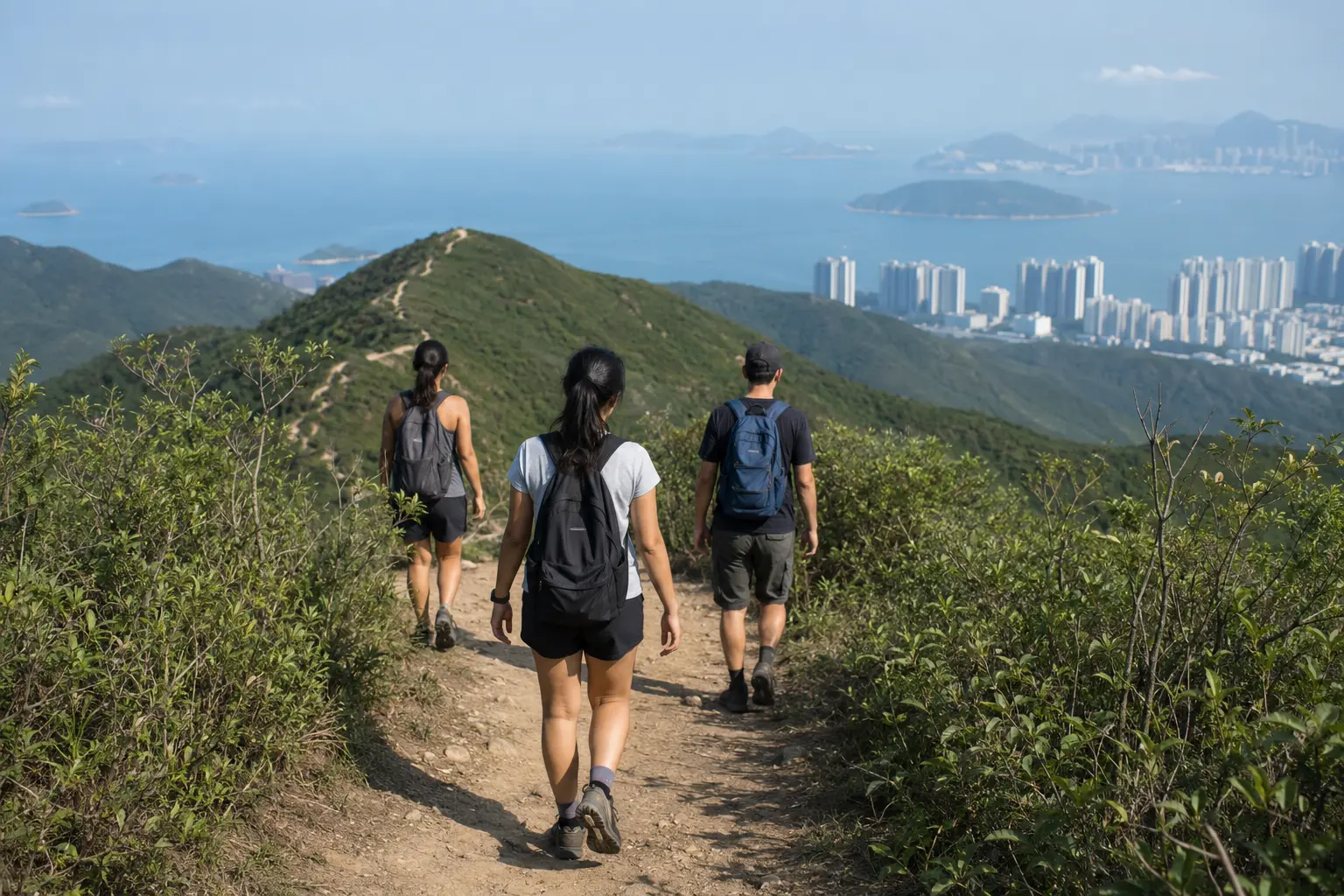
Check the Hong Kong Observatory forecast and warnings, carry enough water, download the route and wear proper shoes. Do not begin an exposed hike during a thunderstorm or severe heat warning because an online itinerary labeled the afternoon “outdoors.”
Easy scenery or a committed trail?
For lighter effort, walk part of the Peak circuit, visit a reservoir path or take a short island route. For a longer trail, choose one defined section with confirmed exit transport. Sai Kung and remote beaches require more planning than their distance on a map suggests.
Spend one long day on Lantau—or skip it
The Ngong Ping cable car, Tian Tan Buddha, Po Lin Monastery and Tai O can form a rewarding Lantau day, but together they require an early start and honest attention to queues, bus connections and weather. Ngong Ping 360 operating hours vary, and the cable car closes for scheduled maintenance and unsafe conditions; check the official site before traveling to Tung Chung.
Tai O adds fishing-community history, waterways, stilt-house traditions and local food production. Visit as a living settlement, not a preserved film set. If the trip is only three days long, Lantau competes with deeper time in the city. The day trips from Hong Kong guide compares this option with Cheung Chau, Lamma, Sai Kung and Macau.
Browse markets after dark without buying a suitcase of evidence
Temple Street Night Market works best as an evening walk paired with Jordan and Yau Ma Tei rather than as a guaranteed shopping haul. Expect food, small goods, fortune-telling traditions and variable stall activity. Ladies’ Market in Mong Kok is busier and more retail-focused.
For design, department stores, practical souvenirs and the difference between a street market and a mall strategy, see the shopping in Hong Kong guide. Bargain only where it is customary, and keep the exchange good-humored.
Choose nightlife by experience, not by one famous street
Hong Kong nightlife can mean a harbor drink, a small live-music room, Cantonese opera, a late dessert shop, a neighborhood bar or a club. Central and SoHo are convenient but not the complete city after dark.
Plan the return before the last round. MTR closing times vary by line and station, and a late taxi across the harbor changes the budget. The Hong Kong nightlife guide sorts areas by whether the goal is conversation, music, dancing, culture or simply staying out after dinner.
Treat theme parks as full-day choices
Hong Kong Disneyland and Ocean Park are worthwhile for travelers who genuinely want them, especially families and dedicated theme-park fans. Neither is a minor attraction to squeeze between the Peak and dinner. Check current opening days, ticket rules, ride closures and seasonal programming on the official site.
Choose Disneyland for Disney-specific attractions and a contained resort day. Choose Ocean Park for a mix of rides, aquariums, animals and a dramatic hillside setting. Skip both without guilt if museums, neighborhoods or hiking are the reason for visiting.
Build a first-time plan from the list
With three full days, combine harbor, Central and the Peak on one day; Kowloon neighborhoods and West Kowloon culture on another; then choose Lantau, an island or a nature day. Keep food and evening plans close to the day’s final area.
The complete Hong Kong itinerary turns those choices into a realistic route. Choose a base that reduces repeated harbor crossings and uphill luggage problems.
Hong Kong rewards range, but not indiscriminate accumulation. One ferry, one ridge, one museum and a few unhurried meals reveal more than a schedule that proves only that the MTR is excellent.
Frequently Asked Questions
What are the best things to do in Hong Kong for a first visit?
Cross Victoria Harbour on the Star Ferry, look back from Victoria Peak, ride a tram through the street-level city, eat where turnover matters more than decor, spend an afternoon in West Kowloon, then choose either a ridge walk or a Lantau day.
How many activities should you plan per day in Hong Kong?
Choose two or three major experiences per day and keep them in the same part of the city. Hong Kong’s transport is efficient, but efficiency does not mean you can teleport between districts.