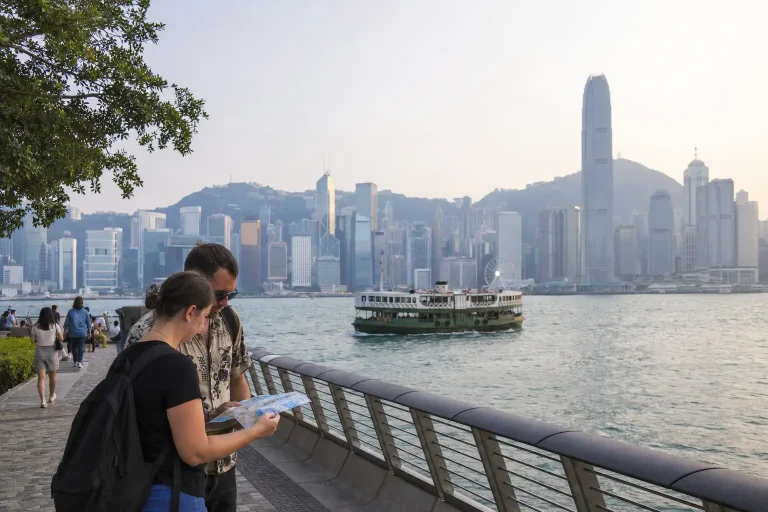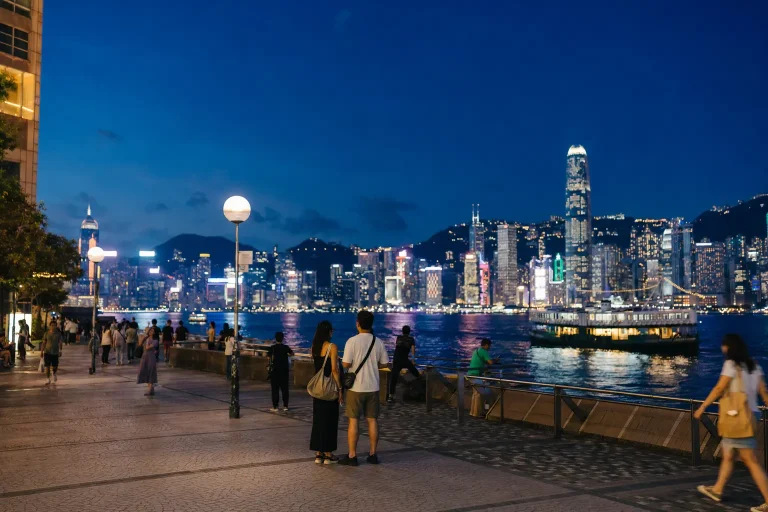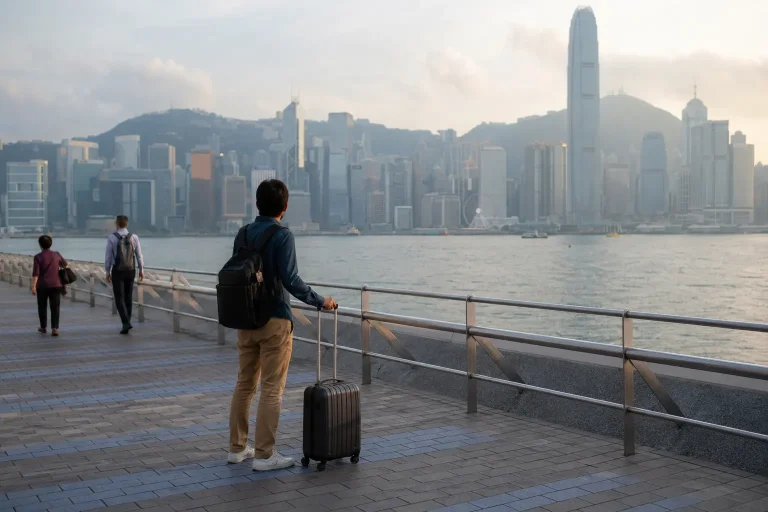
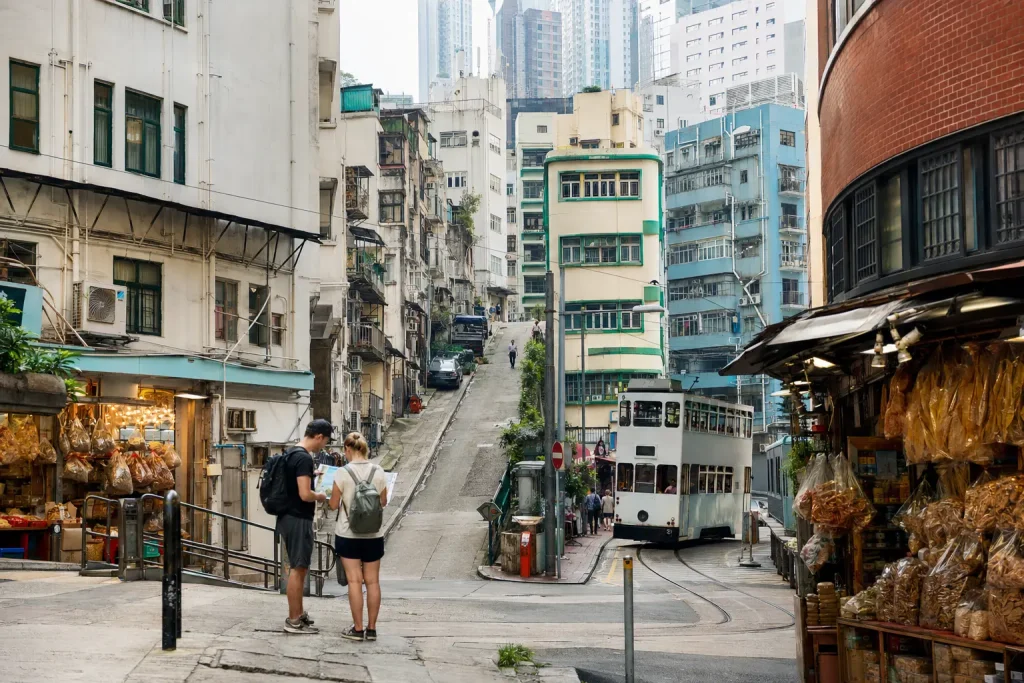
The best Hong Kong neighborhoods are not ranked from “most authentic” to least. They reveal different systems of the city. Central and Sheung Wan show finance, trade and steep historical streets; Sai Ying Pun and Kennedy Town show the western expansion of the urban island; Wan Chai and Tai Hang mix older community institutions with newer dining; Sham Shui Po is shaped by manufacturing and specialist commerce; Mong Kok and Yau Ma Tei run on markets, transit and dense street life; West Kowloon adds a planned cultural waterfront.
Choose two neighboring districts for a half day and walk between them. Crossing the harbor repeatedly to collect isolated recommendations makes Hong Kong look smaller on a map and feel much more tiring on foot.
A quick neighborhood match
| If you want | Start here | Allow | Main friction |
|---|---|---|---|
| History, architecture and design | Central–Sheung Wan | Half day | Steep lanes |
| Markets and intense street life | Mong Kok–Yau Ma Tei | Half day into evening | Crowds |
| Textiles, tools and working commerce | Sham Shui Po | Half day | Earlier shop hours |
| Museums and open waterfront | West Kowloon | Half or full day | Heat and sparse shade |
| Residential cafés and old temple lanes | Tai Hang | Two to three hours | Small sights, best without a checklist |
| Western-island food and sunset | Sai Ying Pun–Kennedy Town | Half day | Hills and weekend queues |
| Temples and public-housing context | Wong Tai Sin | Two to three hours | Requires cultural attention, not photo collecting |
Central and Sheung Wan: read the hill vertically
Central’s towers and elevated walkways represent only one layer. Walk uphill or west and the street pattern begins revealing former shoreline, colonial institutions, Chinese temples, dried-goods businesses and later creative reuse. The neighborhood is best understood vertically: finance near the harbor, older lanes and mixed commerce rising behind it.
Begin around the Central Market and lower escalator area, then choose a deliberate climb through Tai Kwun, Hollywood Road and Man Mo Temple before moving into Sheung Wan. PMQ adds contemporary design inside former police housing. None requires treating every mural as a landmark.
Sheung Wan’s dried-seafood and medicine shops are working businesses. Keep entrances clear and ask before photographing people or close displays. The smells and textures are part of a trading district, not a themed set.
Let the slope edit the route
Hong Kong maps flatten topography. Use escalators where they support the direction, but remember that the Central–Mid-Levels Escalator changes operating direction by time of day. Build the walk downhill if knees, heat or luggage matter. A café break is planning, not defeat.
Sai Ying Pun and Kennedy Town: the island’s western rhythm
West of Sheung Wan, Sai Ying Pun’s steep streets hold wet-market commerce, small restaurants, schools and new cafés. The MTR accelerated change, but the district still feels more residential than Central. Walk cross-slope rather than repeatedly climbing from the harbor.
Kennedy Town is flatter near the waterfront and useful late in the day. Restaurants and sunset viewpoints have made it popular, yet it remains a transport terminus and lived-in neighborhood. Do not trespass on piers or service areas to reproduce a photograph.
Combine both districts with a tram ride. The slow approach explains their relationship to the island better than emerging from underground at each station.
Wan Chai: civic history, markets and nightlife in the same grid
Wan Chai resists a single identity. Government buildings and convention spaces face the reclaimed waterfront; older streets contain temples, markets, tenements and long-running businesses; after dark, live-music and bar activity appears around selected blocks.
Walk from the waterfront through the Blue House area and local market streets, checking current access for heritage buildings. The point is not to label one block “old Hong Kong” and the next “modern.” Reclamation, redevelopment and reuse are the neighborhood’s history.
For evening plans, continue with the Hong Kong nightlife guide rather than stretching the daytime walk into a static venue list.
Tai Hang: a smaller neighborhood rewards smaller expectations
Tai Hang sits behind Causeway Bay and beside Victoria Park, with low-rise lanes, Lin Fa Temple, repair shops, restaurants and cafés under taller residential buildings. It suits a slow two-hour walk, not a day of headline attractions.
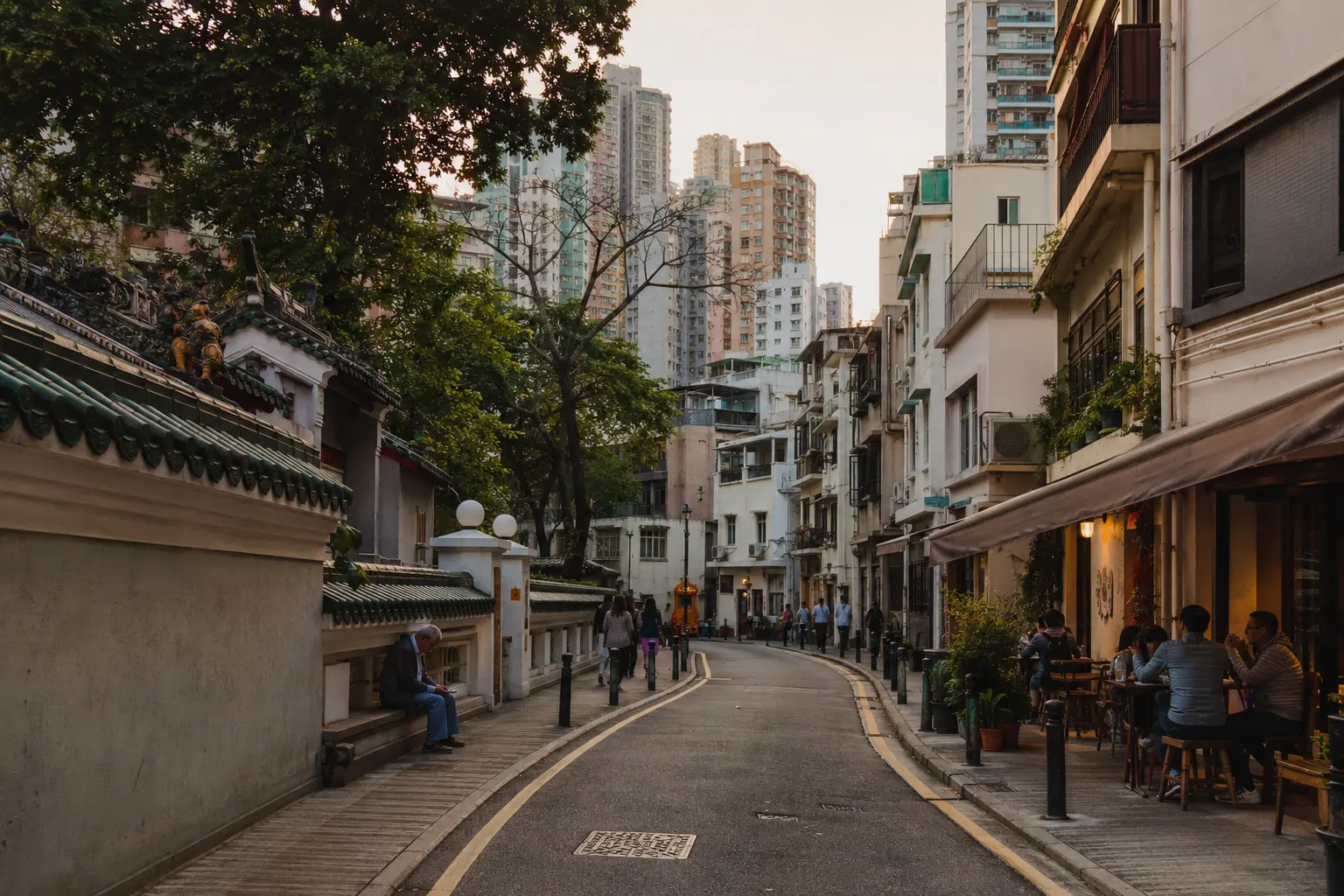
The annual Fire Dragon Dance gives the area broader recognition, but the ritual belongs to a specific festival calendar. Outside that period, visit Lin Fa Temple respectfully and observe how neighborhood scale changes within a few blocks of Causeway Bay’s retail density.
Eat, browse and leave space for ordinary streets. Calling every quiet lane a hidden gem makes a neighborhood sound as if residents misplaced it.
Sham Shui Po: materials before aesthetics
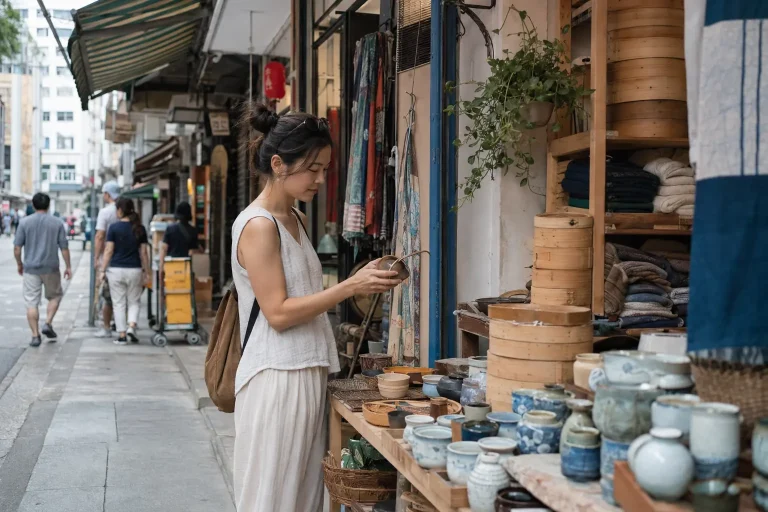
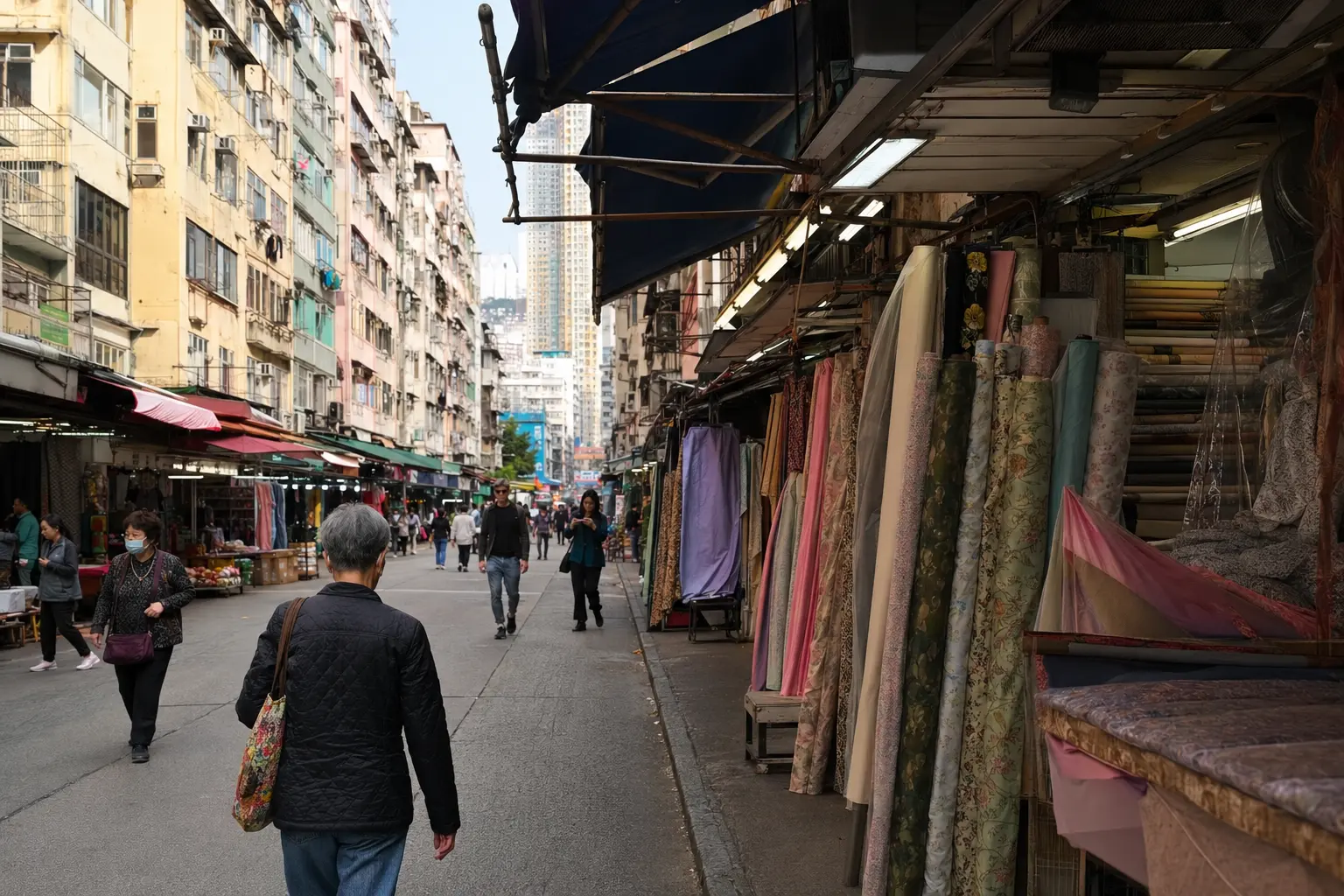
Sham Shui Po is often marketed through colorful facades and food stops, but its stronger logic is specialist commerce. Fabric, ribbons, beads, leather, electronics, tools, toys and household goods occupy different streets around dense housing and markets.
Visit while the specialist shops are working
Visit during business hours with curiosity about what the shops sell. Some operate for trade customers, have minimum quantities or close on Sundays. Step aside before examining a map; pavement space is part of the working environment.
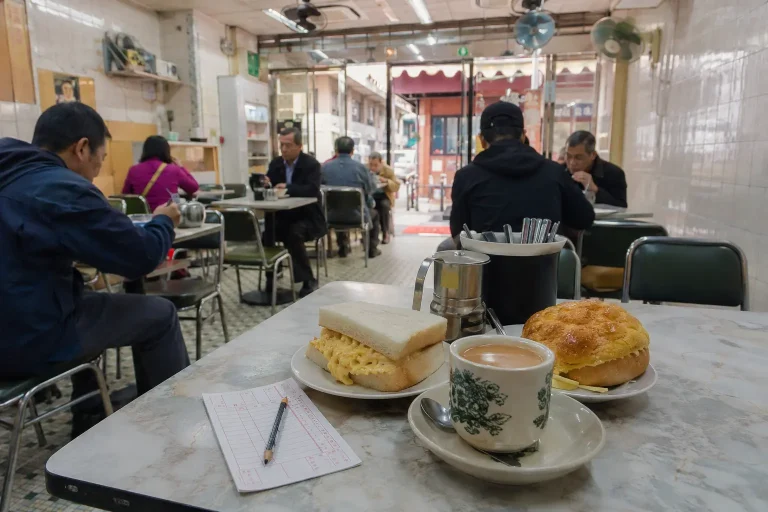
The shopping in Hong Kong guide explains the specialist streets in more detail. For food, choose a tea restaurant, noodle shop or bakery with visible turnover rather than turning one famous stall into the district’s entire identity.
Mong Kok and Yau Ma Tei: density with different tempos
Mong Kok concentrates shopping centers, market streets, transit, upstairs businesses and crowds. Its specialty markets are more useful when you know their category and operating time. Tung Choi Street’s market activity, flower shops farther north and electronics retail do not all run on the same schedule.
Walk south into Yau Ma Tei and the tempo loosens slightly. Fruit-market infrastructure, old theater history, jade commerce and Temple Street create a neighborhood whose evening identity differs from its morning one.
This pairing works from late afternoon through dinner. Use the Hong Kong food guide to keep the meal nearby; crossing to Central for a reservation erases the value of staying with the district after dark.
West Kowloon: a planned cultural district beside older streets
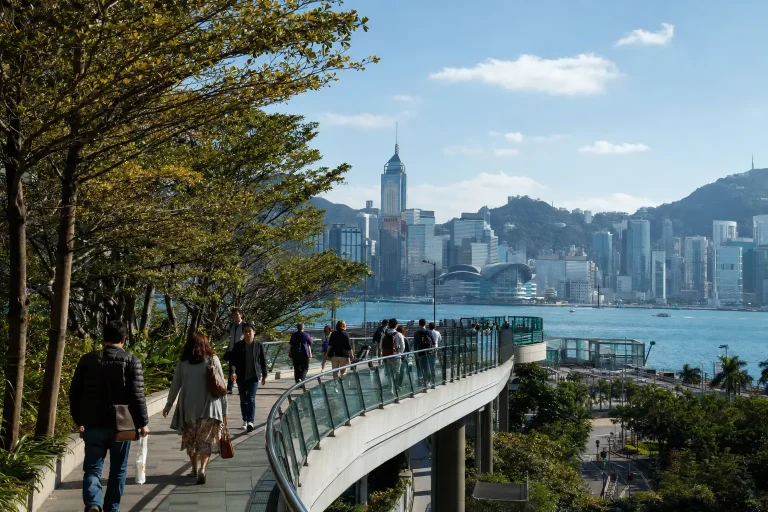
West Kowloon Cultural District offers museums, performance venues, lawns and harbor views on reclaimed land. M+ and the Hong Kong Palace Museum deserve time based on current exhibitions, not merely architecture. Book timed entry where required and check closing days.
The district is open and spacious compared with adjacent Yau Ma Tei and Jordan. That contrast is useful. Walk or take transport between them rather than pretending the cultural quarter developed independently from Kowloon.
Shade can be limited, and distances across the site are larger than they appear. In humid months, plan indoor galleries around the hottest part of the day.
Wong Tai Sin and Kowloon City: institutions and everyday food
Wong Tai Sin is anchored for visitors by its major temple complex, while the surrounding district includes public housing, malls, schools and restaurants beneath Lion Rock. Observe worship practices without blocking incense areas or turning divination into spectacle.
Kowloon City has strong food associations shaped by migration and the history of the former walled city area. The park explains that history in a landscaped setting; the surrounding streets make a natural meal stop. Avoid reducing the district to a vanished enclave or one cuisine.
These neighborhoods are better for a traveler with a specific interest than a first-day highlights route. Give them context and enough time to use public transport without rushing back.
North Point and Quarry Bay: tram-end urbanism
North Point’s markets, residential towers, ferry pier and theaters show a less visitor-centered side of the island’s north shore. A tram ride provides the best approach. Walk carefully where market activity shares space with vehicle lanes.
Quarry Bay adds former industrial buildings, corporate complexes and steep residential streets. Popular architecture photographs can lead visitors toward private property or active roads; respect barriers and security instructions.
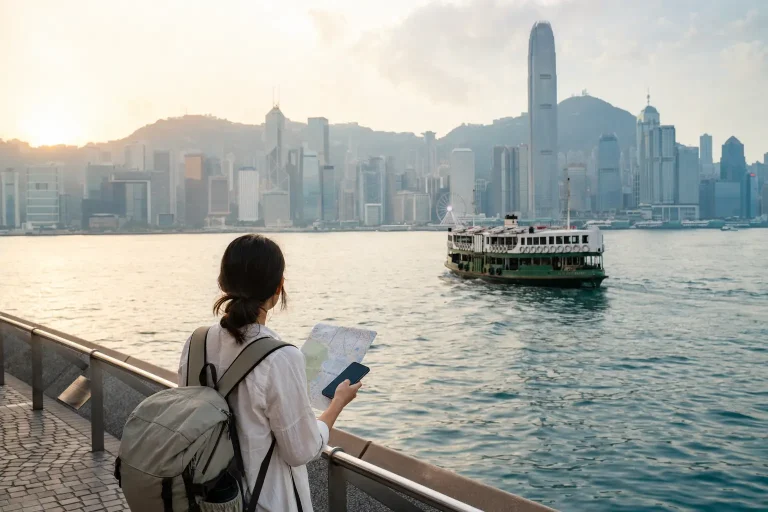
Pair the districts with a ferry or tram, not with a demand for conventional attractions. They are valuable because their infrastructure is visible.
How to plan neighborhood walks without intruding
Neighborhood exploration is not permission to treat residential buildings as sets. Do not enter stairwells, rooftops, courtyards or housing estates solely for photographs unless public access is clear. Ask before photographing vendors and avoid filming worshippers, schoolchildren or people at close range.
Use public markets as markets: buy something, keep aisles open and avoid touching produce. Dress for heat and rain, carry water and note public restrooms. The Hong Kong transportation guide helps with trams, exit letters and bus routes that connect these walks.
Three half-day combinations
For a first historical walk, combine Central and Sheung Wan, then continue west by tram if energy remains. For street commerce, start in Sham Shui Po before shops close and move to Mong Kok and Yau Ma Tei for the evening. For a slower island day, walk Tai Hang, cross Victoria Park and finish around the Causeway Bay waterfront.
The combinations work because each keeps a coherent geography. A neighborhood is not an item to tick off between two distant landmarks.
Let the city become specific
Hong Kong neighborhoods reward attention to ordinary systems: where goods are unloaded, how a temple shares a street with lunch traffic, why a tram changes the pace, and where a waterfront was reclaimed. Choose fewer districts, walk them at the right time and notice what continues after the visitor stops taking photographs.
Frequently Asked Questions
What are the best Hong Kong neighborhoods to explore?
Central and Sheung Wan show finance and historical streets, Sai Ying Pun and Kennedy Town show the western expansion of the island, and Sham Shui Po is shaped by manufacturing and specialist commerce.
How should you plan a day exploring Hong Kong neighborhoods?
Choose two neighboring districts for a half day and walk between them, rather than crossing the harbor repeatedly to collect isolated recommendations, which makes the city feel more tiring than it needs to.