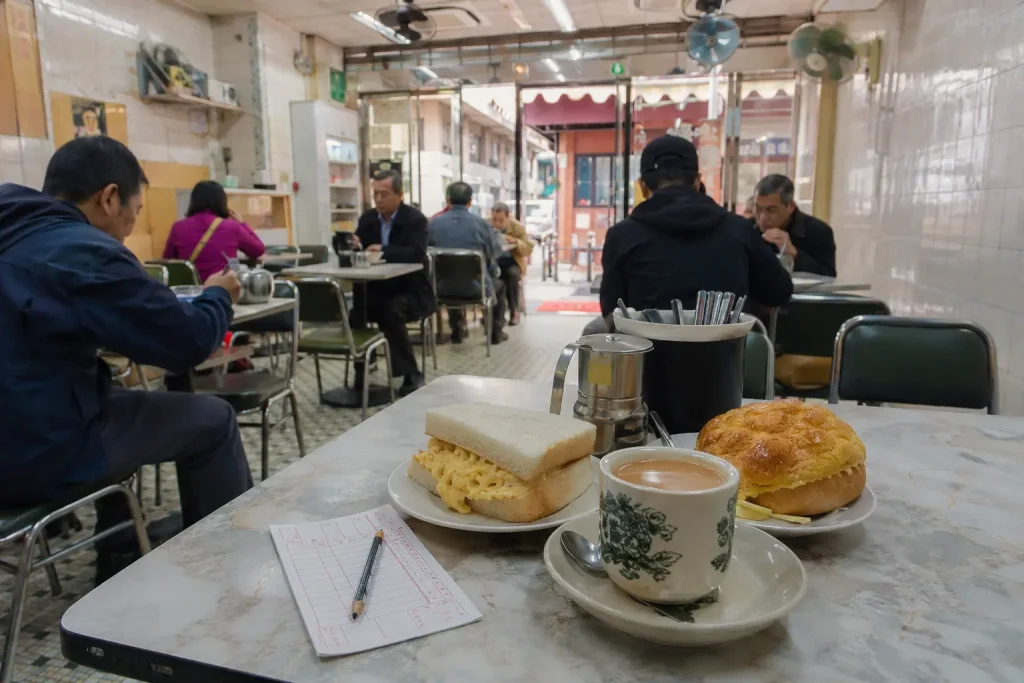
Hong Kong food makes most sense as a sequence of dining formats, not a race through twenty famous dishes. Start with a fast cha chaan teng breakfast, share dim sum at lunch, try noodles or roast meat when you need a solo meal, and save one evening for a cooked food centre or Cantonese dinner with enough people to order several plates. That rhythm reveals more about the city than chasing whichever stall currently has the longest social-media queue.
The essential flavors are Cantonese, but the city’s food culture also carries traces of British rule, migration from across southern China, global trade and a talent for making imported ideas practical. The result can put macaroni soup, milk tea, steamed shrimp dumplings and a black-pepper pork chop within the same day without treating any of them as a contradiction.
The quick answer: what food should you try in Hong Kong?
For a first trip, build meals around eight broad experiences:
- a cha chaan teng breakfast with milk tea, eggs, toast or macaroni soup;
- yum cha with dim sum shared around a table;
- wonton noodles, congee or rice rolls for a quick meal;
- Cantonese roast meats served over rice;
- street snacks such as curry fish balls, egg waffles and siu mai;
- a cooked food centre or licensed dai pai dong for wok-fried dishes;
- claypot rice in cooler weather;
- a Chinese sweet soup, tofu pudding or Hong Kong-style bakery stop.
You do not need all eight. A three-day visit can comfortably cover five or six without eating on a timetable that assumes digestion is a minor administrative detail.
Begin with breakfast at a cha chaan teng
A cha chaan teng is often translated as a “tea restaurant,” though the atmosphere is closer to a neighborhood diner operating at Hong Kong speed. The menus grew from a local appetite for affordable Western-style food during the twentieth century, then developed their own grammar: eggs folded into sandwiches, macaroni in broth, pork chops with rice, baked spaghetti, condensed-milk toast, coffee mixed with tea and strong black tea softened with evaporated milk.
For breakfast, look for set meals rather than ordering every item separately. A typical combination may include eggs, toast or a bun, noodles or macaroni soup, and a drink. The exact combinations vary, and so does quality; the point is the format—quick, filling and woven into the working morning.
Hong Kong-style milk tea is worth trying even if sweet drinks are not usually your habit. It should have a firm tea flavor beneath the dairy richness. Order it hot or iced, and ask about sweetness if the menu allows a choice. Yuenyeung mixes coffee and tea and is useful when choosing between the two feels unnecessarily restrictive.
How to behave when the room is busy
Expect compact tables and efficient service. Staff may seat unrelated parties together during peak periods, and the meal is not designed for lingering over one cup. Have a rough order ready, keep bags out of the aisle and do not read a brisk tone as personal hostility; the dining room is managing turnover, not auditioning for a hospitality montage.
English menus are common in visitor-heavy districts but not universal. A translation app and photos help, as does pointing to a printed set number. Carry some cash even though electronic payment is increasingly widespread, because smaller businesses do not all accept the same cards or mobile wallets.
Share dim sum instead of ordering it like a tasting menu
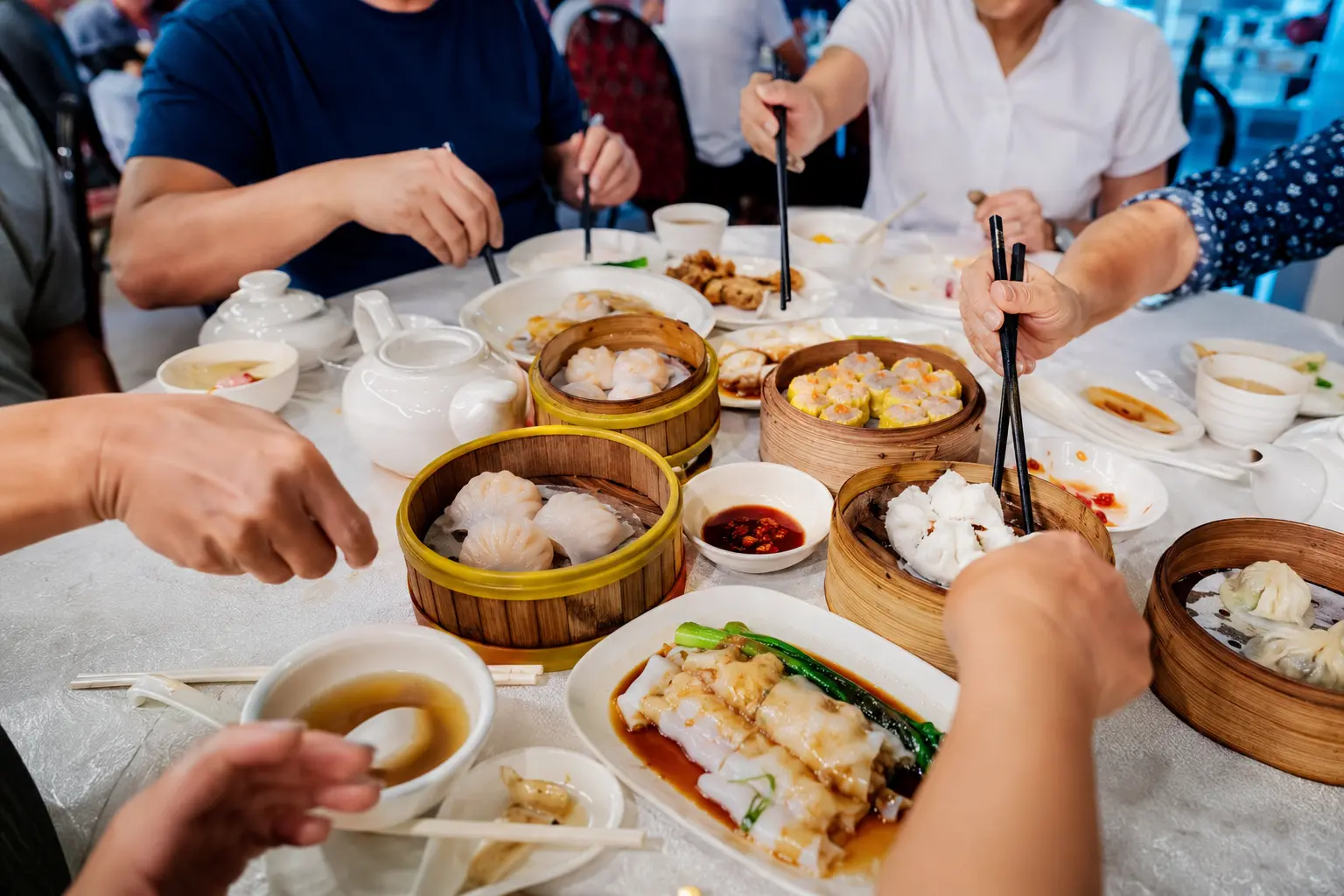
Dim sum refers to the small dishes; yum cha is the broader practice of drinking tea and eating them together. The distinction matters because the meal is social. Bamboo steamers arrive in waves, plates rotate, tea is refilled and the table gradually decides whether one more order is sensible. It often is.
For two people, four to six dishes can be enough depending on portion size. A balanced order might include har gow (shrimp dumplings), siu mai, cheung fun (rice noodle rolls), a steamed bun, one fried item and vegetables. Larger groups can explore braised beef tripe, chicken feet, turnip cake, bean-curd rolls and regional house specialties without leaving two diners to confront a table designed for six.
Tea may be charged per person, sometimes described as a tea charge or tea seat fee. Staff often ask which tea you want soon after seating; pu’er, jasmine and tieguanyin are common choices. When a teapot needs refilling, leaving the lid slightly ajar is a widely understood signal, though simply asking is fine.
Choose the room for the experience you want
Traditional banquet halls can feel ceremonial and noisy, with large tables and multi-generational groups. Smaller contemporary dim sum restaurants are easier for pairs, while older neighborhood places may be cheaper and less translated. None is automatically more “authentic.” The useful question is whether you want range, atmosphere, convenience or a calm conversation.
Popular rooms can have long waits on weekends and public holidays. Reserve where possible or arrive before the main lunch rush. A queue can indicate demand, but it does not season the dumplings.
Use noodles, congee and roast meat for flexible solo meals
Some of the best food in Hong Kong fits between larger plans. Wonton noodle shops serve springy egg noodles in a clear broth with shrimp-filled wontons; portion sizes may be modest enough for a snack or light lunch. Beef brisket noodles are richer, while fish-ball noodles emphasize a bouncy texture that is valued rather than accidental.
Congee is rice cooked into a soft porridge and commonly topped or mixed with fish, pork, preserved egg, beef or offal. It works at breakfast, late at night or whenever several fried meals have begun negotiating with one another. Pair it with fried dough or steamed rice rolls for contrast.
Cantonese roast-meat shops are another practical option. Char siu, roast pork with crisp skin, soy chicken and roast goose are chopped to order and served over rice, often with greens. Goose is the more celebrated choice, but good roast pork can be just as persuasive and is usually easier to find.
These shops are ideal for solo travelers because the food is designed to work as a complete plate. They also reduce the pressure to assemble every meal from famous addresses. Follow the chopping sound, the lunch crowd and visible turnover; freshly cut meat rarely benefits from a quiet display case.
Understand what “Hong Kong street food” looks like now
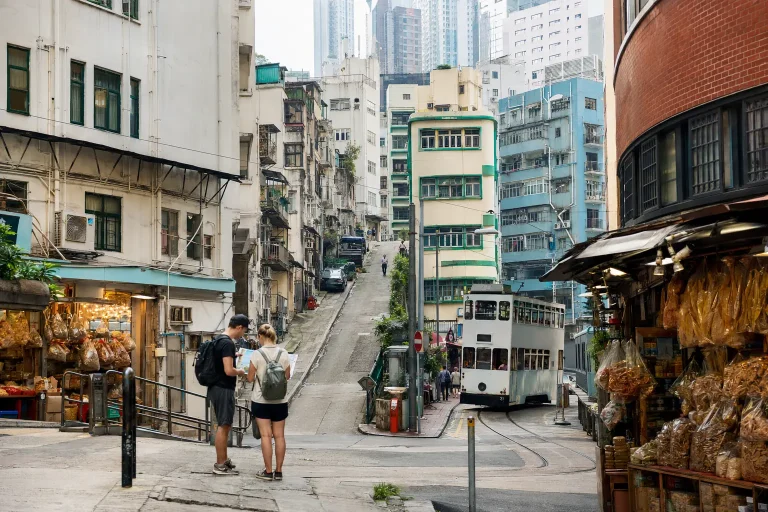
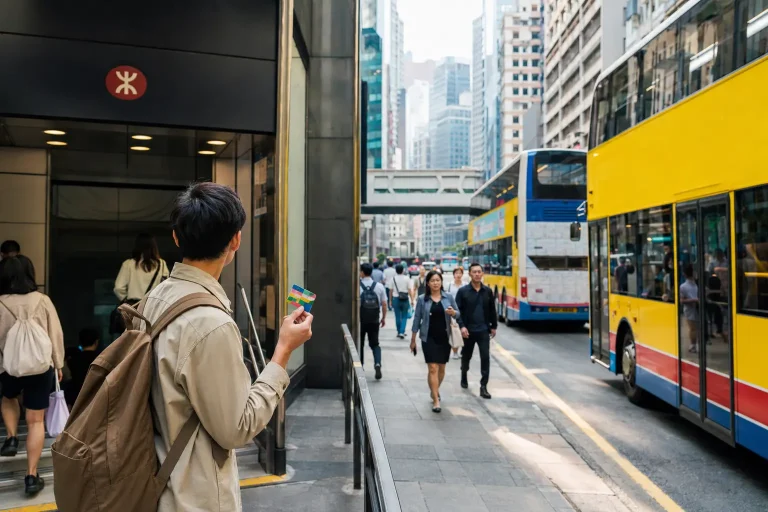
Hong Kong street food is real, but it is less likely to appear as endless open-air hawker lanes than some visitors expect. Licensing, redevelopment and changing habits have moved much casual eating into shopfronts, market buildings and small takeaway counters. Mong Kok, Sham Shui Po, Causeway Bay, North Point and the areas around busy MTR exits still make convenient hunting grounds.
Common snacks include curry fish balls, street siu mai, egg waffles, stuffed fried peppers or eggplant, rice noodle rolls, roasted chestnuts in cooler months and skewered offal. Egg tarts and pineapple buns belong more naturally to bakeries and tea restaurants, though they travel well enough to become walking snacks.
Try one or two items at a time. Many are starch-heavy, fried or sauce-coated, so a “street-food crawl” can become full surprisingly quickly. The smartest route uses snacks to bridge neighborhoods rather than replacing every meal with a paper bag.
Markets are not automatically food courts
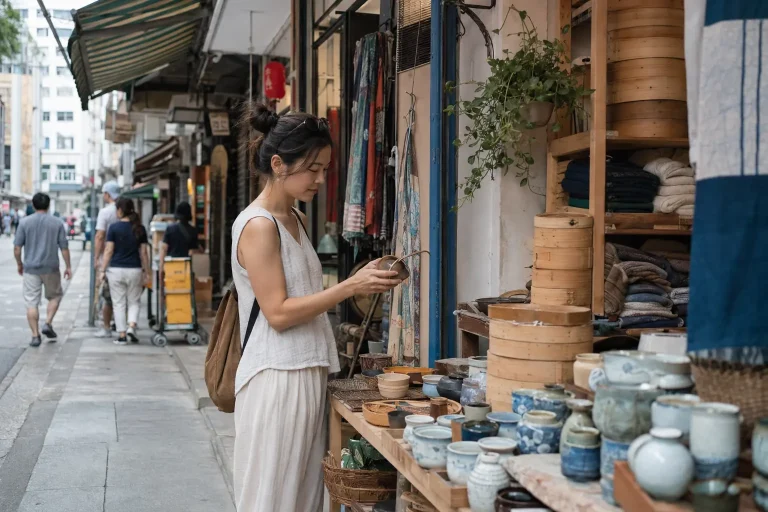
The phrase Hong Kong food market creates an easy misunderstanding. Wet markets primarily sell meat, seafood and produce for local households; they are working retail spaces, not attractions organized around samples. Visitors should keep walkways clear, avoid photographing people or stalls without permission and respect the fact that the display is somebody’s workplace.
Municipal market buildings may have a cooked food centre on an upper floor. These dining halls are separate from the fresh-food stalls below and contain independent restaurants sharing a practical seating environment. They can be excellent for seafood, stir-fries and group meals, but opening hours vary by stall.
Spend one evening at a cooked food centre or dai pai dong
Licensed dai pai dongs are open-air food stalls with a particular legal history, not a label for every casual Cantonese restaurant. Their numbers are limited. Cooked food centres preserve some of the same communal energy indoors: stainless-steel kitchens, fast wok work, tightly spaced tables and plates intended for sharing.
Go with at least two or three people if possible. Order a vegetable, a protein, rice and one dish with a technique or ingredient you have not tried—perhaps steamed fish, salt-and-pepper squid, claypot eggplant, black-bean clams or a wok-fried specialty. Ask for the price of seafood sold by weight before confirming the order.
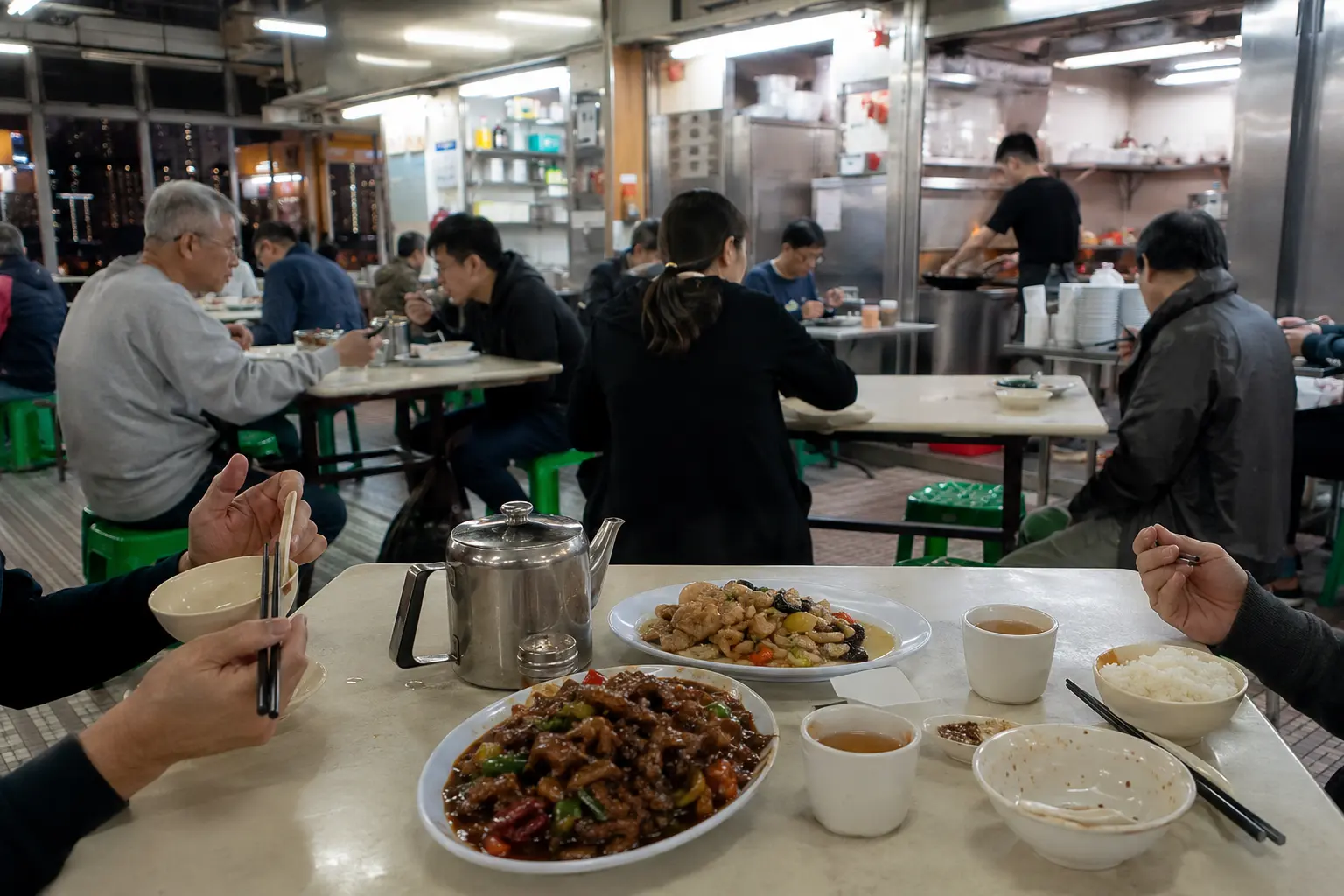
The dining hall may contain several businesses, so confirm which stall owns the table before ordering. Some accept cards or mobile payment; others remain cash-oriented. Bring tissues, expect practical tableware and judge hygiene by turnover and food handling rather than by whether the room resembles a polished restaurant.
Save claypot rice and heavier dishes for the right weather
Claypot rice is especially satisfying when the air cools. Rice cooks in an earthenware pot until a crisp layer forms at the bottom, with toppings such as Chinese sausage, chicken, pork ribs, eel or preserved meat adding fat and seasoning. Soy sauce is usually added at the table. Give the pot time to form its crust rather than stirring immediately.
Typhoon-shelter-style seafood, hot pots and richer casseroles also suit an evening with several diners. They are part of Hong Kong cuisine, but they are not compulsory in humid summer weather simply because a list calls them famous. Seasonal appetite is useful editorial judgment.
If seafood is a priority, neighborhoods and outlying areas known for seafood restaurants can be enjoyable, but a distant meal should earn its transport time. Confirm pricing, preparation method and whether the restaurant is convenient to the rest of the day. A waterfront setting does not automatically improve a steamed fish.
Leave room for bakeries and Cantonese desserts
Hong Kong’s sweet side is less dependent on towering plated desserts than on texture and temperature. Tofu pudding can arrive warm and delicate; black sesame or walnut soup is dense and nutty; mango pomelo sago is cold, bright and creamy. Sweet red-bean soup, glutinous rice balls and steamed milk pudding offer very different finishes.
Bakeries add egg tarts, cocktail buns, wife cakes and pineapple buns—the last named for its crackled top rather than any pineapple filling. Freshness matters. A warm tart eaten near the bakery is a better use of time than carrying a box across the city because one shop appeared on a list.
Dessert shops often stay open later than Western-style cafés, making them a useful final stop after dinner. Check current hours rather than assuming every famous institution keeps its old schedule.
How to order, pay and handle dietary restrictions
Menus range from fully bilingual and photographed to handwritten Chinese only. Save the Chinese names or screenshots of dishes you care about, but remain flexible: a short menu and visible house specialty can be more useful than forcing a prewritten order.
At shared meals, rice is often ordered per person while dishes are communal. Tea charges, service charges and minimum-spend rules vary. Check the bill rather than assuming US tipping conventions; many restaurants add a service charge, while casual shops generally do not expect an additional percentage.
Vegetarian travelers should explain restrictions carefully. A dish that appears vegetable-based may use meat stock, oyster sauce, dried shrimp or lard. “No meat” may not communicate vegan requirements. Allergy cards written in Traditional Chinese can reduce ambiguity, but severe allergies still require a restaurant able to manage cross-contact reliably.
Halal-certified options and vegetarian Buddhist restaurants exist, yet they should be researched as their own dining plan rather than treated as a footnote to a general list. Certification and menus can change, so verify current status through official or restaurant sources.
Build a three-day Hong Kong food plan
On day one, use a cha chaan teng for breakfast, roast meat or wonton noodles for lunch, then choose a Cantonese dinner near your hotel. This introduces the city’s everyday pace without making the first jet-lagged day dependent on reservations.
On day two, make yum cha the main event. Walk afterward, try one street snack in the afternoon and finish with a dessert shop. The order leaves space between meals instead of scheduling egg waffles twenty minutes after six steamers.
On day three, visit a neighborhood market respectfully, eat a light noodle or congee lunch and gather friends or fellow travelers for a cooked food centre dinner. If you are following a broader Hong Kong itinerary, keep food stops within the day’s district; crossing the harbor solely for every viral snack wastes the advantage of a compact city.
For long flights home, avoid buying more fragile bakery boxes than you can reasonably carry. A disciplined carry-on packing list leaves room for packaged tea or shelf-stable gifts without turning an overhead bin into a pastry experiment.
The meal that tells you the most
Hong Kong cuisine is not best understood by finding a single definitive restaurant. Pay attention to how the formats fit daily life: breakfast arrives quickly, dim sum slows the table down, a roast-meat plate solves lunch, and a cooked food centre turns dinner into negotiation and sharing. Choose a few dishes with genuine curiosity, leave room for repeat discoveries, and let the city feed you at its own pace.
Frequently Asked Questions
What food should you try in Hong Kong?
Start with a fast cha chaan teng breakfast, share dim sum at lunch, try noodles or roast meat for a solo meal, and save one evening for a cooked food centre or Cantonese dinner with enough people to order several plates.
Is Hong Kong food only Cantonese?
The essential flavors are Cantonese, but the city's food culture also carries traces of British rule, migration from southern China, and global trade, putting dishes like macaroni soup and milk tea alongside dim sum.