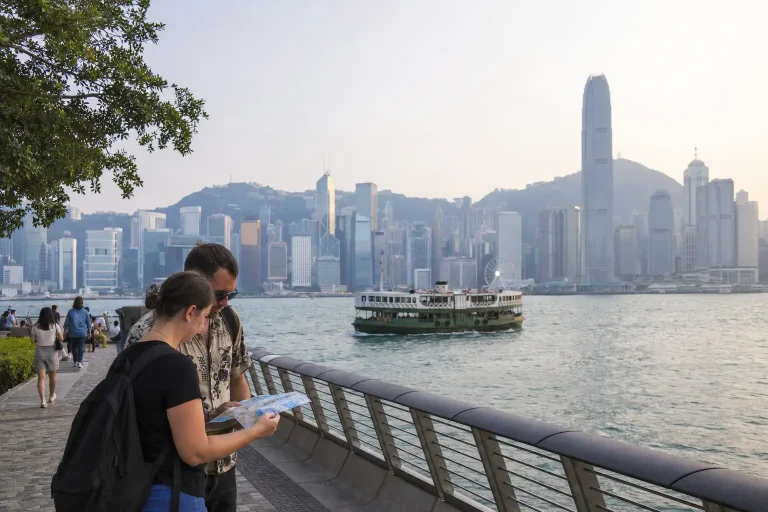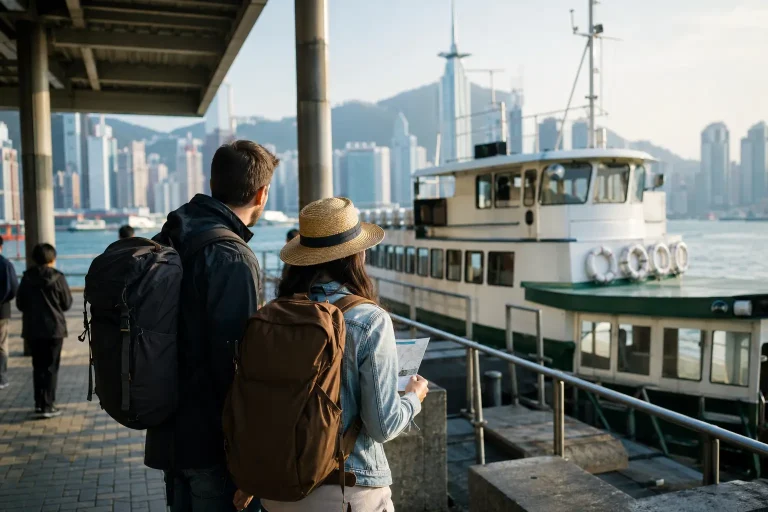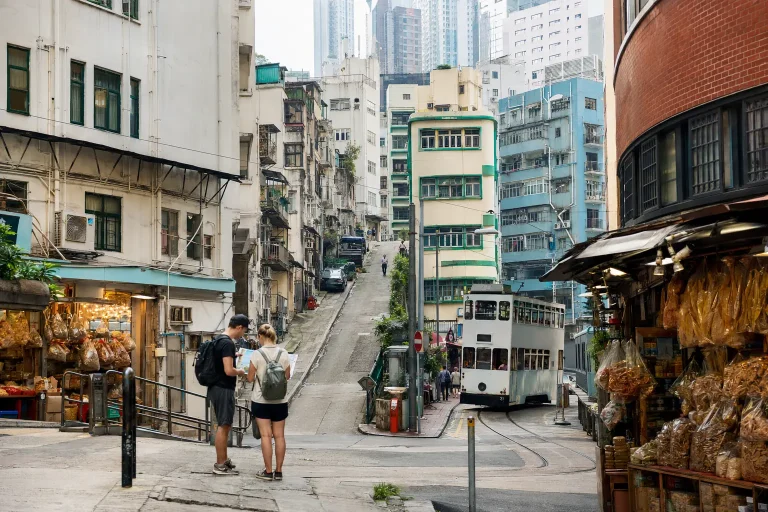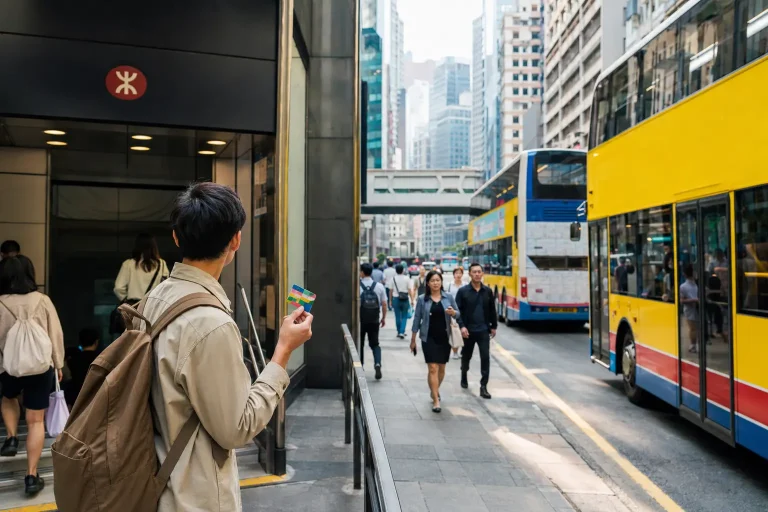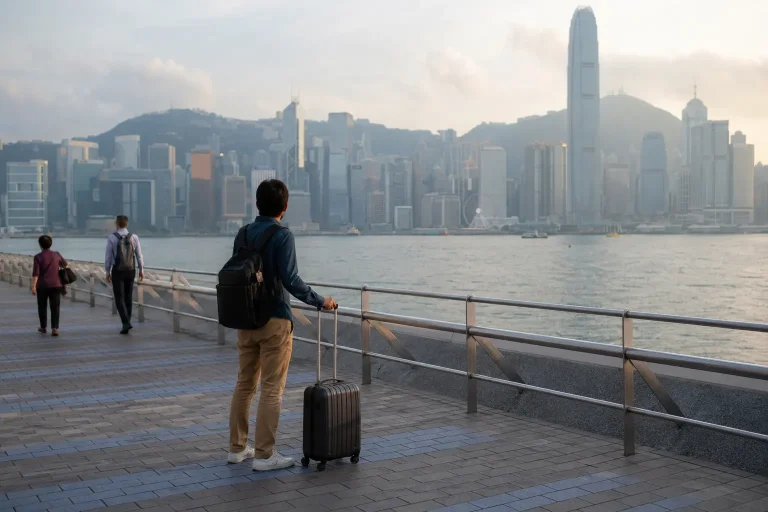
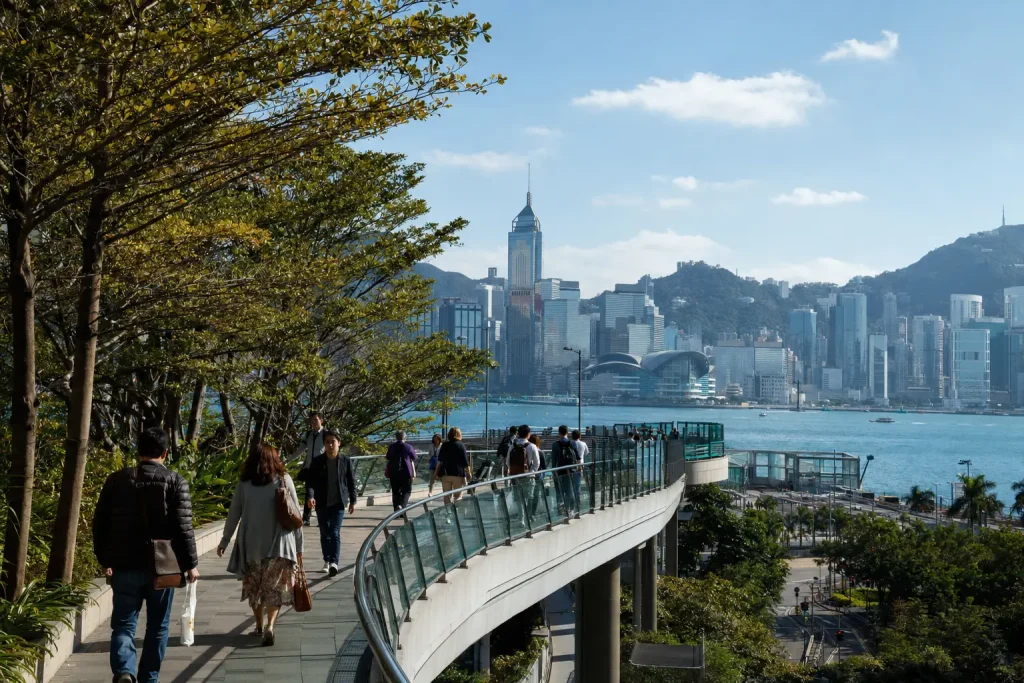
The best time to visit Hong Kong is usually from late October to early December. Rain and humidity tend to ease, temperatures are comfortable for long walks, and clearer air improves harbor and hiking views. January and February are also good for outdoor travel, though cold fronts can make unheated interiors feel surprisingly cool.
There is no unusable month, but there are less predictable ones. May through September brings heat, heavy rain and the greatest disruption risk; tropical cyclones can affect Hong Kong from May to November and are most likely from July to September. A summer trip can still work well for food, shopping and museums. It simply needs more indoor alternatives and less faith in a rigid schedule.
The short answer by travel priority
| Your priority | Best period | Why it works | Main trade-off |
|---|---|---|---|
| First visit and city walking | Late October–early December | Lower humidity, generally drier days, strong visibility | Popular period; hotels may cost more |
| Hiking and islands | November–February | Cooler conditions and clearer views | Shorter days; occasional cold fronts |
| Festivals and atmosphere | Lunar New Year or Mid-Autumn dates | Public celebrations and seasonal traditions | Closures, crowds and variable annual dates |
| Museums, shopping and food | Year-round | Extensive indoor options and transport | Summer rain can still disrupt movement |
| Lower prices | Late spring or summer outside events | Softer demand may produce hotel deals | Heat, rain and cyclone risk |
| Family theme parks | November–April outside holidays | Milder queueing weather | Holiday and weekend crowds |
For the broadest range of activities, November is the strongest single month. It is not guaranteed sunshine—weather has declined to sign guarantees—but it usually offers a better balance than the humid spring or storm-prone summer.
Why late October through early December is the sweet spot
Hong Kong’s northeast monsoon generally replaces the wet summer pattern in autumn. By late October, days often feel less saturated, rain becomes less frequent and walking between neighborhoods stops resembling a private endurance test. November and early December are particularly useful because outdoor routes, ferries and city streets can share the same itinerary.
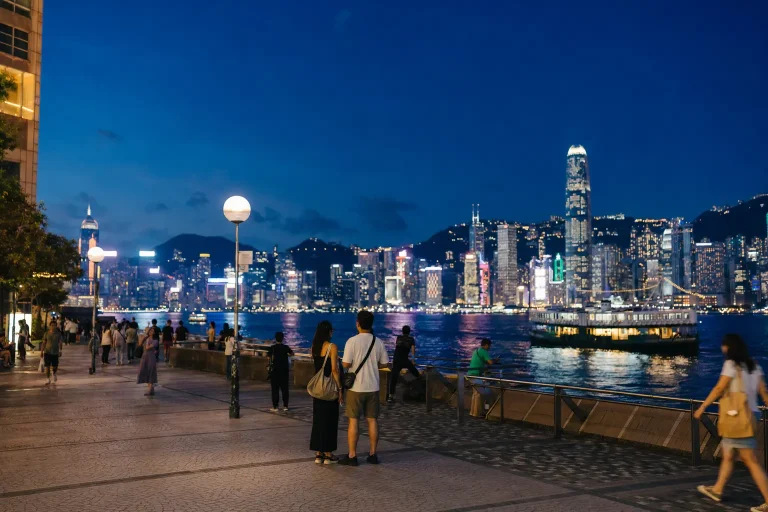
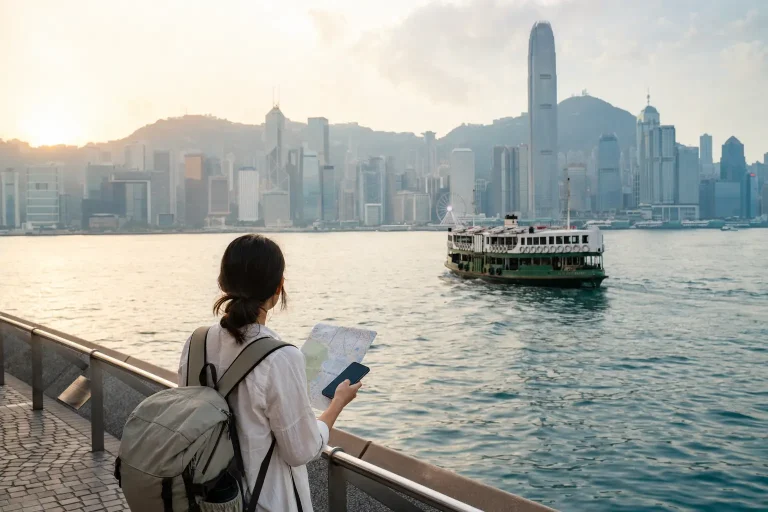
Visibility matters more here than many first-time visitors expect. Victoria Peak, the Tsim Sha Tsui promenade, Ngong Ping cable car and coastal trails all depend partly on what the atmosphere permits. Clearer autumn air makes the city’s relationship with its mountains and islands legible rather than merely theoretical.
This is also an excellent period for outdoor dining, long tram rides and market evenings. Pack a light layer for exposed ferries and elevated viewpoints. Early December can be mild by North American or European standards, but air conditioning occasionally continues to behave as if August won an argument.
Winter: best for hiking, with cooler evenings
December through February is generally dry and comfortable. Hong Kong Observatory normals show January as one of the driest months, and the city can enjoy crisp, bright stretches ideal for Dragon’s Back, Lantau trails and outlying islands.
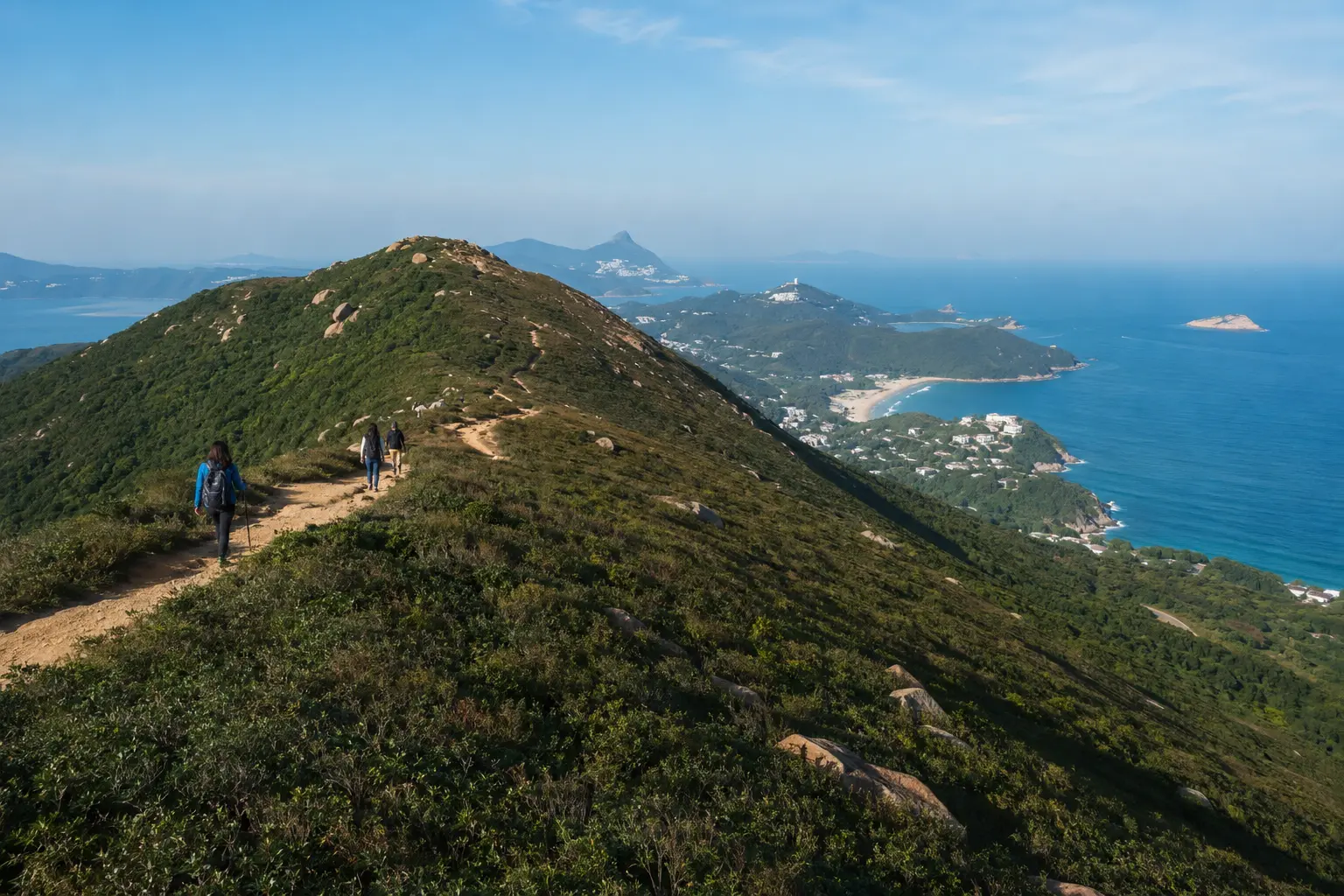
The catch is variable winter weather. Cold fronts can drop temperatures quickly, especially in January and February. Hotels are usually heated, but some restaurants, older buildings and ferries feel colder than the outdoor number suggests. Bring a compact jacket and a layer that blocks wind.
December: mild, festive and popular
December combines comfortable walking weather with holiday lighting and seasonal events. It is one of the easiest months for a first trip, particularly before Christmas and New Year demand peaks. Check hotel prices against the exact dates rather than assuming the entire month behaves the same way.
January and February: dry, sometimes gray
January often suits hiking and dense sightseeing days. The Observatory reported an unusually dry and sunny January in 2026, but one exceptional month should not be treated as the new climate normal. Cloud, wind and cool spells remain possible.
Lunar New Year falls on different dates, usually in January or February. The celebration brings decorations, temple visits and major public interest, but some independent businesses close or shorten hours while transport and attractions become busier. Visit for the festival deliberately; do not stumble into it expecting an ordinary low-season week.
Spring: pleasant temperatures, uncertain visibility
March and April sound ideal on a temperature chart. The air is warmer than winter and not yet at summer’s full intensity. In practice, spring can be humid, misty and drizzly, with low cloud obscuring the Peak or coastal views.
This does not ruin a city-focused trip. Temple visits, food neighborhoods, trams, museums and shopping work well in softer weather. It matters more for travelers whose saved list is dominated by skyline photography, cable cars and ridge walks.
March favors culture over panoramas
March is comfortable for street exploration, but visibility can change within a day. Keep Victoria Peak and a major hike movable rather than attaching each to a nonrefundable time slot. Use foggy hours for Tai Kwun, M+, the Hong Kong Museum of Art or a longer lunch.
April is warmer, with rain building
April becomes increasingly warm and unsettled. Some years include lovely dry periods; others introduce summer’s humidity early. Pack a compact umbrella and shoes that remain reliable on wet tiled slopes. Hong Kong has many covered walkways, though they rarely connect every place a visitor hoped they would.
Summer: workable indoors, demanding outside
May through mid-September is hot, wet and humid. The Hong Kong Observatory says afternoon temperatures from May to August often exceed 31°C (88°F), while nights remain around 26°C (79°F). The difficulty is not simply the daytime high; it is sustained heat with limited overnight relief.
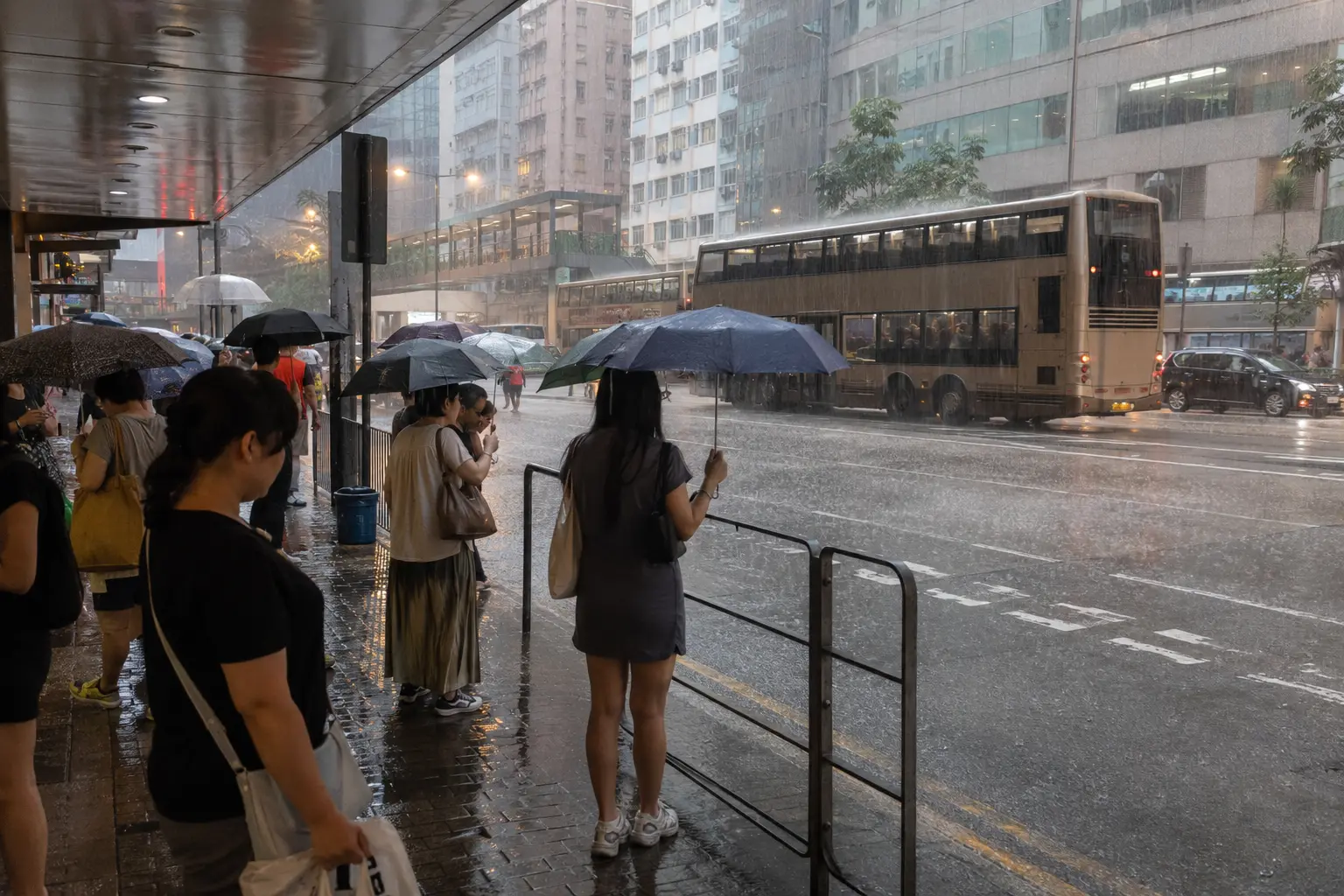
Heavy showers and thunderstorms can arrive quickly. In August 2025, the Observatory recorded 939.2 mm of rain—more than double the August normal. That does not mean every August will repeat it. It demonstrates why an annual average cannot protect one particular three-day trip.
May and June: humidity rises before peak cyclone probability
May and June can provide lower hotel prices and manageable city days if the plan alternates indoor and outdoor stops. Start promenades and hills early, reserve midday for museums or meals, and avoid scheduling several exposed attractions consecutively.
Rain is not always an all-day event. It can be short and forceful, followed by brighter weather. A flexible neighborhood plan handles this better than a cross-city itinerary tied to precise photo times.
July through September: highest weather-disruption risk
Tropical cyclones may affect Hong Kong from May through November, with July to September the most likely months. Signals can alter ferries, cable cars, flights, attractions and business hours. Visitors should use Hong Kong Observatory warnings and official operator notices, not conclusions drawn from looking out one hotel window.
This period still suits travelers prioritizing restaurants, shopping, nightlife and cultural institutions. It is less suitable for a short trip built around Lantau views, island ferries and hiking. A discounted room is not a bargain if every irreplaceable plan sits outside.
Typhoon season: what the dates actually mean
“Typhoon season” does not mean a cyclone is present for six months. Most days proceed normally. It means the probability of a disruptive event is higher and the consequence can be significant when one approaches.
For a May–November trip, check the Observatory forecast in the week before departure and continue monitoring it locally. Flexible flight and hotel terms are more valuable in late summer than a tightly optimized nonrefundable itinerary. Follow official signal instructions; do not go to the waterfront to inspect conditions.
Keep at least one indoor day available. M+, the Hong Kong Palace Museum, the Hong Kong Museum of Art, Tai Kwun, covered shopping districts and long meals can preserve a trip during ordinary heavy rain. Severe weather warnings are different: attractions and transport may close, and the correct plan is to stay safe rather than improvise tourism.
When to visit for hiking and island trips
November through February is the most reliable period for serious walking. Lower humidity reduces heat stress, and clearer days make ridges and coastlines worth the climb. October and March can also work, but conditions need closer checking.
Summer hiking requires early starts, more water and conservative route choices. Heat stress, sudden thunderstorms and exposed ridges are real considerations. Choose a trail for the forecast and fitness level rather than for its most flattering photograph.
Ferry-based island days also benefit from stable weather. Cheung Chau and Lamma remain worthwhile across seasons, but rough conditions or tropical-cyclone signals can change services. Build the itinerary around the current timetable and forecast.
Festivals, holidays and event crowds
Hong Kong’s major festivals follow both fixed and lunar calendars. Lunar New Year can transform temples, shopping streets and waterfront events; Mid-Autumn Festival brings lanterns and evening gatherings; National Day and Golden Week periods can increase regional visitor numbers.
Dates and programs change annually. Check the Hong Kong Tourism Board event calendar and the official page for any event that justifies the trip. Book accommodation early around major arts fairs, sporting events, concerts and public holidays.
Festival travel works best when the event is the point. If the priority is quiet museum access and ordinary neighborhood routines, choose a week outside the largest celebrations.
Best time for lower hotel prices
Rates vary more by event, weekday and neighborhood than by a simple “low season” label. Summer and late spring can be cheaper, but weather risk partly explains the discount. Business events and large concerts can raise prices sharply in otherwise ordinary weeks.
Compare refundable rates across several nearby districts. A room in Jordan, Wan Chai or North Point may offer better value than a weather-compromised bargain far from the plans. The Hong Kong itinerary should determine the base, not the cheapest citywide search result.
What to pack by season
For October through December, bring breathable daytime clothing and a light jacket. Winter needs an extra layer and something wind-resistant for ferries, hills and evening viewpoints. Spring requires a compact umbrella and shoes with grip.
Summer calls for quick-drying clothes, sun protection, water and a genuinely useful rain layer. Heavy humidity makes overpacking particularly unrewarding; a focused carry-on packing list is easier to manage through stations and wet streets.
The final decision
Choose late October through early December for the easiest first visit, November through February for hiking, and spring for a culture-heavy trip with flexible viewpoints. Summer is viable when indoor food, shopping and museums matter more than guaranteed outdoor days. The best month is not simply the one with the most pleasant average—it is the one whose likely weather supports the Hong Kong you actually came to see.
Frequently Asked Questions
What is the best time to visit Hong Kong?
Late October to early December is usually the best time. Rain and humidity tend to ease, temperatures are comfortable for long walks, and clearer air improves harbor and hiking views.
Is summer a bad time to visit Hong Kong?
Summer, from May through September, brings heat, heavy rain, and the greatest tropical cyclone risk, most likely from July to September. A summer trip can still work well for food, shopping, and museums with more indoor alternatives planned in.