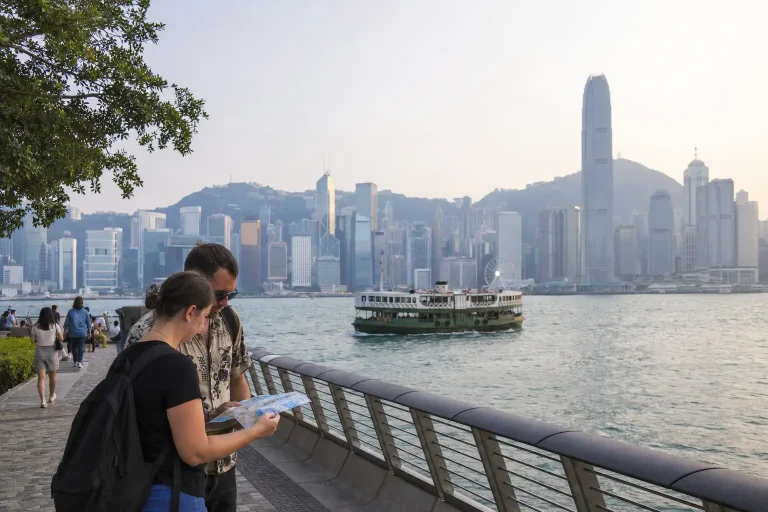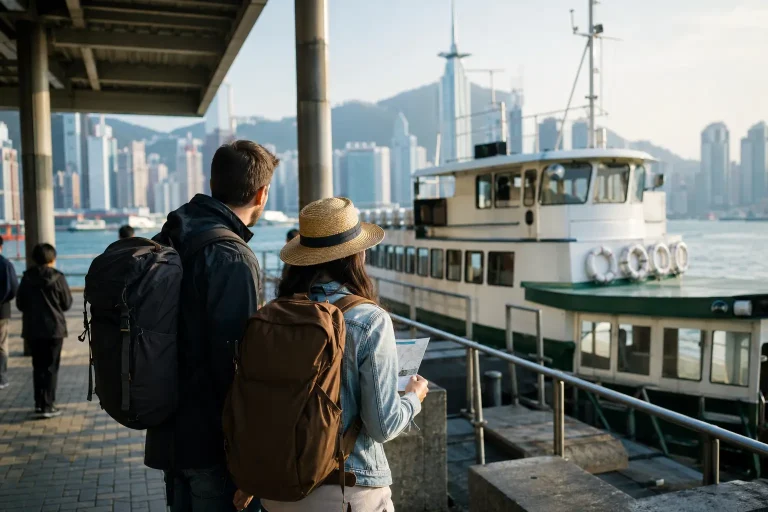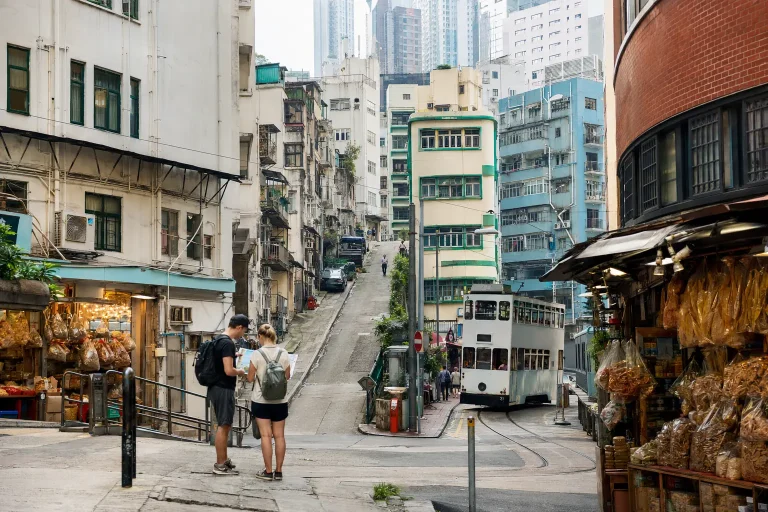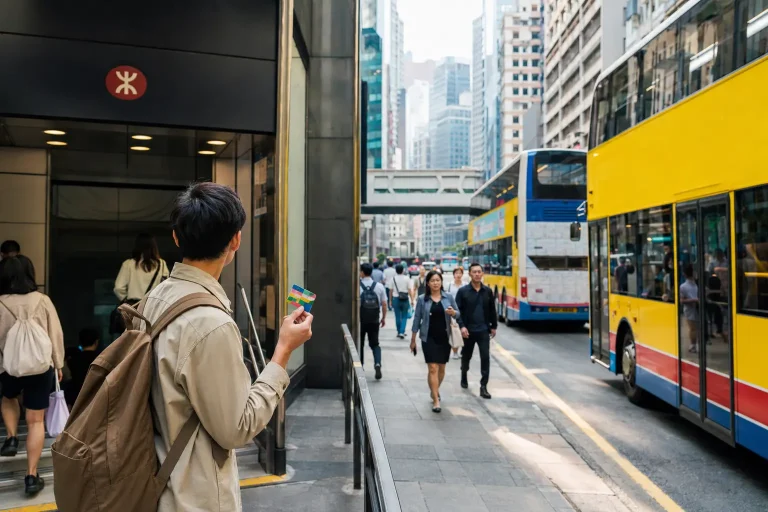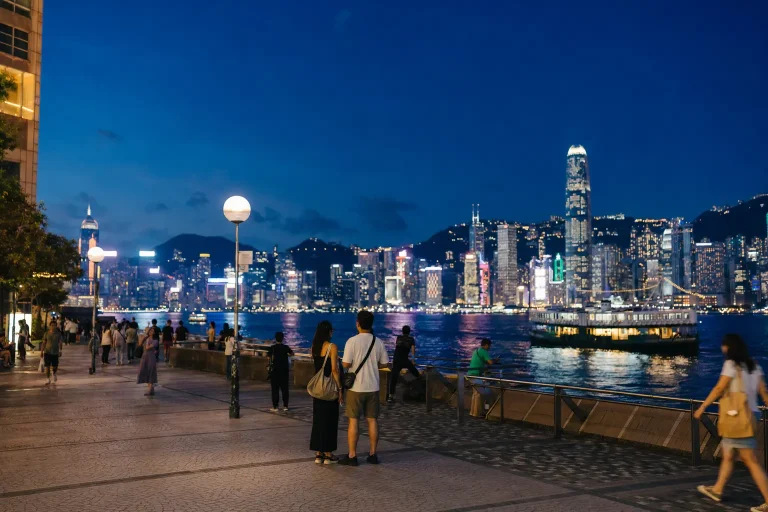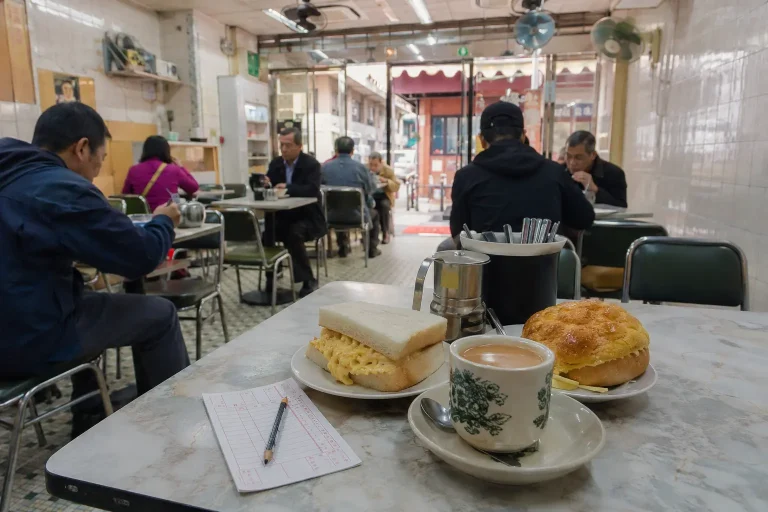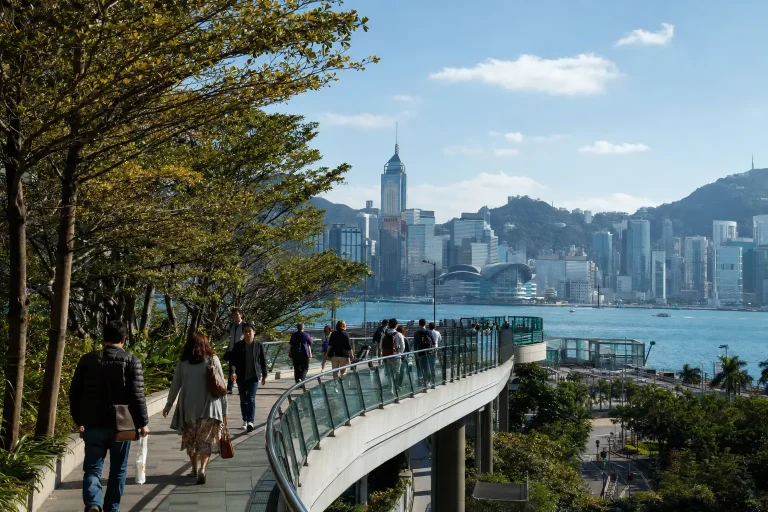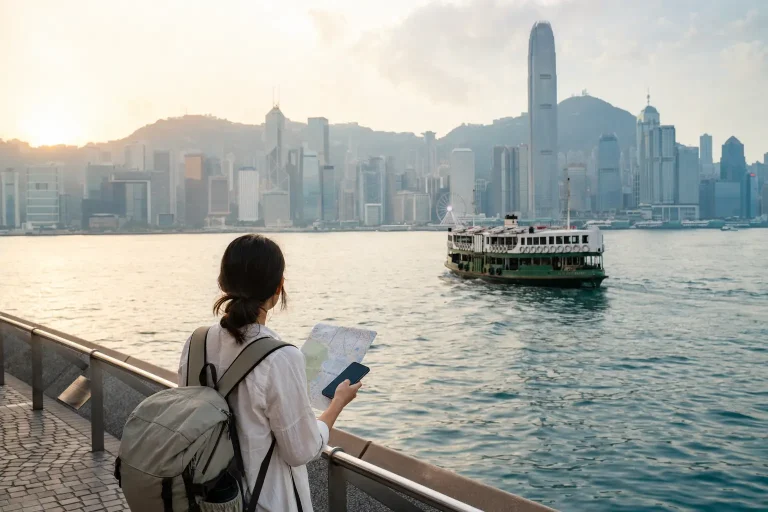
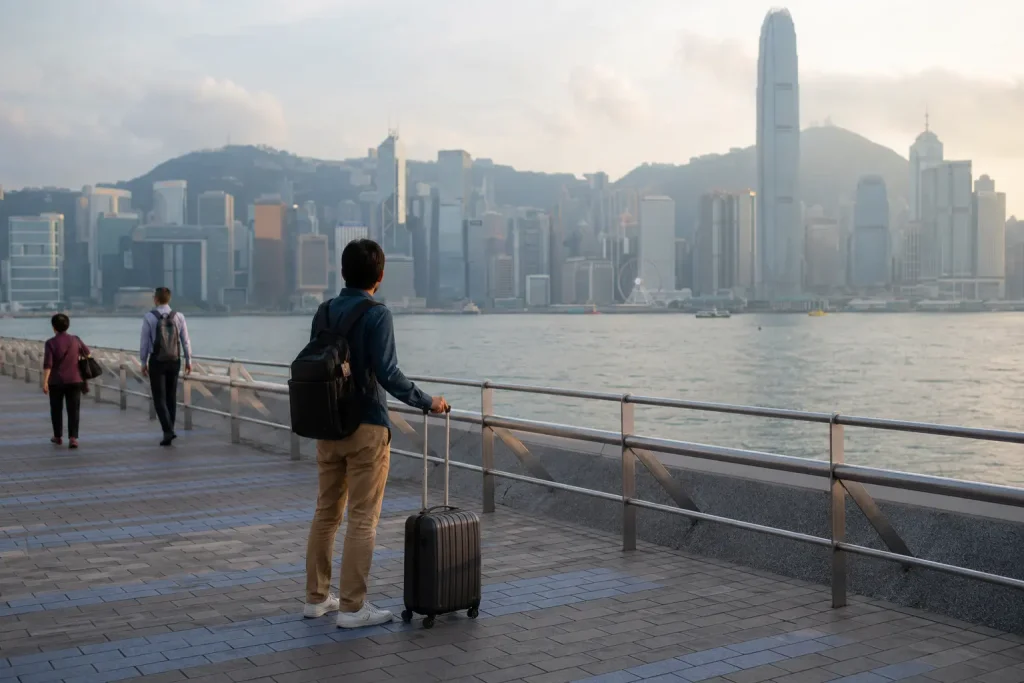
For most first-time visitors, Tsim Sha Tsui is the easiest all-round base in Hong Kong. It places the harbour, museums, the Star Ferry and the southern end of Nathan Road within walking distance, while the MTR makes both Kowloon and Hong Kong Island straightforward to reach. It is convenient, visually dramatic and unapologetically busy.
That does not make it the right answer for everyone. Central and Sheung Wan suit travelers who want restaurants, bars and historic streets close to the hotel. Jordan and Yau Ma Tei offer a more everyday Kowloon atmosphere, often at gentler prices. Causeway Bay works for shopping and late dining; Wan Chai is practical without feeling quite as corporate as Central. Mong Kok is the choice for maximum street energy, not maximum sleep.
The useful question is not “Kowloon or Hong Kong Island?” It is where you want to begin each morning, end each evening and drag your luggage exactly twice.
Where to stay in Hong Kong at a glance
| Area | Best for | Main advantage | The catch |
|---|---|---|---|
| Tsim Sha Tsui | First trips, harbour views, museums | Strong sightseeing position with ferry and MTR access | Tourist crowds and inconsistent room quality |
| Central and Sheung Wan | Dining, bars, short business stays | Island-side convenience and excellent transport | High prices, hills and a quieter business core on weekends |
| Jordan and Yau Ma Tei | Food, markets, better-value central stays | Walkable Kowloon street life without Mong Kok at full volume | Fewer polished harbourfront hotels |
| Wan Chai | Balanced Island base | Food, nightlife, tram and MTR connections | Some blocks are noisy; atmosphere changes street by street |
| Causeway Bay | Shopping and late dining | Dense amenities and easy Island transport | Crowds, traffic and limited calm near major retail streets |
| Mong Kok | Markets, street energy, budget range | Immersive Kowloon atmosphere and excellent food access | Sensory overload, small rooms and late street noise |
| Sai Ying Pun | Cafés, neighborhood pace, longer stays | Character and useful Island Line access | Steep streets and fewer headline sights outside the door |
| North Point | Value and a more residential base | MTR, tram, food and waterfront access | Longer journeys to western Island plans and Kowloon sights |
If the itinerary is still a loose collection of saved pins, choose Tsim Sha Tsui. If most dinners and evenings are around Central, Sheung Wan and Sai Ying Pun, stay on Hong Kong Island. If the goal is food, markets and a room that may cost less than a harbour address, start with Jordan or Yau Ma Tei.
Choose repeated journeys, not a famous district
Hong Kong is compact on a regional map and much larger at street level. A route that appears to cross one narrow harbour may involve a long station corridor, several escalators and a final climb. None of this is difficult, but doing the same inconvenient journey twice a day makes a supposedly central hotel feel oddly remote.
Mark the trip’s fixed points first: timed attractions, restaurant reservations, day-trip departure points, work meetings and nights likely to finish late. Then look for the area that shortens the repeated journeys. One cross-harbour day is pleasant. Four unnecessary cross-harbour commutes are a lodging decision wearing a sightseeing hat.
The ferry remains one of the city’s finest ordinary experiences. The official Star Ferry timetable puts the Central–Tsim Sha Tsui crossing at about nine minutes, though waiting and walking to the piers add time. Use it when the route and weather cooperate; do not book a hotel on the assumption that every journey will begin with a cinematic deck view.
Check the exact MTR entrance
“Five minutes from the MTR” is incomplete information. Stations may have many exits linked by underground passages, and the nearest entrance may not be the one with a lift. A hotel can be close to an entrance yet much farther from the platform than the listing implies.
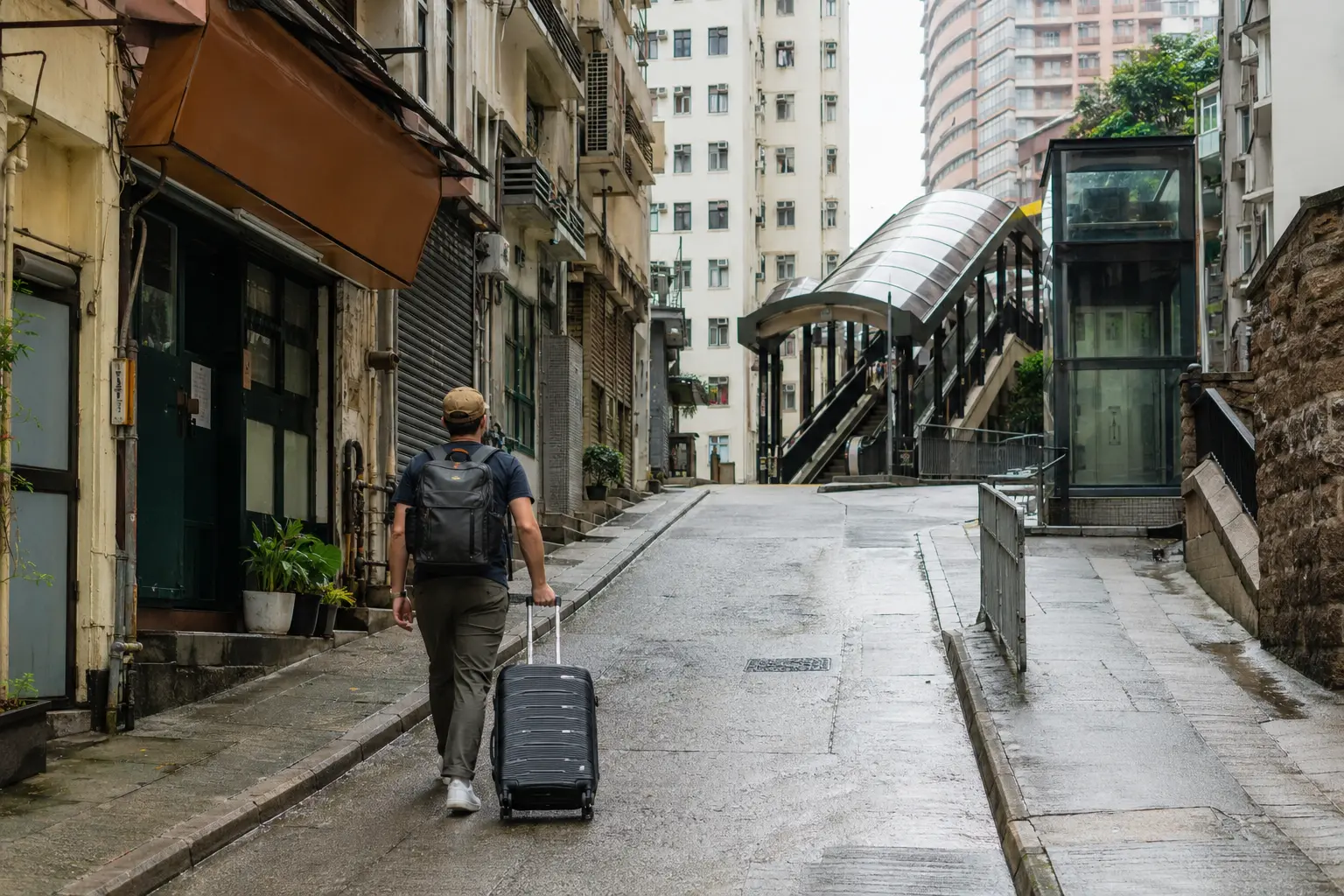
Put the property and its nearest entrance into a map. Check the walking route in street view, then confirm whether luggage requires stairs, a footbridge or a steep final block. This matters in Central, Sheung Wan and Sai Ying Pun, where a short horizontal distance can conceal a committed relationship with gravity.
Decide where the night should end
Hong Kong’s neighborhoods change after office and sightseeing hours. Central’s business streets can empty while nearby SoHo and Sheung Wan remain lively. Tsim Sha Tsui keeps serving visitors late. Jordan and Mong Kok settle into food, markets and neighborhood commerce rather than cocktail-bar polish.
Stay near the type of evening you expect to repeat. Travelers who plan several late dinners on Hong Kong Island gain little from saving a small amount on a Kowloon room if every night ends with a transport calculation. Those who want early starts, market walks and casual food may find Central expensive without using what makes it expensive.
Tsim Sha Tsui: easiest for a first visit
Tsim Sha Tsui occupies the tip of Kowloon directly across Victoria Harbour from Central. The promenade, Avenue of Stars, Hong Kong Museum of Art, ferry pier and large shopping complexes are close together. The MTR connects north through Kowloon and across to the Island, while the harbour gives the area a sense of arrival that an underground concourse cannot quite reproduce.
Its practical strength is range. Hotels run from tiny guesthouse rooms to grand harbourfront properties. Food spans mall dining, Cantonese restaurants, international chains and late-night casual options. A first-time visitor can build several useful days without starting every morning on a long transfer.
The weaknesses are equally visible. Nathan Road is crowded, some blocks feel designed primarily for visitors and budget listings can make generous use of wide-angle lenses. Chungking Mansions contains legitimate guesthouses and businesses, but its dense mixed-use layout is not a comfortable first choice for every solo traveler or family. Read the exact building name, lift situation and recent room reviews—not only the neighborhood score.
Choose Tsim Sha Tsui if: this is a short first trip, harbour access matters and the itinerary is split between Kowloon and the Island.
Look elsewhere if: tourist density drains you, you want quiet residential evenings or most nights will end west of Central.
Central and Sheung Wan: best for dining and Island-side nights
Central is Hong Kong’s financial core and one of its most efficient transport areas. The Airport Express terminates at Hong Kong Station, multiple MTR lines converge nearby and ferries leave from the waterfront. Uphill, the character shifts quickly into restaurant streets, bars, galleries, temples and older shopfronts.
“Central” therefore describes several different stays. A hotel near the station minimizes airport and business friction. A property near SoHo puts nightlife close but may involve hills and evening noise. Sheung Wan feels more layered and neighborhood-like, with dried-seafood shops, cafés and small restaurants sharing the same streets.
The price premium is real, and some of it pays for access rather than room size. Central also becomes less animated in its office core outside business hours. Check whether the hotel sits below or above Queen’s Road and whether the route from the station is sensible with luggage.
Choose Central or Sheung Wan if: dining, bars, business appointments and western Hong Kong Island dominate the plan.
Look elsewhere if: value, large rooms, flat walks or Kowloon markets matter more.
Jordan and Yau Ma Tei: best central value with street life
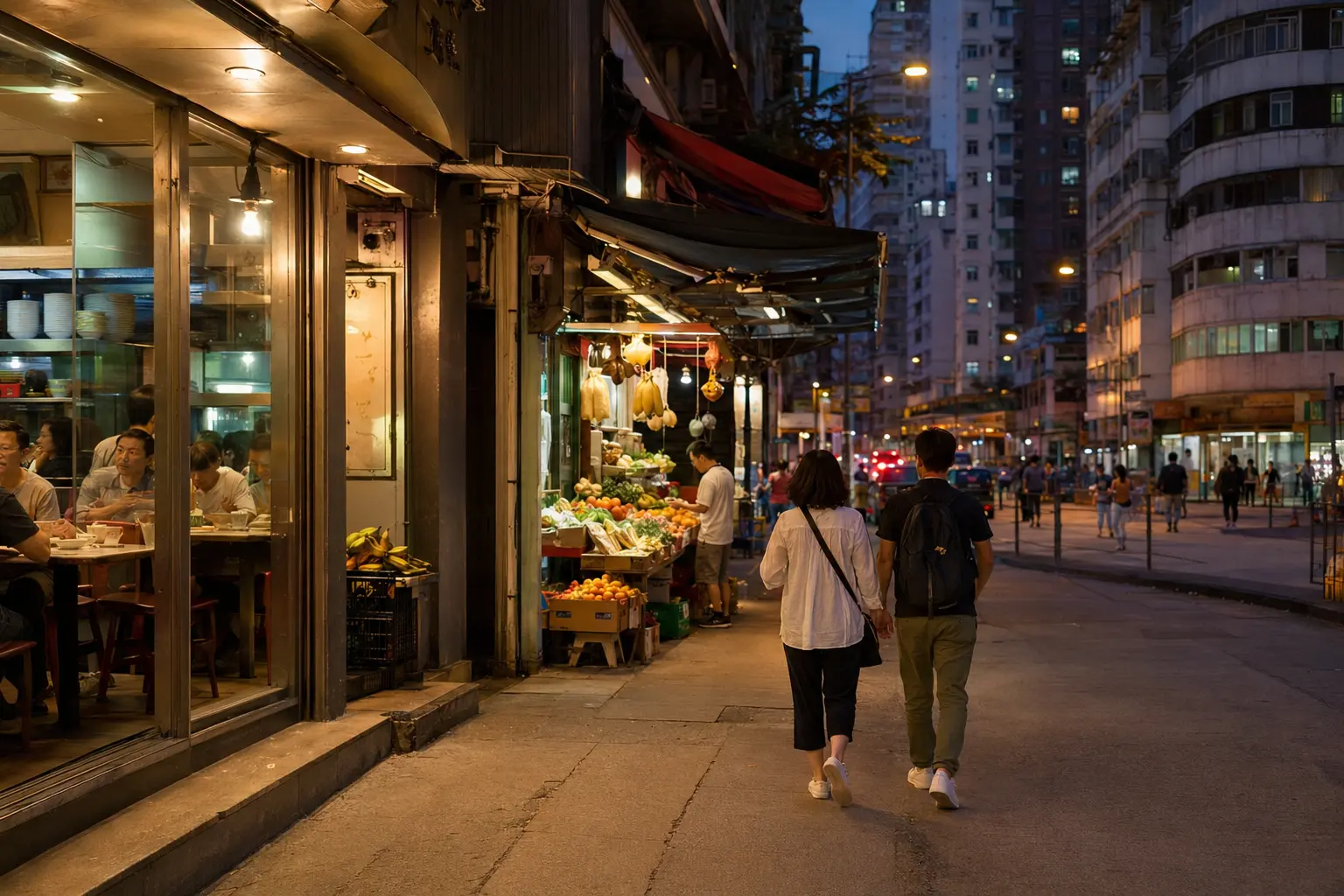
Jordan and Yau Ma Tei sit north of Tsim Sha Tsui along the same main transport spine, close enough for an easy ride or a determined walk. The streets feel more residential and workaday, with noodle shops, fruit stalls, old apartment blocks and the evening activity around Temple Street.
These areas suit travelers who want central Kowloon access without paying for a harbourfront address. Hotels tend to be functional rather than theatrical. That is often the point: the room is a base, while breakfast and late dinner happen among businesses used by residents as well as visitors.
Jordan is the easier compromise for a first trip because it remains close to Tsim Sha Tsui. Yau Ma Tei leans further into market streets and older urban texture. In both, request a higher or inward-facing room if the property fronts Nathan Road.
Choose Jordan or Yau Ma Tei if: food, markets, transport and value rank above a polished hotel district.
Look elsewhere if: the trip depends on harbour views, luxury facilities or very quiet streets.
Wan Chai: the balanced Hong Kong Island base
Wan Chai combines offices, restaurants, bars, older streets, exhibition space and residential pockets within a relatively small area. It has MTR access, cross-harbour connections nearby and the tram running east–west along the Island’s northern corridor.
The neighborhood’s old nightlife reputation describes only part of it. One block can feel commercial, the next residential and another devoted to design shops or lunch counters. That variety makes Wan Chai useful but also means a district-level hotel description is not enough. Check the immediate street at the hour you expect to return.
Wan Chai works especially well for travelers with a mixed Island itinerary who do not need Central’s prices or Causeway Bay’s retail intensity. The Star Ferry also operates a Wan Chai–Tsim Sha Tsui service, subject to the current timetable.
Choose Wan Chai if: you want an adaptable Island base with food and nightlife but do not need to sleep in the center of Central.
Look elsewhere if: late street noise is a concern or most sightseeing is in northern Kowloon and the New Territories.
Causeway Bay: best for shopping and late convenience
Causeway Bay is dense, bright and extremely well supplied. Department stores, malls, small restaurants and late-opening businesses make it easy to return without having planned dinner. Victoria Park provides breathing room nearby, while the MTR and trams make Island-side movement straightforward.
This is a strong base for travelers who like a city to remain active outside the hotel. It can also be tiring. Major crossings and retail streets stay crowded, rooms are often compact and the district is less convenient for western Island neighborhoods than its central-sounding reputation suggests.
Choose Causeway Bay if: shopping, dining choice and a lively return each night are priorities.
Look elsewhere if: you want heritage streets, silence or quick access to the Airport Express.
Mong Kok: best for maximum urban energy
Mong Kok delivers the Hong Kong many travelers imagine before arrival: vertical signs, crowded pavements, specialist shopping streets, markets and food at nearly every level of formality. It is vivid because it is busy, not because it has been staged as an attraction.
The MTR makes it practical, and the hotel range includes many lower-priced rooms. Still, apparent value needs scrutiny. Small floor areas, thin walls and busy lift systems can change the equation. Travelers with large luggage should check the route from the station and whether two open suitcases would end diplomatic relations inside the room.
Choose Mong Kok if: markets, street photography, casual food and dense city life are the purpose of the trip.
Look elsewhere if: crowds affect sleep, the trip is romantic in a harbour-view sense or this is a gentle first encounter with a megacity.
Sai Ying Pun: best for a slower neighborhood base
Sai Ying Pun lies west of Central on the Island Line. It mixes traditional businesses, apartment streets, cafés and restaurants with quick transport back toward the center. The area suits longer stays because daily needs are close and evenings can feel more local than theatrical.
The catch is topography. Streets rise sharply away from the harbour, and a hotel that looks close to the station may sit well above it. Escalators and lifts help on some routes, but not every door-to-door journey. Check the contour, not merely the pin.
Choose Sai Ying Pun if: cafés, neighborhood rhythm and Island-side dining appeal more than having landmarks outside the lobby.
Look elsewhere if: steep walks, mobility constraints or repeated Kowloon trips will define the stay.
North Point: best for value on Hong Kong Island
North Point offers MTR and tram access, a working waterfront edge and an excellent concentration of everyday food. It feels more residential than Central or Tsim Sha Tsui and can offer better room value while keeping the Island’s northern corridor accessible.
The tradeoff is time. Western Island plans take longer, and several days built around Tsim Sha Tsui, Jordan or Mong Kok will make the harbor feel wider. North Point is most persuasive when the itinerary includes Causeway Bay, Quarry Bay or eastern Hong Kong Island.
Choose North Point if: value, local food and a less visitor-centered environment matter.
Look elsewhere if: this is a two-night highlights trip or every saved pin sits around Central and Kowloon.
Airport and luggage strategy
MTR’s Airport Express serves Airport, Tsing Yi, Kowloon and Hong Kong stations before continuing to AsiaWorld-Expo. A hotel near Hong Kong Station or Kowloon Station can simplify arrival, but “near” again deserves inspection: both stations connect to large developments, and the final walk may be longer than expected.
Do not choose an airport hotel for a normal city visit merely because the flight lands late. The airport sits away from the main urban districts, and the saved arrival effort is repaid on every sightseeing day. An airport stay makes more sense for a very early departure, an overnight connection or plans centered on Lantau.
With heavy luggage, compare the Airport Express plus the final transfer against a direct taxi. A rail journey can be fast while the last kilometer remains awkward. The cheapest theoretical route is not always the least expensive use of a tired first evening.
How to check a Hong Kong hotel before booking
Area guides narrow the map; the final decision belongs to the building. Before booking, verify:
- the exact MTR station and entrance;
- walking time to the platform, not just the station door;
- hills, stairs and lift availability;
- room area and space for luggage;
- recent comments about street, lift and corridor noise;
- whether the bed size suits the people using it;
- cancellation terms during typhoon season;
- the route home after the latest planned evening;
- whether the advertised harbour view is direct, partial or visible only at an angle.
In Hong Kong, a well-positioned modest hotel often outperforms a more glamorous room that adds two transfers to every day. Square meters matter, but repeated friction occupies space too.
The best area for your first Hong Kong trip
Choose Tsim Sha Tsui for the simplest first-trip overview and the strongest harbour arrival. Choose Central or Sheung Wan when Island-side dining and nightlife are central to the trip. Choose Jordan or Yau Ma Tei for a more grounded Kowloon stay with good transport and often better value.
Wan Chai and Causeway Bay are practical for travelers who expect to remain active on the Island. Mong Kok rewards enthusiasm for density. Sai Ying Pun and North Point make more sense for a slower or repeat visit than for a two-day landmark sprint.
The right base does not eliminate travel; Hong Kong is too interesting for that. It simply makes the journeys you repeat feel intentional—and keeps the final uphill walk from becoming the trip’s most reliable nightly ritual.
Frequently Asked Questions
Where should first-time visitors stay in Hong Kong?
Tsim Sha Tsui is the easiest all-round base for most first-time visitors. It places the harbour, museums, the Star Ferry, and Nathan Road within walking distance, with the MTR making both Kowloon and Hong Kong Island easy to reach.
What is a good alternative to Tsim Sha Tsui in Hong Kong?
Central and Sheung Wan suit travelers who want restaurants, bars, and historic streets close to the hotel, while Causeway Bay works well for shopping and late dining.