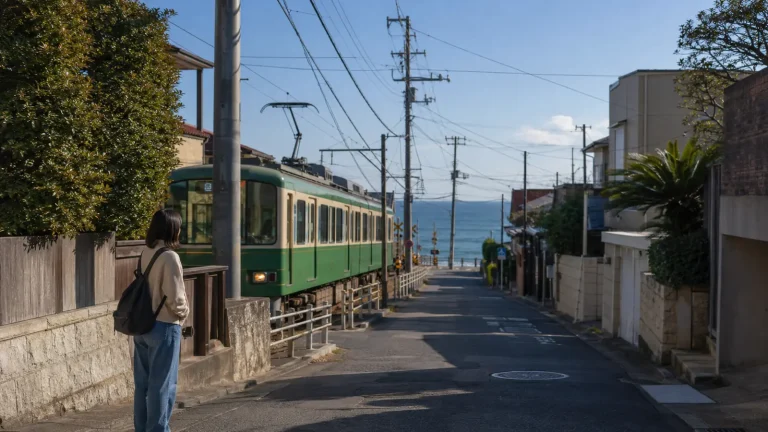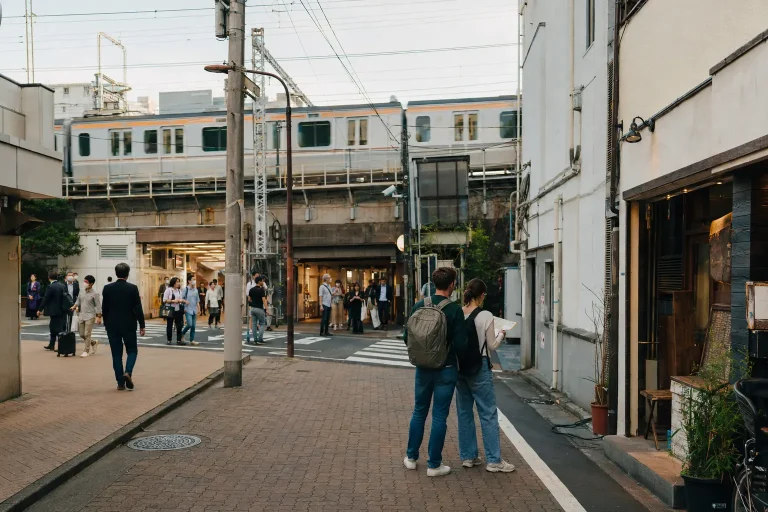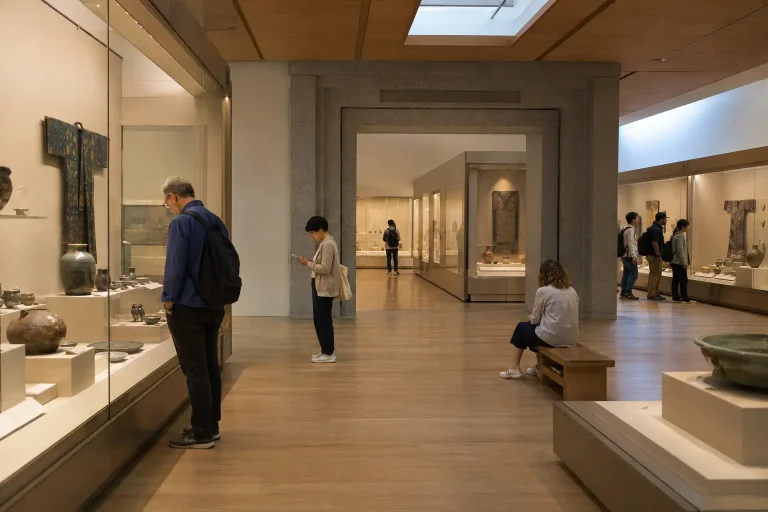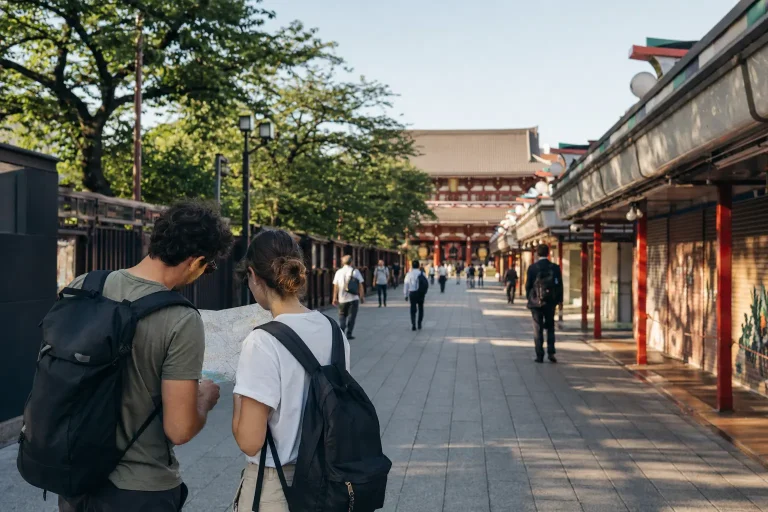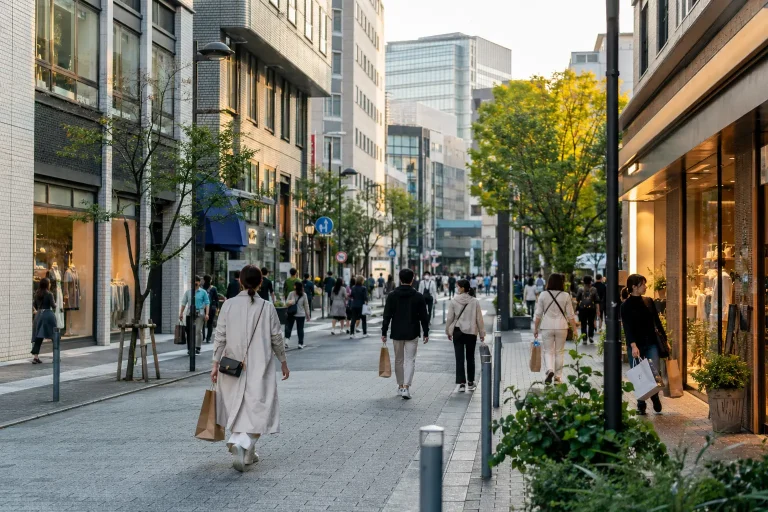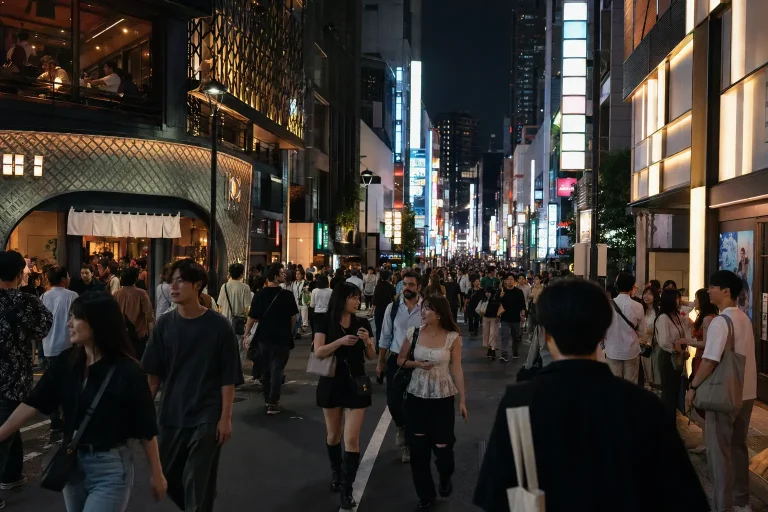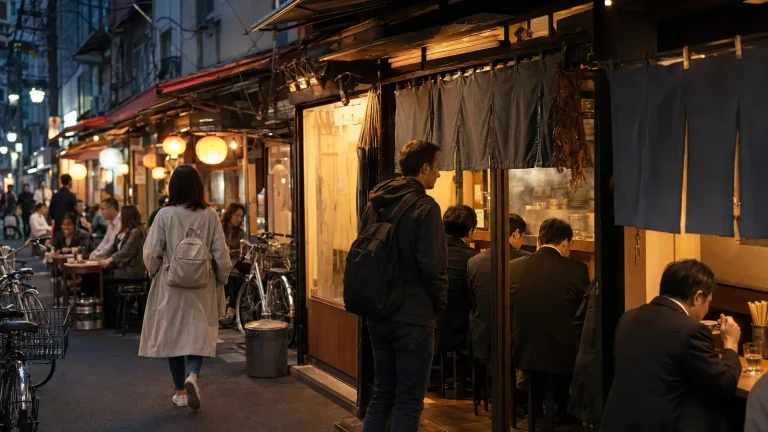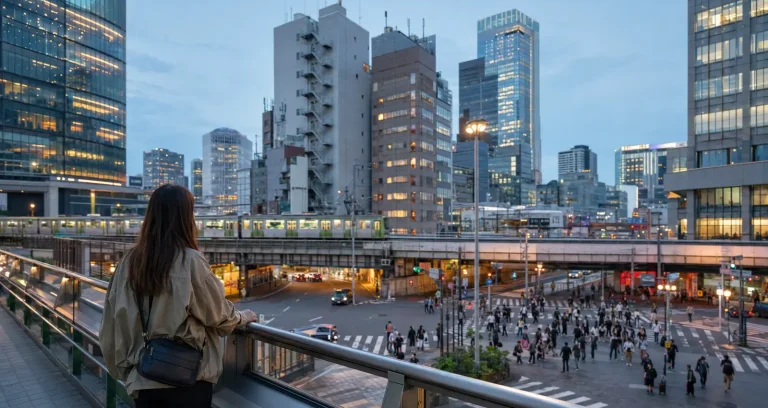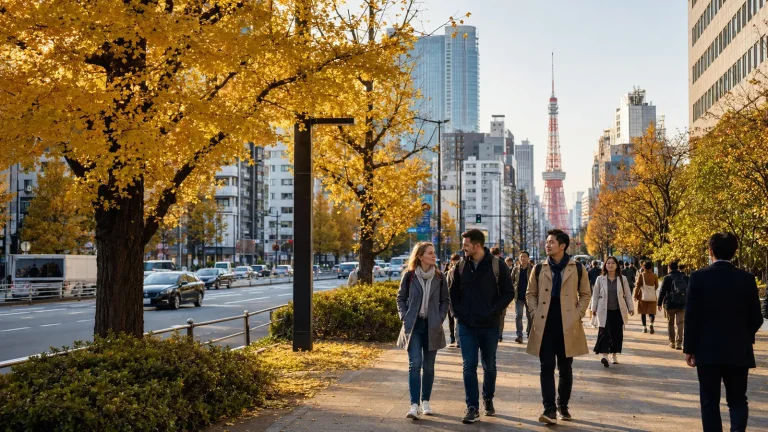
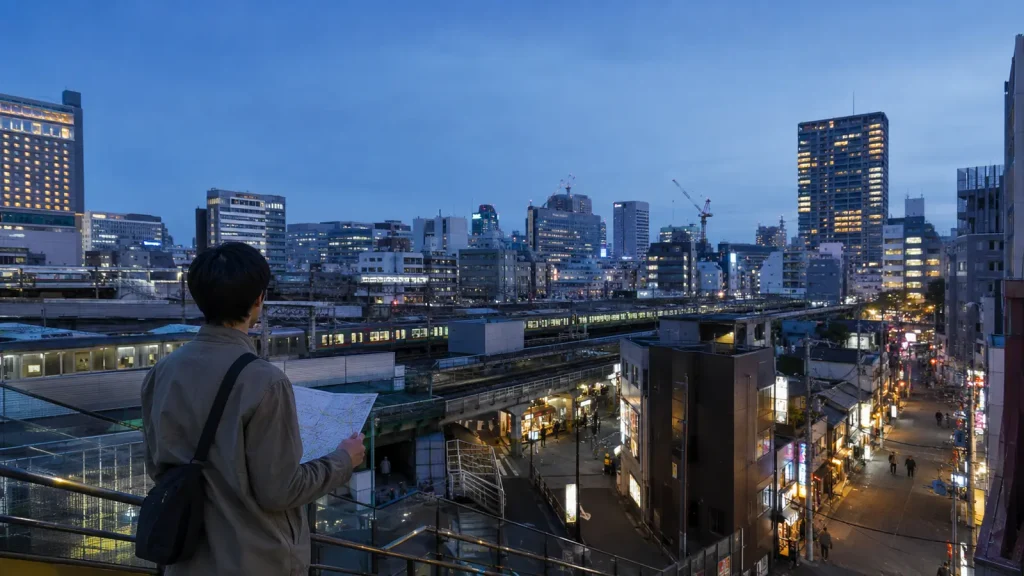
Three full days in Tokyo are enough to understand the city’s basic rhythm, eat extremely well, and see several defining sights. They are not enough to “finish” Tokyo, an idea the city rejects with admirable efficiency. The most workable 3 days in Tokyo divide the capital into three geographic clusters: west Tokyo for Meiji Jingu, Harajuku, and Shibuya; east Tokyo for Asakusa and Ueno; then Tsukiji, Toyosu, and the bayfront.
This route assumes three complete sightseeing days, not a late arrival and an early departure disguised as an itinerary. Each day has one booking that sets the schedule, one optional stop to remove when energy drops, a wet-weather alternative, and a flexible food plan. That last part matters. Tokyo rewards curiosity at mealtimes, while a schedule built around three distant restaurant reservations mostly rewards punctuality anxiety.
The 3-Day Tokyo Itinerary at a Glance
| Day | Area | Core route | One booking to make | Drop first if tired |
|---|---|---|---|---|
| 1 | West Tokyo | Meiji Jingu → Harajuku and Omotesando → Shibuya | Shibuya Sky | Extra shopping in Harajuku |
| 2 | East Tokyo | Senso-ji and Asakusa → Ueno → Tokyo National Museum | One important Asakusa or Ueno lunch, or a special-exhibition ticket | Ameyoko or Kappabashi |
| 3 | Food and waterfront | Tsukiji Outer Market → Toyosu → teamLab Planets → Odaiba | teamLab Planets | Odaiba after sunset |
The route is deliberately selective. A Tokyo itinerary for 3 days becomes less useful every time another district is added “because it is only 20 minutes away.” That estimate rarely includes finding the correct platform or walking through a large station.
Before day one: make three decisions
First, choose one timed or otherwise important commitment per day. Reserve a Shibuya Sky entry for Day 1 and teamLab Planets for Day 3. On Day 2, choose either a restaurant you genuinely care about or a current special exhibition at the Tokyo National Museum. Everything else should bend around those anchors.
Second, set up an IC card for routine transit. Official information from PASMO and Welcome Suica explains the visitor options and where each can be used. An IC card does not make every ride cheaper, but it removes the need to calculate a separate fare before each journey. For subway routes, fares, and service updates, use the Tokyo Metro visitor information.
Third, protect the first morning from jet lag. If the body believes 5 a.m. is lunchtime, use the unexpected wakefulness for a quiet shrine or temple approach. If sleep wins, shorten the morning. A few useful long-haul flight essentials help, but no eye mask can negotiate with a 14-hour time difference.
Day 1: Meiji Jingu, Harajuku, Omotesando, and Shibuya
West Tokyo is the right opening chapter because its contrasts happen within walking distance. A forested Shinto shrine gives way to youth fashion, polished architecture, small backstreets, and finally one of the busiest urban crossings in the world. The sequence is dramatic without requiring repeated train rides.
Your one hard booking is Shibuya Sky in the late afternoon or evening. Buy through the official Shibuya Sky website and plan the rest of the day backward from the entry time. Sunset slots are popular, but a clear daytime view or full night view can be just as effective and may leave more room in the schedule.
Morning: enter Meiji Jingu before Harajuku gets loud
Start at the Harajuku-side entrance to Meiji Jingu. The long gravel approach is not filler before the main sanctuary; it is part of the shrine’s design, separating ordinary city movement from a sacred precinct. The wooded grounds were planted rather than inherited from ancient wilderness, which makes the scale feel even more deliberate.
The shrine opens and closes with the seasons, so check the official visitor information. Walk quietly, keep food for later, and follow the photography guidance around worship areas. This remains an active religious site rather than an elaborate park theme.
Allow roughly 60 to 90 minutes for the approach, sanctuary, and return. Add the inner garden or museum only if it matters more than the afternoon neighborhoods. Afterward, have a simple breakfast or early coffee around Harajuku rather than crossing town for a famous meal.
Midday: choose your version of Harajuku
Harajuku is not one experience. Takeshita Street concentrates youth-oriented shops, sweets, and dense pedestrian traffic into a short stretch. It can be entertaining in measured doses, especially for teens and fashion-focused travelers. It can also feel like walking through a moving queue.
For a calmer route, cross toward Omotesando and explore the lanes around Cat Street. The main avenue has flagship stores and conspicuous architecture; the side streets hold smaller labels, cafés, and vintage shops. Choose two or three stores in advance if shopping matters.
Food strategy: Eat within Harajuku or Omotesando rather than chasing a famous restaurant elsewhere. Look for a set lunch—teishoku, soba, curry, or donburi—where ordering is straightforward and the meal has a natural endpoint. Keep one saved option and one nearby backup. Tokyo restaurants can be small, and a short line may move quickly while a fashionable café line develops its own weather system.
Afternoon and evening: walk into Shibuya
Continue south along Cat Street toward Shibuya. This approach is more satisfying than appearing directly inside Shibuya Station because the streets thicken gradually: more screens, more shoppers, more decisions competing for the same square meter. At the center, watch Shibuya Crossing from street level before seeking an elevated view. The interest lies less in the number of pedestrians than in the order with which everyone disperses.
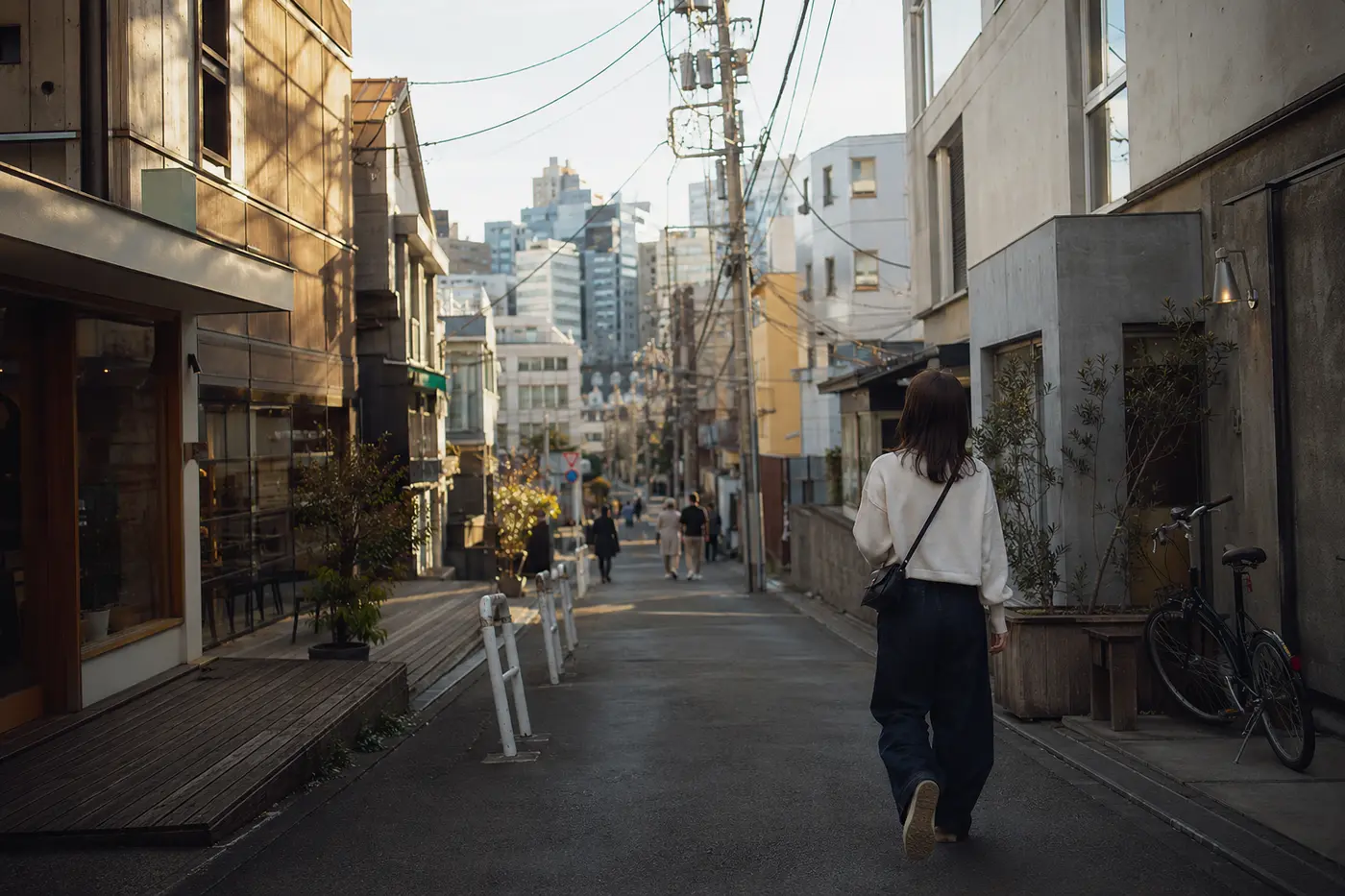
Use the final hour before your Shibuya Sky slot for Hachiko Plaza, a coffee break, or a compact shopping target. Do not schedule a cross-city attraction here. Timed observation decks are considerably more enjoyable when the preceding hour is not spent apologizing to an escalator.
After Shibuya Sky, choose dinner by appetite and energy: ramen for a quick solo meal, yakitori for a longer evening, or a department-store food hall when the group cannot agree. If nightlife is a priority, continue to a bar or music venue. “Seeing Tokyo at night” does not require remaining awake until the trains stop.
Drop first: Extended shopping in Harajuku. Keep Meiji Jingu, the walk south, and the Shibuya booking.
Rain plan: Retain Meiji Jingu if the rain is light—the forest is atmospheric and partly sheltered by the canopy—then move the afternoon into Omotesando’s galleries, shopping complexes, and cafés. In heavier rain, shorten the shrine visit and spend more time indoors around Omotesando and Shibuya Scramble Square. Keep footwear practical; wet gravel and fashion ambition are not natural allies.
Day 2: Senso-ji, Asakusa, Ueno, and the Tokyo National Museum
Day 2 stays east, where Tokyo’s older commercial and religious layers remain visible beside major museums and working shopping streets. Begin before Asakusa’s central lanes fill, then move west toward Ueno. The day has historical range without turning into a lecture delivered by subway map.
Your hard commitment should be one thing you would be disappointed to miss: a booked lunch in Asakusa or Ueno, or a special exhibition at the Tokyo National Museum. General collection entry may be flexible, while special exhibitions can have separate arrangements, so check the museum’s current calendar. Do not reserve both a long lunch and an inflexible museum entry unless punctual eating is the holiday theme.
Morning: see Senso-ji as a place of worship
Arrive at Asakusa early and approach through Kaminarimon Gate toward Nakamise. Shops along the arcade generally come alive later than the temple grounds, which means an early visit emphasizes the spatial sequence: gate, shopping approach, incense, and main hall. The official Senso-ji website offers current temple information and background on its religious significance.
Senso-ji is Tokyo’s oldest Buddhist temple, but age alone is not what makes it useful. It shows how worship, neighborhood commerce, tourism, and daily routine occupy the same compact area. Follow posted guidance rather than treating ritual as a photo prompt.
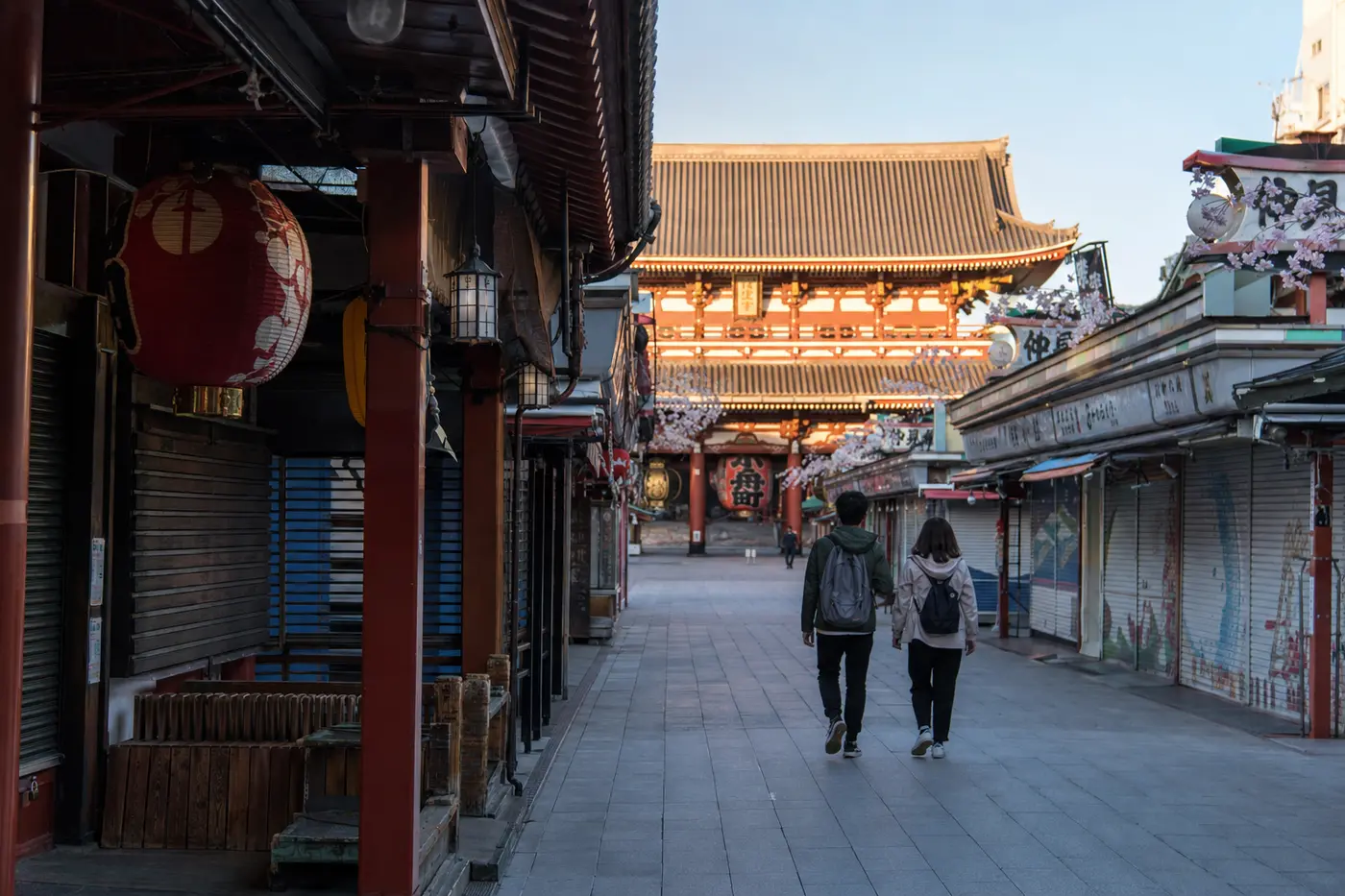
Once Nakamise opens, browse selectively. Many shops sell gifts and snacks, though eating while pushing through the crowd is rarely the graceful experience social media suggests. Continue through the surrounding lanes or walk toward the Sumida River, but set an exit time before arriving.
Midday: pick one east-side detour
Choose either Kappabashi or Ameyoko, not both by default.
Kappabashi, between Asakusa and Ueno, specializes in cookware, ceramics, knives, restaurant supplies, and unnervingly convincing plastic food. It makes sense for cooks, design-minded travelers, and people seeking a useful souvenir.
Ameyoko, beside Ueno Station, has market stalls, snack shops, casual restaurants, and street-level commerce around the railway tracks. Choose it if food browsing matters more than kitchen tools.
Food strategy: This is the best day for one deliberate lunch reservation because Asakusa and Ueno contain both old establishments and excellent everyday options. If no particular restaurant matters, stay flexible and eat near the point where you become hungry. Soba, tempura, eel, tonkatsu, and casual sushi all fit the route. Avoid crossing Tokyo for a viral bowl of noodles; the bowl will not know how far you traveled.
Afternoon: give the Tokyo National Museum a clear mission
Walk into Ueno Park and visit the Tokyo National Museum. Check its official visitor information for current hours, closures, exhibitions, and ticket details before the trip. The museum complex is large, and trying to see every gallery after a full Asakusa morning produces a particular kind of cultured exhaustion.
For a first visit, focus on the Japanese Gallery in the Honkan and select one additional area according to interest. The collection provides context that Tokyo’s contemporary streets cannot: Buddhist sculpture, ceramics, screens, swords, textiles, archaeological objects, and the visual systems that shaped Japanese art. Labels and rotating displays mean the experience changes, which is another reason not to hard-code a “perfect” room-by-room route.
Allow around two hours for a focused visit, longer for serious museum travelers. Spend the evening in Ueno or return to Asakusa for dinner. Travelers who want electronics, gaming, or anime retail can substitute Akihabara, but treat that as a different evening rather than a quick extra.
Drop first: Kappabashi or Ameyoko. Keep Senso-ji and the museum; choose the detour that matches your actual interests.
Rain plan: This day adapts well. Visit Senso-ji with an umbrella, shorten the outdoor neighborhood walk, and give more time to the Tokyo National Museum. Kappabashi’s shops offer intermittent shelter, while Ameyoko can still be busy and splashy in bad weather. If the rain is severe, use a café break between Asakusa and Ueno rather than forcing an exposed river walk.
Day 3: Tsukiji, teamLab Planets, Toyosu, and Tokyo Bay
The final day follows Tokyo’s relationship with food and water. It starts in a market district shaped by professional trade, moves through the newer bayside landscape, and ends among broad promenades and engineered views. This is not the postcard version of “traditional versus futuristic Tokyo.” It is a practical look at how a city relocates, redevelops, and continues eating.
Your hard booking is teamLab Planets in Toyosu. Reserve a timed entry through the official teamLab Planets ticket site and read the current visitor guidance before choosing clothing and the rest of the day’s timing. The museum involves water and highly reflective installations; its practical advice is more important than an ambitious outfit.
Morning: eat selectively at Tsukiji Outer Market
Start at Tsukiji Outer Market, preferably early enough to see shops operating but not so early that public-facing businesses are still closed. The wholesale inner market moved to Toyosu, yet Tsukiji’s outer market remains a dense food district with seafood, dried goods, knives, tea, tamagoyaki, produce, and small restaurants. Check the official market calendar and visitor guidance because individual shop schedules vary.
Approach breakfast as a tasting route, not an eating contest. Share items where vendors permit it, choose one seated dish if desired, and leave room for later. Sushi is an obvious option, but grilled seafood, egg rolls, tea, and pantry goods reveal more of the market’s range. Keep cash available because payment methods differ by shop.
Tsukiji remains connected to professional food culture, even when the most visible lane feels thoroughly adapted to visitors. The useful question is not whether every bite is “authentic,” but whether the stall looks careful and the line is moving.
Late morning: move to Toyosu without filling every gap
Travel from Tsukiji toward Toyosu and leave buffer time before the timed museum entry. A transit app may show a neat connection, but bayfront stations, elevated walkways, and unfamiliar exits can add friction. Arriving early is preferable to converting the morning into a seafood-flavored sprint.
If your teamLab slot is later, use the extra time for a coffee, a short Toyosu walk, or a look at the public areas around the market district. Do not add a distant central Tokyo attraction. The waterfront is spacious, and that breathing room is part of the day’s design.
Afternoon: commit to teamLab Planets
teamLab Planets is an immersive digital-art museum where visitors move physically through large-scale installations, including water-based environments. The work changes in response to bodies in the space, so the point is participation rather than simply recording a corridor of glowing images.
Allow enough time to follow the sequence without racing, but accept that popular rooms may feel social rather than meditative. Visit for the physical scale, shifting surfaces, and unusual relation between viewer and artwork—not for the fantasy of having it privately.
Follow the venue’s current rules on entry time, clothing, lockers, and accessibility. Travelers with mobility, sensory, or clothing concerns should review the official guidance before booking, not at the door. If teamLab is not appealing, substitute another Toyosu or Odaiba museum that fits the group; the geographic structure still works.
Evening: choose how much waterfront you need
After teamLab, decide whether to continue toward Odaiba or finish in Toyosu. Odaiba’s malls, museums, promenades, and bay views can fill several hours, but a three-day visitor does not need to collect every landmark. Choose one waterfront walk, one indoor stop, and dinner.
For an evening view, walk where the bay, bridges, and skyline open up rather than spending the entire visit inside retail complexes. Odaiba can feel planned and spacious after two days of compressed streets, which is precisely its interest.
Food strategy: Tsukiji is for breakfast and grazing; the waterfront is for the meal that follows. Avoid reserving an elaborate lunch immediately after the market. For dinner, choose Toyosu or Odaiba based on where the day ends, and favor a place with easy online booking if waterfront views matter. Otherwise, a casual meal near the return station keeps the evening flexible.
Drop first: Odaiba. If the group is finished after teamLab, eat in Toyosu and return to the hotel without regret.
Rain plan: Keep Tsukiji compact, using covered shops and a seated breakfast rather than extended grazing. teamLab remains the main indoor anchor. Afterward, choose an indoor Toyosu or Odaiba complex instead of a waterfront walk. On a genuinely stormy day, do not cling to the bay view simply because it appears in a spreadsheet.
How to Adjust This Tokyo Itinerary Without Breaking It
A good three days in Tokyo itinerary should survive different interests and energy levels. Change activities inside each geographic cluster before changing the cluster itself.
Families can shorten Omotesando shopping, choose lively Ameyoko over Kappabashi, and reduce the museum visit. Shoppers should protect one two- to three-hour block rather than scatter browsing across every day: west Tokyo for fashion, Kappabashi for kitchenware, or Tsukiji for food gifts. In sustained rain, swap the day order only if ticket policies allow it; the east day has the strongest museum fallback. With severe jet lag, start near the hotel and rejoin the route later. A plan with no room for fatigue usually creates room by sacrificing dinner. For onward travel, a disciplined carry-on packing list also makes Tokyo’s station stairs less theatrical.
Practical Rules That Make Three Days in Tokyo Easier
Keep transit simple
Use an IC card for ordinary trains and subways, but still check the operator and route before entering. Transfers can involve different operators and gates. Tokyo Metro provides official subway information; PASMO and Welcome Suica explain IC-card use.
Save each day’s first destination and hotel in your map app. Large stations have numbered or named exits, and the correct one removes considerable street-level confusion.
Keep luggage simple too. Pack the suitcase efficiently; compact rooms and station stairs have little patience for “just in case” clothing.
Budget by category, not one fragile daily number
Tokyo can support a restrained budget or a highly polished one, so a single daily estimate is rarely helpful. Separate accommodations, transit, meals, attractions, shopping, and nightlife, then add a buffer for snacks, lockers, and an urgent sit-down coffee.
Convenience stores and casual chains can keep one daily meal inexpensive. Observation decks, cocktails, and destination restaurants push costs upward quickly, so check current official prices. Solo travelers can also compare practical travel essentials for women before adding another “essential” to the bag.
Make meals flexible
Reserve only the restaurants that carry real emotional weight. For other meals, save one quick option, one sit-down choice, and one fallback in each neighborhood.
Solo diners can look for counter seating and ticket-machine restaurants; groups need more planning because many dining rooms are compact. With significant dietary restrictions, research restaurants in each cluster and carry a translated explanation.
FAQ About Spending 3 Days in Tokyo
Is 3 days in Tokyo enough?
Three full days are enough for a strong first visit covering west Tokyo, Asakusa and Ueno, and the Tsukiji–Toyosu waterfront. They are not enough for every major district, several theme parks, and a day trip. If Tokyo is the main destination rather than one stop on a wider Japan trip, five to seven days allow a slower and more varied visit.
Where should I stay for a 3-day Tokyo itinerary?
Stay near a useful rail or subway station with a direct route to several daily clusters. Shibuya and Shinjuku suit nightlife and west-side access; Ueno works well for the east side and some airport routes; Tokyo Station, Ginza, and Shimbashi offer central connections. The best choice is often the hotel that requires fewer transfers, not the neighborhood with the loudest reputation.
Should I take a day trip during three days in Tokyo?
Not on a first visit unless the day trip is one of the trip’s main reasons. Kamakura, Nikko, Hakone, and the Fuji area can be worthwhile, but each replaces roughly one-third of this Tokyo plan. If seeing Mount Fuji or a major temple complex matters more than exploring another side of the capital, make the trade deliberately and keep two Tokyo days geographically tight.
How much does 3 days in Tokyo cost?
The answer depends most heavily on lodging, restaurant choices, shopping, and paid attractions. Build a current budget from your hotel, local transit, two or three booked attractions, meals at the level you prefer, and a contingency amount. Use official attraction sites for live admission costs rather than relying on a fixed total that may be outdated before the trip begins.
What is the easiest way to get around Tokyo for three days?
Trains and subways cover this itinerary efficiently, with walking inside each neighborhood cluster. Use a compatible IC card such as PASMO or Welcome Suica for routine fares, and consult operator information for routes or disruptions. A rail pass is not automatically better for a short city visit; compare its valid network with the trips you will actually take.
Leave Tokyo With One Unfinished Thread
The best 3 day Tokyo itinerary does not end with a completed checklist. It ends with a useful sense of the city’s scale and one reason to return: a neighborhood glimpsed from the train, a museum wing left for next time, or a dinner district that became more interesting just as the evening ran out. Three days can show how Tokyo works. Trying to make them show everything is the fastest way to stop noticing it.
Frequently Asked Questions
Is 3 days enough for Tokyo?
Three full days are enough to understand the city’s basic rhythm, eat well, and see several defining sights, though not enough to see everything. The route divides the capital into west Tokyo, east Tokyo, and the Tsukiji/Toyosu bayfront area.
What is the best way to structure a 3-day Tokyo itinerary?
Give each day one booking that sets the schedule, one optional stop to remove if energy drops, a wet-weather alternative, and a flexible food plan rather than distant restaurant reservations that reward punctuality anxiety over spontaneity.