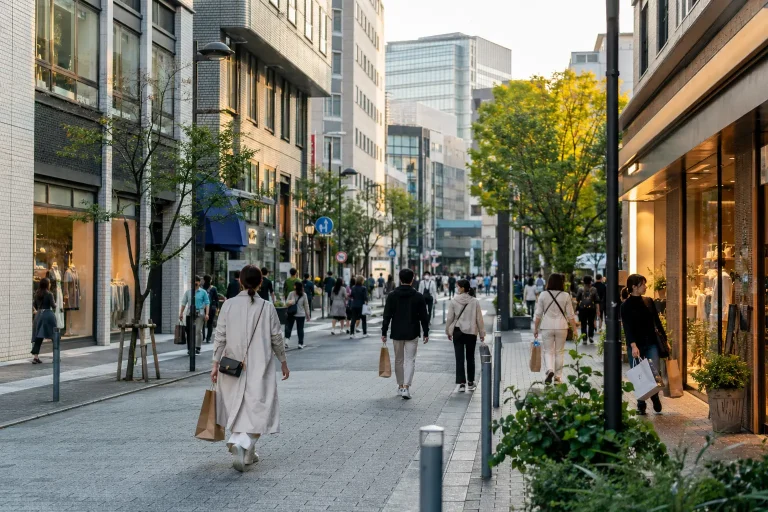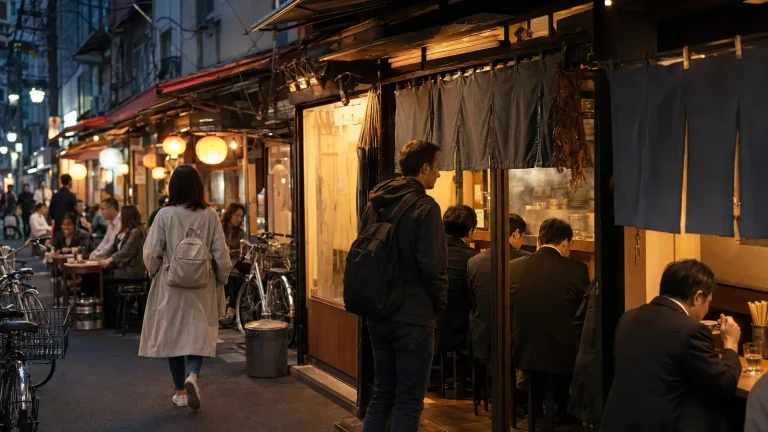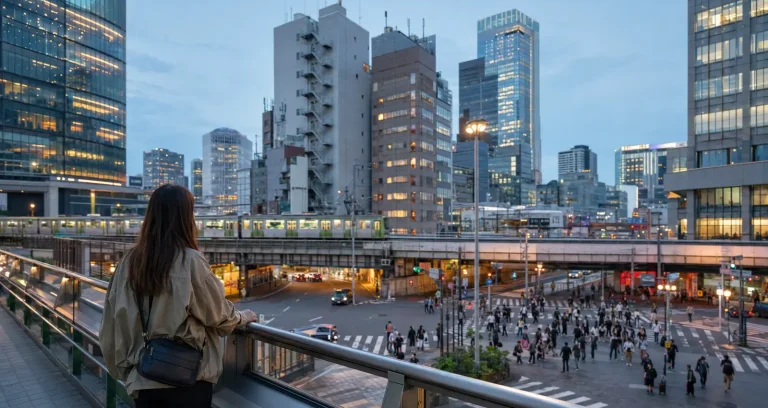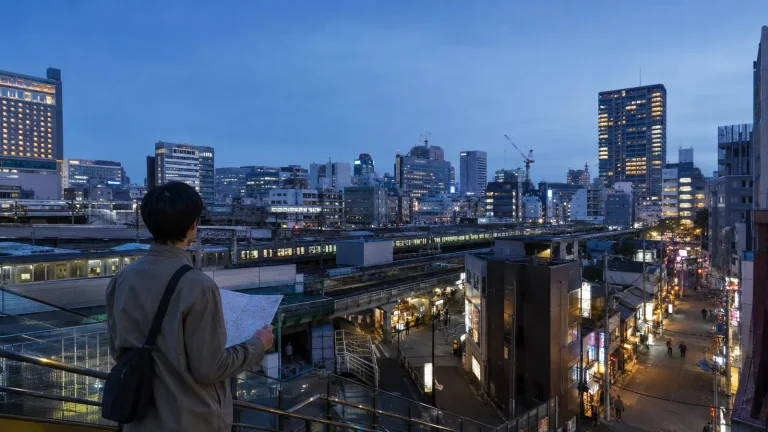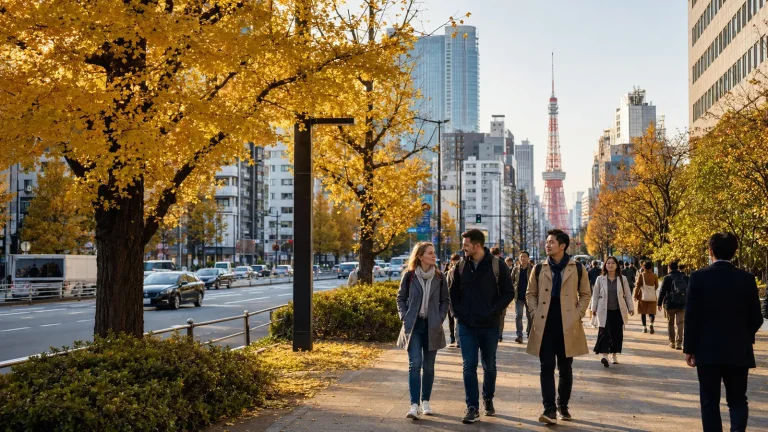
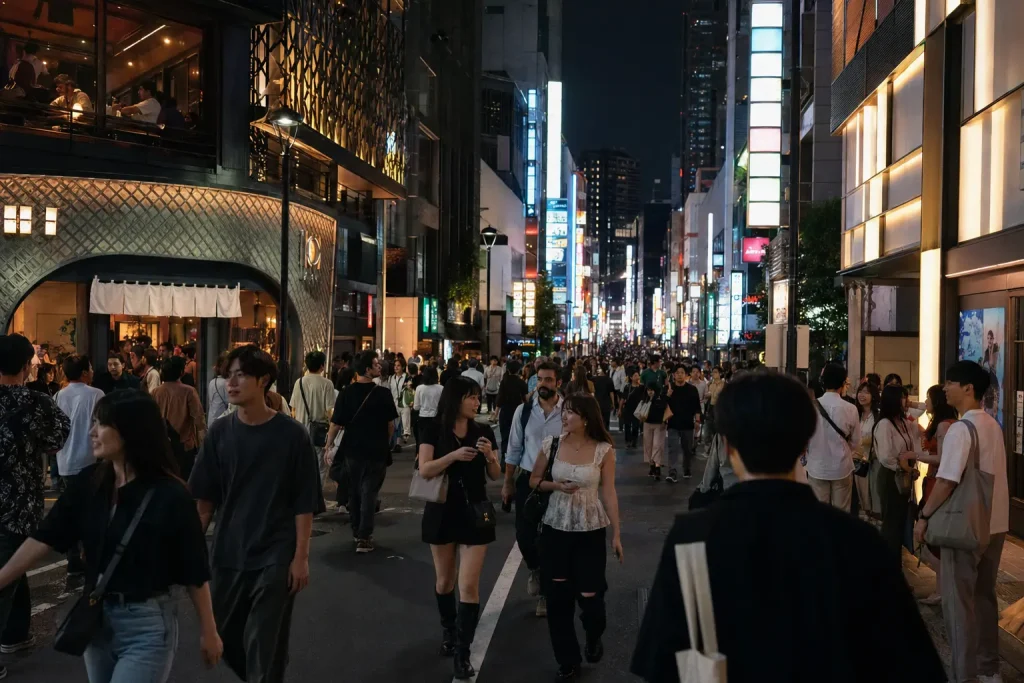
Tokyo nightlife is best approached as a choice between several different cities that happen to share a rail map. Shinjuku compresses tiny bars, noisy entertainment blocks and late-night food into a few dense streets. Shibuya favors clubs, live music and a younger crowd. Roppongi is easier for English-speaking visitors but often more expensive. Elsewhere, jazz rooms, sento baths, observation decks and midnight ramen prove that going out in Tokyo does not require drinking at all.
The practical decision comes first: return on the last train, pay for a taxi, or stay out until rail service resumes. Build the evening inside one district, check the exact last train before ordering another round, and Tokyo after dark becomes exciting rather than needlessly complicated.
Tokyo Nightlife at a Glance
| If you want… | Start in… | Best time | Main catch |
|---|---|---|---|
| Tiny bars and dense street energy | Shinjuku | 7 p.m.–midnight | Some bars are too small for groups |
| Clubs, DJs and a younger crowd | Shibuya | 10 p.m.–late | Late entry can commit you to staying until morning |
| English-friendly bars and large clubs | Roppongi | 9 p.m.–late | Higher prices and more aggressive street solicitation |
| Cocktails, design and a polished evening | Ginza | 6 p.m.–11 p.m. | Dress and cover policies vary |
| Live music and an alternative scene | Koenji or Shimokitazawa | 7 p.m.–midnight | Event schedules matter more than wandering |
| Night views without a party | Shibuya, Roppongi or Asakusa | Sunset–10 p.m. | Observation decks often require timed tickets |
For a first night, choose one area and two anchor activities: perhaps an observation deck followed by dinner, or a live show followed by one bar. Tokyo rewards curiosity, but it does not reward a schedule that treats Shinjuku, Shibuya and Roppongi as neighboring rooms.
Choose the Right Tokyo Nightlife District
Tokyo’s major nightlife areas are not interchangeable. The useful question is less “Which is best?” than “What kind of friction do I mind?” Shinjuku can feel overwhelming but offers extraordinary variety within walking distance. Roppongi is easier to enter socially but comes with more tourist-facing sales tactics. Neighborhood scenes demand more planning, yet often produce a calmer and more distinctive night.
Shinjuku: the widest range in the smallest area
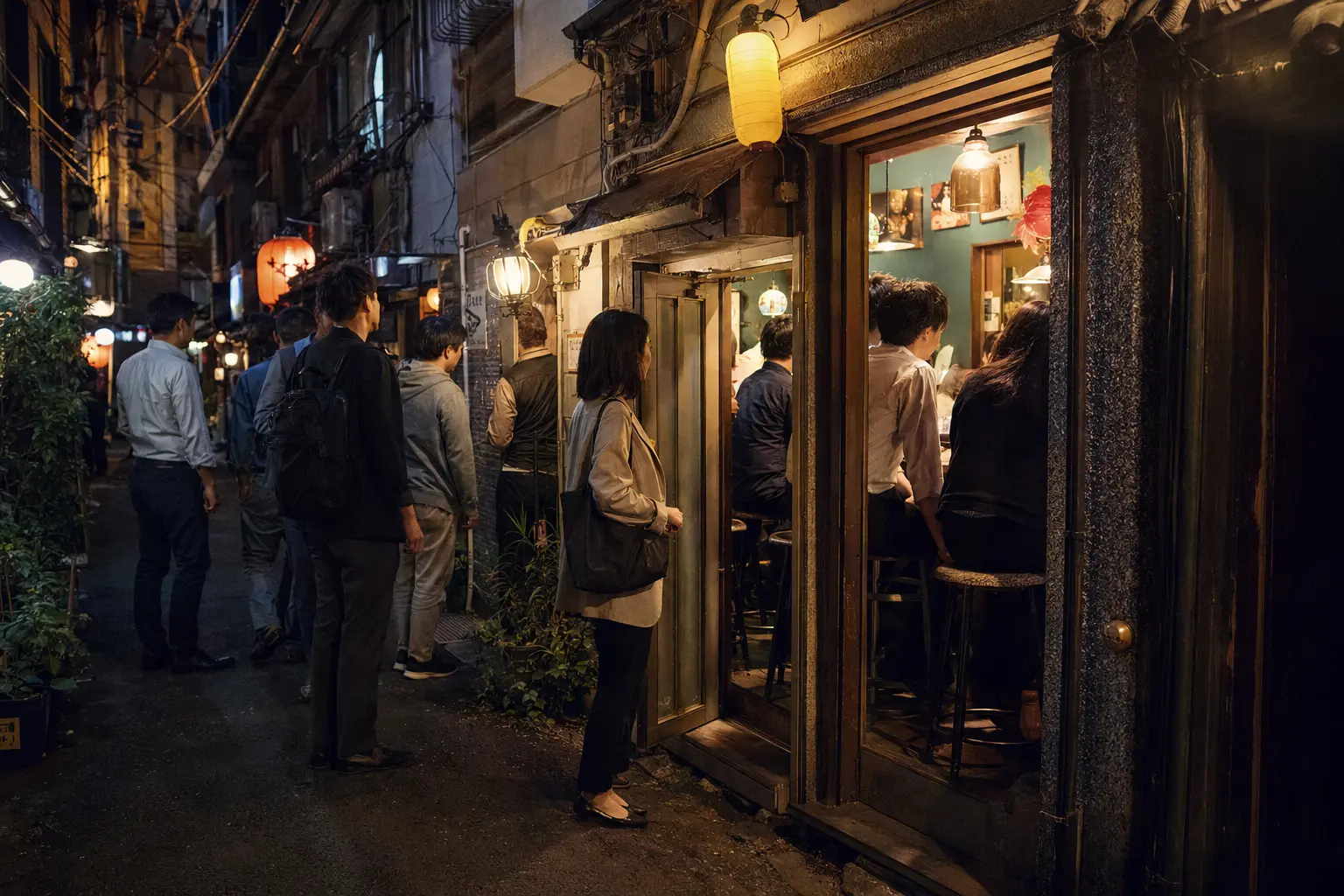
Shinjuku is the most flexible base for a first Tokyo night. Kabukicho supplies large entertainment venues, cinemas, karaoke and restaurants. Golden Gai fits hundreds of compact bars into a web of narrow lanes. Omoide Yokocho, close to the west side of the station, is more food-led, with smoke, skewers and counters packed beneath the tracks.
The area changes block by block. Kabukicho is bright, commercial and sometimes aggressively theatrical; Golden Gai is physically intimate, with many bars seating fewer than ten people. A venue that looks perfect in a photograph may have room for only two more customers. Couples and solo travelers have an easier time than groups of six.
Look for a posted cover charge before entering. In small bars, a seating charge may include a small snack, and cash is still useful even when the surrounding district appears entirely digital. If the bartender signals that the room is full or members-only, move on without taking it personally. There are several hundred other doors.
Shibuya: dancing, live music and youthful momentum
Shibuya works best when music is the point. Large clubs, DJ rooms, concert venues and casual bars spread outward from the station, especially around Dogenzaka. The crowd generally skews younger than Ginza or Roppongi, and an evening can move easily from dinner to a show and then to dancing.
The district is also good for a non-club night. See the crossing from street level, book a late observation slot, browse shops before they close, and finish at a listening bar or karaoke room. The famous scramble is most interesting when treated as part of the neighborhood rather than the entire evening.
Check the event calendar before choosing a club. A respected venue can feel completely different depending on the promoter, room and night of the week. Bring physical photo identification, and do not assume a digital copy will satisfy door staff.
Roppongi: accessible, international and more expensive
Roppongi has long served an international crowd. English is more commonly used in bars and clubs, large venues are easier to identify, and meeting other travelers requires less social guesswork. The area also combines nightlife with museums, hotel bars and skyline views, making it suitable for a more polished evening.
That accessibility has a cost. Drinks and covers can be higher, and street touts are more persistent than in most Tokyo neighborhoods. Choose a venue in advance, walk there directly and decline invitations from anyone promising a special deal on the street. A legitimate night out does not need a stranger to redirect it.
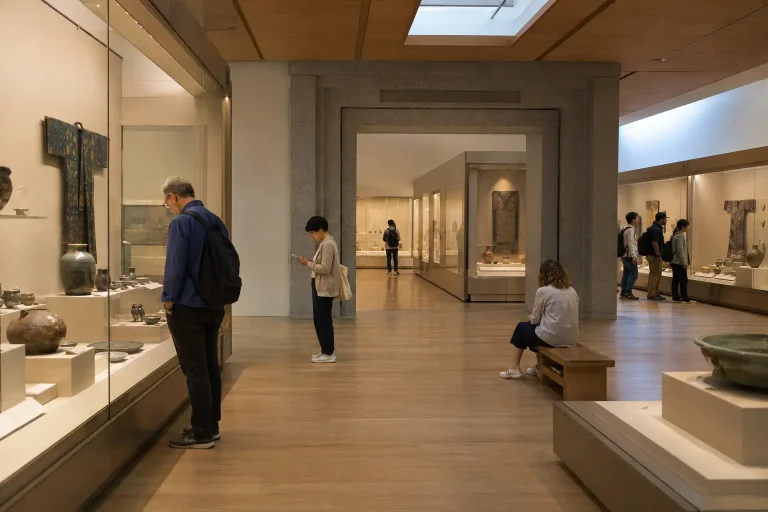
Roppongi is not only for clubbing. An evening exhibition, dinner around Tokyo Midtown and one well-chosen cocktail bar can work better than a venue crawl, particularly for travelers who want atmosphere without a 4 a.m. finish.
Ginza: cocktails and grown-up pacing
Ginza is Tokyo nightlife with the volume turned down and the bill turned up. Cocktail bars, hotel lounges, small restaurants and traditional entertainment venues suit travelers who care more about craft and conversation than a crowded dance floor.
Reservations are helpful, and some bars have dress expectations or substantial seating charges. Read recent official information rather than relying on a list written several years ago; intimate venues change policies quickly. Ginza also finishes earlier than the major club districts, which makes catching the train less dramatic.
Koenji and Shimokitazawa: go for the event, not the checklist
Koenji and Shimokitazawa are better known for small live houses, record shops, independent bars and alternative music than for spectacular nightlife landmarks. They reward a visitor who checks what is playing and builds the night around one performance.
Doors and show times can be earlier than American visitors expect. Some concerts begin around 7 p.m., and admission may include a required drink ticket. Arrive for the act rather than wandering in at midnight. Afterward, a compact neighborhood bar offers a gentler landing than a cross-city dash toward a famous club.
The Best Things to Do in Tokyo at Night
Tokyo at night includes far more than bars. The strongest evening combines one experience that needs a schedule with one that can remain flexible.
Start above the city
An observation deck gives the night a clear opening and helps make Tokyo’s scale legible. Shibuya, Roppongi, Shinjuku and the Tokyo Skytree area each offer different views. Sunset slots disappear first, but a later booking often has a calmer rhythm and a fully illuminated skyline.
Check the official weather and ticket rules before committing. Outdoor decks may restrict access in wind or rain, and popular venues use timed admission. If clouds erase the view, do not force the expense merely because a guide called it essential. Street-level Tokyo is still functioning perfectly well.
Eat in an izakaya or yokocho
An izakaya is less a “Japanese pub” than a format for sharing drinks and multiple small dishes. Ordering unfolds gradually, which makes it well suited to the beginning of a night. Yakitori, grilled fish, fried dishes, tofu and vegetables can arrive in rounds rather than as one fixed meal.
Yokocho are clusters of narrow drinking and eating establishments, often built around compact postwar commercial lanes. Their tight counters encourage conversation but limit privacy and luggage space. Do not bring a suitcase, and avoid treating working cooks or neighboring customers as scenery.
For a deeper guide to dishes and ordering, the site’s Tokyo food guide will complement this nightlife plan once the new destination collection is published.
Book karaoke for an easy group night
Karaoke solves several common travel problems at once: no one needs to understand a club lineup, the room is private, and weather is irrelevant. Chains around major stations offer hourly pricing, food and drink packages, and late or overnight sessions.
Confirm how the time extension works. Some venues contact the room shortly before the session ends; others automatically add time at a higher rate. Overnight packages can be practical after missing the last train, but karaoke should be a chosen activity rather than an improvised hotel with a microphone.
Listen rather than dance
Tokyo’s jazz kissa and listening bars center the room around recorded music, careful sound systems and restrained conversation. Live houses cover everything from jazz and punk to experimental electronic music. These venues reveal a side of Tokyo nightlife that the biggest party guides largely miss.
Read each room’s etiquette. In a serious listening bar, loud conversation can be unwelcome because the music is the reason everyone is there. At a live house, the ticket may require a separate drink purchase. Neither arrangement is a trap; it is simply part of how the venue operates.
Walk a district that improves after dark
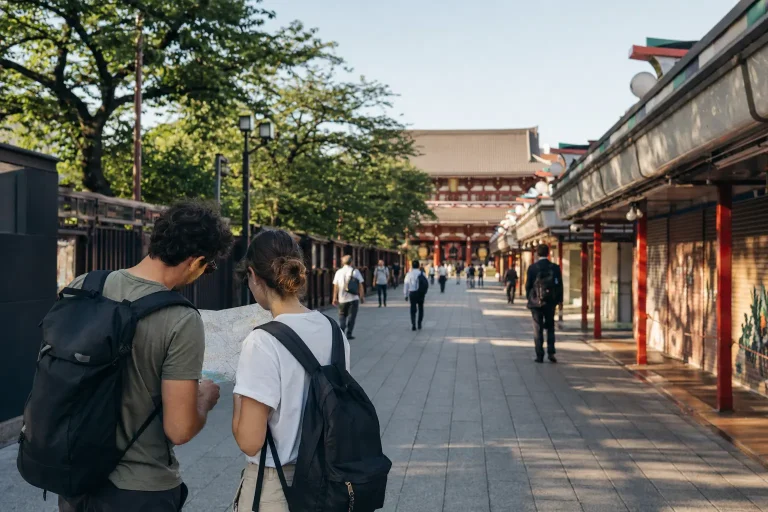
Asakusa becomes quieter after the daytime crowds leave, with Sensoji’s structures illuminated and the approach less congested. Akihabara keeps its electric visual identity into the evening, though many specialist shops close earlier than the lights suggest. Around Marunouchi and Nihonbashi, office architecture and seasonal illuminations create a calmer walk.
Night walking works best before the final train rather than after it. Stay on active streets, respect barriers around temples and residential lanes, and remember that a beautiful empty alley is still part of someone’s neighborhood.
Use late-opening baths, arcades and cinemas
Large sento and spa facilities can extend an evening without alcohol, though tattoo rules and late-night surcharges vary. Game centers, bowling, cinemas and manga cafés also run later than conventional attractions. Their hours are not universal, so verify the specific branch rather than trusting a category-wide claim.
These options are especially useful in rain, for solo travelers or when a group has incompatible energy levels. Tokyo does not require everyone to agree on dancing.
Tokyo Nightlife Without Drinking
Travelers who do not drink are not limited to watching other people drink. A practical alcohol-free night might pair a late museum or observation deck with a concert, dessert café, arcade or sento. Karaoke rooms sell soft drinks, many izakaya offer alcohol-free beer and tea, and night walks require no explanation at all.
The main adjustment is timing. Museums and shops often close before bars become lively, so begin around 5 or 6 p.m. instead of waiting for “nightlife hours.” Book the scheduled activity first, then place a flexible dinner or walk around it.
Solo travelers can also choose counter seating, ticketed performances and listening rooms, where arriving alone is ordinary. If socializing is the goal, a small-group food tour or event is more reliable than hoping a famous crossing produces instant friendship.
Plan Around the Last Train
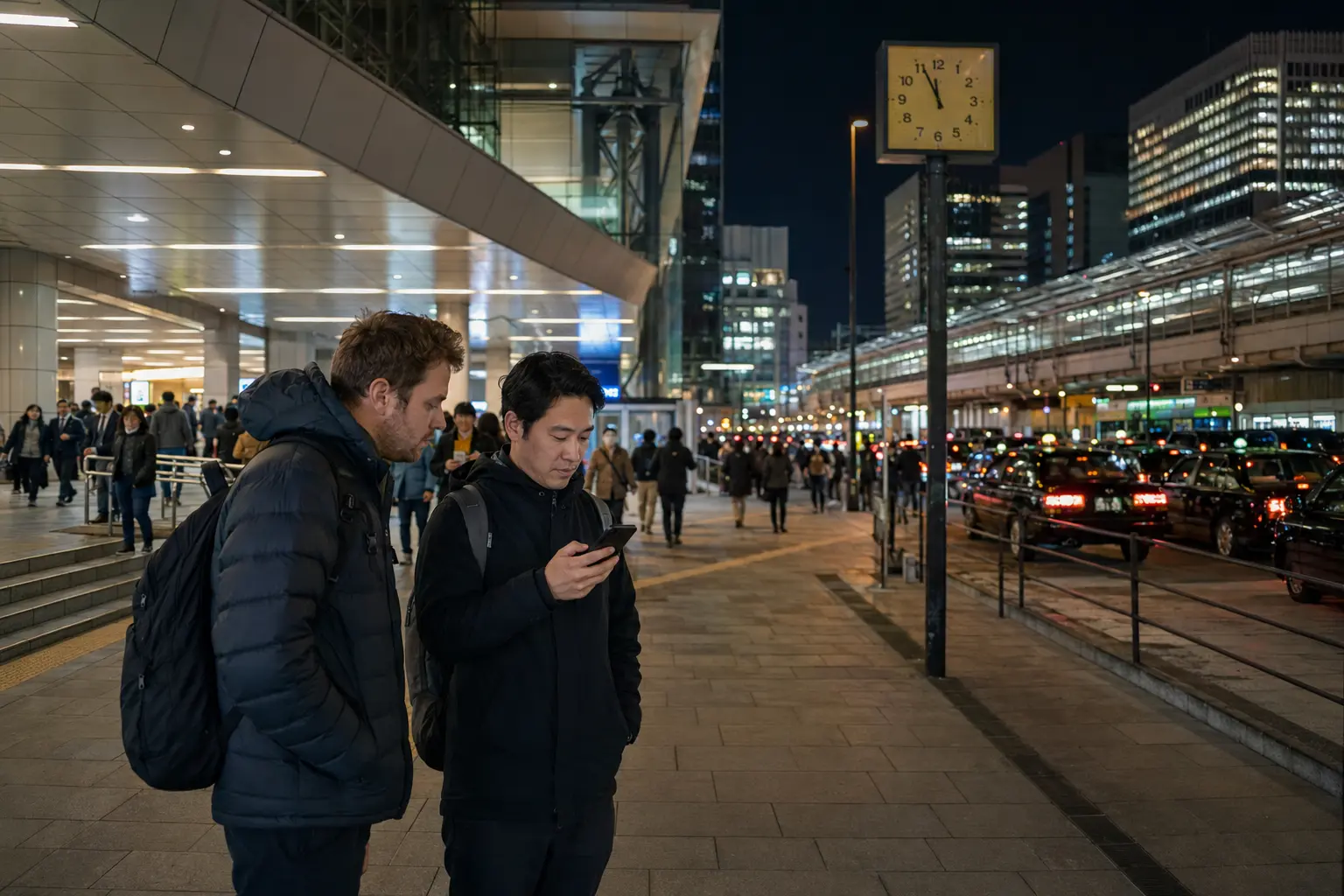
Tokyo’s rail system does not run all night. The official city guidance notes that a last train is commonly between about 11:30 p.m. and 12:30 a.m., while first services begin around 5 a.m. Exact times depend on the operator, line, direction and final destination.
Check the whole route, not merely the departure from the nightlife district. A late train may terminate before your station, and a connection can stop running earlier than the first leg. Save the route, station entrance and hotel address before leaving reliable Wi-Fi.
Choose one of three honest plans
Last-train plan: Set an alarm 30–40 minutes before the final departure, pay the bill and walk to the correct entrance. This is best for observation decks, dinner, cocktails and early concerts.
Taxi plan: Estimate the fare before the night begins and keep the hotel address in Japanese. Taxis are widely available, but a long cross-city ride can erase the savings from a budget hotel.
Until-first-train plan: Choose a reputable venue that remains open, such as a club, karaoke complex or late entertainment facility. Do not assume every restaurant, café or station concourse will accept a five-hour occupation.
Staying near the planned nightlife area can be worth more than saving a small amount on the room. The site’s where to stay in Tokyo guide explains station, exit and late-night tradeoffs in more detail once the destination series goes live.
Costs, Covers and Payment
A Tokyo night can be inexpensive or startlingly efficient at separating a traveler from money. Casual izakaya dishes may be ordered gradually, while cocktail bars and clubs can add covers, service charges or required drink tickets. Karaoke pricing changes by time, day and package.
Before entering, check:
- Cover or seating charge
- Whether one drink must be purchased
- Cash-only or card policy
- Last order and closing time
- Re-entry rules for clubs
- Dress code and identification requirements
Keep some yen even if mobile payment works elsewhere. Small venues may accept only cash, and separating a group bill is not always available. Ask for the price before agreeing to an unlisted “special” drink.
Safety and Etiquette After Dark
Tokyo is generally straightforward to navigate at night, but a low crime rate is not a reason to suspend judgment. The most avoidable problems involve street solicitation, unclear prices, excessive drinking and the assumption that every lively doorway welcomes tourists.
Do not follow street touts
In Kabukicho and Roppongi, ignore promises of cheap drinks, special access or a bar that is “just upstairs.” Pick venues from official sites or reliable current listings and navigate to the address yourself. If the offer depends on immediate trust, it is not improving the evening.
Carry identification and respect the drinking age
Japan’s legal drinking age is 20. Clubs and bars may request original photo identification, and some enforce their own higher entry age or dress rules. Bring a passport or another form the venue explicitly accepts; a photograph on a phone may not be enough.
Ask before photographing
Small bars, live houses and restaurants are working spaces, not open sets. Ask before photographing staff, customers or interiors. Flash is particularly disruptive in dark rooms and performances.
Keep voices and groups proportionate to the room
A six-person group can overwhelm a bar designed for eight. Split up, choose a larger izakaya or make a reservation. On residential streets, keep voices low when moving between venues. The night continues for visitors; people living upstairs would prefer that it did not continue through the ceiling.
Know where you are going home
Save the accommodation address in Japanese, carry enough battery for navigation and keep companions aware of the return plan. If something serious happens, Japan’s police emergency number is 110. The official JNTO emergency guidance also lists support information for visitors.
A First-Timer’s Tokyo Night Plan
For a balanced first evening, begin at 6:30 p.m. with dinner in Shinjuku, then walk through Omoide Yokocho and the busier public streets of Kabukicho. Around 9 p.m., choose one Golden Gai bar, a karaoke session or an observation deck rather than attempting all three. At 11 p.m., make the deliberate decision: leave for the train, take a planned taxi later, or remain in one reputable venue until morning.
In Shibuya, replace the alley walk with a timed city view and a music venue selected for that night’s program. In Roppongi, combine an evening exhibition or dinner with one destination bar. The pattern matters more than the landmarks: one district, one scheduled anchor, one flexible follow-up and a return plan made while everyone can still read a timetable.
FAQ
What area of Tokyo has the best nightlife?
Shinjuku has the broadest range for first-time visitors, from tiny Golden Gai bars to karaoke and large entertainment venues. Shibuya is stronger for clubs and live music, Roppongi is more international, and Ginza suits cocktails and a quieter, more polished evening.
Is Tokyo nightlife good if you do not drink?
Yes. Observation decks, late museums, concerts, karaoke, arcades, cinemas, sento baths and illuminated walks provide substantial evening options. Start earlier because cultural venues and shops often close before bars and clubs reach their busiest hours.
Is Tokyo nightlife safe for solo travelers?
Solo nightlife is common, especially at counter restaurants, small bars, listening rooms and ticketed shows. Use the same precautions as in any large city: avoid street touts, watch drinks, keep a return plan and choose a venue whose policies and location you have checked.
What time does nightlife start in Tokyo?
Dinner and cultural evenings begin around 6–7 p.m.; bars become livelier from 8–10 p.m.; clubs often peak after 11 p.m. Because the last trains commonly run around midnight, decide in advance whether the night ends at the station or continues until morning.
Can foreigners enter bars and clubs in Tokyo?
Many welcome international visitors, particularly in Shinjuku, Shibuya and Roppongi. Some small bars may be full, members-only or uncomfortable serving across a language barrier. Respect the decision, check covers and carry original identification for clubs.
Make the Night Fit the City
The best Tokyo nightlife plan is not the longest one. It is the evening that matches your appetite for crowds, conversation, music and logistical risk. Choose a district with a reason, leave enough room for one unexpected doorway, and decide what happens at midnight before midnight arrives. Tokyo supplies more than enough light and noise on its own; the useful part of planning is knowing when to lean into it and when to catch the train.
Frequently Asked Questions
Where is the best place for nightlife in Tokyo?
It depends on the mood you want. Shinjuku compresses tiny bars and late-night food into dense streets, Shibuya favors clubs and a younger crowd, and Roppongi is easier for English-speaking visitors but often more expensive.
Do you need to worry about the last train in Tokyo?
Yes, this is the key practical decision for a night out. Build the evening inside one district and check the exact last train before ordering another round, since missing it means paying for a taxi or staying out until rail service resumes.