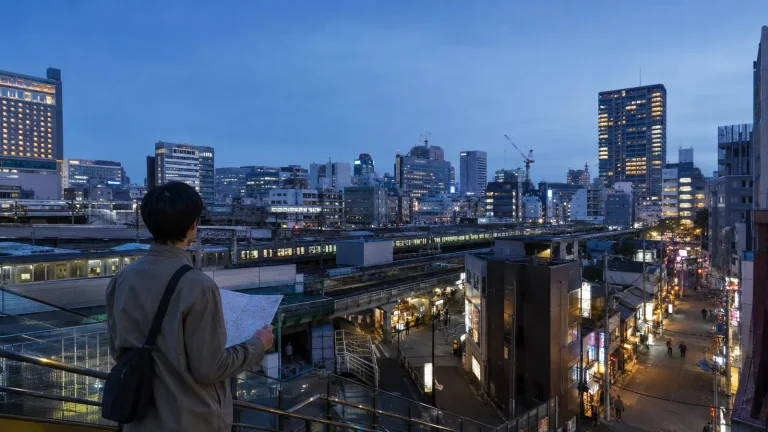
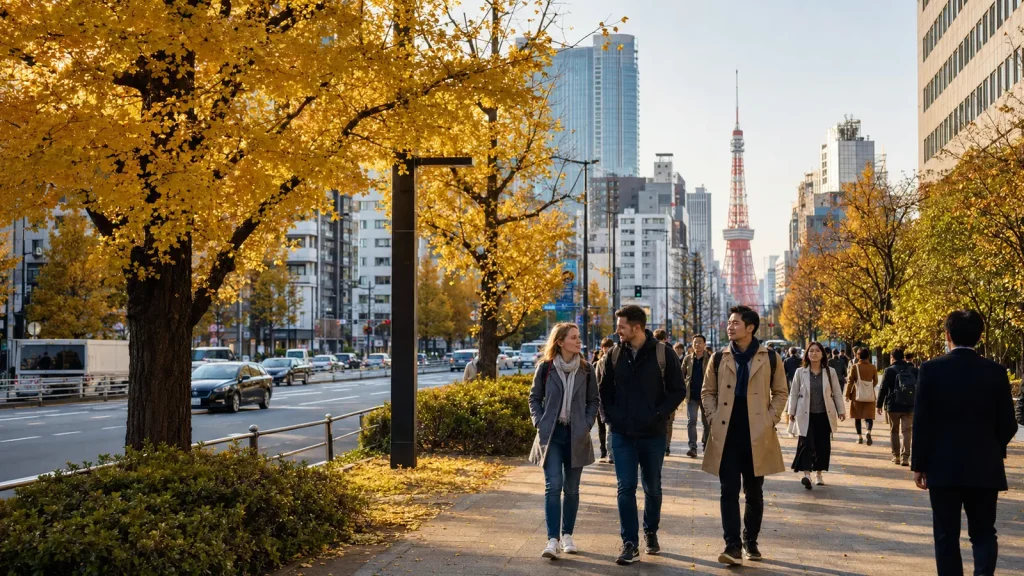
The best time to visit Tokyo for most first-time travelers is
late October through November, when humidity has eased,
walking is comfortable, and autumn color begins to reach the city. A
close second is the second half of May, after Golden
Week and before summer becomes properly humid. Choose late March to
early April only if cherry blossoms matter enough to justify higher
demand, fuller trains, and less predictable timing.
Tokyo is visitable all year. It is not equally easy all year. A day
that combines Asakusa, a garden, several train transfers, and dinner
across town feels very different at 52°F with clear skies than it does
above 90°F with summer humidity. The right month depends less on a
universal ranking than on how you handle heat, crowds, rain, short
daylight, and the possibility that nature ignores your reservation
calendar.
The Short
Answer: Pick the Trade-Off You Prefer
| Your priority | Strongest window | What you accept |
|---|---|---|
| Best overall balance | Late October to November | Popular dates and later autumn color than many visitors expect |
| Mild weather with fresh greenery | Mid- to late May | Golden Week must be avoided; humidity starts building toward June |
| Cherry blossoms | Late March to early April | Peak demand, variable bloom timing, and busy parks |
| Lower prices and clearer skies | Mid-January to February | Cold mornings, early sunsets, and fewer outdoor events |
| Festivals and fireworks | July to August | Serious heat, humidity, and possible weather disruption |
| Fewer visitors with a flexible indoor plan | June | Rainy-season humidity and changeable skies |
If your schedule is open, choose a weekday-heavy trip in late
October, November, or the latter half of May. These windows make Tokyo’s
ordinary pleasures—walking between small shops, lingering in a garden,
taking an unplanned detour—physically easier. That matters in a city
where a “short” day can quietly exceed 20,000 steps.
When to Visit Tokyo
for Your Kind of Trip
For a first
visit: late October, November, or late May
Late October and November offer the most dependable combination of
lower humidity and comfortable urban walking. Do not expect instant
crimson foliage on October 1. Tokyo’s autumn color often develops later
than travelers imagine, and annual timing shifts with the weather.
October is still worthwhile for pleasant evenings and events; November
is stronger if leaves are the main attraction.
Late May is the spring alternative. Trees are green, daylight is
generous, and the most intense cherry-blossom demand has passed. The
important qualifier is after Golden Week, the
national-holiday cluster from late April into early May. JNTO describes
it as one of Japan’s busiest travel periods, with transport and
accommodation under extra pressure.
For
cherry blossoms: build the trip around uncertainty
Tokyo’s cherry trees commonly bloom around late March and early
April, but a “usual” window is not a booking guarantee. Warm or cold
spells move flowering dates, and full bloom lasts briefly. Check the
current JNTO
cherry blossom forecast as the season approaches, then plan several
viewing options rather than one rigid afternoon.
Cherry-blossom season is also a local social season. Hanami
is not simply a pink background for photographs; parks become places for
picnics, after-work gatherings, and the annual pleasure of watching
something beautiful refuse to last. The atmosphere earns its reputation.
So do the crowds.
Book early if this is your non-negotiable experience, but keep the
daily itinerary loose. Rain, wind, and bloom stage can change which park
looks best. Ueno is exuberant and heavily visited; Chidorigafuchi offers
water and long blossom views; Shinjuku Gyoen has more space and multiple
varieties, though entry rules and reservations should be checked for
your dates.
For a
lower-cost trip: winter, not a mythical “cheap month”
Mid-January through February is often a better-value period after the
New Year holidays. Flights and hotels still vary by departure city,
weekday, events, and how early you book, so no month is automatically
cheap from every US airport.
Winter does offer a useful exchange: fewer seasonal visitors,
relatively dry conditions, and clearer long-distance views. Tokyo is
cold rather than usually snowbound. A coat, warm layers, and a
willingness to start before the early sunset make the season quite
manageable.
For a long flight from the United States, put medication, a fresh
layer, chargers, and the first day’s cold-weather essentials in your
personal item. A considered list of long-flight
essentials is more useful than discovering your gloves are somewhere
under the aircraft.
For festivals:
accept that summer sets the pace
Summer brings neighborhood festivals, fireworks, beer gardens,
evening events, and a more public, communal use of the city after dark.
It also brings heat that changes how much you can reasonably do.
Choose July or August because the events matter, not because a
generic guide calls summer “lively.” Plan outdoor sights early, move
lunch indoors, and leave space for a hotel break. A schedule built for
April will look faintly unhinged by 2 p.m. in August.
Spring
in Tokyo: Famous for Good Reason, Busy for the Same One
March begins cool and ends
in demand
Early March can still feel like winter, particularly in the morning
and after sunset. Later in the month, flowering forecasts begin to
govern travel plans and hotel searches. Pack layers rather than assuming
“spring” means one stable temperature.
The cultural rhythm changes as the fiscal and school year approaches
its April start. Parks and riversides gain blossoms, temporary food and
drink appear, and limited seasonal products occupy entire store displays
with impressive efficiency. Travelers who enjoy seasonal ritual will
understand Tokyo better in spring than those who treat sakura as a
single photo stop.
April is beautiful,
changeable, and crowded
April is one of the easiest months for outdoor sightseeing by
temperature, but cherry-blossom dates and domestic school holidays
increase demand. A light waterproof layer still earns its luggage space.
One cold or wet day can make the city feel much less mild than the
monthly average suggests.
If blossoms are not central to your trip, consider moving the visit
later rather than paying peak prices to stand beneath trees you were
only mildly interested in. Fame is not compulsory.
May improves after Golden
Week
The first days of May overlap with Golden Week, when domestic travel
peaks and popular transport can fill. The JNTO May guide
recommends the calmer second half of the month, before the rainy season
becomes established.
Late May suits travelers who want long walking days, green gardens,
and outdoor meals without midsummer heat. It is one of Tokyo’s most
useful windows precisely because it lacks a single world-famous
spectacle.
Summer in
Tokyo: The Weather Is Part of the Itinerary
June is not washed out,
but it is humid
Tokyo’s rainy season generally develops in June and can continue into
July. It does not rain continuously, yet humidity, cloud, and
intermittent downpours affect clothing, photographs, and walking
comfort. The official JNTO June guide
explains the seasonal shift, while GO TOKYO publishes current monthly
conditions.
June can work well for museum-heavy travelers and people who prefer
fewer peak-season visitors. Hydrangeas, glossy wet streets, covered
shopping arcades, department stores, and excellent indoor attractions
keep the city functional. Carry a compact umbrella or buy one locally,
use shoes that tolerate water, and keep one indoor alternative near each
outdoor anchor.
Put rain gear and one dry outfit where you can reach them. A focused
carry-on
packing list helps if checked luggage arrives a day later than you
do.
July turns from rain toward
heat
As the rainy season winds down, temperatures and humidity rise.
Fireworks and summer festivals begin, but daytime walking becomes more
demanding. Start temple grounds, markets, and exposed neighborhoods
early. Save museums, shopping, cafés, or a long lunch for the
afternoon.
The transition is not tidy. Rainy-season timing varies each year, and
short heavy downpours can continue. Treat the forecast as operational
information, not decoration on a weather app.
August is
rewarding only if you respect the heat
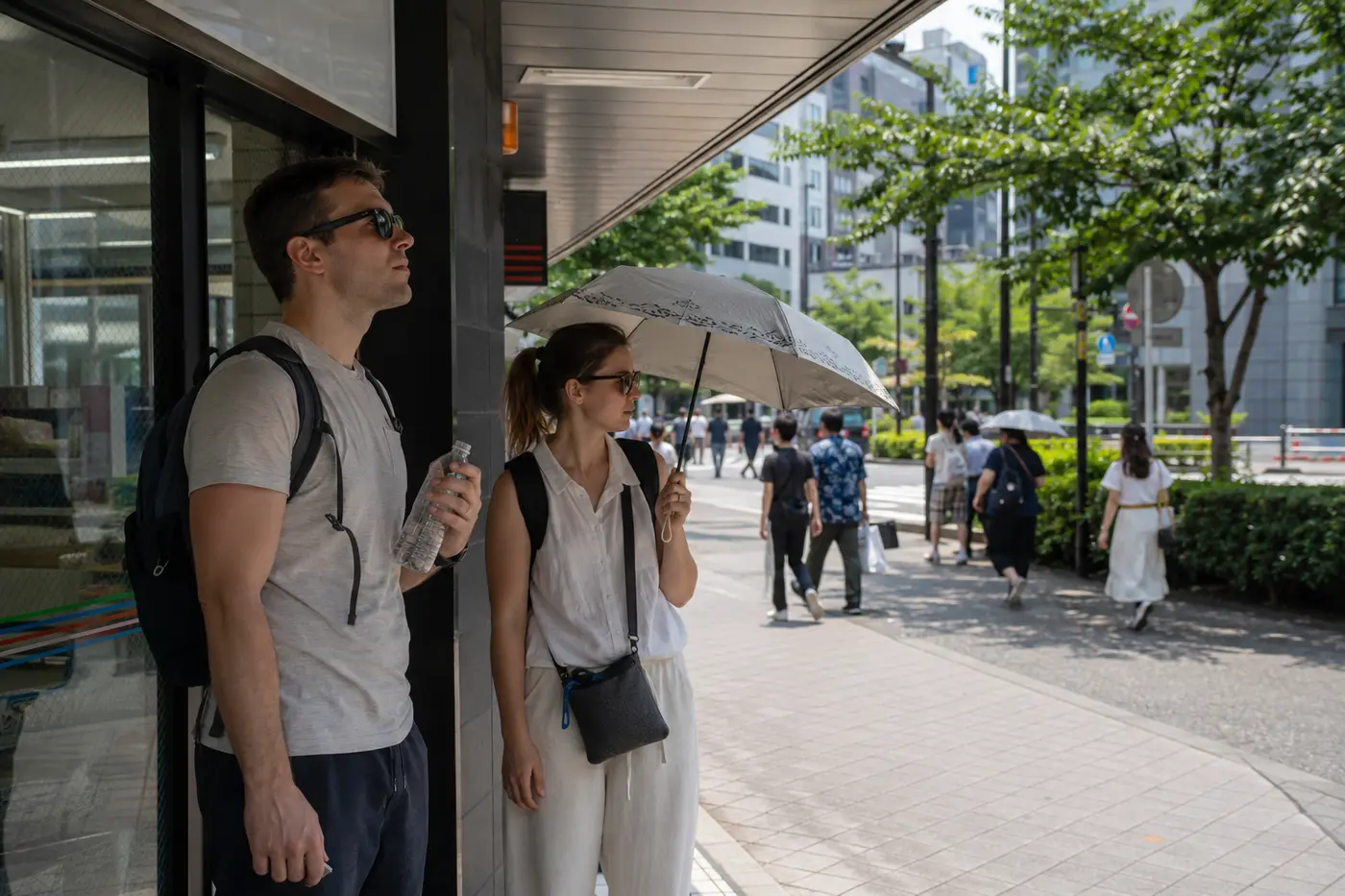
GO TOKYO’s summer
heat-safety guidance notes that temperatures routinely exceed 86°F
and daytime sightseeing can be physically draining. Humidity slows
recovery, and paved districts hold heat after sunset.
Travelers who dislike heat should not let cheaper airfare or a fixed
vacation week persuade them that Tokyo’s summer is merely “warm.” It can
still be a good trip, especially for evening events, indoor culture, and
dining, but the itinerary needs fewer outdoor targets and more recovery
time.
Carry water, use shade, consider a parasol, and take heat warnings
seriously. Sunscreen, blister care, deodorant, and a small quick-dry
cloth deserve space in a practical travel
toiletries list.
Obon in mid-August is another complication. Tokyo itself may feel
different as some residents travel, while intercity trains, airports,
and accommodation elsewhere face heavy domestic demand. If Tokyo is one
stop in a wider Japan itinerary, check the entire route rather than
judging crowding from central Tokyo alone.
Autumn
in Tokyo: Comfortable, but Not a Single Perfect Month
September may still feel
like summer
September is often marketed as autumn before the weather agrees. GO
TOKYO’s current guidance warns that heat and humidity can continue,
while typhoons may affect the region. A typhoon does not mean the whole
month is unusable; it means transport and outdoor plans need
flexibility.
Keep refundable choices where possible, especially if a flight,
theme-park day, or mountain excursion cannot easily move. Follow the JNTO
Japan Safe Travel information for official warnings and transport
updates during disruptive weather.
October is strong for
walking and events
October is one of the best months to go to Tokyo for comfortable
sightseeing. Humidity usually falls, cultural calendars become busy, and
evenings invite longer walks. Early October can still be warm, and
typhoon risk does not disappear on the first of the month.
Autumn leaves are not guaranteed to peak in October in central Tokyo.
Choose October for weather and events first. If foliage appears, regard
it as a bonus rather than the contractual obligation of a tree.
November is the best
all-around month
November is the strongest answer for many first-time visitors. Days
become cooler and drier, gardens and ginkgo avenues gain color, and the
city remains active without summer’s physical tax. Popular foliage
locations still attract crowds, especially on weekends.
Use weekday mornings for major gardens, then spend afternoons in
neighborhoods where the season is visible in smaller details: roasted
sweet-potato stands, warmer restaurant windows, coats replacing handheld
fans, and ginkgo leaves collecting along otherwise businesslike
avenues.
Winter
in Tokyo: Clearer, Quieter, and More Interesting Than It Sounds
December
pairs illuminations with holiday closures
Early and mid-December bring illuminations, dry air, and shopping
districts in full seasonal performance. The latter part of the month
requires closer planning. New Year is a major domestic holiday, and some
museums, restaurants, and independent businesses close for several
days.
Check every priority venue individually. A city of millions does not
close entirely, but the exact small shop you crossed the Pacific to
visit may have other plans.
January rewards
an early start after New Year
The first days of January center on hatsumode, the year’s
first shrine or temple visit. Major sites can be extremely busy even
while other businesses remain closed. After the holiday period, the city
settles.
January often provides cold, clear days that suit observation decks
and photography. Daylight is short, so place gardens and viewpoints
earlier and let dining, shopping, music, or illuminations take over
after dark.
February is cold,
plum-scented, and practical
February is among the coldest months, but Tokyo usually remains easy
to navigate. Plum blossoms begin at selected gardens and shrines before
the better-known cherry season. They are subtler, less crowded, and
strongly scented—the sort of experience that rarely survives the rush to
publish another pink forecast.
Winter packing is a compression problem: warm layers take space. Use
a deliberate method to pack a
suitcase efficiently instead of bringing three bulky coats for one
body.
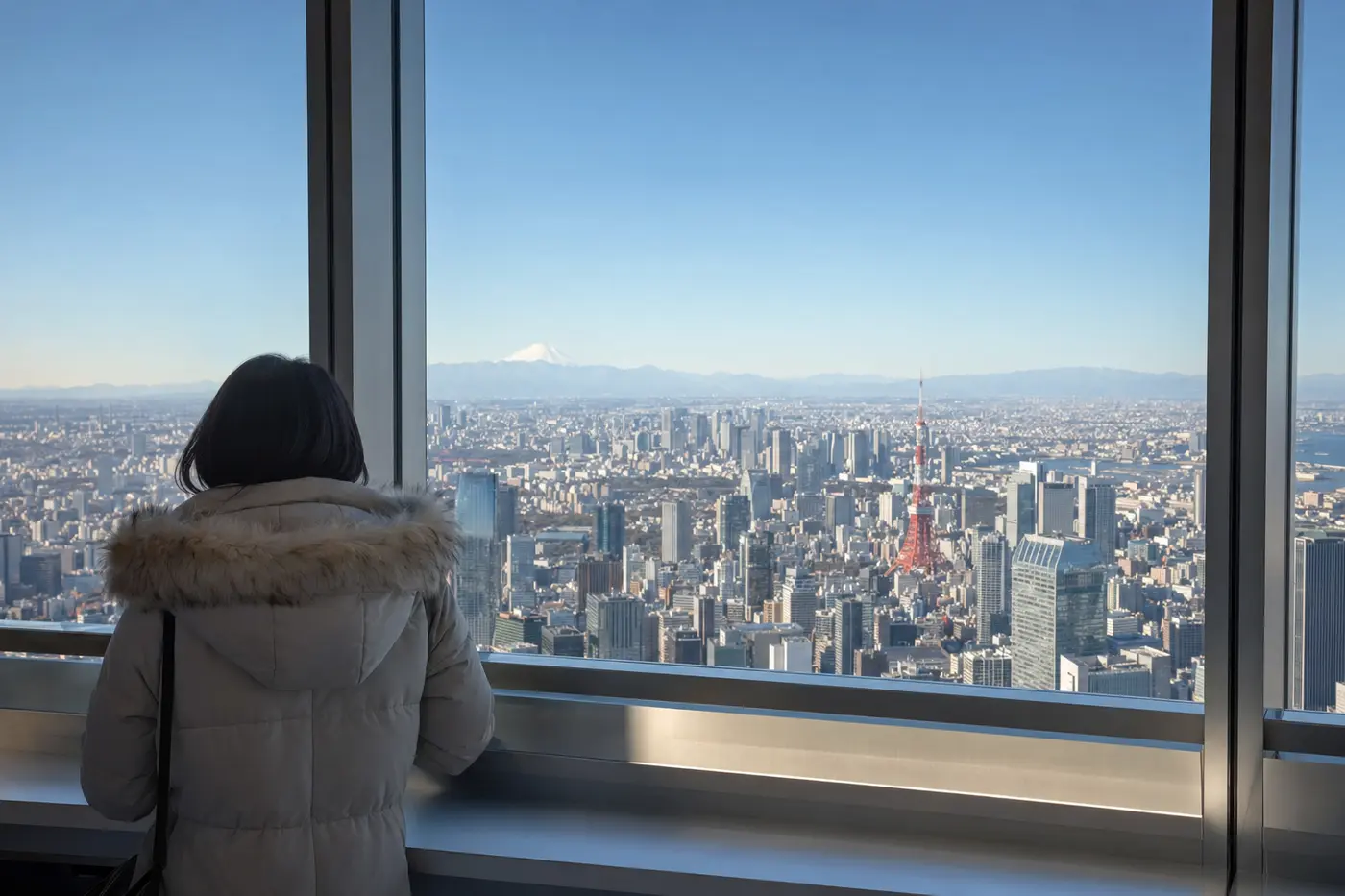
The official GO TOKYO
winter guide highlights clear skies, minimal rain, traditional
events, and seasonal food. Winter is not the default recommendation
because many travelers want blossoms or warm evenings. It may be the
better recommendation for photographers, repeat visitors, and anyone who
would rather wear a coat than queue in humidity.
Tokyo
Weather by Month: What Actually Changes Your Plan
Monthly averages describe climate, not the exact week you will
receive. Use the Japan
Meteorological Agency’s Tokyo climate statistics and the current
forecast together.
| Month | Planning reality |
|---|---|
| January | Cold, often clear, and quieter after New Year; short daylight |
| February | Cold and relatively dry; good visibility and early plum blossoms |
| March | Cool early, milder later; cherry demand rises sharply |
| April | Mild with variable rain; blossoms and crowds dominate early weeks |
| May | Busy during Golden Week, then one of the best all-around periods |
| June | Rainy-season humidity; good for indoor culture and hydrangeas |
| July | Rain transitions toward intense heat; festivals and fireworks begin |
| August | Hottest, most humid period; build the day around heat recovery |
| September | Summer heat can persist; keep flexibility for disruptive weather |
| October | Comfortable walking weather and events; foliage may still be limited |
| November | Cool, lower humidity, and stronger autumn color |
| December | Dry, crisp, and illuminated; verify year-end closures |
This table should narrow the choice, not replace a forecast. Climate
normals cannot tell you whether one Tuesday will rain or when one year’s
cherry trees will reach full bloom.
Dates That Can
Matter More Than the Season
Japan’s major domestic travel periods can affect trains, hotels, and
attraction density more than a typical seasonal change:
- New Year, late December to early January: business
closures and major shrine visits. - Golden Week, late April to early May: one of the
busiest domestic travel periods. - Obon, around mid-August: heavy intercity travel and
variable business schedules. - Three-day weekends and school holidays: localized
surges that generic “shoulder season” labels miss.
JNTO’s business
hours and holidays guide is a better starting point than assuming
only US holiday weekends matter. Also check Tokyo’s official current events
calendar. A concert, trade show, sporting event, or festival can
tighten rooms in one district even when the month is usually
moderate.
How Far Ahead Should You
Book?
Book the pieces with the least flexibility first: flights, preferred
hotel area, and limited-entry attractions. Cherry-blossom weeks, Golden
Week, major events, and autumn weekends justify earlier action. Winter
weekdays and rainy-season dates may allow more choice, but last-minute
bargains are not a planning strategy.
For US travelers, compare the full cost of a date, not just airfare.
A slightly cheaper flight can be erased by expensive hotels, a poor
connection, or arriving during a holiday that complicates onward
transport.
Choose cancellation terms that match the season. Flexible
accommodation is particularly useful for weather-sensitive day trips. If
Mount Fuji visibility matters, avoid promising a single fixed afternoon
months ahead; clear conditions are more common in winter, but no season
can reserve the mountain.
FAQ
What is the best month to
visit Tokyo?
November is the best all-around month for many first-time visitors
because humidity is lower, walking is comfortable, and autumn color
begins to strengthen. Late October and the second half of May are also
excellent. Choose late March or early April instead if cherry blossoms
are the trip’s main purpose.
What is the cheapest
month to go to Tokyo?
Mid-January through February often offers better value after the New
Year holiday, while parts of June can be less demanded because of the
rainy season. The cheapest dates vary by US departure airport, events,
weekday, booking time, and hotel area, so compare complete trip prices
rather than trusting one universal month.
Is Tokyo worth visiting in
winter?
Yes. Winter brings clearer skies, lower humidity, illuminations,
seasonal food, and often fewer visitors outside New Year. The tradeoffs
are cold mornings and shorter daylight. It is particularly good for
photography, museums, dining, and travelers who prefer coats to summer
heat.
Is August too hot to visit
Tokyo?
August can be uncomfortably hot and humid for long sightseeing days.
It remains worthwhile for festivals, fireworks, food, and indoor culture
if you schedule outdoor activities early or late, rest during the
hottest hours, carry water, and follow official heat warnings.
Heat-sensitive travelers should choose another month when possible.
When is Tokyo’s rainy season?
Tokyo’s rainy season generally develops in June and can continue into
July, but dates and intensity vary each year. It does not usually rain
all day, every day. Pack for humidity and sudden rain, keep indoor
alternatives nearby, and check the short-range forecast rather than
canceling the month in advance.
Choose
the Month That Changes the Trip in the Right Way
Tokyo does not need perfect weather to work. Trains still run,
restaurants remain absorbing, and an unexpected wet afternoon can lead
to a museum or neighborhood you had not planned. But weather changes the
effort required to reach them.
For an easy first visit, take November or late May. For blossoms,
accept spring’s uncertainty. For clearer skies and value, choose winter.
For summer festivals, slow the itinerary down. The best time is the one
whose inconvenience you can live with—and whose seasonal pleasures you
would notice even without a camera.