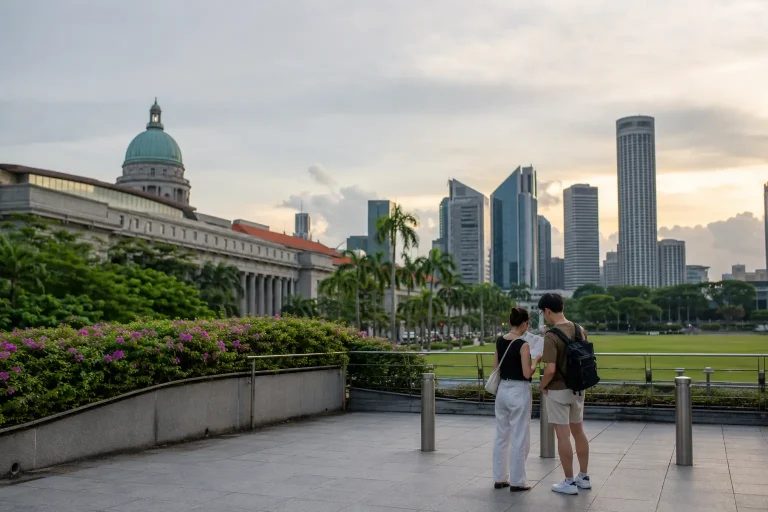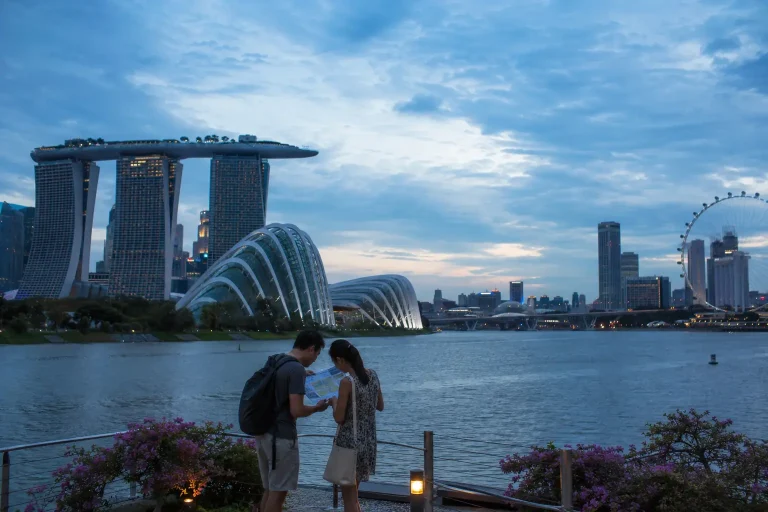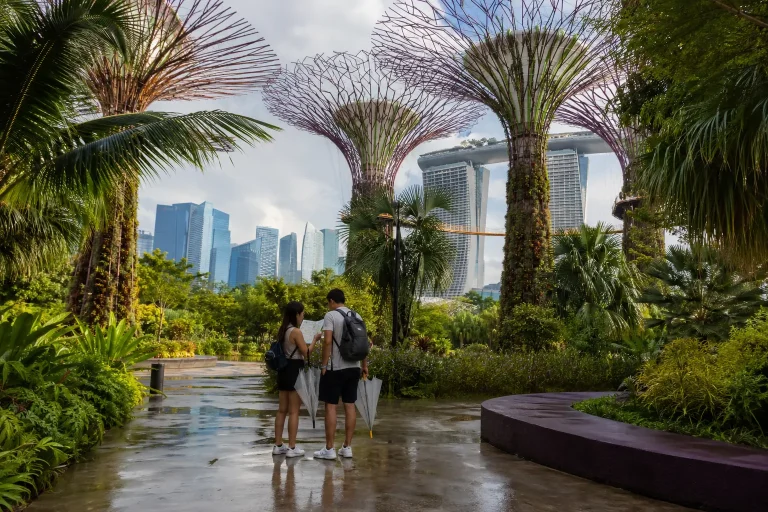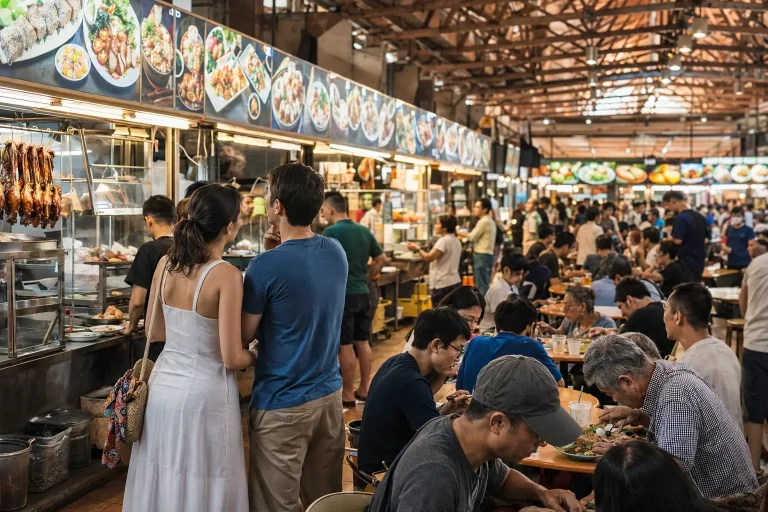
Shopping in Singapore is easiest when you choose a district for the kind of purchase you actually want. Orchard Road is efficient for international labels and department stores; Bugis suits inexpensive fashion and small gifts; Kampong Glam and Bras Basah are better for independent design, books and objects with a clearer local point of view. A mall list alone misses that distinction—and Singapore has enough malls already.
The practical advantage is comfort. Air-conditioned complexes, covered walkways and MRT-connected basements make shopping possible through a tropical downpour or the hottest part of the afternoon. The disadvantage is sameness: spend an entire day inside global-brand malls and very little will explain where you are. Use the city’s retail infrastructure, but leave room for smaller streets and specialist shops.
The quick guide to Singapore’s best shopping areas
Choose Orchard Road when you want broad choice, polished service and several price levels in one corridor. Choose Bugis for a livelier mix of a conventional mall, street-market stalls and younger fashion. Visit Kampong Glam or nearby Bras Basah when local design, textiles, books and cultural context matter more than completing a checklist quickly.
Chinatown and Little India work best when shopping is part of a neighborhood visit rather than the sole purpose of the day. Mustafa Centre is useful for late, practical shopping; Marina Bay is best for luxury retail and architectural spectacle. None is universally “best.” The right district is the one that saves you from carrying a purchase across the city—or buying an object you could have found at home.
Orchard Road: the most efficient all-purpose choice
Orchard Road is Singapore’s established retail corridor, with malls extending across several MRT stops. Its real strength is concentration. Department stores, international fashion, beauty, electronics, food halls and restaurants sit close enough that you can compare options without repeatedly returning to street level.
The area is particularly useful in bad weather. Several complexes connect to MRT stations or neighboring buildings through sheltered routes, although not every mall joins into one continuous underground system. Decide on two or three targets before arriving; walking the full road while checking every directory is less a shopping plan than an indoor endurance event.
Who should shop on Orchard Road
Come here for international brands, premium beauty, dependable department-store service or a wide size and price selection. It also works well for travelers with limited time because purchases, meals and tax-refund paperwork can be handled in one district.
Orchard is less convincing if your main question is what to buy in Singapore that feels specific to the country. Some malls include local labels and design stores, but global retail dominates. Treat those local shops as deliberate stops rather than assuming they will reveal themselves between familiar logos.
Bugis: budget finds without giving up convenience
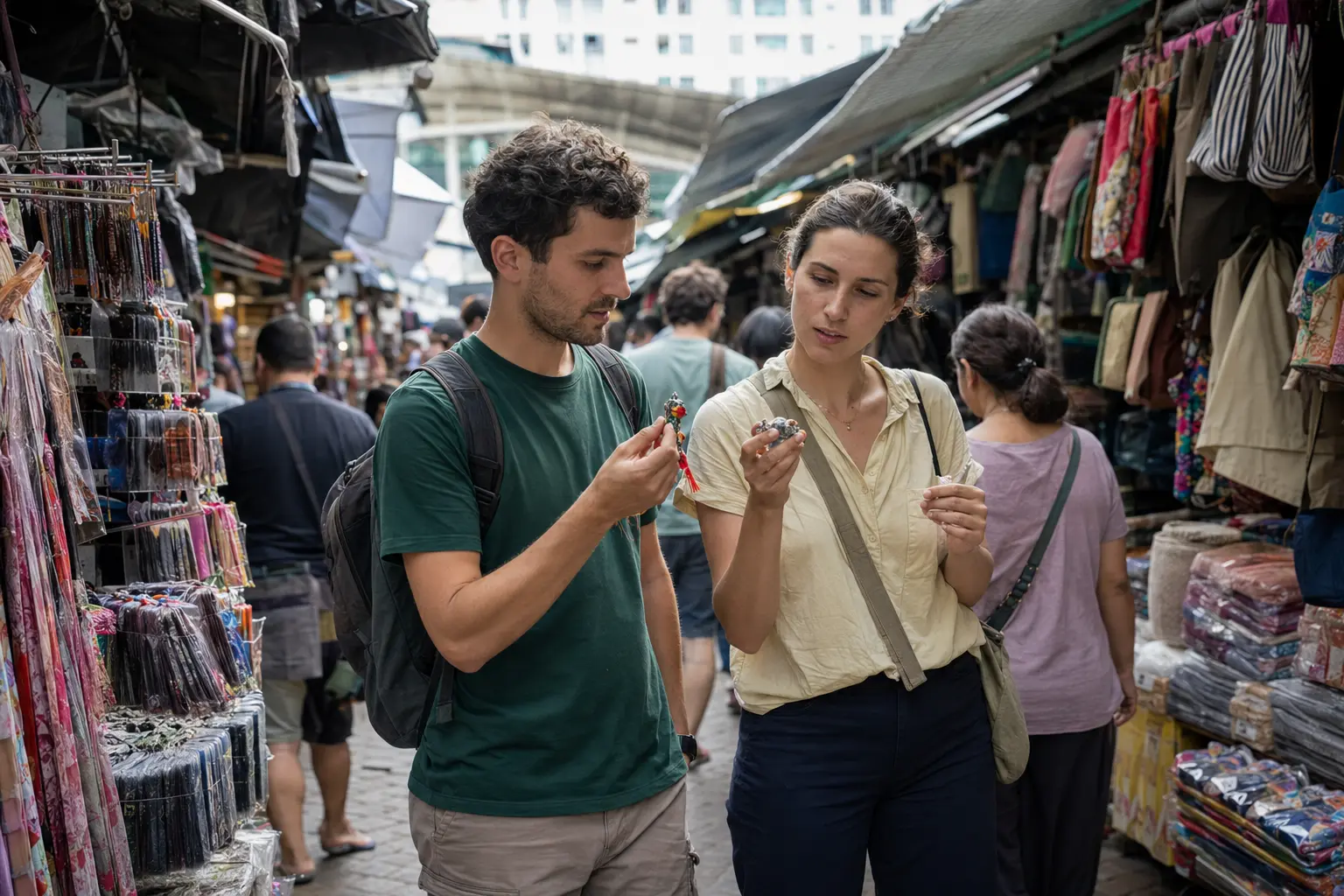
Bugis combines very different forms of shopping within a compact area. Bugis Junction provides air-conditioning and conventional retail close to the MRT. Bugis Street Market is denser, louder and better suited to inexpensive accessories, casual clothing and small souvenirs. Nearby streets lead toward Kampong Glam, so a budget-shopping stop can continue into a more design-focused afternoon.
Quality varies at market stalls. Examine seams, zippers, materials and packaging rather than treating a low price as the entire decision. Ask before photographing merchandise, keep valuables secured in crowded lanes and compare a few stalls before buying. Bargaining may be possible in some independent stalls, but fixed prices are common in malls and established shops.
What Bugis does best
Bugis works for travelers who want affordable fashion, phone accessories, small gifts and a busy market atmosphere without making a remote trip. It is also an easy place to replace something forgotten—a hat, light layer or basic travel item—without turning the search into the day’s main activity.
Do not assume every product is locally made. “Bought in Singapore” and “designed or produced in Singapore” are different claims. If origin matters, ask directly and look for a maker’s name, material information or a credible shop description.
Kampong Glam and Haji Lane: small shops with a stronger point of view
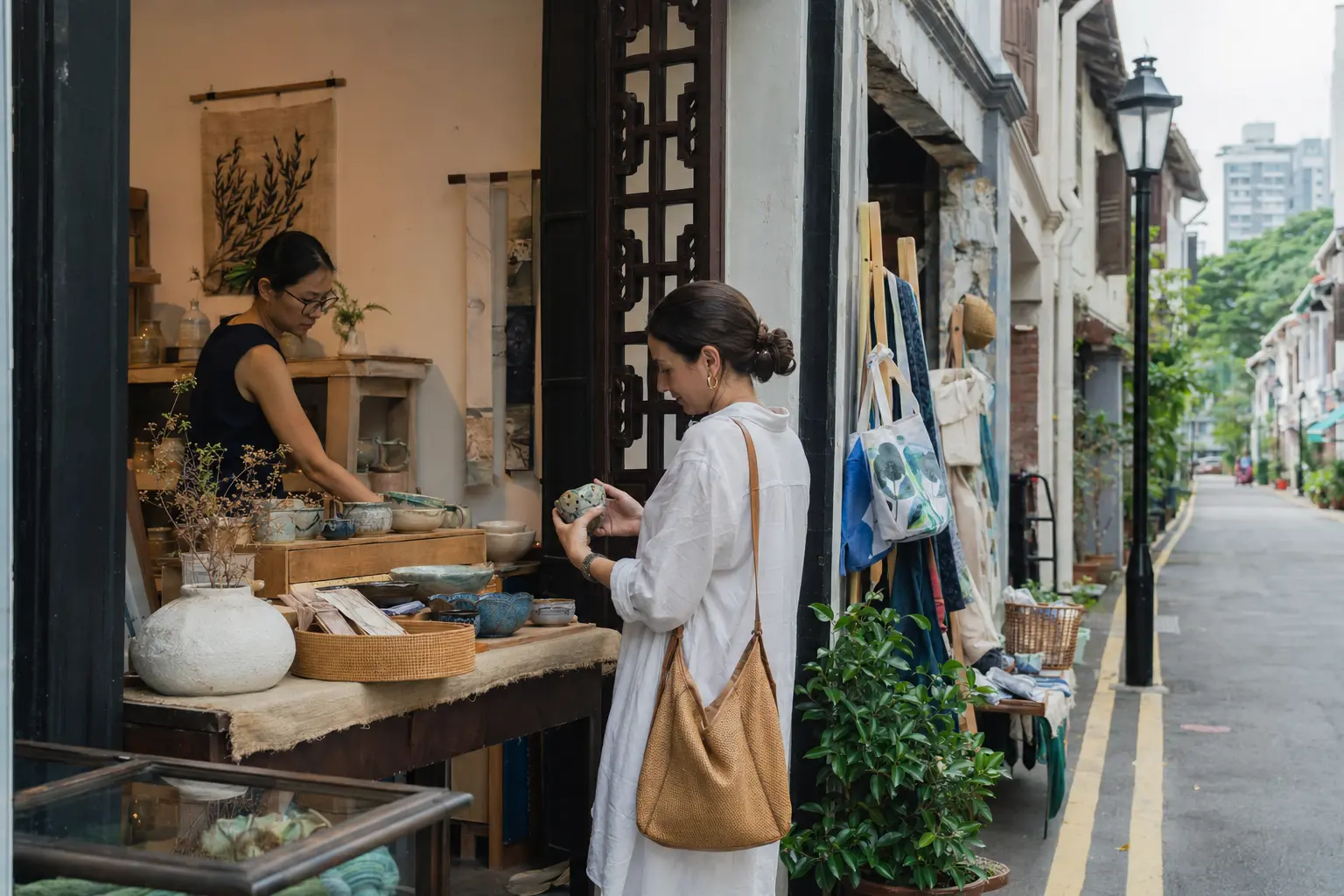
Around Kampong Glam, restored shophouses hold independent fashion, fragrance, textile and lifestyle stores alongside cafés and long-standing businesses. Haji Lane is the best-known strip, but the useful shopping area is wider than its most photographed section. Arab Street and the surrounding lanes add fabric merchants, rugs, modest fashion and perfume shops to the mix.
This is a better district for browsing than speed. Opening times vary, small businesses change more often than mall tenants and some stores begin later in the day. Pair shopping with Sultan Mosque and the neighborhood’s food streets, but remember that Kampong Glam is a living cultural and religious district, not a decorative retail set.
Buy the story only when the object earns it
Independent does not automatically mean local, handmade or sustainable. Read labels and ask where an item was designed or produced. A carefully made ceramic, print, fragrance or textile becomes a more useful souvenir when you understand its maker and material; a vague “heritage-inspired” tag should not do all the work.
Bras Basah and City Hall: books, art and design
Bras Basah is a strong alternative for travelers who prefer paper to shopping bags. The district is associated with books, art materials, music, museums and educational institutions. Bras Basah Complex is known for bookshops and specialist businesses, while nearby museum shops and design retailers can yield prints, exhibition catalogues and objects connected to Singapore’s visual culture.
This area pairs naturally with the National Gallery Singapore, the National Museum or the Civic District. Museum shops are not automatically cheap, but their selection is often more edited than a generic souvenir store. They also make sense when rain interrupts an outdoor plan.
Chinatown and Little India: shop inside the neighborhood, not above it
Chinatown offers packaged foods, tea, household objects, clothing and souvenir stalls amid temples, shophouses and active community businesses. The most tourist-facing lanes are convenient, but a product’s Chinese imagery does not necessarily make it Singaporean. Compare specialist shops and read ingredient or origin labels when buying food gifts.
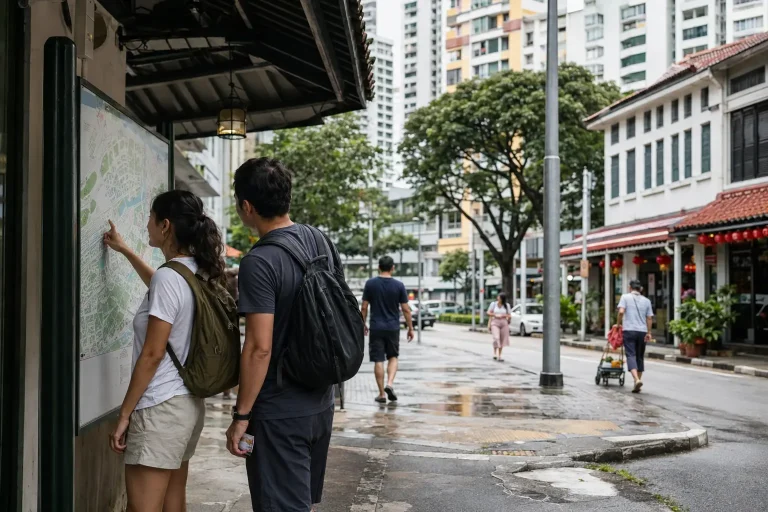
Little India is useful for textiles, jewelry, beauty products, spices and Indian groceries. Tekka Centre and the shops around Serangoon Road show how commerce and daily neighborhood life overlap. Dress and jewelry purchases may require more time for fit, alteration or careful comparison, so do not squeeze them into the final half hour before dinner.
Mustafa Centre: practical shopping at unusual hours
Mustafa Centre in Little India is less about polished curation than range. Travelers use it for toiletries, groceries, electronics, luggage, clothing and everyday necessities, often at hours when smaller stores are closed. Its density can be disorienting, so arrive with a list and keep receipts for higher-value items.
For electronics, check warranty coverage, plug type, voltage and whether service applies in your home country. A price that looks attractive may be less useful once a region-specific warranty or adapter problem appears. This is practical travel shopping, not necessarily a shortcut to a bargain.
Marina Bay: luxury retail as part of the setting
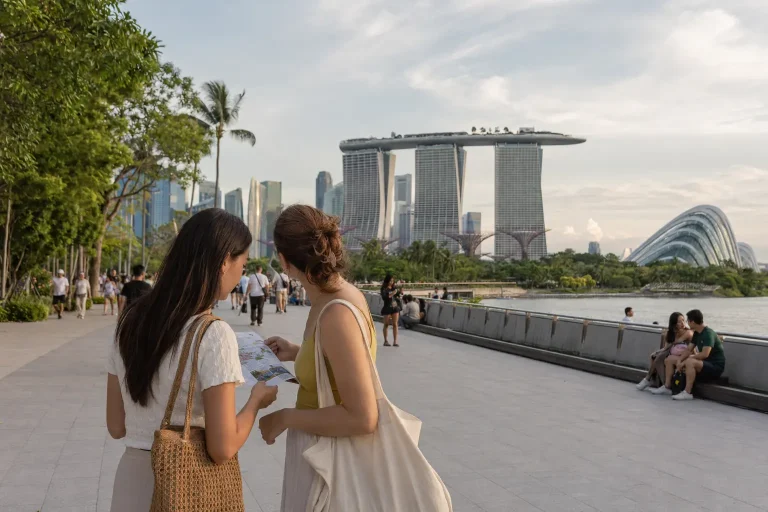
The Shoppes at Marina Bay Sands concentrates luxury labels in a dramatic waterfront complex. It is convenient if premium shopping is already part of your plan, especially when combined with the bay, ArtScience Museum or Gardens by the Bay. It is not the district to choose for inexpensive, locally distinctive gifts.
Visit for the environment and selection, not because every purchase is better made there. Orchard often provides a broader comparison across price points; smaller districts provide more personality. Marina Bay earns its time when luxury retail itself is the attraction.
What to buy in Singapore
The best Singapore souvenirs are portable, genuinely useful and clear about their origin. Consider local food products with intact commercial packaging, contemporary ceramics, prints, books, textiles, fragrance or accessories from named Singapore designers. Peranakan-influenced patterns can be meaningful when the shop explains the design rather than using culture as a loose visual theme.
Food gifts
Kaya, tea, coffee, spice blends, sauces and packaged snacks travel well when factory-sealed. Check customs rules at your destination and avoid carrying fresh meat, produce or loosely packed foods across borders. Heat matters too: chocolate and delicate baked goods may not enjoy an afternoon in your day bag.
Design, books and paper goods
Illustrated city maps, architecture books, exhibition catalogues, prints and stationery can say more about Singapore than a generic skyline magnet. Look in museum shops, bookshops and independent design stores. Flat items also survive luggage with considerably less drama than ceramics.
Textiles, fragrance and small objects
Textiles and scent connect naturally to Kampong Glam and Little India, but ask about materials and production. For ceramics or glass, request proper wrapping and carry the item in hand luggage when airline rules permit. If the seller cannot explain who made an expensive “local” object, keep looking.
GST refunds: useful, but not a reason to overspend
Eligible tourists may claim a refund of Goods and Services Tax on qualifying purchases from participating retailers when current conditions are met. Look for the relevant tourist-refund participation at the store, use the same passport details throughout and keep the required transaction records. Rules, minimum spending thresholds and airport procedures can change, so verify them through Singapore Customs or the official electronic Tourist Refund Scheme guidance before shopping.
Build time into departure day for validation or inspection when required. Do not pack every purchase deep inside checked luggage before completing the process. The refund reduces part of the tax paid; it does not transform an unnecessary purchase into a financial strategy.
A realistic half-day shopping plan
For broad retail, begin around late morning on Orchard Road, choose two malls based on the stores you need, then stop for lunch before decision fatigue sets in. For more local character, begin at Bras Basah or a museum shop, continue to Kampong Glam after small retailers open, and end at Bugis for inexpensive items and an MRT connection.
Keep shopping near the end of a neighborhood day when possible, so you are not carrying fragile purchases through museums or humid walks. Leave luggage space before departure rather than buying a second suitcase by reflex. Singapore can certainly sell you one, but that does not make it the best souvenir.
Final advice
The most rewarding shopping in Singapore combines the city’s extraordinary convenience with a little discrimination. Use Orchard and Bugis for range, then give smaller shops enough time to explain who designed an object and why it belongs here. Buy fewer things with a clearer origin, check practicalities before paying, and let the neighborhood—not merely the mall directory—shape the afternoon.
Frequently Asked Questions
Where is the best place to shop in Singapore?
It depends on the purchase. Orchard Road is efficient for international labels and department stores, Bugis suits inexpensive fashion and small gifts, and Kampong Glam or Bras Basah are better for independent design, books, and objects with a local point of view.
Is it worth shopping only in Singapore's malls?
Air-conditioned malls are comfortable through heat or rain, but spending an entire day inside global-brand malls explains little about the city. Leave room for smaller streets and specialist shops alongside the mall infrastructure.