The best things to do in Shanghai reveal how the city has repeatedly rebuilt itself: treaty-port facades face a futuristic skyline, lane houses survive behind luxury storefronts, and classical gardens sit a metro ride from contemporary art museums. For a first visit, choose a few contrasting experiences rather than racing through every landmark.
This list favors activities that earn the time they require. Each entry explains what makes it distinctive, when to go, and when another option may suit you better.
Start with the Bund, but choose the hour carefully
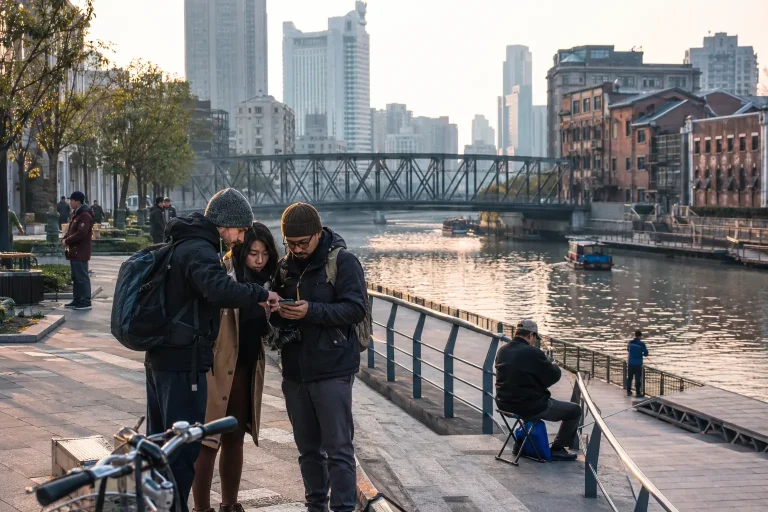
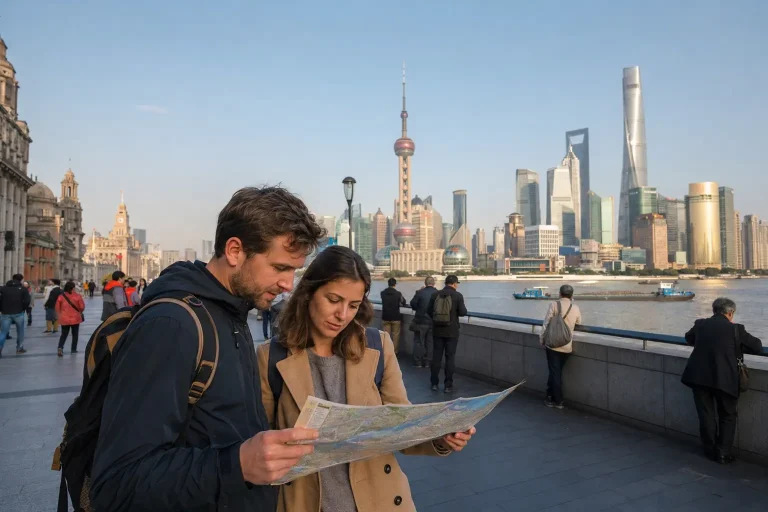
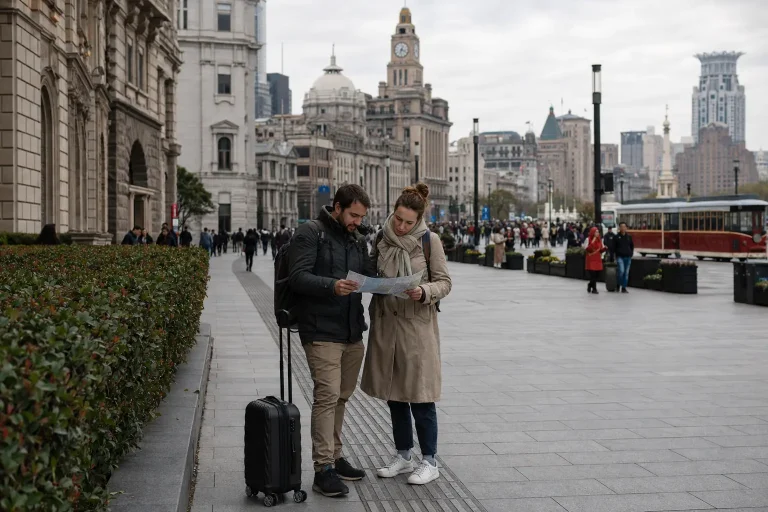
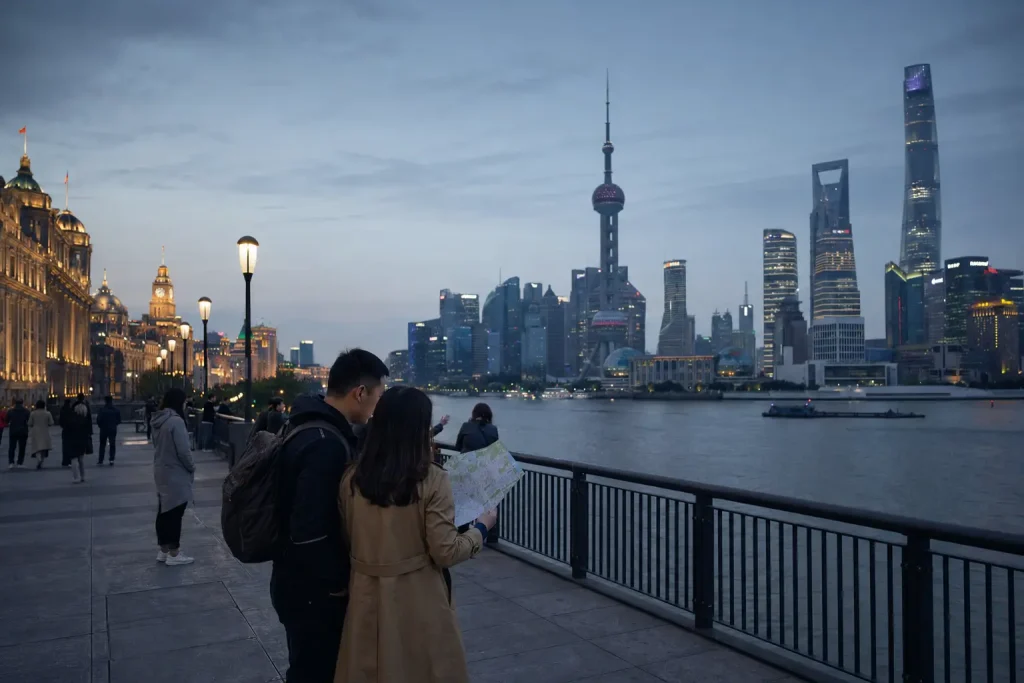
The Bund is Shanghai’s clearest visual argument. On one bank, early-20th-century banks, hotels, and trading houses recall the city’s rise as an international port. Across the Huangpu, Lujiazui’s towers show how rapidly its economic center shifted eastward.
Go near sunrise for room to look at the architecture and watch residents exercise along the promenade. Blue hour offers the famous illuminated skyline, plus much larger crowds. Sunset itself is not guaranteed to be dramatic; haze often softens the view, and the railings acquire a determined wall of phones.
Allow 60–90 minutes and continue south toward the old city or north toward the less compressed North Bund. A river cruise adds moving views after dark, but it is optional rather than a compulsory upgrade.
Walk through the former French Concession at street level
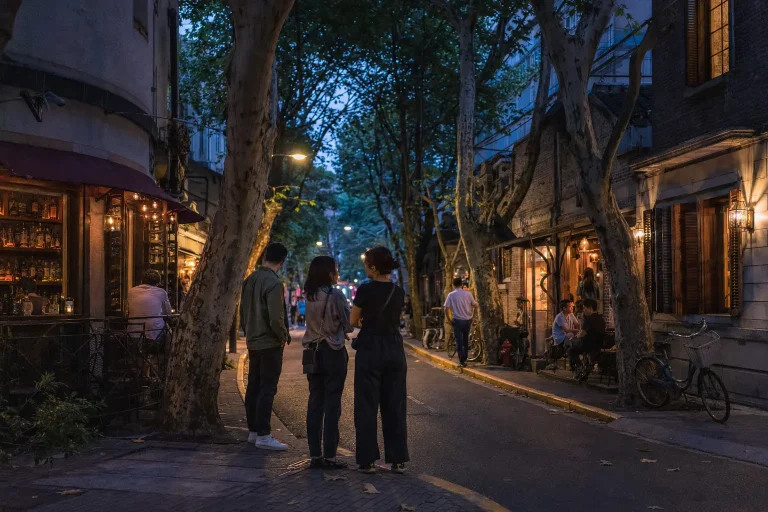
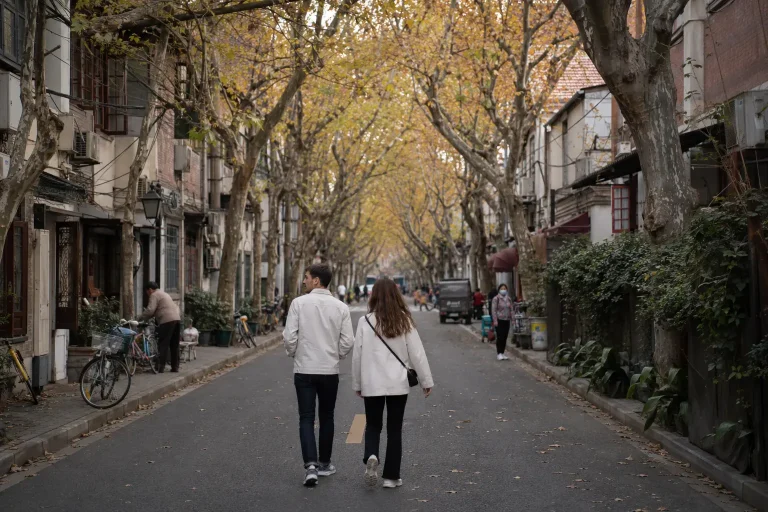
The former French Concession is not one attraction with an entrance. Its interest lies in the scale of its streets: plane-tree shade, lilong lane houses, apartment blocks, small parks, cafés, and buildings shaped by several eras of migration and development.
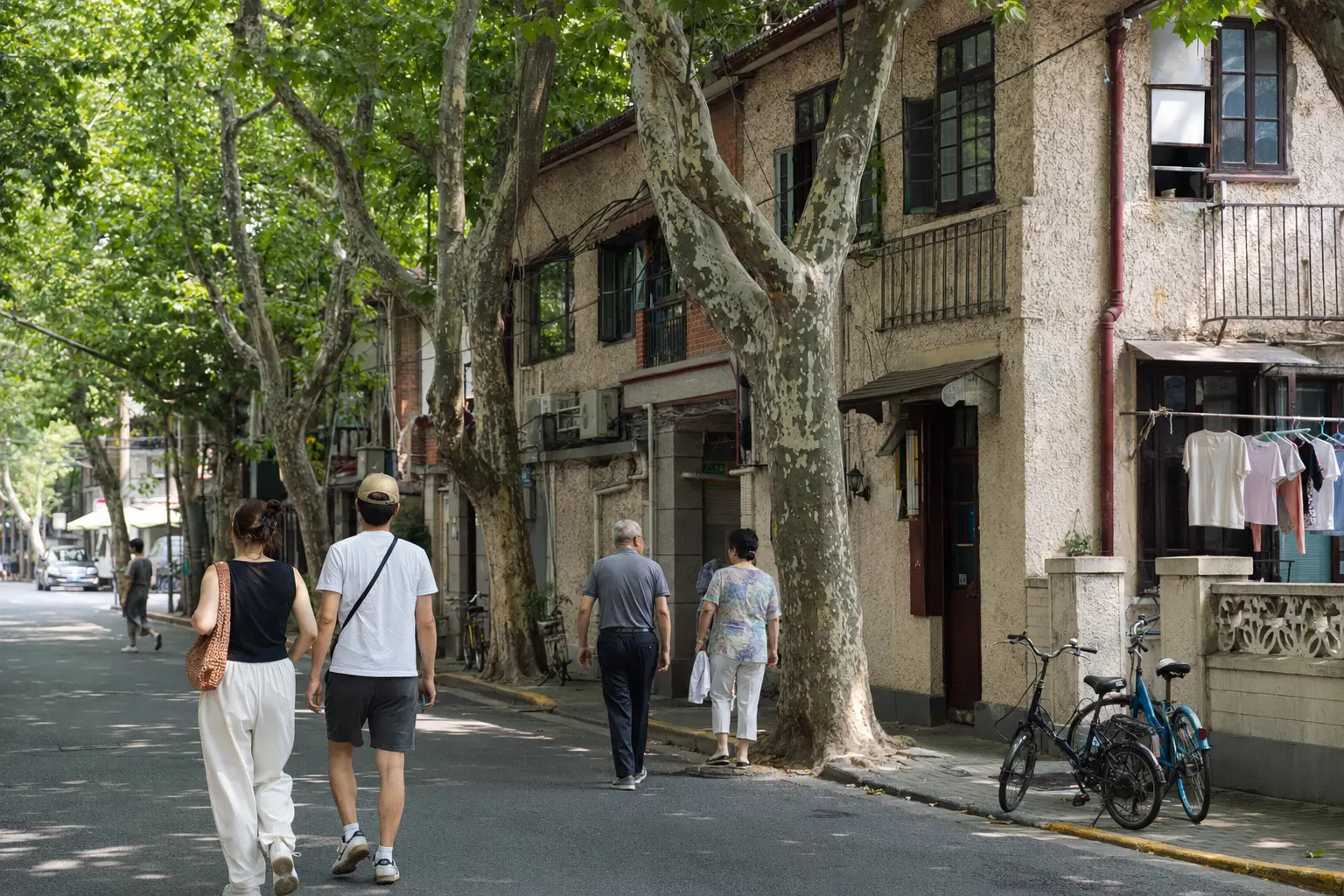
Choose a compact route around Wukang Road, Hunan Road, Fuxing West Road, and nearby lanes instead of trying to “cover” the entire area. Look up occasionally; balconies, brickwork, and old nameplates are easier to miss when navigation occupies the whole screen.
This is best for travelers who enjoy architecture and ordinary urban detail. Those seeking a preserved historic quarter may find it understated. The neighborhood is still lived in, so photograph buildings from public streets and do not enter residential lanes as if they were museum sets.
See Yu Garden before the surrounding bazaar peaks
Yu Garden compresses ponds, rockeries, pavilions, corridors, and framed views into a classical garden created during the Ming dynasty. Its design rewards slow looking: paths turn sharply, windows borrow scenes from the next courtyard, and stone creates the illusion of a much larger landscape.
Arrive near opening time. The commercial streets around the garden become intensely busy later, while the garden itself is easier to read before tour groups bunch up in its narrow passages. Check the official ticket and reservation arrangements shortly before visiting; admission procedures can change around holidays.
The bazaar is visually lively but heavily commercial. Treat it as part of the old-city contrast, not evidence that every storefront preserves an ancient tradition.
Choose one Shanghai museum, not three in a row
Shanghai has enough museums to consume several days, but consecutive galleries quickly turn cultural ambition into carpet fatigue.
For Chinese art: Shanghai Museum East
Shanghai Museum East in Pudong is the strongest broad introduction to ancient Chinese art, with substantial collections spanning bronzes, ceramics, calligraphy, painting, sculpture, seals, jade, and furniture. Its scale deserves at least half a day. Confirm current opening days, exhibition access, and reservation rules on the museum’s official channels before crossing the river.
For the city’s story: Shanghai History Museum
The Shanghai History Museum near People’s Square provides better context for the city outside the gallery doors: port development, commerce, streets, social change, and the creation of modern Shanghai. Choose it if the Bund’s buildings raised more questions than a skyline photograph answered.
For contemporary art: West Bund or the Power Station of Art
Travelers following contemporary art should check current exhibitions rather than choosing solely by institution name. The Power Station of Art and museums along the West Bund can be excellent, but installation periods and uneven exhibition calendars matter. Pair one venue with a riverside walk instead of attempting the whole district as a checklist.
Cross the Huangpu by public ferry
The inexpensive public ferry gives Shanghai’s two banks a physical relationship that the metro hides. From the water, the Bund’s continuous stone frontage and Pudong’s separate towers become easier to understand, while working boats keep the river from feeling like decorative scenery.
Routes and terminals vary, so check the current crossing nearest your plan rather than following an old blog’s exact directions. The ride is brief. That is part of its appeal: it functions as transportation and a city view without requiring a formal cruise.
Use it to move between a Bund walk and Pudong. In heavy rain or when carrying luggage, the metro is the more practical choice.
Look down from one observation deck only when visibility earns it
Shanghai Tower, the Shanghai World Financial Center, and Jin Mao Tower offer different versions of the same basic proposition: enormous urban scale seen from above. One deck is enough for most visits.
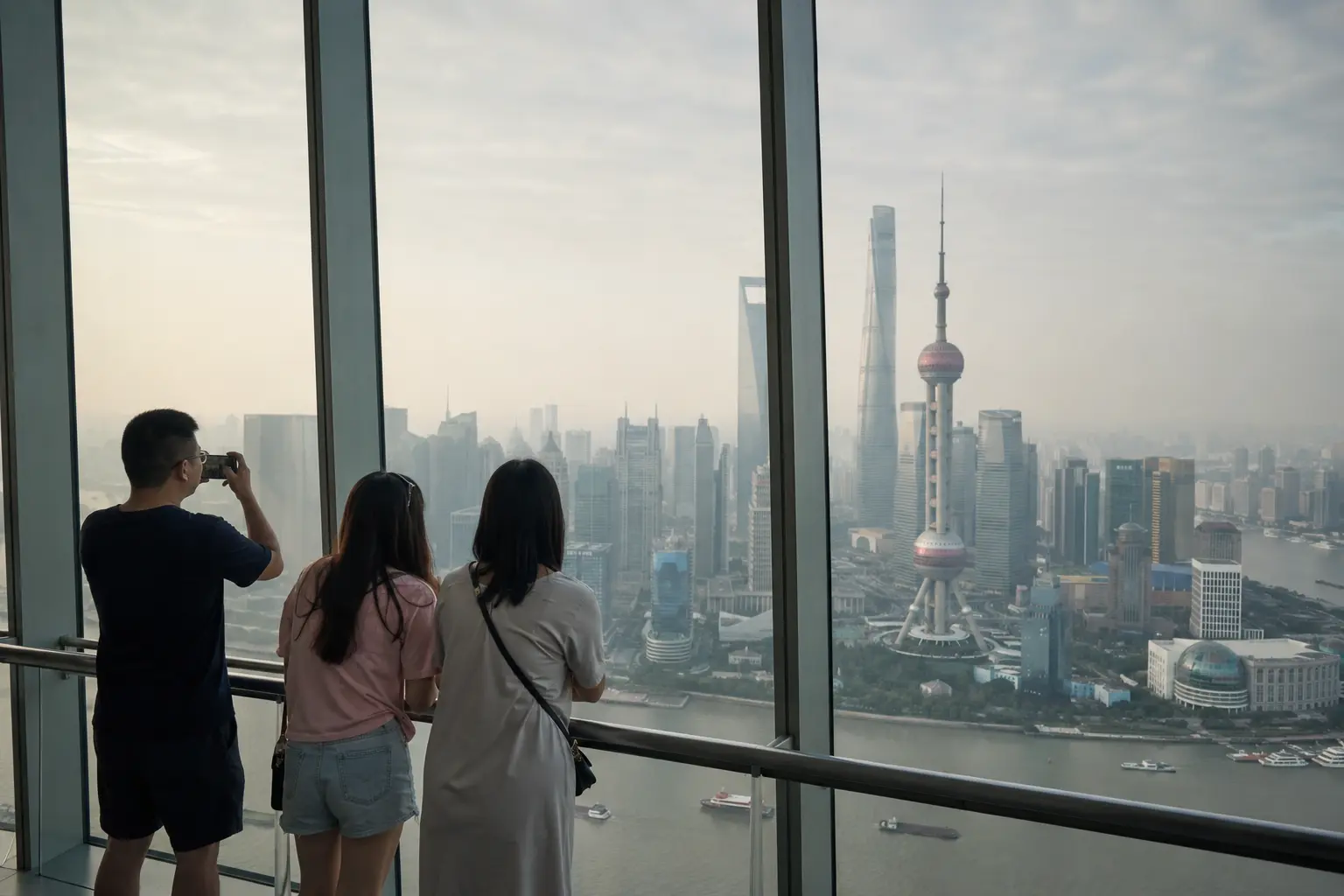
Check the weather at street level before buying. A high ticket does not negotiate with haze, low cloud, or rain. Late afternoon can provide daylight, sunset, and illuminated city views in one visit, but it is also a popular window. A clear morning often gives better visibility and a calmer experience.
Travelers uncomfortable with heights or indifferent to skyline views lose little by skipping this. The Bund and a ferry already explain the city’s geography surprisingly well.
Watch public life in a park
Fuxing Park, Xiangyang Park, and parts of People’s Park show a less curated side of Shanghai: dancing, card games, tai chi, conversation, and multigenerational routines occupying shared space. The value is not that these activities are “hidden.” It is seeing how dense neighborhoods make collective use of limited public ground.
Visit in the morning, keep a respectful distance, and resist treating ordinary exercise as a performance staged for visitors. People’s Park is centrally convenient, but its weekend marriage-market activity deserves particular sensitivity; observe without photographing personal notices or participants close up.
Follow Shanghai’s modern architecture beyond the skyline
Shanghai’s architectural story is richer than “old Bund versus new Pudong.” Art Deco apartment buildings, lilong housing, industrial conversions, 1990s towers, and ambitious contemporary cultural buildings sit within a city that has repeatedly changed its street fabric.
A self-guided walk works if you research a compact group beforehand. The Rockbund area links restored commercial buildings with museums and the river; the West Bund turns former industrial land into cultural venues and public waterfront. Architecture-focused travelers may prefer either to another observation deck because the experience remains at human scale.
Avoid entering private residential buildings simply because social media labels a staircase photogenic. Shanghai already provides more public architecture than one trip can absorb.
Spend an evening where the city actually changes pace
Shanghai after dark is not limited to rooftop bars. A useful evening might combine a riverside walk, a theater or acrobatics performance, live music, or late dinner in a neighborhood that remains active after offices empty.
Book ticketed performances through an official venue or reputable platform, and verify the address carefully; venues move, close, and change names faster than evergreen nightlife lists admit. For bars and clubs, consult the dedicated Shanghai nightlife guide rather than building an evening around an old ranking.
If your priority is the skyline, walk the Bund or take a ferry before dinner. If conversation and music matter more, spend less time commuting to a view you already saw in daylight.
Eat one meal that explains the local kitchen
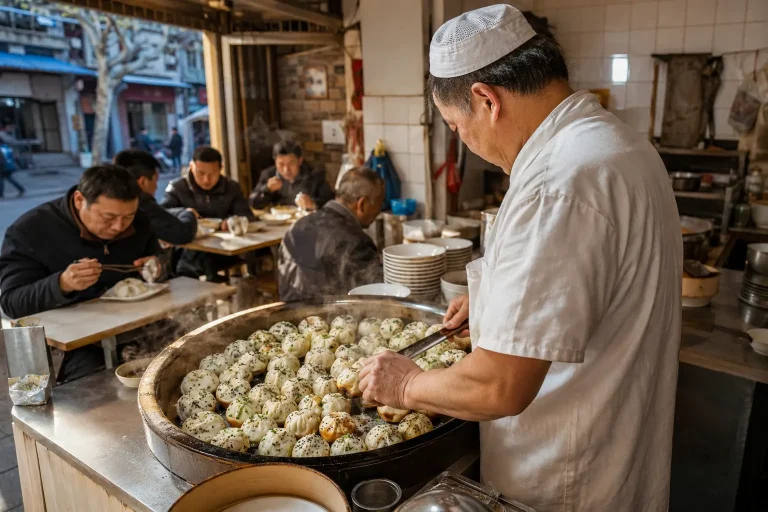
Food is one of the most rewarding things to do in Shanghai, but “street food crawl” is not the only useful format. Try xiaolongbao with care—the soup is enthusiastic about escaping—then look beyond it to shengjian bao, scallion-oil noodles, braised wheat gluten, river fish when in season, or a proper benbang meal.
Choose a busy specialist for a single dish or reserve a sit-down restaurant for a broader introduction. Ordering has become easier with translated menus and mobile tools, though small shops may still require patience. The full Shanghai food guide explains dishes, meal styles, and neighborhoods without turning this article into a second restaurant list.
Browse a market or design-led shopping street with a purpose
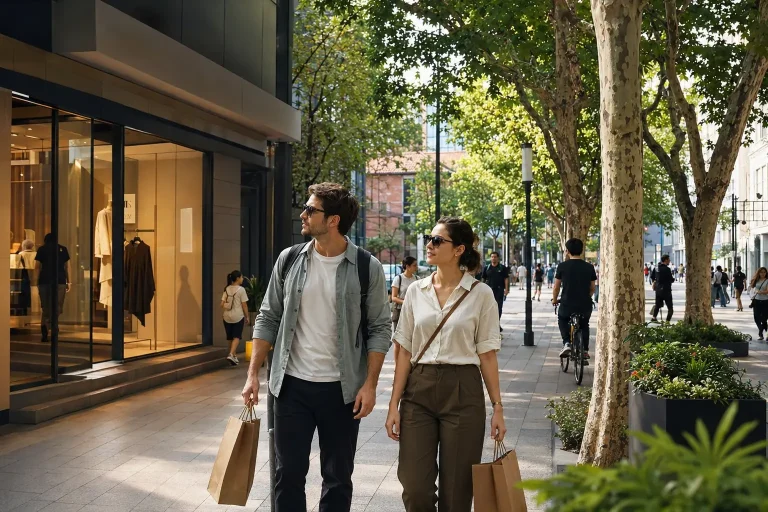
Shanghai shopping ranges from traditional food shops and fabric markets to independent fashion, bookstores, malls, and design brands. Decide whether you want gifts, tailoring, vintage pieces, or contemporary Chinese design before choosing an area; “shopping in Shanghai” is too broad to be a workable afternoon.
Inspect quality, clarify turnaround time for custom work, and leave luggage space before buying something fragile. For area-specific choices and bargaining expectations, use the shopping in Shanghai guide.
Travelers who dislike shopping can substitute a bookstore, produce market, or neighborhood café. The point is to see what the city makes and buys, not to accumulate proof of attendance.
Take a slower riverside walk away from the Bund
The redeveloped waterfronts at West Bund, North Bund, and parts of Pudong provide longer walks, cycling space, lawns, cultural buildings, and broader views than the central Bund. They show Shanghai as a city residents use, not only a skyline visitors face.
Pick the stretch that fits another plan. West Bund pairs naturally with contemporary art; North Bund extends a central sightseeing day; Pudong’s paths provide views back toward the historic bank. Distances are deceptive, so choose one section rather than promising yourself the entire riverfront.
This is also one of the better free things to do in Shanghai. On hot, humid days, however, move it to early morning or evening and keep a metro exit within reach.
Make a theme park or outlying attraction a deliberate full-day choice
Shanghai Disneyland, Shanghai Legoland Resort, and larger outlying parks can be excellent for travelers who specifically want them. They are not casual additions to a central-city afternoon. Transport, security, queues, and the size of each site turn the visit into a full-day commitment.
Legoland Shanghai opened in 2025 in Jinshan District, far from the central Bund–Pudong sightseeing core. Families with dedicated interest may find it worth the journey; first-time visitors with only two or three days should compare that cost against losing a full day of Shanghai itself.
The same logic applies to water towns. They can be rewarding, but they belong in a separate day-trips guide rather than being squeezed between Yu Garden and an evening cruise.
How to choose your Shanghai activities
For a first visit, combine four different layers: the Bund for the city’s outward image, a lane-house neighborhood for street scale, one museum for context, and one evening or food experience for contemporary life. Add a garden, observation deck, performance, or outlying attraction according to your interests.
Geography matters more than list length. Group places on the same bank or in adjacent neighborhoods, check reservations shortly before visiting, and leave unscheduled time for a street or park that proves more interesting than expected. Shanghai rewards selection; the city is far too large to be defeated by a checklist.
Frequently Asked Questions
What are the best things to do in Shanghai?
For a first visit, choose a few contrasting experiences rather than racing through every landmark: the Bund's treaty-port architecture facing the futuristic Lujiazui skyline, historic lane houses, classical gardens, and contemporary art museums.
What time should you visit the Bund in Shanghai?
Go near sunrise for room to look at the architecture and watch residents exercise along the promenade. Blue hour offers the famous illuminated skyline but comes with much larger crowds, and sunset itself is not guaranteed to be dramatic since haze often softens the view.