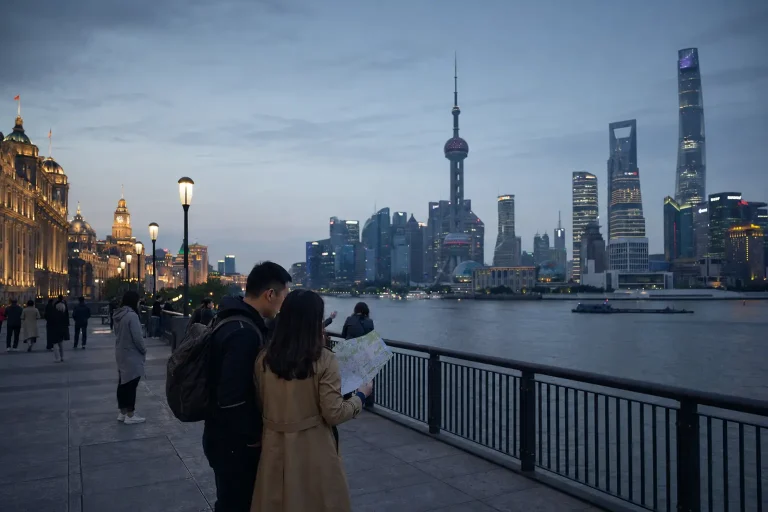
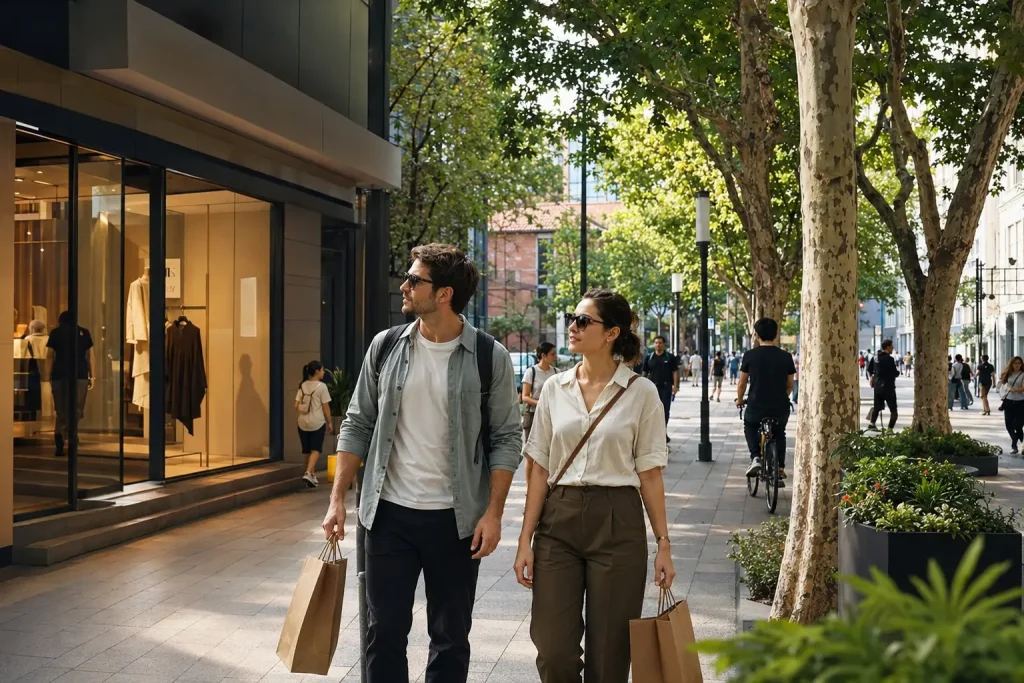
Shopping in Shanghai works best when the destination matches the purchase. Use East Nanjing Road for major Chinese and international retail in a historic commercial corridor; Huaihai Middle Road and Jing’an for fashion, design and polished malls; smaller former French Concession streets for independent shops and vintage; the South Bund Fabric Market for commissioned clothing; and museum stores or food shops for gifts with a clearer connection to the city.
Do not spend a full day comparing malls unless architecture, pop-ups and retail culture are the point. Shanghai has many excellent versions of the same global brands.
Match the area to what you want
| Shopping area | Best for | Main caution |
|---|---|---|
| East Nanjing Road | Big retail, old brands, pop culture and convenience | Heavy crowds and repetitive chains |
| West Nanjing Road / Jing’an | Luxury, major malls, beauty and design | Prices may not beat home |
| Huaihai Middle Road | Fashion flagships, Chinese designers, lifestyle stores | Long corridor; choose a segment |
| Former French Concession streets | Independent fashion, vintage, jewelry and homeware | Fast turnover and irregular hours |
| Lujiazui | Climate-controlled luxury malls | Little reason to cross the river for global brands alone |
| South Bund Fabric Market | Tailored clothing and fabric | Quality varies; fittings take time |
| Yu Garden / Tianzifang | Easy souvenirs and gifts | Tourist pricing and uneven quality |
Save store names in a Chinese map app. Retail changes quickly, and a five-year-old shopping guide can send you to a flagship that is now a coffee shop with very confident lighting.
East Nanjing Road: commerce as a public spectacle
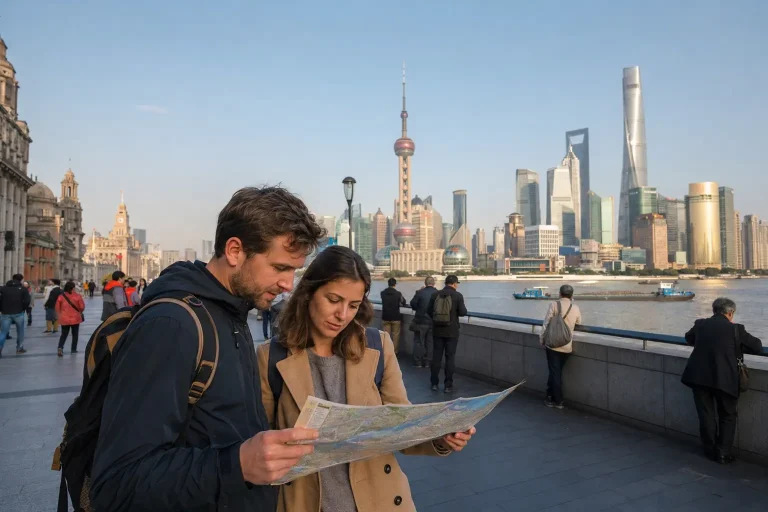
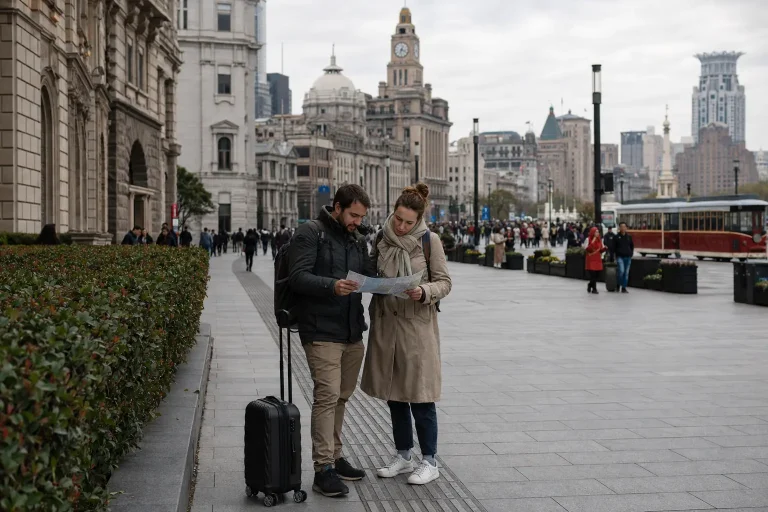
East Nanjing Road has been a major commercial artery for generations. Today it mixes department stores, time-honored Chinese brands, beauty, sportswear, pop-culture flagships and shopping centers before reaching the Bund.
Visit for the street’s scale and the mix of domestic tourism with retail theater. Side streets can be better for practical purchases and food. If the goal is distinctive fashion, do not assume the most famous street is the most selective one.
Go in the morning for easier browsing or after dark for signs and crowd energy. Weekend evenings require patience.
West Nanjing Road and Jing’an: major malls done well
West Nanjing Road around Jing’an contains high-end malls, international luxury, Chinese labels, beauty, restaurants and frequent exhibitions or pop-ups. It is one of the easiest areas for comparing brands in air-conditioned comfort.
The district also layers temples, historic entertainment buildings and contemporary commercial complexes. Shopping here can be folded into a Jing’an day rather than treated as a separate expedition.
Luxury pricing varies by exchange rate, tax, regional assortment and brand policy. Compare the exact item, include card fees and understand international warranty coverage before assuming China is cheaper.
Huaihai Middle Road: fashion and concept retail
Huaihai Middle Road has fashion flagships, art-led malls, lifestyle concepts and nearby streets with smaller stores. The useful section stretches far enough that “walk Huaihai Road” is not a complete plan.
Start near South Shaanxi Road or another chosen metro station, then explore Changle Road, Xinle Road and connecting lanes according to current shop listings. Chinese designer fashion, jewelry, fragrance, homeware and collectible retail are more likely here than on a generic souvenir street.
Many independent stores open later than breakfast shops and may close or move with little English-language notice. Confirm the same week.
Independent design, vintage and art stores
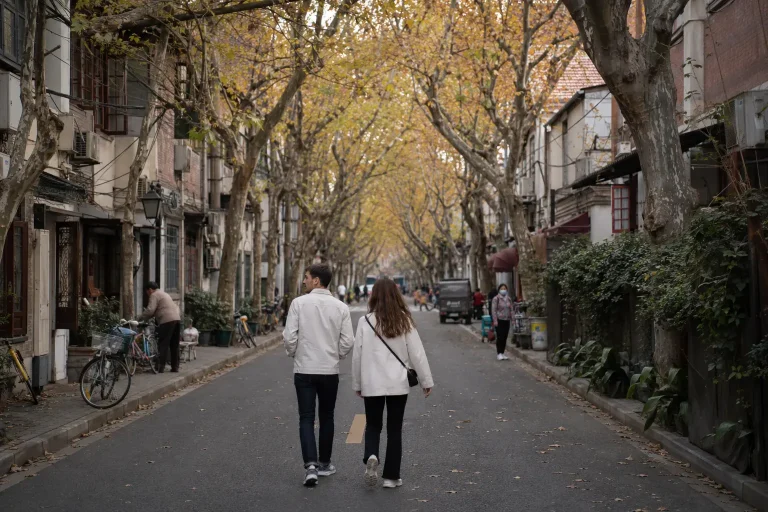
Former French Concession streets and parts of Jing’an contain small multi-brand boutiques, vintage clothing, ceramics, books and homeware. M50 and museum districts can add gallery shops and artist editions, though a gallery is not automatically a retail arcade.
Vintage labeling and authentication standards vary. Inspect condition, repairs, size and return rules. For high-value watches, bags or jewelry, buy only where provenance and after-sales support are clear.
Chinese contemporary design is not one aesthetic. Look for material, construction and a maker story that can be verified rather than buying the object with the most determined “Shanghai” typography.
The South Bund Fabric Market: commission, do not impulse-buy
The fabric market is useful for suits, shirts, dresses, coats and textile browsing, but a successful commission needs time. Bring reference photos, specify fabric and lining, agree on every detail and get the price and collection date in writing.
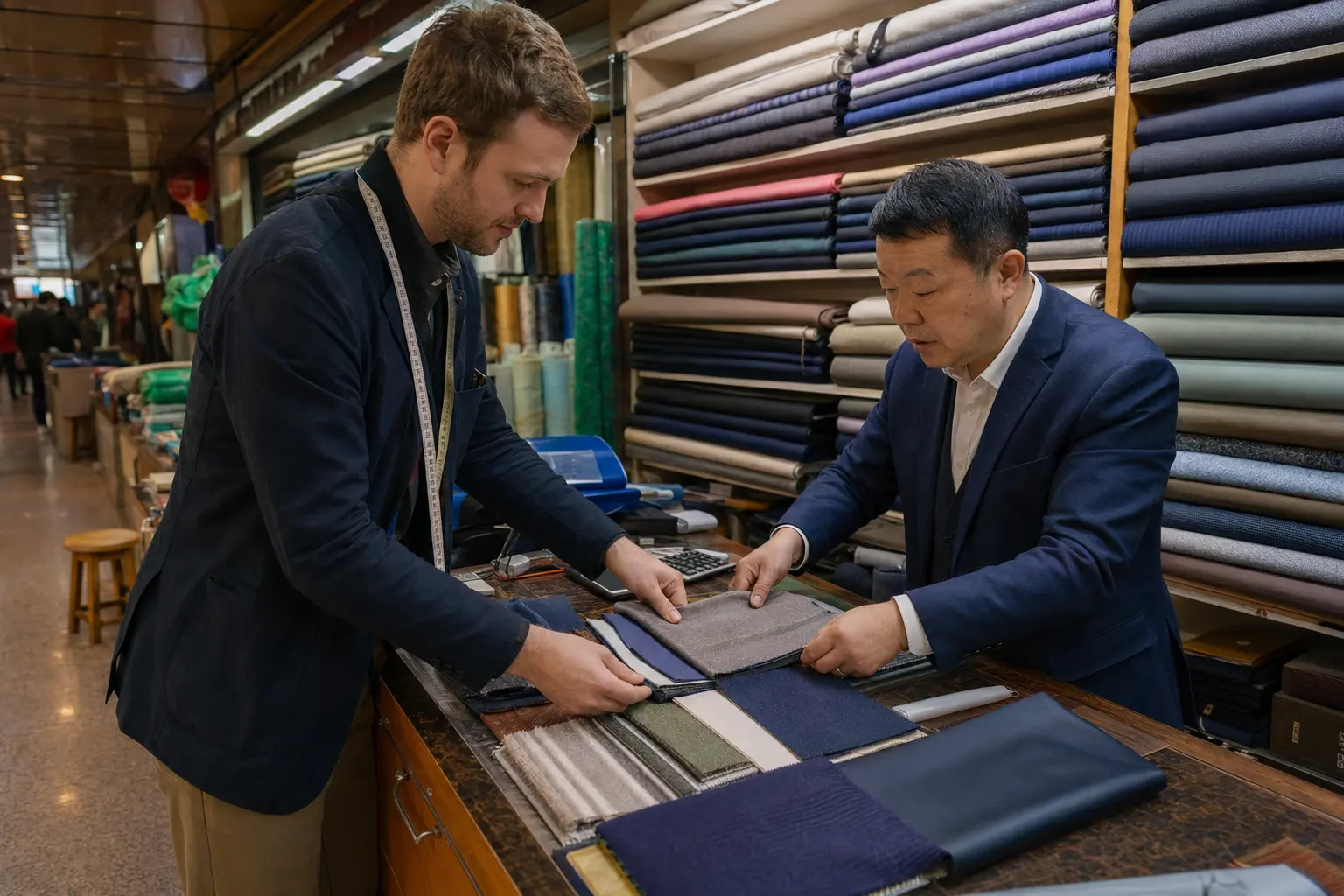
Allow at least one fitting
Do not order a complex garment the afternoon before departure. A first fitting reveals sleeve length, shoulder, waist and trouser issues that photographs cannot. Build in time for alterations and inspect the finished piece in good light.
Compare several stalls, but avoid negotiating a price so low that material and construction become the vendor’s remaining variables. Tailoring is skilled labor, not a souvenir vending machine.
Markets, fake goods and bargaining
Some Shanghai markets sell low-cost accessories, electronics, souvenirs or counterfeit branded goods. Locations and enforcement change. Counterfeits can involve poor quality, labor concerns, trademark violations and seizure at the destination border.
Bargaining may be expected in certain markets but not in malls, department stores or labeled boutiques. Ask a price, make a calm counteroffer and leave politely if it does not work. Aggression does not improve the object.
Test electronics before paying and understand that warranties may be local. Avoid medicine, cosmetics or food with unclear origin or broken seals.
Better souvenirs from Shanghai
Useful gifts include locally roasted coffee or tea from a reputable shop, packaged pastries with clear dates, stationery, books, museum objects, ceramics, textiles and products from established Shanghai brands. Food must comply with the destination’s import rules.
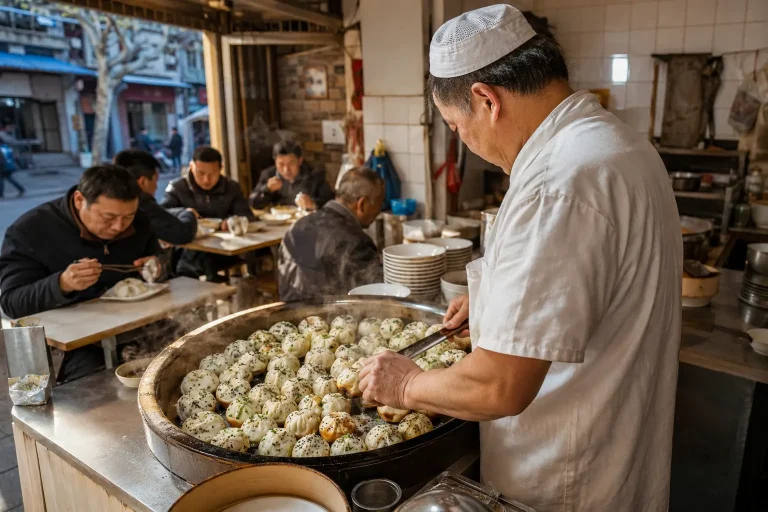
Butterfly pastries, mooncakes in season and other bakery goods connect to Shanghai’s adapted culinary history, but fragile packaging and short shelf life matter. Tea should be bought from a seller willing to explain origin, grade and brewing rather than from an unsolicited “tea ceremony” invitation.
Museum shops often offer the easiest combination of design, provenance and carry-on scale. The Shanghai food guide helps separate edible gifts from items better eaten immediately.
How the Shanghai tax refund works
Eligible overseas visitors can apply for departure tax refunds on qualifying unused goods from registered stores. Since April 2025, the minimum eligible purchase has been RMB 200 by the same visitor at the same store on the same day. Purchases generally need to leave China within the required period, currently 90 days.
Shanghai has expanded “refund upon purchase” services and registered shops, but not every store or product qualifies. Look for the official tax-refund sign and ask before paying.
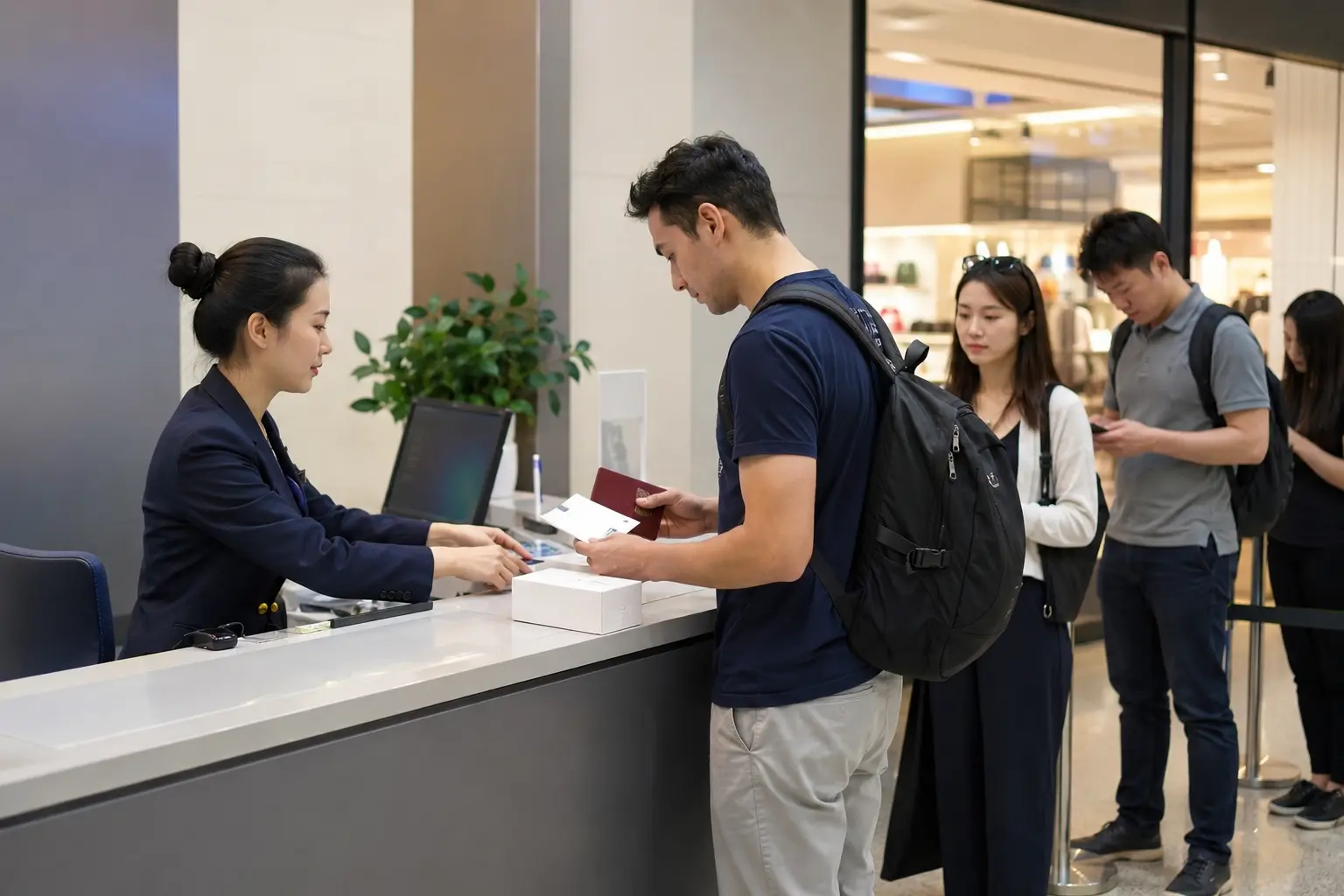
Keep the goods, documents and timing aligned
Present the required passport or travel document, request the official sales invoice and tax-refund form, and keep goods unused. At departure, customs may need to inspect the items before checked baggage is handed over.
Procedures are evolving. China announced further simplification from September 1, 2026, including more electronic processing in eligible cases. Check the current Shanghai government tax-refund page and your departure airport guidance shortly before travel; do not rely on an old paper-only tutorial.
Payment, returns and shipping
Mobile payments dominate, and overseas cards can be linked to supported apps under current rules. Keep a backup card and some cash for exceptions. Foreign-card acceptance varies outside large stores.
Ask about return windows, original packaging and whether refunds go back to the same payment method. China consumer rules do not turn every discounted or custom item into a no-questions return.
International shipping introduces customs, insurance and breakage risk. Photograph high-value pieces, use a trackable carrier and declare contents accurately.
Customs when you go home
Tax-free in China does not mean duty-free at your destination. Travelers entering the United States must declare purchases and follow the current personal exemption and restricted-goods rules. Other countries set their own thresholds.
Keep receipts and separate food, plant, animal and cultural-property items for clear declaration. Never accept a stranger’s package to “save luggage space.”
For cabin limits, use the carry-on packing list before buying ceramics or liquids that cannot travel as planned.
Fit shopping into the Shanghai trip
Add East Nanjing Road to a Bund day, Huaihai Road to a former French Concession walk and Jing’an malls to a temple or dining day. The Shanghai itinerary keeps those combinations geographic.
The where to stay in Shanghai guide helps if shopping is a major purpose and the hotel needs easy luggage return. Choose one retail corridor and one specialist destination; the city has enough malls to defeat even a determined vacation.
Frequently Asked Questions
Where is the best shopping in Shanghai?
It depends on what you want. East Nanjing Road works for major Chinese and international retail in a historic corridor, Huaihai Middle Road and Jing'an suit fashion and design, and the South Bund Fabric Market is best for commissioned clothing.
Can you get a tax refund shopping in Shanghai?
Tax refund options exist for eligible purchases at qualifying stores, so it's worth checking a shop's tax-refund status before a larger purchase rather than assuming every store offers it.