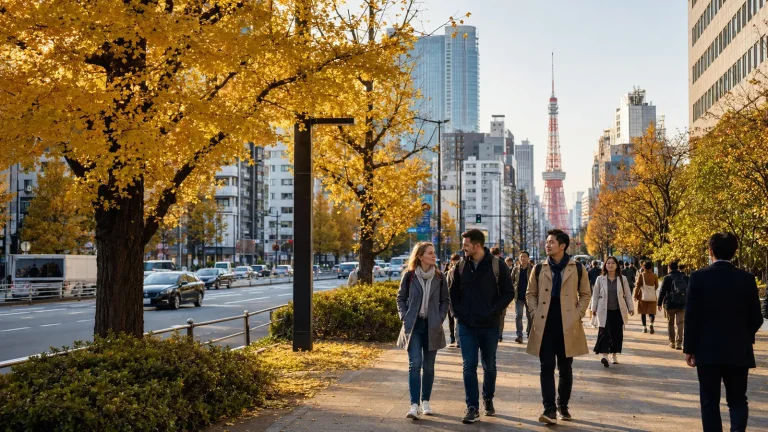
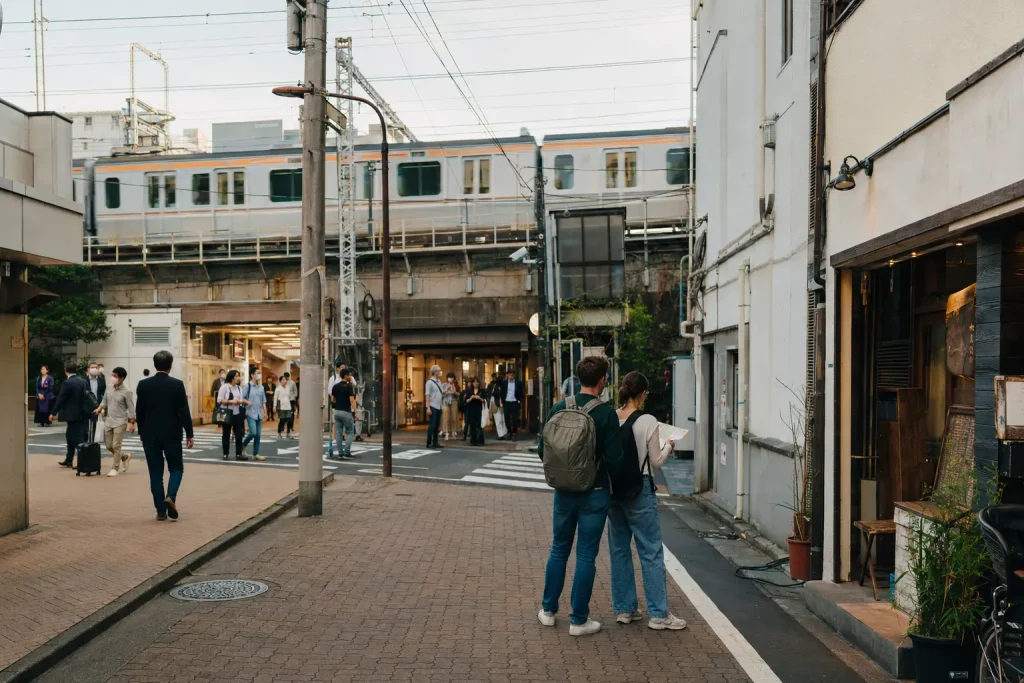
The best Tokyo neighborhoods for a first visit are Asakusa for temple streets and early mornings, Ueno for museums and older commercial Tokyo, Shibuya and Harajuku for fashion and youth culture, Shinjuku for big-city scale after dark, and Ginza and Marunouchi for design, department stores and the formal center. Add Yanesen, Kiyosumi-Shirakawa, Koenji or Kichijoji when the trip has room for slower streets and more ordinary city rhythms.
This is a guide to neighborhoods worth exploring, not a hotel guide. Where to sleep depends on train lines, room price, noise and the walk from the station; where to spend an afternoon depends on what you want to notice. The two decisions overlap, but they should not be allowed to impersonate each other.
First, what counts as a Tokyo neighborhood?
Tokyo is a metropolis and prefecture rather than one conventional city with a single downtown. The central urban area includes 23 special wards, each functioning much like a municipality. Shibuya, Shinjuku and Taito are wards; Shibuya, Shinjuku, Asakusa and Ueno are also names used for districts or neighborhoods within those larger administrations. Boundaries can be fuzzy in ordinary travel conversation.
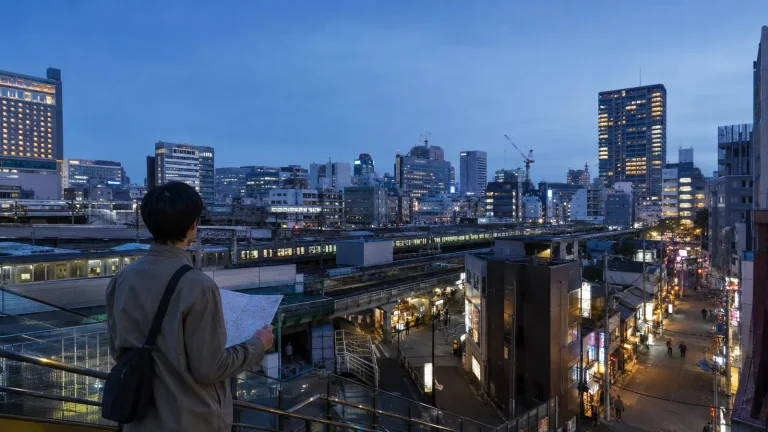
Visitors rarely need to memorize all 23 wards. A more useful mental map is a network of station-centered hubs joined by rail lines. One station may lead into department stores and office towers on one side, residential lanes and tiny bars on another. The station is not merely transport between neighborhoods; it often helps create the neighborhood.
Use the Yamanote Line loop as a rough orientation tool, not as Tokyo’s border. Major first-trip hubs sit on or near it, while many rewarding areas lie west, east or beyond the loop. Administrative accuracy is useful when filling in an address. It is less useful when deciding where to spend a late afternoon.
The essential neighborhoods for a first trip
These districts show several versions of Tokyo without requiring specialist interests. They are popular because they carry real cultural, commercial or historical weight—not because every crowded place is automatically worthwhile.
Asakusa: temple streets and an early start
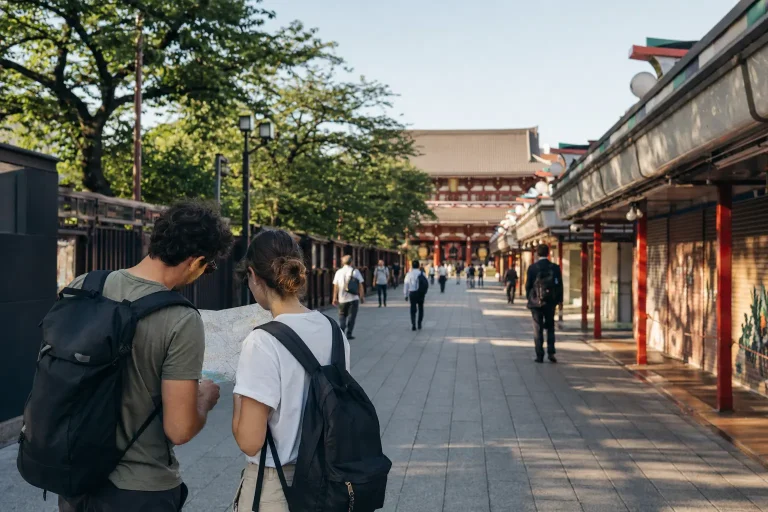
Asakusa centers on Senso-ji, Nakamise shopping street and the lanes running toward the Sumida River and Kappabashi. It is the clearest introduction to Tokyo’s shitamachi, the “low city” associated with the eastern commercial and working districts, though the modern visitor economy is plainly visible.
Go early for the temple grounds and return later only if shopping or evening illumination matters. The main approach becomes dense by midday, but side streets reveal restaurants, small theaters, kitchenware businesses and a neighborhood that exists beyond the red gate. Allow half a day, or combine it with Ueno rather than racing across Tokyo.
Best for: first mornings, Buddhist architecture, kitchenware and river walks.
Skip or shorten it if: temple districts elsewhere in Japan are the trip’s main priority and Tokyo time is very limited.
Ueno: museums, market lanes and public space
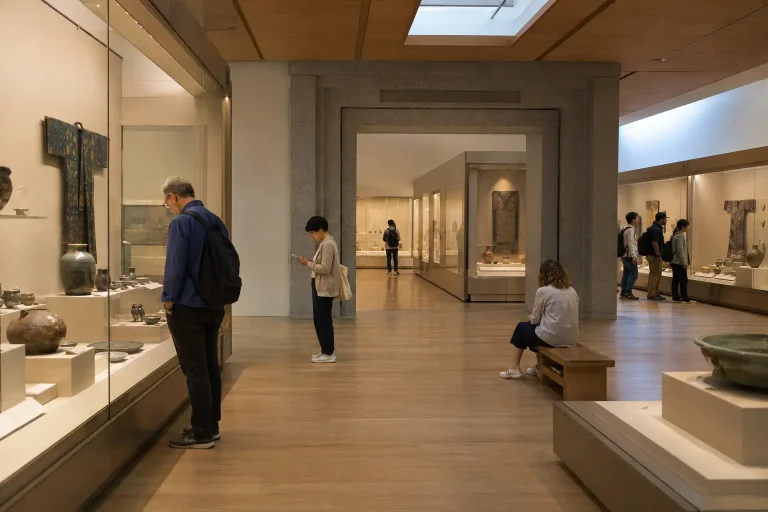
Ueno changes character within a few minutes’ walk. Ueno Park contains major museums, religious sites and broad pedestrian space; south of the station, Ameyoko compresses food stalls, discount goods, restaurants and railway noise under and beside the tracks.
The area works best with one anchor. Choose Tokyo National Museum or another Ueno institution for a museum day, then use the market and park as contrast. Trying to complete the zoo, three museums, Ameyoko and Yanaka in one visit produces more ticket stubs than understanding.
Best for: Japanese art, science, market energy and a rainy day.
Pair with: Yanaka to the north or Akihabara to the south, depending on the desired pace.
Shibuya: more than the crossing
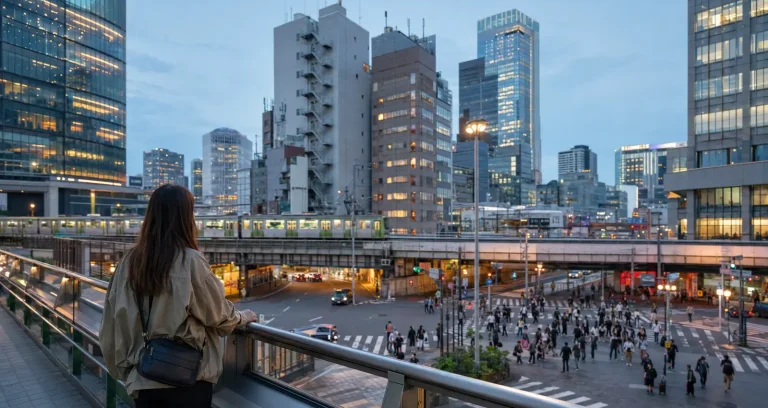
Shibuya Crossing lasts a few minutes; the neighborhood can occupy a day. Vertical shopping complexes, music and fashion businesses, small clubs, offices and redevelopment projects meet around one of Tokyo’s most complicated stations. The district’s cultural influence comes from how young people, brands and media use it, not simply from pedestrian volume.
Visit from mid-afternoon into evening. Choose one retail or cultural interest, walk the hill streets rather than staying at the crossing, and reserve a skyline view only if weather and timing justify it. Shibuya becomes exhausting when every building is treated as a separate attraction.
Best for: contemporary fashion, records, design goods, people-watching and a first big-city evening.
Main friction: station exits, crowds and the temptation to queue for several viral foods in succession.
Harajuku and Omotesando: youth culture beside architectural polish
Harajuku is not one aesthetic. Takeshita Street concentrates youth-oriented retail, sweets and fast trend cycles. Cat Street and the back lanes move toward streetwear and smaller shops. Omotesando adds luxury brands and notable commercial architecture, while Meiji Jingu’s forested approach changes the scale again.
Start at the shrine in the morning, then choose the retail layer that actually fits. Takeshita Street can be culturally revealing even when it is not personally appealing; it shows how a district packages and renews youth identity. Staying there for three hours out of obligation is less revealing.
Best for: fashion subcultures, architecture, Meiji Jingu and selective shopping.
Pair with: Shibuya on foot or one short train ride.
Shinjuku: Tokyo at maximum scale
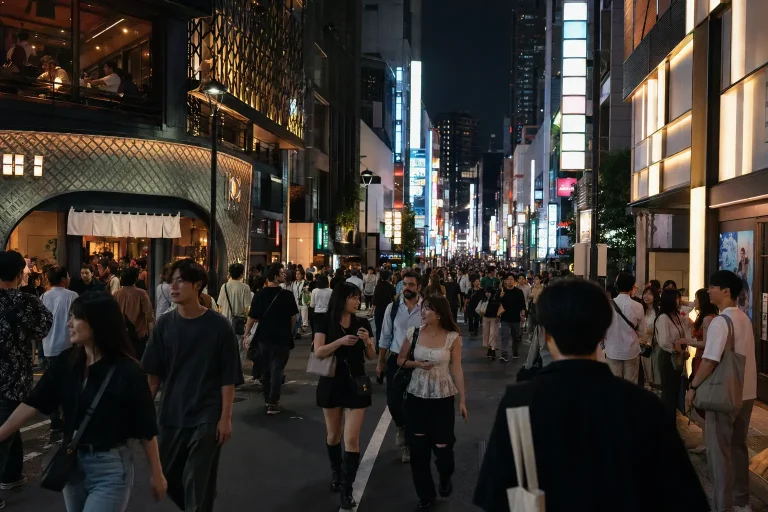
Shinjuku is several districts sharing a station name. The west side has office towers and the Tokyo Metropolitan Government complex; the east has large retail, Kabukicho and dense entertainment streets; the south side opens into newer commercial development and major transport connections.
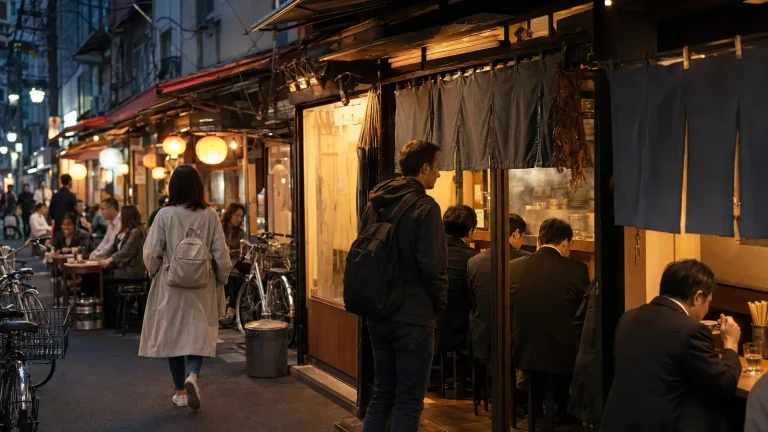
Go in late afternoon and stay into evening. Choose a side before exiting the station, then let dinner or nightlife determine the route. Omoide Yokocho and Golden Gai are atmospheric but small, busy and commercially famous; neither represents every local night out.
Best for: city views, department stores, photography and varied nightlife.
Main friction: the station. “Meet at Shinjuku” is not yet a complete plan.
Ginza and Marunouchi: formal Tokyo, design and department stores
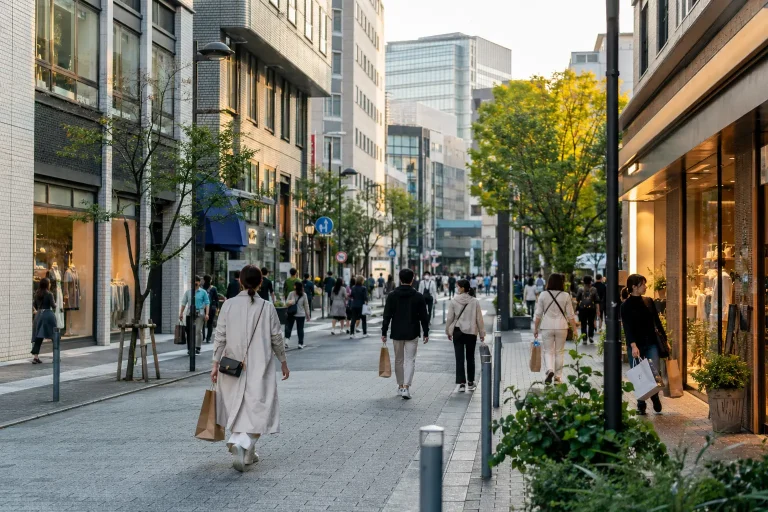
Ginza’s grid contains luxury flagships, galleries, stationery, traditional businesses and department stores whose basement food halls are more accessible than their marble entrances suggest. Marunouchi, around the west side of Tokyo Station, presents office towers, restored brick architecture and a polished business center facing the Imperial Palace.
These areas work well together from late morning into evening. Browse with a category in mind—architecture, food, stationery, fashion or galleries—then cross toward Tokyo Station. Weekend pedestrian arrangements may change Ginza’s street experience, while shops generally open later than temples or markets.
Best for: commercial architecture, Japanese retail culture, food halls and a central-city walk.
Pair with: Tsukiji early, Nihonbashi later or the Imperial Palace outer grounds.
Neighborhoods that reward a slower half-day
The next areas are not “secret Tokyo.” Residents, domestic visitors and plenty of international travelers know them. Their value comes from a clearer scale and a more specific reason to visit, not from the flattering idea that discovery begins when an English-language guide arrives.
Yanesen: low-rise streets with living history
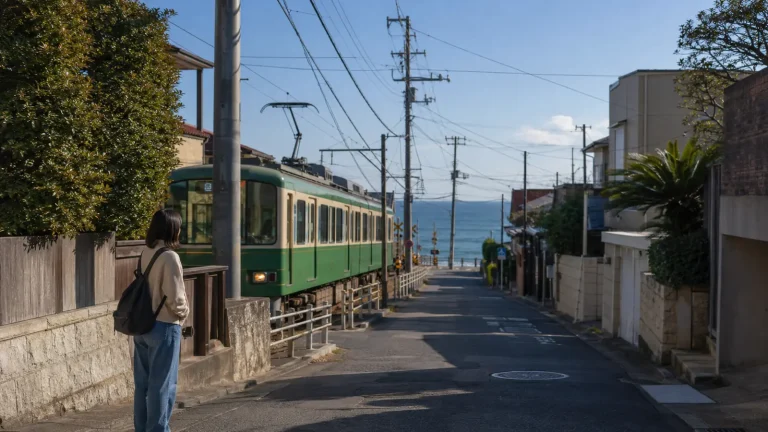
Yanesen is a convenient collective name for Yanaka, Nezu and Sendagi. The area retained more prewar urban fabric than many central districts, but it is not a museum village. Houses, schools, cemeteries, workshops, cafés and small shops continue to serve daily life.
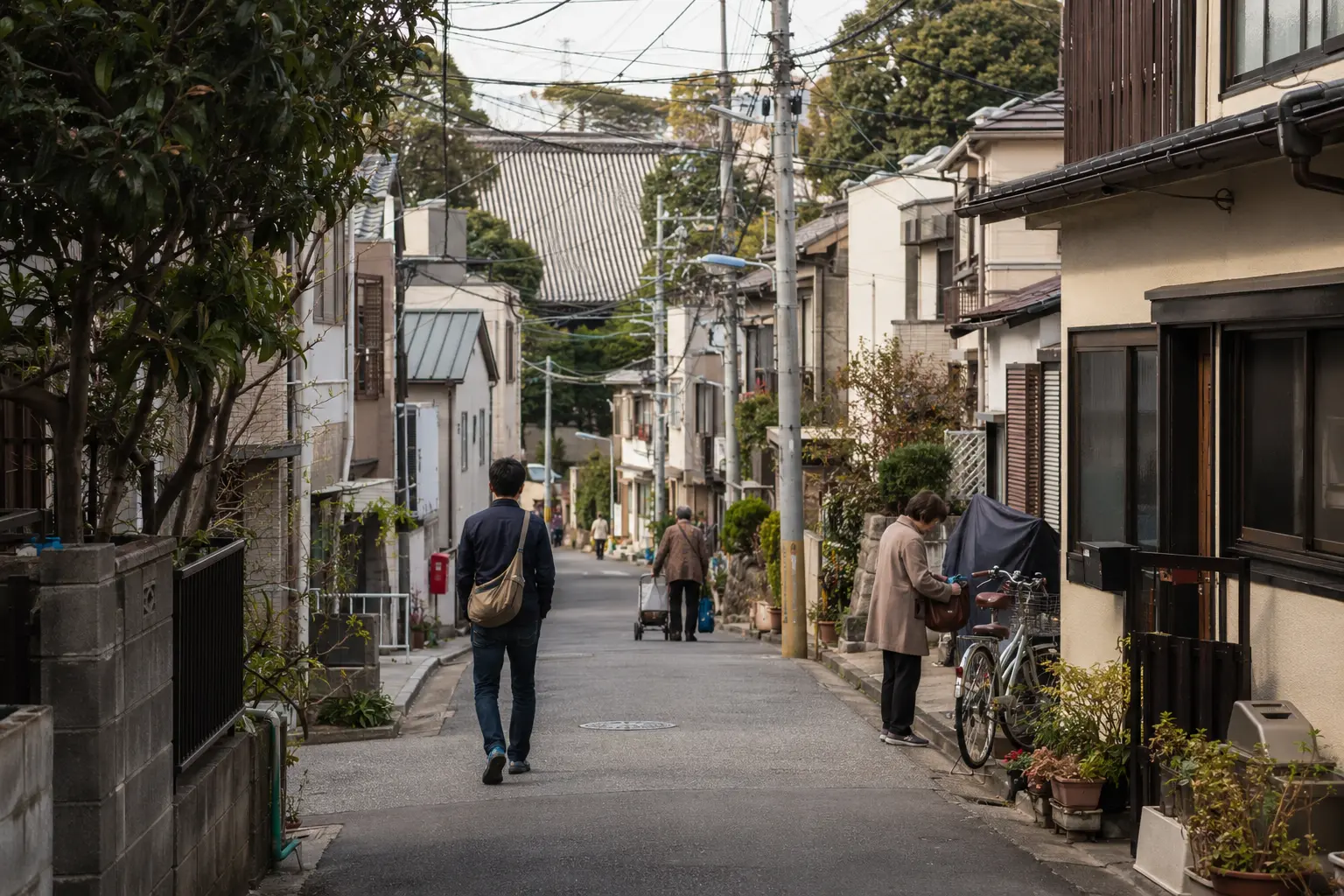
Start near Nippori for Yanaka Cemetery and the slope toward Yanaka Ginza, or begin at Nezu Shrine and work through residential lanes. Walk quietly, keep cameras away from private homes and allow shops to open at their own pace. The pleasure lies in transitions: temple walls give way to a bakery, then a narrow house garden, then a busy local shopping street.
Best for: walking, small shops, temples and a calmer morning or afternoon.
Main friction: many businesses open late or close on different weekdays; wandering is the activity, not a backup.
Kiyosumi-Shirakawa: contemporary art, coffee and canals
Kiyosumi-Shirakawa combines the Museum of Contemporary Art Tokyo, Kiyosumi Gardens, warehouse conversions, coffee roasters and low-rise streets crossed by canals. Its current reputation for coffee is real, but the neighborhood is more interesting when the cafés support a museum-and-walk day rather than become a caffeine scavenger hunt.
Visit the museum after checking the current exhibition, then choose the garden or a canal route. The neighborhood’s industrial and logistics history helps explain the larger spaces that later attracted creative businesses.
Best for: contemporary art, designed gardens, coffee and a quieter east-side day.
Pair with: Monzen-Nakacho or Kuramae, not a west-Tokyo night scheduled 20 minutes later.
Koenji: music, secondhand shops and small venues
Koenji, west of Shinjuku on the Chuo Line, is associated with live music, secondhand clothing, record shops, bars and shotengai shopping streets. Its appeal is distributed across small businesses rather than gathered in one landmark.
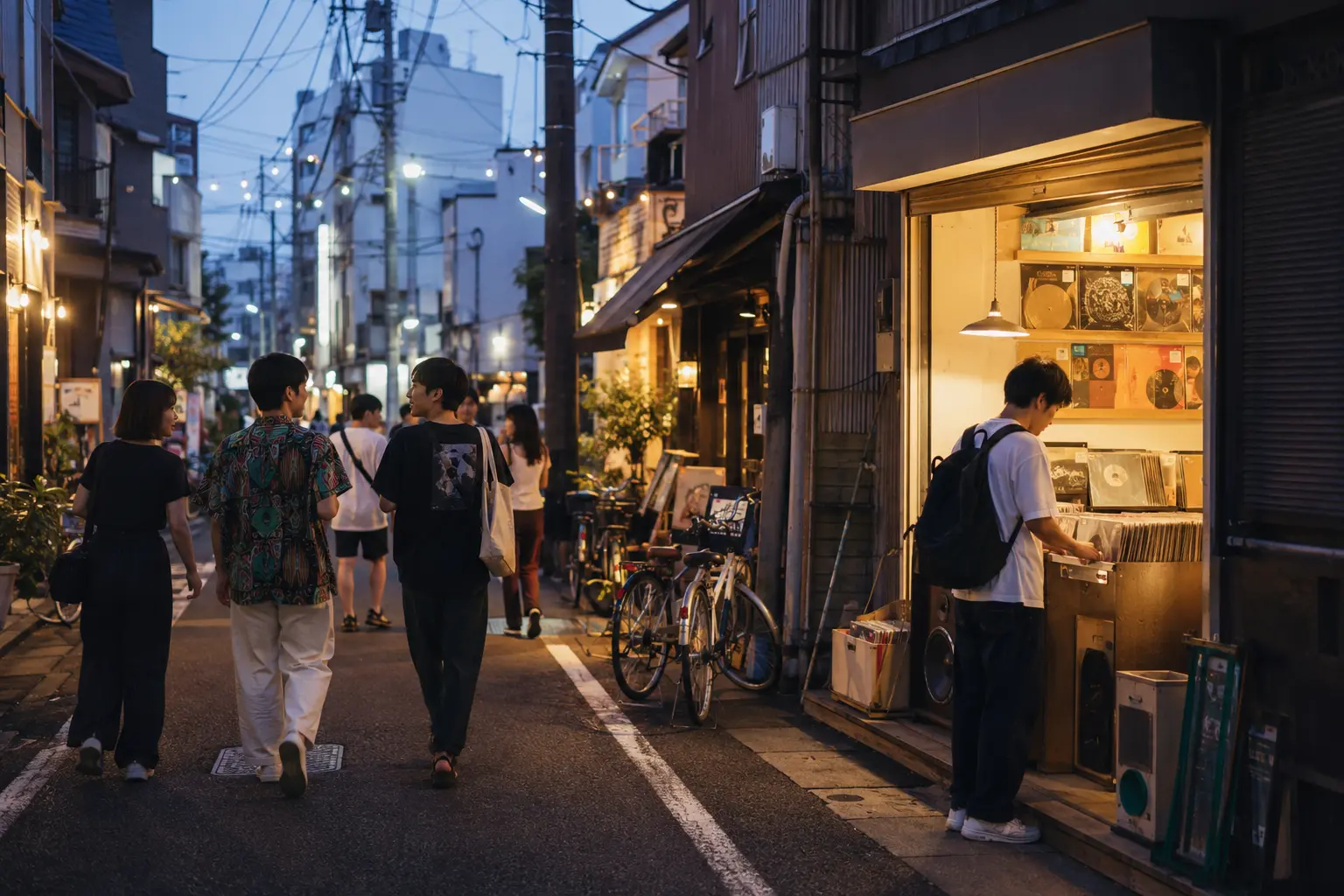
Arrive in mid-afternoon for shops and stay into evening for food or music. Check venue schedules directly; a “live house” may host punk, indie rock, experimental music or a private event, and turning up based on the general reputation of the neighborhood guarantees nothing.
Best for: records, vintage clothing, compact nightlife and travelers who prefer small venues to entertainment complexes.
Main friction: hours vary, and the most interesting evening requires at least a little advance research.
Kichijoji: a complete neighborhood day
Kichijoji combines major shopping streets, small lanes, department stores, food, Inokashira Park and access toward the Ghibli Museum. It feels less like a visitor district and more like a highly desirable urban center that happens to offer plenty for visitors.
Use the park as a break rather than the sole purpose, browse the streets north and south of the station, and reserve the Ghibli Museum separately if that is the anchor. A ticket cannot be purchased at the museum, and its absence should change the day rather than ruin it.
Best for: a balanced day of park, shopping, food and western Tokyo life.
Pair with: the Ghibli Museum, Mitaka or a relaxed evening near the station.
Interest-led districts worth choosing deliberately
Akihabara: pop culture and electronics by category
Akihabara is strongest when the visitor names an interest: retro games, current electronics, model kits, manga, arcades, audio equipment or a particular collectible. Without that filter, several tall stores merge into one fluorescent memory.
Go from late afternoon into evening for the district’s visual energy, but compare prices and secondhand grades before buying. Electronics may have voltage, warranty or language limitations outside Japan. Themed cafés require separate judgment; novelty and comfort are not the same.
Best for: specialist shopping, gaming and anime culture.
Pair with: Ueno, Kanda or an east-side itinerary.
Shimokitazawa: vintage retail and an increasingly polished creative district
Shimokitazawa’s rail redevelopment changed the area, adding new commercial and public spaces while the surrounding streets retained vintage stores, theaters, live venues, cafés and bars. It is often described as bohemian, a label broad enough to hide how commercial and popular it has become.
Visit after lunch when shops are open, then stay for a performance or dinner. Vintage quality and price range widely, so shoppers should browse several stores before deciding. The neighborhood is compact enough to wander without a checklist.
Best for: secondhand fashion, theater, music and café stops.
Pair with: Shibuya only if the day still has energy; otherwise let Shimokitazawa own the evening.
Nakameguro and Daikanyama: design-minded walking
Nakameguro’s canal, boutiques and restaurants connect well with Daikanyama’s bookstores, fashion and quieter residential-commercial streets. Cherry blossom season transforms the canal into a major crowd event; outside that period, the area is easier to read as a well-designed, affluent part of everyday Tokyo.
Begin in Daikanyama, walk toward the canal, and choose one meal or shopping objective. The district rewards attention to buildings, small gardens and store design more than a list of major sights.
Best for: architecture, bookstores, fashion and a slower date-like afternoon.
Main friction: during peak blossom days, the famous view arrives with a volume of people often cropped out of photographs.
How to combine Tokyo districts without wasting the day
Group areas along a logical axis. Asakusa, Ueno and Akihabara can form an east-side day. Meiji Jingu, Harajuku and Shibuya form a west-side sequence. Tsukiji, Ginza, Marunouchi and Tokyo Station connect through central Tokyo. Koenji, Kichijoji and Nakano belong to a western rail corridor, though all three in one day may still be too much.
Do not pair neighborhoods only because a map shows a short straight line. Rail transfers, station size, opening hours and the desired time of day matter. Shinjuku makes more sense after dark; Yanesen works better while temples, shops and residential streets are active; a museum district needs the exhibition calendar.
Use one anchor per half-day. The anchor might be Senso-ji early, a museum in Ueno, a reserved Shibuya view, a Ghibli ticket or an evening performance in Koenji. Everything else should be nearby and expendable. This is how a neighborhood guide becomes an itinerary instead of a collection of nouns.
How many Tokyo neighborhoods should you visit?
For a three-day trip, choose one eastern cluster, one western cluster and one central or interest-led day. In five days, add a slower neighborhood and one specialist district. A week allows returns, which are often more revealing than adding a 14th area.
Do not measure success by ward count. Tokyo’s character changes block by block, but noticing that change requires time on foot, a meal without a deadline and at least one wrong turn that does not threaten the next reservation.
The best Tokyo neighborhoods are not ranked in a stable top 12. They answer different questions. Asakusa explains an older commercial and religious center; Shibuya shows culture being packaged and renewed; Marunouchi displays institutional confidence; Yanesen and Koenji reveal how smaller streets carry daily life. Choose the questions that interest you, then give each area enough time to answer.
Frequently Asked Questions
What are the best Tokyo neighborhoods for a first visit?
Asakusa for temple streets and early mornings, Ueno for museums and older commercial Tokyo, Shibuya and Harajuku for fashion and youth culture, Shinjuku for big-city scale after dark, and Ginza and Marunouchi for design and department stores.
Is Tokyo one city or many neighborhoods?
Tokyo is a metropolis and prefecture rather than one conventional city with a single downtown. Its central urban area includes 23 special wards, each functioning much like its own municipality, with district names and ward names often overlapping.