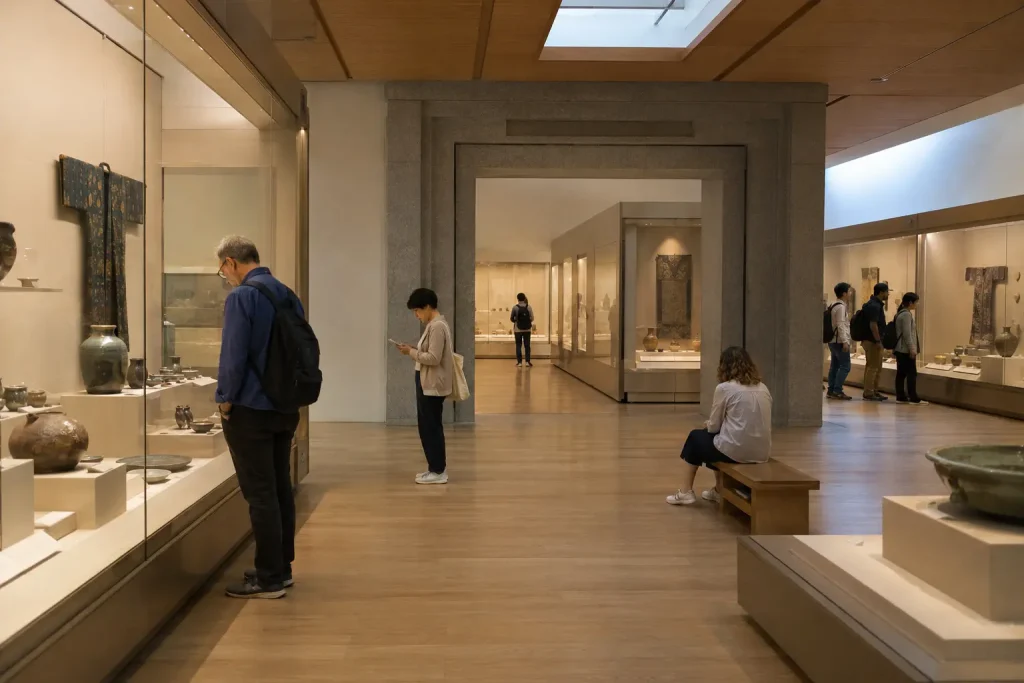
Almost nobody should try to do more than two Tokyo museums in a day. The collections are scattered across four clusters, most close one day a week, and the two that people travel specifically for — the Ghibli Museum and teamLab — sell timed tickets that dictate the rest of the schedule. Pick by what you actually want to look at, then build the day around it.
If you only have room for one, the Tokyo National Museum is the safest choice for Japanese art and material history. Choose the Edo-Tokyo Museum — reopened on March 31, 2026 after four years of renovation — for how the city itself was built and lived in. Nezu pairs a serious Asian art collection with the best museum garden in Tokyo, Miraikan is the one that works with restless kids, and the Ghibli Museum only happens if you bought a dated ticket weeks ago.
The best museums in Tokyo at a glance
Every museum name links to its full entry, with hours, address, admission and official site. “Time to allow” assumes you are looking, not speed-walking.
| Museum | Best for | What you’ll actually see | Time | The catch |
|---|---|---|---|---|
| Tokyo National Museum | First-time visitors; anyone who wants one museum to explain Japan | Japanese art and archaeology, plus Asian art in the Toyokan | 2–3 hrs | Closed Mondays. Too big to finish — do the Honkan and stop |
| National Museum of Nature and Science | Families with school-age kids; anyone burned out on art | Dinosaurs, whales, and the natural history of Japan | 2–3 hrs | Closed Mondays. Competes for the same Ueno hours as the National Museum |
| Edo-Tokyo Museum | Teenagers, reluctant museumgoers, city-history readers | Full-scale reconstructions of Edo and early-modern Tokyo | 2–3 hrs | Closed Mondays. Newly reopened, so expect weekend crowds through 2026 |
| Sumida Hokusai Museum | Anyone who came to Japan partly because of The Great Wave | Hokusai’s working method, in his own neighborhood | 1–1.5 hrs | Small, and originals rotate — the print you pictured may not be up |
| The Japanese Sword Museum | Visitors specifically chasing samurai material culture | Blades, fittings and armor shown as craft | 1 hr | Closed Mondays and between exhibitions. Rewards some prior knowledge |
| Nezu Museum | Travelers who want art and a garden in the same visit | Premodern Japanese and Asian art, plus a wooded garden | 1.5–2 hrs | Closed Mondays and during installations. Timed tickets, cheaper online |
| Tokyo Metropolitan Teien Art Museum | Design and architecture travelers | A 1933 Art Deco house used as the gallery | 1.5 hrs | Closed Mondays. The building is the point; the shows vary in appeal |
| The National Museum of Modern Art, Tokyo | Anyone curious how Japan painted its own twentieth century | Japan’s own twentieth century, in paint and photographs | 2 hrs | Closed Mondays. Quiet, because nothing else brings foot traffic past it |
| Mori Art Museum | Contemporary art travelers; evening schedules | Rotating contemporary shows on the 53rd floor | 1.5–2 hrs | Closed Tuesdays. Check the current show first; the city-view ticket is separate |
| The National Art Center, Tokyo | Visitors who like buildings as much as exhibitions | Kurokawa’s glass atrium, wrapped around touring exhibitions | 1.5–2 hrs | Closed Tuesdays. No permanent collection at all |
| Museum of Contemporary Art Tokyo | People who want a whole contemporary-art day, not a stop | The city’s largest contemporary collection | 2.5–3 hrs | Closed Mondays. Far east of the center — build the day around it |
| Tokyo Photographic Art Museum | Photographers; anyone wanting one focused hour | Three floors of rotating photography | 1–1.5 hrs | Exhibitions are ticketed individually, so cost scales with how many you see |
| Ota Memorial Museum of Art | Ukiyo-e travelers with an hour in Harajuku | Ukiyo-e in small themed rotations | 1 hr | Closed Mondays plus irregular days between exhibitions. Check before walking over |
| Miraikan | Families with kids roughly 6–14 | Hands-on science, robotics and the Geo-Cosmos globe | 2–3 hrs | Closed Tuesdays. On Odaiba, so the trip out is part of the cost |
| Ghibli Museum, Mitaka | Animation fans who plan ahead by months | Miyazaki’s own building, and a film screened nowhere else | 2 hrs | Date- and time-specified tickets only, on a fixed monthly release. No walk-ups, ever |
| teamLab Borderless & teamLab Planets | Photographers, couples, anyone who wants spectacle over scholarship | Room-scale digital art that responds to you | 2–3 hrs each | Timed tickets required. At Planets you go barefoot and water can reach knee height |
| Ad Museum Tokyo | Designers, copywriters, travelers on a rainy afternoon | Japanese advertising read as social history | 1 hr | Free, but a short window: afternoons only, Tuesday to Saturday |
Ueno Park: the cluster that does the most work
Ueno Park holds more first-rank museums within walking distance of each other than anywhere else in Japan — the two below plus the National Museum of Western Art and the Tokyo Metropolitan Art Museum. Attempting all four is how people end up remembering none of them. It is also a natural anchor for a day in Tokyo’s northeast neighborhoods.
Tokyo National Museum
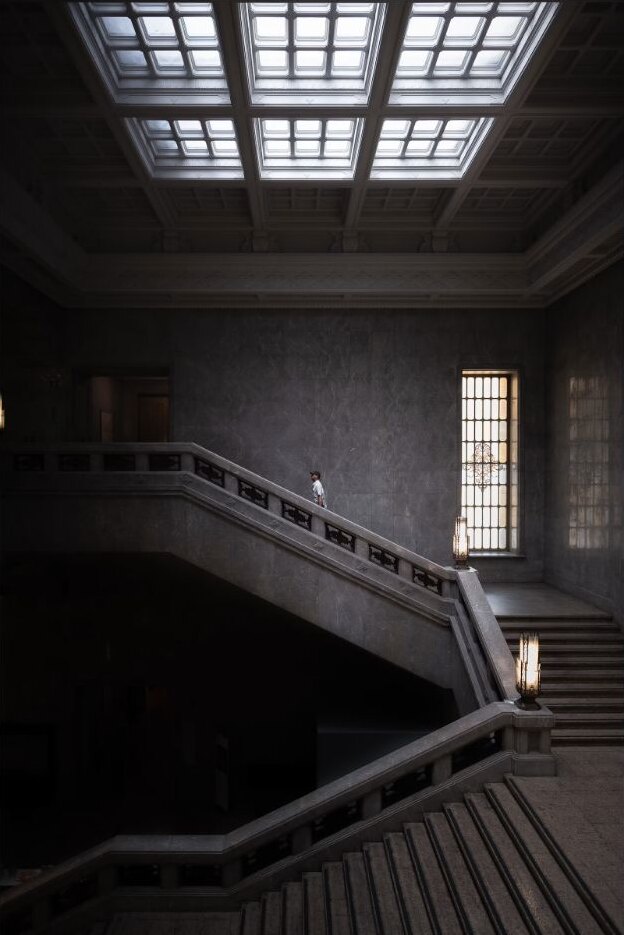
The museum exists because of a world’s fair. In the spring of 1872 the new Meiji government gathered imperial treasures at the Yushima Seido to decide what Japan should send to Vienna the following year, and the exhibition it mounted never really closed. A hundred and fifty years later the collection runs to roughly 120,000 objects, including 89 National Treasures — the largest concentration in the country.
Prioritize the Honkan. Josiah Conder’s original was wrecked by the 1923 earthquake, and Jin Watanabe’s replacement, finished in 1938, is the building most people picture: a Western structure wearing a Japanese roof, a compromise that reads as a whole architectural argument about the 1930s. Inside, the permanent galleries move chronologically through Buddhist sculpture, ceramics, textiles, swords and armor, screen painting and ukiyo-e, labeled in English throughout.
The Toyokan next door covers Asian art more broadly, and the Gallery of Hōryū-ji Treasures — Yoshio Taniguchi, 1999 — holds seventh-century bronzes in near-darkness. Most visitors skip it. A few never forget it.
- Theme
- Japanese art and archaeology; Asian art in the Toyokan; Horyuji temple treasures
- Hours
- 9:30–17:00; to 20:00 Fri, Sat and some Sun (last entry 30 min before closing)
- Closed
- Mondays; Dec 26–31
- Admission
- Regular exhibition ¥1,000 adults, ¥500 university students; free under 18 and 70+. Special exhibitions ticketed separately but include same-day entry to the permanent galleries
- Address
- 13-9 Ueno Park, Taito-ku, Tokyo 110-8712
- Nearest station
- 10 min walk from JR Ueno or Uguisudani Station
- Official site
- tnm.jp/?lang=en
Restaurants in the Toyokan and the Horyuji gallery are closed for renovation, reopening in stages through autumn 2026.
National Museum of Nature and Science
Founded in 1877 and rebuilt after the Great Kanto earthquake, the 1931 Japan Gallery is worth noticing before you go in: Kenzo Akitani laid it out in the shape of an airplane, visible only from above, which is either civic optimism or an architect amusing himself. Behind it, the Global Gallery runs the history of life on earth across six floors.
The collection is enormous — more than five million specimens, of which about 14,000 are on display — but two of them are why Japanese families come. Hachikō, the Akita who waited at Shibuya Station for a decade after his owner died, is here, taxidermied and smaller than the statue suggests. So are Taro and Jiro, the sled dogs left behind in Antarctica in 1958 and found alive a year later, a story every Japanese schoolchild knows and almost no American visitor does.
Everything else is dinosaurs, whale skeletons and a life-size blue whale outside. This is the Ueno museum to choose when someone in the group has had enough of hanging scrolls.
- Theme
- Natural history of Japan (Japan Gallery); evolution and the history of life on earth (Global Gallery)
- Hours
- 9:00–17:00 (last entry 30 min before closing)
- Closed
- Mondays, or the following Tuesday when Monday is a holiday; Dec 28–Jan 1
- Admission
- Permanent exhibition ¥630 adults and university students; free under 18 and 65+. Advance e-tickets available
- Address
- 7-20 Ueno Park, Taito-ku, Tokyo 110-8718
- Nearest station
- 5 min from JR Ueno Station (Park Exit); 10 min from Tokyo Metro Ueno
- Phone
- +81 50-5541-8600 (Hello Dial)
- Official site
- kahaku.go.jp/english
Ryogoku and Sumida: the city’s own history
Two stops from Akihabara, the Sumida side of the river holds the museums about Tokyo rather than about art in general. All three are within a short walk of Ryogoku Station, which makes this the most efficient half-day in the city — and all three close Mondays, so plan it for Tuesday through Sunday.
Edo-Tokyo Museum
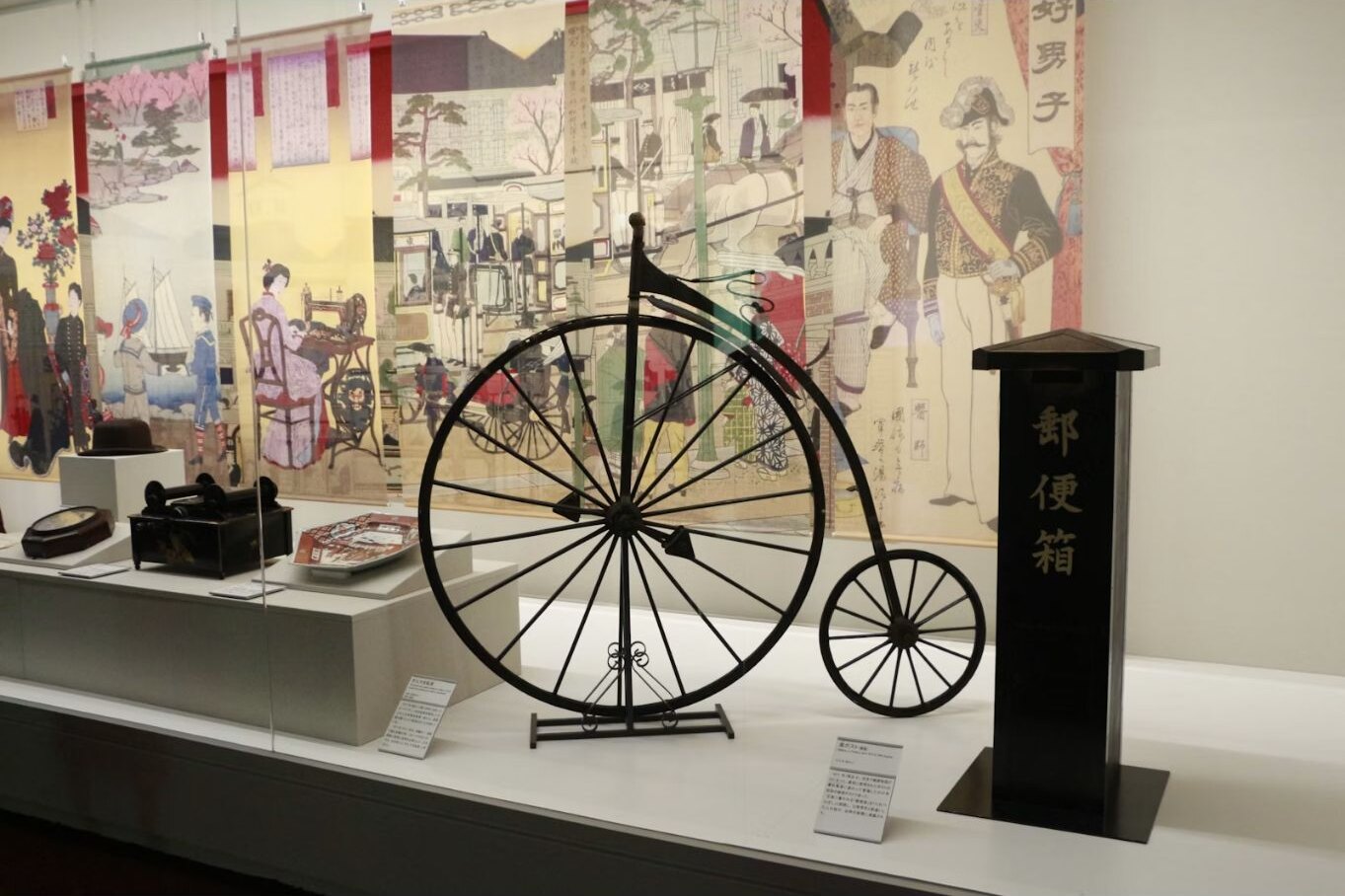
Kiyonori Kikutake’s 1993 building looks like nothing else in Tokyo: 62 meters of concrete raised on four legs, modeled on a takayuka rice storehouse and scaled up until it reads as a spacecraft parked beside the sumo stadium. It closed in April 2022 for renovation and reopened on March 31, 2026, which makes this the first year in four that the city’s own history museum has been available to visit.
The permanent exhibition is built at full scale rather than behind glass. You cross a replica of the Nihonbashi bridge, walk past the front of the Nakamura-za kabuki theater, and step into tenement rooms sized for the families who actually lived in them — which is the moment most visitors understand how densely Edo was packed. Around that, scale models carry the city through Meiji and Shōwa, including the 1923 earthquake and the 1945 firebombing.
It is the museum most likely to work on someone who does not think they like museums. It is also, for now, busy on weekends.
- Theme
- The social history of Edo and Tokyo, in an Edo Zone, a Tokyo Zone and a feature gallery
- Hours
- 9:30–17:30; to 19:30 Sat (last entry 30 min before closing)
- Closed
- Mondays, or the following day when a public holiday falls on Monday; New Year
- Admission
- Permanent exhibition ¥800. Cash and major cards accepted
- Address
- 1-4-1 Yokoami, Sumida-ku, Tokyo 130-0015
- Nearest station
- 1 min from Ryogoku Station (Toei Oedo Line, A3/A4); 3 min from JR Sobu Line west exit
- Phone
- +81 3-3626-9974
- Official site
- edo-tokyo-museum.or.jp/en
Sumida Hokusai Museum
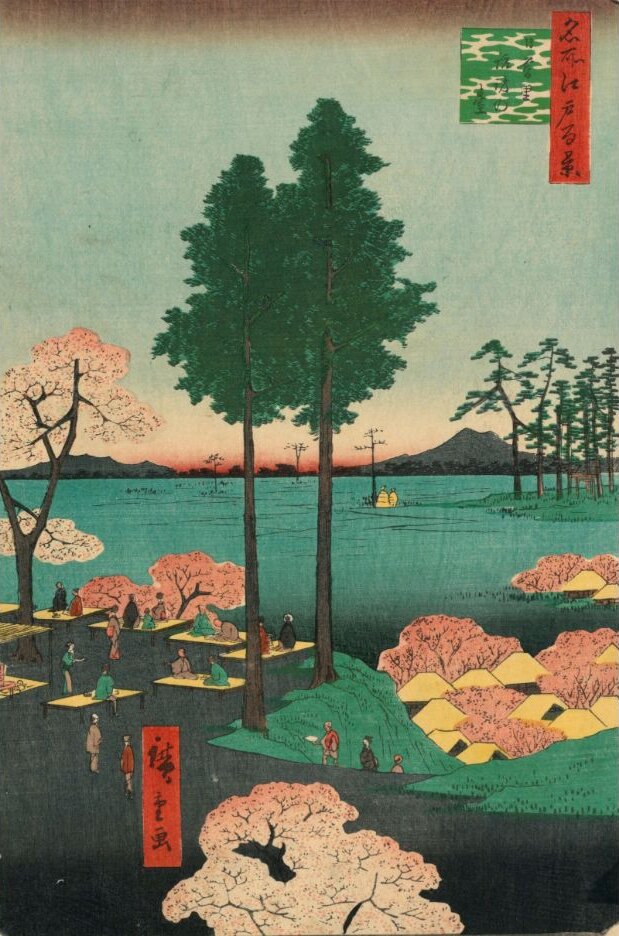
Hokusai was born in this neighborhood around 1760 and spent almost his entire ninety-year life within a short radius of where the museum stands — local tradition holds he once painted a folding screen at this exact site, then a daimyō’s residence. He is said to have moved house more than ninety times and changed his artist’s name some thirty times, which tells you something about how he worked: restlessly, and never quite satisfied.
Kazuyo Sejima’s 2016 building answers that with aluminum panels sliced by angled cuts, so the facade reflects a different slab of sky depending on where you stand. Inside, the permanent display uses high-resolution reproductions to walk through his career and technique — how a print was cut, proofed and pulled — with originals from a collection of more than 1,800 items rotating through.
That rotation matters. Woodblock prints fade permanently under light, so no museum keeps famous ukiyo-e up continuously. Come for how he worked, not for one image.
- Theme
- Hokusai’s career, techniques and Sumida connections
- Hours
- 9:30–17:30 (last entry 17:00)
- Closed
- Check the museum calendar
- Admission
- Permanent (AURORA) and special exhibitions ticketed separately — check current rates
- Address
- 2-7-2 Kamezawa, Sumida-ku, Tokyo 130-0014
- Nearest station
- Short walk from Ryogoku Station — easy to pair with Edo-Tokyo in one morning
- Official site
- hokusai-museum.jp/?lang=en
The Japanese Sword Museum
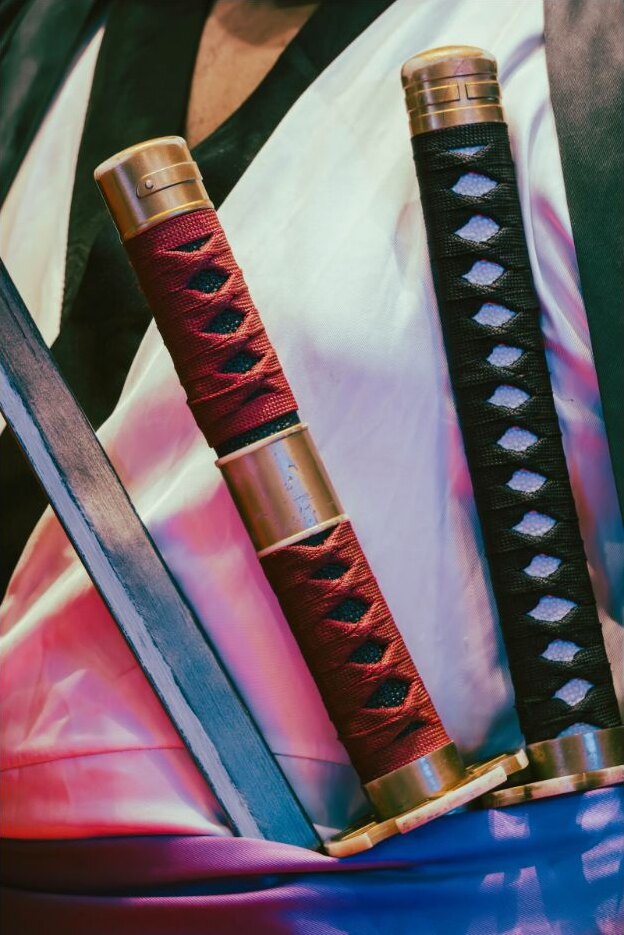
The society that runs this museum was founded in February 1948, for a specific and urgent reason: Occupation forces were confiscating swords as weapons, and tens of thousands of blades — some of them centuries old — were being destroyed or shipped away. The NBTHK formed to argue that a sword could be a cultural object rather than an armament, and to catalogue what survived.
That origin explains the display. About 190 items are held, weighted toward the Heian, Kamakura and Nanbokuchō periods, and they are lit and mounted as metallurgy: you are being shown the grain of the steel and the hardened edge line, not a weapon in a scabbard. Several are National Treasures or Important Cultural Properties.
The building, by Maki and Associates, opened in January 2018 on the grounds of the former Yasuda Garden. Be honest about the prerequisite — without some grounding in how a blade is forged, the cases can read as a long row of similar objects. With it, this is the most rewarding hour in Ryogoku.
- Theme
- Japanese swords, fittings and armor as metallurgy and craft
- Hours
- 9:30–17:00 (last entry 16:30)
- Closed
- Mondays (open when Monday is a holiday); exhibition changeovers; New Year
- Admission
- ¥1,000 adults
- Address
- 1-12-9 Yokoami, Sumida-ku, Tokyo 130-0015
- Nearest station
- 7 min from JR Ryogoku Station west exit
- Official site
- touken.or.jp/english
Art museums: where the collections and the buildings are
Tokyo’s art museums split into two kinds: those with a collection you can count on, and those that are exhibition halls where the current show is the entire proposition. Check what is on before choosing one of the latter.
Nezu Museum
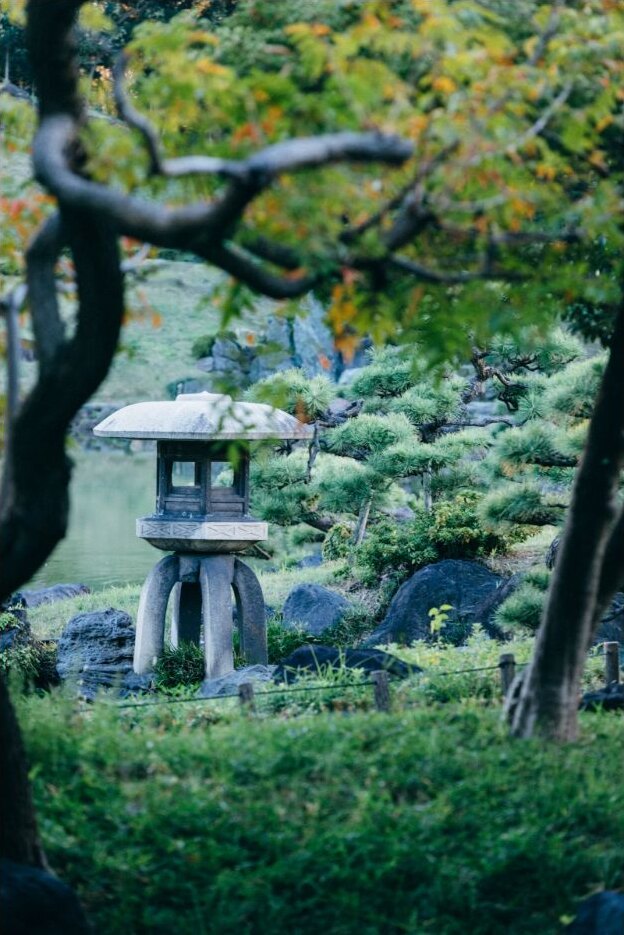
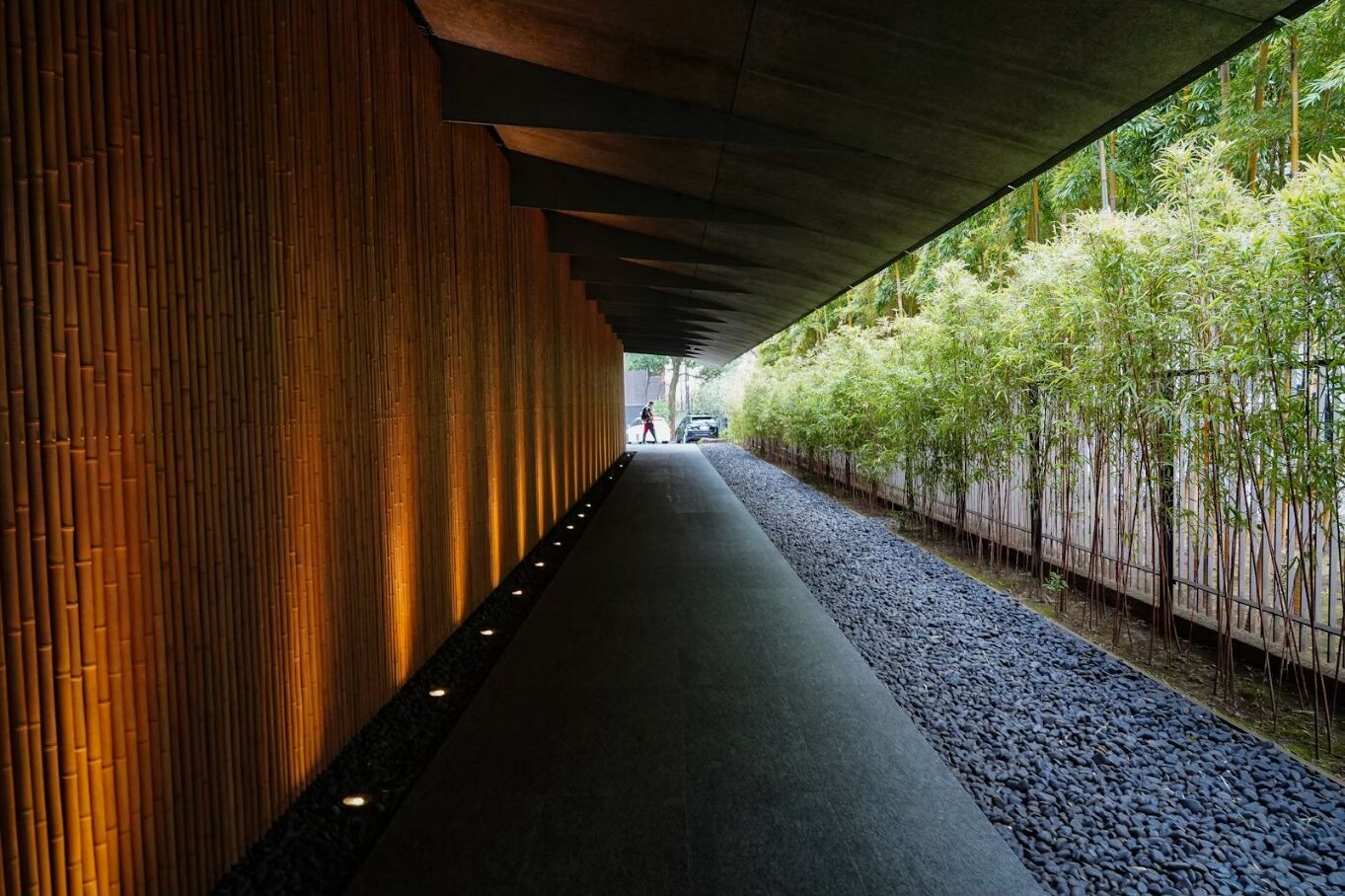
Nezu Kaichirō made his money in railways and spent a good part of it on premodern Japanese and East Asian art; when he died in 1940 his house became the museum, opening to the public the following year. The collection now runs past 7,400 objects and includes seven National Treasures, the best known being Ogata Kōrin’s Irises — a pair of gold-ground screens that the museum shows for a few weeks each April and May, timed to the irises flowering in its own garden. If that coincidence appeals to you, plan the trip around it.
Kengo Kuma rebuilt the museum in 2009, and the approach is the part people remember: a long bamboo-lined corridor under a deep eave that drains the noise of Omotesandō in about thirty seconds. Behind the galleries the ground falls away into a wooded garden with ponds, stone lanterns and teahouses.
Most visitors describe the garden, not the exhibition, months later. That is not a criticism of the exhibition.
- Theme
- Japanese and Asian premodern art; tea ceremony ceramics; a wooded garden with teahouses
- Hours
- 10:00–17:00 (entry closes 16:30)
- Closed
- Mondays — Tuesday instead when Monday is a national holiday; exhibition installation periods; New Year
- Admission
- Collection exhibition ¥1,400 online / ¥1,600 at the door; special exhibitions from ¥1,600 online / ¥1,800 at the door. Timed entry required
- Address
- 6-5-1 Minami-Aoyama, Minato-ku, Tokyo 107-0062
- Nearest station
- 8 min from Omotesando Station exit A5
- Phone
- +81 3-3400-2536
- Official site
- nezu-muse.or.jp/en
Tokyo Metropolitan Teien Art Museum
Prince Asaka Yasuhiko was in Paris in 1925, the year of the Exposition Internationale des Arts Décoratifs, and came home with firm views. The residence he commissioned was completed in 1933: Gondō Yukichi of the Imperial Household Ministry handled the architecture, but the interiors are Henri Rapin’s and the glass — a relief door panel, light fittings, a perfume tower — is René Lalique’s. It is the most complete Art Deco interior in Japan, and it was built as somebody’s house.
The family lived here until 1947. After the war the building served as the prime minister’s official residence, then as a state guest house, before opening as a museum in 1983 and gaining a Hiroshi Sugimoto-designed annex in 2014.
Exhibitions rotate through the rooms, which produces an unusual effect: the show and the setting compete slightly for your attention, and the setting usually wins. Whether that is worth an afternoon depends almost entirely on whether interwar interiors interest you. If they do, few hours in Tokyo are better spent.
- Theme
- Art Deco interiors and rotating art exhibitions; Japanese and Western gardens
- Hours
- 10:00–18:00 (last entry 17:30)
- Closed
- Mondays — open when Monday is a national holiday, closing the next weekday; New Year
- Admission
- Varies by exhibition; a separate garden ticket is usually available
- Address
- 5-21-9 Shirokanedai, Minato-ku, Tokyo 108-0071
- Nearest station
- Shirokanedai Station
- Phone
- +81 3-3443-0201
- Official site
- teien-art-museum.ne.jp/en
The National Museum of Modern Art, Tokyo
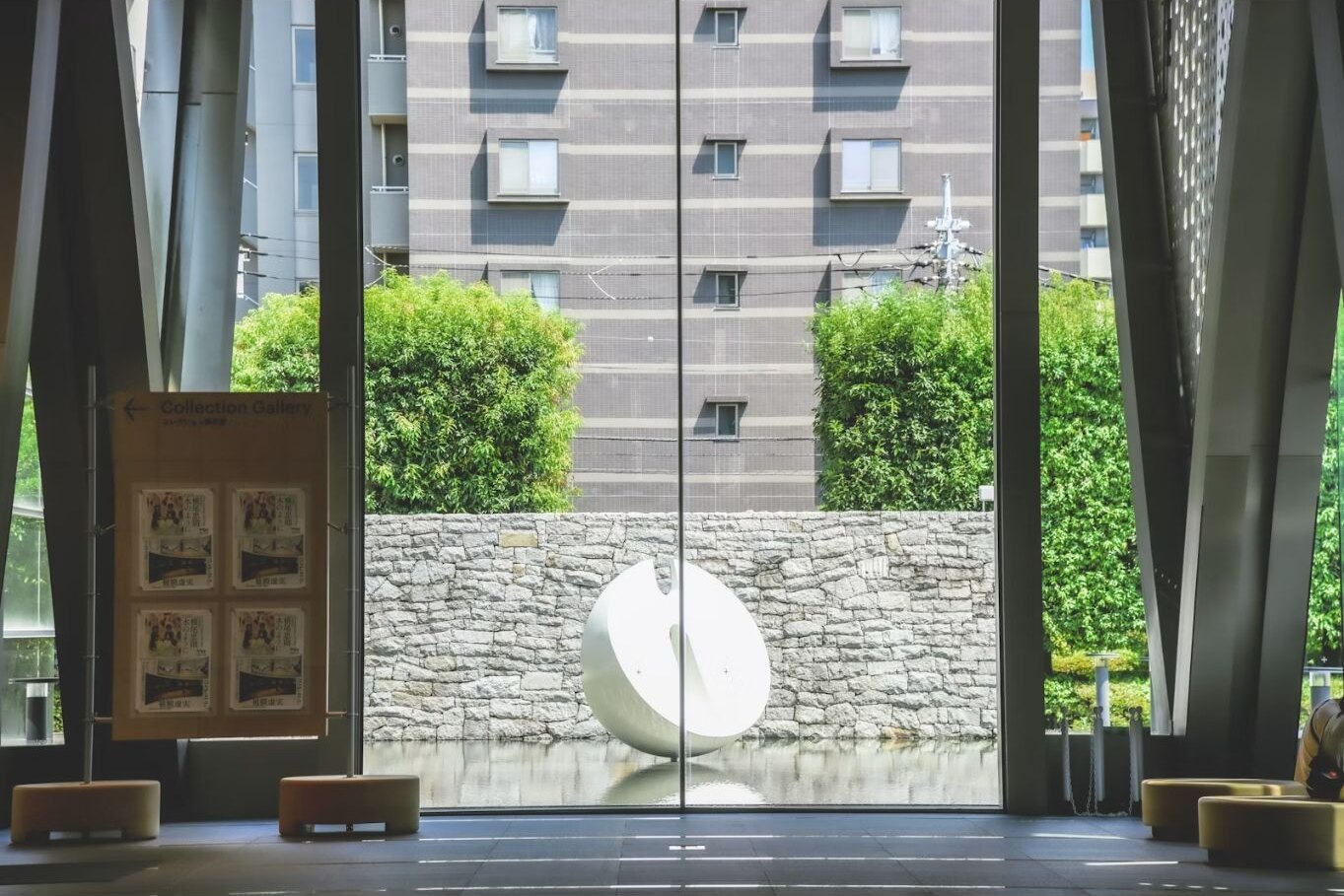
Japan’s first national art museum, founded in 1952 and rehoused in 1969 in a Yoshirō Taniguchi building beside the Imperial Palace moat. The collection galleries are the reason to come, and they are doing something more specific than “modern art”: they trace how Japanese painters absorbed, resisted and reworked Western modernism from the Meiji period onward, including the war-painting years that many surveys handle by skipping.
Among the holdings are roughly 8,000 ukiyo-e prints from the Matsukata collection and work by artists designated Living National Treasures. The Crafts Gallery that used to sit nearby moved to Kanazawa in 2020, so the ceramics and lacquer that once balanced the painting are largely gone from this site — worth knowing if that was your reason for coming.
It draws smaller crowds than the Roppongi museums, mostly because nothing else brings foot traffic past it. On a weekday afternoon you can have a room to yourself, which in central Tokyo is its own argument.
- Theme
- Modern and contemporary Japanese art; photography and craft
- Hours
- 10:00–17:00; to 20:00 Fri and Sat
- Closed
- Mondays — the following day when Monday is a holiday; exhibition changeovers; New Year
- Admission
- Collection galleries and special exhibitions ticketed separately
- Address
- 3-1 Kitanomaru Koen, Chiyoda-ku, Tokyo 102-8322
- Nearest station
- Kitanomaru Park, beside the Imperial Palace grounds
- Phone
- +81 50-5541-8600 (Hello Dial)
- Official site
- momat.go.jp/en
Mori Art Museum
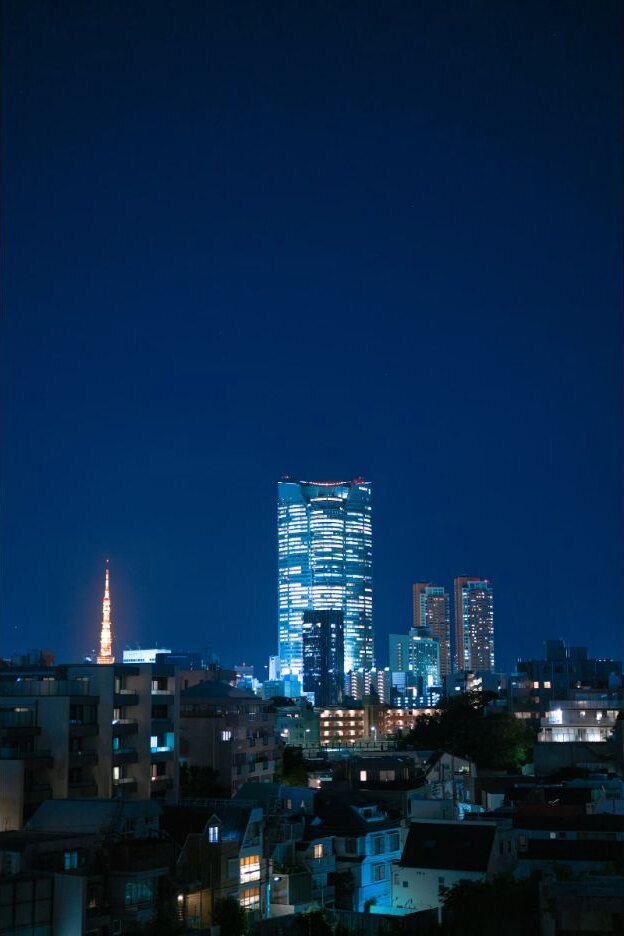
Mori Minoru built Roppongi Hills on the theory that culture belongs at the top of a city rather than at its edge, and in 2003 he put the museum on the 53rd floor to prove it. There is a small collection of around 460 works, but effectively none of it is on view: the museum runs large temporary exhibitions of international and Asian contemporary art, and the current show is the entire proposition.
So check what is on before you commit. The programming swings widely — a survey of Southeast Asian video art, a hyperreal sculpture retrospective, an architecture exhibition — and the hit rate depends less on the museum than on your own taste.
The compensation for that risk is the hours. Most days it stays open until 10:00 p.m., which makes it the one major museum in Tokyo that works as an evening plan after a full day of something else. The Tokyo City View deck is a separate ticket; decide before you queue, not at the counter.
- Theme
- International and Japanese contemporary art, in rotating exhibitions only
- Hours
- 10:00–22:00 most days (last entry 21:30); Tuesdays to 17:00
- Closed
- Tuesdays, with holiday exceptions
- Admission
- Roughly ¥2,100–¥2,500 depending on day and booking method. Tokyo City View is a separate ticket; combined tickets ¥4,100–¥4,300
- Address
- Roppongi Hills Mori Tower 53F, 6-10-1 Roppongi, Minato-ku, Tokyo
- Nearest station
- 3 min from Roppongi Station exit 1C, through the concourse
- Phone
- +81 3-5777-8600 (Hello Dial)
- Official site
- mori.art.museum/en
The National Art Center, Tokyo
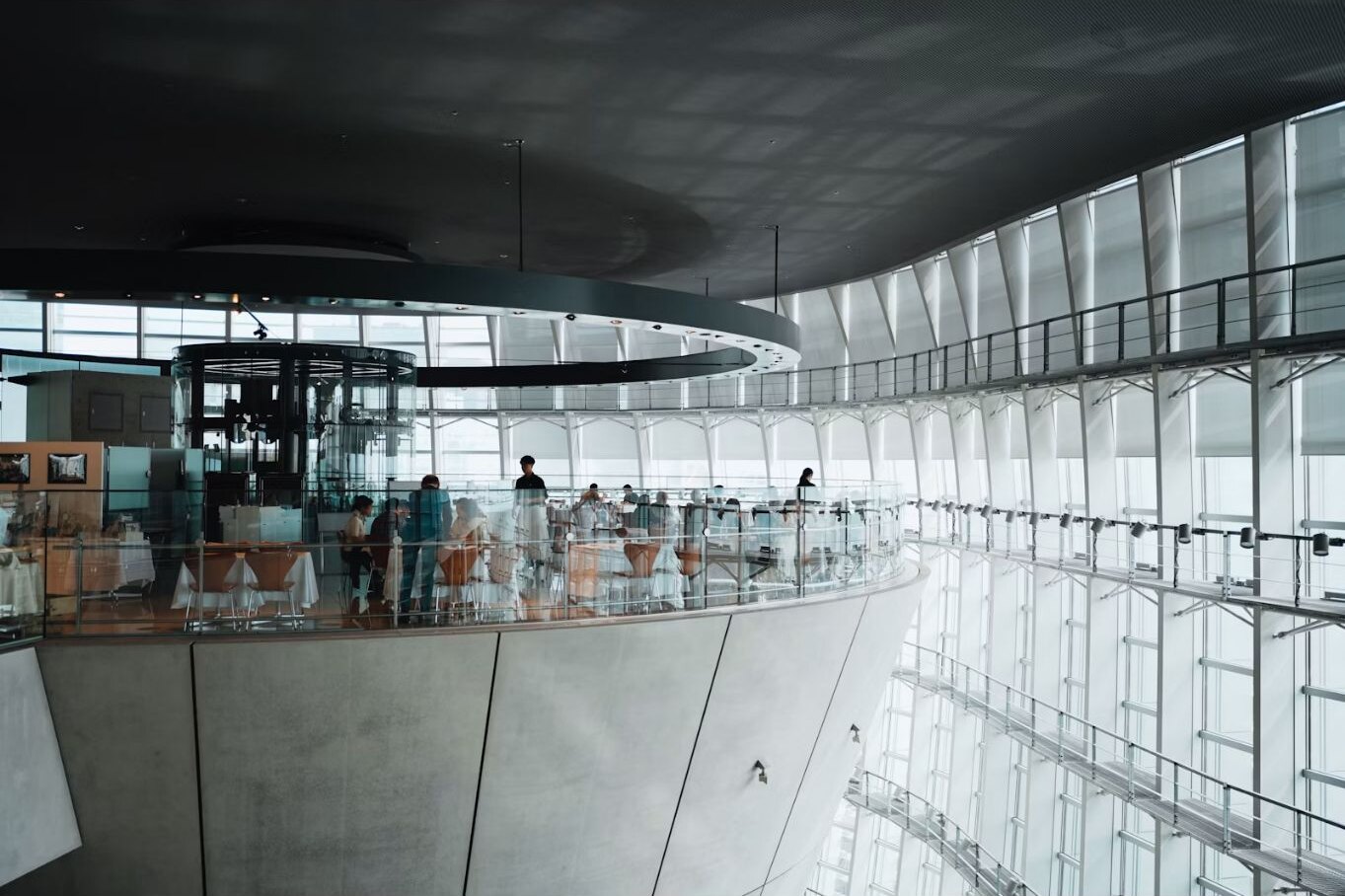
Kisho Kurokawa finished this in January 2007 and died in October of the same year, which makes it his last major work and something of a summation: a glass facade that ripples down the street like a curtain caught mid-movement, and two inverted concrete cones rising through a full-height atrium with cafés balanced on top. It went up on the former site of the University of Tokyo’s Institute of Industrial Science, and it was the first new national art museum Japan had built in thirty years.
It holds no collection at all — six halls of about 1,000 square meters each, rented out to touring exhibitions and the big annual artists’ societies. Technically it is an “art center,” not a museum, on the grounds that it owns nothing.
Which means the visit is a gamble on the schedule. The saving grace: walking into the building is free, so even on a day when nothing on the programme appeals, an hour here is a legitimate architecture stop.
- Theme
- Large touring and society exhibitions; the building itself
- Hours
- 10:00–18:00
- Closed
- Tuesdays, or the following day when a public holiday falls on Tuesday; New Year
- Admission
- Entry to the building is free; exhibitions ticketed individually
- Address
- 7-22-2 Roppongi, Minato-ku, Tokyo 106-8558
- Nearest station
- Directly connected to Nogizaka Station exit 6 (Chiyoda Line)
- Official site
- nact.jp/english
Museum of Contemporary Art Tokyo
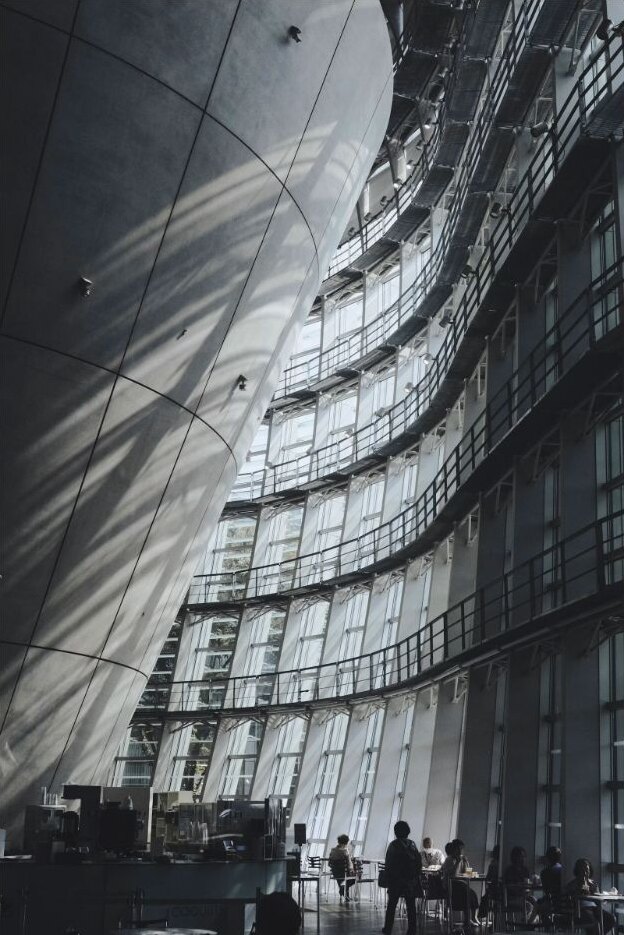
Opened in March 1995 in Kiba Park, in a part of Koto that spent centuries as Tokyo’s timber-yard district. Takahiko Yanagisawa’s building is deliberately oversized — long corridors, a hall tall enough for work no central Tokyo museum could take — and the collection behind it runs to roughly 5,700 pieces of postwar and contemporary art, Japanese and international, which is the largest holding of its kind in the city.
The trade is distance. This is forty minutes from most hotels and it does not work as a stop between two other things; it works as an afternoon.
The neighborhood repays that commitment. Kiyosumi Gardens, a Meiji-era stroll garden built by the founder of Mitsubishi, is a few minutes away for ¥150. The Fukagawa Edo Museum nearby reconstructs a single Edo block at full scale with volunteer guides who will explain it to you. And the surrounding streets hold the coffee roasters that gave Kiyosumi-shirakawa its reputation in the 2010s.
- Theme
- Postwar and contemporary art, Japanese and international
- Hours
- 10:00–18:00 (tickets sold until 30 min before closing)
- Closed
- Mondays with holiday exceptions; changeover periods in Aug, Jan and Feb; New Year
- Admission
- Special-exhibition and combined tickets include entry to the MOT Collection
- Address
- 4-1-1 Miyoshi, Koto-ku, Tokyo 135-0022
- Nearest station
- 3 min from Kiyosumi-shirakawa Station (Oedo and Hanzomon Lines)
- Phone
- +81 3-5245-4111
- Official site
- mot-art-museum.jp/en
Tokyo Photographic Art Museum
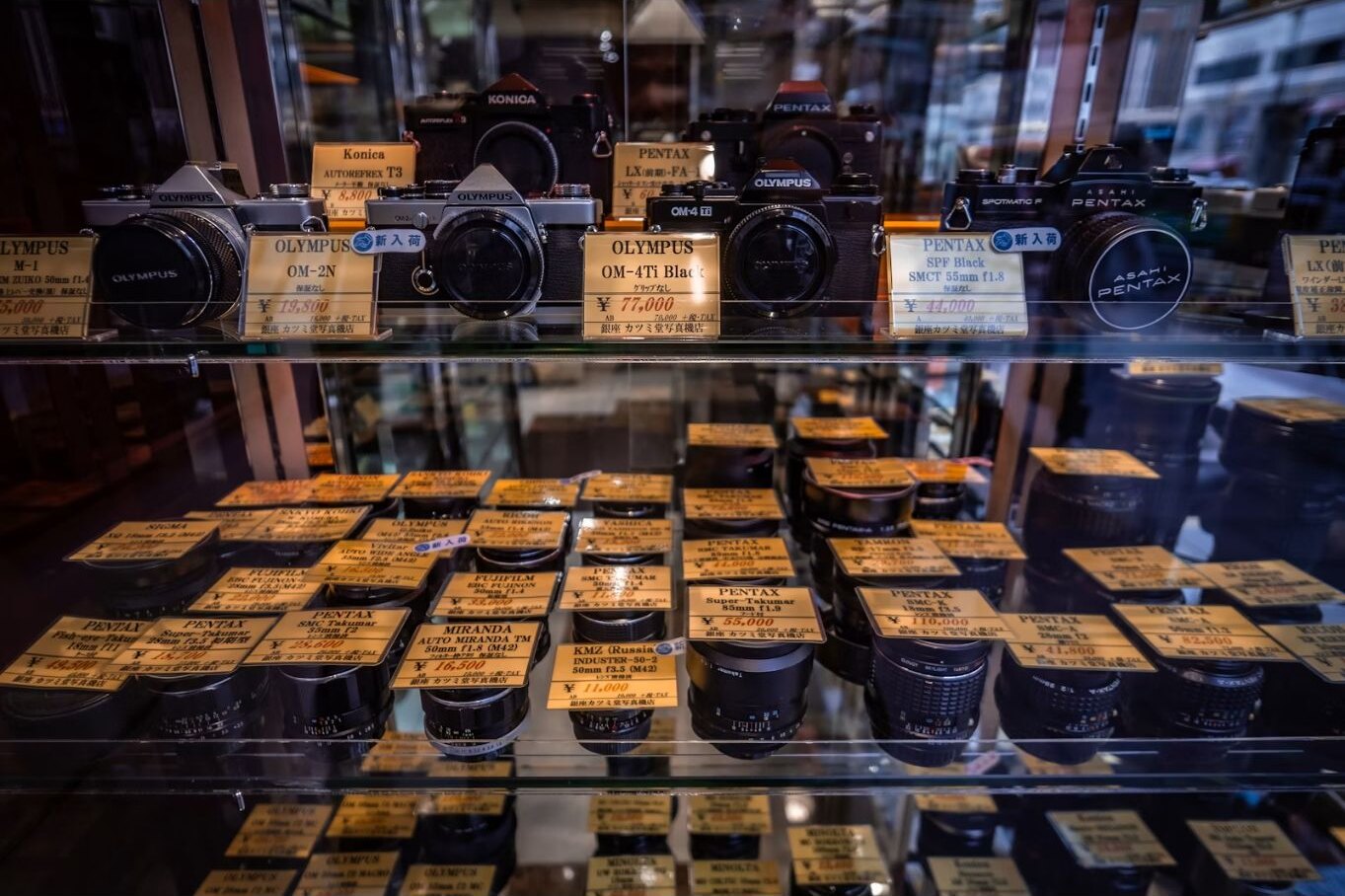
Tokyo’s dedicated photography museum opened in a temporary building in 1990 and moved into Yebisu Garden Place in 1995, when the Sapporo brewery that had occupied the site was redeveloped. At the time it was unusual in Japan for a photography gallery not to be devoted to a single photographer’s work — a small institutional fact that shaped what it does now.
Three floors run separate exhibitions simultaneously, drawn from a permanent collection that covers several hundred Japanese photographers alongside international work, plus a moving-image programme. Nothing is on permanent display, so the visit is entirely a question of what is hanging that month.
Practically, this is the most controllable museum on the list: because each exhibition is ticketed on its own, you can do one floor in an hour or all three in an afternoon and pay accordingly. It also sits close enough to Ebisu’s restaurants to slot in before dinner — which, for a traveler who wants one concentrated thing rather than a survey, is the whole appeal.
- Theme
- Photography and moving image, Japanese and international
- Hours
- 10:00–18:00
- Closed
- See the museum calendar
- Admission
- Each exhibition ticketed separately
- Address
- Ebisu Garden Place, 1-13-3 Mita, Meguro-ku, Tokyo 153-0062
- Nearest station
- Ebisu Station, then the moving walkway to Ebisu Garden Place
- Phone
- +81 3-3280-0099
- Official site
- topmuseum.jp/e
Ota Memorial Museum of Art
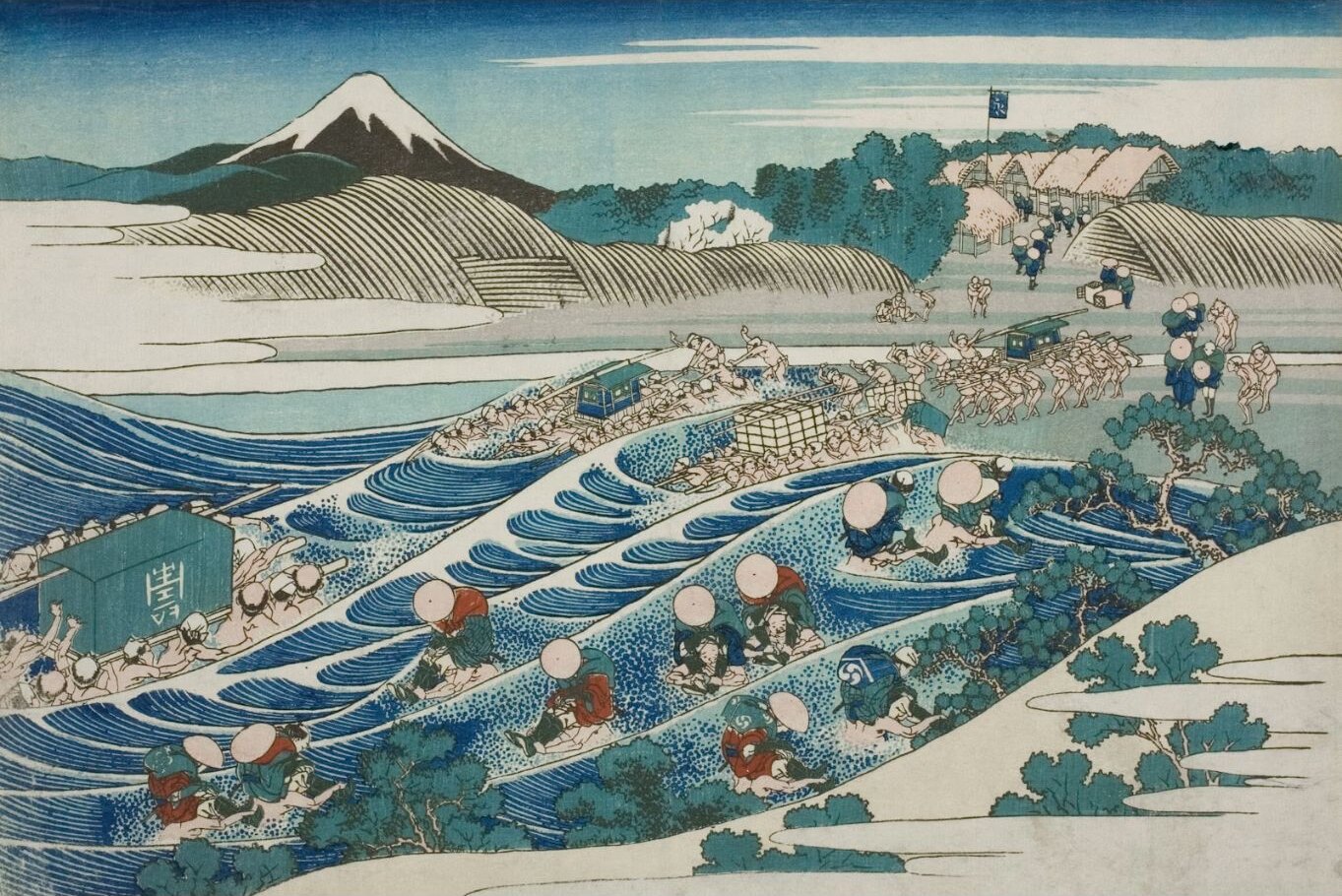
Ōta Seizō V ran an insurance company and understood early something that troubled him: ukiyo-e was more admired outside Japan than within it, and the best impressions were steadily leaving the country. He spent decades buying them back. The museum opened in January 1980 to house what he had assembled — around 12,000 sheets, covering ukiyo-e from its origins through every stage of its development.
Because prints fade, the display changes monthly around a new theme, which means repeat visitors see a genuinely different museum each time and first-timers see whatever the curators are thinking about in September. Masterworks appear in rotation rather than on permanent view.
The building is small and the visit is short, and that is the point. It sits a few minutes off Takeshita Street, and the contrast is abrupt: you leave the densest teenage shopping crowd in Asia and arrive in two quiet rooms where people are looking closely at paper. It is the calmest place in Harajuku by a wide margin.
- Theme
- Ukiyo-e prints and paintings, in rotating themed exhibitions
- Hours
- 10:30–17:30 (last entry 17:00)
- Closed
- Mondays except national holidays; exhibition changeover days
- Admission
- Varies by exhibition
- Address
- 1-10-10 Jingumae, Shibuya-ku, Tokyo 150-0001
- Nearest station
- 3 min from Meiji-Jingumae Station exit 5; 5 min from JR Harajuku Station
- Phone
- +81 3-3403-0880
- Official site
- ukiyoe-ota-muse.jp/eng
For families, for animation fans, and for spectacle
These four run on their own logic. Two of them sell timed tickets that will dictate the rest of your day, so book them before anything else and build around the slot — including, for the Ghibli Museum, treating Mitaka as one of the shorter day trips from Tokyo.
Miraikan
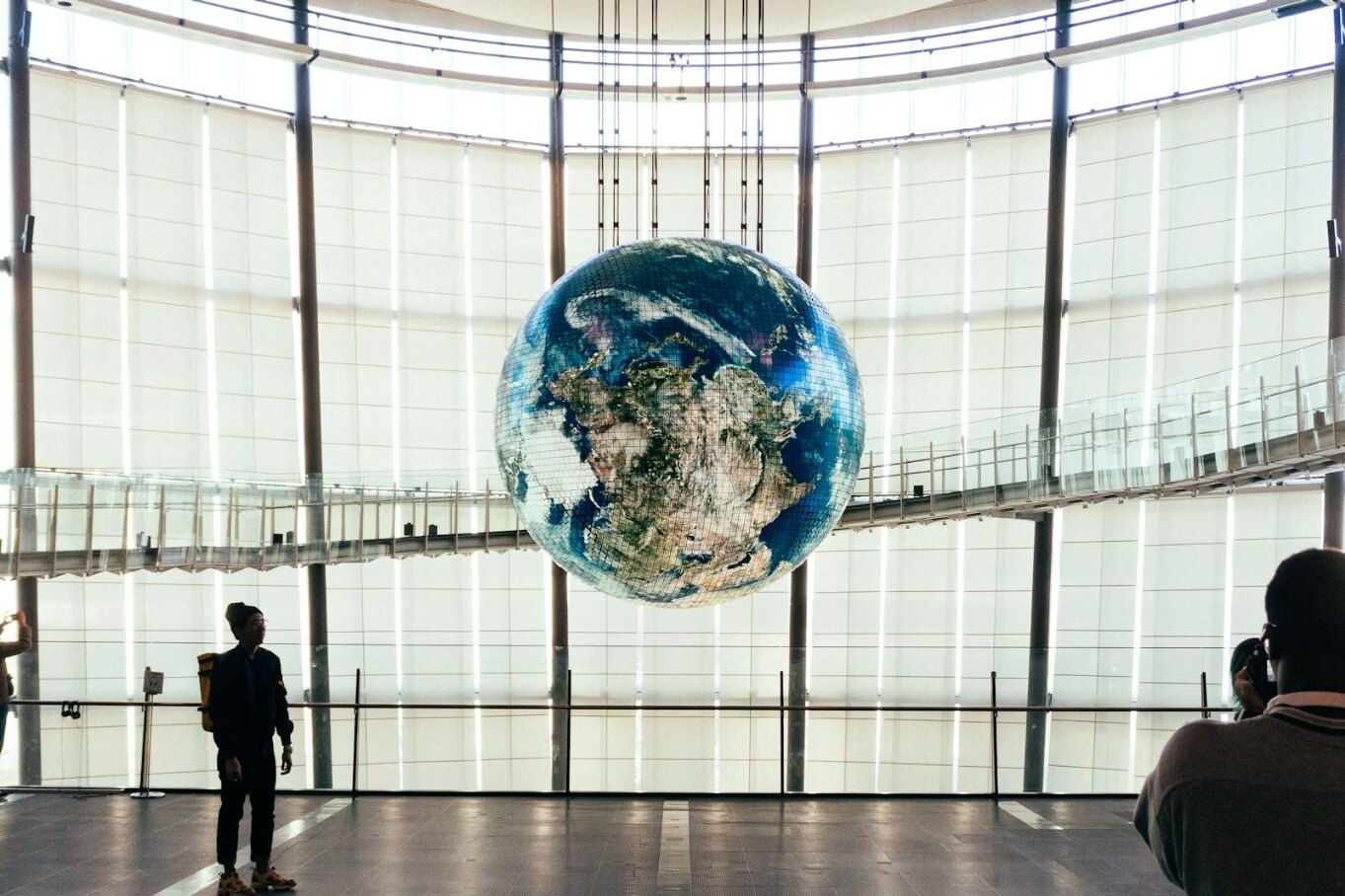
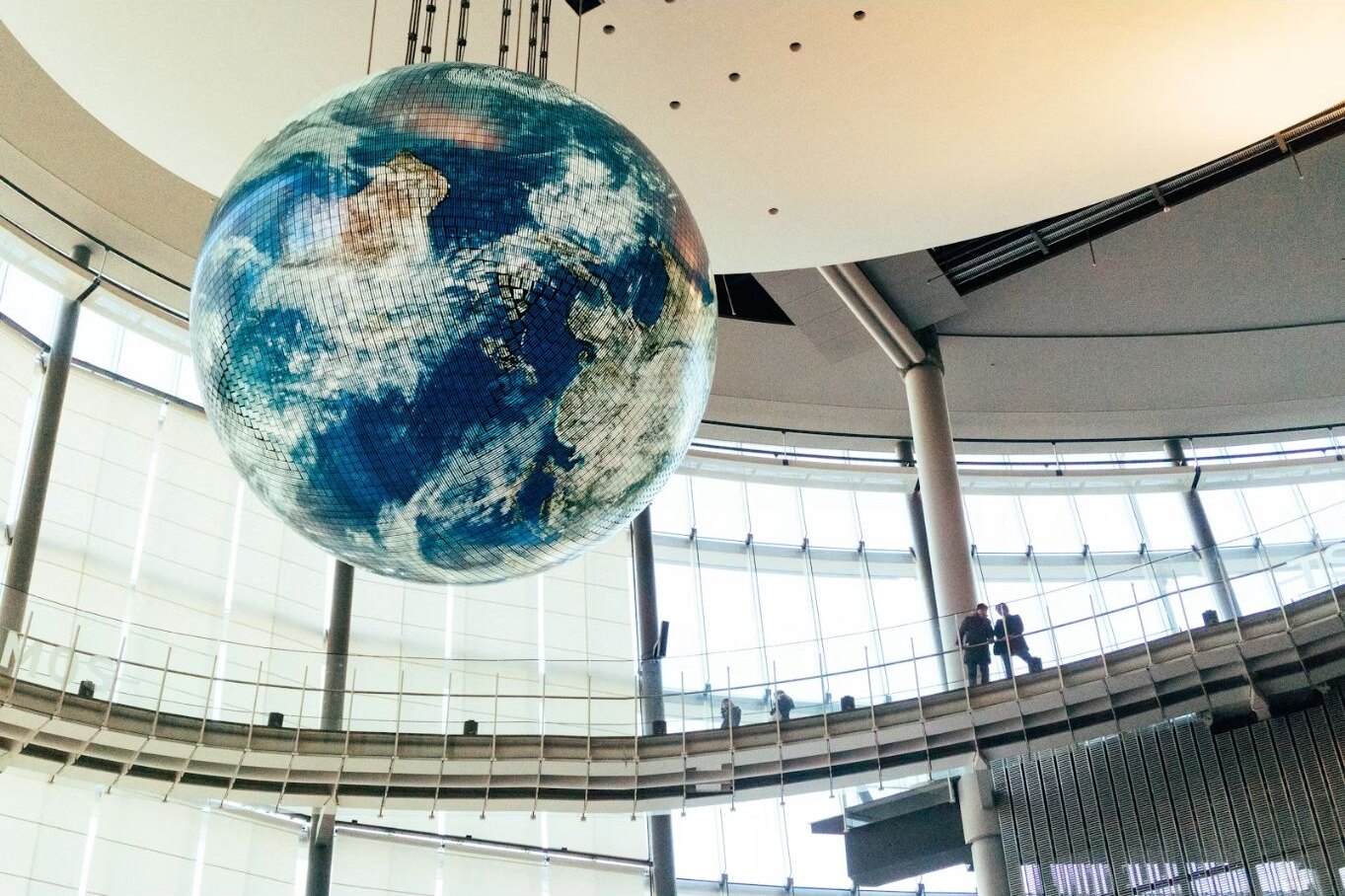
Mamoru Mohri, Japan’s first astronaut to fly on the Space Shuttle, opened Miraikan in 2001 with an idea shaped by what he had seen from orbit: a museum about the earth as a single system rather than a cabinet of scientific curiosities. The Geo-Cosmos hanging through the atrium is the literal form of that — a globe of LED panels showing the planet at more than ten million pixels, updated with real weather and ocean data, which children lie on the floor beneath and adults circle from the ramps.
The rest is hands-on: robotics, materials, disaster science, biology explained through things you push and turn. ASIMO’s demonstrations ended in March 2022, so do not promise a child the walking robot; the humanoid and android exhibits that replaced it are stranger and arguably more interesting.
It is the most reliable choice in Tokyo for children roughly six to fourteen. The cost is the journey — Odaiba is a deliberate trip, not a detour — and adults consistently stay longer than they planned.
- Theme
- Emerging science, robotics, space and environment; the Geo-Cosmos
- Hours
- 10:00–17:00
- Closed
- Tuesdays, open when Tuesday is a national holiday; Dec 28–Jan 1
- Admission
- Tickets can be bought up to a week ahead — worth doing in school holidays. Some timed programs and the dome theater have separate conditions
- Address
- 2-3-6 Aomi, Koto-ku, Tokyo
- Nearest station
- 5 min from Tokyo International Cruise Terminal Station; 4 min from Telecom Center; 15 min from Tokyo Teleport
- Phone
- +81 3-3570-9151
- Official site
- miraikan.jst.go.jp/en
Ghibli Museum, Mitaka
Miyazaki Hayao designed this himself, and he designed it the way he designs films — in storyboards, with the Italian hill village of Calcata somewhere in mind. It opened on October 1, 2001. There is no set route, on purpose; the museum’s own slogan is “let’s get lost together,” and the spiral staircases, interior bridges and balconies are arranged to make efficiency impossible.
The rooms explain how animation actually works, from zoetropes to layered background painting. In the basement, the Saturn Theater screens Ghibli short films made for this building and shown nowhere else — around a dozen rotate, including Mei and the Kittenbus — in a room Miyazaki specified with automatic shades that open slowly so small children are not frightened. Upstairs there is a stuffed Catbus for under-twelves, and on the roof a five-meter copper robot from Castle in the Sky.
Photography is banned inside. That sounds like a restriction and functions as a gift: for two hours nobody is composing a shot.
- Theme
- The craft of animation; Studio Ghibli’s working method; an exclusive short film
- Hours
- 10:00–18:00
- Closed
- Tuesdays and other scheduled days
- Admission
- ¥1,000 (19+), ¥700 (13–18), ¥400 (7–12), ¥100 (4–6), free under 4. Date- and time-specified tickets only, none sold at the museum. Lawson Ticket: 10:00 a.m. JST on the 10th of each month for the following month. JTB agents overseas: the 1st of the month for entry three months later. Resale prohibited
- Address
- 1-1-83 Shimorenjaku, Mitaka-shi, Tokyo
- Nearest station
- 15 min walk from Mitaka Station south exit, or the community bus (¥210 one way)
- Official site
- ghibli-museum.jp/en
teamLab Borderless & teamLab Planets
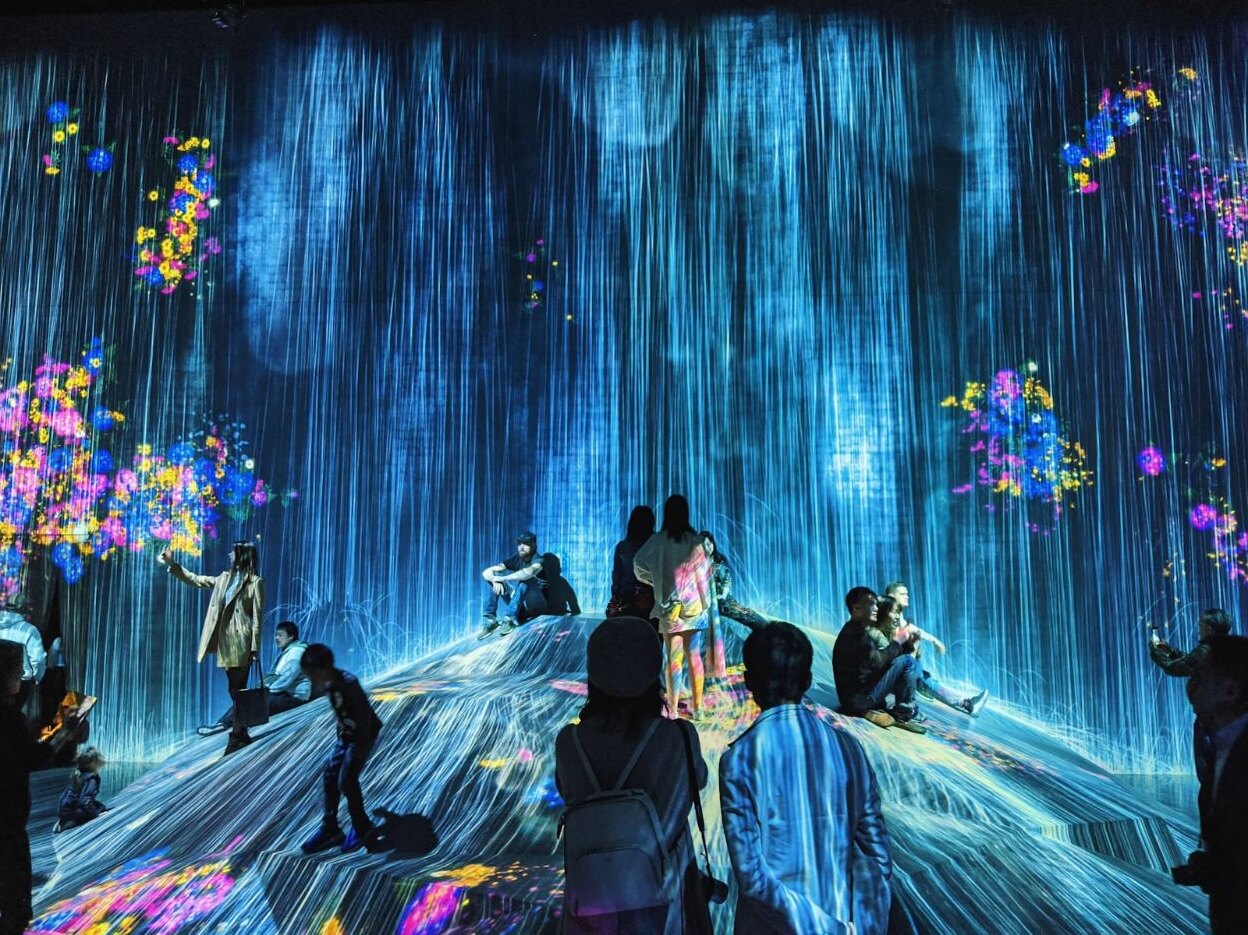
teamLab began in 1998 as a group of University of Tokyo engineering students and now describes itself as a collective of “ultratechnologists” — programmers, animators, mathematicians and architects as much as artists. Both Tokyo venues opened in 2018 and both sell timed tickets that run out.
Borderless drew 2.3 million visitors in its first year on Odaiba, closed in 2022, and reopened at Azabudai Hills in February 2024. It is the wandering version: artworks leave their rooms, drift into other works and influence them, and there is deliberately no map. Expect to be lost, which is the intended condition.
Planets in Toyosu is the physical version. You leave your shoes at the entrance and walk through water that can rise to an adult’s knee, so wear or bring something you don’t mind soaking — the venue says so plainly and people still turn up in long trousers. It is scheduled to run through the end of 2027.
Doing both in one trip is defensible for photographers and hard to justify for anyone else.
- Theme
- Immersive digital art installations
- Hours
- Planets 8:00–22:00 (last entry one hour before closing). Borderless: see the official site
- Closed
- Scheduled closure days announced on the official site
- Admission
- Planets around ¥3,800 under dynamic pricing. Both venues require timed advance tickets
- Address
- Planets: 6-1-16 Toyosu, Koto-ku, Tokyo. Borderless: Azabudai Hills, Minato-ku
- Nearest station
- Planets: 1 min from Shin-Toyosu Station (Yurikamome Line)
- Official site
- teamlab.art/e/planets
Planets is currently scheduled to run through the end of 2027. Wear or bring something you don’t mind getting wet.
Ad Museum Tokyo
The Yoshida Hideo Memorial Foundation opened this in December 2002, on the centenary of the birth of the man who ran Dentsu from 1947 and did more than anyone to build the modern Japanese advertising industry. That lineage could easily have produced a trade showcase. It didn’t.
The permanent exhibition runs from the Edo period to the present, and what it accidentally documents is social history: what Japanese households were being sold, what anxieties the copy was written against, how quickly the visual language shifted after 1945 and again in the bubble years. Edo-period hikifuda handbills sit in the same narrative as 1980s television campaigns, and the throughline is legible even if you read no Japanese.
It is free, which is rare enough in Tokyo to matter. The catch is the window: Tuesday to Saturday, noon to six, closed Sunday and Monday — which is the single reason most visitors never make it. Designers and copywriters tend to lose an hour here without noticing.
- Theme
- Japanese advertising history from the Edo period onward
- Hours
- 12:00–18:00, Tuesday to Saturday
- Closed
- Sundays and Mondays
- Admission
- Free
- Address
- Caretta Shiodome, 1-8-2 Higashi-Shimbashi, Minato-ku, Tokyo
- Nearest station
- A few minutes from Shimbashi Station
- Phone
- +81 3-6218-2500
- Official site
- admt.jp/en
Frequently asked questions
What is the best museum in Tokyo for a first visit?
The Tokyo National Museum, if the goal is to understand Japanese art and material history before traveling on to Kyoto and Nara. If you are traveling with teenagers, or with anyone who does not enjoy object-case museums, the Edo-Tokyo Museum is the better first choice — it reconstructs the city at full scale rather than displaying it behind glass.
Are Tokyo museums open on Mondays?
Mostly not. Monday is the standard closing day for the Tokyo National Museum, Nature and Science, Edo-Tokyo, Nezu, Teien, MOMAT, MOT, the Sword Museum and Ota Memorial. Mori, the National Art Center and Miraikan close Tuesdays instead, which makes them the Monday fallback. When a national holiday falls on a Monday, most Monday-closing museums open and close the following weekday.
How much do Tokyo museums cost?
Permanent collections typically run ¥600–¥1,600: Nature and Science ¥630, Edo-Tokyo ¥800, the Tokyo National Museum ¥1,000, Nezu ¥1,400 online. Special exhibitions are usually separate tickets. Digital-art venues sit higher — teamLab Planets around ¥3,800, Mori roughly ¥2,100–¥2,500. The Ad Museum is free.
Which Tokyo museums need advance tickets?
The Ghibli Museum absolutely — date- and time-specified tickets only, no gate sales. Both teamLab venues require timed advance tickets, and Nezu uses timed entry. Miraikan and Nature and Science sell advance e-tickets worth having on weekends. Everywhere else, walking up is normally fine.
How do I get Ghibli Museum tickets?
Through Lawson Ticket online, tickets for the following month go on sale at 10:00 a.m. Japan time on the 10th of each month. Through JTB agents outside Japan, they go on sale on the 1st of the month for entry three months later. Resale is prohibited, so third-party listings are not a legitimate alternative.
How many days do you need for Tokyo’s museums?
Two museum days is the realistic ceiling on a one-week trip, at two museums per day. A third day lets you add a fixed-ticket experience like Ghibli or teamLab without cannibalizing anything else. Where you stay changes which cluster is easiest — our guide to where to stay in Tokyo breaks that down by district.
Which Tokyo museums are best for English speakers?
The national museums are the most consistent: the Tokyo National Museum labels most of its permanent display in English, and Nature and Science and Miraikan are built for bilingual visitors. Smaller and specialist museums vary.
Is the Tokyo Museum Grutto Pass worth it?
Only at volume. The 2026 pass is ¥2,500 for 107 facilities over two months. Against typical admissions of ¥630–¥1,000 it breaks even around the fourth or fifth visit, so a short trip is better served by individual tickets.
Tokyo does not reward a museum checklist. It rewards picking two or three collections that match what you are actually curious about and giving each enough time to land — which usually means visiting fewer places than the guides suggest, and remembering more of them. The Edo-Tokyo Museum’s return after four years makes 2026 an unusually good year to let the city’s own history be one of them.