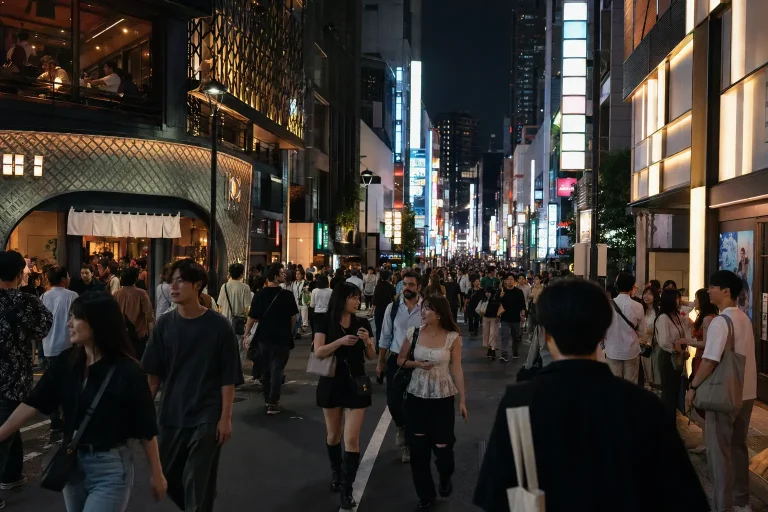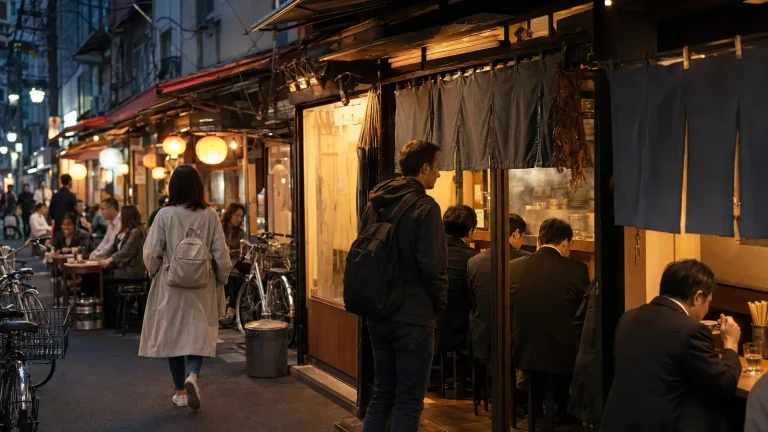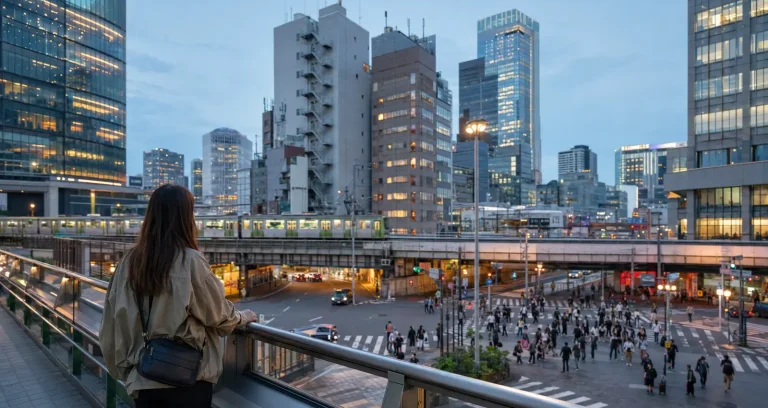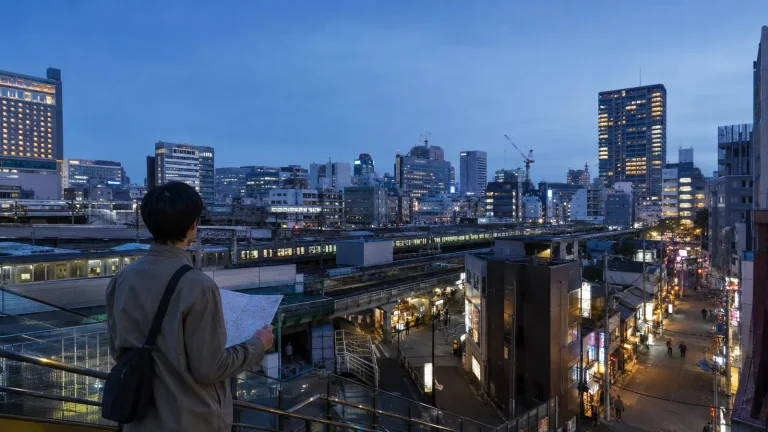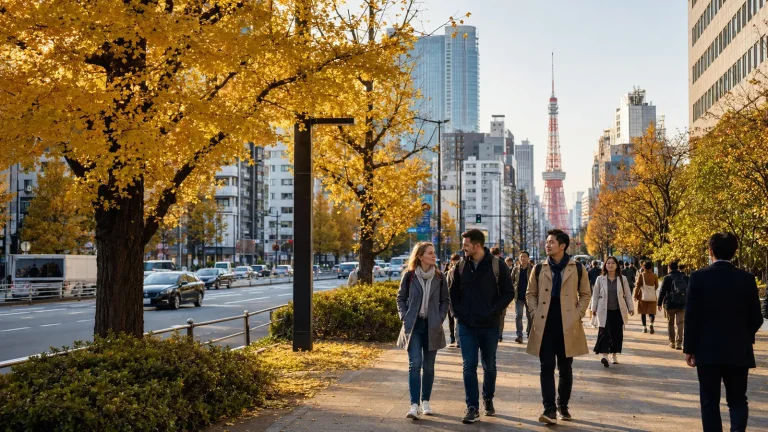
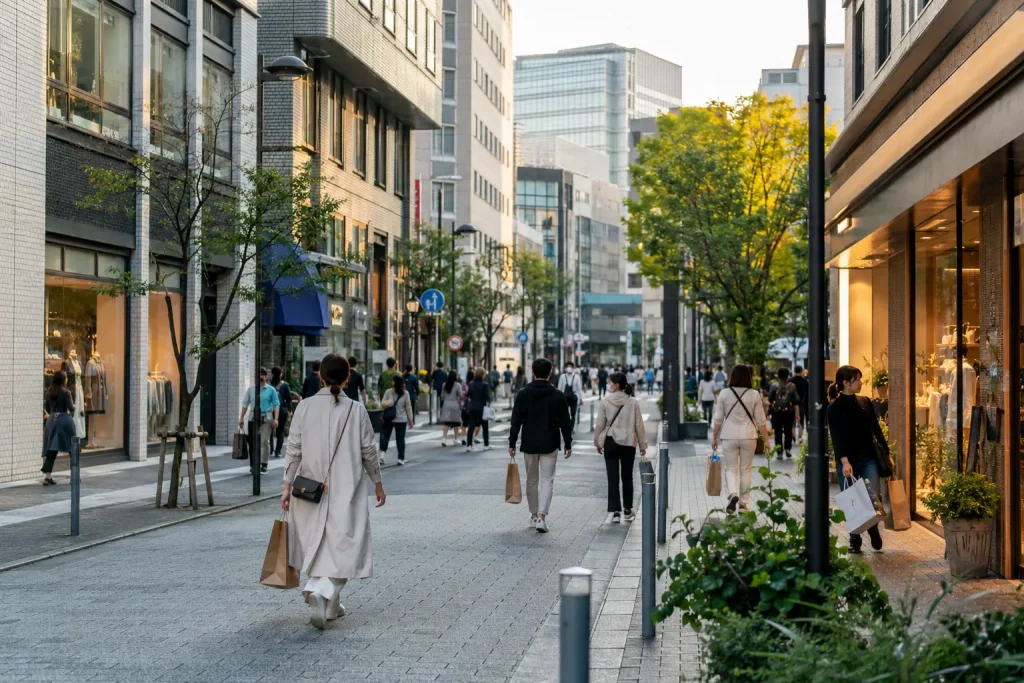
Shopping in Tokyo works best when you choose a neighborhood by what you want to buy, not by which district appears most often on social media. Shibuya and Harajuku suit trend-led fashion; Ginza and Omotesando make luxury and Japanese design easy to compare; Shimokitazawa and Koenji reward vintage shoppers; Akihabara and Nakano specialize in electronics and pop-culture goods; Asakusa, Kappabashi, and Nihonbashi are stronger for crafts, kitchenware, and considered gifts.
The city offers tremendous variety, but it also turns browsing into a logistical exercise. Stores open later than many American visitors expect, popular sizes disappear, tax-free rules require paperwork, and an enthusiastic haul still has to fit into a suitcase. This guide helps you decide where to spend your time, what is genuinely useful to buy, and how to shop without allowing a few tote bags to consume the trip.
Choose a Tokyo shopping area by what you want
Tokyo is not one retail district stretched across a large map. Its shopping areas grew around different train hubs, youth cultures, merchant histories, and specialist trades. Two stores that look close on a city-scale map can still require a transfer, a station exit search, and twenty minutes of walking.
Start with one main buying goal for each half-day. Combining nearby districts is sensible; crossing the city repeatedly to chase individual shops usually is not.
| If you want… | Start in… | Best for | Main catch |
|---|---|---|---|
| Trend-led fashion and Japanese labels | Shibuya | Large fashion complexes, streetwear, contemporary labels | Crowded on weekends; the station has many exits |
| Youth fashion and flagship stores | Harajuku and Omotesando | Takeshita Street, Cat Street, luxury and design flagships | The two sides of the area feel very different |
| Luxury and polished department stores | Ginza | Designer brands, beauty, stationery, depachika food halls | Easy to spend more than planned |
| One-stop shopping | Shinjuku | Department stores, electronics, cosmetics, practical goods | The station and underground passages can be tiring |
| Vintage and secondhand fashion | Shimokitazawa or Koenji | Curated vintage, casual secondhand, subculture | “Vintage” does not automatically mean inexpensive |
| Anime, games, and collectibles | Akihabara or Nakano | New releases, used goods, specialist collections | Comparison shopping takes time |
| Crafts, kitchenware, and traditional gifts | Asakusa, Kappabashi, Nihonbashi | Ceramics, knives, utensils, textiles, regional foods | Some specialist shops close earlier |
| Last-minute gifts | Tokyo Station | Character goods, boxed sweets, regional specialties | Busy around commuting and departure periods |
Shibuya for current fashion and broad choice
Shibuya is the most efficient introduction to contemporary shopping in Tokyo because large complexes, Japanese chains, beauty stores, sneakers, streetwear, and character goods sit within a relatively compact area. It is particularly useful when a group has mixed interests and no one wants to spend the day commuting between niche stores.
The district is not one continuous shopping street. Shibuya 109 leans toward trend-driven fashion, while Shibuya Parco mixes fashion with games, art, and pop culture. Miyashita Park and Cat Street extend the route toward Harajuku with sportswear, boutiques, and cafés. The useful strategy is to choose two anchor buildings and let smaller stores fill the walk between them.
Allow extra time to leave Shibuya Station. “Meet at Shibuya” is not yet a plan; the exit name matters. Save the exact store or building entrance in your map rather than navigating toward a vague neighborhood pin.
Harajuku and Omotesando for two versions of Tokyo style
Harajuku’s reputation can flatten several different retail worlds into one word. Takeshita Street is narrow, busy, and aimed heavily at younger shoppers. Cat Street has streetwear, sneakers, resale, and smaller fashion stores. Omotesando shifts toward international luxury, architecture, and major Japanese flagships.
That contrast is the reason to shop here. A walk from Harajuku through Cat Street to Omotesando shows how Tokyo’s youth cultures and high-end fashion industry occupy adjacent streets without becoming the same thing. Go early if Takeshita Street matters; later in the day, the crowd itself becomes the dominant attraction.
Shoppers seeking larger clothing or shoe sizes should treat availability as uncertain. Japanese size ranges often run smaller than US ranges, and popular tourist-area branches can sell through larger sizes. Ask staff early, try items on where permitted, and consider unisex or international-label lines rather than spending hours searching for one exact shoe.
Ginza for luxury, beauty, and department-store service
Ginza is the clearest choice for luxury shopping in Tokyo, but it is also useful for travelers who value orderly comparison. Department stores place fashion, cosmetics, homeware, stationery, and basement food halls in one building, often with multilingual service and tax-free counters.
The district’s retail identity is older than its polished glass façades suggest. Ginza developed on the site of an Edo-period silver mint, while nearby Nihonbashi remained a major merchant center. That commercial history helps explain why service, presentation, and flagship status carry such weight here.
Do not assume every international luxury item is automatically cheaper than in the United States. Exchange rates, brand pricing, card conversion, tax-free eligibility, and warranty terms all matter. Compare the exact model or product online before buying. A favorable yen can produce real savings; it does not repeal arithmetic.
Ginza is also a good place to buy Japanese stationery, carefully packaged food gifts, textiles, and design objects without visiting half a dozen specialist neighborhoods. Department-store food halls, known as depachika, are excellent for browsing regional products, although many fresh foods are better treated as dinner than trans-Pacific luggage.
Shinjuku for an efficient one-stop shopping day
Shinjuku suits travelers who want breadth more than atmosphere. Major department stores, electronics retailers, drugstores, sporting goods, and fashion chains cluster around the station. On a rainy or very hot day, underground passages and connected buildings make it possible to cover a great deal with limited exposure to the weather.
The price is navigational friction. Shinjuku Station has multiple rail operators, exits, and shopping areas on different sides. Group stores geographically—west side, east side, or south side—and resist the urge to cross through the station repeatedly.
Department stores commonly open around 10 a.m. and close around 8 p.m., though individual floors and restaurants vary. Some lifestyle and discount stores operate later. Check the official listing on the day rather than assuming US mall hours, especially during New Year periods or irregular closing days.
Shimokitazawa and Koenji for vintage with different personalities
Tokyo vintage shopping is not synonymous with bargain hunting. Some stores sell inexpensive casual secondhand clothing; others curate rare American workwear, Japanese designer archives, or luxury pieces at prices that reflect expertise and scarcity.
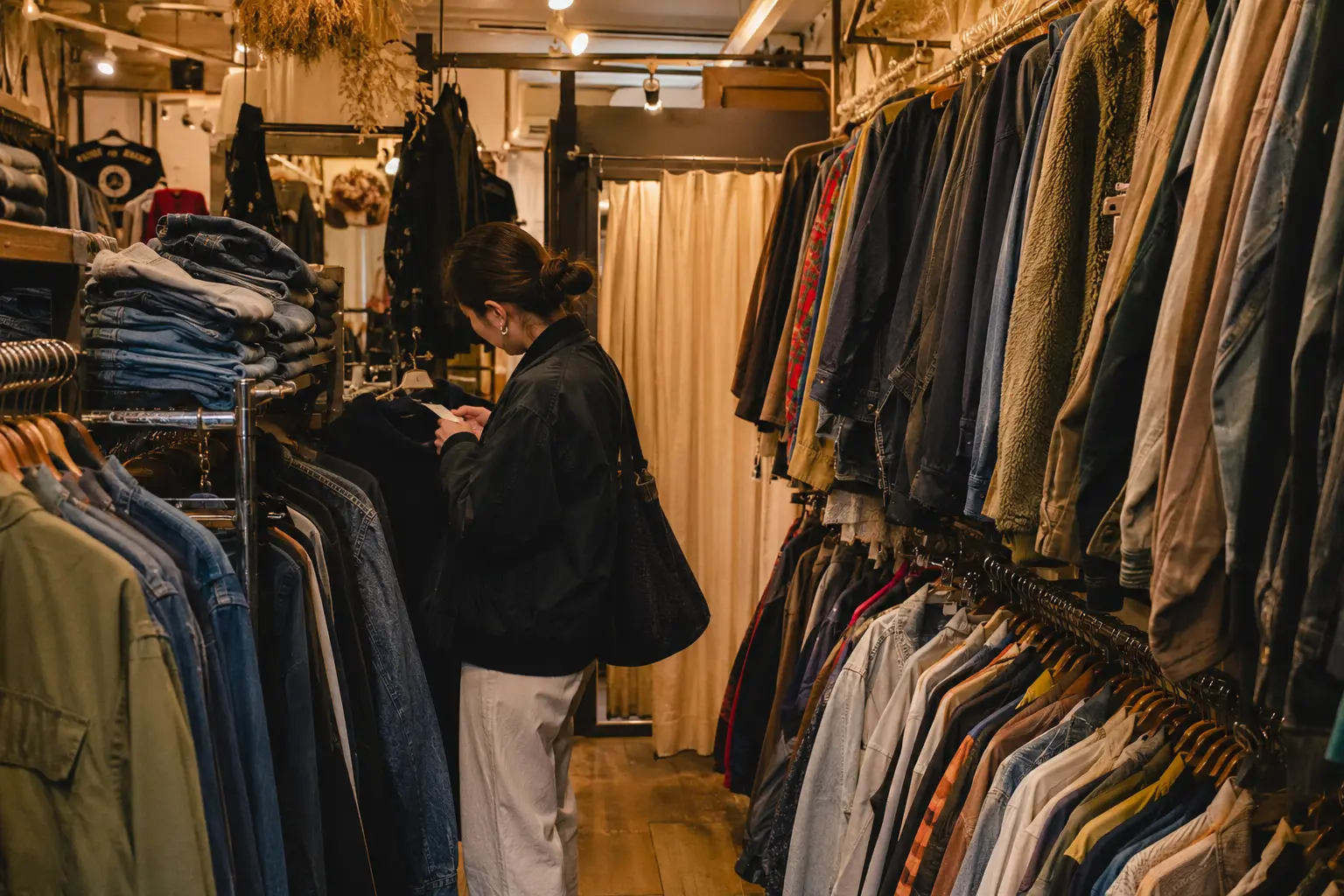
Shimokitazawa is accessible, dense with resale stores, and easy to combine with cafés and live music. It is the friendlier choice for a first vintage-shopping afternoon. Koenji has deeper links to punk, independent music, and alternative style, with shops spread around its covered arcades and side streets. It rewards shoppers who enjoy searching rather than following a fixed hit list.
Inspect condition carefully. Check cuffs, lining, zippers, soles, odors, and alteration marks. Ask whether sales are final before paying; small secondhand stores may not offer the return flexibility Americans expect. For designer resale, buy from established stores with clear authentication practices and keep the receipt.
Akihabara and Nakano for electronics and pop culture
Akihabara remains the obvious starting point for electronics, anime, games, and new character goods. Large retailers are easy for price comparison and tax-free procedures, while smaller buildings contain specialist stores that can take an entire afternoon to understand.
Nakano Broadway is often better for used collectibles, older manga, watches, and niche inventory. It feels less like a district of giant electronics signs and more like a vertical archive whose logic reveals itself floor by floor. Serious collectors may prefer it; casual shoppers may find Akihabara simpler.
Before buying electronics, confirm voltage, plug type, menu language, regional locks, warranty coverage, and whether the model is intended for Japan only. The tax saving on a camera or appliance is not useful if service is unavailable at home. Photograph the model number and compare the exact international version, not a similar-looking product.
Asakusa, Kappabashi, and Nihonbashi for objects with a longer life
Asakusa is convenient for fans, textiles, chopsticks, sweets, and recognizable Tokyo souvenirs, but quality varies along the busiest approaches to Senso-ji. Look beyond the first display and ask where an item was made if Japanese production matters to you.
Nearby Kappabashi specializes in restaurant and kitchen equipment. Knives, ceramics, lacquerware, tea tools, cooking molds, and the famous food-display models make it more useful than a generic souvenir street for people who cook. Confirm whether a knife can go in checked baggage and review US customs and airline rules before purchase.
Nihonbashi is calmer and more polished, with historic merchants, department stores, regional food shops, and craft-led gifts. It is a strong alternative to Ginza when the aim is Japanese household goods and traditional products rather than international luxury labels.
What is worth buying in Tokyo?
The best purchases are either difficult to find at home, meaningfully better in their Japanese version, or useful enough to survive beyond the pleasure of buying them.
Japanese stationery and paper goods
Pens, notebooks, masking tape, stamps, letter sets, and compact desk tools are easy to compare, light to pack, and available across price levels. Specialist stationery stores offer depth, while large lifestyle stores are better for a broad first look. Test pens where samples are provided; the charm of a beautifully engineered pen is that it still has a job on Monday.
Ceramics, textiles, and kitchen tools
Small bowls, tea cups, tenugui cloths, chopstick rests, and cooking tools make practical gifts. Choose shapes that pack securely and ask for protective wrapping. Knives deserve more research: blade material, handle fit, maintenance, checked-baggage rules, and US entry requirements matter more than an impressive in-store demonstration.
Japanese fashion and secondhand designer pieces
Tokyo is valuable for Japanese labels, regional releases, high-quality resale, and the chance to compare very different fashion scenes within a few train stops. Check the care label and fabric rather than buying solely because a brand is local. For vintage luxury, documentation and retailer reputation matter more than a dramatic discount.
Beauty and pharmacy products
Japanese sunscreen, skincare, haircare, and beauty tools attract many visitors, but popularity online is not a substitute for checking ingredients and intended use. US rules and personal sensitivities still apply. Buy products you understand, keep packaging, and avoid treating a drugstore shelf as medical advice.
Character goods, games, and collectibles
Official stores and established retailers are safest for new merchandise. Used-goods stores can offer discontinued items and lower prices, but condition grades matter. Decide whether the box is part of the value before discarding it for luggage space.
Food gifts that travel well
Boxed sweets, tea, seasonings, and regional snacks are easy gifts when shelf-stable and properly packaged. Check US Customs and Border Protection rules before bringing back meat, fresh produce, seeds, or plant material. Declare food honestly on arrival; a snack is not improved by an agricultural inspection surprise.
How tax-free shopping works in Japan in 2026
Japan’s tourist tax-free system changes on November 1, 2026, so the correct procedure depends on the purchase date.
Purchases through October 31, 2026
Under the current system, eligible foreign visitors can receive consumption-tax exemption at participating stores when they present their physical passport. Purchase information is recorded electronically. You must take the goods out of Japan and may need to show your passport and purchases to Customs when departing.
Current rules distinguish between general goods and consumables. Consumables may be sealed and should not be opened or used in Japan. Store thresholds and procedures can vary within a department-store complex, so ask whether purchases from different counters can be combined before paying.
Purchases from November 1, 2026
Japan will move to a refund method. Shoppers will pay the tax-inclusive price in the store, then complete customs confirmation at the airport or seaport before receiving the consumption-tax equivalent back through the retailer or its refund provider.
The official Japan Tourism Agency guidance says eligible purchases must total at least ¥5,000 before tax per store per day. Travelers must carry the goods out of Japan within 90 days. At departure, all relevant goods need to remain available before baggage check-in in case Customs requires inspection. The special sealed packaging for consumables will end, but consumed items will not qualify for a refund.
This change also affects cash flow: after November 1, budget for the full tax-inclusive price during the trip. Arrive earlier at the airport and keep receipts organized by transaction. The new system is designed around proof of export, not the optimistic belief that Customs will never ask.
Rules can change, and individual stores may use different refund providers. Check the current Japan Tourism Agency tax-free guidance shortly before travel.
Practical shopping tips that save time
Do not save every purchase for the final day
Travelers often postpone shopping, then discover that comparing sizes, finding stock, and completing tax-free procedures takes longer than expected. Buy distinctive items when you find them, provided you have checked price and return terms. Reserve the last day for repeatable purchases such as drugstore products or department-store gifts.
Shop by geographic cluster
Pair Shibuya with Harajuku and Omotesando; Ginza with Yurakucho and Tokyo Station; Asakusa with Kappabashi; or Shinjuku with a single west-Tokyo vintage district. One well-planned cluster creates more browsing time than an itinerary built from ten isolated viral shops.
Carry your passport, but protect it
A photograph or copy usually does not replace the physical passport for tax-free processing. Carry it securely, return it to the same zipped compartment after each transaction, and check that the cashier gives it back. Keep ordinary receipts until you have confirmed returns, warranties, and departure procedures.
Check payment and conversion before tapping
Major stores widely accept international cards, but small shops may prefer cash or support fewer networks. When a terminal offers to charge in US dollars, compare the conversion; dynamic currency conversion can be less favorable than letting the card network process yen. A card without foreign transaction fees is useful, but always keep another payment method.
Treat fitting rooms and returns as store-specific
Some clothing shops ask customers to remove shoes in fitting rooms, use face covers to protect garments from makeup, or limit the number of items. Follow staff instructions. Ask about returns before purchase, particularly for sale goods, cosmetics, underwear, electronics, and secondhand items.
Plan luggage before the haul
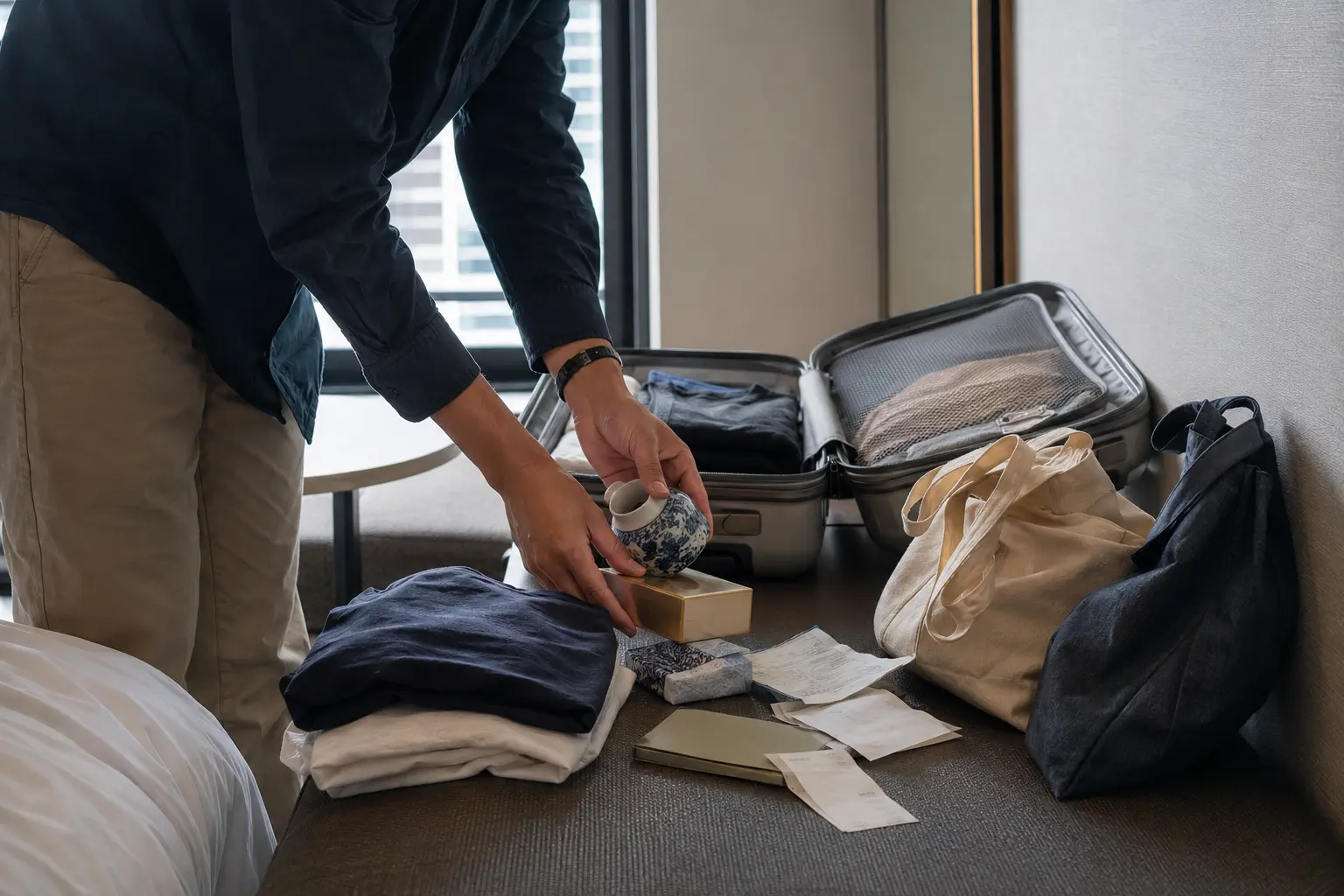
Leave a realistic amount of suitcase space, pack a foldable tote, and understand your airline’s weight limit. Fragile ceramics belong in protective wrapping; valuable electronics and irreplaceable items are usually safer in carry-on, subject to security and battery rules. Our guides to packing a suitcase efficiently and building a carry-on packing list can help before the trip.
Station lockers can rescue a final shopping day, but availability is not guaranteed in busy hubs. A locker is a convenience, not a sound reason to drag a full-size suitcase through Shibuya at 5 p.m.
A realistic half-day shopping plan
For a first visit, choose one of these routes rather than trying to cover the entire city:
Fashion route: Shibuya to Harajuku and Omotesando
Start in Shibuya when stores open, visit one major complex, then walk toward Cat Street. Continue to Harajuku for streetwear and resale, finishing on Omotesando for Japanese flagships or luxury. The route is compact enough to adapt, but it still requires several hours and plenty of walking.
Design and gifts route: Ginza to Tokyo Station
Begin with a Ginza department store for stationery, beauty, homeware, and the depachika. Walk or take one short train ride toward Yurakucho and Tokyo Station for regional sweets and character goods. This is the easiest route in poor weather and the most efficient for polished gifts.
Vintage route: Shimokitazawa or Koenji
Pick one neighborhood, not both. Save several promising stores in advance, then allow room for unplanned browsing. Stop for coffee or lunch rather than treating the afternoon as a rack-by-rack endurance event. Vintage shopping improves when decision fatigue has not already won.
Frequently asked questions about shopping in Tokyo
What is the best area for shopping in Tokyo?
Shibuya is the best all-around area for contemporary fashion, beauty, pop culture, and large retail complexes. Choose Ginza for luxury, Shinjuku for one-stop department stores and electronics, Shimokitazawa or Koenji for vintage, and Asakusa or Kappabashi for traditional gifts and kitchenware.
Is shopping in Tokyo cheaper than in the United States?
Sometimes. Japanese brands, used designer goods, and certain products may cost less because of local pricing, exchange rates, or tax-free eligibility. International-brand prices vary. Compare the exact product, include card fees and warranty limitations, and do not assume every Tokyo price is a bargain.
What should tourists buy in Tokyo?
Strong choices include Japanese stationery, ceramics, textiles, kitchen tools, Japanese fashion, carefully chosen beauty products, official character goods, and shelf-stable food gifts. Prioritize items that are hard to find at home and practical enough to justify luggage space.
What time do shops open in Tokyo?
Many department stores open around 10 a.m. and close around 8 p.m.; some fashion complexes and lifestyle stores open closer to 11 a.m. and stay open later. Small independent stores may keep shorter or irregular hours. Verify the official listing for specific stores.
Do I need my passport for tax-free shopping in Japan?
Yes, eligible visitors generally need their physical passport for tax-free procedures. A photo or photocopy is not a reliable substitute. The process changes to a refund-based system on November 1, 2026, so check the official rules for your purchase dates.
Make the city smaller before you shop
The best shopping in Tokyo is not one district or a perfect list of stores. It is the match between a neighborhood, a category, and the amount of time you are willing to give it. Choose one cluster, compare deliberately, and leave room for an object you did not know to search for. Tokyo’s retail culture rewards attention; it does not require surrendering the entire itinerary to it.
Frequently Asked Questions
Where is the best place to shop in Tokyo?
It depends on what you want. Shibuya and Harajuku suit trend-led fashion, Ginza and Omotesando make luxury and Japanese design easy to compare, Shimokitazawa and Koenji reward vintage shoppers, and Akihabara and Nakano specialize in electronics and pop-culture goods.
Should you plan Tokyo shopping by area or by store?
Start with one main buying goal for each half-day and combine nearby districts. Crossing the city repeatedly to chase individual shops usually costs more time than it saves, since stores open later than many visitors expect and popular sizes can disappear.