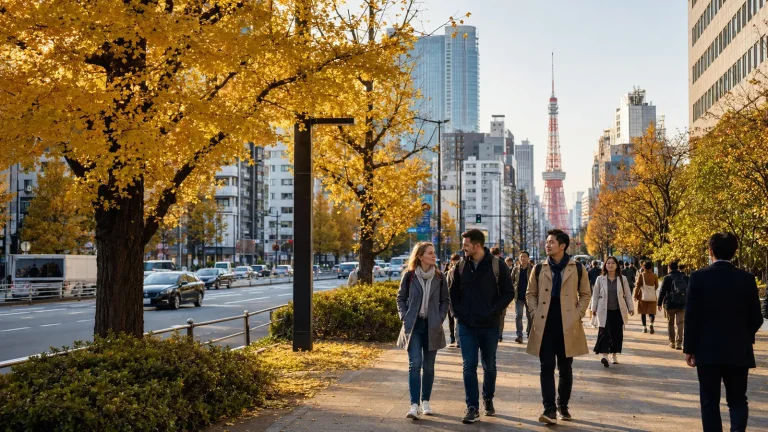
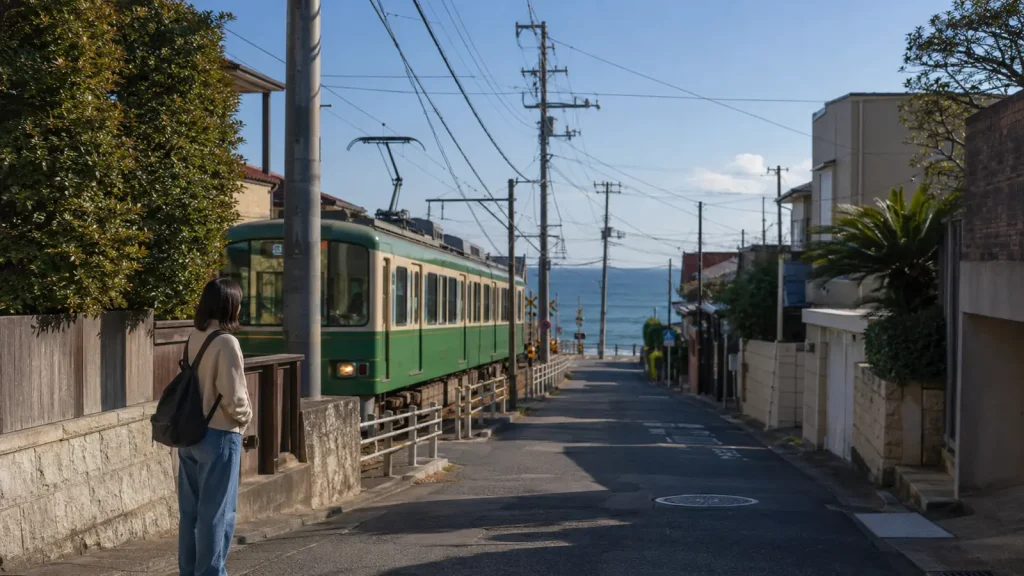
Tokyo makes leaving it oddly difficult. There is always another
neighborhood, tiny bar, museum, or bakery arguing for one more day.
Still, the best day trips from Tokyo add a different scale to a first
visit: temple paths beside the sea, cedar forests, volcanic valleys, a
mountain that may or may not emerge from the clouds, or a harbor skyline
with enough breathing room to notice it.
For most first-time visitors, Kamakura is the best all-around
choice. It is straightforward by train, varied enough for a
full day, and forgiving if you start later than planned. Choose Nikko
for the richest shrine-and-forest experience, Hakone for onsen and art,
Kawaguchiko for a weather-dependent Mount Fuji day, Kawagoe for a
low-effort historic outing, or Yokohama for food and waterfront
energy.
This is not a collection of 27 possible places followed by a quiet
suggestion that you simply wake at 5 a.m. It is a decision guide to six
day trips you can realistically complete.
Pick your Tokyo day
trip in under a minute
The useful distinction is not “famous” versus “hidden.” It is how
much transport, booking, weather risk, and energy you are willing to
absorb after several days of walking around Tokyo.
| Day trip | Best for | Realistic travel burden | Planning level | Weather sensitivity | Stay overnight when… |
|---|---|---|---|---|---|
| Kamakura | First-timers, temples, coast, couples | About an hour each way from central Tokyo, plus local walking or a short train |
Low | Low to moderate | You want Enoshima, a slow beach evening, or more temples without rushing |
| Nikko | Major historic sites, forest atmosphere, fall color | Roughly two hours each way depending on route, then local bus or walking |
High | Moderate | You want Lake Chuzenji, waterfalls, hiking, or an onsen stay as well as the shrine area |
| Hakone | Onsen, contemporary art, volcanic scenery | Around 1.5 hours to the gateway, followed by a multi-mode sightseeing loop |
Medium to high | High for views and transport disruptions | Bathing slowly matters more than completing a loop, or you want a ryokan dinner |
| Kawaguchiko / Mt. Fuji | The strongest chance of close Fuji views | About two hours each way, then local bus, walking, or cycling | High | Very high | Fuji is central to the trip and you want more than one weather window |
| Kawagoe | History with minimal friction, lower spend, half-day flexibility |
About 30–60 minutes each way depending on your Tokyo base | Low | Low | Usually unnecessary for a first visit |
| Yokohama | Food, museums, waterfront, kids, evening views | Roughly 30–45 minutes each way from many central districts | Low | Low | You want nightlife, a match or event, or a slower port-city weekend |
“Travel burden” starts at a sensible Tokyo gateway, not at your hotel
door. Add the time it takes to reach Shinjuku, Asakusa, Ikebukuro, or
Tokyo Station, navigate a large station, buy the ticket you forgot to
buy, and locate the correct platform. A train ride can be simple while
the whole day is not.
Three practical groups
Low-friction escapes: Kawagoe and Yokohama. Both
tolerate a late start, require little advance planning, and make it easy
to return before exhaustion becomes the day’s main attraction.
Full but manageable days: Kamakura and Hakone.
Kamakura is easier; Hakone asks you to coordinate several forms of
transport and accept that weather may edit the itinerary for you.
Early-start commitments: Nikko and Kawaguchiko.
These are the days to protect from late-night plans. Nikko rewards time
on site; Kawaguchiko rewards flexibility and a ruthless willingness to
cancel if the mountain is invisible.
If you have only three full days in Tokyo, a day trip should not be
automatic. Tokyo itself can comfortably fill all three. Sacrifice one
only if a specific place—Nikko’s shrine complex, Kamakura’s coastal
temples, or a close view of Fuji—matters more to you than another full
city day.
Before
you book: four rules that prevent a bad day trip
Start
with your Tokyo neighborhood, not a generic train time
Match the gateway to your hotel: Nikko is natural from Asakusa,
Kawagoe from Ikebukuro, and Hakone or the Fuji Five Lakes from Shinjuku.
Check the complete journey in both directions and leave transfer margin;
Tokyo stations are occasionally tests of character.
Reserve the
scarce segment, not the entire day
Most local trains require no reservation; limited expresses,
sightseeing trains, workshops, and timed attractions may. Identify the
one scarce element—perhaps a Fuji Excursion seat or museum workshop—and
keep the rest flexible. A chain of prepaid activities can turn a day out
into a small authoritarian state.
Check
operations the evening before and again in the morning
Mountain transport is exposed to weather, maintenance, and
congestion. Use the official Hakone
transportation status page before leaving. For Fuji, check both the
forecast and a live view; Tokyo sunshine does not guarantee a clear
mountain in Yamanashi.
Carry less than you think
you need
Carry water, a charging cable, a layer, and rain protection. The carry-on
packing list helps with the larger trip; this bag should be less
ambitious. Save maps and return routes offline. If jet lag is still
winning, postpone Nikko or Fuji and consult these long-haul
flight essentials.
1. Kamakura: the
best first day trip from Tokyo
Kamakura combines historical importance, coast, food, and
straightforward rail access without demanding a dawn departure. It
served as Japan’s political center under the first shogunate, and its
temples and shrines still shape lanes that bend around wooded hills.
The JNTO
overview of Kamakura is a good official starting point. For most
young first-time visitors, this is the trip that provides the largest
change of atmosphere for the least planning effort.
Choose Kamakura if: you want a balanced cultural
day, enjoy walking, or need a destination that still works when the
forecast is merely ordinary.
Skip it if: you dislike crowded heritage areas and
are visiting on a peak holiday weekend, or your only goal is a clear
view of Mount Fuji.
A realistic one-day Kamakura
route
Begin at Kita-Kamakura and choose one or two Zen
temples rather than attempting the whole northern cluster. Engakuji is
the obvious large complex; Tokeiji offers a quieter counterpoint when
open. Notice how slopes, gates, and trees shape the landscape instead of
collecting every entrance before lunch.
Continue to Tsurugaoka Hachimangu, then browse
Komachi-dori. Eat before the lunch peak or step off the main street; a
popular shopping lane remains popular even when the soft-serve is
matcha.
In the afternoon, take the Enoden to Hase. Visit the Great Buddha at
Kotoku-in and then Hasedera, whose elevated grounds
look toward the coast. Hasedera’s slopes and gardens take longer, so do
not assign time according to statue size.
Finish at Yuigahama Beach or return to central Kamakura for dinner.
Enoshima can be added, but doing so changes the day from comfortable to
full. If the sea, sunset, and Enoden are the main attraction, drop
northern Kamakura rather than cramming both ends together.
Transport and booking
friction
Direct JR services connect several central Tokyo stations with
Kamakura; the Enoden serves Hase and the coast. Use an IC card for
ordinary rides and check the route from your hotel. No national rail
pass is required.
The major outdoor temple-and-shrine route usually does not require
advance booking. Seasonal flower periods, weekends, and national
holidays increase queues. Hasedera publishes current admission and access
information, while Kotoku-in should be checked directly for current
hours and notices.
Bad-weather and low-energy
version
In steady rain, keep the route compact: central Kamakura, one
substantial temple, lunch, and Hase if conditions improve. Moss, dark
timber, and wet stone suit the city, but a beach finish becomes less
persuasive. For low energy, skip Kita-Kamakura and start in central
Kamakura.
Stay overnight if you want Enoshima and Kamakura without choosing
between them, plan a longer hiking trail, or want the streets after day
visitors leave. Otherwise, the direct rail connection makes a hotel
change unnecessary.
2. Nikko: the
richest cultural day, and the longest
Nikko is not simply “more temples.” The World Heritage
shrine-and-temple area sits against dense forest, and Toshogu’s carved,
gilded surfaces present a radically different visual language from
Kamakura’s quieter Zen compounds. Tokugawa Ieyasu, founder of the
Tokugawa shogunate, is enshrined here; the complex is political memory
expressed in gates, lacquer, color, and a remarkable quantity of gold
leaf.
The catch is time. Nikko’s central heritage zone is a viable day
trip. Central Nikko plus Lake Chuzenji, Kegon Falls, an onsen, and a
relaxed lunch is usually an overnight itinerary disguised as
confidence.
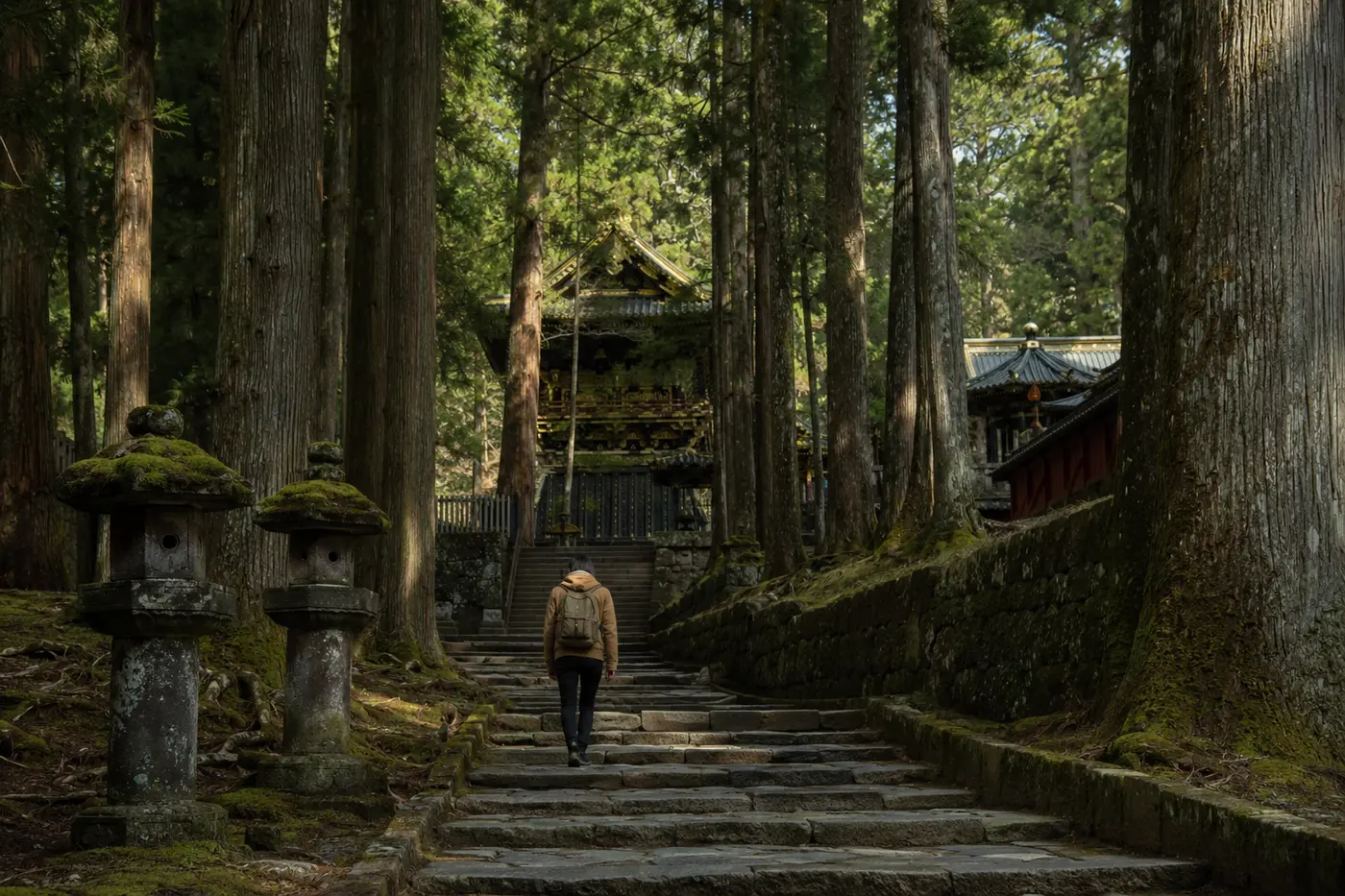
Choose Nikko if: major religious architecture and
Japanese history outrank shopping and nightlife, or you want forest
atmosphere without a long hike.
Skip it if: you cannot leave early, dislike long
transport days, or mainly want the lake district rather than the central
shrines.
A feasible central Nikko day
Use Asakusa as the natural Tokyo gateway for Tobu trains and aim to
reach Nikko in the morning. From the station area, take a local bus
toward the World Heritage district or walk if the weather and your legs
agree.
Begin around Shinkyo Bridge, then give the central
complex most of the day: Rinnoji, Nikko Toshogu, Futarasan Shrine,
and Taiyuin. Toshogu deserves the largest block. The official Visit
Nikko time-pressed itinerary confirms that this route fits one day
while admitting Nikko is better with more time.
Lunch in the heritage area or back toward the station. Yuba, tofu
skin associated with Nikko’s religious food culture, appears in savory
dishes and sweets.
If you move efficiently and conditions are good, add the
Kanmangafuchi Abyss riverside walk. Do not add it at the expense of
rushing Toshogu. Return toward the station with enough margin for your
booked train rather than assuming the next limited express will have
space.
Train choices, passes,
and reservations
Tobu Railway serves Nikko from Asakusa. The Nikko Pass World
Heritage Area covers specified rail and local transport, but limited
express seats and shrine admissions are separate. A “pass” does not make
every payment disappear.
JR routes are also possible, especially if your broader ticketing
already supports them, but the nationwide JR Pass is not automatically
good value for this single outing. Compare the actual journey from your
hotel and the specific trains you intend to use. The official Tobu Nikko access
guide explains the main route options.
Reserve the limited express for a weekend, peak foliage period, or
any day when a specific return matters. Check Visit Nikko and Toshogu
directly for current opening details.
Weather, crowds, and
the overnight threshold
Rain does not ruin the central heritage zone, although stone paths
become slick. Verify transport in snow and dress for cooler
temperatures. Autumn color draws heavy demand, and buses toward Lake
Chuzenji can meet road congestion. If the lake, falls, hiking, or an
onsen is central, stay overnight.
3.
Hakone: onsen, art, and a transport loop with opinions
Hakone is an entire mountain resort area, not a single attraction
beside one station. Its classic circuit links railways, a cable car,
ropeway, bus, and Lake Ashi cruise through volcanic terrain. That
network is part of the experience, but it also explains why “a Hakone
day trip” can feel like participating in a beautifully branded logistics
exercise.
Choose one priority: art, onsen, or
the scenic loop. Trying to do all three thoroughly
produces a day spent checking watches in very attractive places.
Choose Hakone if: a hot-spring bath, an outdoor art
museum, or volcanic scenery matters more than seeing one canonical
landmark.
Skip it if: operations are disrupted, the weather is
poor and all your priorities are outdoors, or you expect a guaranteed
close view of Mount Fuji.
Three workable versions
of a Hakone day
For the classic loop, travel from Shinjuku to
Hakone-Yumoto, then continue through Gora and Sounzan toward Owakudani,
Lake Ashi, and Moto-Hakone before returning by bus. The official Hakone
one-day model course shows the sequence and separate limited express
requirement. Treat it as a framework: queues or wind may remove a
stop.
For an art-first day, visit the Hakone Open-Air
Museum and add one compact second area, such as Gora or an onsen near
Hakone-Yumoto. This version is more resilient in mixed weather and
wastes less time in transfers.
For an onsen-first day, choose a bath with clear
visitor, tattoo, reservation, and towel policies. Leave time to bathe
rather than slotting it between the ropeway and the train home.
Getting
there and deciding whether the Hakone Freepass helps
Odakyu’s Romancecar offers reserved travel from Shinjuku toward
Hakone-Yumoto. Other Odakyu services and routes via Odawara are
possible. Within Hakone, the transport web is easier to understand on
the official Hakone access
and route guide than as a paragraph of line names.
The Hakone
Freepass covers specified local transport and can simplify the
classic loop. It does not include every premium train, admission, meal,
or onsen; compare point-to-point fares for a shorter plan.
You should reserve a Romancecar seat if that service anchors the day.
Day-use onsen and popular dining arrangements vary: check the facility
directly. The ropeway can suspend service for weather or maintenance, so
consult official real-time
transport information before committing to the loop.
Backup plan and when to stay
If clouds hide Fuji, Hakone still has art, baths, and Lake Ashi. If
wind closes the ropeway, change the route; forcing the full loop no
longer makes sense.
Stay overnight if a ryokan dinner and morning bath are part of the
appeal. A quality ryokan stay is not merely accommodation; it changes
the pace and structure of the visit. It is also the better answer if you
want art, onsen, and scenery without treating every transfer as a
competitive event.
4. Kawaguchiko
and Mount Fuji: the weather gamble
A Mount Fuji day trip from Tokyo is a bet on visibility. Lake
Kawaguchi and Fujiyoshida offer close views when conditions cooperate,
but Fuji can disappear behind cloud even when the lower landscape seems
bright. The mountain’s online image is permanent. Its actual appearance
is freelance.
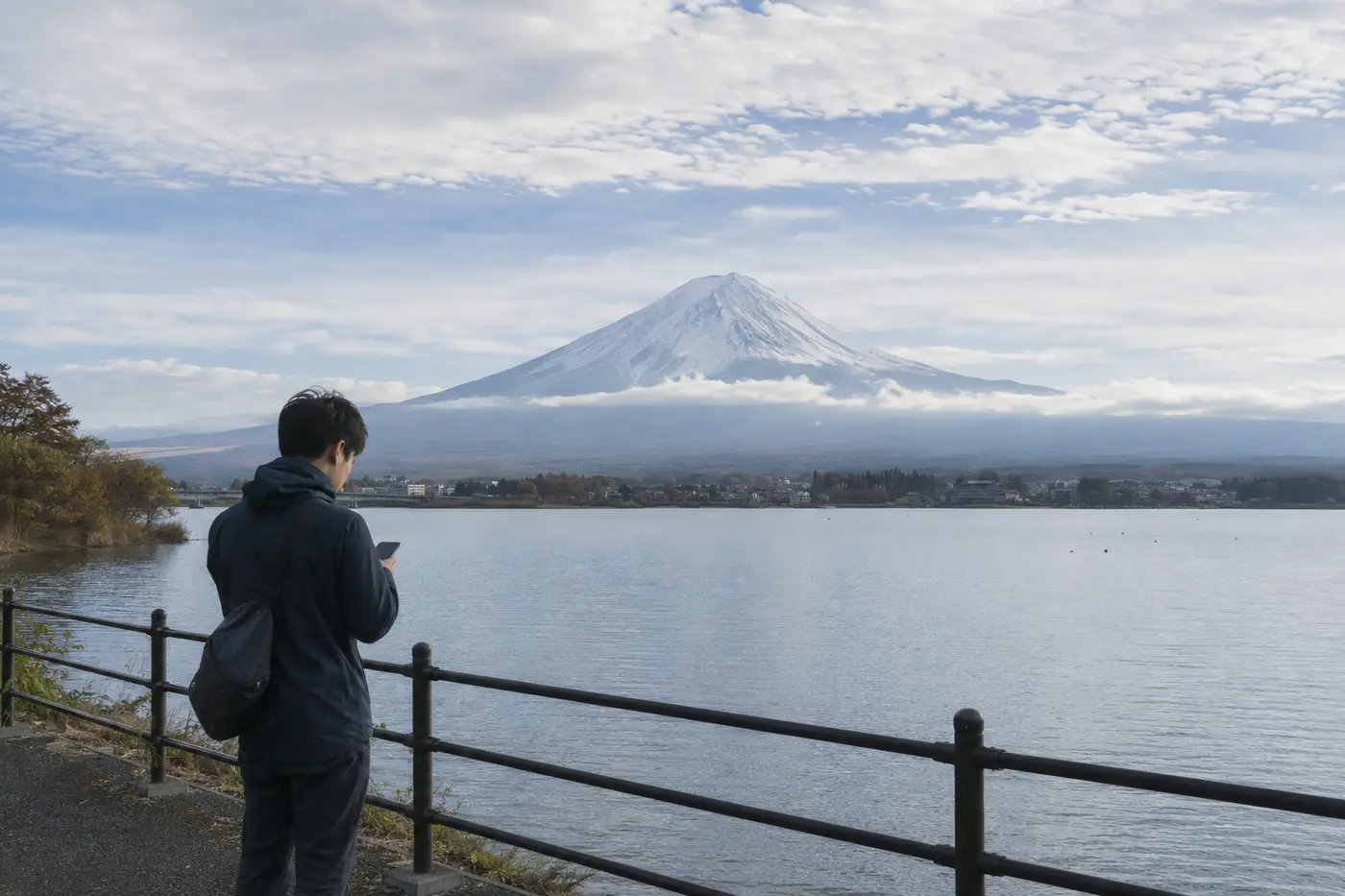
This trip is often described loosely as “going to Mount Fuji.” A
sightseeing day around Kawaguchiko or Chureito Pagoda is not the same as
climbing Fuji, visiting the Fifth Station, or traveling to Hakone.
Decide which experience you mean before booking anything.
Choose Kawaguchiko if: a close view of Fuji is a top
trip priority and you can move the day according to the forecast.
Skip it if: visibility is poor, you have only three
Tokyo days and no flexibility, or you would resent a long journey
without the famous view.
The Fuji Go/No-Go test
Go when the mountain forecast is promising, current cameras show a
visible summit or substantial outline, and transport is operating
normally. Leave early because mornings often provide the better
opportunity, not because an early ticket guarantees anything.
Do not go solely because a reservation is nonrefundable. A sunk cost
is not improved by four hours of transit; shift to Kamakura, Yokohama,
Kawagoe, or Tokyo if you can.
Cherry-blossom season adds severe crowding. Check current Arakurayama Sengen Park
information before building the day around one photograph.
Two routes—choose one as the
anchor
Chureito and Fujiyoshida: Travel to Shimoyoshida,
then walk uphill through Arakura Fuji Sengen Shrine to the pagoda
viewpoint. The route includes many steps. After descending, explore
Fujiyoshida’s streets and continue toward Kawaguchiko only if transport
timing remains comfortable. This is the better plan when the pagoda view
is your priority.
Lake Kawaguchi: Travel to Kawaguchiko Station, then
focus on the lake area. The Mt. Fuji Panoramic Ropeway
can provide elevated views when operating, while lakeside walking,
museums, or a short bus route offer alternatives. The ropeway itself
advises passengers to watch the final descent and notes that weather can
affect service—exactly the kind of operational detail worth checking on
the day.
Combining Chureito, a full lake circuit, museums, and Oshino Hakkai
is unrealistic without a tour or private vehicle. Choose one signature
view and one secondary area.
Train reservations and
local movement
The direct Fuji Excursion service is convenient and reserved-seat
demand can be high. Check current details through Fujikyu Railway’s
official Fuji Excursion page. Alternatives involve a transfer at
Otsuki or highway buses; compare the complete trip from your hotel.
Attractions around the lakes are dispersed and buses can be crowded.
Build the day around actual connections, not apparent map distance, and
leave a generous return margin.
Stay overnight if Fuji is one of the trip’s emotional priorities. An
evening and morning provide more than one visibility window, and the
lake area becomes calmer once day visitors leave. If you cannot stay,
keep the date flexible.
5.
Kawagoe: Edo-period texture without the early alarm
Kawagoe’s “Little Edo” nickname can sound like theme-park branding.
Its warehouse architecture, temples, sweets shops, and bell tower
instead preserve parts of a real commercial relationship with Edo.
It is also the most forgiving trip here: access is short, the main
sights fit into half a day, and poor Fuji visibility is irrelevant.
Choose it when your energy is modest.
Choose Kawagoe if: you want a lower-cost cultural
outing, a late start, street food, or a half-day beyond Tokyo.
Skip it if: this is your only chance to see one of
Japan’s major heritage destinations and you are comfortable with a
longer day.
A compact Kawagoe route
Travel from Ikebukuro and begin with Kita-in, a
major temple connected with the Tokugawa period. The grounds provide
historical context before the more photographed commercial streets.
Tobu’s sample
Kawagoe itinerary links Kita-in with the Old Town and shows the
basic local transport pattern.
Continue toward the Kurazukuri warehouse district,
where thick-walled merchant buildings speak to fire protection as well
as aesthetics. See the Bell of Time, browse Kashiya Yokocho, and try a
sweet-potato snack if the queue is reasonable. Kawagoe is proud of its
sweet potatoes, and businesses have demonstrated considerable
imagination in ensuring visitors encounter them in almost every possible
form.
Walk if weather and mobility allow; the streets between precincts are
part of the day. Finish with a café or early dinner.
Passes and practical
friction
Tobu Railway connects Ikebukuro with Kawagoe and offers a Kawagoe
Discount Pass Premium that includes specified rail and local bus
use. Whether it is worthwhile depends on your route and how often you
will use the bus. An IC card and ordinary tickets may be simpler for a
walking-heavy visit.
Advance attraction reservations are generally not the point of this
day, but opening days and temple access can change. Check Kita-in’s official visitor information
and current Tobu notices. Festivals and peak blossom periods can reroute
local buses and draw large crowds.
Rain is manageable: prioritize Kita-in, the warehouse district,
shops, and cafés. Stay overnight only for a festival, photography
project, or unusually slow exploration. For most first-time visitors,
Kawagoe’s virtue is returning to Tokyo easily.
6. Yokohama: the easiest
big-city escape
Yokohama’s broad harbor, port history, Chinatown, museums, and
promenades create a change of scale without rural bus timetables.
As one of Japan’s key international ports, Yokohama developed through
exchange, trade, and migration. Chinatown and the former foreign
settlement areas should be understood within that history, not treated
as decorative food zones attached to a skyline.
Choose Yokohama if: food, waterfront walks, museums,
family activities, or evening views appeal more than temples and
mountains.
Skip it if: you want a sharp rural or historic
contrast with Tokyo; Yokohama is a different city, not an antidote to
cities.
A full day that gets
better after dark
Start around Minato Mirai or Sakuragicho. Walk the
harbor past modern towers, the Nippon Maru area, and the Red Brick
Warehouse. Choose one museum rather than moving through the district as
if every building were a compulsory exhibit.
The CUPNOODLES Museum
Yokohama is playful but not mindless: its exhibits center on
Momofuku Ando, invention, manufacturing, and the global story of instant
noodles. Online admission packages and workshops have different booking
conditions, so reserve the specific experience you want rather than
relying on old forum advice.
Continue along the waterfront toward Yamashita Park, then eat in
Yokohama Chinatown. Pick a sit-down restaurant for a
slower meal or graze strategically; six queues for viral snacks are
still six queues. The official Yokohama Visitors Guide is
useful for current events and neighborhood planning.
End back around Osanbashi, the Red Brick Warehouse, or Minato Mirai
after dark. Unlike a mountain day, the return is easy enough that sunset
does not trigger immediate timetable anxiety.
Transport, bookings,
and a rainy-day version
Multiple rail lines connect Tokyo with Yokohama. Choose the station
nearest your actual first stop: Yokohama, Sakuragicho, Minatomirai,
Motomachi-Chukagai, or another district. Arriving at “Yokohama” without
checking the neighborhood can add an unnecessary local transfer.
Reserve the Cup Noodles experience if it anchors the day, and check
museum closing days. Most waterfront walking and Chinatown dining remain
flexible. On a wet day, combine a museum, covered shopping, a long
lunch, and shorter waterfront sections. Yokohama is the strongest
bad-weather substitute for a canceled Fuji or Hakone outing.
Stay overnight for a major event, concert, game, late-night plan, or
leisurely second day in areas such as Sankeien Garden. Otherwise, the
proximity to Tokyo is the reason to keep your hotel where it is.
Which rail pass actually
makes sense?
The nationwide Japan Rail Pass is for broader intercity travel, not
every day trip. Private railways operate key routes to Nikko, Hakone,
Kawagoe, and the Fuji Five Lakes; “by train” does not mean “covered by
JR.”
Use this order:
- Map the round trip from your hotel and identify each operator.
- Check whether the pass covers local buses, boats, or ropeways.
- Note limited express and seat supplements.
- Compare the pass with ordinary tickets for your actual route.
An IC card works for many ordinary rides but is not a reservation.
Ordinary fares often suit Kamakura or Yokohama; compare a regional pass
for a full Hakone loop or transport-heavy Nikko plan.
When a guided tour is
worth paying for
Independent travel is easiest for Kamakura, Kawagoe, and Yokohama,
where frequent transport and compact routes tolerate delays.
A Fuji Five Lakes tour is more defensible when a group wants several
dispersed viewpoints or a traveler cannot manage infrequent connections.
The tradeoff is weather flexibility: a fixed tour date does not make
Fuji appear.
Hakone tours simplify transfers, though the transport loop is part of
the experience. In Nikko, a knowledgeable guide adds more value than a
bus that simply moves faster.
Check group size, language, inclusions, cancellation terms, and time
at each stop. “Mount Fuji and Hakone in one day” often means many hours
in a vehicle and brief views of both.
Day-trip habits that
save money and energy
Eat before the long train or bring something tidy. Reserve an
elaborate lunch only when food is a main reason for going.
Carry a power bank, not expedition luggage. Use this guide to pack a
suitcase efficiently and leave the larger bag at your accommodation
or a verified luggage facility.
Protect a return buffer, especially after mountain transport. Save
Japanese station names, booking screenshots, and the Tokyo terminal for
your return.
Schedule the trip after adjusting to the time zone. Find more ideas
on the Lush Nomad
destinations page, but the best plan is not the one with the most
map pins.
FAQ: planning day trips from
Tokyo
What are the
easiest day trips from Tokyo by train?
Yokohama and Kawagoe are the easiest because travel is short,
services are frequent, and neither requires a full day. Kamakura is the
best easy full-day option. Hakone, Nikko, and Kawaguchiko are also
accessible by train, but they involve more planning, longer rides, or
local transport after arrival.
Which day trips
from Tokyo work best in winter?
Yokohama, Kawagoe, and Kamakura are dependable winter choices with
appropriate clothing. Nikko can be beautiful but colder, with possible
snow and different transport conditions. Clear winter air can improve
Fuji-viewing prospects, yet snow or ice can affect local movement. Check
official operations immediately before any mountain trip.
What is the
best Mount Fuji day trip from Tokyo?
Kawaguchiko and Fujiyoshida are the strongest choices for close,
classic views of Mount Fuji. Chureito Pagoda provides the famous
pagoda-and-mountain composition; Lake Kawaguchi offers lakeside and
elevated viewpoints. Neither guarantees visibility. Hakone may show Fuji
on a clear day, but it is better chosen for onsen, art, and volcanic
scenery.
Is Kyoto a sensible day
trip from Tokyo?
Technically, high-speed trains make a very long Kyoto day possible.
Practically, it is poor value for most first-time visitors: the round
trip is expensive, the journey consumes a large part of the day, and
Kyoto’s major areas are spread out. Stay at least one night, and
preferably longer, rather than treating one of Japan’s most complex
cities as a distant suburb.
Which Tokyo day trips
are good with kids?
Yokohama is the easiest family option because it combines short
travel, waterfront space, museums, food, and flexible return times.
Kamakura works for older children who enjoy walking and trains. Hakone’s
varied transport can be fun, but transfers and queues may tire younger
children. For every trip, choose one anchor activity and leave room to
stop.
Can I take a
bullet-train day trip from Tokyo?
Yes. Shinkansen services make places such as Odawara accessible and
can form part of a Hakone journey. However, a bullet train is not
automatically the fastest door-to-door option, and none of the six trips
here requires choosing it for novelty alone. Compare station access,
reservation needs, local connections, and total cost before
deciding.
Choose the contrast you
actually want
Kamakura is the strongest first answer, but not the universal one.
Pick Nikko for historical weight, Hakone for a slower resort culture,
Kawaguchiko for a flexible Fuji gamble, Kawagoe for an easy half-day, or
Yokohama for food and harbor light after dark.
Then remove one stop from the plan. Day trips improve when there is
enough room to notice the place—and enough time to catch the train home
without sprinting through a station the size of a neighborhood.
Frequently Asked Questions
What is the best day trip from Tokyo?
Kamakura is the best all-around choice for most first-time visitors: straightforward by train, varied enough for a full day, and forgiving if you start later than planned.
Which Tokyo day trip is best for Mount Fuji?
Kawaguchiko is the choice for a Mount Fuji day, though it's weather-dependent since the mountain may or may not be visible depending on conditions.