
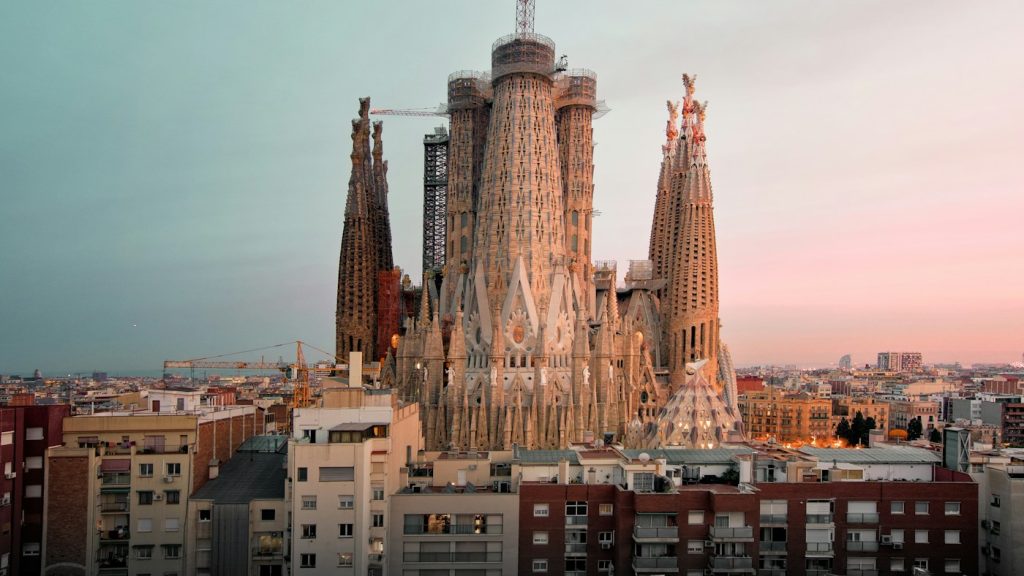
Spain is generally a practical destination for solo female travelers, especially for a trip built around a few well-connected cities. Museums, café terraces, markets, and long evenings give a day alone plenty of shape. The preparation that matters most is choosing a manageable route, protecting belongings in crowds, and keeping control of the journey home after dinner.
The official picture deserves a precise explanation. On October 21, 2026, the U.S. State Department lists Spain at Level 2, advising increased caution because of terrorism and unrest. It separately advises reconsidering travel to Ceuta. Read the current advisory for your actual route; a countrywide level is neither a personal safety score nor a reason to treat every city identically.
Spain safety at a glance
| Category | Editorial score | Main concern |
|---|---|---|
| Personal safety | 7.5/10 | Use a consistent bag routine in crowded visitor areas |
| Transport | 8.5/10 | Confirm station names, the last service, and the final walk |
| Night-time safety | 7/10 | Late dining needs its own return plan and a ride backup |
| Tourist infrastructure | 8.5/10 | Major city bases offer plenty of independent travel options |
| Solo-travel ease | 8/10 | A small number of bases keeps the trip easier to manage |
| Overall | 7.9/10 | Well suited to independent city travel with theft and heat precautions |
These subjective Lush Nomad editorial scores summarize the practical guidance below for an ordinary sightseeing trip. Higher scores indicate fewer planning hurdles within each category; they are not official safety statistics or a prediction of individual risk. The overall score is the mean of the five categories. Remote outdoor activities require a separate assessment.
Choose two places you want to experience
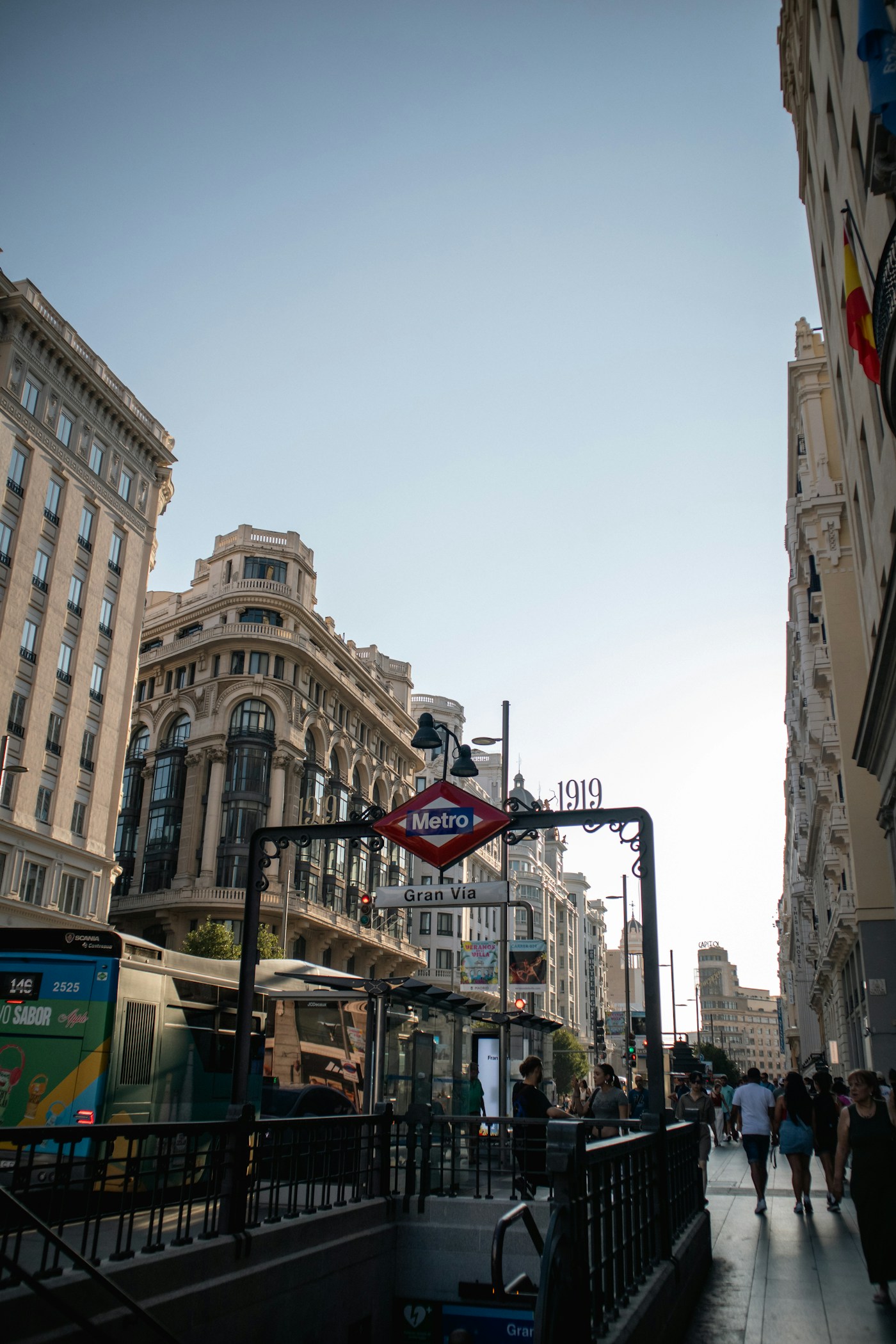
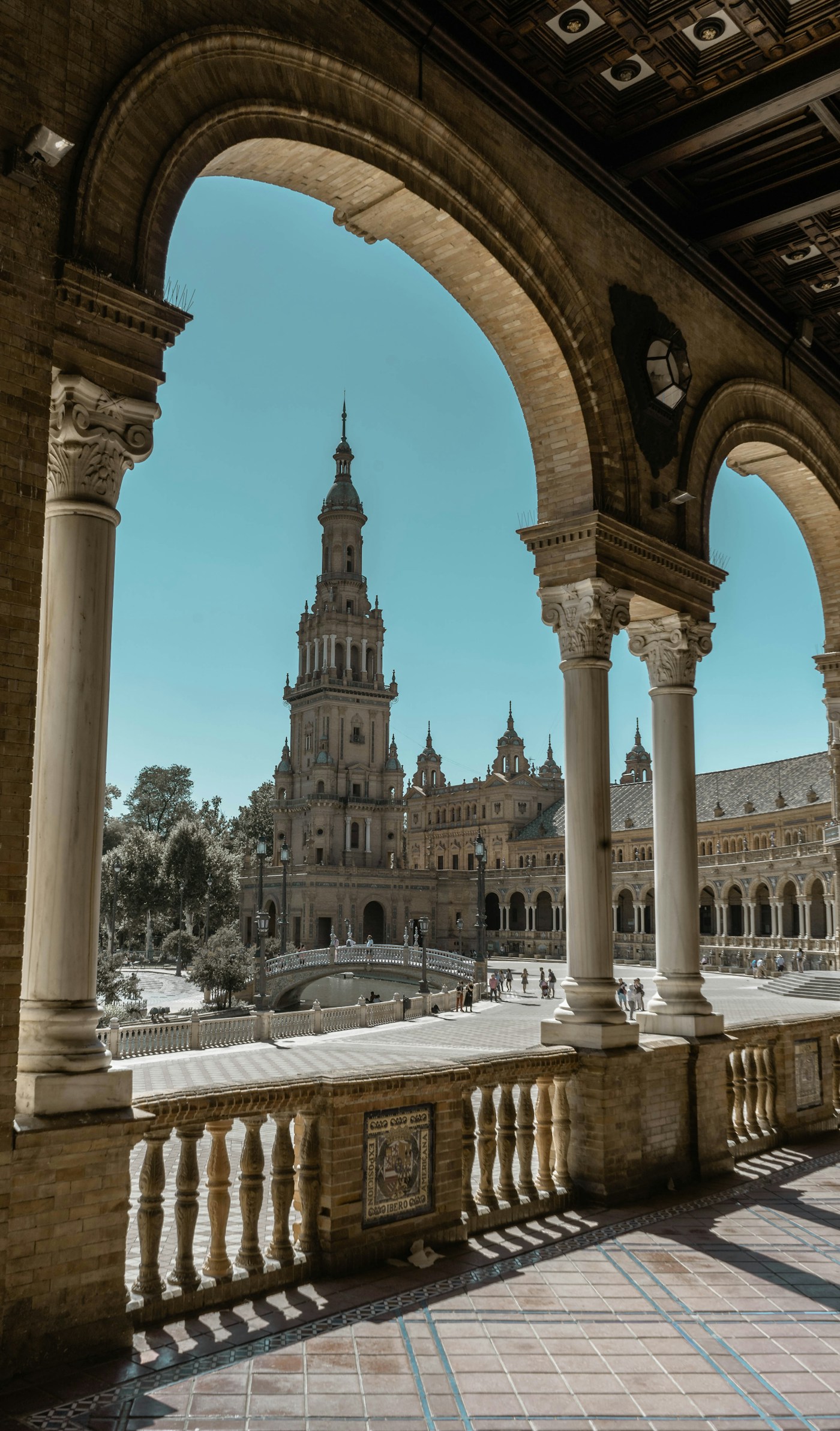
A first solo trip benefits from a short list of places with a clear reason for each stop. Madrid can suit an art-focused visit; Barcelona can combine architecture and time by the coast; Seville offers a different scale of city break around its historic center. These are choices about the experience and transport, rather than a ranking of which residents or neighborhoods are safest.
Before booking, compare three practical details: the arrival station or airport, the final journey to the room, and the places you expect to visit most often. A cheaper room can lose its advantage when every evening requires an expensive ride. A central address can also mean noise, so read recent comments about the entrance and sleep quality.
Avoid choosing accommodation solely because a listing describes it as suitable for women traveling alone. Look for working room locks, a reachable host or reception team, clear check-in instructions, and reviews that explain what arriving actually involves. If staying in a hostel, check locker arrangements and room type before reserving.
Keep the route compact enough to enjoy. Our guide to planning a multi-city trip helps weigh the full transfer, including packing up, reaching the station, and checking into the next property. A fourth city is optional. Time to sit down is rather less so.
Make the transport plan match the time of day
Intercity rail can make a solo itinerary easier to organize, but confirm the exact stations printed on your ticket. Madrid and Barcelona have multiple transport hubs; a familiar city name is not enough information for the taxi driver or route planner. Check your operator’s boarding instructions and allow room for an unfamiliar station.
Luggage rules also vary between services. Renfe publishes its baggage conditions, including separate provisions for Avlo. Read the conditions for the booked train instead of assuming every ticket permits the same bags. Keep your passport, medication, payment cards, and phone with you when a larger suitcase goes on a rack.
Within cities, verify the return as well as the outward journey. A metro service that works for an afternoon museum visit may not work after a late meal. Madrid’s official tourism site explains its night buses, known as búhos, as an alternative after daytime services finish. Other cities have their own networks and timetables.
Save your accommodation, arrival point, and a few evening venues in a Google Maps trip list. Check live services separately. A saved pin tells you where a stop is; it does not confirm that a bus is coming.
Give crowded places a simple bag routine
Canada’s Spain travel advice warns about pickpocketing and bag snatching, particularly in larger cities. The useful response is a repeatable routine at busy stations, attractions, and café tables, without spending the whole trip expecting trouble.
- Close your bag before entering a queue or crowded carriage.
- Keep your phone and wallet out of exposed outer pockets.
- Keep a bag in contact with you while seated, rather than on a spare chair.
- Store a backup payment card separately from the wallet used every day.
If someone creates a distraction, keep hold of your belongings before deciding whether to engage. Decline unwanted help at a ticket machine or ATM and ask identifiable staff when assistance is needed. A crowded sight is still worth visiting; choose a moment to take photographs after securing your bag.
If belongings are taken by force, prioritize getting away and seeking help. Documents and bank cards can be replaced. For the preparations that apply across destinations, see our travel safety tips for women.
Enjoy the late evening without borrowing someone else’s plan
Dinner and social plans can run later than a visitor from the United States expects. Decide what pace suits you before a friendly invitation stretches into several more venues. There is no requirement to stay out until a city has officially finished enjoying itself.
For taxis at airports and major stations, use the designated rank. Madrid’s official taxi guide explains the system. With a booked ride, compare the vehicle details with the booking, confirm the destination, and share the journey when useful. Keep a separate way to pay if an app or phone fails.
Keep your drink in sight and seek staff assistance if you feel unwell or someone ignores a refusal. For a walk home, assess the particular street and distance, not just the lively atmosphere at the restaurant door. Choosing a ride for the final stretch is a reasonable adjustment to the evening.
Let heat and local warnings change the itinerary
A reassuring answer about street safety does not settle the conditions for a long walk, beach day, or rural excursion. The UK government’s Spain guidance recommends checking weather warnings and following local authorities, including during extreme heat, flooding, and wildfires.
In hot weather, keep a substantial indoor break in the plan, carry water, and move exposed sightseeing to a cooler part of the day when possible. Recheck access before setting out for a hike or attraction affected by weather. A ticket reservation is not an instruction to continue through unsafe conditions.
For beaches, follow flags, posted rules, and lifeguard directions. Avoid swimming alone and do not assume a popular beach has supervision at every hour. Check whether insurance covers any planned activity, especially boating, diving, or other excursions with separate operators.
Give the first day an easy rhythm
Book one experience that gives the day a clear center: a museum visit in Madrid, an architectural visit in Barcelona, or a guided introduction to Seville. Use the attraction’s own booking information to check entry times, permitted bags, and the meeting point. Keep the next meal nearby instead of adding a transfer simply to reach a recommended restaurant.
Eating alone can be as straightforward as asking for a table for one or a seat at a counter. If a group activity would make the day more enjoyable, book a defined tour with a clear finish and return plan. Company can be part of a solo trip without determining the whole itinerary.
Know how to ask for help
Call 112 in an emergency. This is the European emergency number used in Spain. Keep the accommodation address, a nearby landmark, and a working contact number available offline. A screenshot is useful until the phone runs out of power, so keep an additional copy of essential details.
Save bank and insurer assistance contacts, and make sure the travel policy matches the route and activities. Our international travel checklist covers those preparations before departure. Then leave some unallocated time: a solo trip to Spain should have room for a gallery, a long lunch, or an early night chosen entirely on your own terms.