
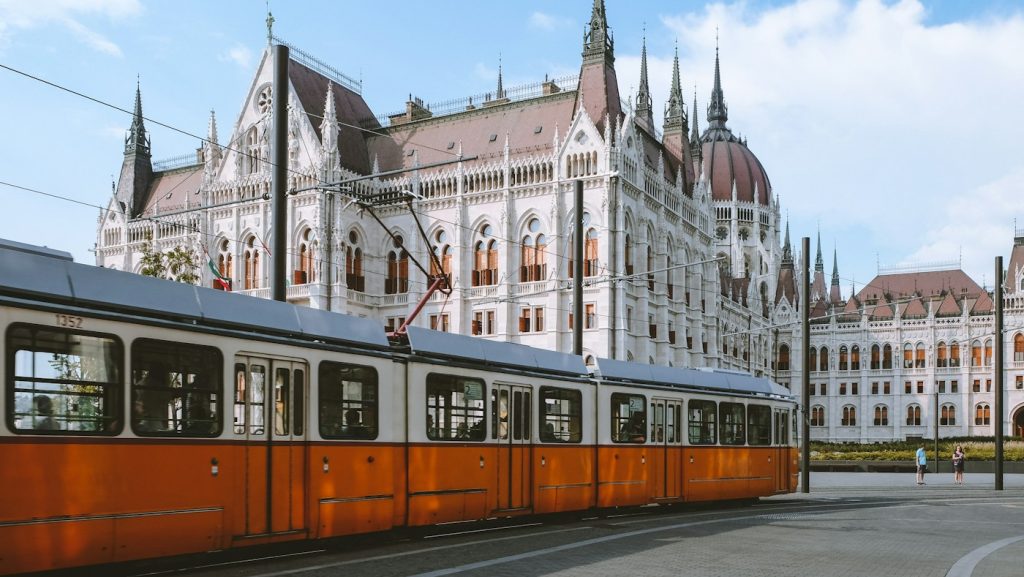
Budapest is generally a workable destination for solo female travelers. A visit can revolve around museums, the Danube, cafés, and a thermal bath, with public transport connecting the different parts of the day. The choices that deserve care are the location of the room, how to get back after an evening out, and where belongings go during crowded journeys or a swim.
As checked on October 21, 2026, the U.S. State Department places Hungary at Level 1, meaning normal precautions. Its advice also identifies opportunistic theft in tourist areas and major Budapest stations. That is useful context, not a promise about an individual street or an invitation to leave a bag unattended while photographing Parliament.
Budapest safety at a glance
| Category | Editorial score | Main concern |
|---|---|---|
| Personal safety | 8/10 | Secure bags at stations and valuables at thermal baths |
| Transport | 8.5/10 | Learn ticket validation and check the current night network |
| Night-time safety | 7/10 | Keep an independent return and check venue prices |
| Tourist infrastructure | 8.5/10 | Public transport connects museums, baths, and central bases |
| Solo-travel ease | 8/10 | Manageable with a well-connected room and clear evening plans |
| Overall | 8.0/10 | A workable city break with attention to nightlife and belongings |
These subjective Lush Nomad editorial scores summarize the practical guidance below for an ordinary sightseeing trip. Higher scores indicate fewer planning hurdles within each category; they are not official safety statistics or a prediction of individual risk. The overall score is the mean of the five categories. Remote outdoor activities require a separate assessment.
Choose your side of the river by the day you want
Buda and Pest are connected, but an attractive view across the Danube does not explain the journey to a particular hotel. For an initial search, consider where most of your planned activities sit and how you will reach the entrance with luggage. A straight journey can be more useful than a prestigious district name.
Central Pest can make sense for a trip involving museums, restaurants, and frequent public transport. Accommodation around the Castle District can suit a quieter evening and historic surroundings, but check gradients, steps, and the last connection. These are differences in convenience; they are not evidence that one side of the river is inherently safer.
If looking near the Jewish Quarter’s nightlife, read recent reviews about noise, the building entrance, and access to the room. A listing can be close to everything and directly above the part of everything that stays loud. Ask whether reception is staffed when you expect to arrive and how to reach someone if self-check-in fails.
For a hostel, compare locker provision, female dorm availability if preferred, and the organization of shared spaces. A private room with a social lounge may suit someone who wants company over breakfast and a closed door afterward. Choose the arrangement that supports your own pace.
Sort out airport and station arrivals before landing
The 100E Airport Express is a useful option to investigate for an airport arrival. BKK publishes its route, ticket requirements, and current operating information. Check the specific airport fare rather than assuming an ordinary city ticket or every travel pass includes it.
For a rail arrival, save the actual station name and the onward route. Keleti, Nyugati, and Déli are different arrival points, so do not plan around a generic “Budapest station” pin. Keep your passport and everyday wallet with you while lifting luggage onto a rack or setting it down to read a departure board.
Allow the first evening to be simple. Confirm the room, find dinner nearby, and learn the stop you will use the next morning. If a delayed arrival makes several transfers unappealing, compare a properly booked taxi with the available public transport. Convenience can be worth paying for after a long journey.
Learn the ticket rule for the journey you buy
Buying a ticket and making it valid are not always the same action. BKK’s visitor ticket guide explains validation and the rules for single tickets, travelcards, and passes. Follow the instructions for the particular product; do not apply advice about a paper single ticket to every digital pass.
The BudapestGO app combines journey planning with ticket purchasing. Set it up before you are standing in a boarding queue, and check that a purchased ticket is available when needed. Keep a payment backup in case the phone, battery, or connection becomes a problem.
On a tram or metro, close your bag before boarding and give yourself space to navigate without balancing an open wallet over a suitcase. If uncertain about a ticket, seek identifiable transport staff or a customer service point. An impatient queue is a poor substitute for understanding the validation screen.

Plan the night route after choosing the venue
Budapest has transport after the metro finishes, but it is important to use the current network. BKK’s night-service information explains that tram 6 operates around the clock alongside night buses and other overnight services. The night network was reorganized in July 2026, so an old blog’s stop-by-stop directions may no longer help.
Search the complete journey for the expected departure time, including the final walk. A convenient tram corridor does not establish that the doorway of your accommodation is nearby. Save an alternative before going out, particularly if changing between Buda and Pest late in the evening.
A ruin bar can be part of a solo visit without becoming the entire night. Check the menu, keep your drink with you, and retain a way to leave independently. If an invitation turns into pressure to change venues or disclose your room address, declining is enough. You do not need to complete the conversation.
For a taxi, book a licensed operator and match the car to the booking. BKK’s taxi information explains the city’s licensed system. If someone makes you uncomfortable, seek a staffed place and ask for help rather than continuing toward an isolated destination.
Check prices before ordering, especially when someone you have just met proposes a particular venue. The UK government’s Hungary advice warns about excessive bills at some bars and restaurants. Read the menu, ask about unclear charges, and check the bill before paying. If a disagreement becomes threatening, prioritize getting help rather than accompanying someone to an ATM under pressure. Keeping enough money for your own journey home also makes it easier to leave an evening that is no longer enjoyable.
Make the bath visit easy on yourself
A thermal bath can be a satisfying solo activity: it has a clear destination, an unhurried pace, and no requirement to keep a conversation going. Before choosing a session, use the bath’s official website to check current entry rules, facilities, and what is included in the ticket.
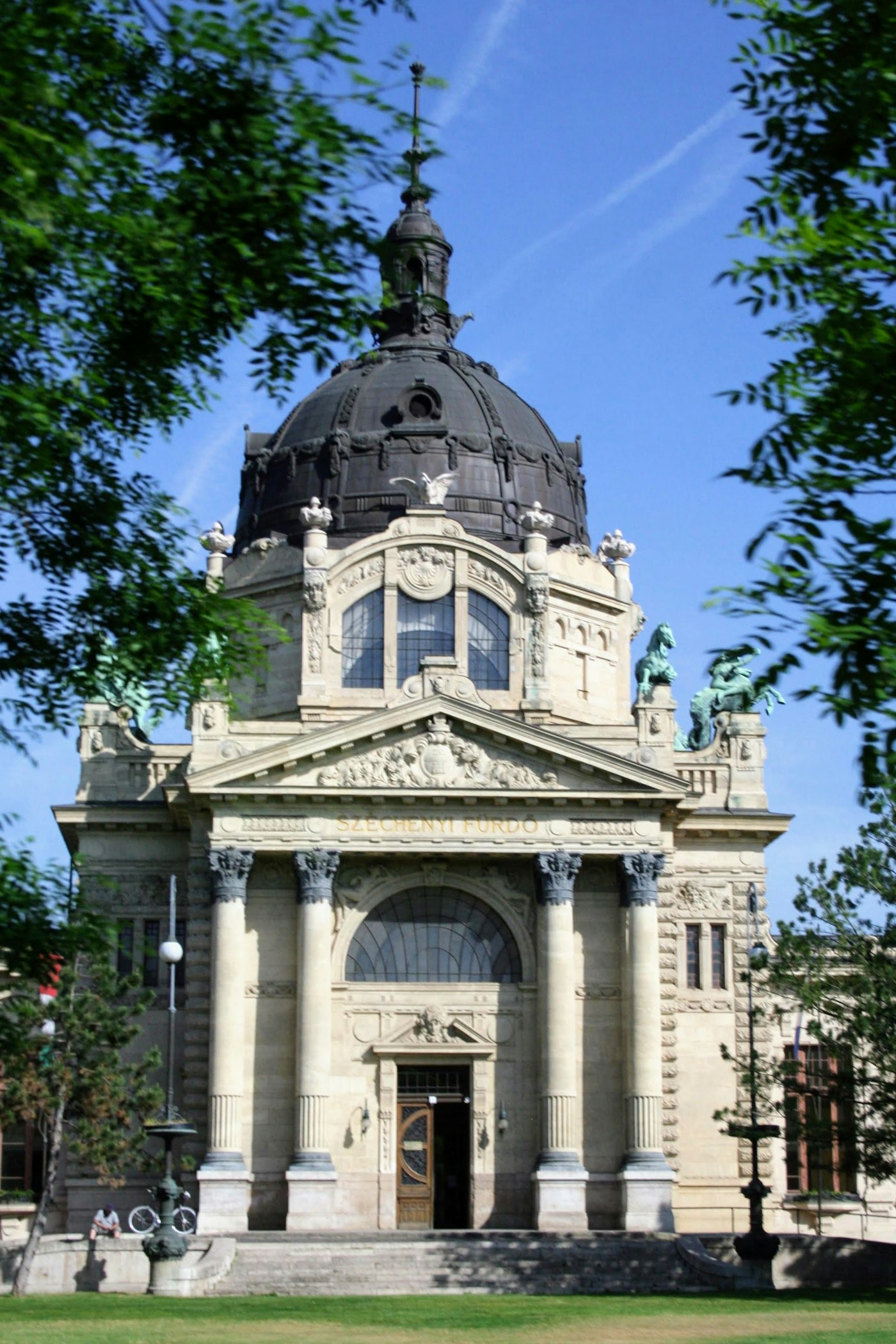
At Széchenyi Bath, compare the available changing and storage arrangements before paying. Take only the valuables needed for the visit, follow the instructions for securing storage, and keep track of the wristband or key issued to you. Do not leave a phone on a lounger while going into the water.
Read posted health guidance and ask staff about any restriction relevant to you. Keep the return plan as ordinary as the arrival; there is no need to add a late bar visit just because the afternoon has been sociable. Our solo travel planning guide can help build a day around energy rather than a list of obligations.
Keep a few useful preparations within reach
For crowded sights, cafés, and station transfers, keep a zipped bag close and a backup card separate. Avoid putting a phone on the edge of an outdoor table. These habits support sightseeing without making every stop a security exercise; the broader travel safety tips for women cover reusable preparations in more detail.
Save your accommodation and the relevant stations in a Google Maps trip list, then consult BudapestGO for live transport. Maps and timetables answer different questions. Have the accommodation address in a form you can show a driver or station employee.
Call 112 for an emergency, the European emergency number used in Hungary. Keep your insurer’s assistance details and bank contacts accessible offline as part of your international travel checklist. With those arrangements settled, the decision can return to something more pleasant: another gallery, a riverside tram ride, or an evening that finishes when you want it to.