
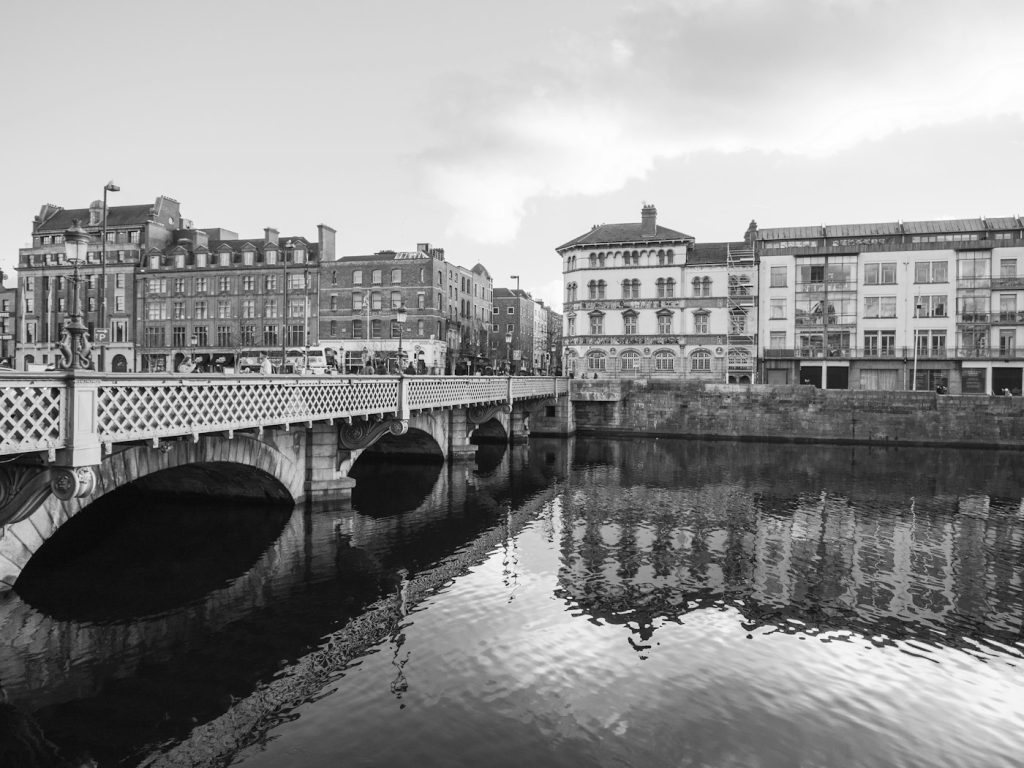
Ireland is generally a sensible destination for solo female travelers, including someone planning her first trip alone. A city stay with museums, cafés, and a few organized excursions can be straightforward to arrange. A rural trip asks different questions: how to reach the room, whether dinner is within walking distance, and what happens if the weather changes the next day’s plans.
On October 21, 2026, the U.S. State Department rates Ireland Level 1, meaning normal precautions, while warning about opportunistic theft in popular visitor areas. This guide focuses on the Republic of Ireland. If adding Northern Ireland, check the United Kingdom’s advice and the requirements for that part of the trip separately.
Ireland safety at a glance
| Category | Editorial score | Main concern |
|---|---|---|
| Personal safety | 8.5/10 | Guard against opportunistic theft in busy visitor areas |
| Transport | 7/10 | Check rural returns; driving means adapting to the left |
| Night-time safety | 7.5/10 | Keep your own way home from pubs and evening activities |
| Tourist infrastructure | 8/10 | City bases are practical; country stays need food and transfer plans |
| Solo-travel ease | 8/10 | A city stay with guided countryside days can simplify a first trip |
| Overall | 7.8/10 | A sensible first solo destination with workable rural arrangements |
These subjective Lush Nomad editorial scores summarize the practical guidance below for an ordinary sightseeing trip. Higher scores indicate fewer planning hurdles within each category; they are not official safety statistics or a prediction of individual risk. The overall score is the mean of the five categories. Remote outdoor activities require a separate assessment.
Decide how much of the trip needs a car
The first useful decision is not which scenic road to drive. It is whether you want to drive at all. Dublin, Galway, or Cork can provide a base for days on foot, local transport, and selected tours. A country cottage offers a different experience, but its address matters more than the promise of peace and quiet.
Build a possible route using Transport for Ireland’s journey information. TFI Local Link serves rural areas where other options are limited; check the actual service, travel date, and return departure before treating a village as accessible without a car. Confirm the distance between the stop and the property, including whether that walk has a footpath.
If a rural stay requires taxis, ask the accommodation about local availability before booking. Do not assume a car will appear immediately because an app works in Dublin. Reserve an essential transfer ahead when possible and know whom to contact if it fails.
For a first visit, a city base and one guided countryside day can offer a manageable introduction. If combining two bases, use our multi-city trip planning guide to count the transfer honestly. An afternoon spent changing hotels is still an afternoon of the vacation.
Choose accommodation around the evening
Look at the property after deciding where dinner and evening activities are likely to be. A B&B may be welcoming and well reviewed while still being several miles from the nearest restaurant. That can work beautifully with an agreed transport plan; it is less convenient when discovered after the last bus.
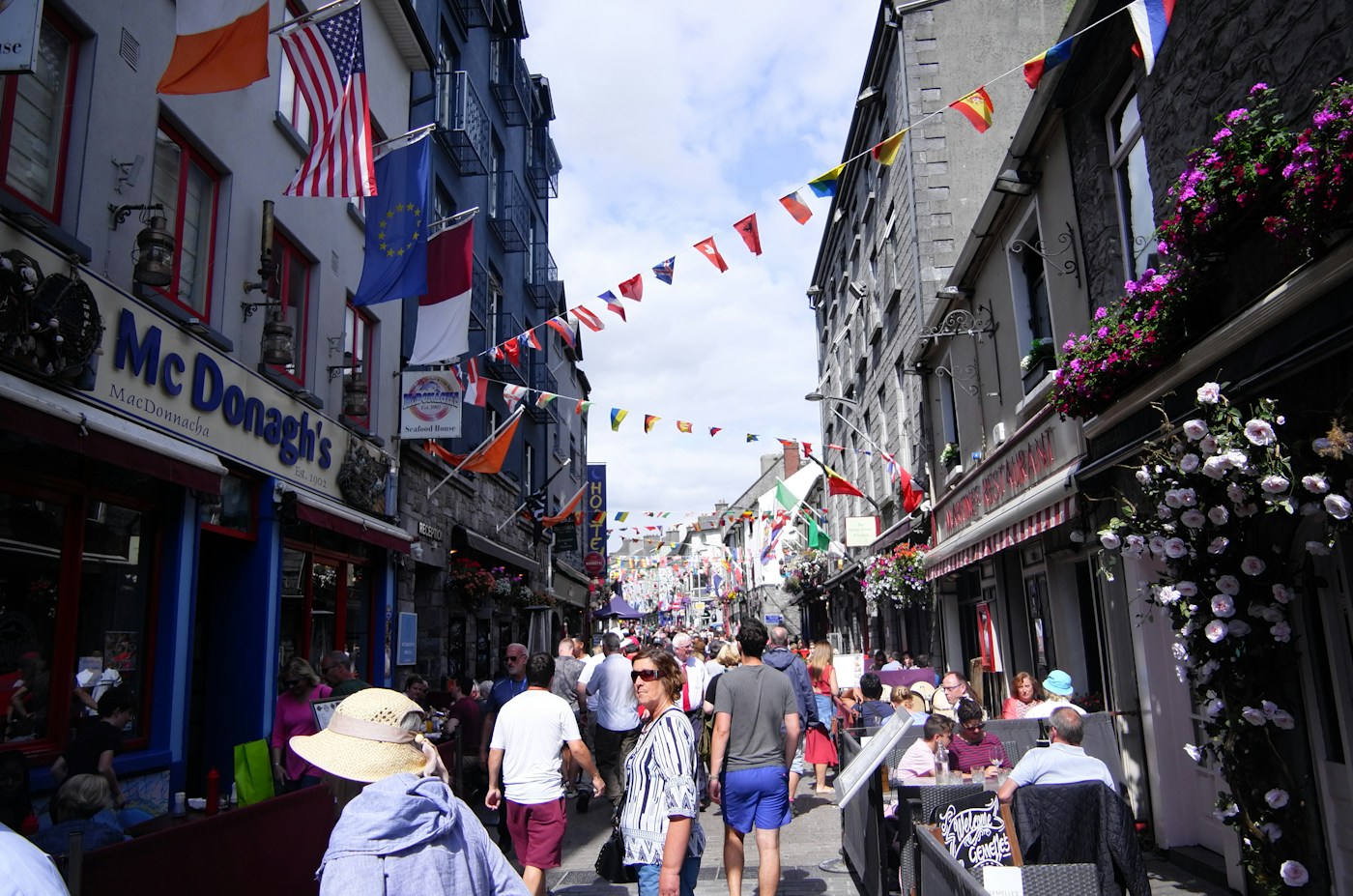
In a city, check the street entrance, nearby stops, and recent comments about nighttime noise. Being beside a famous pub is a location feature rather than a guarantee of restful sleep. Ask about reception hours and luggage storage if your arrival or departure falls outside check-in times.
A hostel can make meeting people easier, but compare the features that matter to you: female dorms if preferred, secure lockers, staffed reception, and shared spaces you would actually use. A private room is also a valid choice. You do not need to share a sleeping space to prove that you are traveling independently.
Keep the name, address, contact number, and arrival instructions available offline. If directions mention a side entrance or an unmarked lane, ask for a photograph or a precise meeting point before setting off.
Treat driving as an activity that needs preparation
Tourism Ireland’s driving guidance explains the essential adjustment for American visitors: traffic drives on the left. Before reserving, check the rental company’s license, age, insurance, and transmission requirements. Choose a car you can operate comfortably, rather than the one that happens to be available at the lowest displayed price.
Give yourself time to become familiar with the controls and local roads. Avoid arranging the longest rural drive immediately after an overnight flight. On narrow roads, follow signed passing arrangements and stop only where it is legal and safe; a beautiful view does not create a parking space.
Plan fuel, daylight, and the arrival time at the next property. If the forecast deteriorates, shorten the day. Driving alone means there is no second person to navigate or notice the turn while you watch the road, so stop somewhere appropriate before changing directions on the phone.
Enjoy the pub and keep your own way home
An evening of music or a quiet drink can be a good part of a solo visit. Choose somewhere you want to spend time, ask staff about the music schedule if that is the attraction, and keep an independent route back to the room. Friendly conversation does not need to become a commitment to another venue.
Keep your drink with you and ask staff for help if someone persists after a refusal or you suddenly feel unwell. If a walk home feels uncomfortable, use a properly arranged ride. Decide while still inside the venue, where there are people available to help.
The TFI Driver Check app lets passengers check vehicle registration and driver licensing, view the driver’s photograph, and share journey details. Match the actual vehicle and driver with the information provided. The app supports an informed choice; it does not guarantee how a journey will unfold.
Keep the coast separate from the crime question
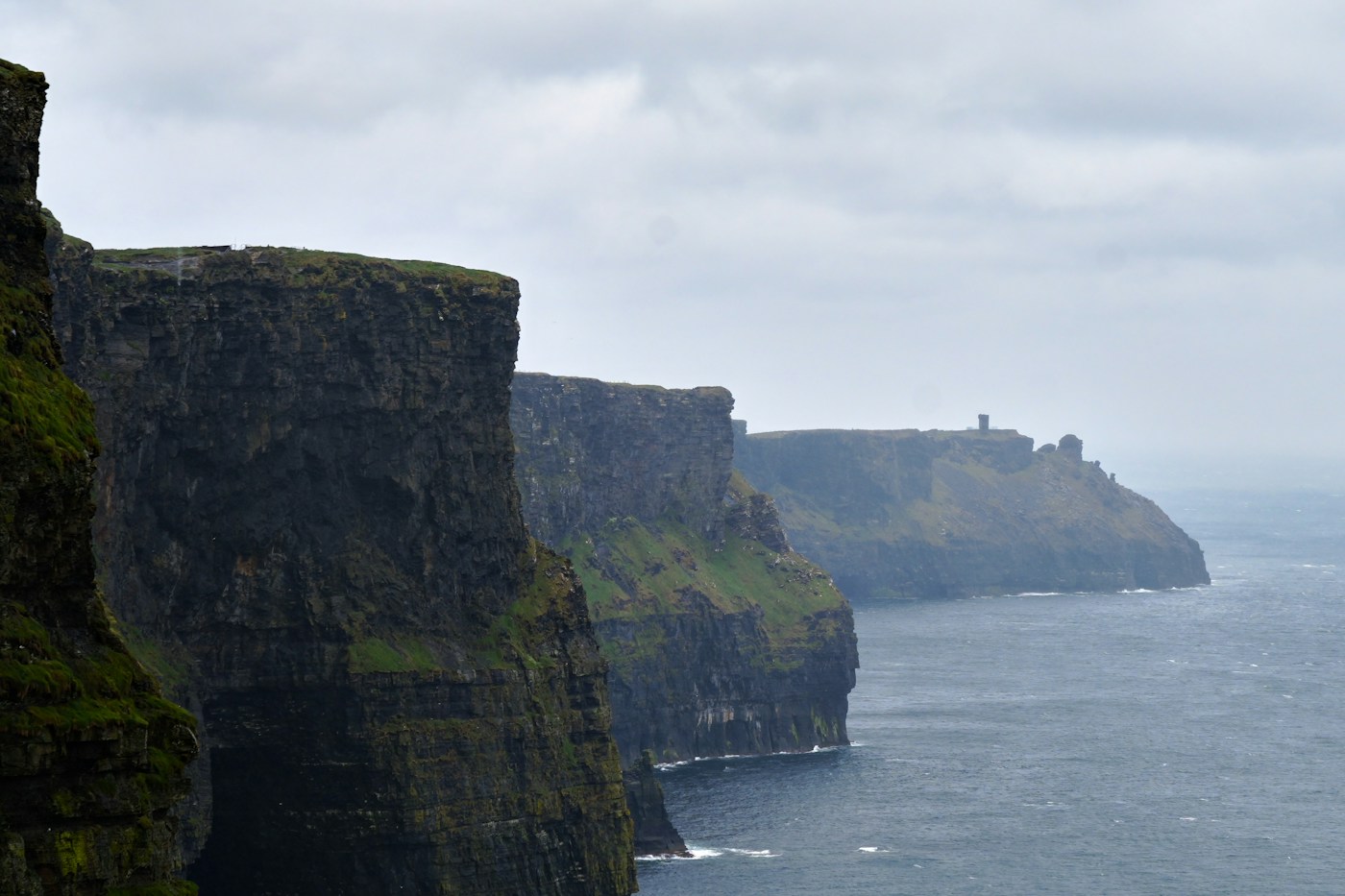
A country can be suitable for solo sightseeing while a particular coastal walk is a poor choice that afternoon. Use official local information for weather, access, and closures. At the Cliffs of Moher, check the visitor information before traveling and remain within the routes that are open to visitors.
Stay behind barriers and heed warning signs. Wind, wet surfaces, and an abrupt edge deserve more weight than finding a better camera angle. Do not follow another visitor beyond a closure simply because they seem confident about it.
For a hike, choose a route appropriate to your experience and current conditions, carry suitable layers and navigation, and tell someone the plan. Use an experienced local guide for unfamiliar remote terrain. A short marked walk can be a better solo day than a long route whose return depends on keeping a demanding pace.
Make everyday precautions easy to repeat
In busy visitor areas and transport hubs, keep belongings close while handling tickets or directions. Separate a backup payment card from the everyday wallet, avoid leaving a phone on a café table, and keep essential documents with you during transfers. Our travel safety tips for women cover these preparations without requiring a different system for each destination.
Save the room, stations, and meeting points in a Google Maps trip list. Then use the operator’s current information for departures. A map can show a bus stop very accurately while saying little about your chances of leaving it on a Sunday evening.
For help in an emergency, call 112 or 999. Ireland’s Emergency Call Answering Service confirms that both numbers operate in parallel. Give the location as clearly as possible, including a landmark when needed. Keep accommodation, bank, and insurer contacts accessible offline as part of the international travel checklist.
Leave room for the kind of company you want
Ireland can suit a trip that alternates time alone with short conversations, a shared tour, or an evening listening to music. Choose a route that makes those options easy without forcing them. If the weather changes, the tour fills, or a long drive loses its appeal, a town day is still a day in Ireland. A good first solo trip gives you choices after arrival as well as before it.